Power Tools
Flex FX1681 vs FX1671 Right Angle Drills: Turbo Power for Tight Spaces
Two new Flex right angle drills bring turbo mode, anti-kickback, and a lifetime warranty to plumbers, electricians, and HVAC pros. Here is how they differ.
Introduction
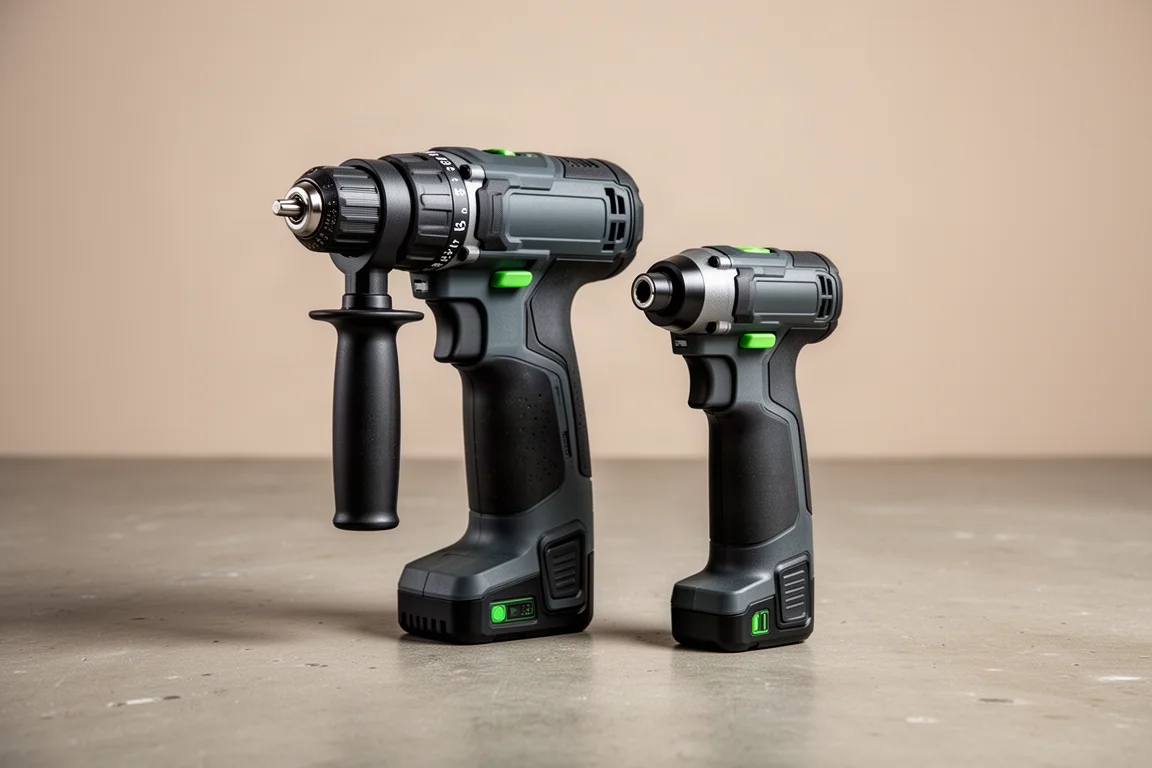
Flex has expanded its cordless lineup with two new right angle drills, and they are aimed squarely at people who work in tight spaces for a living: plumbers, HVAC techs, electricians, and general construction crews. The pair covers two very different needs. The Flex FX1671 is the compact, lighter option for everyday trade work, while the FX1681 is the full-size heavy hitter built for large-diameter boring.
Both drills share a standout feature set: a turbo button for a burst of extra speed and torque, anti-kickback protection, a bright front-mounted LED light, and multi-speed control. Pricing is also worth knowing up front: the FX1681 half-inch right angle drill is $429 as a tool-only purchase, while the compact FX1671 is $299. Flex also extended its lifetime warranty, so tools bought through the end of 2023 are covered for life.
Why Two Right Angle Drills?
The reason Flex released two models is simple: right angle drilling covers very different jobs. To put both through their paces, the tests used a 6-inch ship auger bit, a 2.5-inch self-feeding cutter bit, and a very large 3-5/8-inch bit, driven into treated 6x6 posts and 2x8 lumber with no pilot holes.
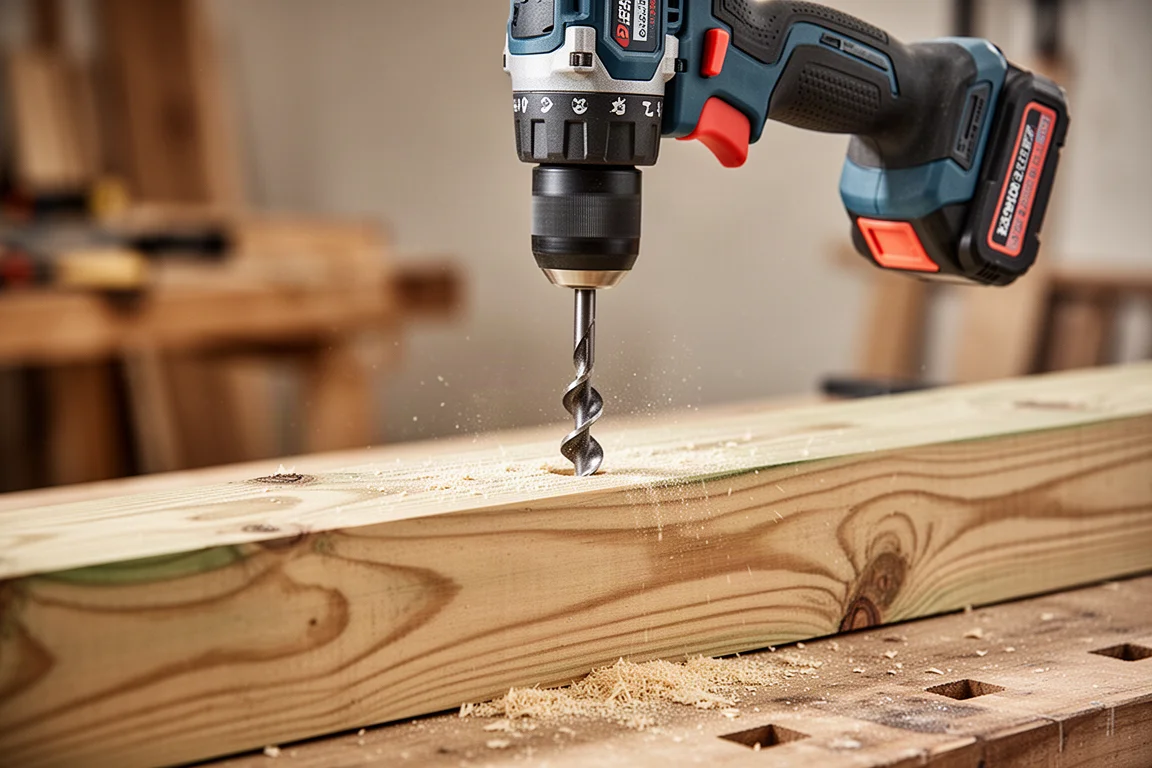
The compact model handled auger work and smaller self-feed bits with surprising authority, while the larger model was the one that could keep pushing through the biggest bits without the anti-kickback system cutting in constantly. Knowing which size of work you do most often is the fastest way to pick between them.
Flex FX1671: The Compact Right Angle Drill
The FX1671 is noticeably lighter and smaller than its bigger sibling, which makes it the natural pick for plumbing, HVAC, and electrical work where you do not want to haul something heavy into a crawl space or between studs. Despite the smaller size, it is far from gentle: with the turbo button engaged, it drives auger bits through treated lumber without pilot holes, and the variable speed trigger gives good control from slow starts to full power.
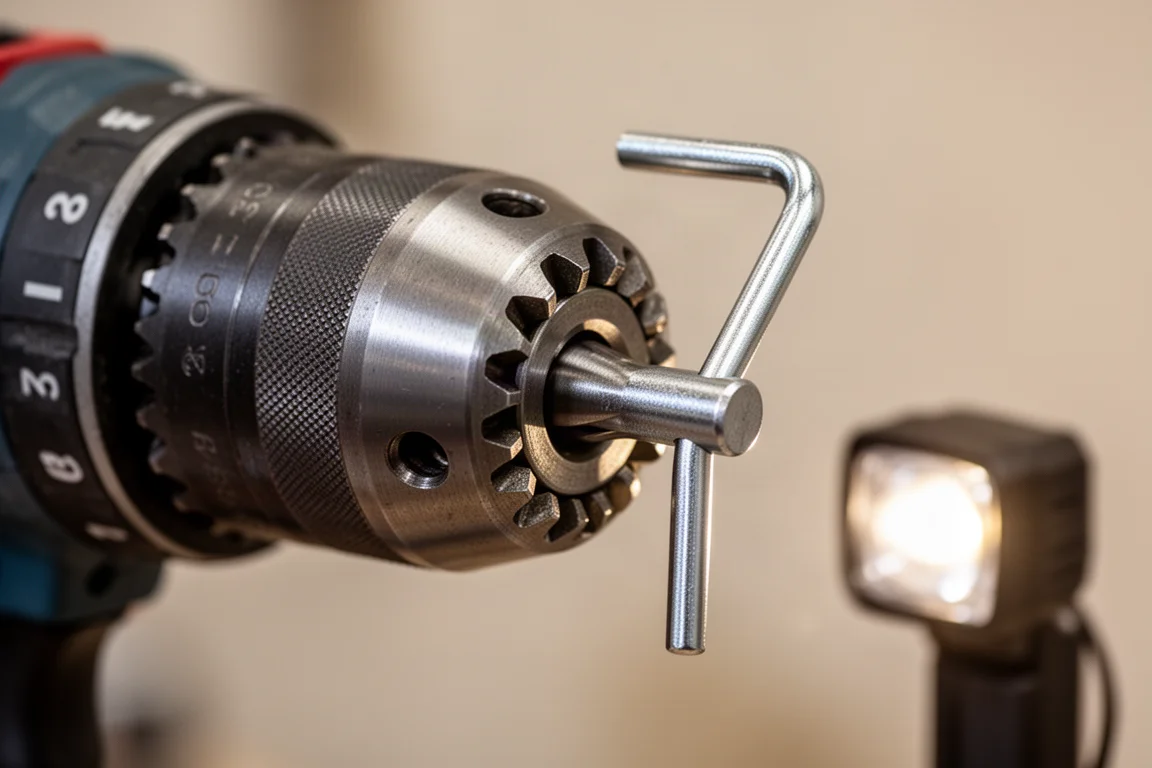
One design choice worth discussing is the keyed chuck. Many modern right angle drills use auto-tightening chucks, so why go keyed? The practical answer is versatility and grip. With a big keyed chuck, you can clamp essentially any bit shank size you want, and once the chuck key is cranked down and stowed in its holder, the bit is not going anywhere. For heavy-duty boring, that security matters more than quick-change convenience.
The FX1671 also lacks a separate side handle, which initially seems like a risk with turbo power on tap. In practice, the anti-kickback system works well enough that wrist strain was never a concern during testing. The anti-kick engages when the bit binds, protecting your arm and the tool. Build quality feels solid throughout, and the bright LED on the front is genuinely useful in dim framing cavities. One note from the testing: on larger bits like the 3-5/8-inch, the anti-kickback on this compact model triggers too readily, so bits around 1.5 inches and smaller are its sweet spot.
Flex FX1681: The Full-Size Heavy Hitter
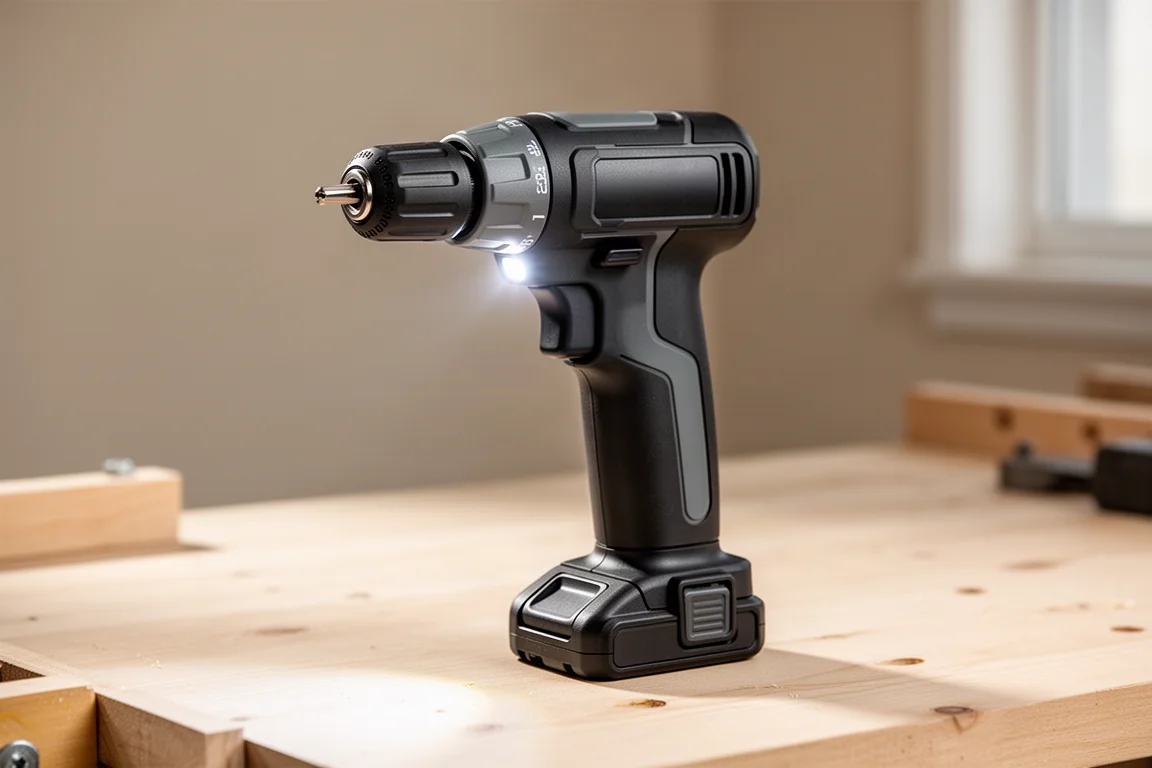
The FX1681 is the granddaddy of the pair: heavier, built for massive applications, and clearly the tool you reach for when the compact model runs out of torque. It includes a side handle that can be positioned for either left- or right-hand use, which you will want, because even with anti-kickback protection this is a lot of tool when a big bit grabs.
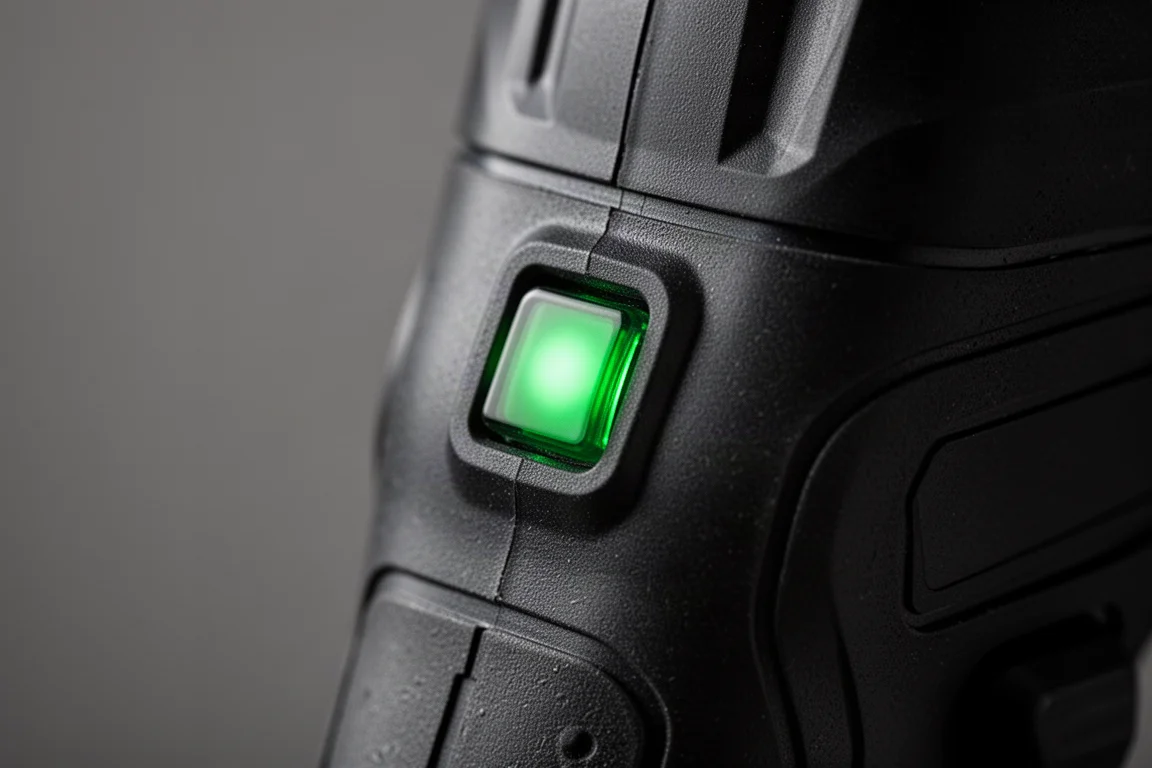
In testing, the FX1681 drove the 6-inch auger and the 2.5-inch self-feed bit through treated lumber with authority, even without pilot holes. At full variable speed without turbo, it was already impressively fast; with turbo engaged it simply ate through the material. The 3-5/8-inch bit, driven slowly at first and then under load, also proved manageable thanks to the anti-kickback system keeping the tool controlled when the bit bound up.
Beyond turbo, the FX1681 has a low and high gear switch. The entire test ran on high; if you want extra torque at slower speeds, low gear combined with turbo delivers a meaningful torque boost. That flexibility makes it easier to match the tool to the bit size: high speed for smaller bits, low gear plus turbo for large-diameter work. It uses the same 6Ah power stack battery as the compact model, so batteries can be shared across both tools.
Overall Comparison
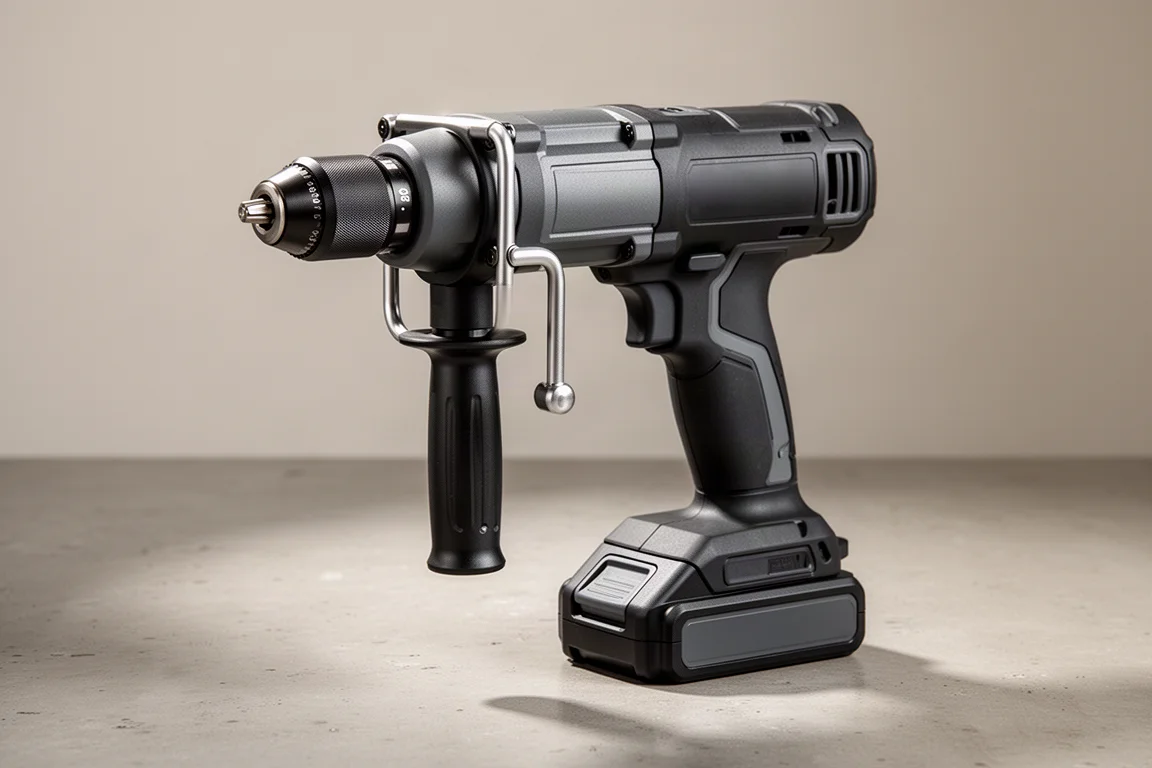
Both drills share turbo mode, anti-kickback, LED lighting, and a keyed chuck with a locking key holder, and both accept the same battery platform. The differences come down to size, weight, and bit capacity:
- FX1671 ($299, tool only): lighter and more compact, ideal for plumbing, HVAC, and electrical work in tighter areas, best with bits up to around 1.5 inches where anti-kickback will not interfere.
- FX1681 ($429, tool only): heavier duty construction, side handle for two-handed control, and the muscle to run 3-5/8-inch and other large bits where the compact model cannot.
Buying Advice
If your day is mostly smaller boring jobs, running lines, and working in confined spaces where weight matters, the FX1671 is extremely powerful for its size and easier to live with. If you regularly face large-diameter holes in framing, the FX1681 is the tool that will not flinch, and the side handle plus anti-kickback make the power manageable.
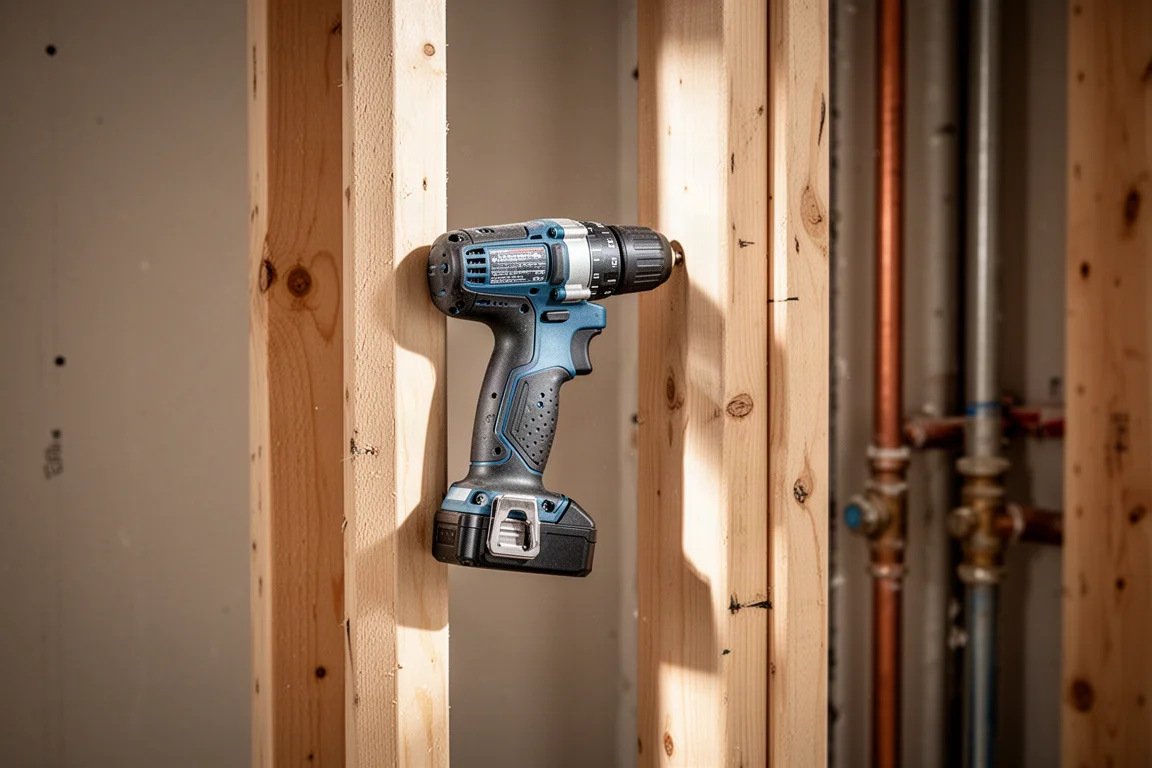
Either way, keep the warranty in mind: Flex extended its lifetime warranty on tools purchased through the end of 2023, which adds long-term value to either purchase.
Conclusion
Flex’s two new right angle drills cover the category well: a compact, lighter tool for trade work in tight spaces, and a full-size monster for heavy structural boring. Both deliver turbo power, anti-kickback protection, and a genuinely useful keyed chuck, and the lifetime warranty seal the deal for anyone buying into the platform. Choose based on the size of the bits you drive most often, and you will not go far wrong with either.
Further reading
Related Reviews
Power Tools
Best 1-Inch Pistol Impact Wrenches: Three Heavy-Duty Options Compared
We compare three 1-inch pistol impact wrenches, from a budget-friendly Harbor Freight model to a premium Caterpillar unit, to help you choose the right one.
Power Tools
Best 3/4-Inch Impact Wrenches 2026: Five Contenders Compared
We compare five 3/4-inch impact wrenches across price and performance, from a budget Amazon option to Snap-on's most powerful model yet.
Power Tools
Best Budget Cordless Tools 2026: Walmart Finds That Punch Above Their Price
We tested five cordless tools from Walmart, including a high-torque impact wrench that trades blows with Milwaukee and a $35 duster that outperforms its price class.