Power Tools
Flex Quick-Eject 24V vs Milwaukee M18 Fuel One-Key: Flagship Impact Driver Head-to-Head
Two flagship impact drivers went fastener to fastener across five demanding tests. Here is where each one wins, what the features and batteries mean in practice, and which price makes sense for you.
Introduction
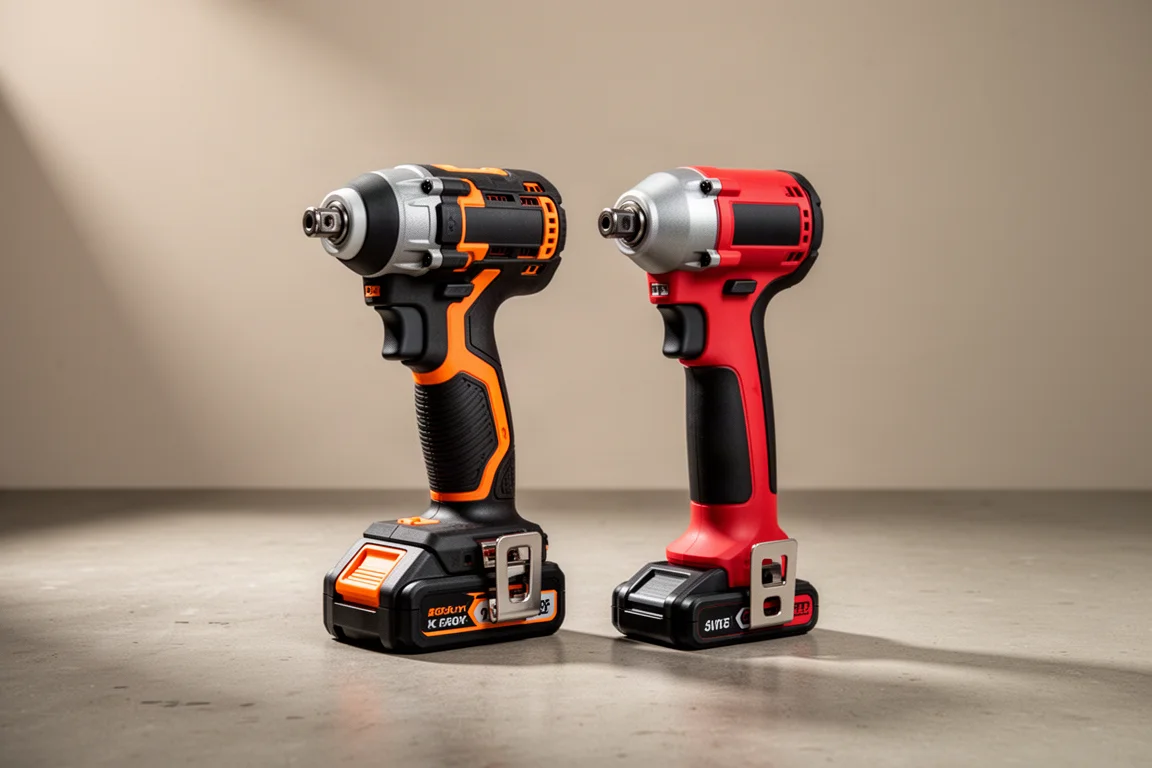
Flex made some bold claims when it entered the power tool market, and the obvious question is whether it can keep up with an established brand like Milwaukee. Both companies field serious flagship impact drivers: the Flex Quick-Eject 24V and the third-generation Milwaukee M18 Fuel with One-Key. To settle it, the two tools ran a fastener climbing challenge: five rounds of increasingly tough driving work, from long structural screws to thick half-inch lag bolts, with whoever finished first taking the round.
How the Tests Were Run
Round one used eight-inch GRK RSS structural screws driven in the strongest high-speed mode with no assist, each tool running a fully charged 5Ah battery. Milwaukee actually averaged about four tenths of a second faster in a five-fastener average of the same test, but on this occasion Flex took the round. Round two, 3/8-inch lag bolts into pre-drilled pilot holes in OSB, went to Milwaukee, tying things up one to one.
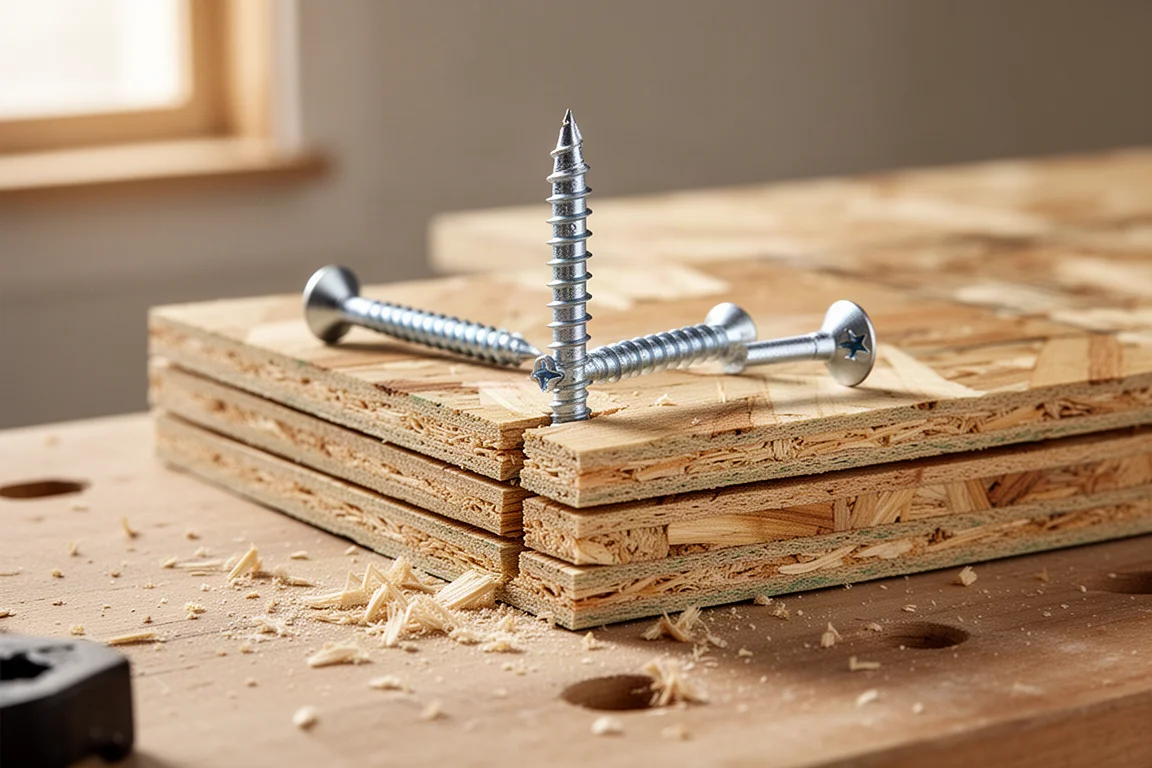
The third round repeated the same fastener diameter without a pilot hole, and Milwaukee pulled ahead with a clear margin. Both tools proved genuinely strong here, but Milwaukee showed a real speed advantage on thinner fasteners. Round four stepped up to half-inch lag screws with pilot holes, and the result was close enough to call a tie, with the two fastener heads only a millimeter or two apart.
The Toughest Round and the Photo Finish
The final challenge was the hardest: taller half-inch lag screws with no pilot holes. Flex left its fastener not quite flush, but Milwaukee’s sat even more proud, so Flex was awarded the round. That said, the wood felt softer than expected for a half-inch fastener, so the test was rerun side by side in a fresh spot to confirm the call. The confirmation run settled it: Flex won that round on merit.
The overall scoreline across five rounds is effectively a tie, and the honest verdict is that neither tool is a clear winner. Milwaukee tends to be faster with thinner fasteners, while Flex clearly has more muscle when the fasteners get thick. The specifications back that up. Both tools spin up to 3,600 rpm at the top end. Milwaukee claims 2,000 inch-pounds of torque, which is excellent for an impact driver, but Flex claims 2,500, so its edge on the half-inch lag screws is no surprise. Impact rates are close too, with Milwaukee at 4,300 and Flex slightly higher at 4,450.
Features and Design: Flex Quick-Eject 24V
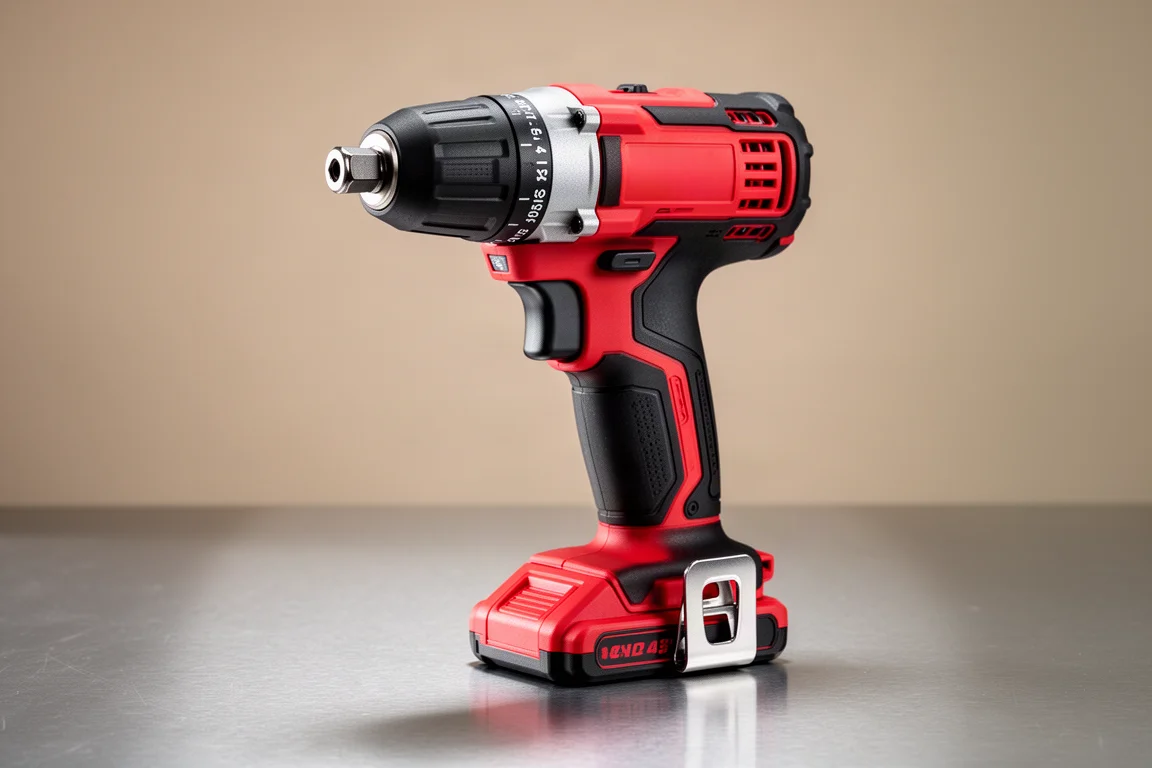
At a glance Flex looks bulkier, but the length difference is small: Milwaukee measures 4.6 inches and Flex 4.75. The real difference is head diameter, which is clearly thicker on the Flex, and weight. As bare tools, Milwaukee weighs 2.3 pounds and Flex 2.8. With the 5Ah batteries used in the tests, Milwaukee comes to 3.9 pounds and Flex to 4.9, a full pound heavier.
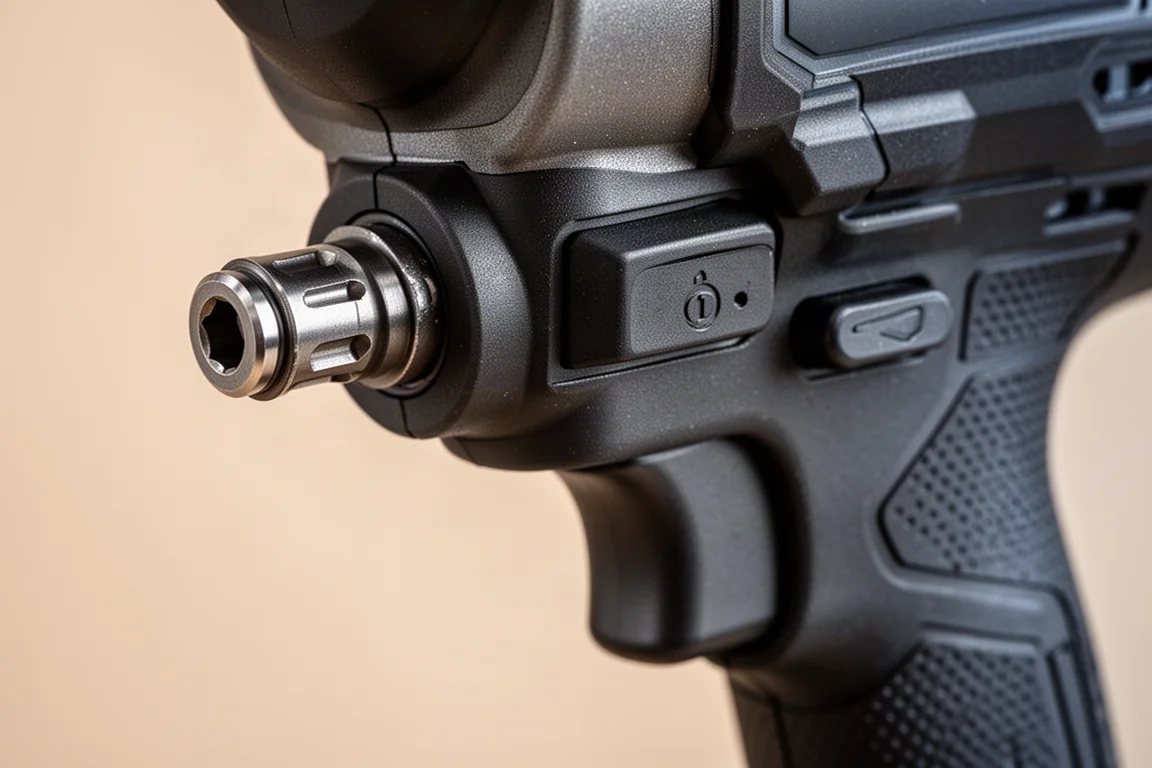
Flex’s control deck offers three standard speeds plus two assist modes. The standout feature is the quick-eject button above the trigger: it pushes the collet open so you can insert or eject a bit without taking your hand off the handle. It is not a true one-hand insertion, but since your finger never leaves the grip, it effectively works like one, and it also helps Flex keep its head length shorter than some competitors.
Features and Design: Milwaukee M18 Fuel One-Key
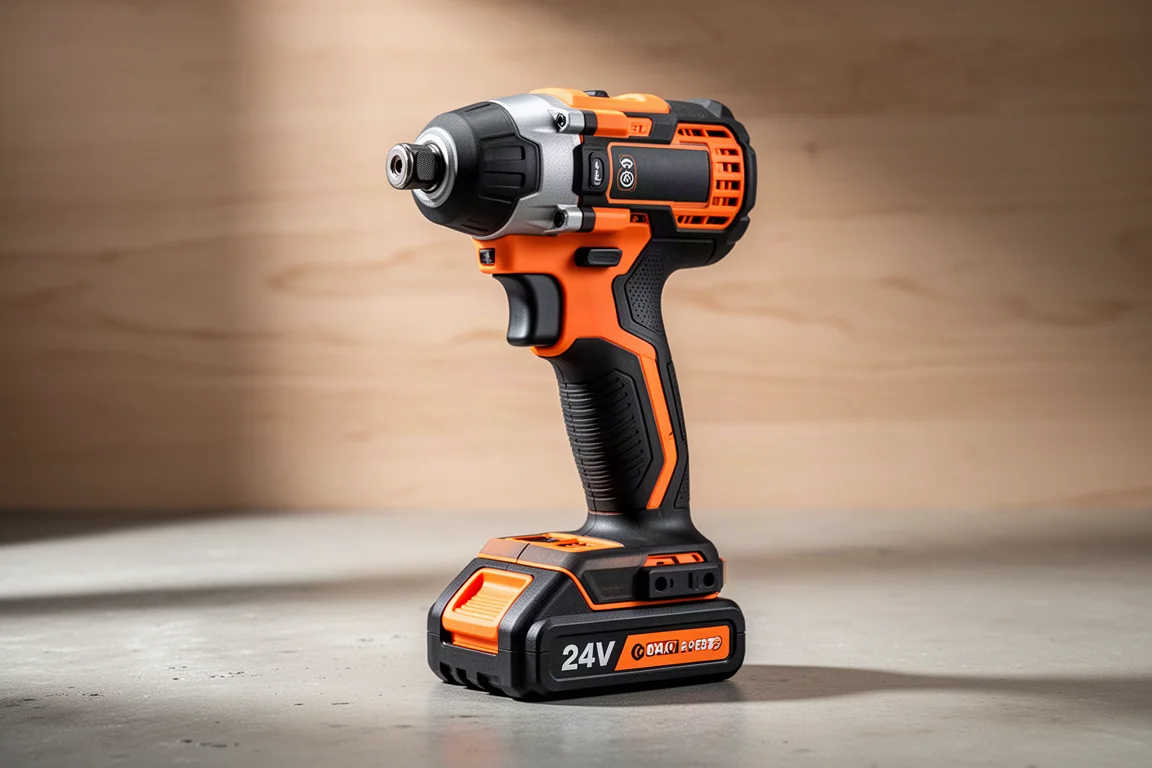
Milwaukee counters with four standard speeds, and the tested model includes One-Key, though a non-One-Key version is available if you would rather skip it. One-Key adds tool tracking, security, inventory management, and custom controls. Milwaukee supports one-handed bit insertion, but ejecting a bit takes two hands, which is where the Flex quick-eject approach pays off.
Ergonomically, both are excellent. Flex has a nicely contoured handle that suits medium-sized hands, and both grips are comfortable for long sessions. Flex uses more aggressive texturing that channels sweat away and grips better, while Milwaukee’s feels smoother. That ultimately comes down to personal preference rather than a clear advantage either way.
Battery Technology: 18V vs 24V
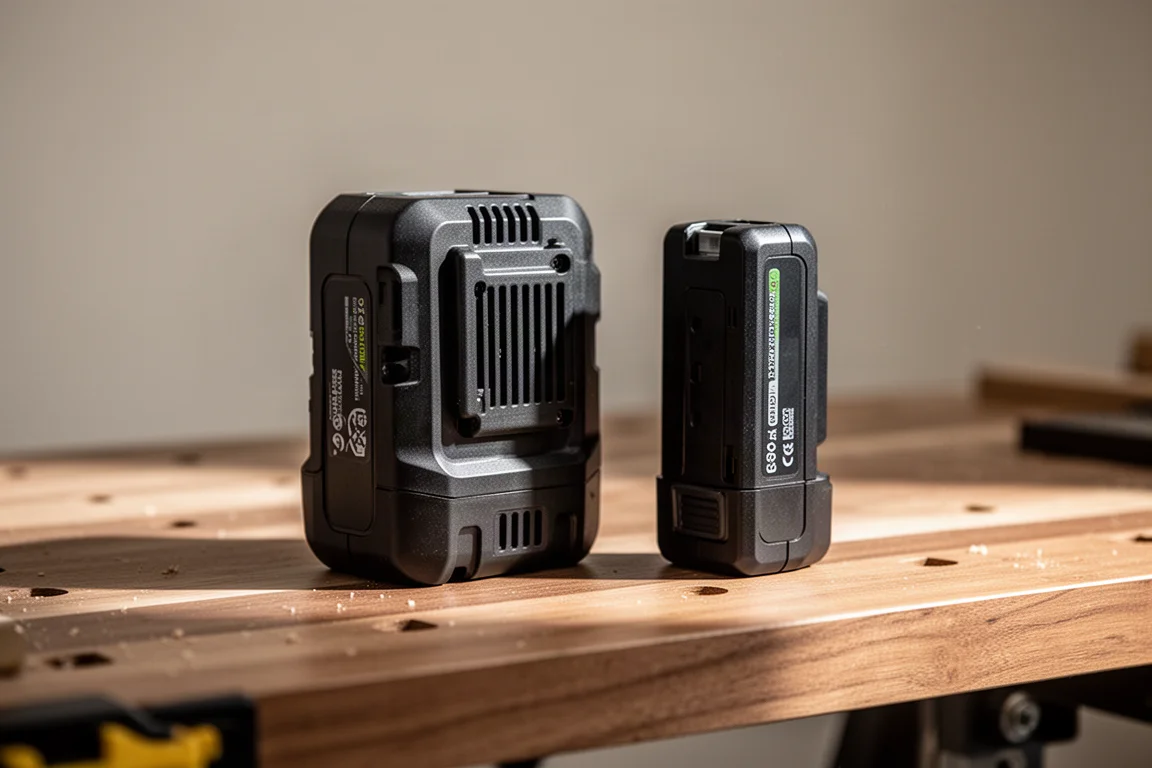
Milwaukee uses a standard 18V configuration, equivalent to 20V max, built from groups of five cells, so a 5Ah pack holds ten cells. Flex runs a 24V max system (21.6V nominal) with a six-cell format, meaning its 5Ah pack holds twelve cells and offers roughly 20 percent more capacity. That translates into potential runtime, speed, and power advantages, some of which showed up in the driving tests.
Flex also builds advanced cooling technology around the battery cells, a feature seen across other tools from the same manufacturer. Both tools got warm during testing but neither reached concerning temperatures. Where it matters is heavy sustained use and recharge times: Flex manages heat better and can start charging sooner once back on the charger.
Price and Warranty
Both tools carry a five-year manufacturer warranty, and Flex additionally offered its Founders Warranty covering the tool, batteries, and chargers for life for owners who registered by December 31, 2021. Clearly both manufacturers expect these tools to last on the job site.
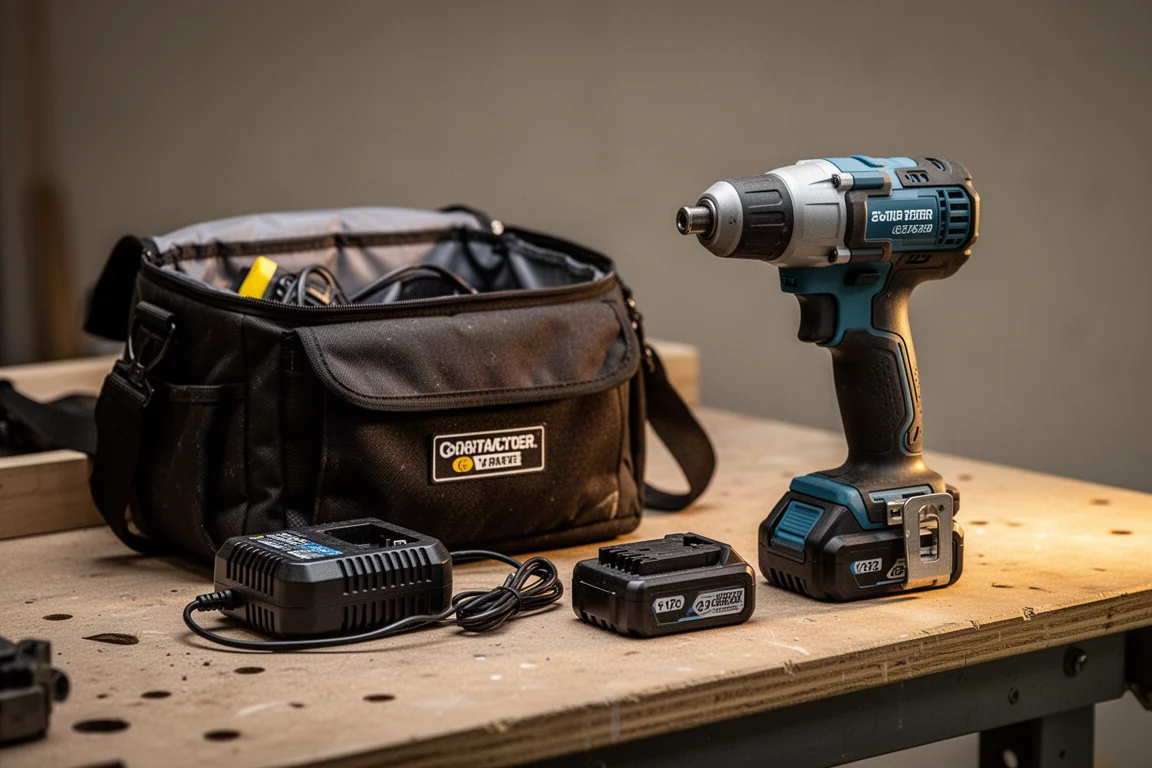
Flex is currently sold only as a kit: one 5Ah battery, one 2.5Ah battery, and a charger for $249. It is also available in a two-tool combo with the Flex turbo hammer drill for $349. Milwaukee offers more options: the One-Key bare tool is $189, or $349 as a kit with two 5Ah batteries. Skipping One-Key saves $50, dropping the bare tool to $139, the two-battery kit to $299, and the two-tool combo with the M18 Fuel hammer drill to $399. On comparable configurations, Flex comes in less expensive.
Buying Advice
Choose the Milwaukee if speed on thinner fasteners matters most, if you want the lighter tool in this battery configuration, or if One-Key tracking and inventory features are worth it to you. Choose the Flex if you regularly drive thick fasteners, want the extra claimed torque and 24V battery capacity, and prefer the lower kit price. Both deliver professional-grade performance and a five-year warranty, so the decision mostly comes down to which strength matches your daily work.
Conclusion
Across five demanding rounds, these two flagship impact drivers ended in a genuine tie: Milwaukee is faster with thinner fasteners, Flex is stronger with the thick ones, and the specs explain exactly why. With comfortable ergonomics, strong feature sets, and solid warranties on both sides, either is a confident buy for serious driving work.
Further reading
Related Reviews
Power Tools
Best 1-Inch Pistol Impact Wrenches: Three Heavy-Duty Options Compared
We compare three 1-inch pistol impact wrenches, from a budget-friendly Harbor Freight model to a premium Caterpillar unit, to help you choose the right one.
Power Tools
Best 3/4-Inch Impact Wrenches 2026: Five Contenders Compared
We compare five 3/4-inch impact wrenches across price and performance, from a budget Amazon option to Snap-on's most powerful model yet.
Power Tools
Best Budget Cordless Tools 2026: Walmart Finds That Punch Above Their Price
We tested five cordless tools from Walmart, including a high-torque impact wrench that trades blows with Milwaukee and a $35 duster that outperforms its price class.