Power Tools
Flex Pro-Grade Compact Drill vs Hammer Drill: Which One Should You Buy?
Two drills that look nearly identical from the front, but one hides a hammer mode that changes everything. Here is how to choose between the Flex Pro-Grade Compact Drill and the Flex Pro-Grade Hammer Drill.
Introduction
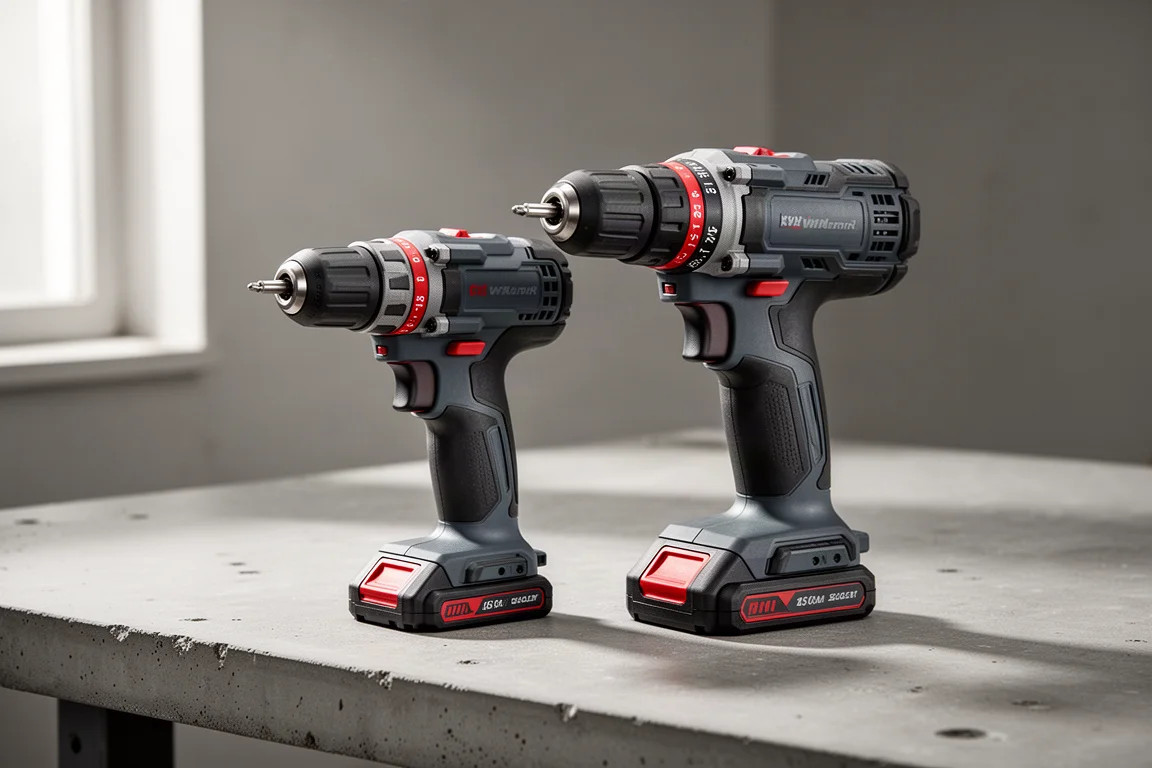
Few tool comparisons confuse buyers more than the choice between a regular drill and a hammer drill. They can share the same battery platform, the same brand, the same general shape, and even the same price bracket, yet they behave very differently once you pull the trigger. This guide breaks down the Flex Pro-Grade Compact Drill and the Flex Pro-Grade Hammer Drill, two 24V cordless tools that look almost identical from the front, and explains why one of them does a job the other simply cannot.
Nearly Identical at First Glance
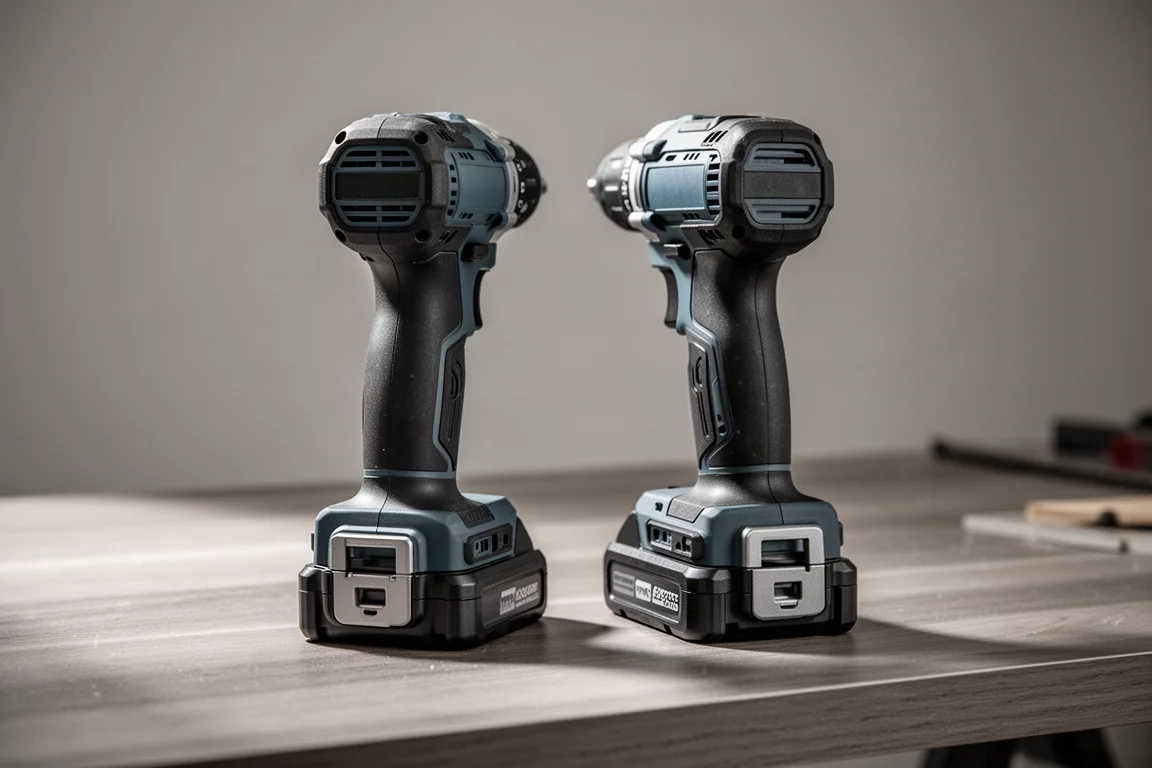
Walk into a store and set these two side by side, facing forward, and you would struggle to tell them apart. Both are Flex pro-grade 24V tools from the same release, and the battery base is effectively the same: identical footprint, identical light that kicks up at the front, and the same overall height and size when viewed from the back.
The differences only appear from the side and top views. The hammer drill is always a little bit larger, and it also carries a slightly higher price tag. That extra bulk and cost exist for a reason, and it lives inside the tool.
One Mode vs Three Modes
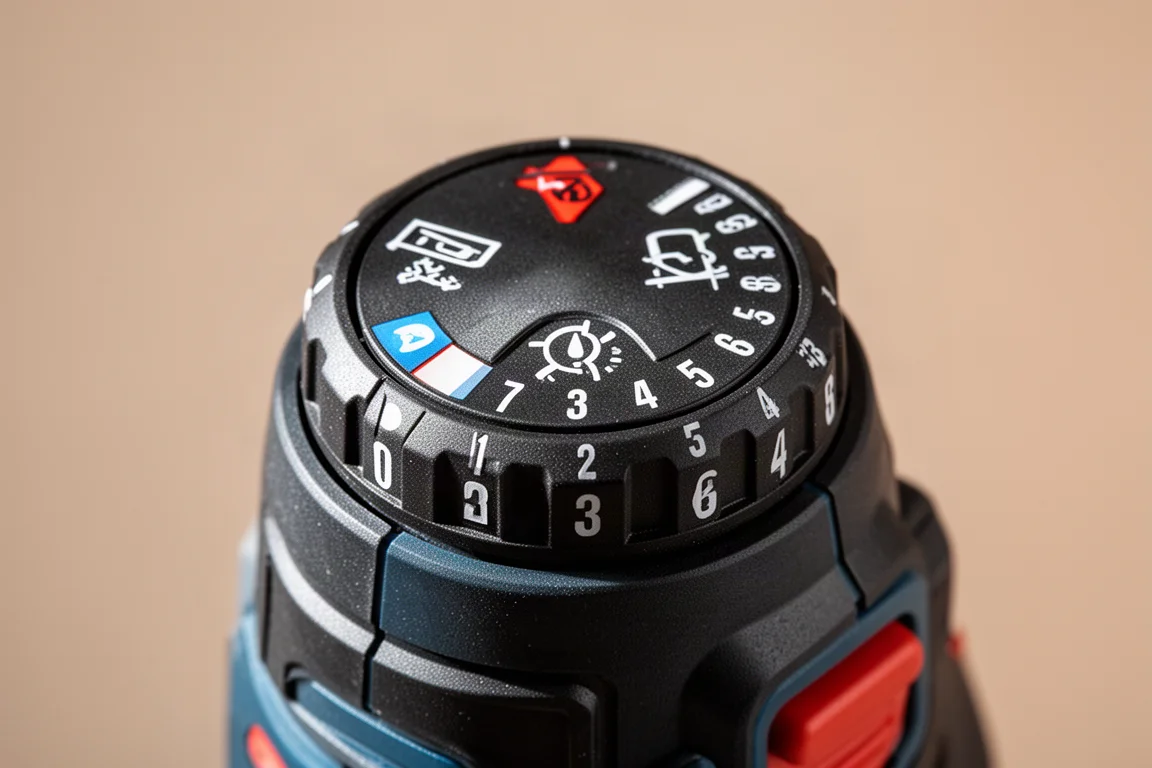
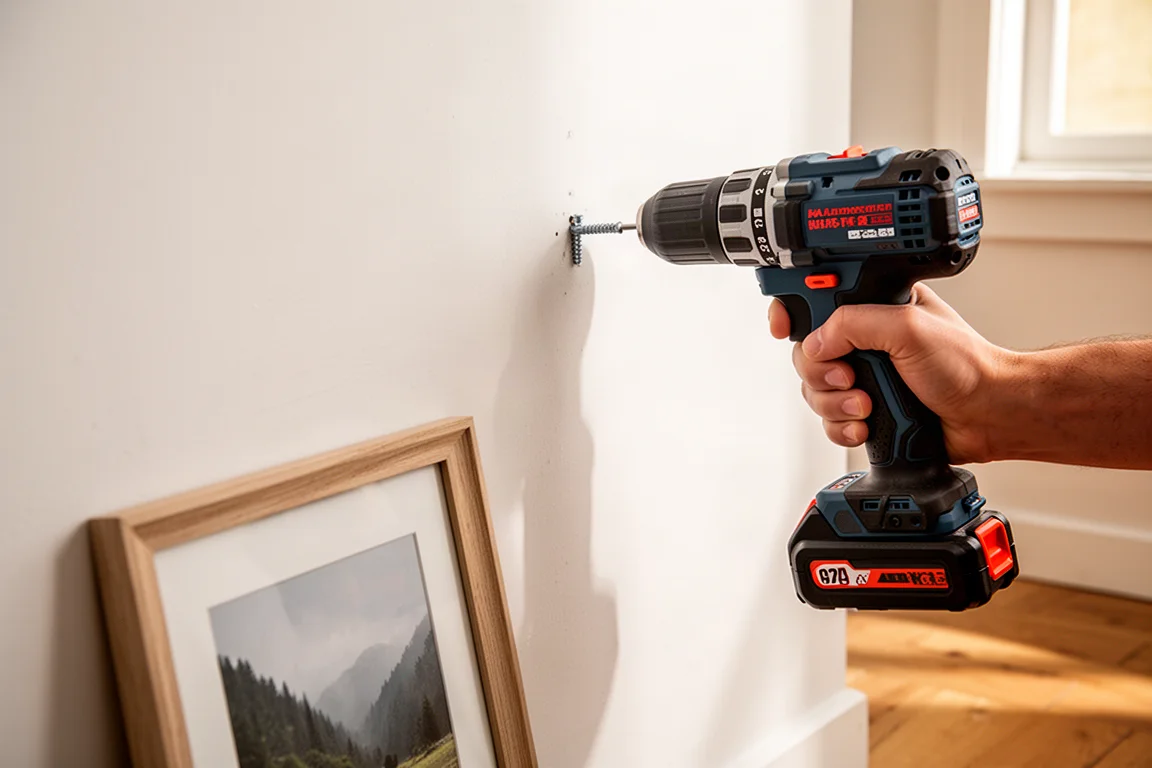
On top of the Compact Drill you will find a single drill icon plus a set of clutch positions, running from 1 up to 17 on this unit. That is a classic drill layout: one job, done well. It is built for drilling holes in wood, metal, and plastic, and for general tasks like hanging pictures. Many professional users do not even use a drill to drive screws, reaching for an impact driver instead, which makes a regular drill something of a one-trick pony.
The Hammer Drill also has the drill icon and the same clutch positions, but its selector carries three icons instead of one: drill mode, a driving mode marked with a screw icon, and hammer mode. That third setting is the entire point of the tool.
Both drills offer high and low speed settings that work essentially the same way. In a straight-down test through a 6x6 timber with no pilot holes, both tools punch through cleanly and smoothly in the faster mode. So far, so equal.
Concrete and Cinder Block: Where They Split
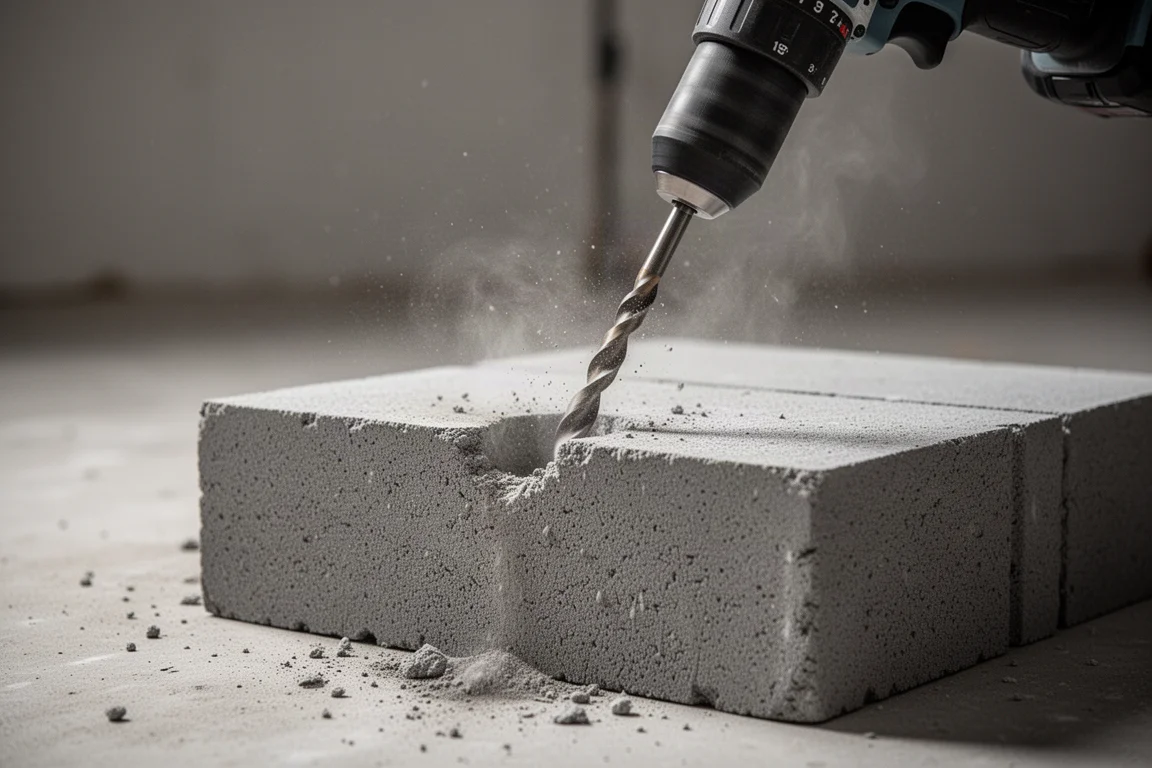
Flip the hammer drill to hammer mode and you immediately hear the difference: a louder, buzzy, rattling tone as the hammering mechanism engages. Inside the tool, the bit is not just spinning anymore. It is being struck rapidly on its downward stroke at the same time, which is exactly why the hammer drill body is a little bigger than its sibling.
This is where the two tools part ways. Drill a hole into a softer cinder block with the regular drill and it will get through eventually, but cinder block is far softer than true concrete, and the single setting has to do all the work with spinning force alone. On harder concrete, that approach gets slow fast.
Switch to the Hammer Drill, put on a masonry bit, and the difference is obvious. The spinning plus hammering action powers down through cement, concrete, and cinder block dramatically faster, even with the same bit. For professionals in the trades who need to fasten tapcons, anchor studs to concrete walls, or finish basements and rooms built on slab, this is the tool for the job. A regular drill will get through wood, metal, and plastic just fine, but it is not the right answer for masonry work.
It is worth noting that when hammer mode is engaged, the clutch is disabled, so the hammer drill behaves differently in that mode than in its standard drill setting.
Which One Should You Buy?
The honest answer depends entirely on what you drill. If your projects are wood, plastic, and metal, if you hang pictures and assemble furniture, and you have no plans to ever touch a concrete wall, the hammer function simply adds size and cost for nothing. The Flex Pro-Grade Compact Drill saves you money and stays smaller on the shelf.
For anyone in the trades, or a serious DIYer who might one day anchor into concrete, the calculus flips. The Hammer Drill can do everything the regular drill can do, plus masonry. That asymmetry is why many pros would never buy a regular drill over a hammer drill, and are happy to accept the slightly larger body and higher price in exchange for the extra capability.
Keep in mind that grades, strength ratings, and RPM figures vary widely across drill models in general, so it pays to compare the specific units you are considering before committing.
Conclusion
The Flex Pro-Grade Compact Drill is the better value for light-duty drilling in wood, metal, and plastic, while the Flex Pro-Grade Hammer Drill justifies its larger body and higher price with hammer mode for concrete, cement, and cinder block. If you will ever drill into masonry, buy the hammer drill. If you will never touch it, keep the money and enjoy the compact one.
Product link
View more details for Flex Pro-Grade Compact Drill
This product is mentioned in the review. Check the specifications, options, and compatibility before buying.
View more details for Flex Pro-Grade Compact DrillFurther reading
Related Reviews

Power Tools
Best 1-Inch Pistol Impact Wrenches: Three Heavy-Duty Options Compared
We compare three 1-inch pistol impact wrenches, from a budget-friendly Harbor Freight model to a premium Caterpillar unit, to help you choose the right one.

Power Tools
Best 3/4-Inch Impact Wrenches 2026: Five Contenders Compared
We compare five 3/4-inch impact wrenches across price and performance, from a budget Amazon option to Snap-on's most powerful model yet.

Power Tools
Best Budget Cordless Tools 2026: Walmart Finds That Punch Above Their Price
We tested five cordless tools from Walmart, including a high-torque impact wrench that trades blows with Milwaukee and a $35 duster that outperforms its price class.