Power Tools
Flex Compact Drill Lineup: Drill, Hammer Drill, and Impact Driver Tested
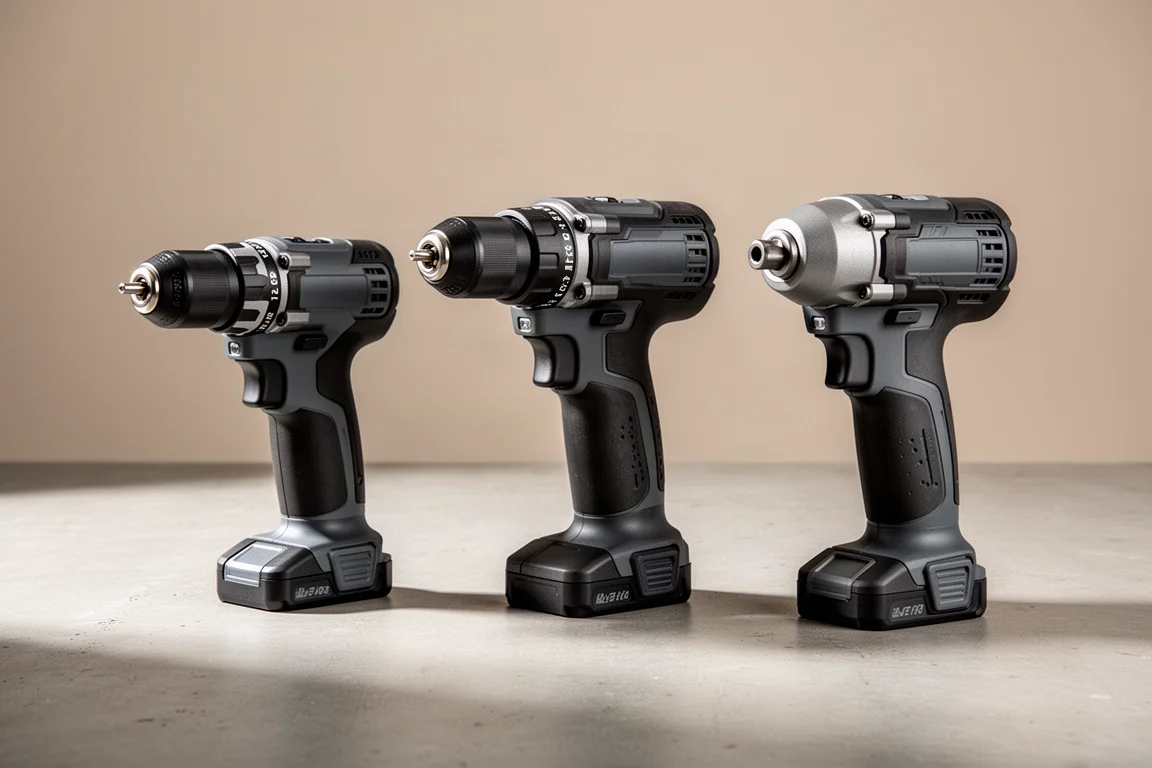
Flex's new compact drill, hammer drill, and impact driver promise lighter bodies with real power. We put all three through auger bits, cinder block, concrete, and big lag screws.
Introduction
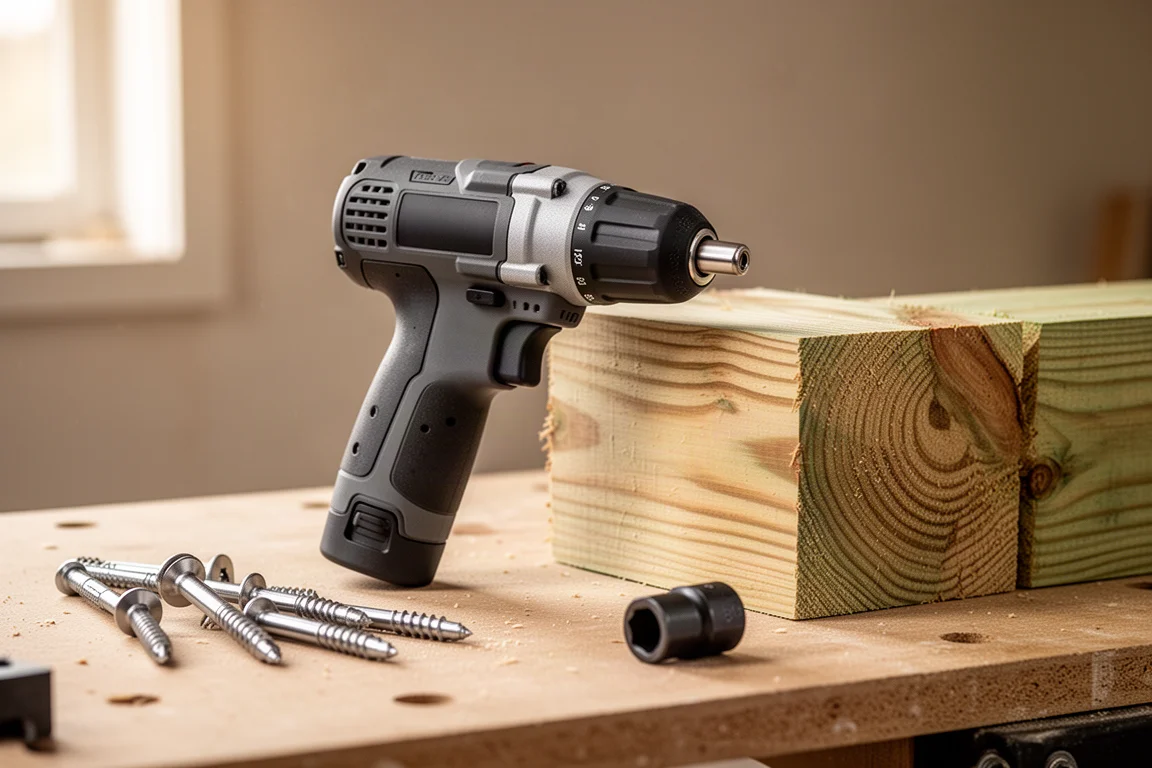
Flex has added three new compact cordless tools to its lineup: a regular drill, a hammer drill, and an impact driver. All three are built around smaller bodies and lighter weight, aimed at anyone who spends a lot of the day working overhead, in joist bays, or in tight framed walls. The obvious question with any compact line is what you give up for the smaller package, so all three were put through real jobs: auger bits in thick wood, masonry bits in cinder block and concrete, and half-inch lag screws into a pressure-treated 6x6 with no pilot holes.
How the Testing Was Set Up
Every test used the 2.5 Ah batteries that ship with these compact kits, since that is the configuration buyers actually get. The full-size tools from the same brand were used as benchmarks where it mattered, particularly for the hammer drill and the impact driver comparison. No pilot holes, no bench jigs, just the way these tools would be used on a job site.
Flex Compact Drill
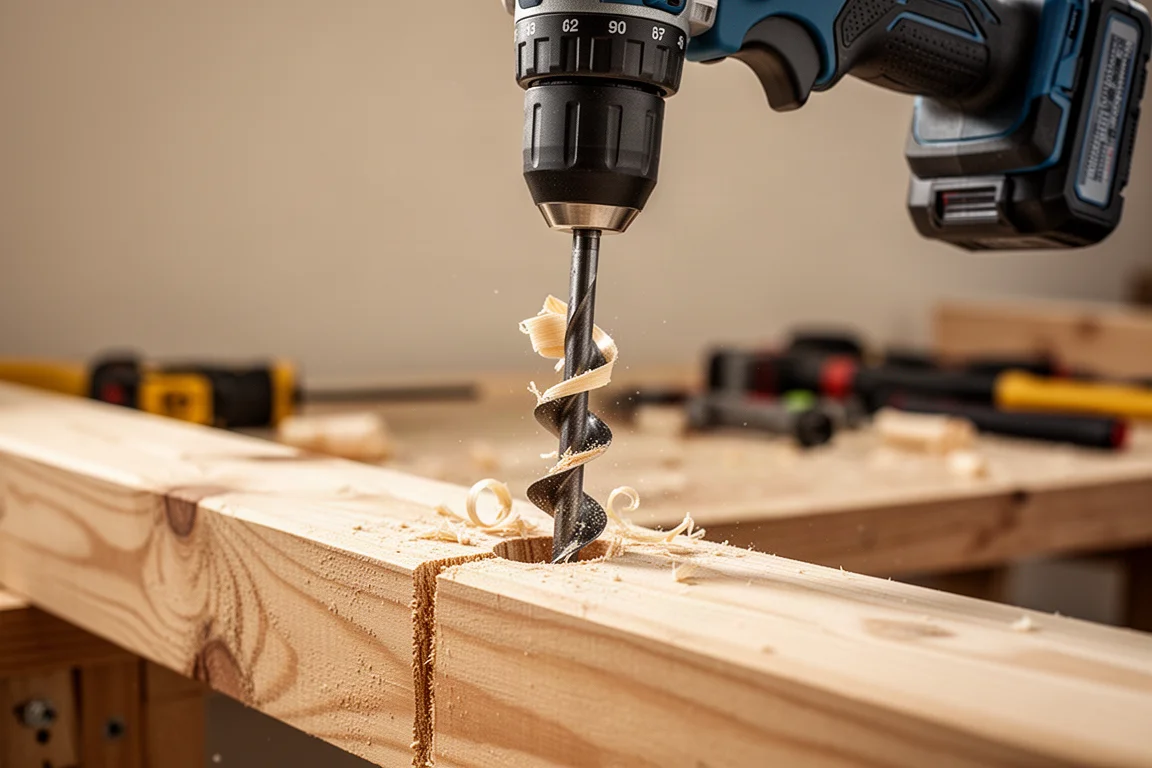
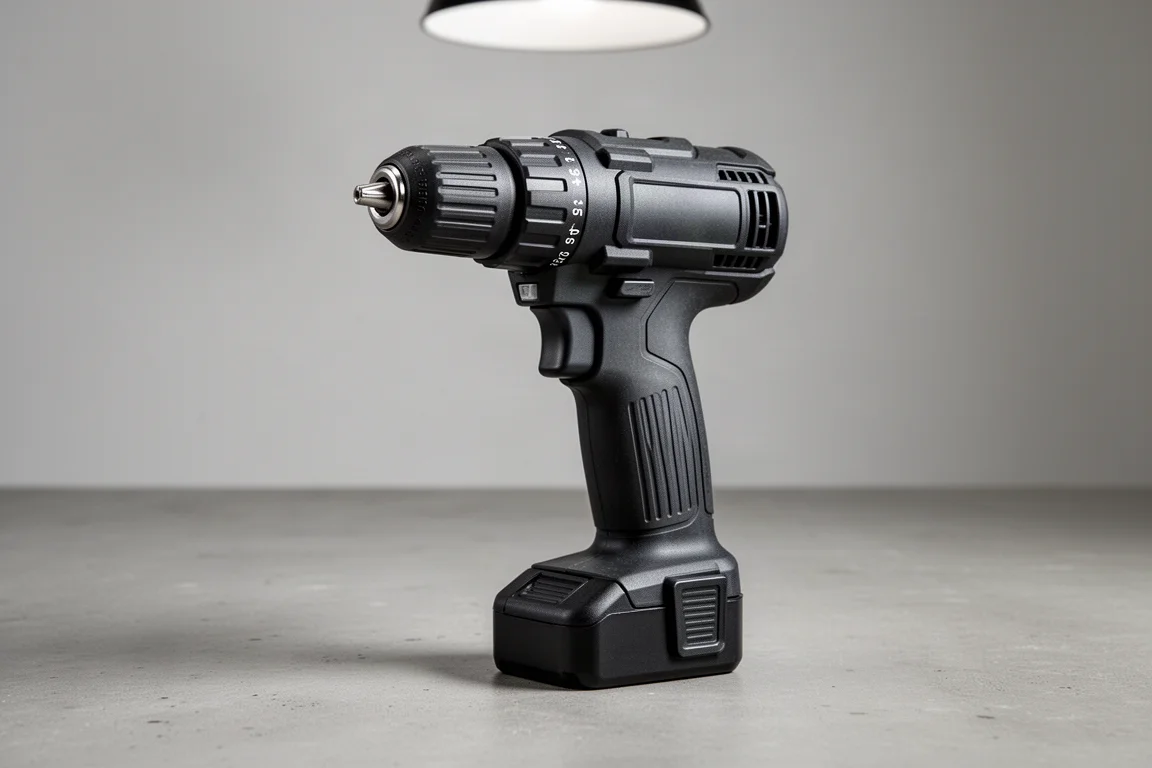
The compact drill keeps things simple: an analog control setup on top with no digital interface, two speed ranges, and 18 total clutch positions including full drill mode. In low gear, it pushed a 5/8-inch auger bit through thick wood with almost no downward pressure, leaving a clean hole with just a slight push needed at the end. Kicking it into second gear sped things up noticeably, though the drill needed a bit more assistance to finish the cut.
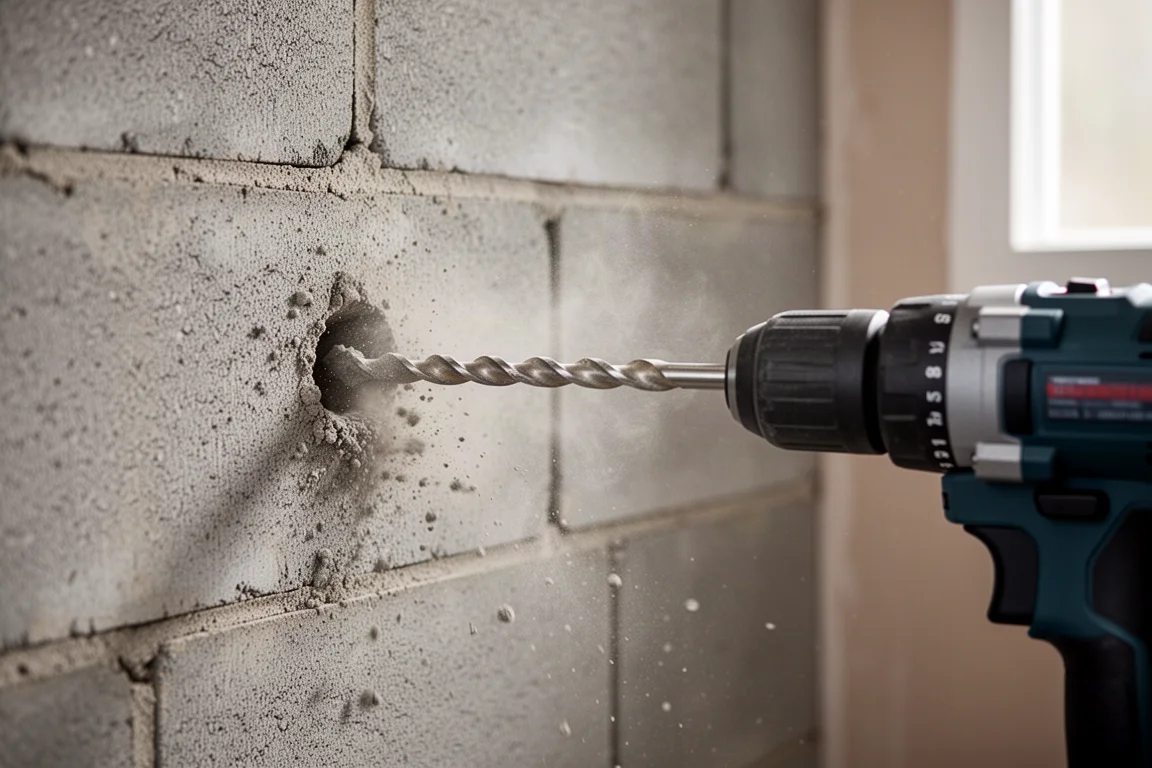
The one caveat worth knowing: like most drills, high speed trades torque for speed. On large self-feeding bits, second gear stalled where low speed cut right through, so if you are running large holes for plumbing or HVAC, stay in low gear and let the torque do the work. For standard drill bits, high speed works exactly as you would expect.
Flex Compact Hammer Drill
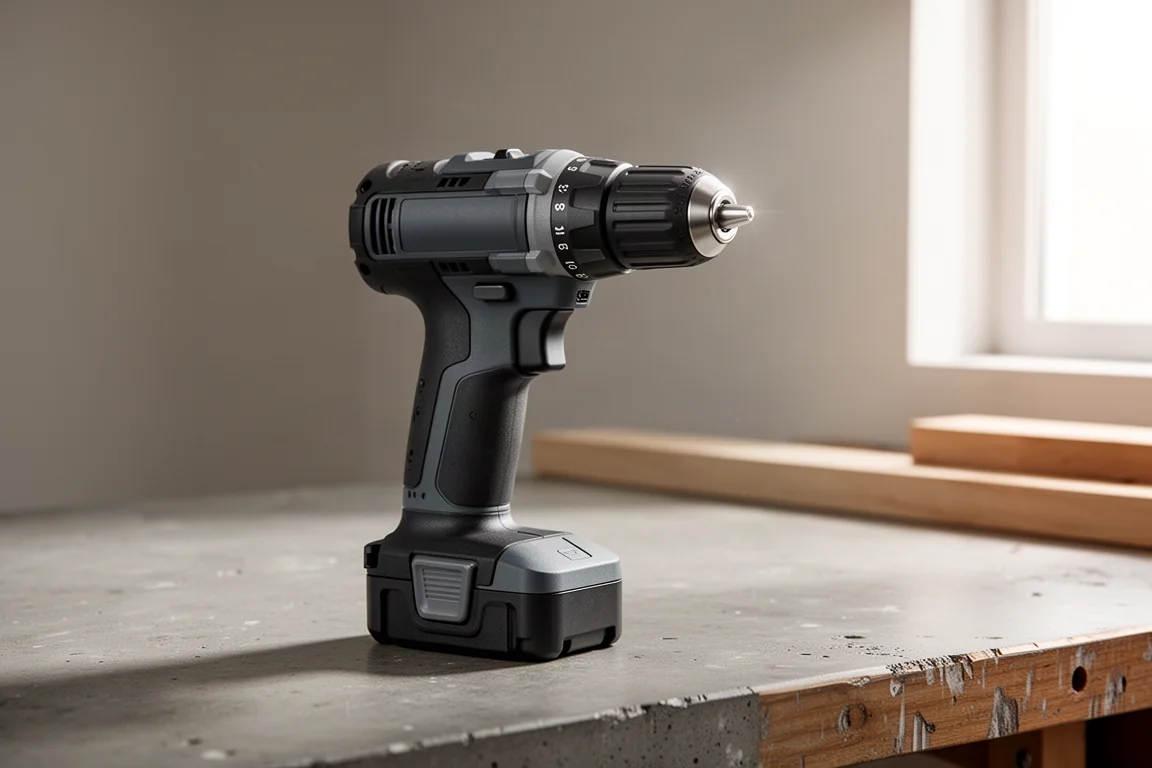
The hammer drill faces the toughest test in the lineup: cinder block and concrete. On low speed, hammering does almost nothing regardless of brand, so testing started there for reference and then moved to high speed with the hammer function engaged. The result was genuinely surprising, punching through cinder block faster than expected while staying comfortable in the hand. Vibration control is where this tool stands out; it manages to keep felt vibration low, which matters a lot for longer jobs like tying studs into a basement wall.
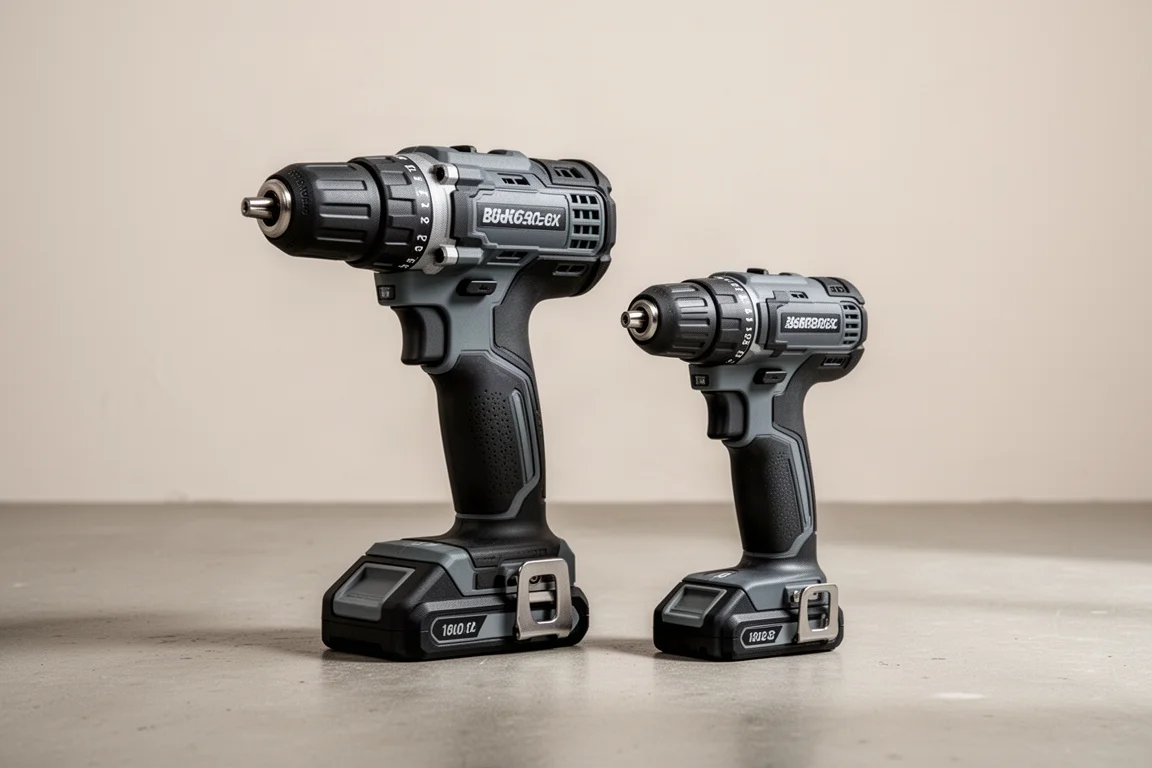
Into poured concrete, it also performed well on high speed with moderate pressure. Compared with its full-size sibling, described here as one of the fastest and most powerful hammer drills available, the compact version is dramatically smaller and lighter in every dimension: thickness, girth, length, and height. Photographs undersell just how big the difference is in the hand. If you need maximum hammer-drill power, the full-size model is still the tool to beat, but the compact version covers most everyday masonry tasks with far less fatigue.
Flex Compact Impact Driver
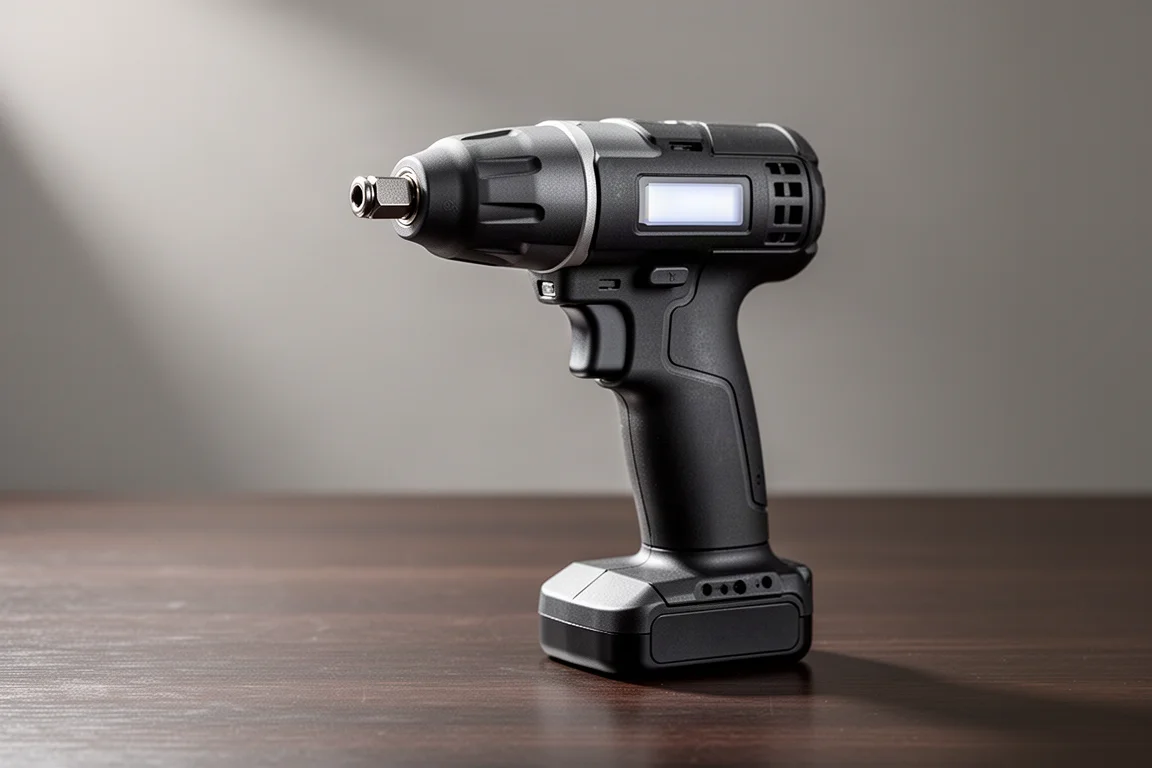
The compact impact driver is a different animal from the compact drills. Unlike them, it uses a digital interface with multiple modes selected by a button, and the LED lights sit at the top of the tool rather than the bottom, which helps illuminate the actual work area. The all-metal collet is simple to use, though it skips the spring-loaded release button found on the full-size model, which is a small convenience loss.
Driving standard outdoor construction-grade screws through modes one and two worked without drama. The real test was stainless steel half-inch lag screws into a fresh pressure-treated 6x6 with no pilot holes, run head to head against the full-size Flex impact driver. As expected, the full-size tool had clearly more raw power and finished faster. But the compact driver did manage to seat the lag screw fully, which is more than many small drivers can claim, and it did so while being dramatically smaller and lighter. For tight framing pockets and overhead work, that trade-off is easy to live with.
Compact vs Full-Size: What the Trade-Off Looks Like
The through-line across all three tools is that Flex sized them down without gutting them. The compact hammer drill still punches through cinder block and concrete quickly. The compact impact driver can still sink half-inch lag screws, just slower than the full-size version. The compact drill handles large auger bits as long as you respect the gearing. The one notable gap: none of these compact tools include a turbo mode, which would be a welcome addition to the platform.
Conclusion
If your work lives in tight spaces, overhead runs, or long days where tool weight adds up, this compact lineup makes a strong case. The hammer drill is arguably the standout, delivering surprising masonry speed with excellent vibration control, while the impact driver gives up some brute force but keeps enough power for genuinely demanding fasteners. The compact drill rounds things out as a smooth, capable all-rounder for wood boring. Buyers who need maximum output for heavy-duty production work should still look at the full-size equivalents, but for most everyday tasks these smaller bodies feel like the smarter daily carry.
Further reading
Related Reviews
Power Tools
Best 1-Inch Pistol Impact Wrenches: Three Heavy-Duty Options Compared
We compare three 1-inch pistol impact wrenches, from a budget-friendly Harbor Freight model to a premium Caterpillar unit, to help you choose the right one.
Power Tools
Best 3/4-Inch Impact Wrenches 2026: Five Contenders Compared
We compare five 3/4-inch impact wrenches across price and performance, from a budget Amazon option to Snap-on's most powerful model yet.
Power Tools
Best Budget Cordless Tools 2026: Walmart Finds That Punch Above Their Price
We tested five cordless tools from Walmart, including a high-torque impact wrench that trades blows with Milwaukee and a $35 duster that outperforms its price class.