Power Tools
Flex 24V vs Makita 40V XGT Hammer Drill: Head-to-Head Comparison
Two flagship cordless hammer drills go head-to-head in torque, wood drilling, and concrete tests, with a look at specs, size, weight, and price.
Introduction
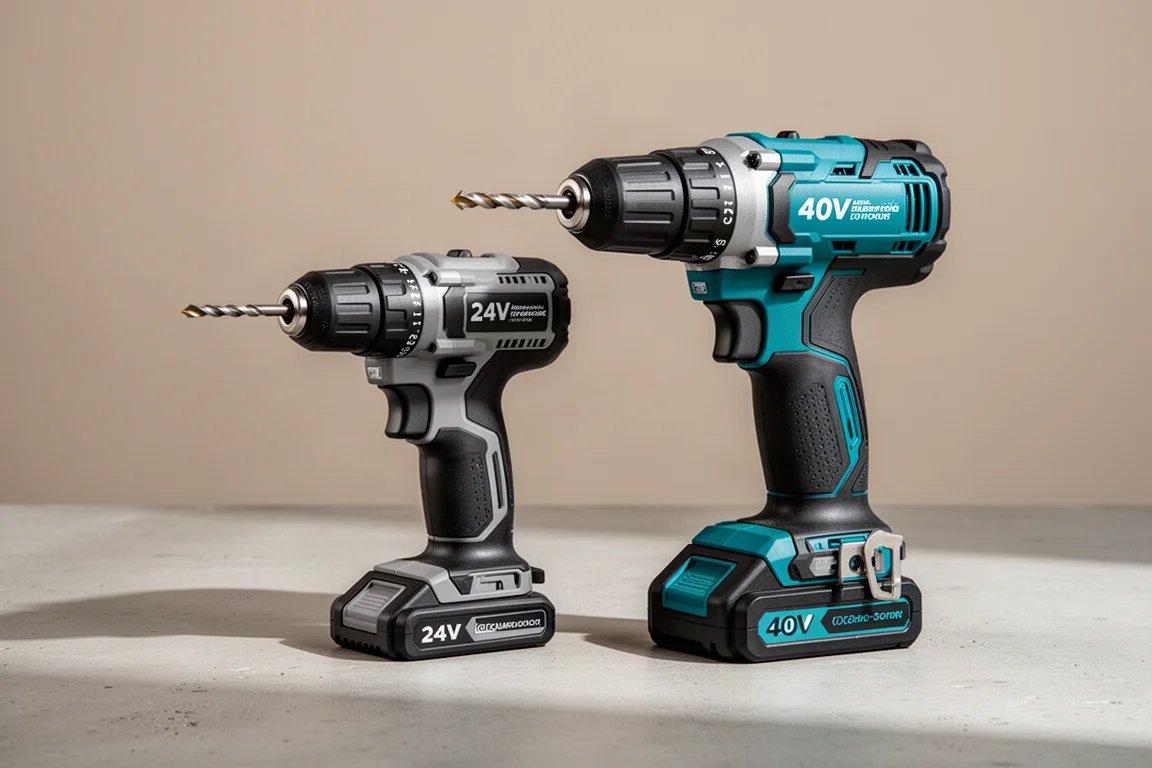
Two flagship cordless hammer drills, Flex 24V and Makita 40V XGT GPH01, went head-to-head across a set of performance tests covering torque, wood drilling, and concrete work. Performance is the biggest consideration at this level, but size, weight, features, and price all factored in too. The results were back and forth almost the entire way, and one of the two makes up a lot of ground where it matters most: the price tag.
How the Tests Were Run
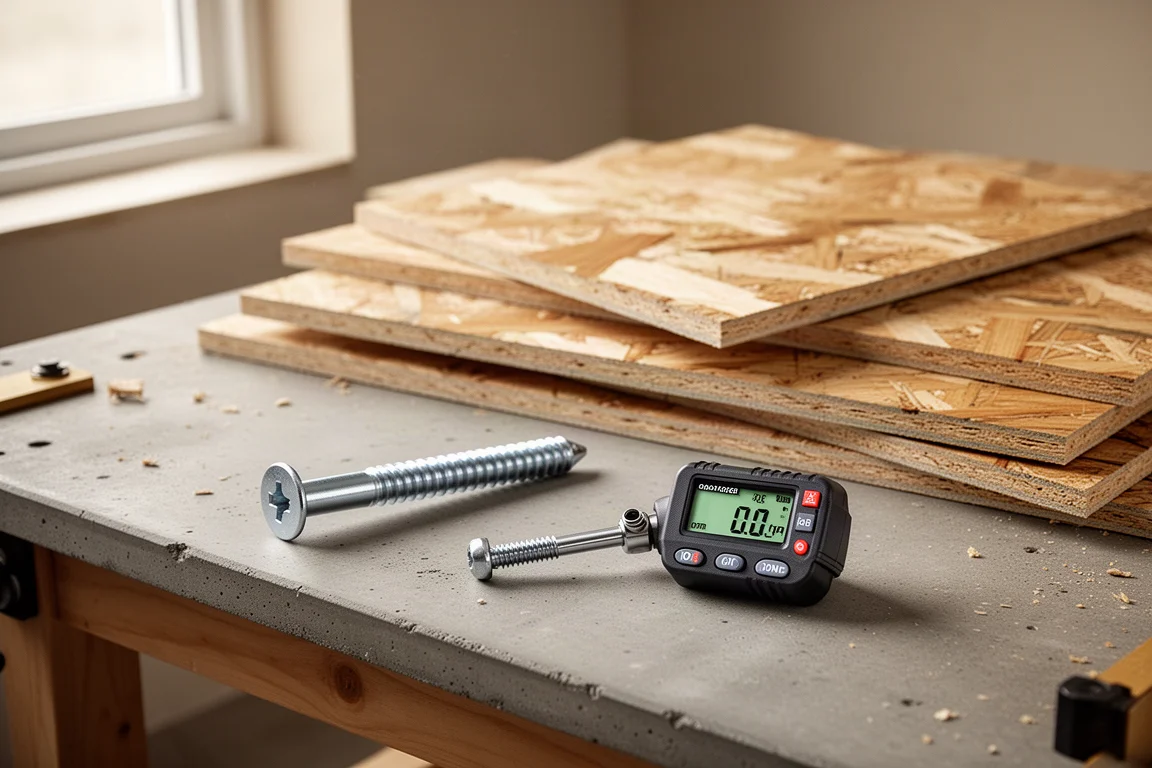
Four performance tests were set up for each cordless drill. The first involved driving a 10 1/2-inch lag bolt into stacked OSB in low speed, which reveals the drill’s highest torque output. An inline torque meter recorded the maximum soft torque before the drill stopped.
The second and third tests both measured drilling speed in lumber. Test two used a spade bit through stacked OSB, averaged over three reliable runs. Test three used a 2 9/16-inch self feed bit through a 2x4 pine stud at the highest possible speed, with three holes averaged from trigger pull to completion. The final test had each drill running a 3/8-inch concrete bit to sink 3-inch holes in cured 4,000 PSI concrete, again averaged over three runs.
Flex ran on a 24V 5Ah battery, while Makita used a 2.5Ah battery from its 40V platform to keep the comparison as even as possible.
Torque Results
Flex’s flagship hammer drill put out 425 inch-pounds of soft torque in the lag bolt test. Makita edged it out by the slimmest of margins, recording 428 inch-pounds, a difference of less than 1%. In practice, that is a tie.
Wood Drilling Speed
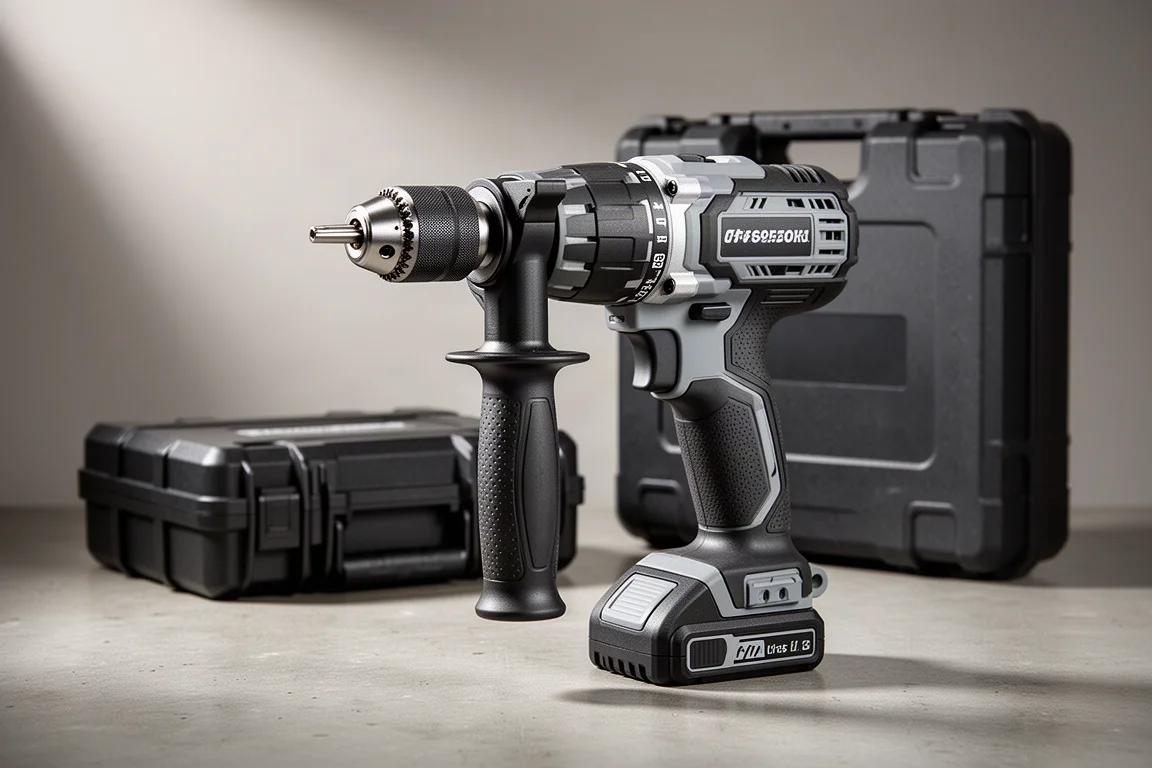
In the spade bit test, Flex averaged 2.82 seconds per hole, while Makita narrowly outpaced it at 2.64 seconds on average. That was the second back-and-forth result of the comparison.
The self feed bit test is where the power demand really increased, and it is where Makita set itself apart, not only from Flex but from the entire field this year. Flex completed each hole in high speed at an average of 4.74 seconds, which is solid. Makita finished in 2.12 seconds on average, the best self feed bit test result of any hammer drill tested this year.
Concrete Performance
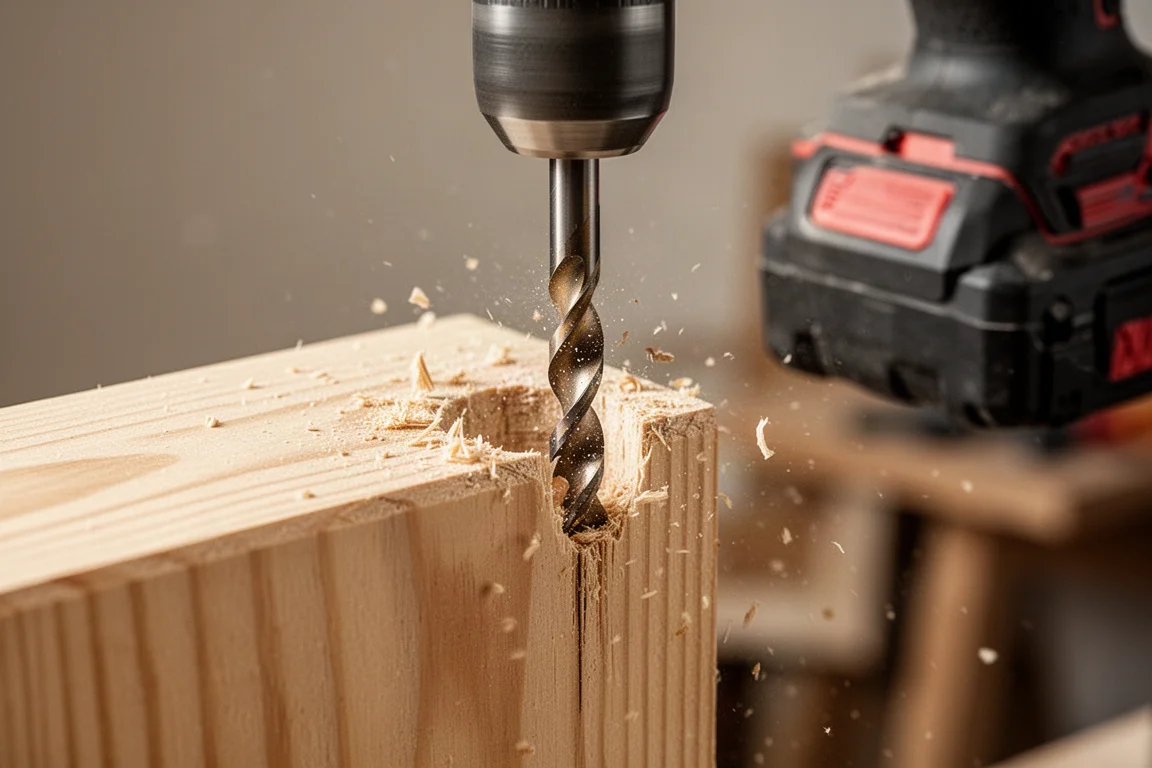
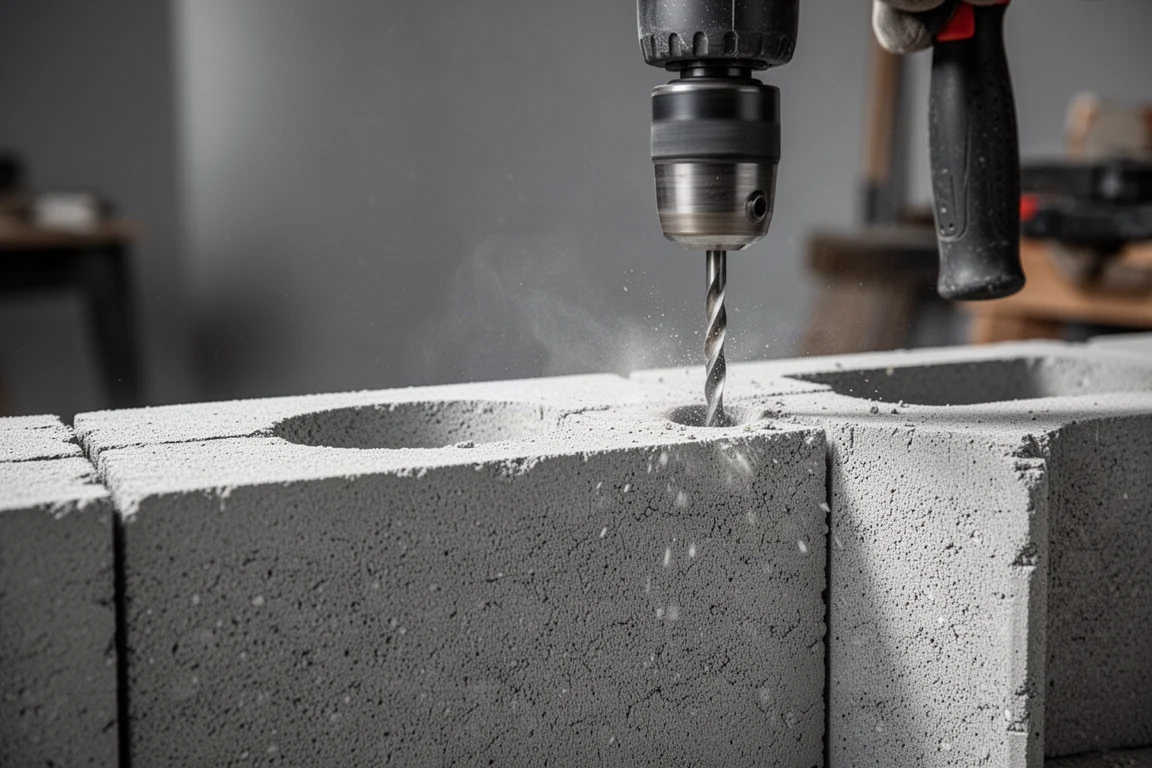
Flex impressed in the concrete test, slicing through the block and sinking the bit in 3.44 seconds on average. For the first time in the entire head-to-head, Makita wavered here, coming in behind Flex at 4.22 seconds per hole.
Specs Compared
Both are two-speed drills. Flex operates at 700 to 2,500 RPM, while Makita claims 650 RPM in mode one and 2,600 RPM in mode two. Max torque on the Flex is rated at 1,400 inch-pounds, delivered conservatively to 1,250 inch-pounds. The hammer rates are just as close as the rest of the results, with 40,000 blows per minute for Flex and 39,000 for Makita.
Size and weight are comparable on these hefty tools. The Flex head length is 7.3 inches with the Makita barely shorter at 7.2 inches. Flex weighs 3.8 lb as a bare tool and Makita 3.7 lb.
Pricing and Value
This is where Flex makes up a whole lot of ground. Available at Acme Tools and Lowe’s, both online and in store, Flex offers a bare tool, a basic kit, and a combo kit with an impact driver. The bare tool costs $159, which is a steal for a drill performing this well. The basic kit includes the hammer drill, a 2.5Ah battery, and a second 5Ah battery for $249. The two-tool combo adds an impact driver, both batteries, and lands at $299, effectively adding the impact driver for $50.
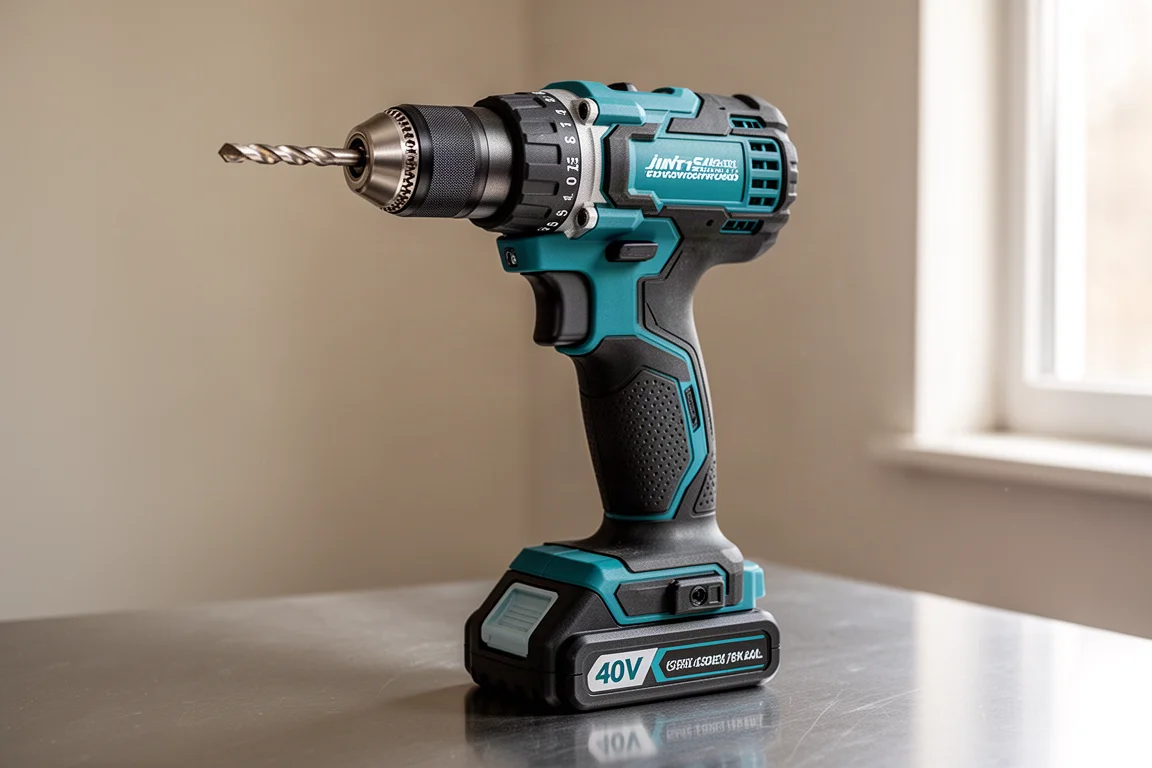
Makita positions itself as a premier professional tool, and the newer XGT 40V max line comes with premier professional prices. The GPH01 is available at Acme Tools and Home Depot in the same configurations. The bare tool runs $244 from Acme Tools, and the basic kit with two 2.5Ah 40V XGT batteries and a charger is $499.
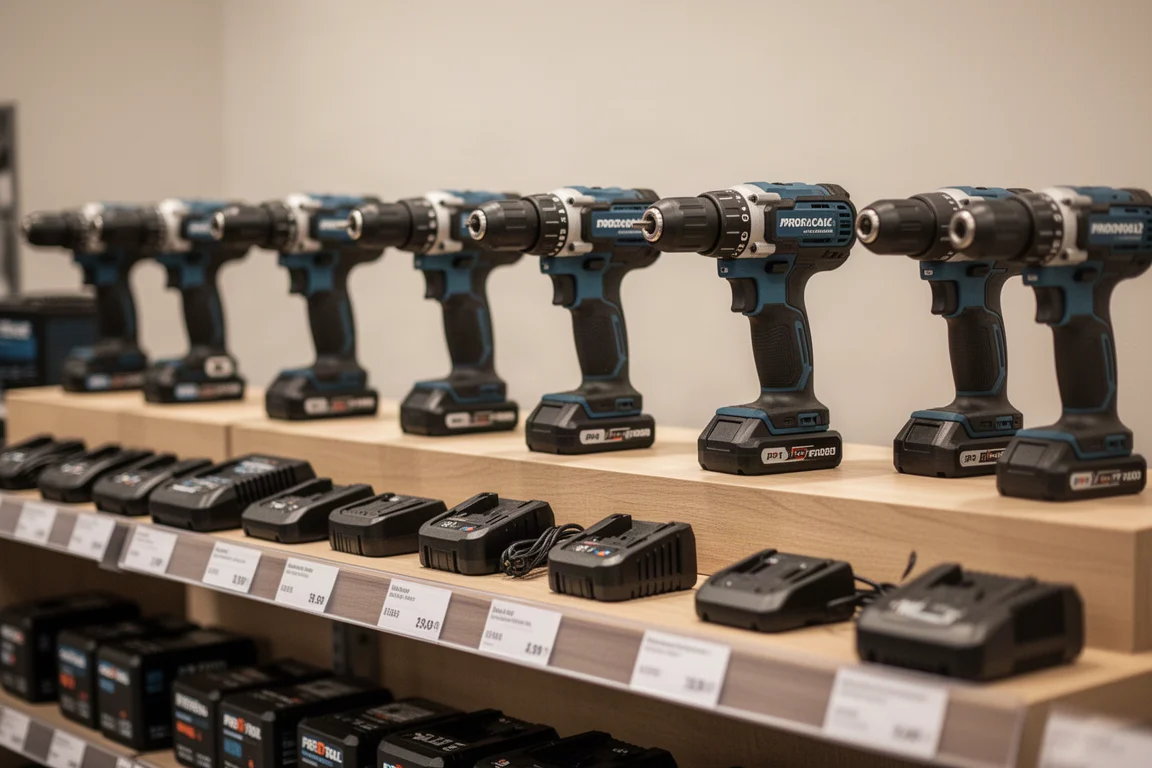
Oddly, the two-tool combo kit at Acme Tools is $469, $30 less than the hammer drill kit alone, and includes the hammer drill, an impact driver, a 2.5Ah battery, a 4Ah battery, and a charger. If you want to get started on the 40V Makita XGT platform, that combo is a no-brainer.
Conclusion
Either of these hammer drills would make a great addition to a pro’s tool bag. Makita takes the wood drilling crown, especially on self feed bit work, while Flex matches it on torque, beats it in concrete, and wins decisively on price. If value is the priority, Flex is hard to beat; if you want the fastest heavy-duty drilling and are buying into the XGT platform, the Makita combo kit pricing makes the entry unusually attractive.
Further reading
Related Reviews

Power Tools
Best 1-Inch Pistol Impact Wrenches: Three Heavy-Duty Options Compared
We compare three 1-inch pistol impact wrenches, from a budget-friendly Harbor Freight model to a premium Caterpillar unit, to help you choose the right one.

Power Tools
Best 3/4-Inch Impact Wrenches 2026: Five Contenders Compared
We compare five 3/4-inch impact wrenches across price and performance, from a budget Amazon option to Snap-on's most powerful model yet.

Power Tools
Best Budget Cordless Tools 2026: Walmart Finds That Punch Above Their Price
We tested five cordless tools from Walmart, including a high-torque impact wrench that trades blows with Milwaukee and a $35 duster that outperforms its price class.