Power Tools
Flex 24V Compact Impact Wrenches: 3/8-in and 1/2-in Compared
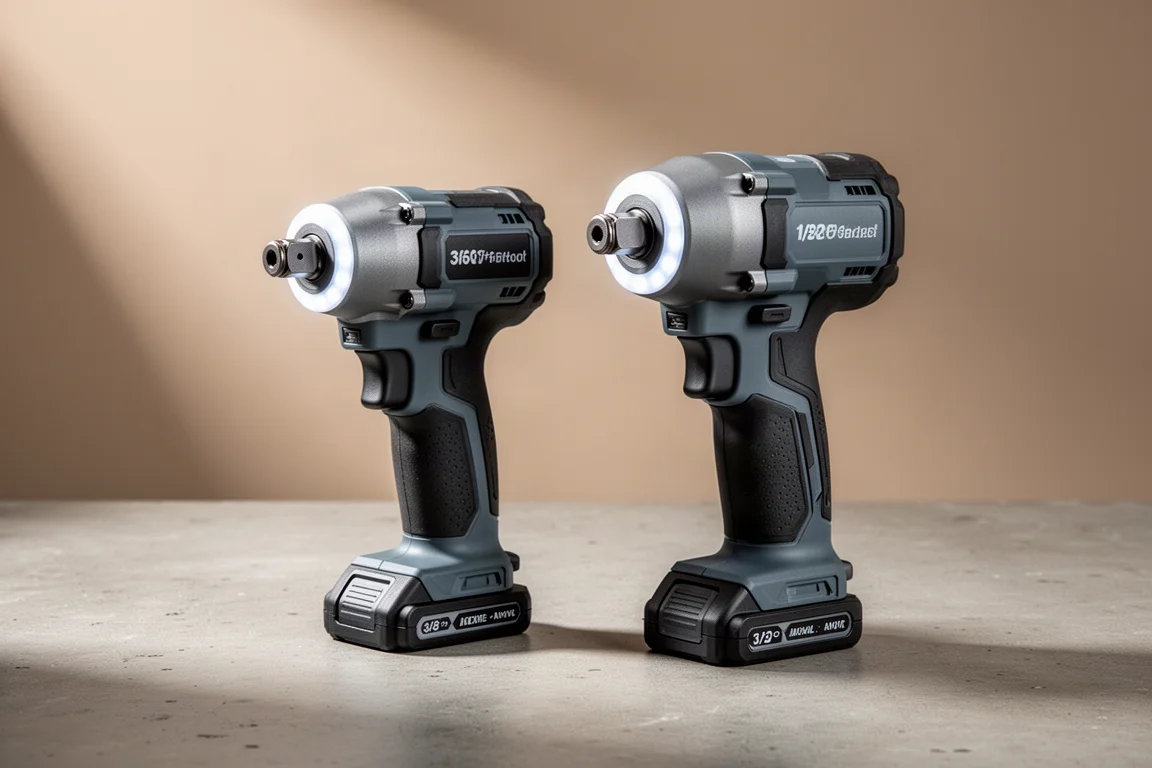
Two compact 24V impact wrenches from Flex promise serious nut-busting torque in small, lightweight bodies. Here is how they perform.
Introduction
When most people shop for an impact wrench, the first question is usually about raw torque: how many pound-feet does it take to smash stubborn bolts free? But talk to the service techs who use these tools daily and the priorities flip. They want the most compact, lightest, and powerful tool for their everyday tasks.
That is exactly the gap Flex is targeting with its 24V compact impact wrench lineup, including the 3/8-in and 1/2-in compact models covered here. Flex claims these new compact impact wrenches are 30% more compact and 38% lighter in weight than comparable tools, and the numbers on paper back up the pitch.
Why Compact Matters
There is a reason compact tools dominate professional toolboxes. A smaller body fits into tight engine bays, suspension cavities, and cramped equipment frames where a full-size wrench simply cannot reach. Both of these Flex models measure right around five inches long and three inches wide, standing about 8.1 inches tall, which keeps them workable in genuinely tight spots.
The bare tool weight is 2.6 lb for both the 3/8-in and the 1/2-in model. That lightness matters over a full shift, and it also makes these easier to control one-handed when you are threading fasteners by feel.
Flex 24V 3/8-in Compact Impact Wrench
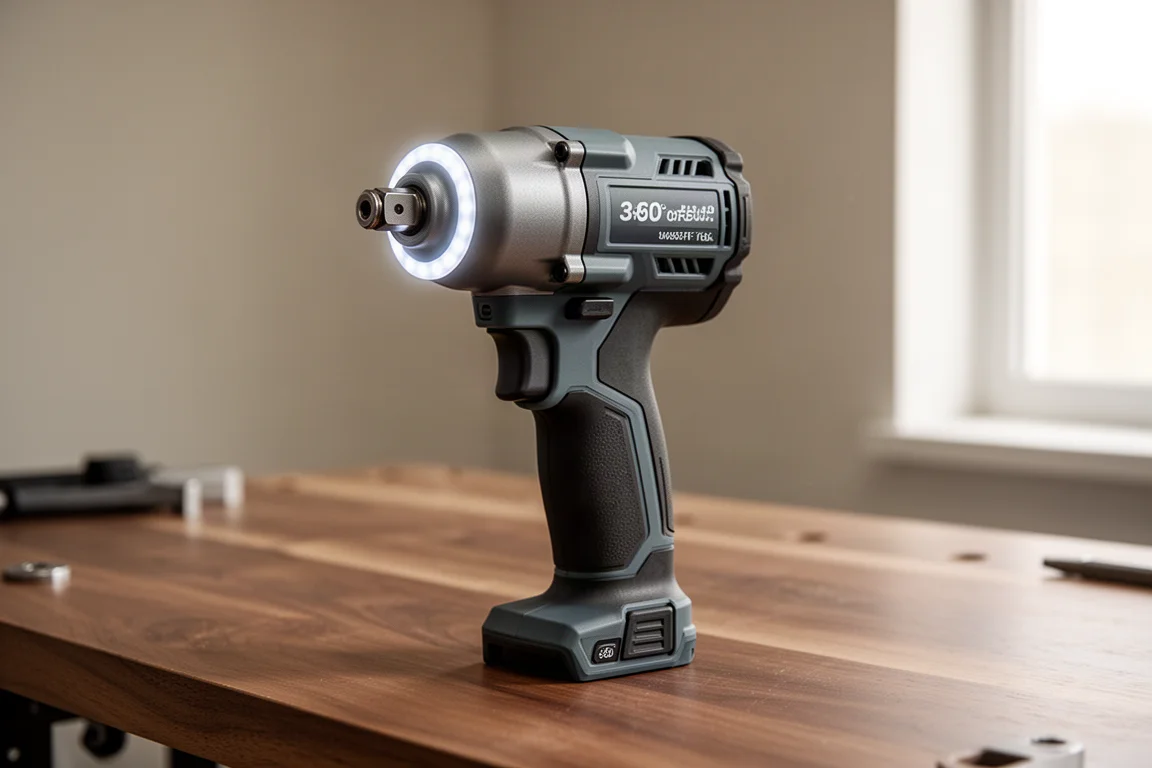
The 3/8-in compact model is the smaller-anvil option of the pair, but it gives up almost nothing on paper. It delivers 300 ft-lb of fastening torque with its 3/8-in anvil and a claimed 450 ft-lb of nut-busting torque, the same nut-busting figure as the 1/2-in model.
No-load speed runs across three settings: 0 to 1,000 RPM in speed one, 1,800 RPM in speed two, and 2,700 RPM in speed three. The impact rate is completely variable, from 0 all the way up to 3,700 impacts per minute, which gives you fine control when seating fasteners.
This is a strong pick if your work leans toward smaller fasteners, automotive trim-adjacent jobs, and equipment repair where a 3/8-in anvil is the norm.
Flex 24V 1/2-in Compact Impact Wrench
The 1/2-in compact model is the one most DIYers and home mechanics will reach for, since a 1/2-in anvil is the standard for wheel work and suspension hardware. Despite the larger anvil, the dimensions are nearly identical to the 3/8-in version: 4.9 in by 3 in by 8.1 in, against 4.8 in by 3 in by 8.1 in for the smaller tool.
You get the same 300 ft-lb of fastening torque and 450 ft-lb of nut-busting torque, the same three-speed settings, and the same 2.6 lb bare weight. If you want one tool that covers lug nuts as well as general fastening, this is the more versatile of the two.
Modes and Lighting
Both wrenches include auto control and screw modes alongside the three manual speed settings. Selecting an auto or tightening mode disables the manual speeds, since those modes operate on their own logic. The idea is simple: once the fastener is snugged up, the wrench shuts itself off.
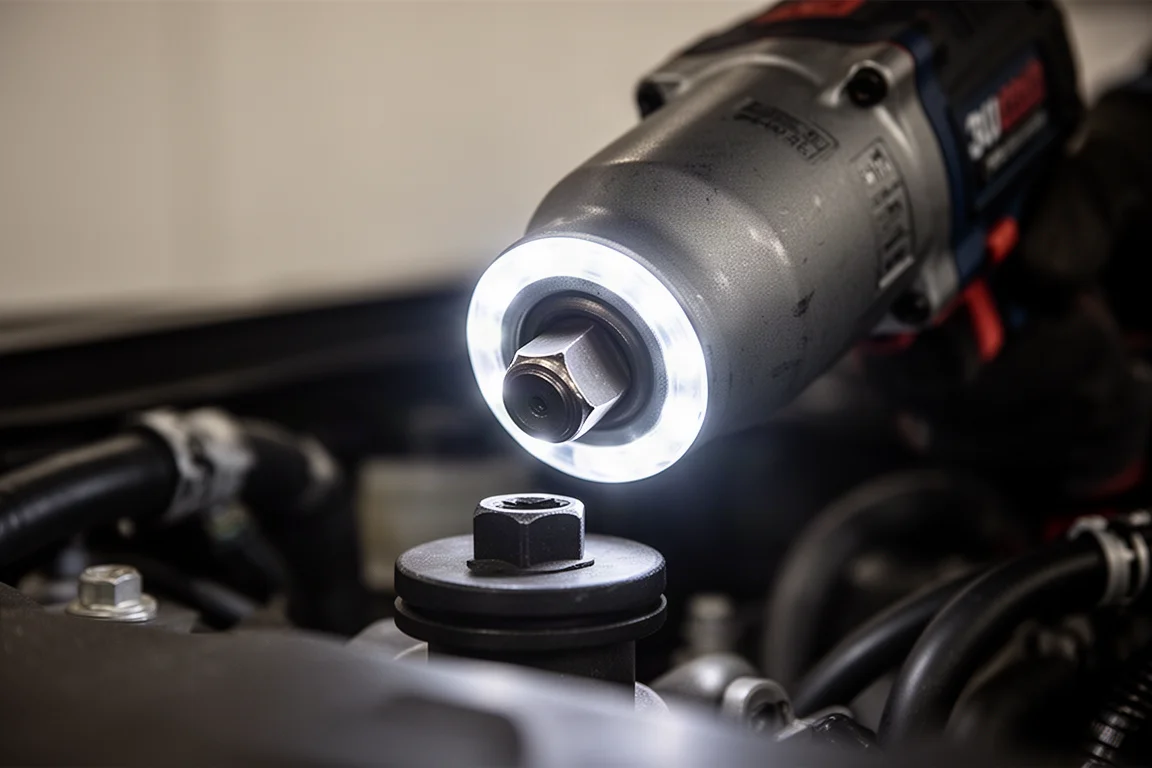
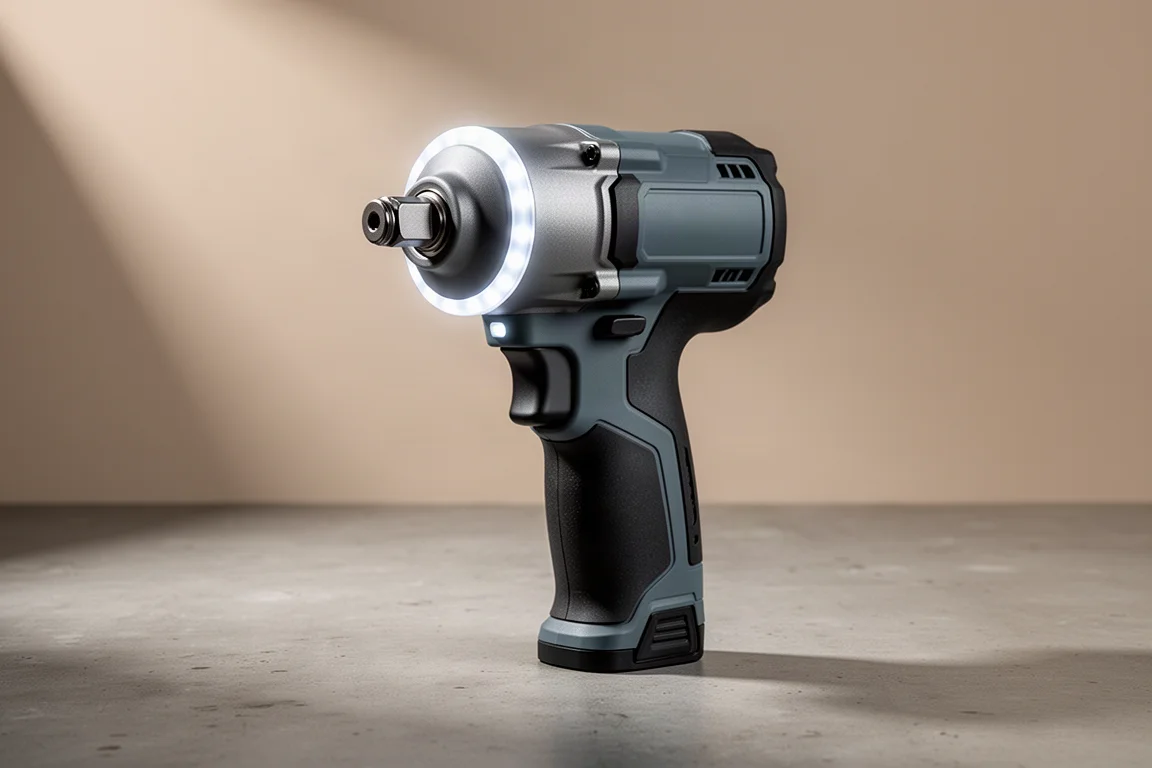
Each tool also carries a 360-degree LED around the nose, which throws useful light into dark corners of an engine bay. The anvils on both models are friction ring, so sockets seat securely but still swap quickly by hand. In the box you get the impact wrench itself, a belt clip, and the manual, though it is worth noting that many service techs avoid using belt clips on tools that go anywhere near vehicle paint.
Testing Auto Mode
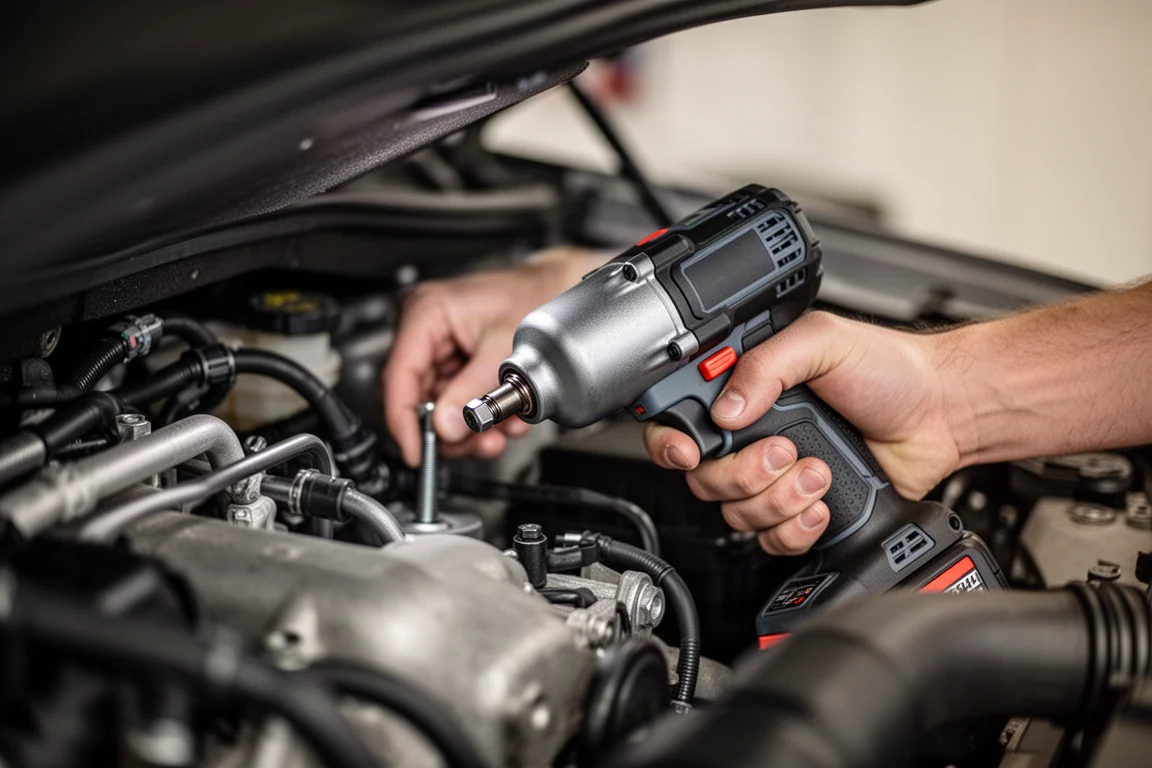
Auto mode proved its worth in practice. When driving a nut onto a bolt, the wrench snugged the fastener down and then shut itself off, which keeps the nut from spinning off the bolt and disappearing into the weeds. On a tighter fastener, it again stopped once the nut reached the edge of the bolt, a behavior worth repeating.
It even handled a deliberately cross-threaded bolt intelligently. That said, the broader lesson still applies: always start bolts and lug nuts by hand. Auto mode is a convenience layer, not a substitute for good technique.
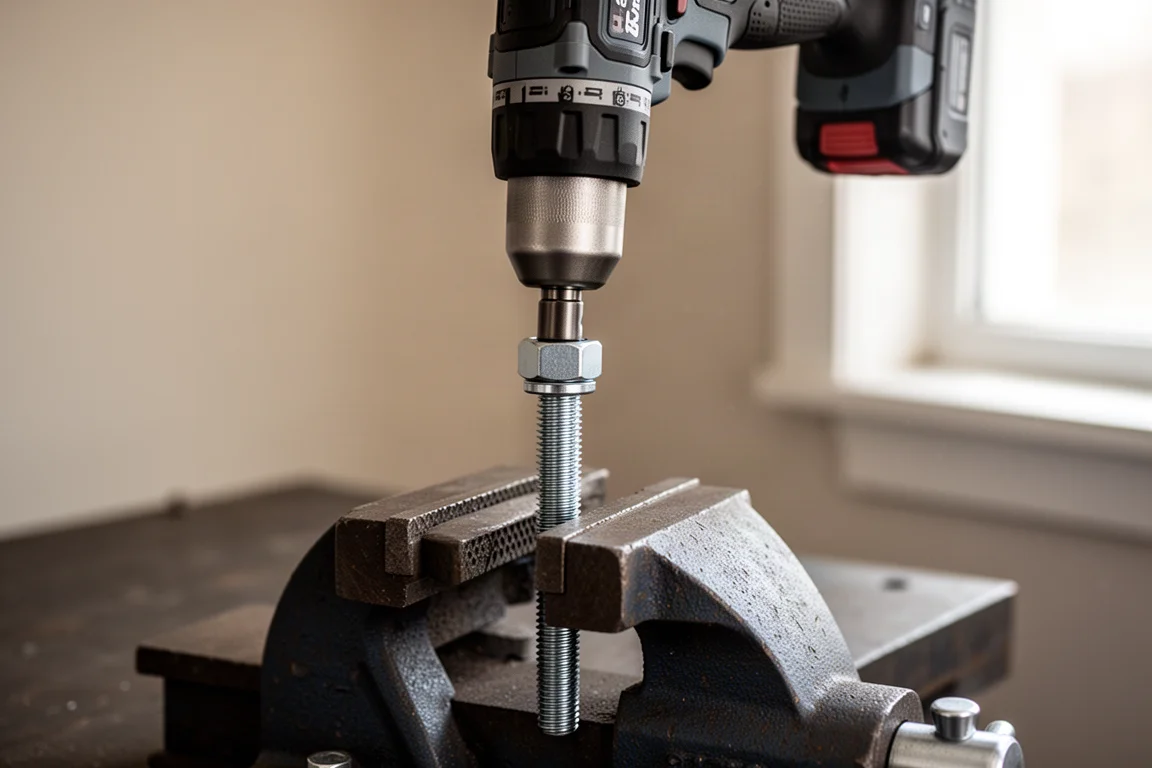
The overall range of tasks these tools can handle, given their size and the amount of fastening and breakaway torque on offer, is a good snapshot of what battery power can do today.
Buying Advice
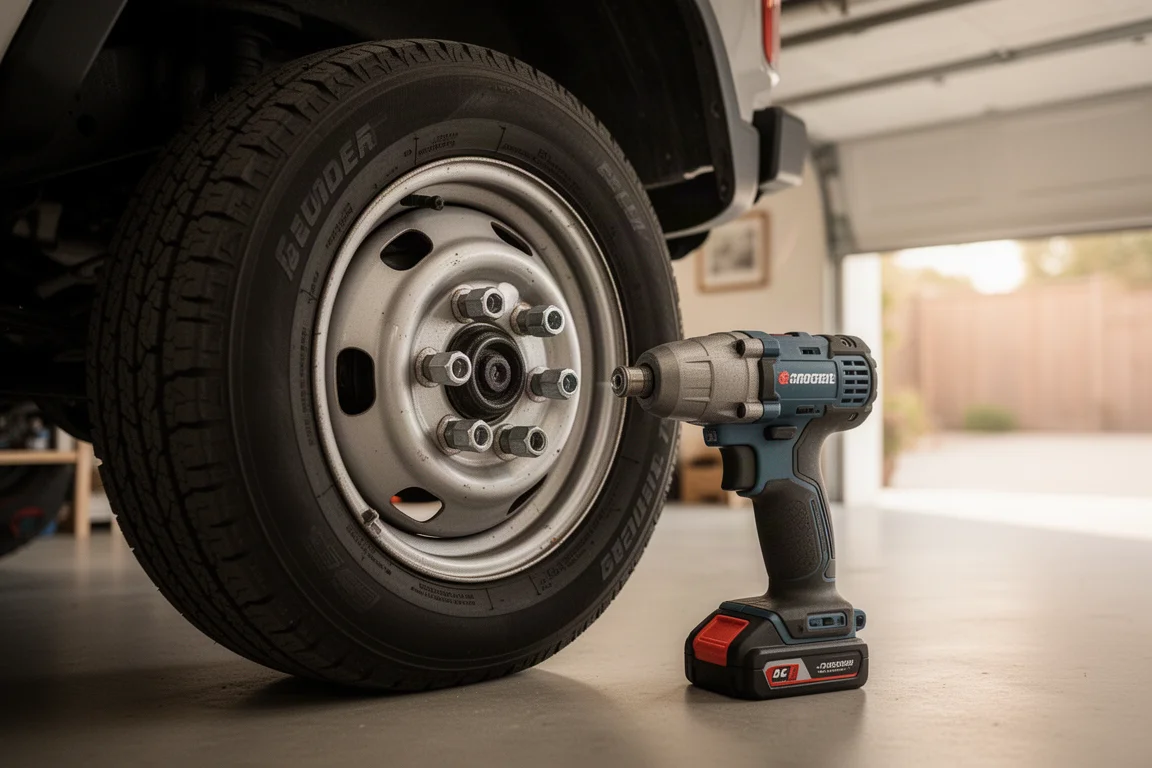
Most buyers, especially on a budget, want a one-size-fits-all tool: small enough to reach tight spots, yet powerful enough for the bigger jobs. Lug nuts are a useful benchmark here. If an impact wrench cannot remove lug nuts, it will struggle to serve as your only wrench. Both of these Flex models are rated for 450 ft-lb of nut-busting torque, which puts that job comfortably in reach.
Choose the 3/8-in model if your fasteners skew smaller and you want the most compact anvil option. Choose the 1/2-in model if wheel work and suspension hardware are on your list, since it matches the 3/8-in on power and weight while accepting the more universal socket size.
Warranty coverage is a genuine selling point. Both tools carry a 5-year warranty, and registering them before December 31st, 2024 qualified buyers for Flex’s limited lifetime warranty covering the tools, batteries, and chargers.
Conclusion
Flex’s 24V compact impact wrenches make a convincing case that you no longer need to trade power for size. Both models deliver 300 ft-lb of fastening torque, 450 ft-lb of nut-busting torque, a 2.6 lb bare weight, and thoughtful touches like auto mode, screw mode, and a 360-degree LED. Pick the 1/2-in for maximum versatility around wheels and suspension, or the 3/8-in if your work favors smaller fasteners in the tightest spaces.
Further reading
Related Reviews
Power Tools
Best 1-Inch Pistol Impact Wrenches: Three Heavy-Duty Options Compared
We compare three 1-inch pistol impact wrenches, from a budget-friendly Harbor Freight model to a premium Caterpillar unit, to help you choose the right one.
Power Tools
Best 3/4-Inch Impact Wrenches 2026: Five Contenders Compared
We compare five 3/4-inch impact wrenches across price and performance, from a budget Amazon option to Snap-on's most powerful model yet.
Power Tools
Best Budget Cordless Tools 2026: Walmart Finds That Punch Above Their Price
We tested five cordless tools from Walmart, including a high-torque impact wrench that trades blows with Milwaukee and a $35 duster that outperforms its price class.