Everyday Carry
Fixed Blade Knives for EDC: Eight Options That Make Pocket Carry Work
Fixed blades are not just for the belt. Eight knives that show how practical everyday carry with a fixed blade can be.
Introduction
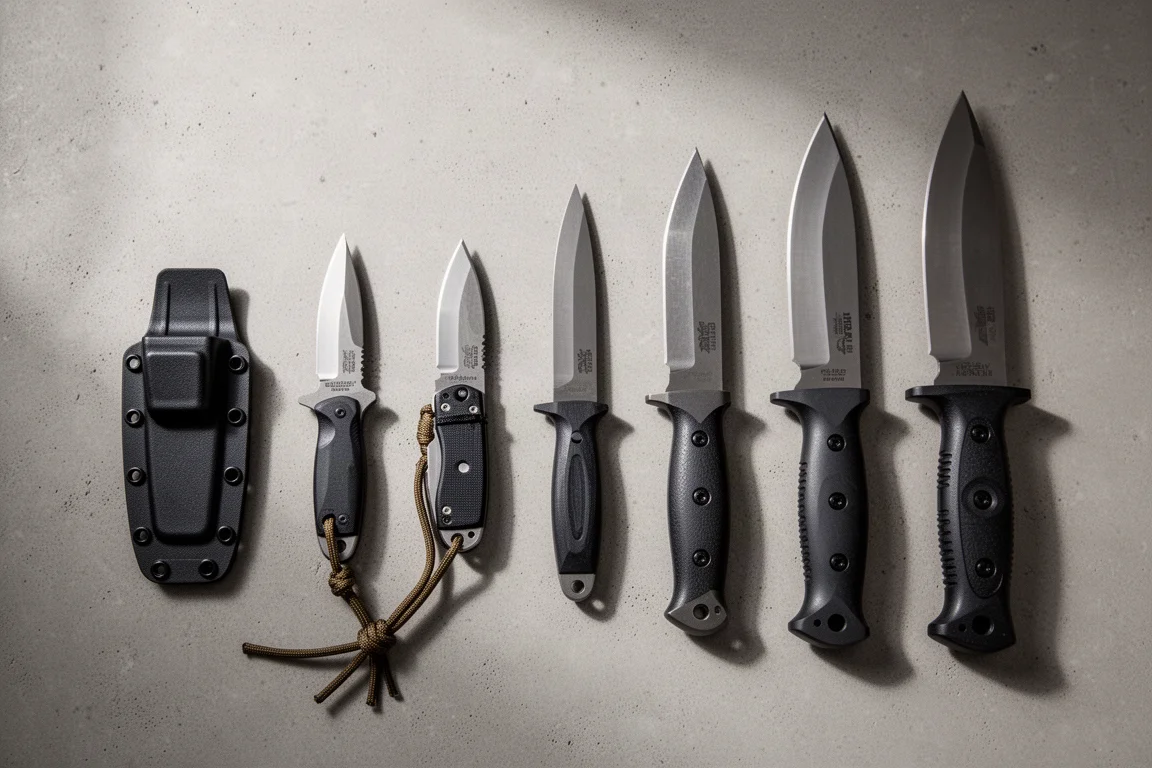
The folding pocket knife with a pocket clip is what most people picture for everyday carry, but it is not the only option. Before folding knives became genuinely good, nearly everyone carried a fixed blade, and for good reason: a fixed blade has no pivot, no lock, and no inherent weak point at the folding joint.
The main trade-off is length. A fixed blade is roughly twice as long as the equivalent folder, and quality fixed blades can cost more. But modern sheath designs, smaller blade options, and smart carry methods make a fixed blade far more pocket-friendly than most people assume.
Why Carry a Fixed Blade?
A good fixed blade gives you full-length steel from tip to handle, which means there is no pivot to fail and no liner or lock to worry about. A quality folder is strong, but drilling holes for pivots and rivets introduces weak points that a one-piece fixed blade simply does not have.
The practical downsides are length, weight, and often price. Small quality folders can run around $100 to $150, while comparable fixed blades from certain brands push toward $300. The real question is whether modern fixed blade designs solve the carry problem. The eight options below show that they mostly do.
Gerber StrongArm
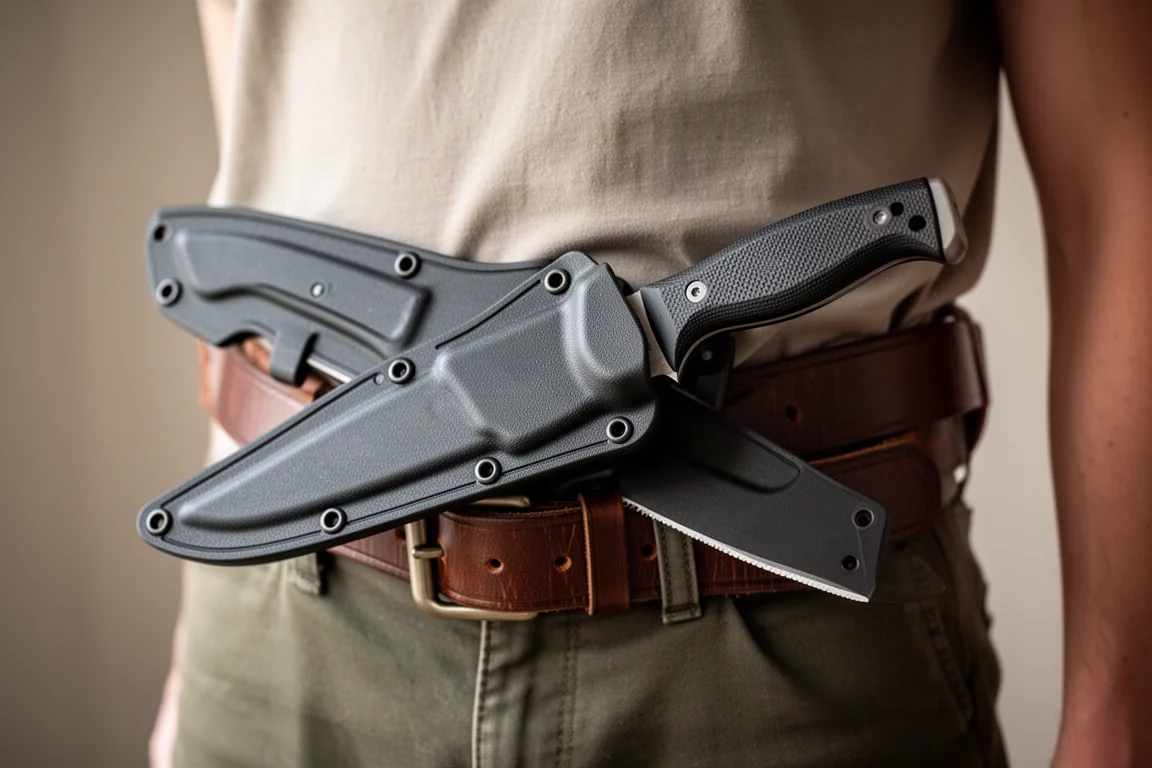
The Gerber StrongArm shows how a proper sheath can transform belt carry. Its molded sheath supports horizontal belt carry, letting you slide the knife around to sit across the front or back of the belt instead of carrying a long object in a pocket.
For anyone who finds pocket carry of a long blade awkward, this kind of rig keeps the knife accessible and completely out of the pocket.
Small Fixed Blades for Pocket Carry
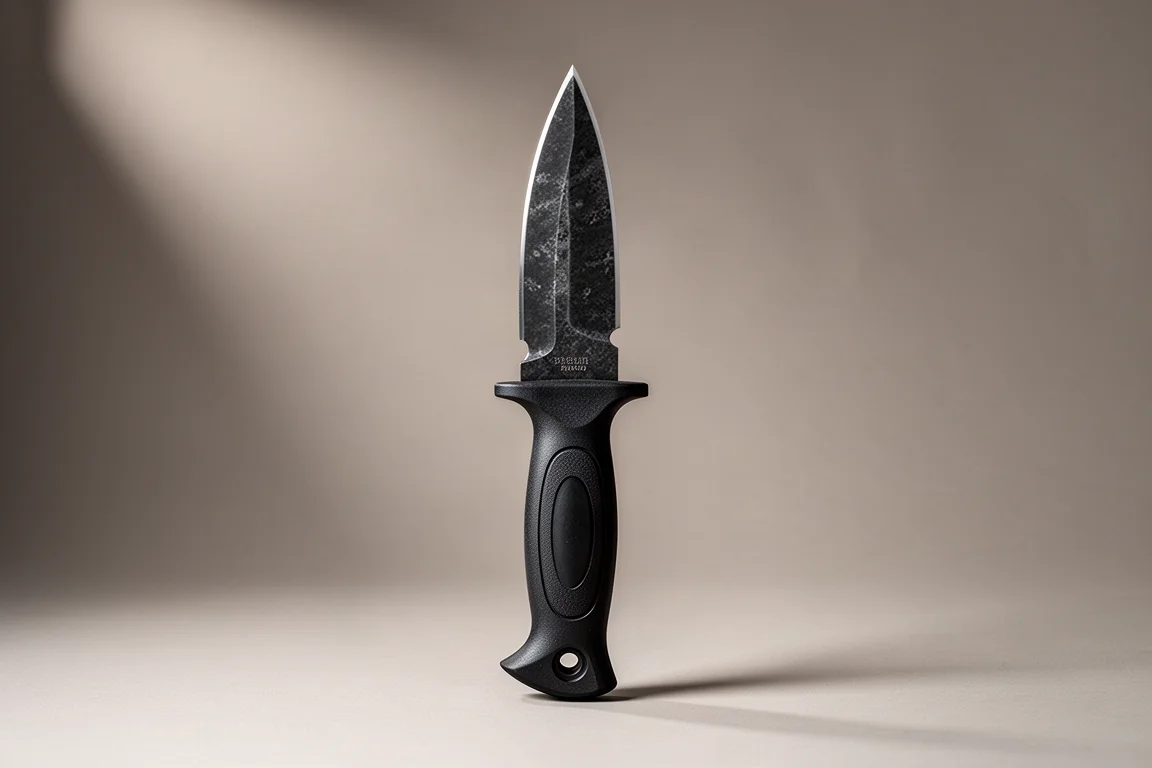
Not every fixed blade needs a belt. Some designs are made specifically to disappear into a pocket.
Fallkniven KK
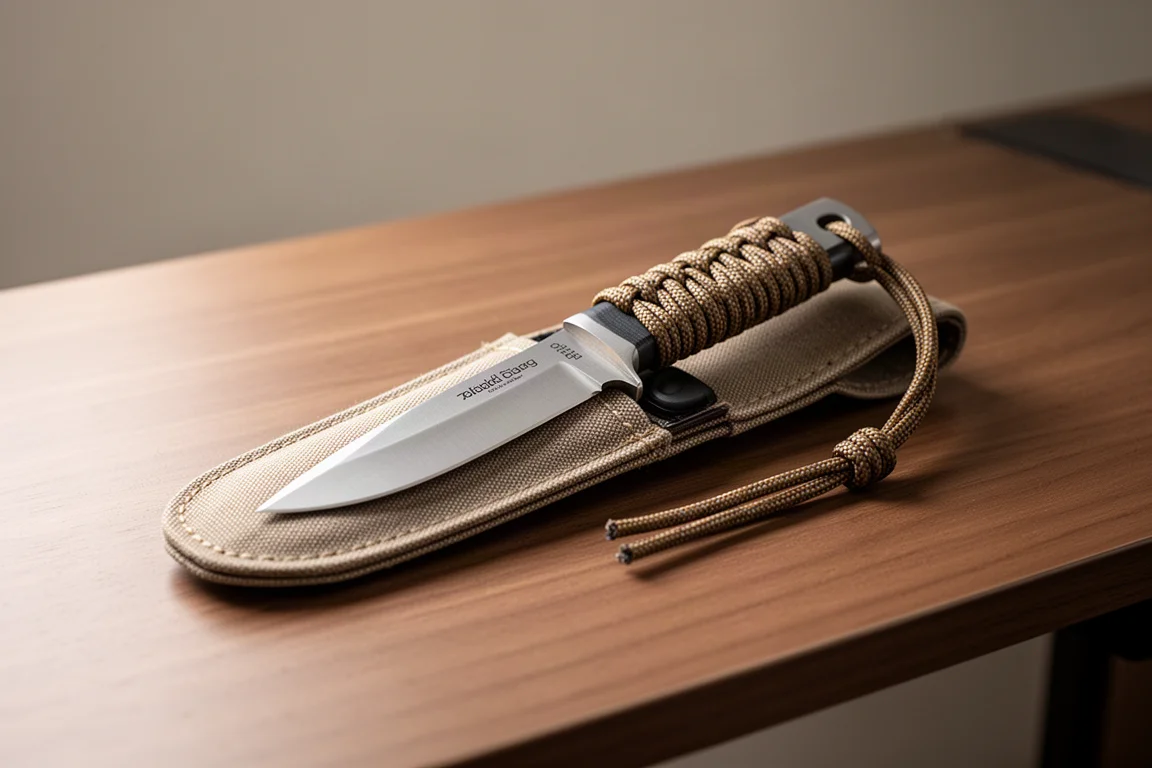
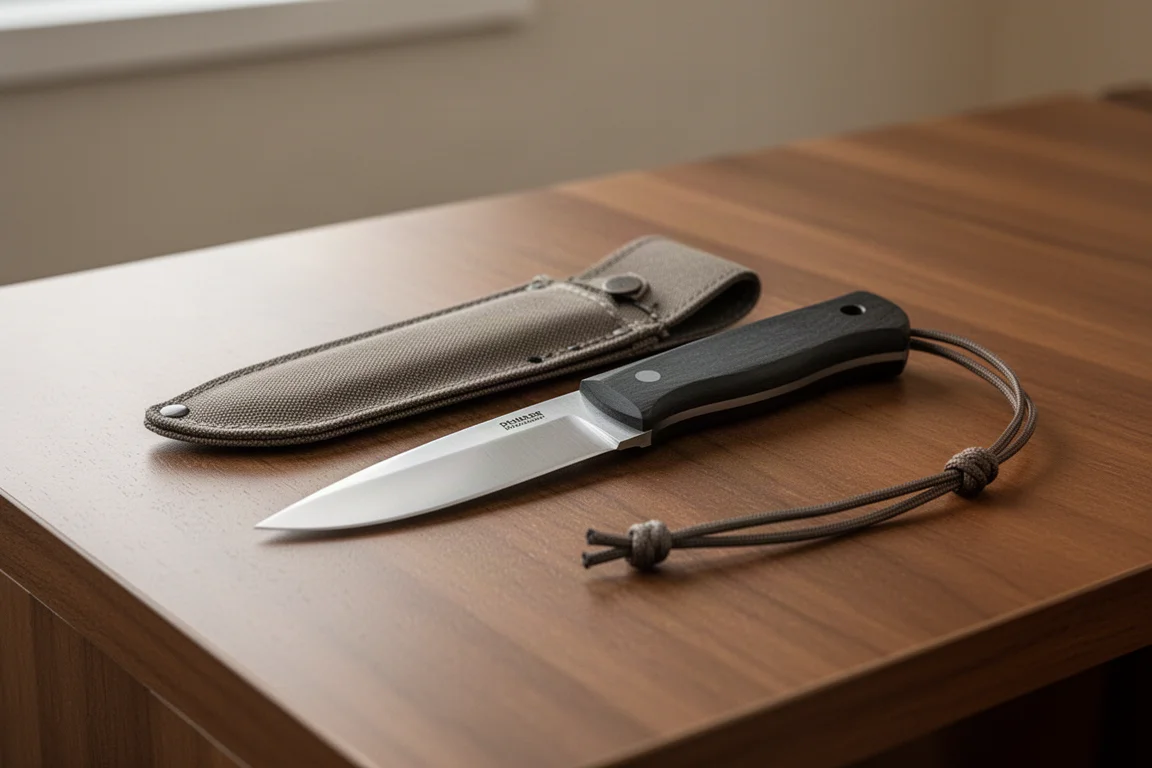
The Fallkniven KK is designed as a pocket carry fixed blade. It comes with a small sheath that slides down into the side of a pocket, and a lanyard makes it easy to pull out when needed. It is a knife the writer carried quite a bit, and it proves a fixed blade can live in a pocket just fine.
Fallkniven WM1
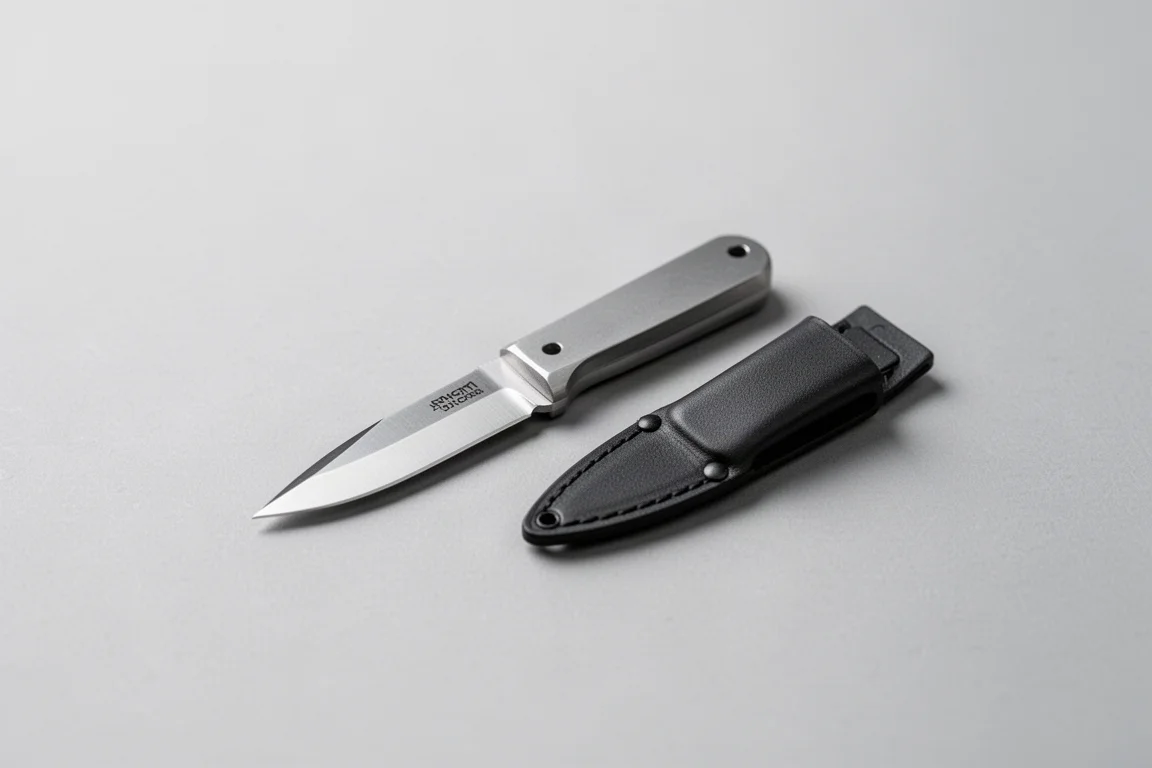
The Fallkniven WM1 is a tiny fixed blade marketed as a women’s carry knife, and it is a favorite as a gift. Small, simple, and easy to pocket, it shows just how far down in size a fixed blade can go while staying practical.
Benchmade Altitude
Small Benchmade fixed blades like the Altitude skip the belt carry setup but keep things light and simple. Drop it in a pocket, slide it in and out easily, and you still have a fairly strong knife. It also fits naturally into a hunting kit, where it can ride in a pocket during the hunt.
Benchmade Adamas
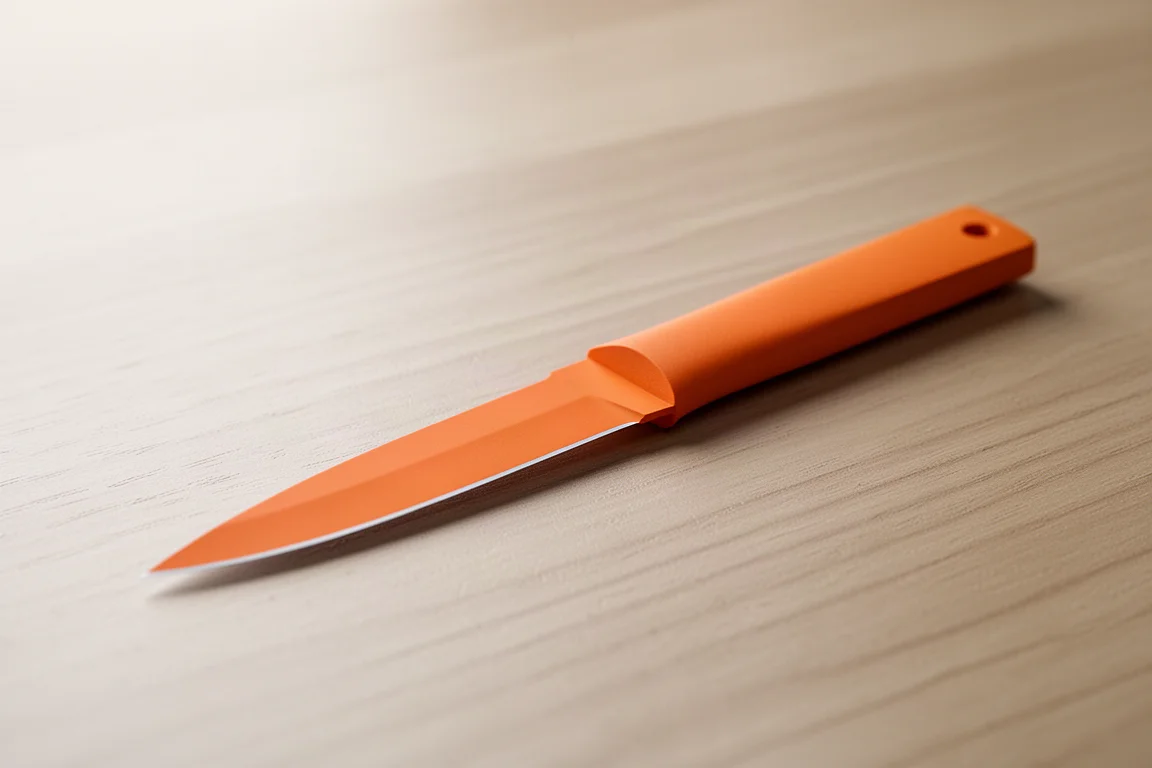
Thickness is one of the quietly important choices in a fixed blade. Some knives are simply too thick for comfortable pocket carry, and the Benchmade Adamas in this slim configuration exists to solve exactly that. It can take a paracord-wrapped handle, but set up as delivered it drops straight into a pocket for simple everyday carry.
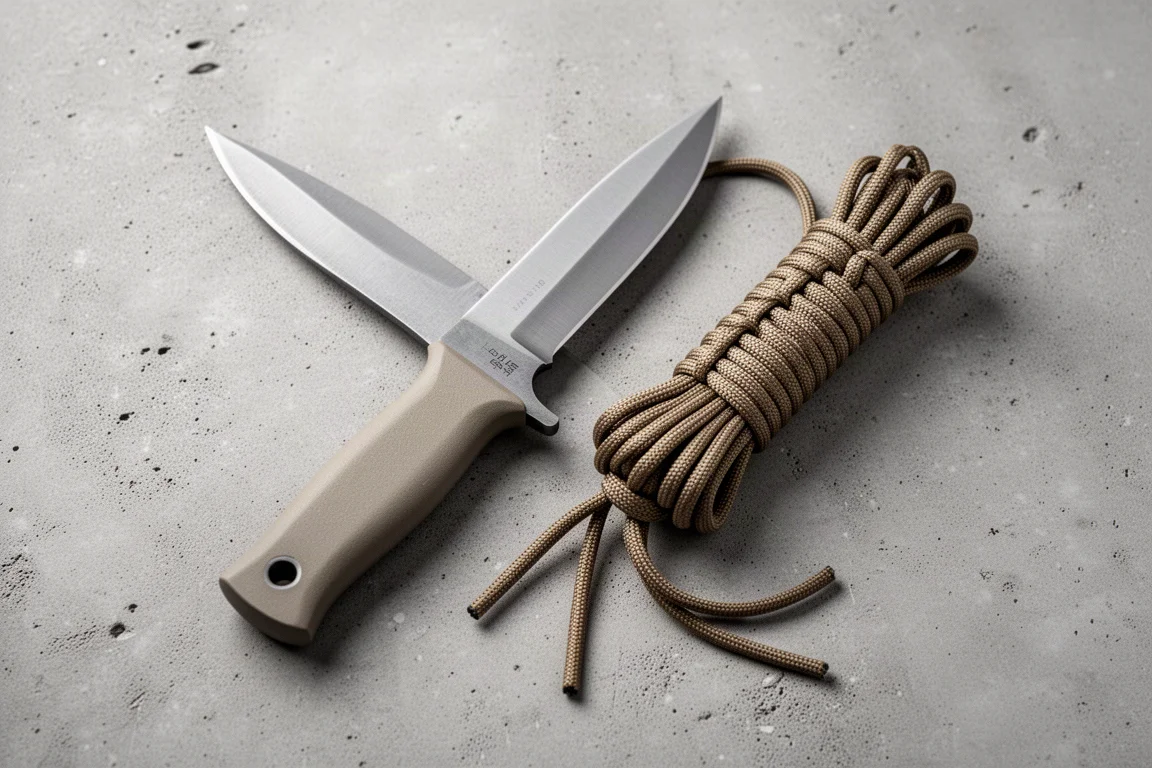
The Adamas design is described as wildly strong, the kind of blade that should resist damage even under serious abuse. When the writer compares it directly with other fixed blades of similar length, the main difference comes down to thickness and price rather than capability.
SOG Pillar
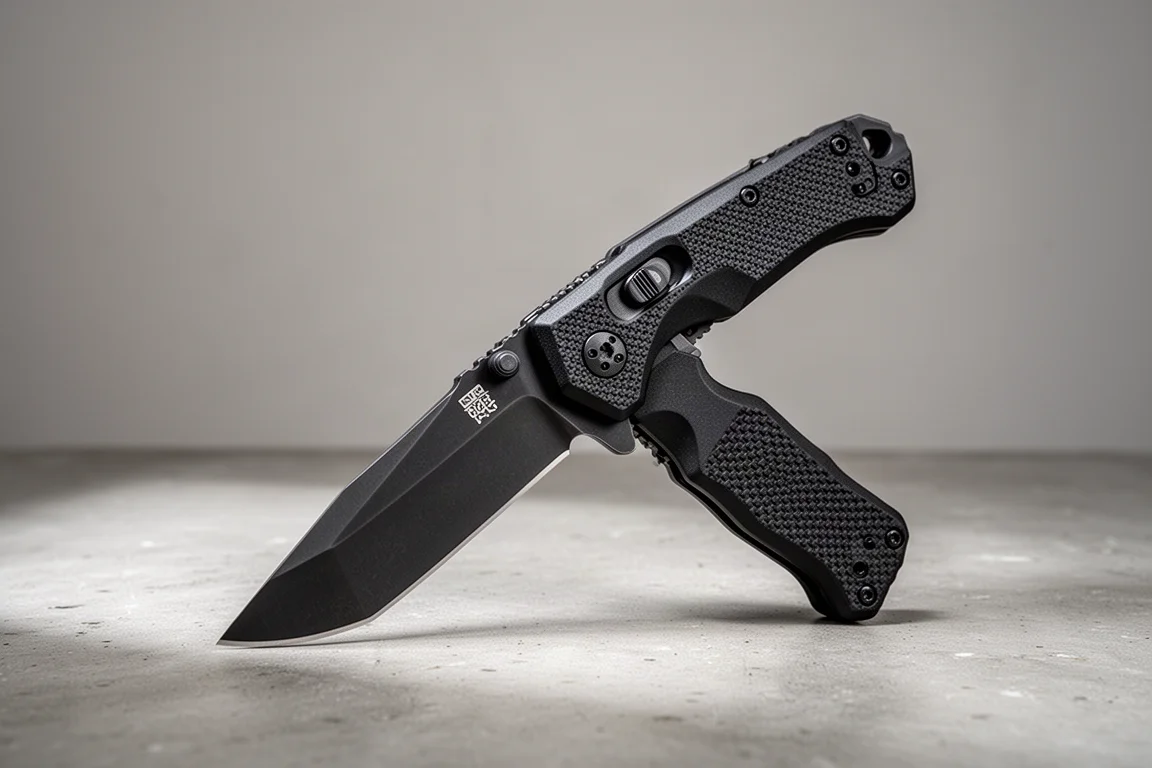
The SOG Pillar is a USA-made fixed blade that earns real enthusiasm here. One clever modification: the sheath attachment points for belt mounting were deliberately removed so the knife can be carried loose, sheathed, exactly the way you want.
Fixed blades can even be carried upside down in the pocket, keeping the weight down low and ready to draw. The Pillar is a strong example of tailoring carry style to the knife rather than the other way around.
Benchmade Bushcrafter and Fallkniven F1 Pro
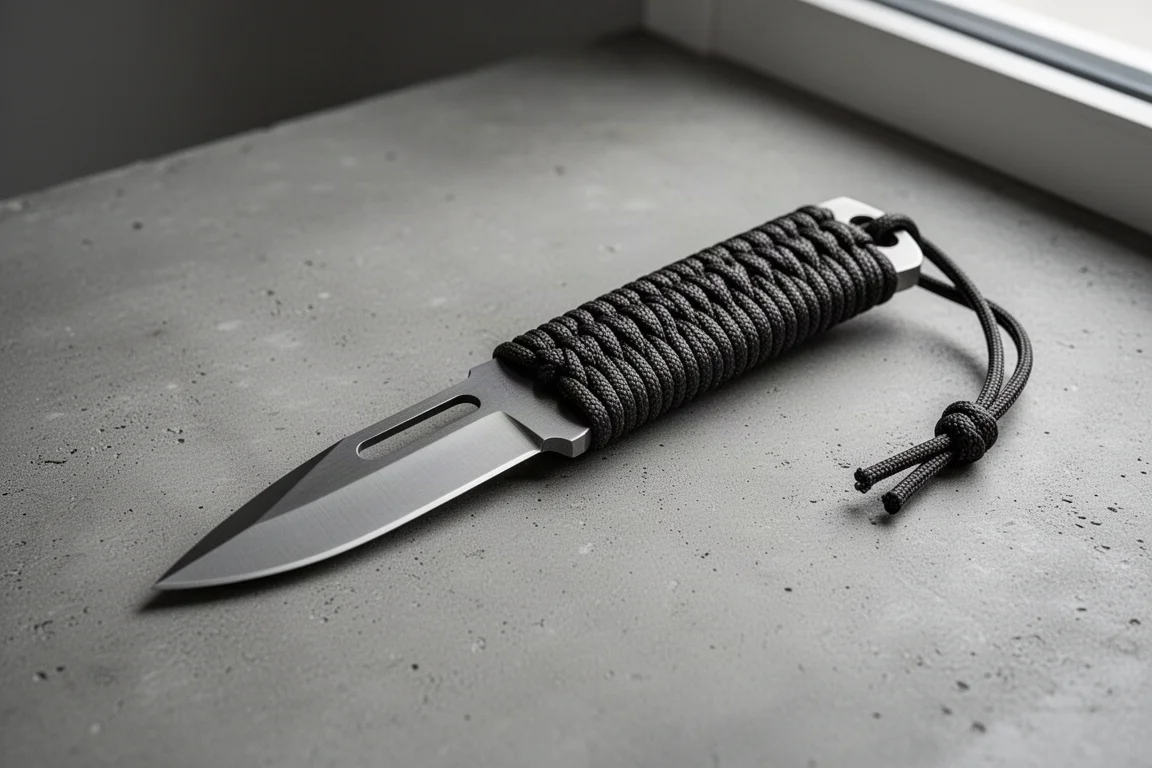
For belt carry with more flexibility, the dangler sheath deserves attention. The Benchmade Bushcrafter ships with a modified dangler sheath designed to hook quickly onto a belt, a bag, or a small carabiner, and to come off just as fast.
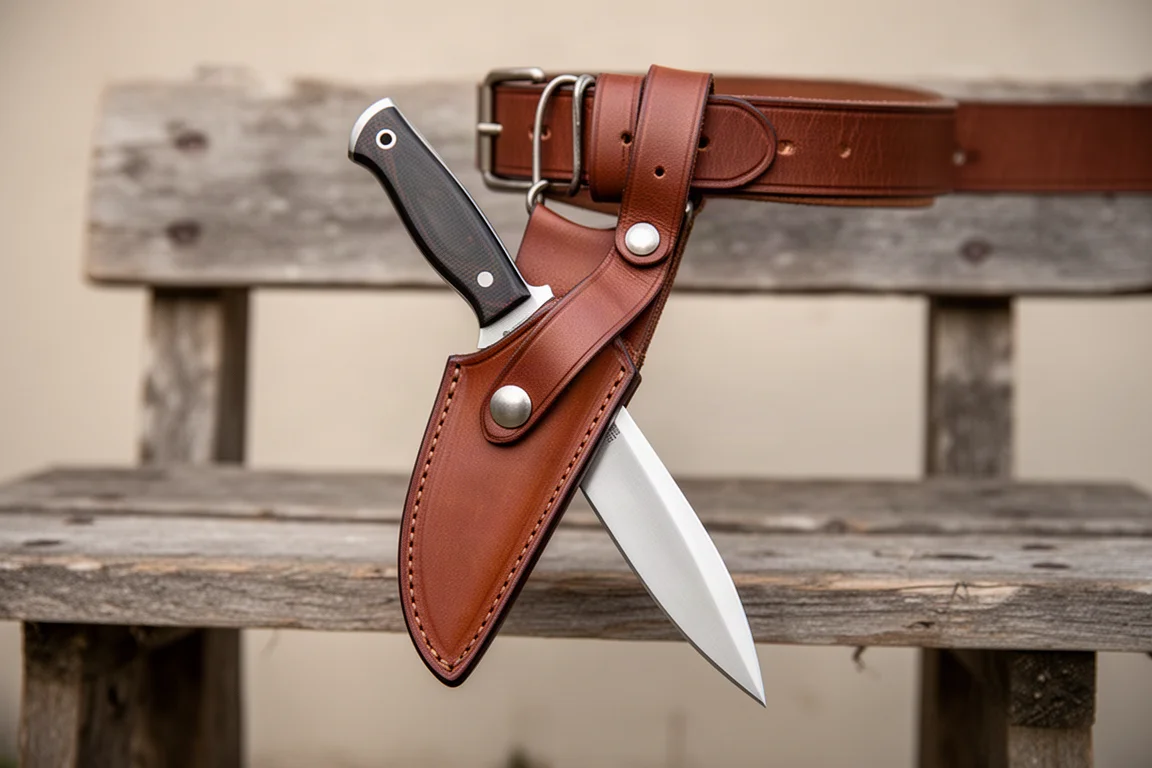
The Fallkniven F1 Pro, a well-regarded survival knife, uses a similar idea in a leather dangler sheath. The advantage over a fixed-position sheath is significant for daily life: the knife pivots on the belt, so you can flip it up and out of the way when sitting down on a flat surface. A rigid sheath stays in the way when you sit, which makes dangler designs noticeably more livable for all-day carry.
Buying Advice
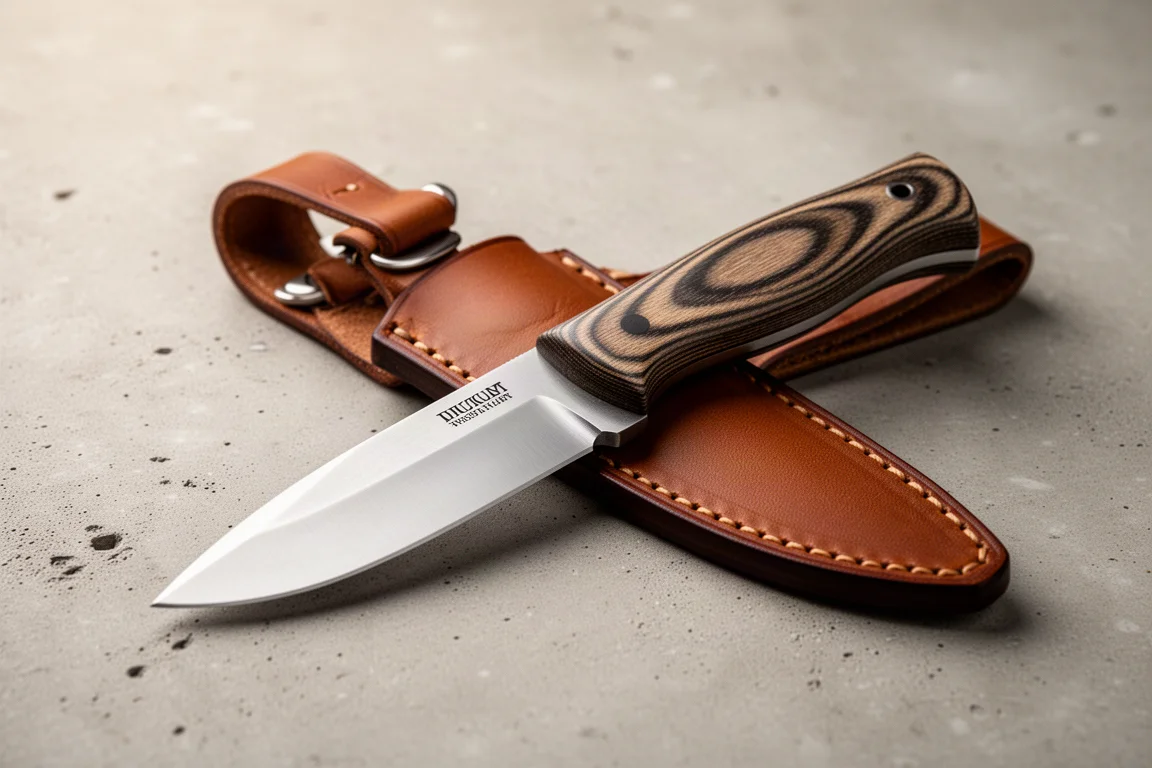
Choosing between a fixed blade and a folder mostly comes down to length, a bit of cost, and carry method. If the length works for how you dress and move, a fixed blade removes the pivot weakness entirely. If length is a dealbreaker, tiny fixed blades like the WM1 or Altitude bring fixed-blade strength down to pocket size.
A few practical notes worth keeping in mind:
- Dangler sheaths are the most comfortable option if you carry on a belt and sit down often during the day.
- Horizontal belt carry keeps a longer blade out of the pocket entirely.
- Pocket fixed blades work best when they are thin and light.
- Do not baton wood with any knife unless you truly have to; there are better tools for that, and doing it with smaller blades mostly just risks damaging the knife.
As long as the knife opens easily (in the case of a folder) and is high quality, either style serves you well.
Conclusion
Fixed blades were the original everyday carry, and modern designs have quietly solved most of the carry problems that pushed people toward folders. Whether you want a horizontal belt rig, a pocket-sized fixed blade, or a pivoting dangler sheath, there is now a fixed blade setup for nearly every carry style. The only real question left is which one fits your pocket, or your belt, best.
Further reading
Related Reviews

Everyday Carry
Everyday Gear That Deserved a Second Look
A roundup of solid everyday carry items: watches, pens, a pencil, a knife, and a smart ring that each earned a place on the table.

Everyday Carry
KORE Tactical Bifold Wallet Review: A Durable Everyday Carry Option
A close look at the KORE Tactical Bifold Wallet, a reinforced nylon wallet with magnetic closure and room for cards, cash, and IDs.

Everyday Carry
Krabby Wallet Review: A Slim, Simple Carry That Has Stood the Test of Time
A closer look at the Krabby Wallet, a slim canvas and elastic design with a loyal following and a simple, functional approach to everyday carry.