Hiking Gear
Five Hiking Gear Game Changers Worth Knowing About
Five field-tested hiking picks, from a packable synthetic hoodie to a two-part head torch, with the real strengths and trade-offs to weigh.
Introduction
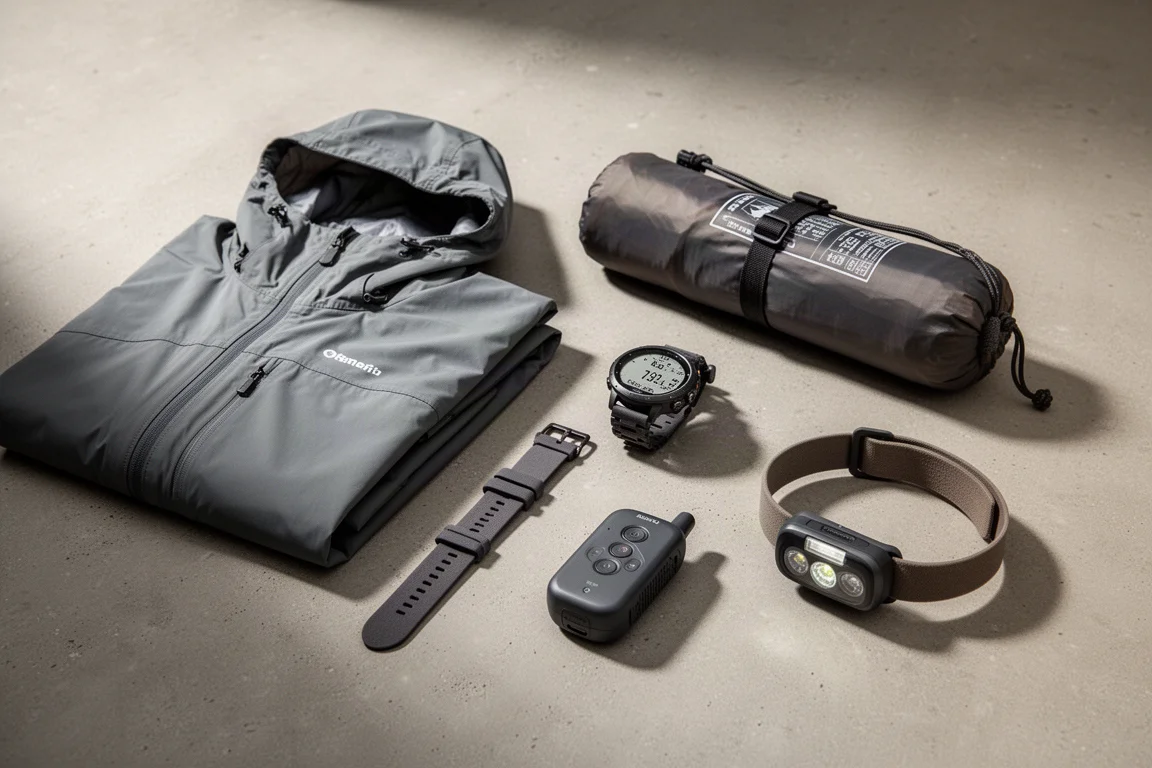
Gear talk can get very granular, and it is easy to lose sight of the fact that equipment is only one part of a day outdoors. Even so, a small number of products genuinely shift what is possible. The five picks below either introduced something new when they arrived or changed the way a trip could be planned and packed. They cover a wide spread of budgets, from roughly 30 dollars at the low end to around 300 dollars at the top, and each one has been used across multiple seasons rather than for a single weekend.
What Makes Gear a Game Changer
A useful product solves a problem. A game changer changes behaviour. The difference usually comes down to a few things: whether the item addresses something that shows up again and again, whether it alters how a trip is planned or packed, whether it holds up over years rather than weeks, and whether it earns the weight it adds to a pack.
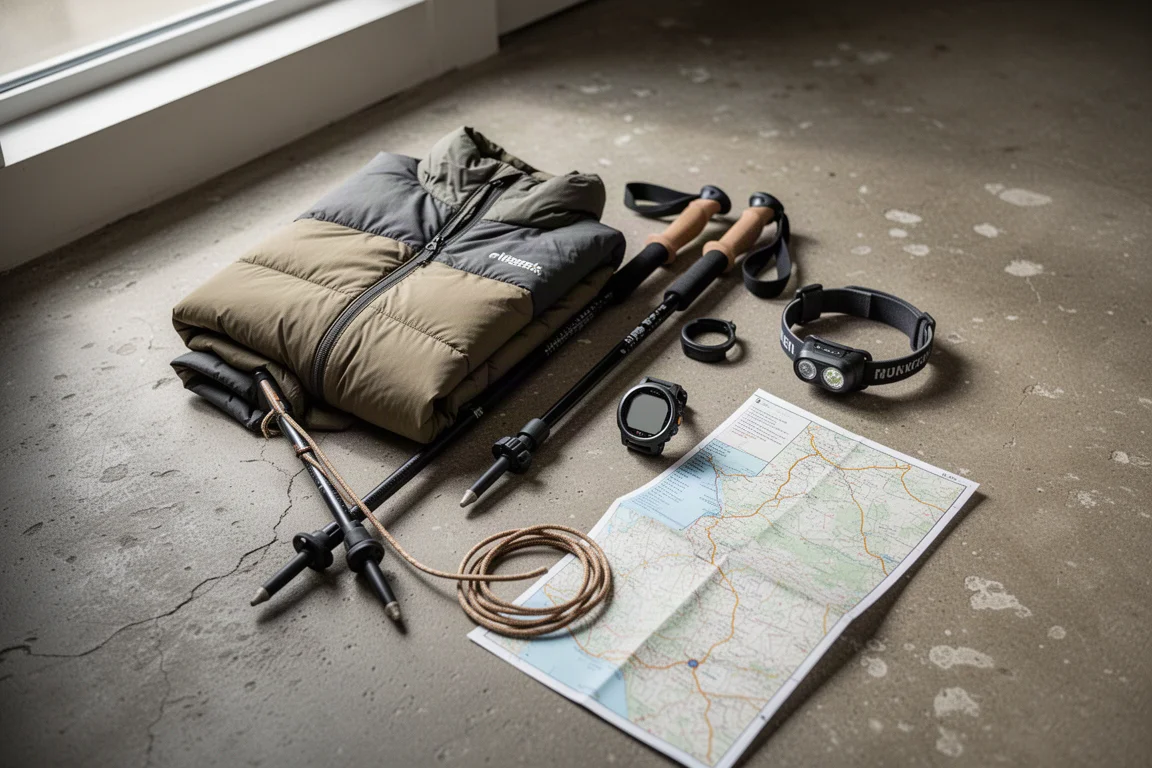
Versatility matters as much as performance. A piece of kit that only works in one narrow scenario rarely justifies its place in a rucksack, while the strongest picks here get used on short local outings and long multi-day routes alike.
Patagonia Micro Puff Hoodie: Synthetic Insulation Rethought
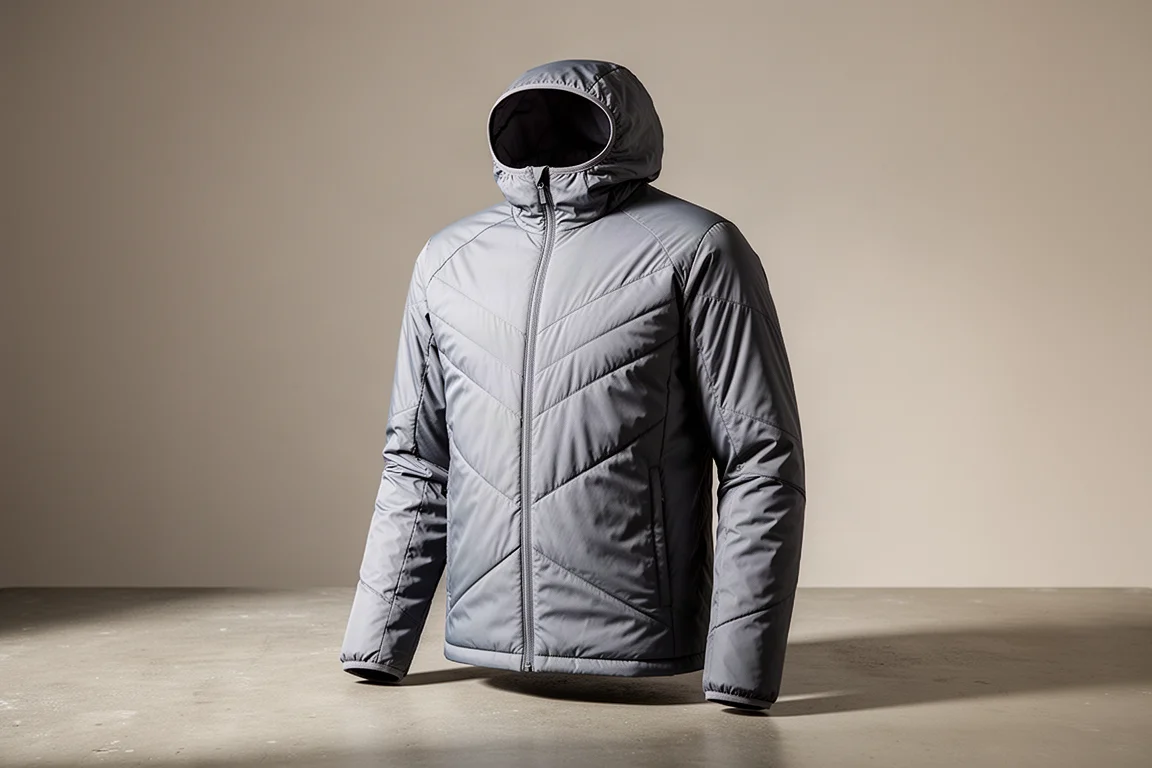
Patagonia spent around ten years developing the fill inside the Micro Puff Hoodie, and the result is a synthetic insulation called PlumaFill, built to behave as much like down as possible. In a medium the jacket weighs 293 g (10.3 oz) and it packs into its own pocket, which makes it easy to keep stowed until the temperature drops.
The construction is where most of the thinking shows. Instead of straight, parallel baffle lines, the quilting runs in an offset pattern. That creates a higher loft area, lets heat move more freely through the jacket, and uses less stitching, which trims weight.
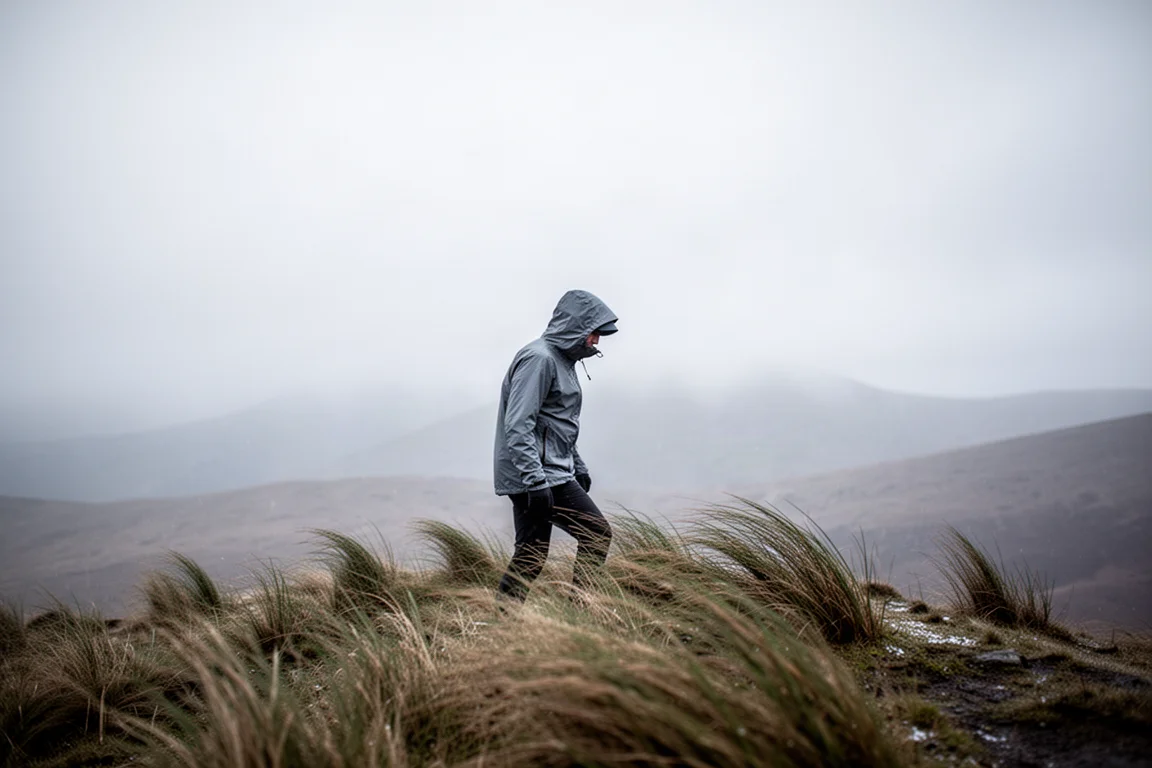
The practical benefit appears in the wash. Synthetic fills normally clump into one corner after laundering, with a tennis ball in the dryer as the usual workaround. The offset construction keeps the fill where it is, so care is far simpler than with a standard down jacket. A DWR treatment on the outside adds light water resistance, and in practice the jacket behaves as windproof, holding up in genuinely exposed conditions. It is warm enough to serve as a main insulated layer on a long through hike and light enough to work as an outer layer while mountaineering. It is also made with recycled fishing nets. Compared with a lighter synthetic jacket at 241 g, the Micro Puff is warmer but roughly 50 g heavier and around 100 dollars more expensive, so the decision comes down to priorities.
Liteway PyraOmm: A Single-Wall Shelter Built Around Ventilation
For many backpackers, tent choice is really a moisture problem. Double-wall designs often trap condensation on the inner surface, and anything touching that surface ends up damp. A single-wall shelter with generous ventilation keeps a clearer separation between the occupant and the outside air, which makes moisture far easier to control.
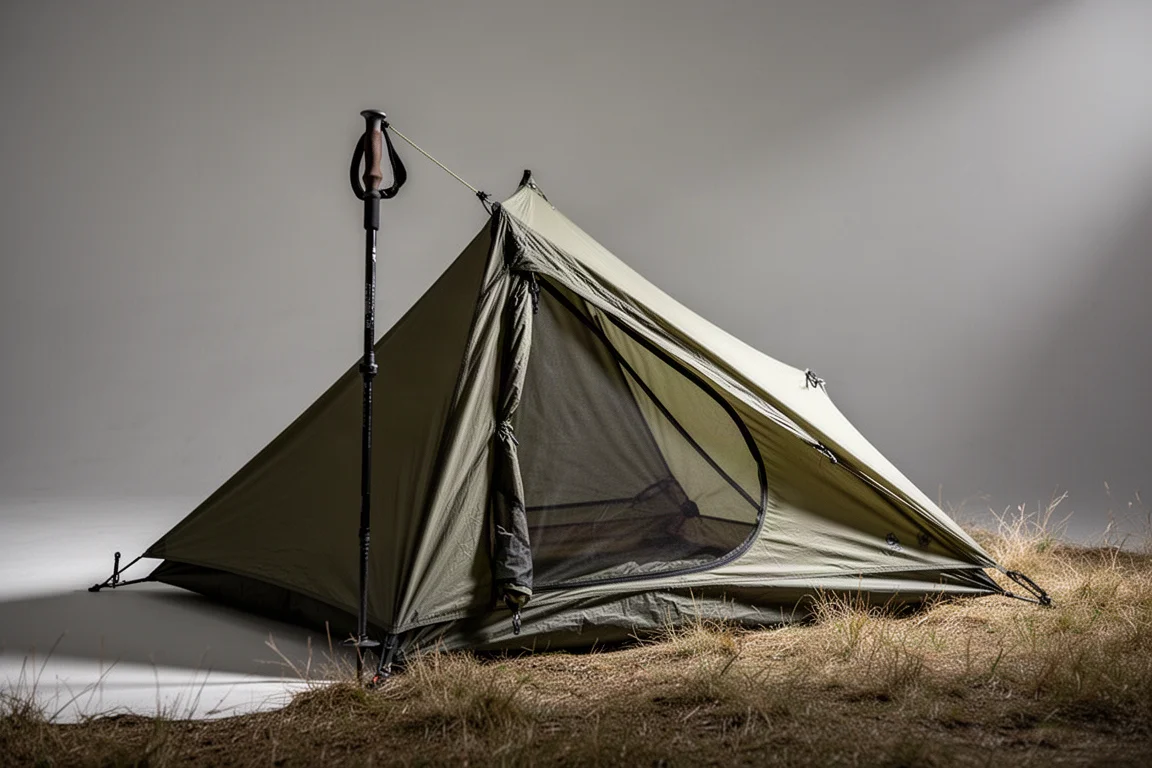
The PyraOmm builds on that idea and adds flexibility. Its mesh inner and outer shell separate, so the mesh can be used alone on solo summer trips, the double version can be used when sharing, or the outer shell can be pitched on its own. It goes up with one or two trekking poles, which means no structural poles to carry. The trade-offs are straightforward: in mosquito season a mesh inner is essential, and the shelter is not there to provide warmth. Warmth comes from the sleeping bag and the microclimate created inside it.
Liteway is based in Ukraine and continues to produce equipment. This particular shelter was provided by the company in 2020 in exchange for coverage rather than bought at retail, which is worth stating plainly.
Garmin Forerunner 245 With a Chest Strap: Feedback You Can Train With
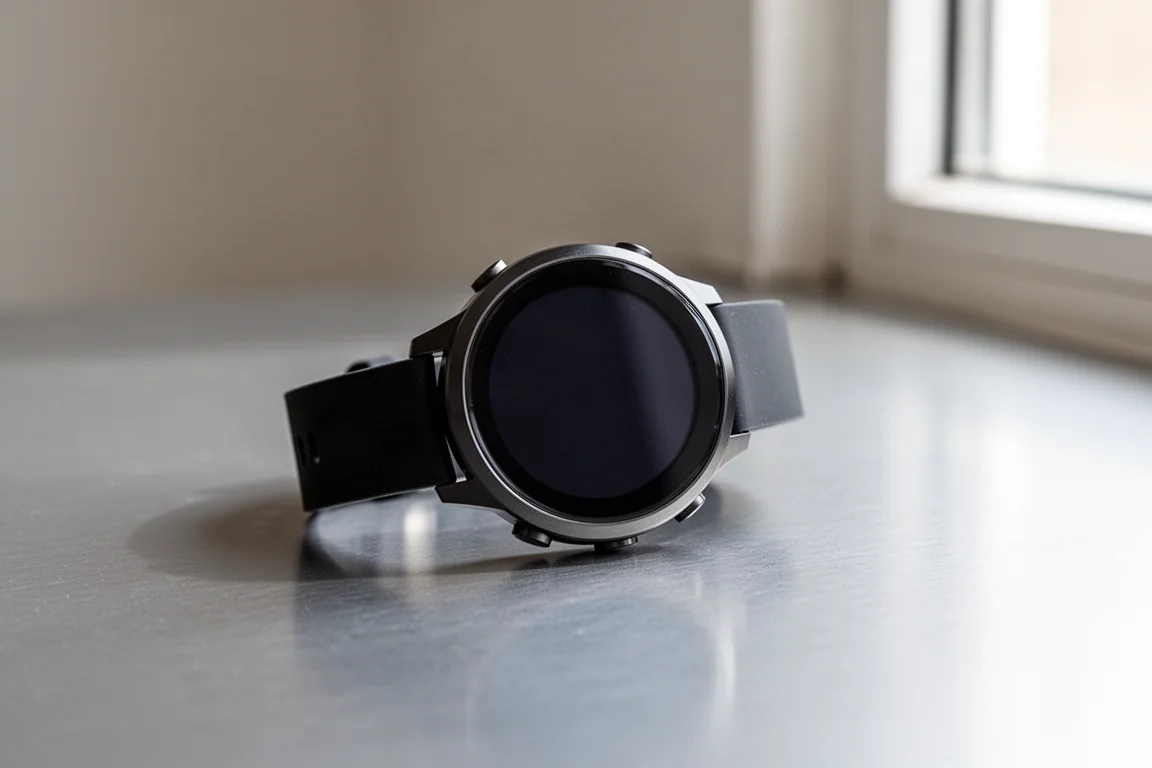
Heart rate data is only as good as its source, and a chest strap paired with the Forerunner 245 gives a much more accurate picture of effort than wrist-based readings alone. That matters more than it might sound. Many hikers finish long seasons without getting fitter, because their outings sit in an awkward middle ground: not hard enough to build maximum aerobic capacity, and not long enough to develop endurance.
Watching heart rate zones turns that into something measurable. Effort becomes visible while it is happening, and it does not take much reading to understand which fitness adaptations follow from which intensities, whether the day is a training session or a hike.
The Forerunner 245 sits toward the lower end of Garmin’s range and is not designed with hikers in mind. That is a deliberate trade: the watch was chosen for its heart rate features, while navigation is handled by a separate device.
Garmin inReach Mini 2: Peace of Mind Beyond Cell Coverage
Satellite communication has changed what it feels like to head into remote terrain. The inReach Mini 2 allows two-way messaging from places with no cell signal, which means a message can be sent home and help can be requested if something goes wrong. The reassurance runs in both directions: the person on the trail knows they can make contact, and the people waiting at home know it too.
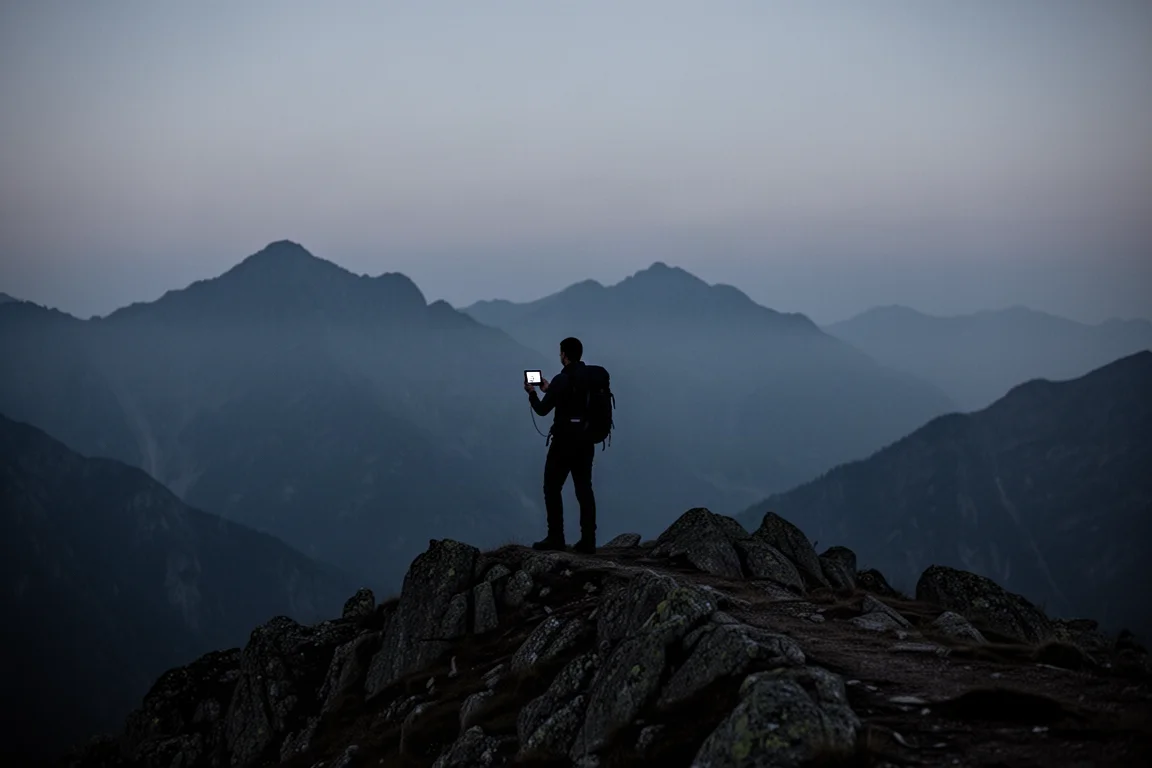
For anyone who has hesitated to push further because of what could happen, that capability is often the difference between a plan and a cancelled trip. It is a small device, but it changes the size of the map you are willing to use.
Knog Quokka Run 150: A Head Torch That Stays Where You Put It
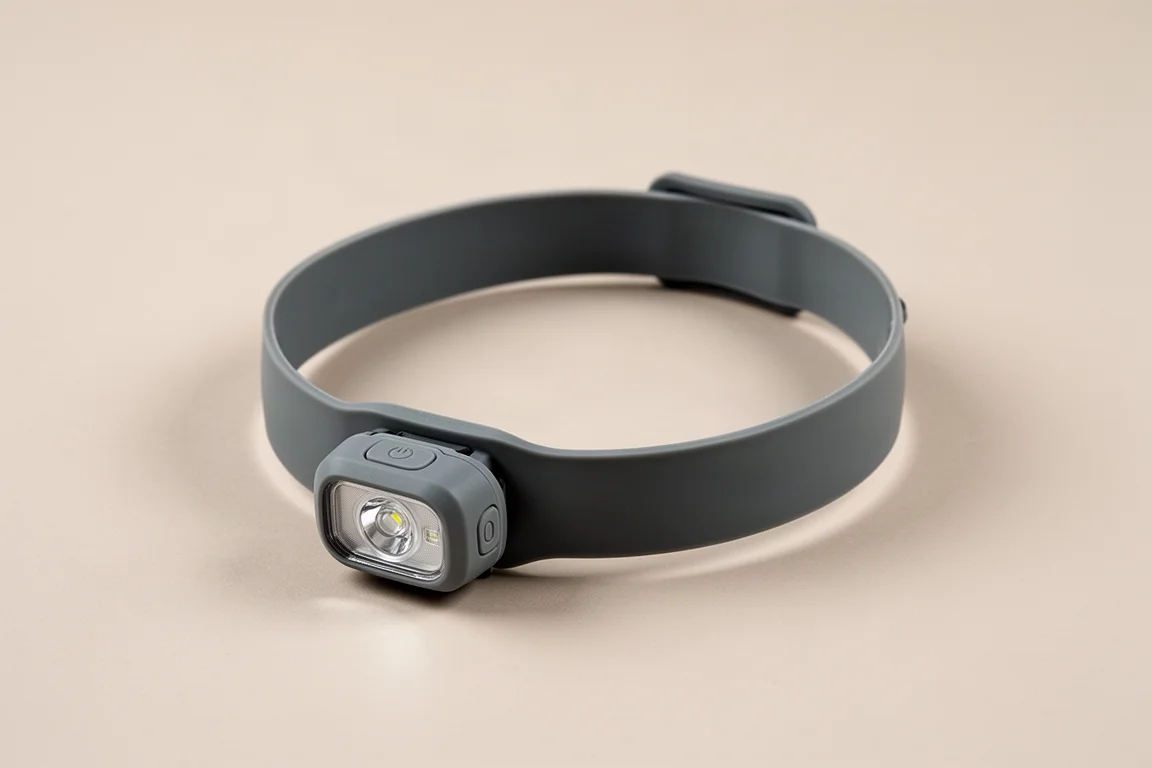
Most head torches carry their batteries at the front, which makes them bounce and shift on rough ground and at speed. The Quokka Run 150 rethinks the whole structure. A wide silicone outer piece acts as the strap, and a very small lamp unit sits inside it as the light source itself. The result stays put on fast descents and difficult terrain instead of flapping around.
It comes in two versions, a 100 lumen model and the 150 lumen version, and it was designed by Knog in Melbourne, Australia.
Overall Buying Advice
The right purchase depends on the problem that actually shows up on your trips. If cold stops and windy summits are the recurring issue, a packable synthetic layer earns its place quickly. If condensation has ruined too many mornings, a well-ventilated single-wall shelter is worth the change in habits it demands. If training has plateaued despite regular hiking, accurate heart rate data is often the cheapest fix. If remote terrain is the goal, satellite messaging is a genuine safety upgrade. And if a bouncing torch has been an irritation for years, a lighter two-part design solves it for very little money.
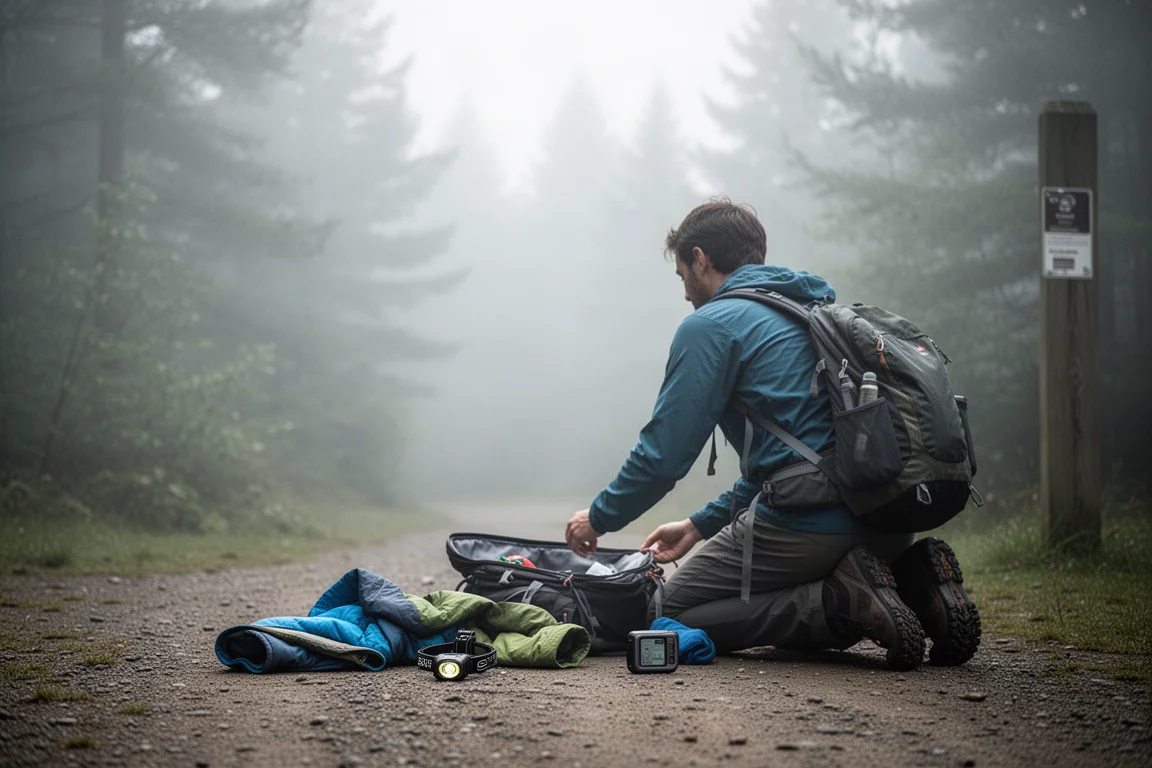
It also helps to think about how each item works with the rest of a kit. A jacket that packs into its own pocket, a shelter that needs no poles of its own, and a head torch that disappears on your head all reduce friction, and that is usually what makes gear feel worth the money rather than merely interesting.
Conclusion
Gear is one part of the experience, not the whole of it. These five items stand out because each one removed a specific obstacle, whether that was moisture, cold, unstable light, unclear training data, or the simple worry of being out of contact. Buy for the obstacle you actually meet, and the rest of the kit can stay simple.
Further reading
Related Reviews
Hiking Gear
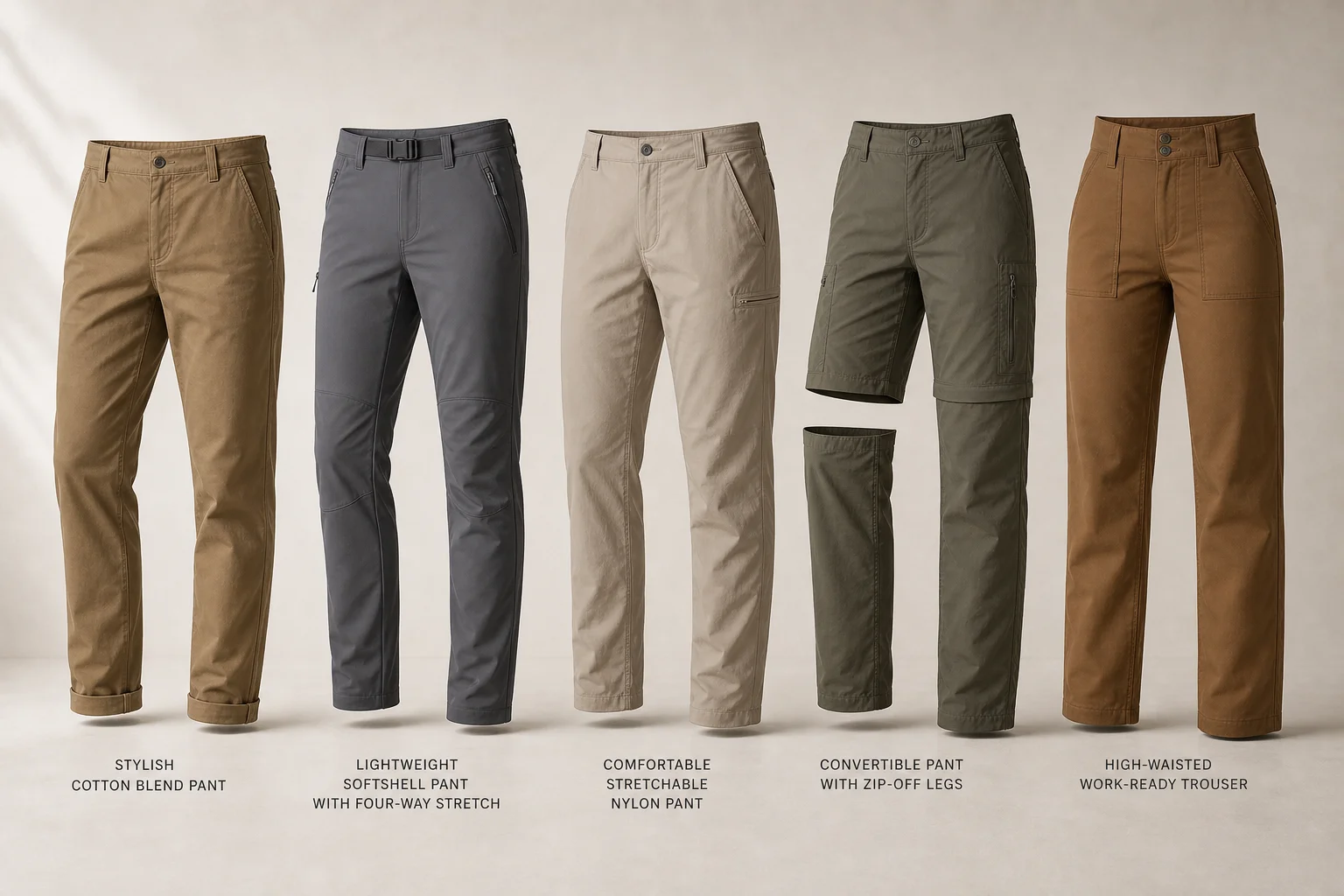
Best Hiking Pants on Amazon: Five Practical Options for Different Needs
A practical review of five hiking pants with clear strengths and trade-offs, from lightweight convertible styles to durable work-ready trousers.
Hiking Gear
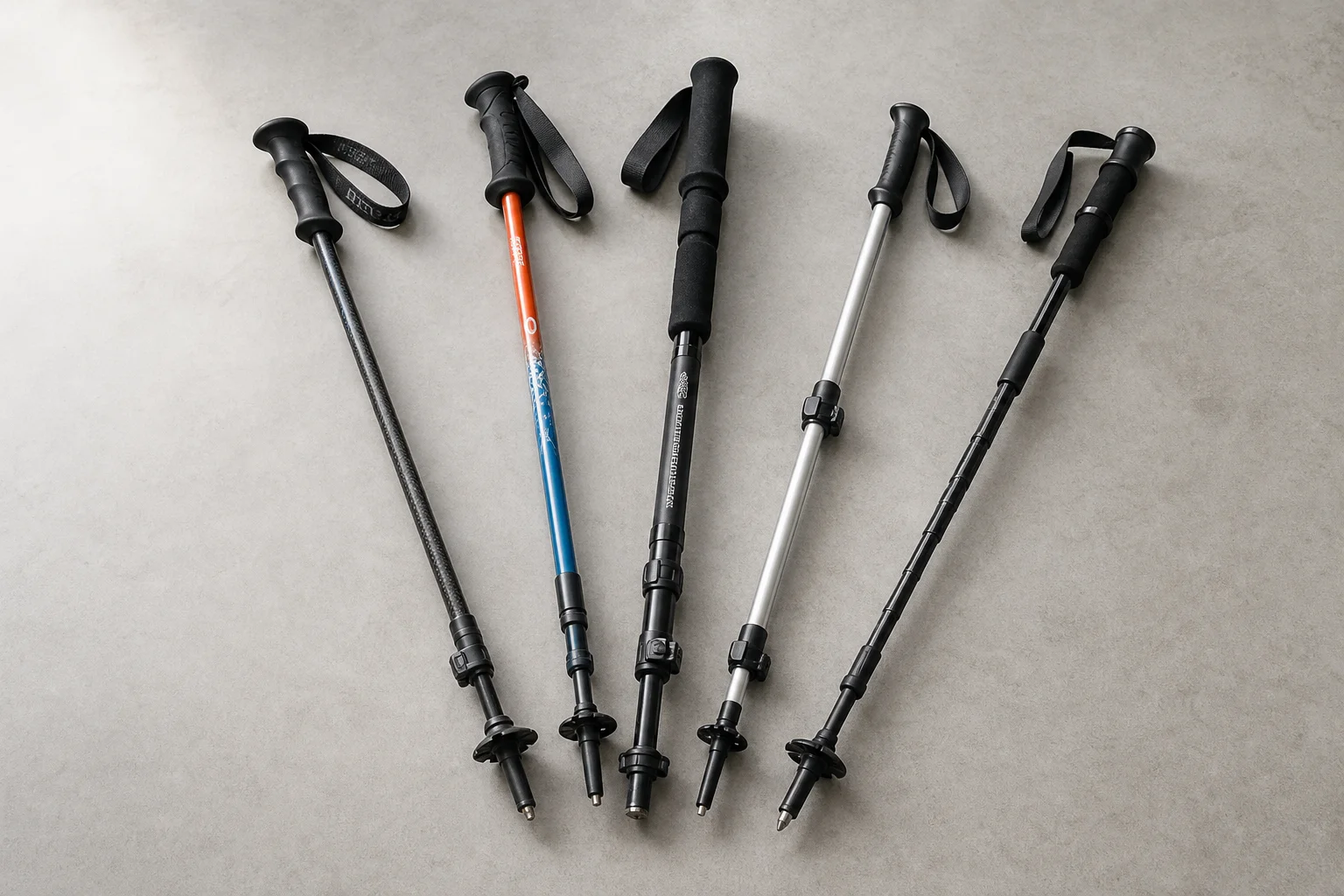
Best Hiking Poles 2026: Five Options for Different Trail Needs
A practical review of five hiking poles, from lightweight carbon designs to versatile all-terrain options, with clear strengths and trade-offs for each.
Hiking Gear
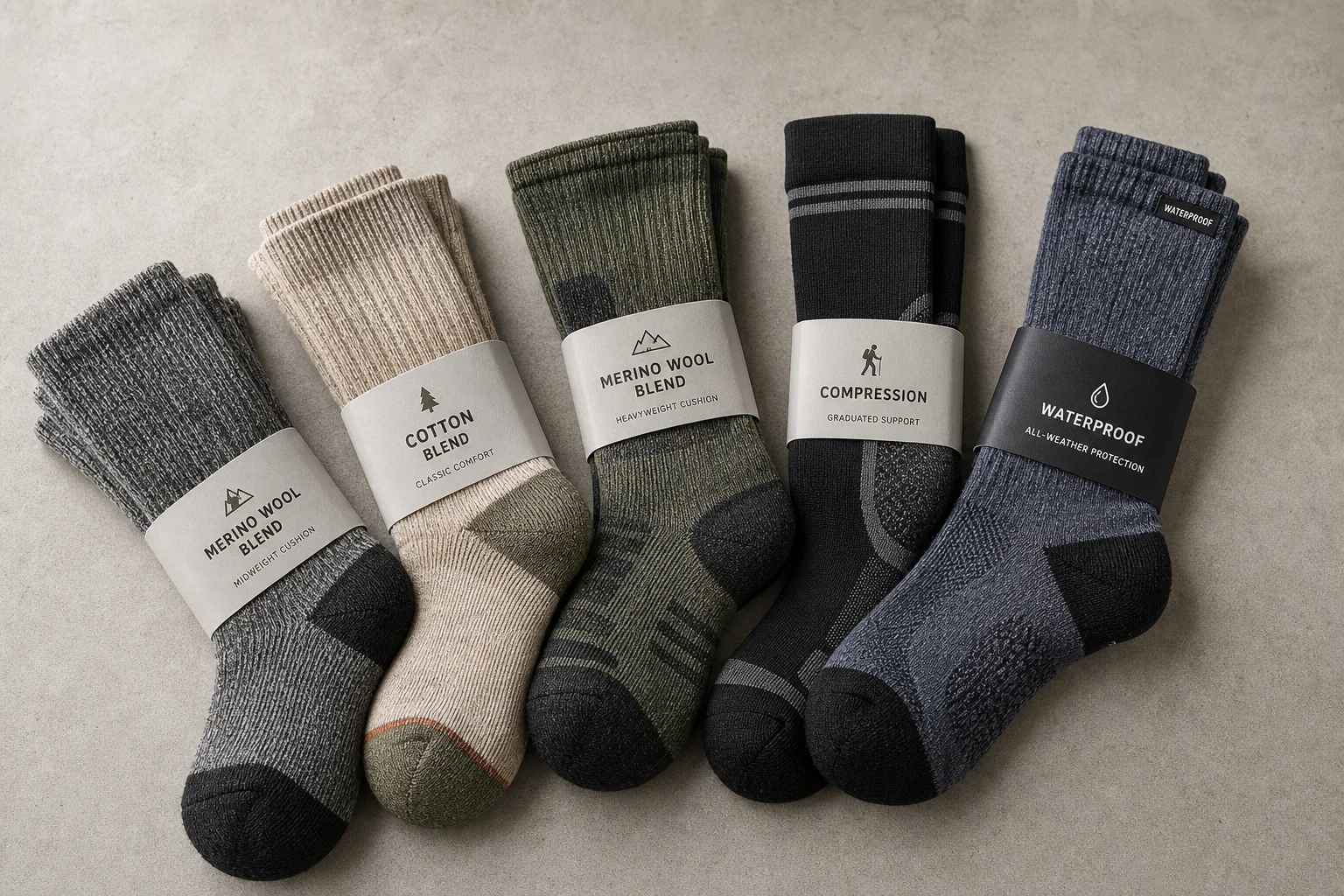
Best Hiking Socks 2026: Five Top Choices for Different Trail Needs
A practical roundup of five hiking socks, from lightweight merino options to heavy-duty compression styles, with clear guidance on which suits your outdoor activity.