Gravel Bikes
Five Gravel Race Bikes to Watch: Silex, Grail, Devote, Ago and Stigmata
A closer look at five gravel race bikes, from slacker all-rounders and integrated race platforms to geometry-tunable and suspension-ready machines.
Introduction
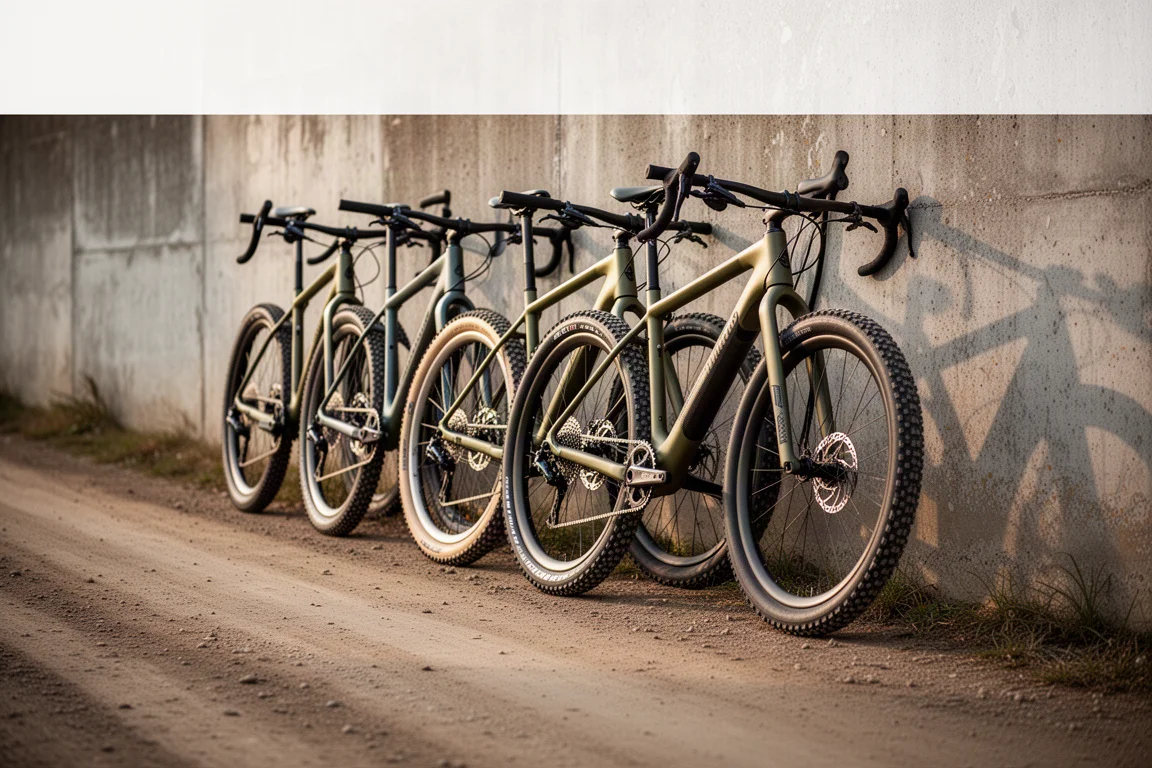
Gravel racing has never been a single discipline, and the bikes built for it keep drifting further apart. Some brands chase outright speed on fast, smooth courses. Others build for events where the terrain turns rough and technical, and where a slacker, more forgiving front end matters more than a small aero gain. The five bikes below sit at different points on that spectrum, and each one makes a clear design argument. A few have already been proven at the sharp end of elite racing. Others are newer to gravel, and interesting precisely because of how their makers have chosen to approach it.
How These Bikes Were Selected
Each bike here changes something meaningful rather than refreshing paint and spec. The selection criteria were geometry direction, maximum tire clearance, cargo and mounting options, frame material choice, and how easy the bike is to live with and service. Race results also count where they exist, because they show what a platform can do under a strong rider.
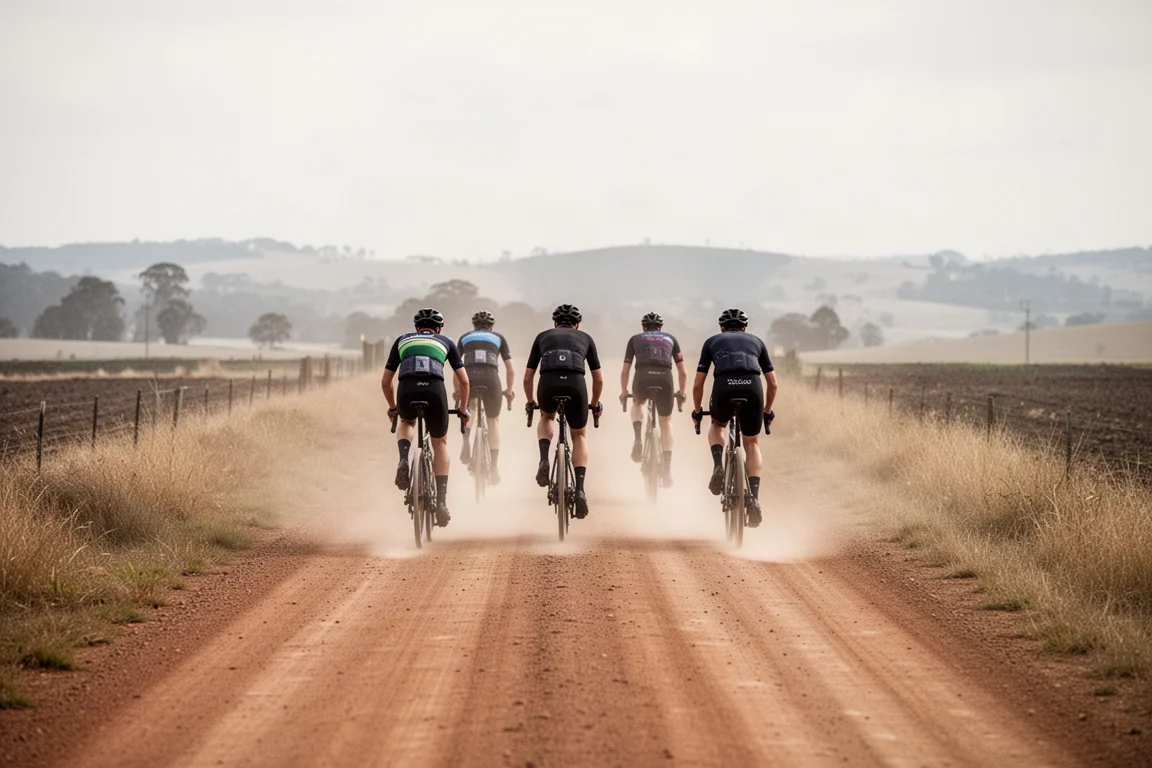
Not every bike in this roundup is a dedicated race machine, and that is deliberate. Riders who mix commuting, winter training and gravel racing need a platform that stays usable when the racing stops, while privateer racers on rough courses tend to want clearance and suspension compatibility more than they want the lowest possible front end. The sections below explain what each platform actually offers.
Merida Silex
The Silex made an immediate impression in elite racing, taking a solo win at the highest level almost as soon as it appeared. Merida is careful to point out that the Silex is not designed purely as a gravel race bike, but a bike that can be raced hard is a useful starting point for almost any rider.
The design changes point clearly toward rougher terrain. The head angle is 1.5 degrees slacker at 69.5 degrees, tire clearance has grown from 40 mm to 45 mm, cables now run internally, and there are more mounting points than before. Merida also specifies 180 mm rotors across all models, which is a notable amount of braking power for a gravel bike.
The Silex is claimed to handle a bit of everything, so commuting and winter riding are part of the brief alongside gravel. It is available in aluminium or carbon, and the two versions look similar, with the carbon frame distinguished by an internal wedge seatpost clamp. The new frame is more modern in shape than the previous generation, though the carbon version keeps some distinctive styling around the seat stay junction.
Canyon Grail
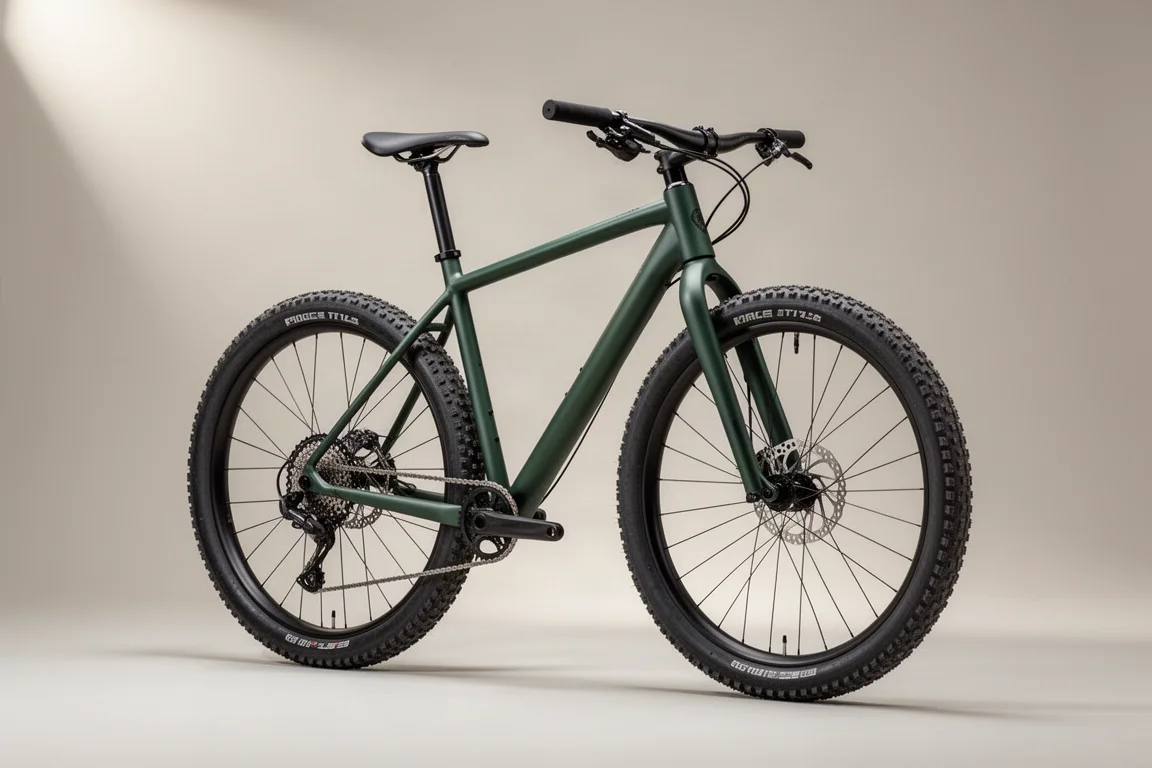
The Grail is one of the best known names in gravel, and it has been redesigned from the ground up. The hover bar of the original is gone, replaced by an integrated double drop bar, and the frame now includes down tube storage. Fork sleeves let riders mount extra cargo on the fork legs.
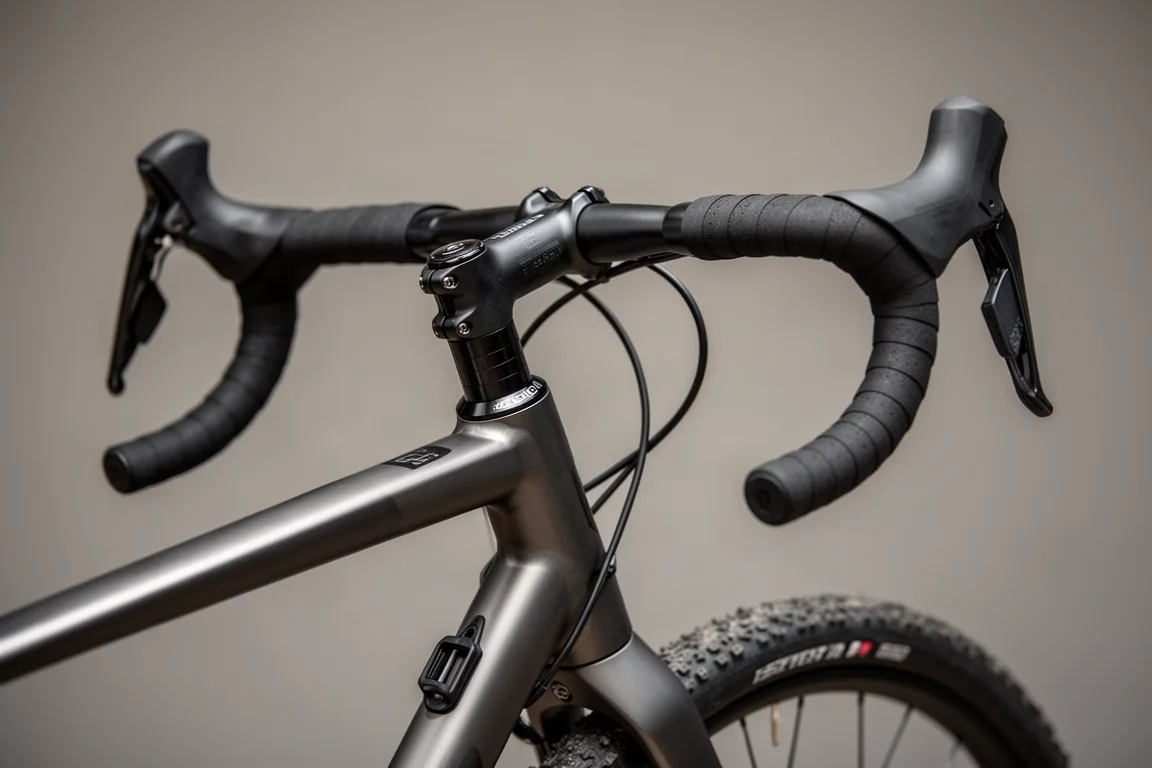
The reasoning behind the redesign is that gravel has changed since the original Grail arrived as Canyon’s first gravel bike and covered every kind of gravel riding. The brand later added a more adventure-focused model, and the Grail has now been refined to target gravel racing specifically.
That repositioning is backed by results, with the Grail already ridden to victory at Unbound and to a gravel world title. For riders who want a fast, race-oriented platform with storage built in for long events, the new Grail is a logical shortlist entry.
Liv Devote
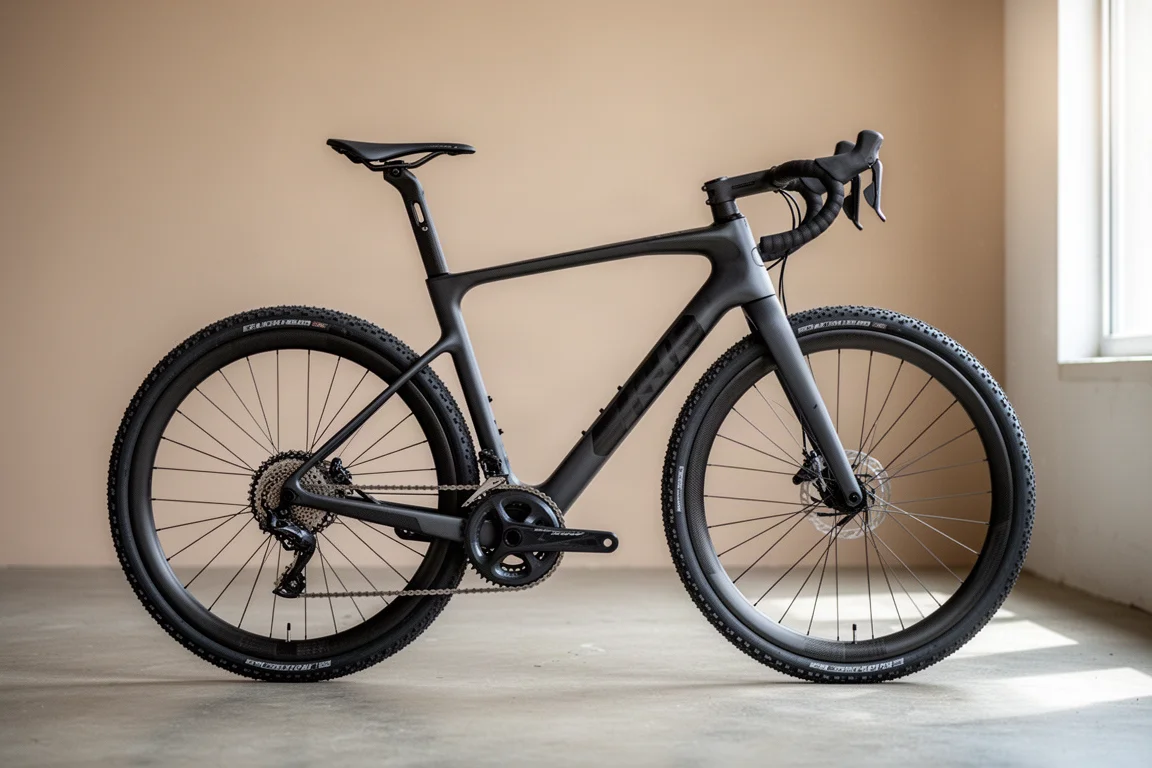
Liv has taken the opposite approach to the brands going slacker. The new Devote is more aggressive, with 2 mm more reach in a size medium and a front end that tucks the rider down. Liv says the change delivers more grip along with greater stability and control at speed.
The more interesting feature is the flip chip dropout, which lets riders tune the bike’s geometry rather than accept a single setup. Switching between settings moves the wheelbase by 10 mm and changes rear tire clearance by 8 mm, and it only requires common tools. In the long wheelbase position, tire clearance rises from 45 mm to 53 mm.
That kind of adjustability is unusual on a gravel bike. It means one frame can be set up for faster, tighter handling or for rougher trails with more rubber and a longer, more stable wheelbase, which should appeal to riders who race and explore on the same bike.
Cipollini Ago
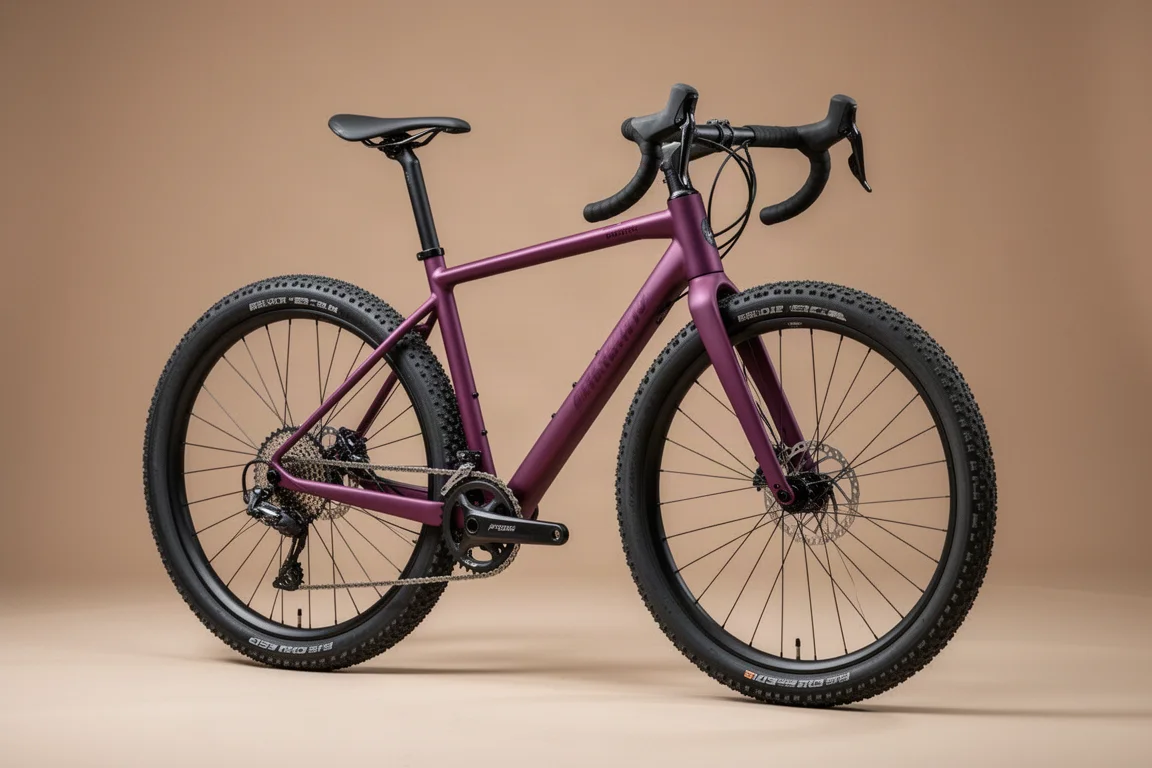
The Ago is Cipollini’s first dedicated gravel bike, which makes it interesting on its own. The brand has a road-focused history and a reputation for stiff frames, so the real question is how that translates to rougher surfaces.
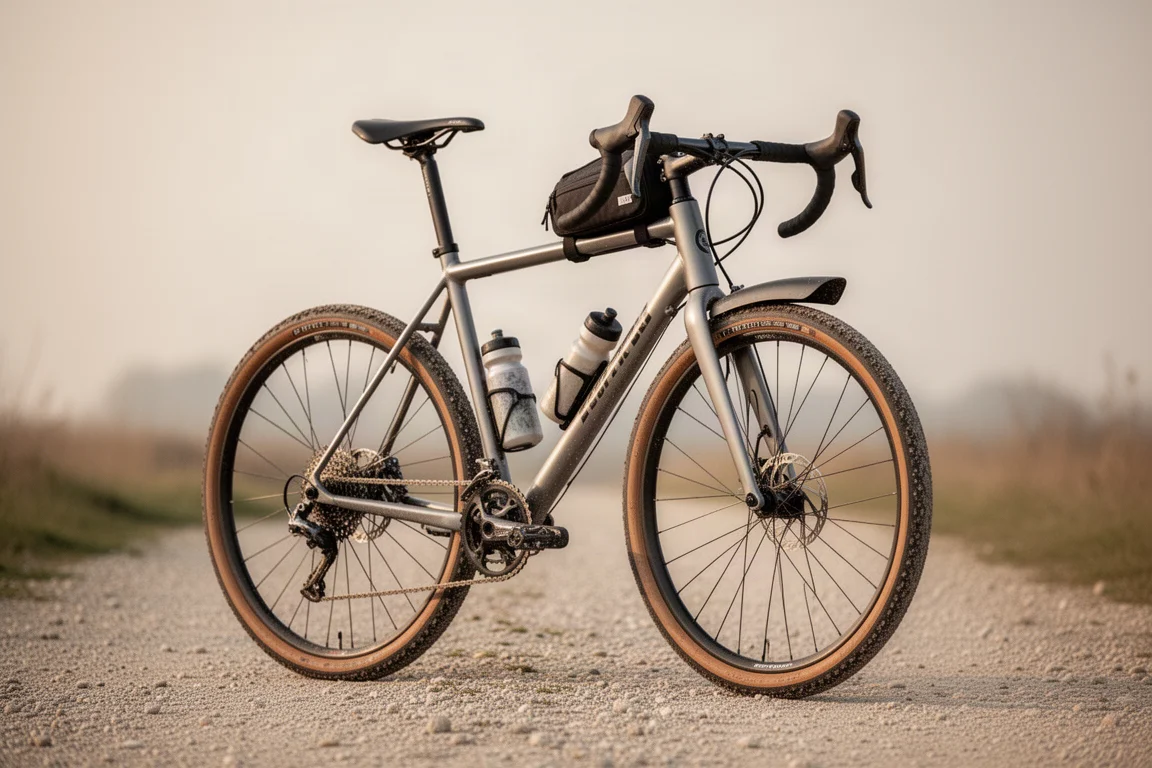
Cipollini says the Ago was designed for long distances on uneven ground in comfort, with particular attention paid to compliance in the seat tube. The chainstays are short at 427 mm, a choice intended to balance comfort with responsiveness. The claimed frame weight is 930 g with a 510 g fork, though no frame size is attached to that figure. Tire clearance is claimed at 45 mm, which sits right in line with current expectations.
Practical details stand out too. There are mounts behind the steerer tube for a top tube bag, which is how many racers prefer to carry spares, plus mudguard mounts and mounting points on the fork. Those fork mounts need a specific Cipollini adapter and the unusual mounting system limits aftermarket options, but the added versatility is welcome. Two builds are offered, one with Campagnolo Ekar and one with SRAM Rival XPLR AXS.
Santa Cruz Stigmata
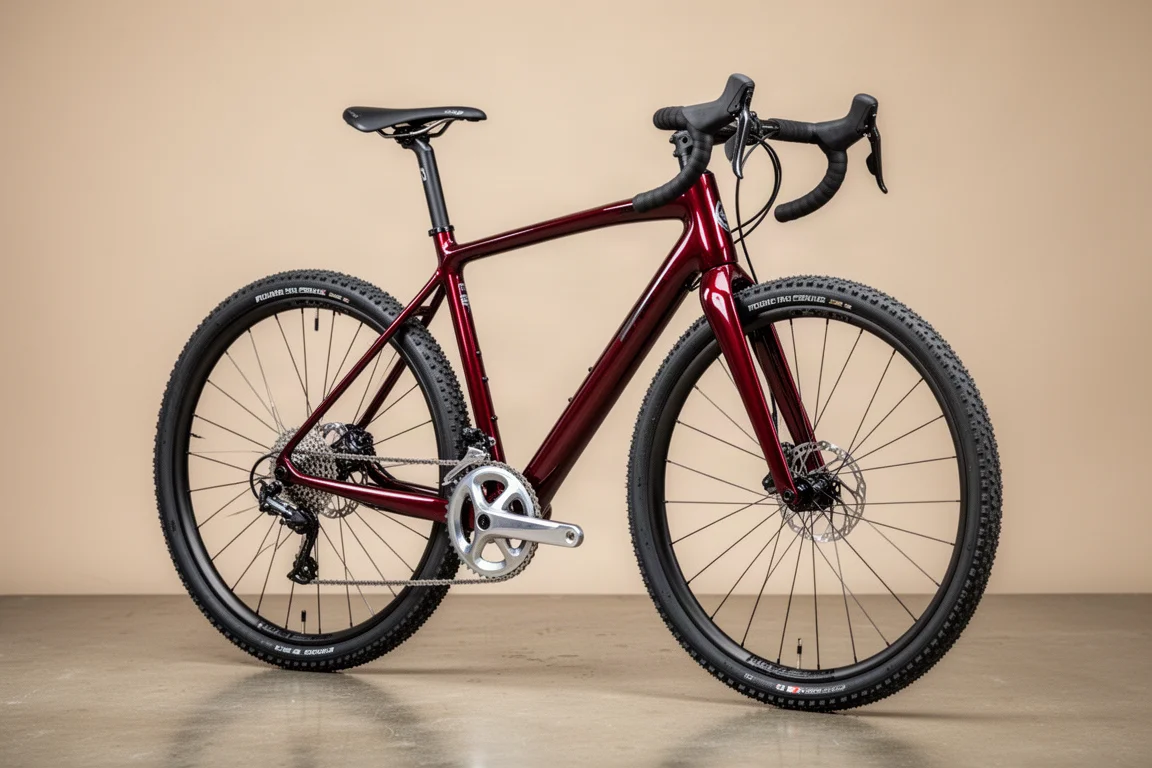
Not every gravel race is a fast dash contested by road specialists. Some courses are rough enough to call for a different kind of bike, and the Stigmata has been updated with more progressive geometry borrowed from the brand’s mountain bike range. That means a 69.5 degree head angle across the full size range and a 30 mm increase in reach over the previous model.
The most notable detail is the compact head tube paired with a rigid fork that has a higher than usual crown. That allows the fork to be swapped for a 40 mm travel suspension fork without changing the geometry. Tire clearance has grown to 50 mm on 700c wheels, up from 45 mm, and the frame takes a 27.2 mm dropper post and uses the universal derailleur hanger.
The Stigmata already has race pedigree, with a men’s Unbound title to its name. It also looks well suited to privateer racers. External cables mean no difficult routing when a cable needs replacing, a threaded bottom bracket helps serviceability, and standard build kits cover both 1x and 2x setups. Add the suspension fork option and it becomes a genuinely versatile machine.
Buying Advice
Choosing between these bikes comes down to the terrain you actually race on. If your events mix smooth, fast gravel with long days and commuting miles, a platform like the Silex, with its broader brief and its choice of aluminium or carbon frames, is easier to justify. If racing is the priority and you want storage built into the frame, the Grail is designed for exactly that.
Riders who want one frame to cover different conditions should look closely at adjustable geometry such as the Devote’s flip chip, which changes both wheelbase and tire clearance without new parts. At the rougher end, the Stigmata’s suspension compatibility and 50 mm clearance open up courses that a conventional gravel race bike would make hard work of, while the Ago targets comfort over long, uneven distances with a road-derived feel.
A few practical checks are worth making before deciding. Look at maximum tire clearance and whether you need mounts for bags, mudguards or a top tube bag. Consider how the bike is serviced, since threaded bottom brackets and external cables are simpler to live with, while integrated cockpits and proprietary adapters add complexity. Finally, read frame weight claims carefully, because they are not always tied to a specific frame size.
Conclusion
All five of these bikes are worth watching, but for different reasons. The Silex shows how far a do-everything gravel platform can be pushed toward rough terrain. The Grail has been sharpened into a dedicated race bike with storage built in. The Devote makes geometry a rider-adjustable choice. The Ago marks a road brand’s first serious gravel effort. And the Stigmata leans on mountain bike thinking to make rough courses more manageable. Match the design to the riding you do, and any of them can be a confident purchase.
Further reading
Related Reviews
Gravel Bikes
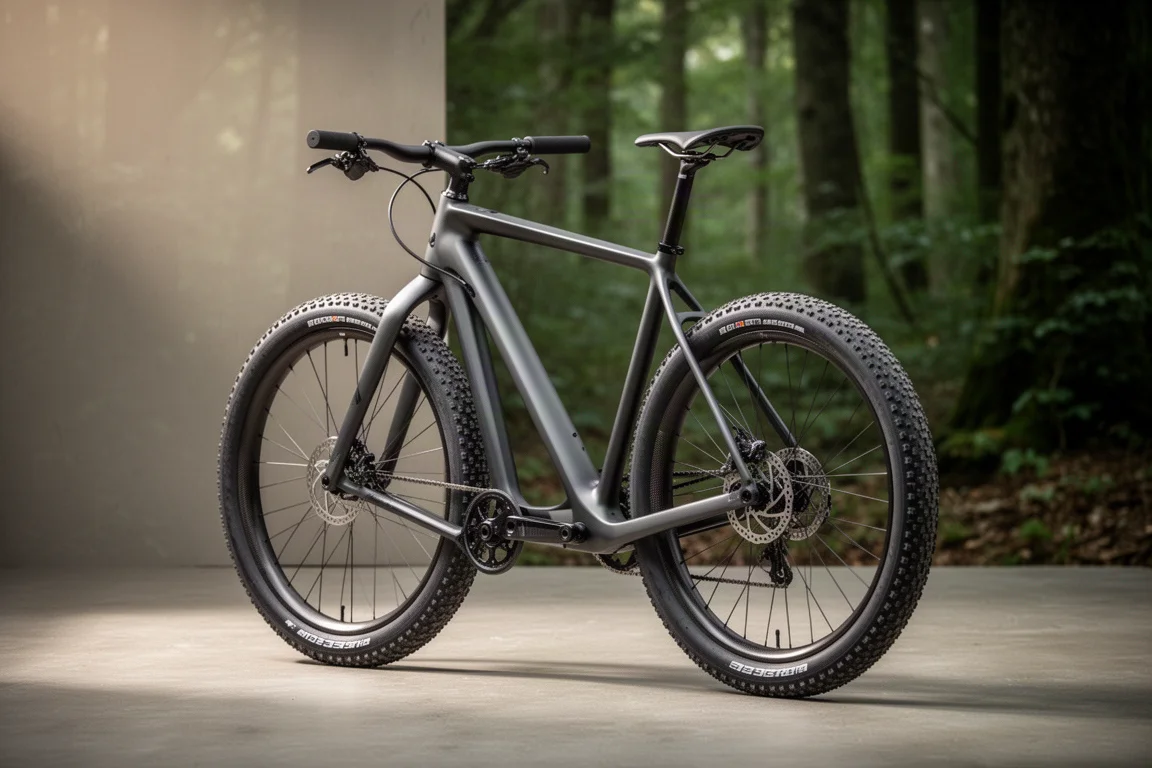
3T Exploro Ultra Review: A Fast Gravel Bike Built for Big Tyres
A close look at the 3T Exploro Ultra, an aero carbon gravel bike designed around wide tyres, with road-like handling, a 980 g frame and genuine rough-terrain capability.
Gravel Bikes
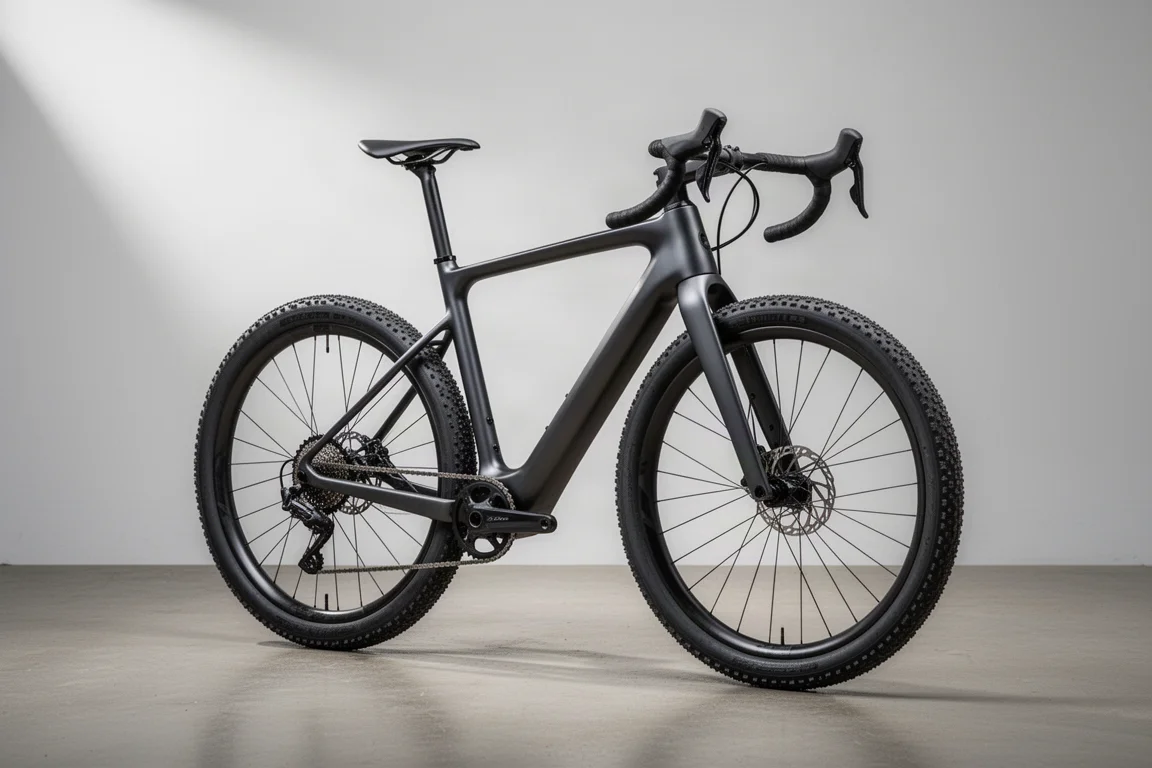
3T Extrema Italia Review: Aero Gravel Speed With Room for 57 mm Tires
The 3T Extrema Italia pairs an aero frame with huge tire clearance, Italian-made carbon and a more comfortable ride than the RaceMax. Here is what to know before buying.
Gravel Bikes
3T Race Max 2 Italia Review: An Aero Gravel Race Bike Made in Italy
A closer look at the second-generation 3T Race Max 2 Italia, covering its aero updates, ride character, tire clearance, internal storage and who it suits.