Gravel Bikes
Five Gravel Bikes Worth Knowing Before You Buy
A practical look at five gravel bikes, from the rear-suspension Specialized Diverge STR to the aero Factor Ostro Gravel, with the trade-offs that matter before you commit.
Introduction
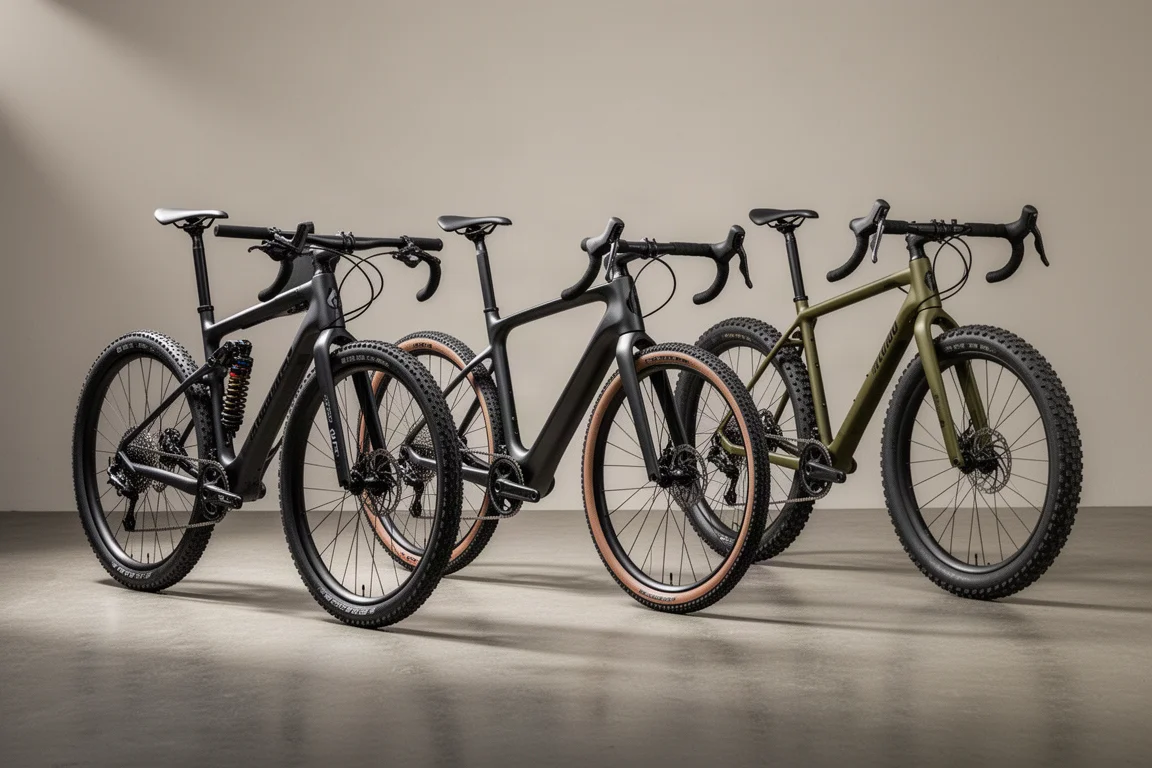
Gravel riding keeps growing, and the bikes built for it keep splitting into clearer camps. Some are adventure machines made to stay calm on rough, loose surfaces. Others are race bikes trimmed for speed on well-graded courses. The five models here sit across that spectrum, and each one takes a firm position on what gravel riding should feel like.
This roundup looks at what actually changes the ride: compliance and suspension, tire clearance, geometry, aerodynamic efficiency, and the mounts and fittings you live with long after the first ride. If you are buying a gravel bike this season, these five are worth understanding before you commit.
Evaluation Criteria
The first question is terrain. A bike designed for chunky, rocky descents has different priorities from one built for smooth, fast gravel, and the geometry tells you which is which. Head tube angle, wheelbase and bottom bracket drop decide how stable a bike feels when the surface turns loose or steep.
Tire clearance is the second variable. Wider rubber adds comfort and grip, but it also changes weight, mud clearance and how the bike handles on smoother surfaces. Suspension and compliance elements matter in the same way: front and rear systems can keep the bike tracking and reduce fatigue, at the cost of extra complexity and weight.
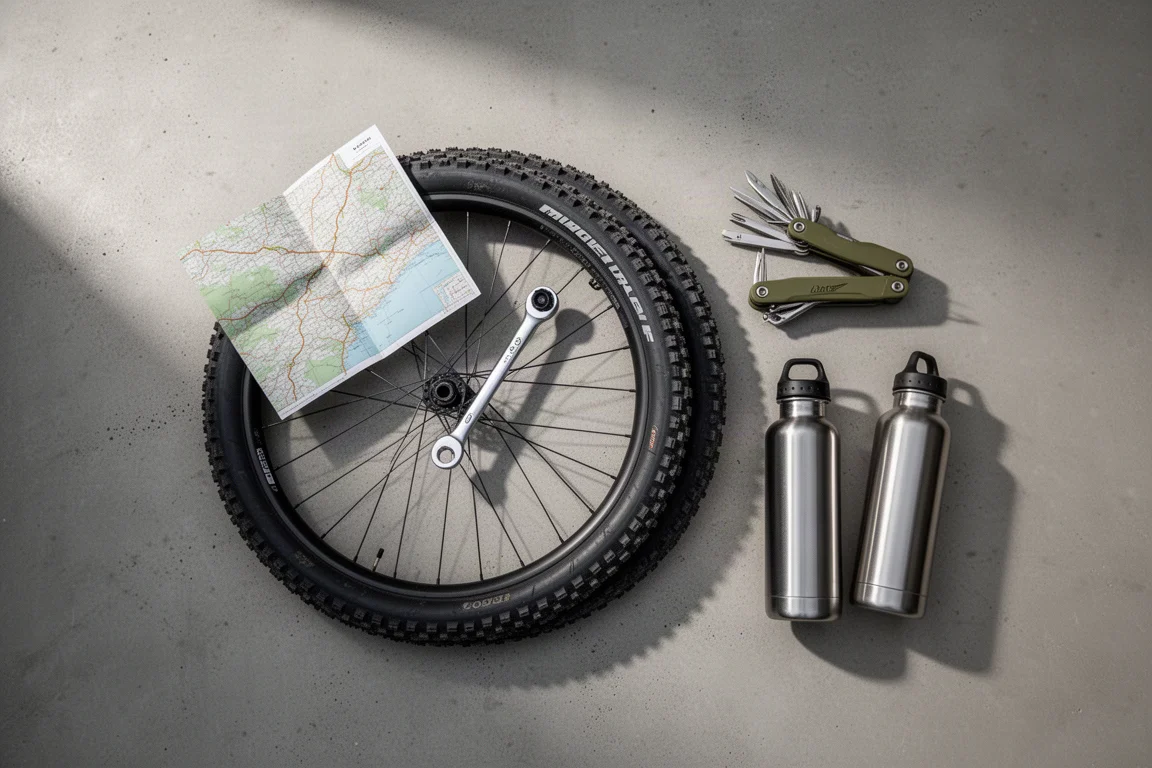
Aero efficiency, weight and mounts round out the picture. Tube shapes and cockpit integration matter most for riders chasing results, while top tube and down tube mounts decide how easily a bike carries food, tools or luggage on long days out. None of these factors is good or bad on its own; they only make sense against the riding you actually do.
Specialized Diverge STR: Rear Suspension Comes to Gravel
The Diverge STR is the boldest idea in this group. It carries over a lot from the earlier Diverge, including the Future Shock 2.0 system in the head tube, 47 mm tire clearance on 700c wheels, and the SWAT storage compartment in the down tube, but it adds a new Future Shock unit at the rear.
That rear system is designed to counteract the small bumps and impacts typical of gravel surfaces. The goal is to let you stay seated over rough ground, which keeps the rear wheel loaded and preserves traction and power delivery instead of bouncing you out of the saddle.
Front suspension, geometry and tire clearance are unchanged from the Diverge that came before, so the rear suspension is the real story here. Specialized pro Ian Boswell has said he intends to race the Diverge STR in the majority of his 2023 events, pointing to reduced fatigue in long races and a stronger finish as the payoff. It is also fair to expect a divided reaction from riders, because a rear suspension element on a drop-bar bike is still an unusual choice.
Factor Ostro Gravel: Aero Speed for Gravel Racing
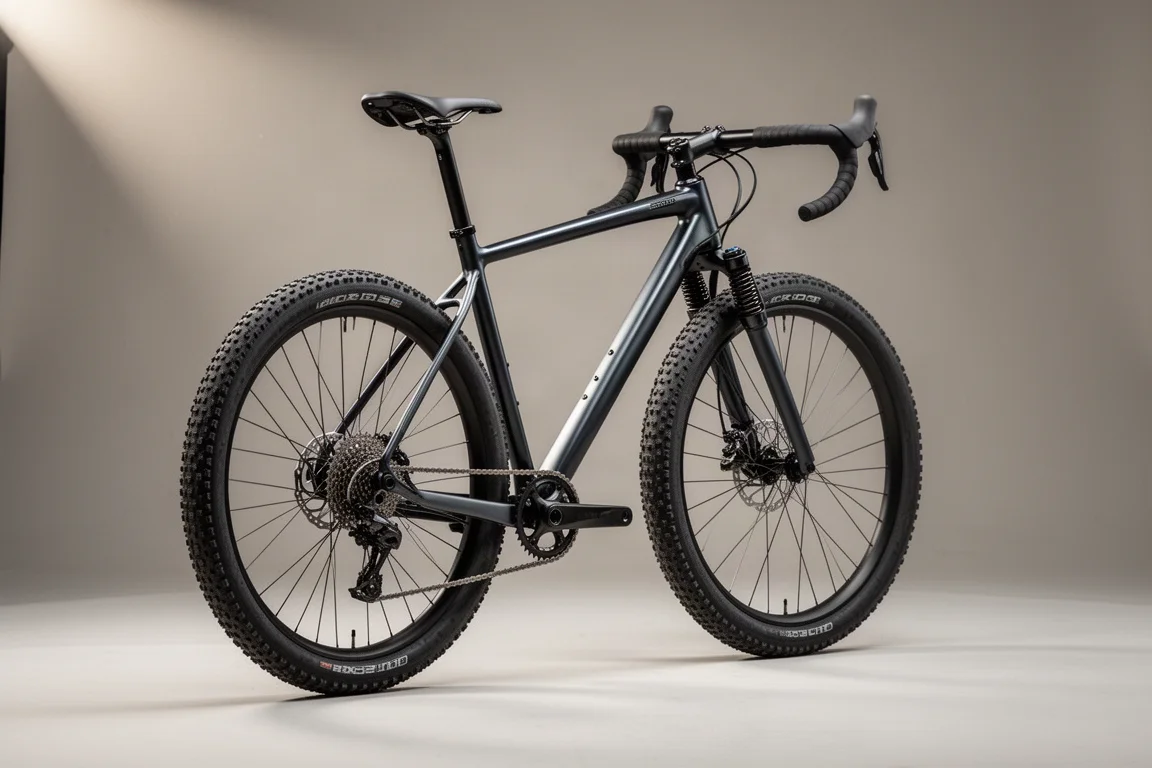
The Ostro Gravel is a gravel superbike, and it borrows its key design language from the Ostro road race bike. Tube shapes across the frame are aerodynamically optimized, with racing at events such as Unbound in mind.
The frame uses a blend of carbon fibers that the brand says balances low weight with a layup strengthened for gravel riding. Up front, a wide-stance fork and a particularly striking head tube combine with the cockpit, contributing to a claimed 9 watt reduction in drag at the front of the bike.

Mounts are deliberately limited. There is provision for a Bento Box on the top tube, plus mounts under the down tube near the bottom bracket junction for a third bottle or a tool keg, but nothing for fitted luggage, so bikepacking bags have to be strapped on. Tire clearance is 45 mm, which should be plenty for the well-graded gravel this bike is designed for.
Ridley Kanzo Adventure: Slack Geometry and Huge Tire Clearance
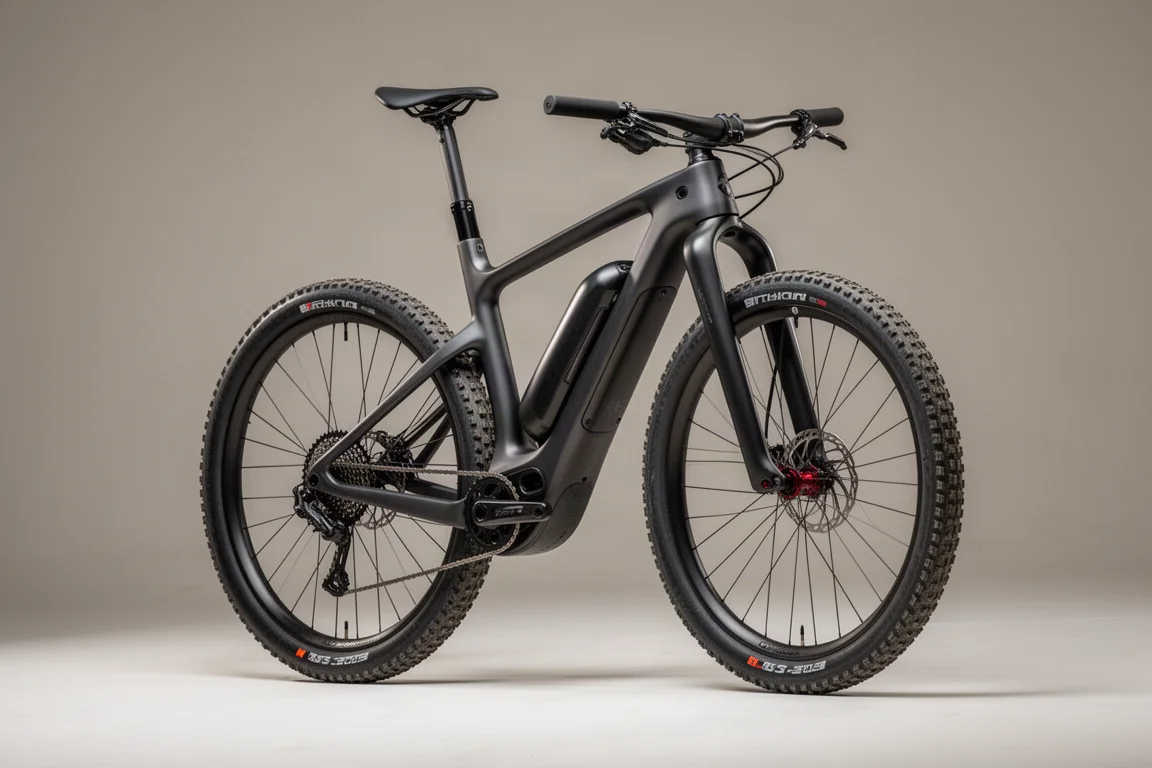
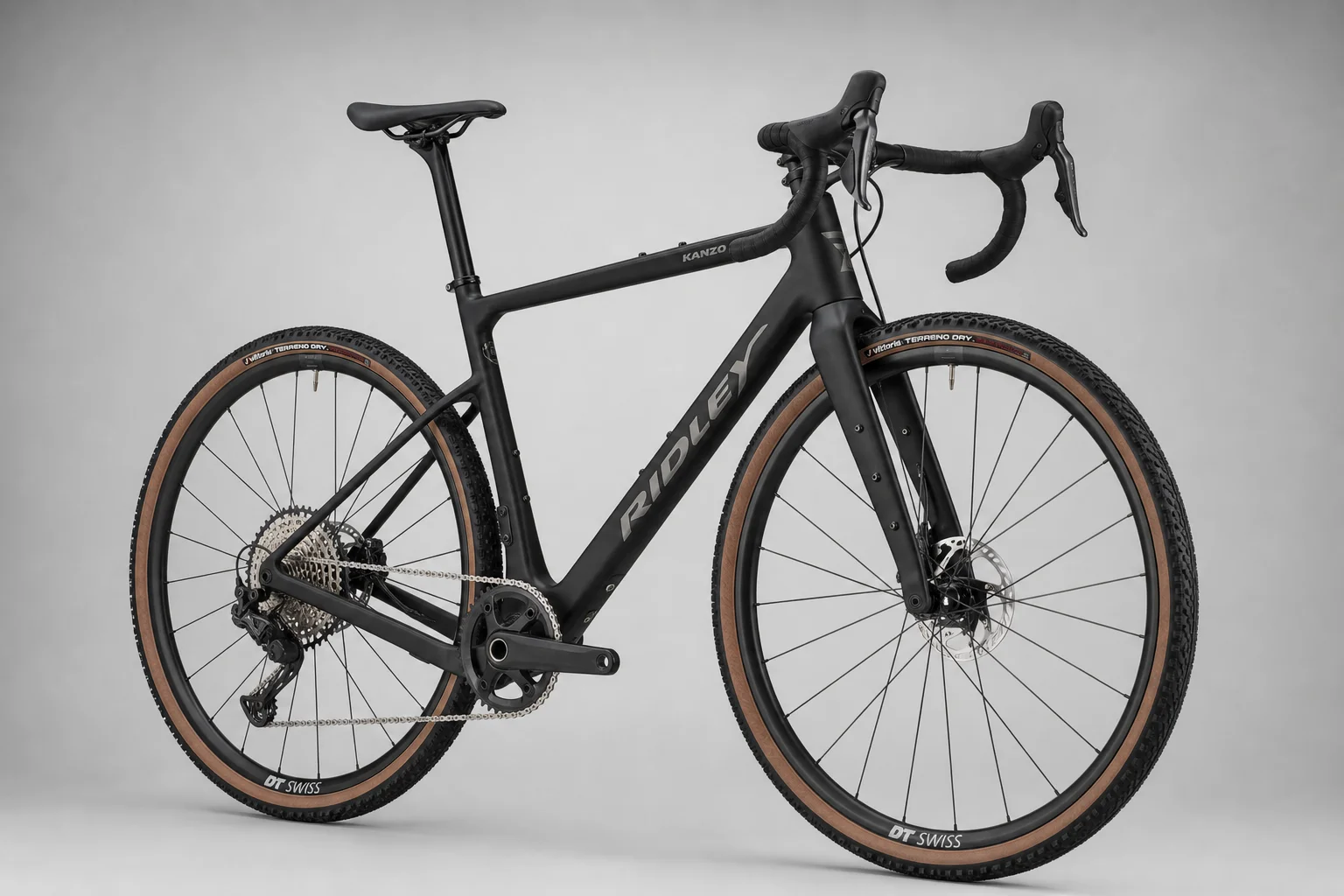
The Kanzo Adventure was launched in March 2022, and it remains one of the more interesting adventure platforms in this group. Ridley says it started from scratch, developing a white paper on what an adventure gravel bike should be, and the result is a carbon frame that takes clear inspiration from mountain bike geometry.
The head tube angle is one degree slacker than the Kanzo Fast race bike for extra stability on rough terrain and steep downhills. That is matched with a longer wheelbase and a lower bottom bracket drop for balanced handling. Tire clearance is the headline: the frame accepts 2.1 inch mountain bike tires on 700c wheels.
The head tube is also kept short, which reduces interference if you want to run a suspension fork. For riders who spend their time on genuinely chunky gravel, that combination of progressive, slack angles and massive clearance is the whole point of the bike.
BMC Kaius: Light, Clean and Race-Ready
The Kaius is a minimalist, lightweight and aerodynamically optimized gravel race bike, in the same territory as bikes such as the S-Works Crux or the Cervélo Áspero-5. It takes obvious inspiration from BMC’s road race platform, sharing a visually similar head tube, an oversized down tube and angular dropped seat stays.
Tire clearance is 44 mm, which is more conservative than the adventure end of this group but still reasonable for a race bike. The feature list covers most of what a modern gravel racer needs: top tube mounts for a Bento Box, compatibility with both 1x and 2x drivetrains, dropper post compatibility, and the option of BMC’s ICS MTT suspension stem for 20 mm of travel.
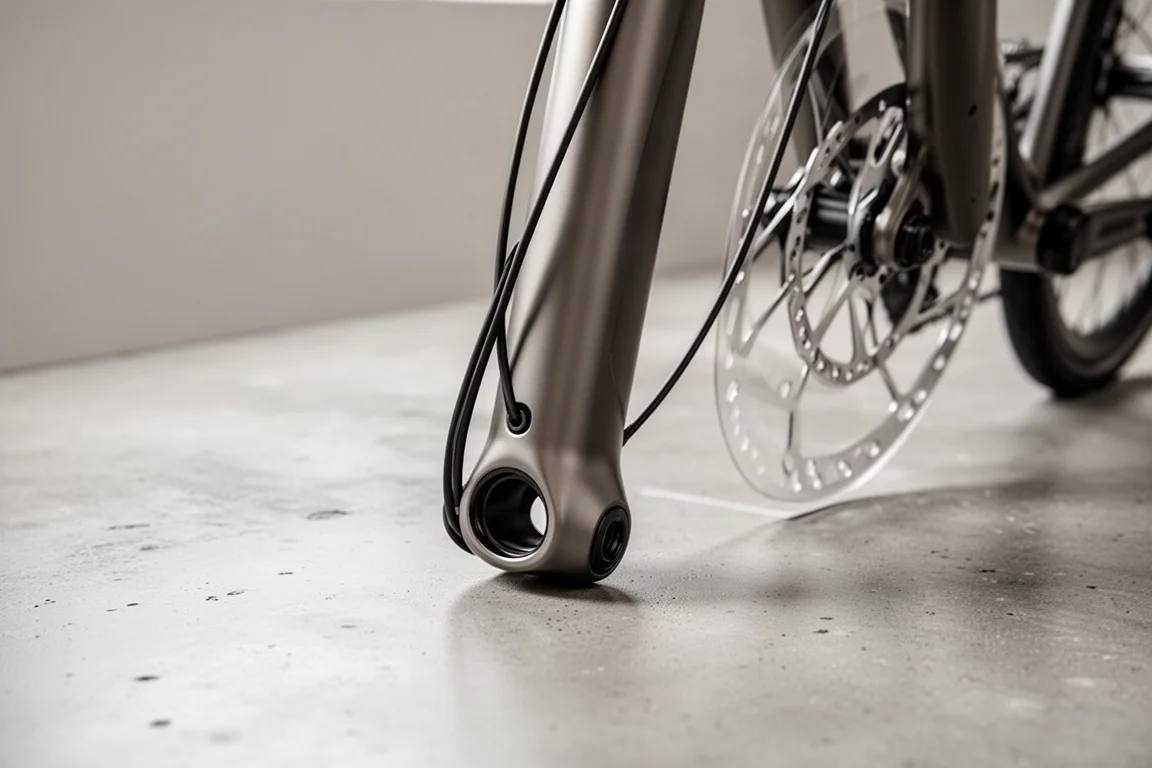
The finish is a big part of the appeal. The front end is exceptionally clean, and BMC has bonded the through axle insert in place, covering the drive side hole for purely aesthetic gains. A range-topping build is quoted at 7.7 kg with Zipp wheels and a SRAM electronic groupset, and that build is cited at around 12,000.
Rondo MYLC: Stability for Rough, Steep Terrain
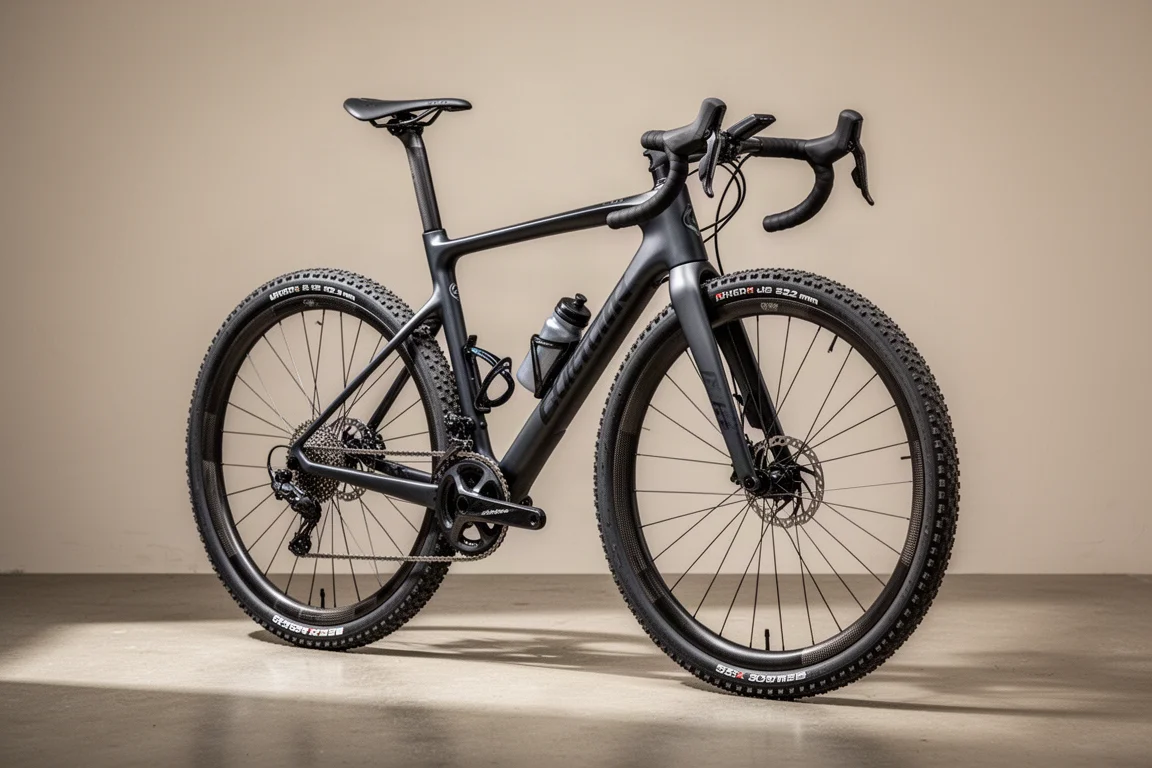
The Rondo MYLC is a dropper post compatible down country gravel bike, built around the idea that gravel does not always mean smooth. The design draws on modern mountain bike thinking, with geometry aimed at maximum stability and comfort on gnarly terrain.
Rondo positions the bike primarily for explorers and riders looking for a complete off-road experience, and the brand claims it is easier to ride on steeper and rockier descents. A lot of that comes down to the variable twin tip front axle, which offers high and low geometry settings. In the high position, the front wheel moves marginally forward, relaxing the handling further.
The top tube kink is a distinctive touch and gives the bike a purposeful look. For riders who treat gravel as a route to rough places rather than a race format, the MYLC reads as a coherent package.
Overall Buying Advice
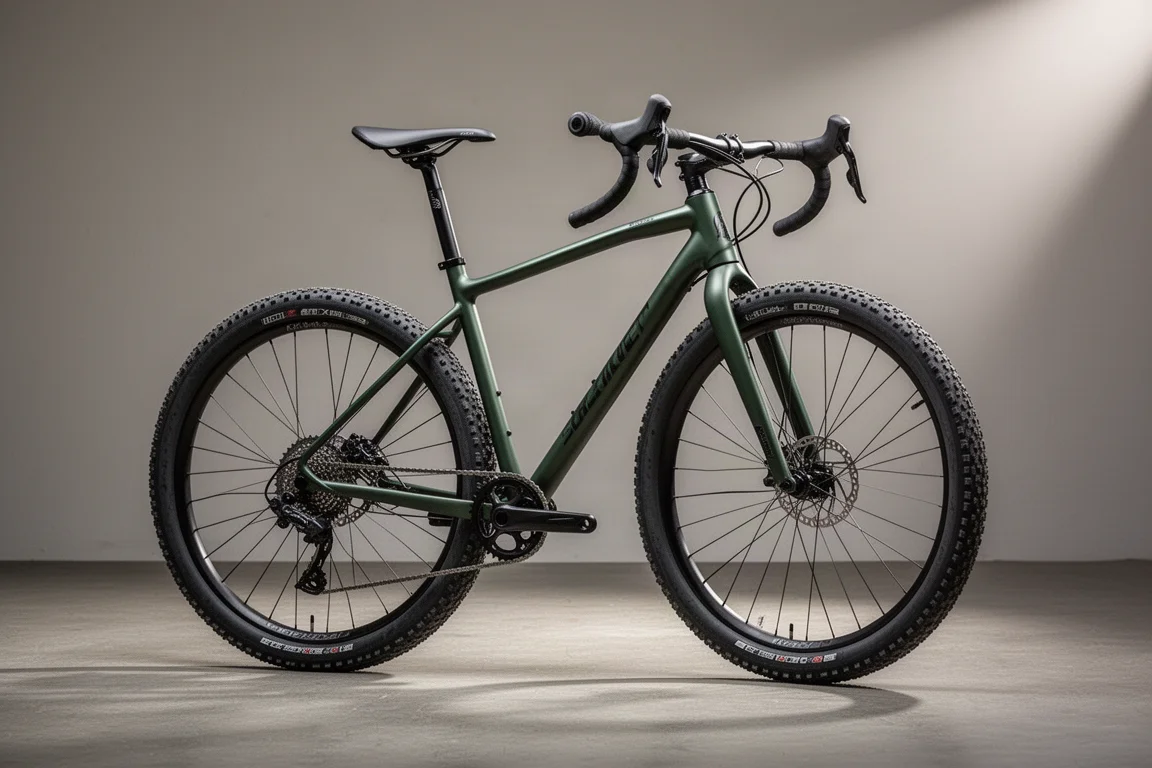
Match the bike to the surface you ride most. If your riding is mostly fast, well-graded gravel, an aero race bike like the Ostro Gravel or a light, clean platform like the Kaius will feel rewarding, and the narrower tire clearance will rarely hold you back.

If your routes include chunky, steep or loose terrain, the balance shifts toward stability and clearance. The Kanzo Adventure’s slack geometry and 2.1 inch tire capacity, and the MYLC’s twin tip axle and mountain bike inspired handling, both make far more sense in that context. The Diverge STR targets a middle ground, using rear suspension to cut fatigue on long days while keeping a familiar all-round geometry.
Two practical checks before you buy. First, decide whether you need mounts for luggage and extra bottles, because bikes like the Ostro Gravel keep fittings minimal by design. Second, weigh compliance against simplicity: suspension systems such as the Diverge STR’s rear unit and the ICS MTT stem add comfort, and they also add parts that need servicing over time.
Conclusion
These five bikes are not competing for a single title. They answer different questions. The Diverge STR is the one to consider if long-distance comfort and traction matter most. The Ostro Gravel is built for speed, the Kaius for light race-day efficiency, the Kanzo Adventure for rough terrain and big tires, and the MYLC for steep, technical descents.
Start with your terrain, set a realistic budget, and then choose the frame that matches how you actually ride. That approach will take you further than any single specification number.
Further reading
Related Reviews
Gravel Bikes
3T Exploro Ultra Review: A Fast Gravel Bike Built for Big Tyres
A close look at the 3T Exploro Ultra, an aero carbon gravel bike designed around wide tyres, with road-like handling, a 980 g frame and genuine rough-terrain capability.
Gravel Bikes
3T Extrema Italia Review: Aero Gravel Speed With Room for 57 mm Tires
The 3T Extrema Italia pairs an aero frame with huge tire clearance, Italian-made carbon and a more comfortable ride than the RaceMax. Here is what to know before buying.
Gravel Bikes
3T Race Max 2 Italia Review: An Aero Gravel Race Bike Made in Italy
A closer look at the second-generation 3T Race Max 2 Italia, covering its aero updates, ride character, tire clearance, internal storage and who it suits.