Gravel Bikes
Five Gravel Bikes Worth Considering: From Race Speed to Bikepacking Comfort
A practical look at five gravel bikes covering tire clearance, frame design, geometry, mounting options, and the kind of riding each one suits best.
Introduction
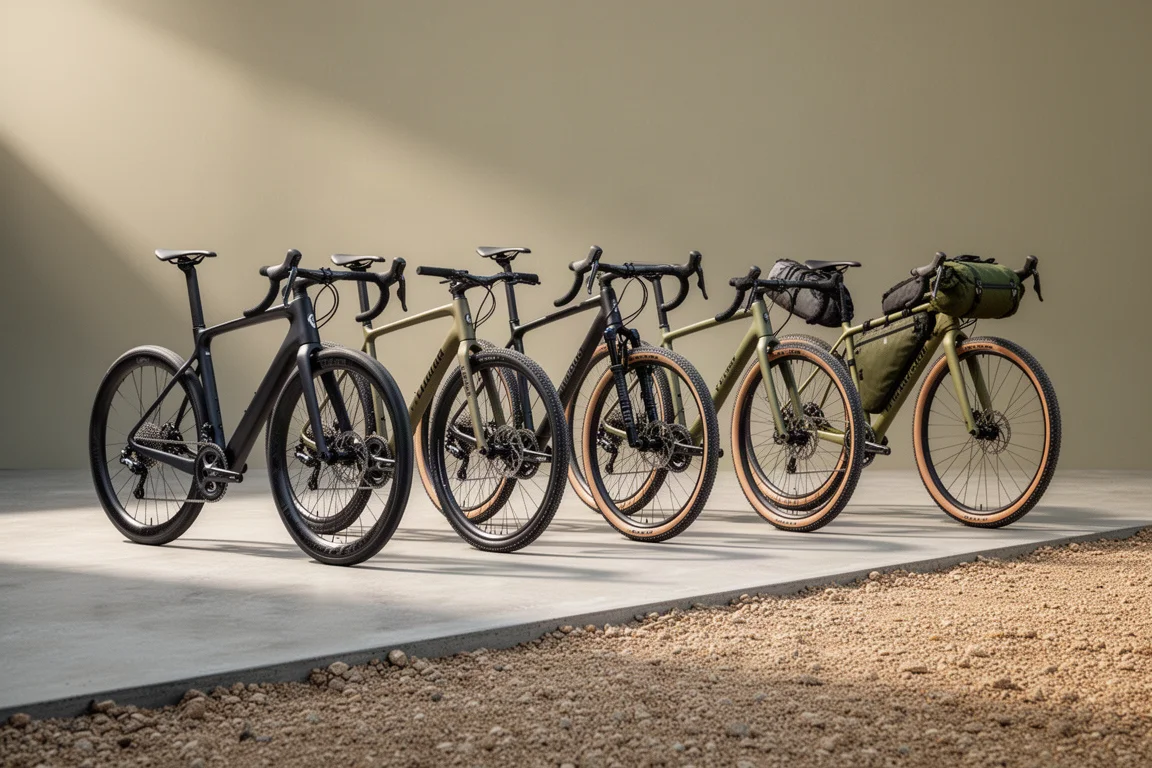
Gravel bikes have branched into a wide spread of specialised shapes. Some are built purely for racing, some are designed for loaded multi-day routes, and a few try to cover both. The five bikes below sit at different points on that spectrum, and each one has a clear reason to make a shortlist.
Tire clearance, frame compliance, geometry, and mounting options vary considerably across this group, so the sections that follow focus on what each bike is actually designed to do rather than on spec-sheet noise.
How We Chose These Gravel Bikes
Each bike here was selected because it makes a specific trade-off clearly: race stiffness, suspension travel, aero efficiency, or bikepacking practicality. Rather than ranking them, this guide looks at tire clearance, frame design, geometry, mounting points, and price positioning so you can match a bike to the riding you really do.
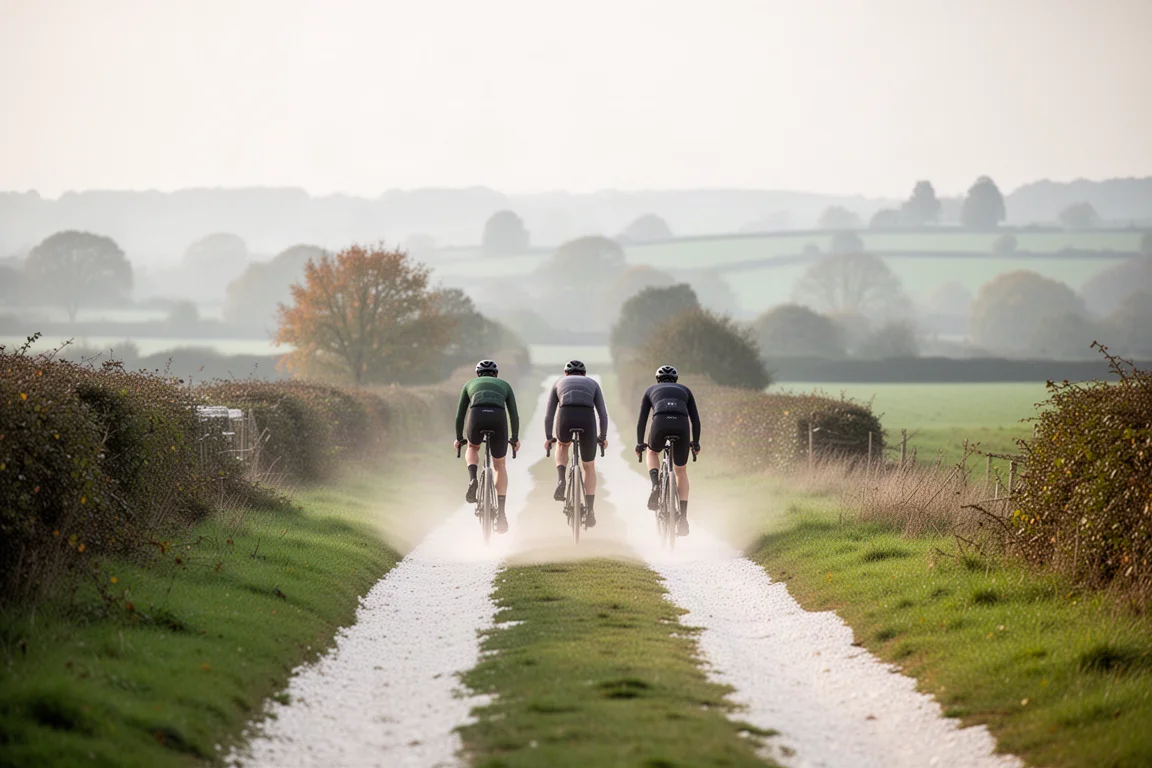
Clearance figures across this group run from 42 mm to 50 mm, and that matters more than most specifications suggest. A 42 mm frame suits fast, smooth gravel and race courses. A 45 mm frame opens up more general riding. A 50 mm frame paired with suspension starts to cover terrain that would otherwise call for a mountain bike.
Cervélo Áspero: A Lighter, More Comfortable Race Platform
The Áspero is one of the more interesting updates in this group, largely because the new version costs less than the model it replaces. The build described here sits at the top of the range at $5,500, and the range starts lower with a GRX RX400 build.
The bigger change is in how it rides. Cervélo has reduced frame stiffness with the aim of making the bike more comfortable, which should sap less energy over long distances. Visually the differences are subtle: drop seat stays and hidden cabling at the front. Cervélo has also moved away from a press-fit bottom bracket to a threaded BBRight T47a unit, the same threaded standard used elsewhere in the brand’s range, which is good news for anyone who services their own bikes.
The front end borrows Cervélo’s ST36 headset system, with brake hoses semi-integrated into the frame through a D-shaped fork steerer. The Reserve 40/44 wheels use Zipp ZR1 hubs with 66 points of engagement, a pickup of just 5 degrees, and a weight under 1,450 g for the pair, contributing to a claimed overall weight of 8.53 kg in a size 56. Tire clearance is now 45 mm, up from 40 mm on the previous version.
Colnago G4-X: Stiff and Fast for Gravel Racing
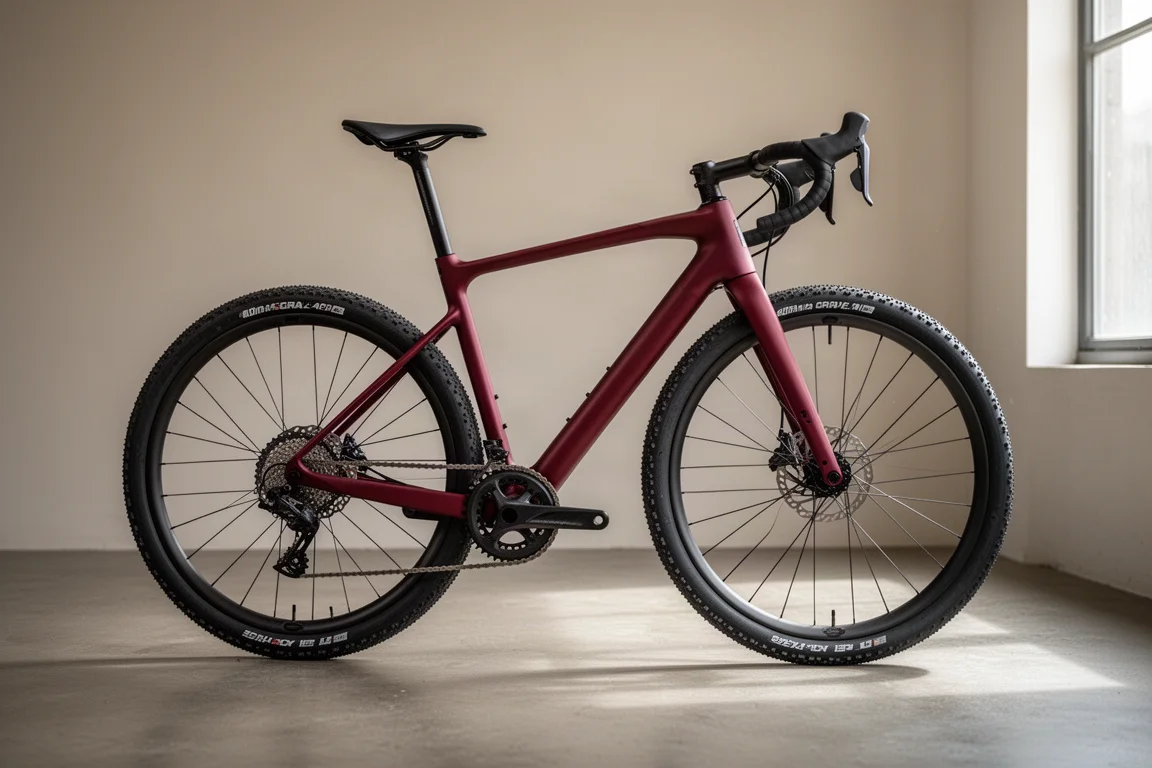
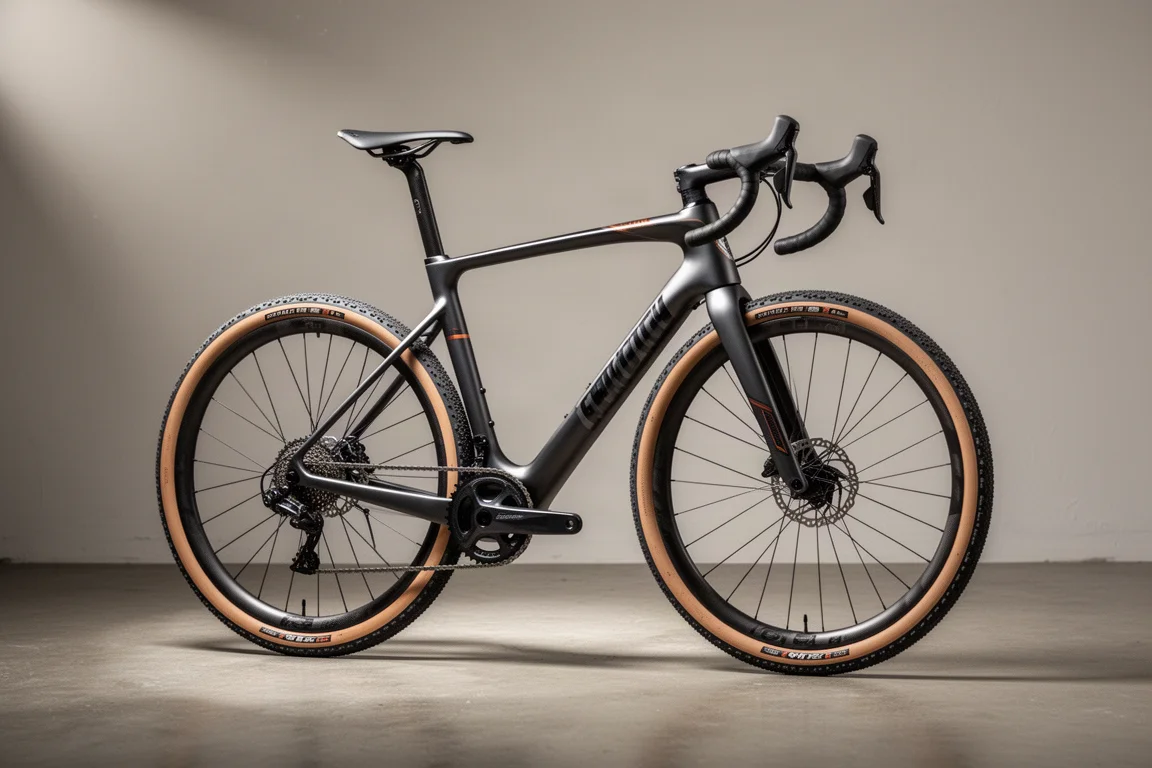
The G4-X replaces a model that had been in the range since 2019, and gravel design has moved on a great deal in that time. The most useful change is tire clearance, now 45 mm instead of 40 mm on the outgoing bike. That is fine for racing, though it stops short of the 50 mm seen on some other gravel frames.
Colnago has adopted the CC.01 integrated cockpit from its C68 road bike, a clear sign of how heavily aero optimisation now shapes gravel design. Smaller updates include revised top tube bag mounts.
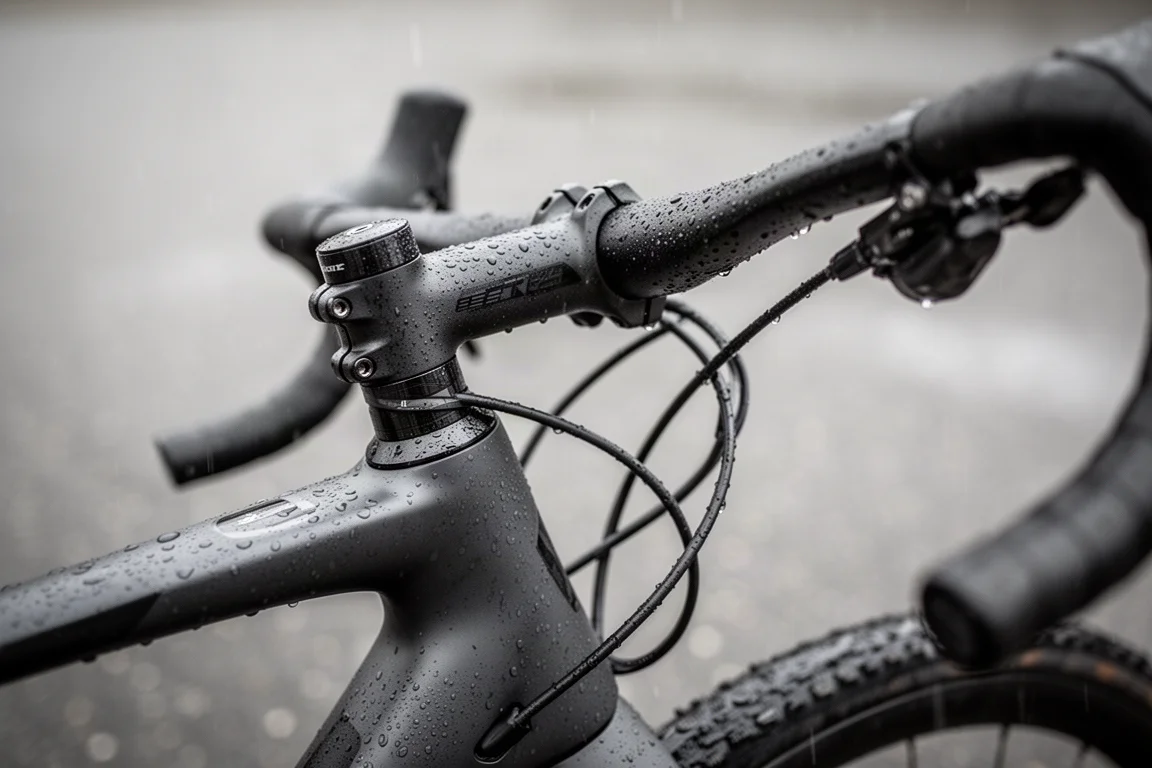
Out on the trail this is a dedicated gravel race bike that wants to be ridden fast. The low front end and relatively long reach make sweeping corners rewarding at pace, but steep descents ask more of the rider than the geometry gives back. The push for a very stiff frame is obvious on smooth, fast surfaces, and it makes less sense if your riding is more relaxed.
Pricing puts it at the top end, at $9,750 or £8,870 for the build described. Alongside three SRAM builds, Shimano GRX RX820 versions are offered in 1x and 2x form for $4,500, $4,750, or £4,330. Notably, the 13-speed Ekar gravel groupset is not available on this bike at all.
GT Grade Carbon X: Suspension and Clearance for Rough Terrain
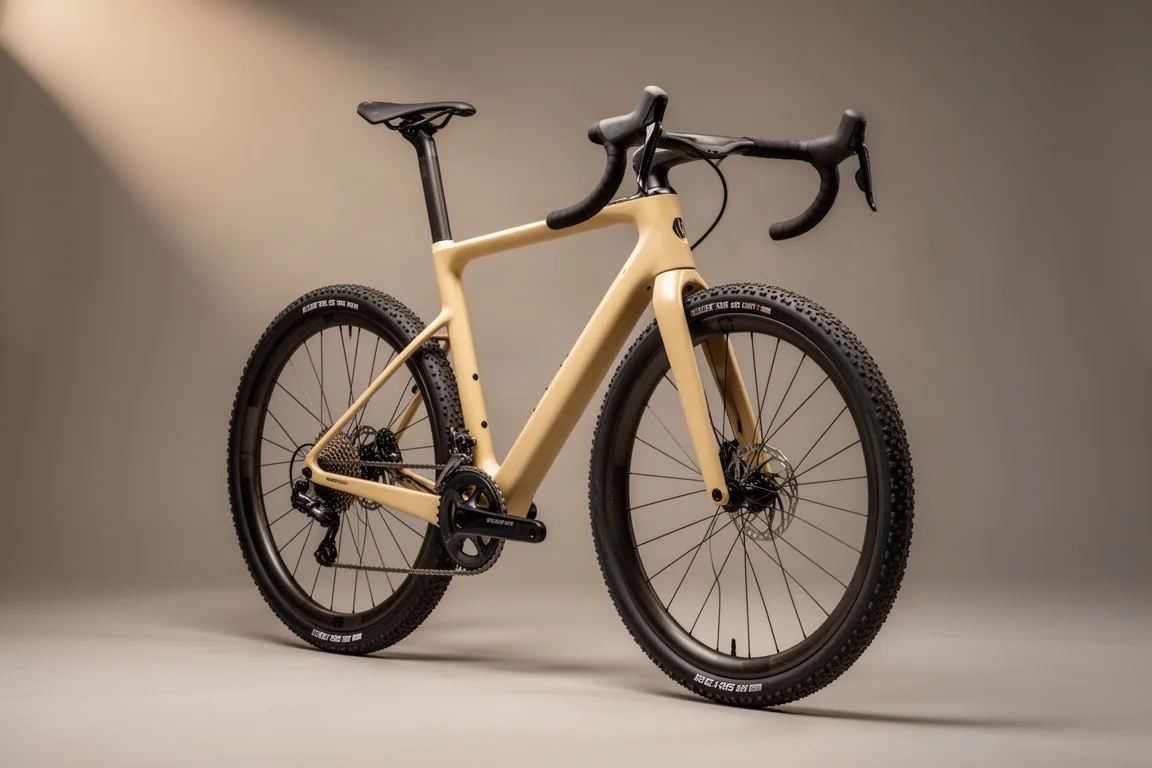
The Grade Carbon X is built around going wherever the route leads, and two features do most of that work. The first is a RockShox Rudy Explore suspension fork with 40 mm of travel, one of the better gravel suspension options around. The second is 50 mm of tire clearance, which together with the fork lets the bike take on seriously rough terrain.
GT’s triple triangle frame design places stiffer carbon only where it is needed, around the headset, bottom bracket, and chain stays, while the seat stays use more flexible carbon to build in comfort. The result is a bike that feels in control over rough gravel trails. A Trans-X dropper post is included for steeper, looser sections.
Practical details are covered too, with mudguard mounts and bento box mounts on the top tube for quick access to snacks. The build tested costs £3,000, and it performs like a considerably more expensive machine.
Canyon Grail CFR: Aero Speed With Practical Storage
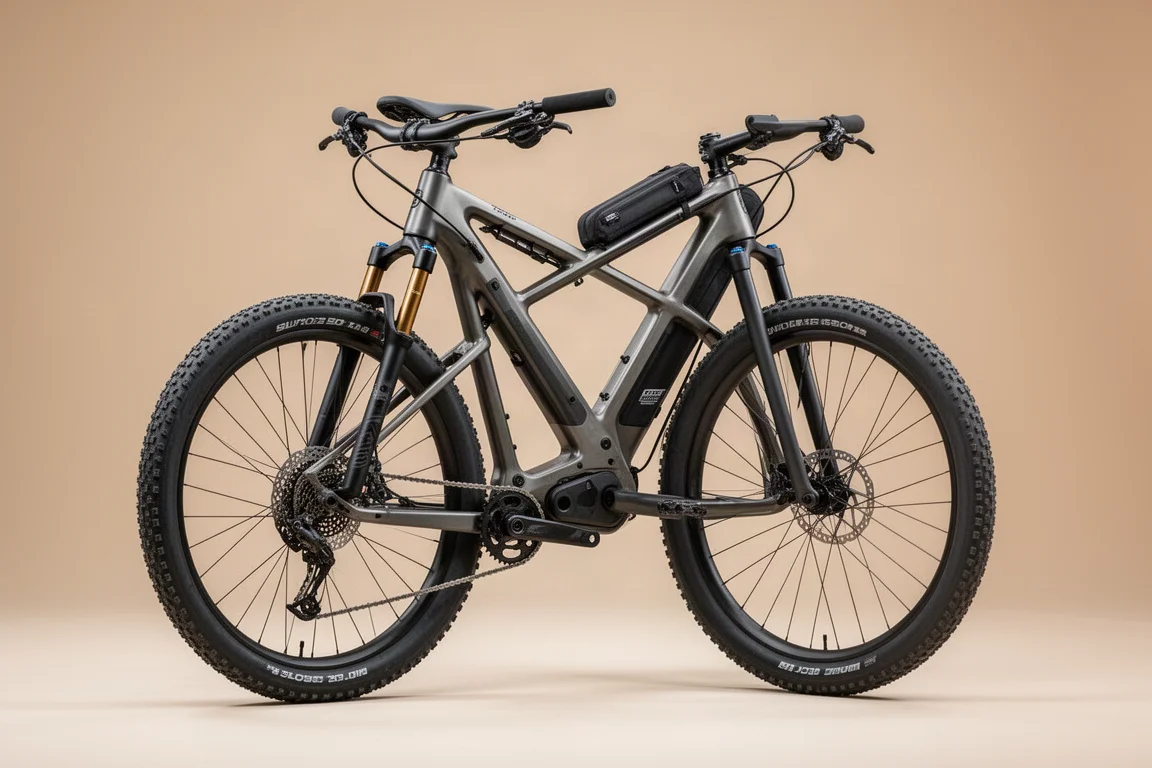
Canyon redesigned the Grail completely, moving away from the distinctive double-decker bar of the previous version. The conventional bar on the new bike is a welcome change, and it is still a fast shape: Canyon says it is more aero, which fits the Grail’s repositioning as a race bike.
The bar hides a clever feature. Purpose-built aero bars can be mounted to it, and although plenty of gravel races do not permit them, they remain useful on very long rides for efficiency and an extra hand position. The attachment point is called the Gear Groove, and when aero bars are not fitted you can mount a cycling computer or a light there instead.
The bike suits fast, smooth gravel, helped by its aero front end, though tire clearance is limited to 42 mm. The down tube storage is well designed, easy to access, quiet in use, and genuinely practical.
There is one catch. The Gear Groove and the down tube storage are not available on the cheaper CF SL models, so you need the Grail CF SLX 8 Di2 or above to get them. Complete bikes start at a much more accessible £2,600, while the top builds approach £7,000.
Marin Headlands 2: Value Bikepacking Comfort
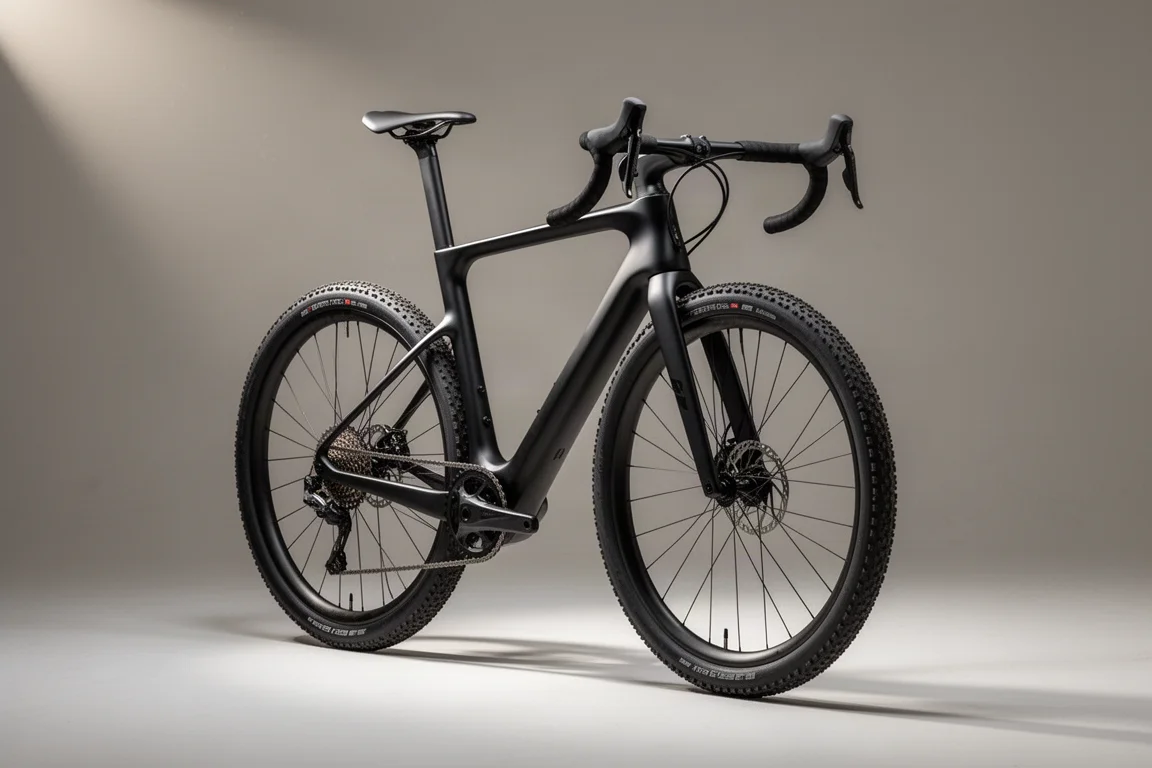
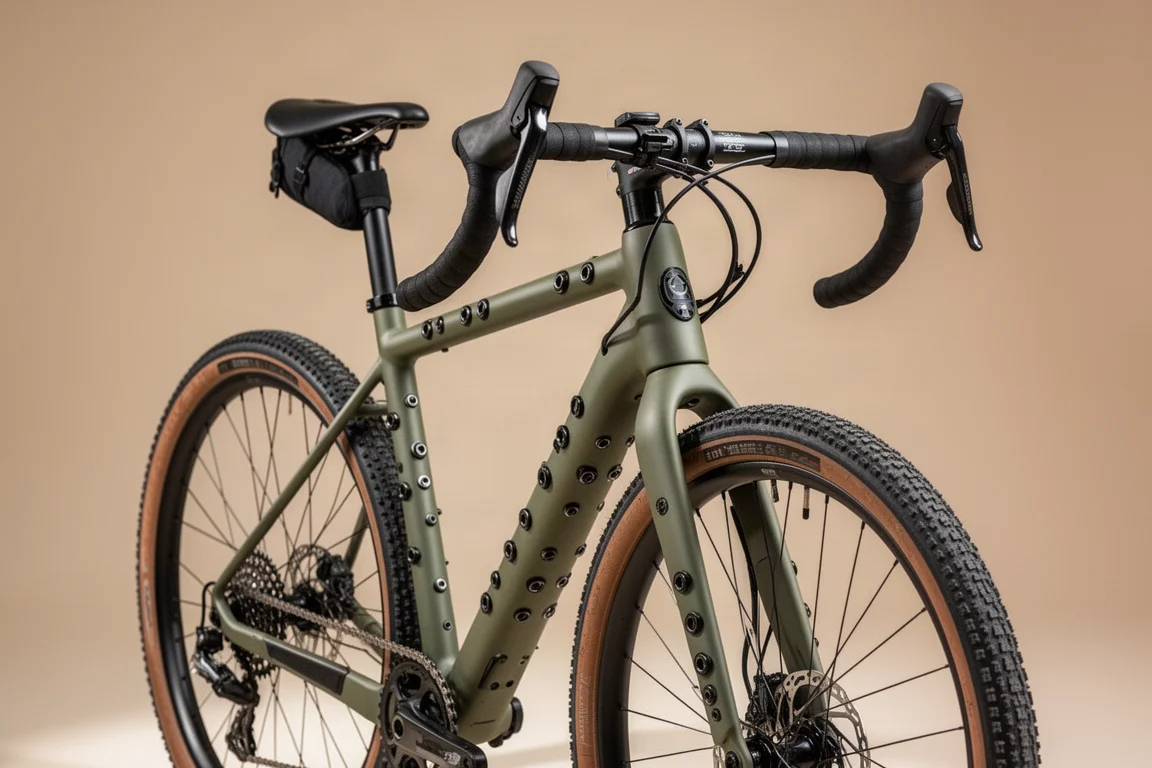
At £2,795, the Headlands 2 is the value option in this group, and it is aimed squarely at riders who want to load up and disappear for a few days. The geometry is progressive, which should appeal to mountain bikers trying drop bars for the first time.
Comfort comes from an upright riding position, a short stem, and a wide handlebar. The frame is covered in eyelets, making it easy to carry everything from the essentials to the kitchen sink. Form sometimes gives way to function here: the seat clamp area is bulkier than a slim design would need to be, because Marin added material to accommodate mounting points for a pannier rack. Given the bikepacking intentions, that is a sensible inclusion.
The proof came over eight consecutive days of bikepacking on a 750 km route. The Headlands 2 stayed calm and fun to ride throughout, and crucially it did not leave the rider feeling beaten up by the end.
Buying Advice: Matching the Bike to the Ride
Start with the terrain you ride most. If your gravel is fast and smooth, the race-focused bikes here make the most sense: the Cervélo Áspero with its more forgiving frame, the Colnago G4-X if stiffness and pace matter most, and the Canyon Grail CFR if aero efficiency and integrated storage appeal.
If your routes regularly turn rough, the GT Grade Carbon X stands apart in this group, pairing a 40 mm suspension fork with 50 mm tire clearance and a dropper post. That combination covers ground a rigid frame simply cannot.
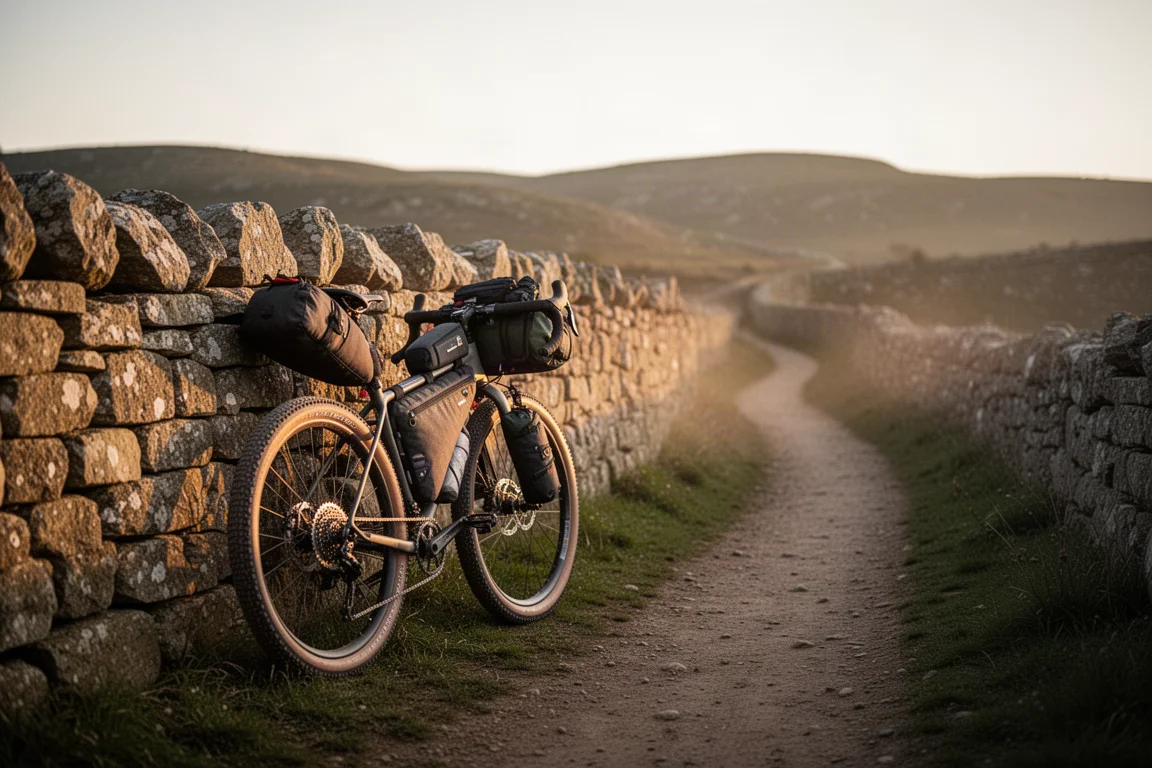
For loaded trips rather than fast ones, the Marin Headlands 2 offers the most mounting points and the most upright position at the lowest price here.
Tire clearance is worth deciding early, since it is the hardest specification to change later. The group spans 42 mm on the Grail CFR to 50 mm on the Grade Carbon X, with the Áspero and G4-X sitting at 45 mm. Budget shapes the decision too: prices here run from £2,795 for the Headlands 2 up to $9,750 or £8,870 for the top G4-X build.
Conclusion
Each of these five bikes is a clear answer to a different question. The Áspero trades some stiffness for comfort and adds a threaded bottom bracket. The G4-X is unapologetically a race bike. The Grade Carbon X leans on suspension and clearance to reach further into rough terrain. The Grail CFR pairs aero speed with practical storage, with the caveat that its best features sit on higher-spec models. The Headlands 2 delivers comfort and mounting options at the lowest price in the group.
Pick the one whose priorities match your riding, and the rest of the specification usually falls into place.
Further reading
Related Reviews
Gravel Bikes
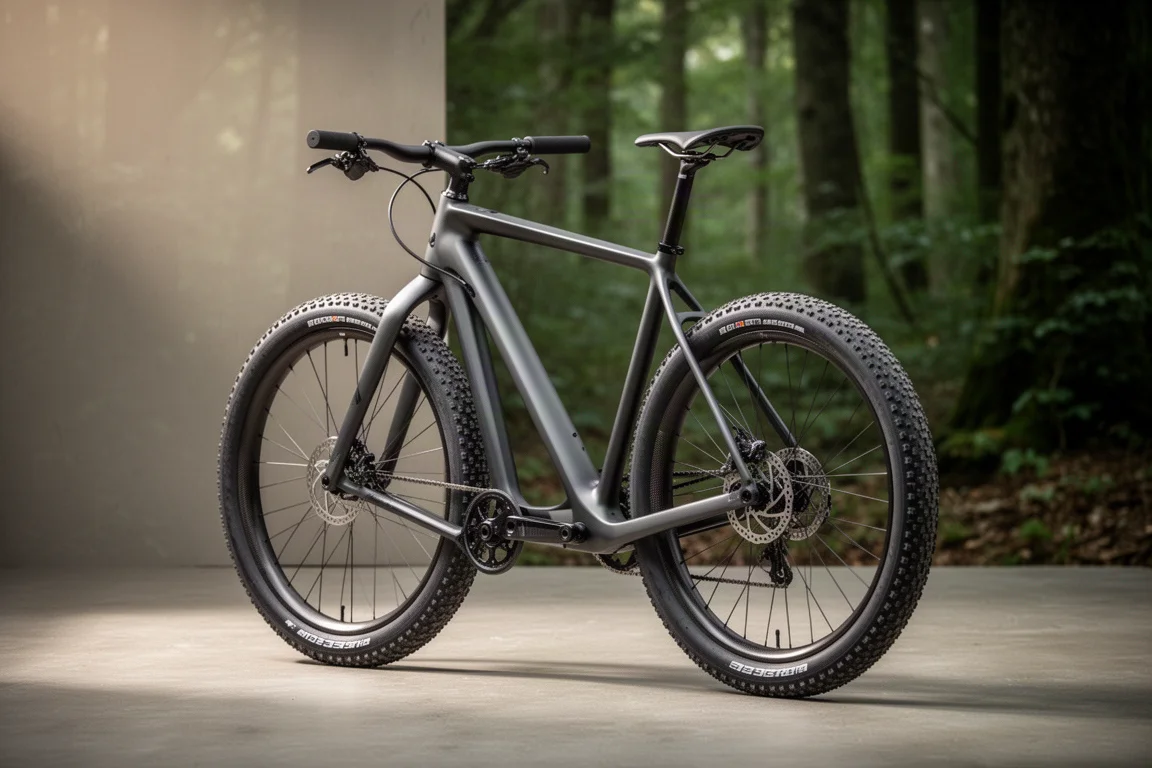
3T Exploro Ultra Review: A Fast Gravel Bike Built for Big Tyres
A close look at the 3T Exploro Ultra, an aero carbon gravel bike designed around wide tyres, with road-like handling, a 980 g frame and genuine rough-terrain capability.
Gravel Bikes
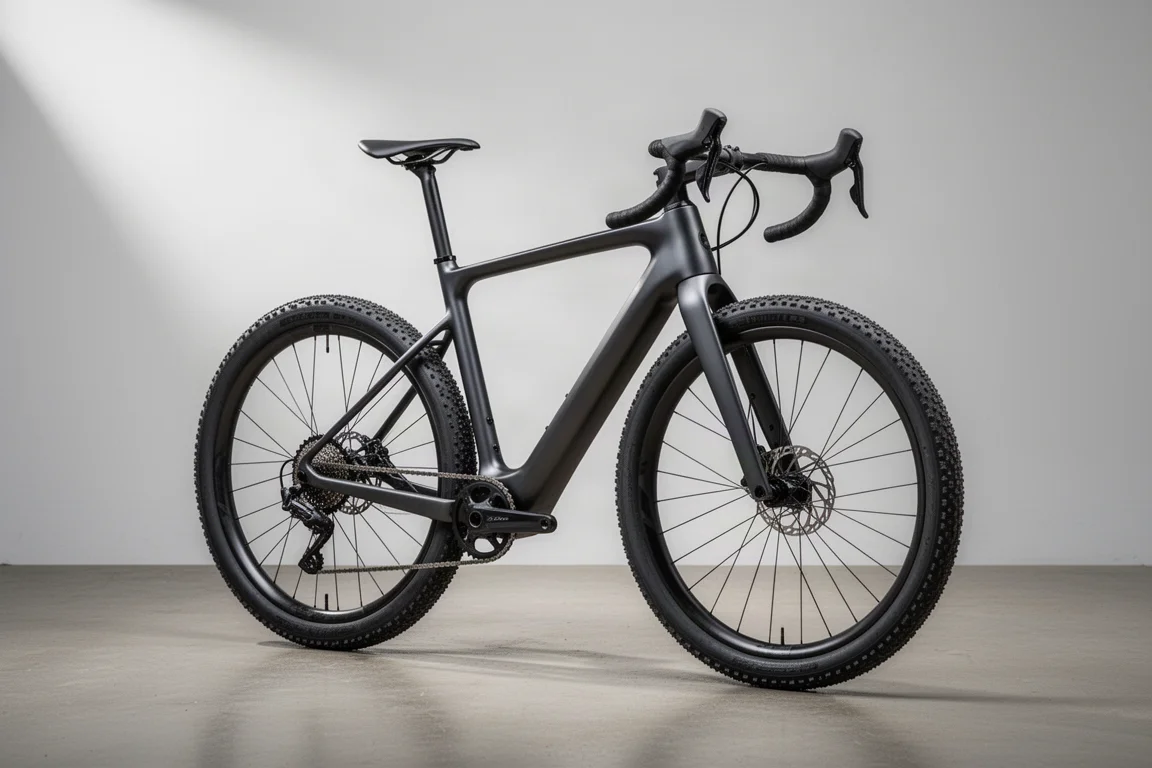
3T Extrema Italia Review: Aero Gravel Speed With Room for 57 mm Tires
The 3T Extrema Italia pairs an aero frame with huge tire clearance, Italian-made carbon and a more comfortable ride than the RaceMax. Here is what to know before buying.
Gravel Bikes
3T Race Max 2 Italia Review: An Aero Gravel Race Bike Made in Italy
A closer look at the second-generation 3T Race Max 2 Italia, covering its aero updates, ride character, tire clearance, internal storage and who it suits.