Skis
Fischer Ranger 96 vs Blizzard Rustler 9: Which All-Mountain Ski Should You Choose?
Two closely matched all-mountain skis, compared on firm-snow grip, off-trail balance and the terrain each one actually rewards.
Introduction
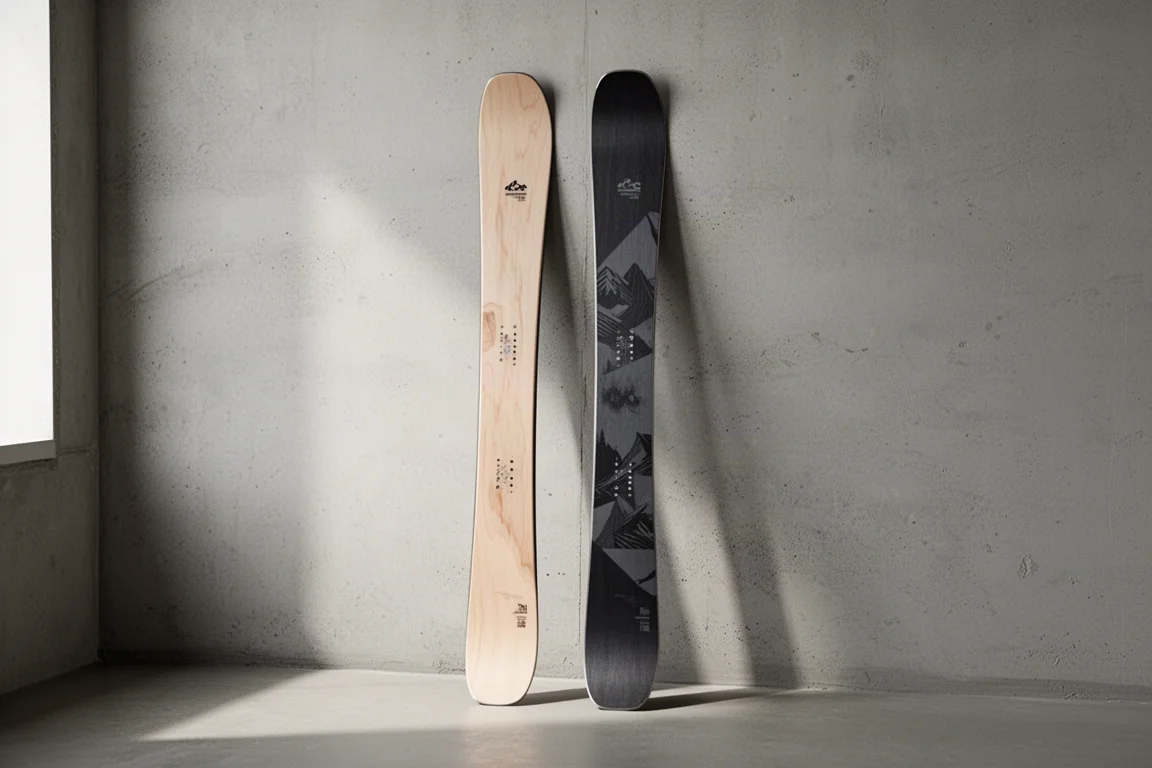
All-mountain skis can look nearly identical on a spec sheet, and the Fischer Ranger 96 and Blizzard Rustler 9 are a good example. Both use sandwiched sidewall construction, both carry a little metal underfoot, and both follow a similar rocker profile. The real differences show up once you are actually sliding on snow.
The short version is simple. The Ranger 96 leans toward firm snow and groomers, while the Rustler 9 leans toward a balanced, off-trail feel. Both stay versatile across a wide range of conditions, so the decision mostly comes down to the terrain you ride most often.
What the Two Skis Have in Common
Both skis share a sandwiched sidewall build, a modest amount of metal underfoot and a comparable rocker profile. That combination explains why they feel so close in so many conditions. There is enough structure for edge hold and stability, and enough shaping to keep the ski manageable when you move off the groomed surface.
On trail, both perform well and offer a lot of versatility. Neither behaves like a narrow specialist that punishes you for taking it somewhere it was not designed to go. The difference between them is one of emphasis rather than category.
Fischer Ranger 96: Best for Firm Snow and Groomers
The Ranger 96 is a brand-new ski for this season. Fischer consolidated its previous TI and FR lines into a single series, and the result is a better, more well-rounded ski than the older Rangers. It is also a little more accessible than the FR models it replaces, while still charging harder.
Pushed into a turn on trail, the Ranger 96 has the edge over the Rustler 9. It carves better, holds slightly better grip, and rides a little more smoothly over firm terrain. It remains easy enough to pivot when you dip into softer snow, tight terrain, trees or bumps, but its clear preference is firm snow.
That firm-snow bias is the main trade-off to weigh. If most of your days are spent on groomed runs and hardpack, the Ranger 96 delivers the more rewarding on-trail feel of the two.
Blizzard Rustler 9: Best for Off-Trail Versatility
The Rustler 9 is very similar to the Ranger 96 in overall intent, but off trail it is a little easier to balance. That makes it more maneuverable and gives it slightly more predictable tips and tails.
There is also a little more rocker in the tail, which allows the tail to release more easily. The practical result is a ski that feels more comfortable in terrain you might not be thrilled to find yourself in, and that composure matters when conditions turn variable.
View more details for Blizzard Rustler 9
How They Differ in Soft Snow and Tight Terrain
Away from the groomers, the two skis start to separate. The Rustler 9 leans on its easier balance and more predictable tips and tails to feel more relaxed through trees and softer snow, and the extra tail rocker makes it simpler to break the tail free when you need to scrub speed or change direction quickly.
The Ranger 96 still handles those situations, and it pivots easily enough for tight lines and bumps, but it asks a little more of the rider once the snow gets deep or the terrain gets awkward. Its reward is the grip and smoothness you get back on firm snow.
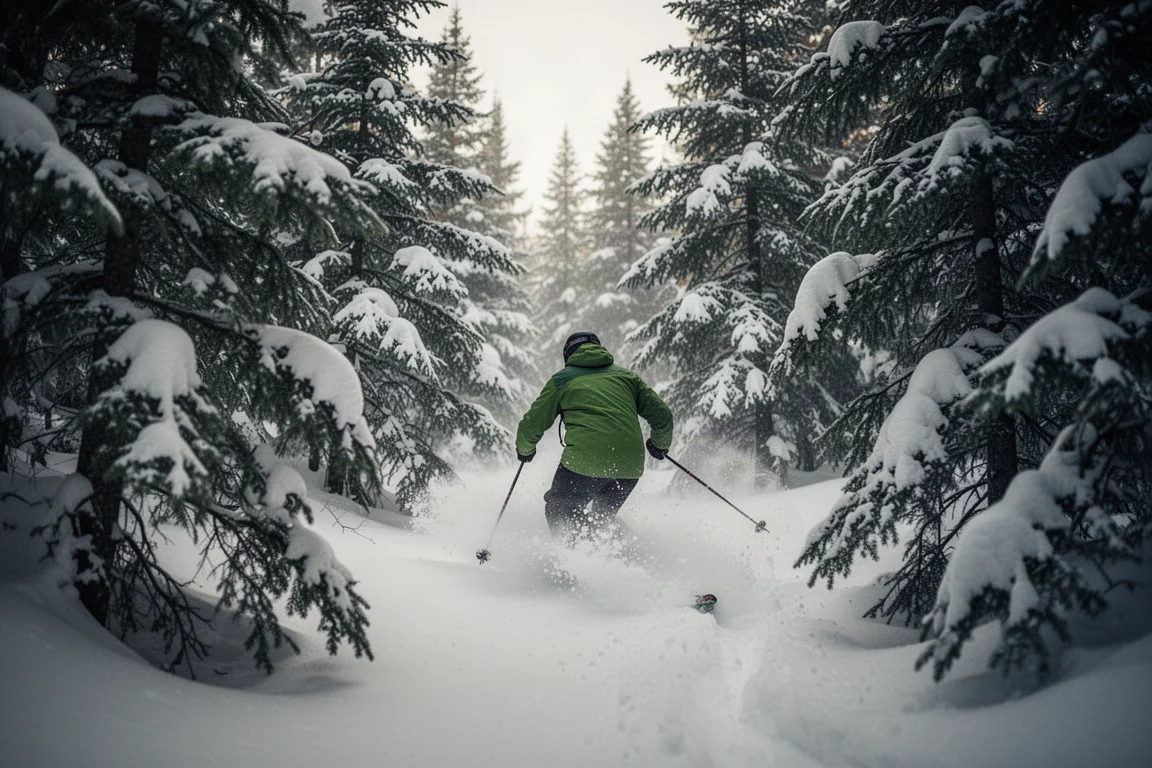
In other words, both skis are versatile, but they are versatile in different directions. One is happiest when the surface is firm, and the other is happiest when the terrain is mixed.
What to Consider Before You Buy
The most useful question is not which ski is better, but where you actually spend your time. Skiers who mostly ride groomed runs, hardpack and firm morning corduroy will get more out of the Ranger 96. Skiers who move all over the mountain and want a ski that stays composed in trees and softer snow will get more out of the Rustler 9.
It also helps to be honest about how often you leave the trail. If off-piste is an occasional detour rather than a habit, the Ranger 96’s on-trail strengths are likely to matter more. If you are regularly hunting soft snow and tight lines, the Rustler 9’s balance and maneuverability are the more valuable traits.
Buying Advice: Which Ski Should You Choose
Choose the Fischer Ranger 96 if you lean toward hard snow and groomer-oriented days and want a ski that carves with grip and rides smoothly over firm terrain. It is the more accessible, well-rounded option for that style of riding.
Choose the Blizzard Rustler 9 if you ski all over the place and want something that performs on trail but feels more comfortable and better balanced in the trees and softer snow.
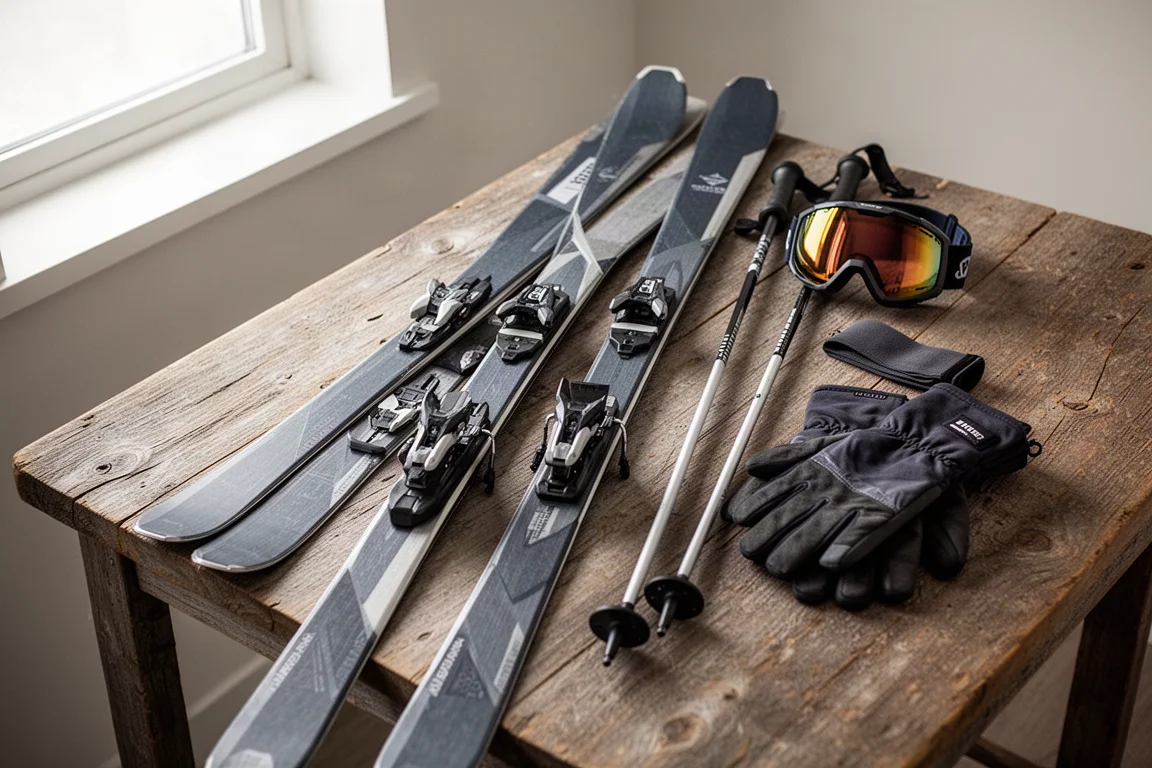
Either way, you are getting sandwiched sidewall construction, a little metal underfoot and a similar rocker profile, which is why both skis remain genuinely versatile. Matching the ski to your most common conditions is what turns a good purchase into the right one.
Conclusion
The Fischer Ranger 96 and Blizzard Rustler 9 are close enough that either can serve as a single all-mountain ski. The Ranger 96 is the pick for firm snow and groomer-focused skiers who want better carving, grip and smoothness. The Rustler 9 is the pick for skiers who roam the whole mountain and want easier balance, more maneuverability and a tail that releases when they need it.
Further reading
Related Reviews
Skis
Armada Anti Matter 82 W Review: A Light, Approachable All-Mountain Carver
Armada's Anti Matter 82 W pairs a lightweight Karuba and carbon build with an easygoing all-mountain shape, aimed at intermediates through lighter-footed advanced skiers.
Skis
Armada Anti Matter 88W Review: A Light, Playful 88mm All-Mountain Ski Plus Two Alternatives
The Armada Anti Matter 88W returns unchanged in spirit from its Reliance 88C days, and it remains one of the most versatile 88mm skis around. We also look at the Nordica Santa Ana 87 and Anti Matter 92 W as alternatives.
Skis
Armada ARV 100 vs Atomic Bent 100: Which 100mm Freestyle Ski Should You Buy?
Two of the best all-mountain freestyle skis of the season compared: one leans playful and park-ready, the other holds up better everywhere else.