Ski Reviews
Fischer Curve GT 80 Review: A Front Side Carver With Serious Energy
A race-influenced front side ski that rewards clean carved turns, with a poplar and beech core, shaped metal laminates, and a notably lively rebound.
Introduction
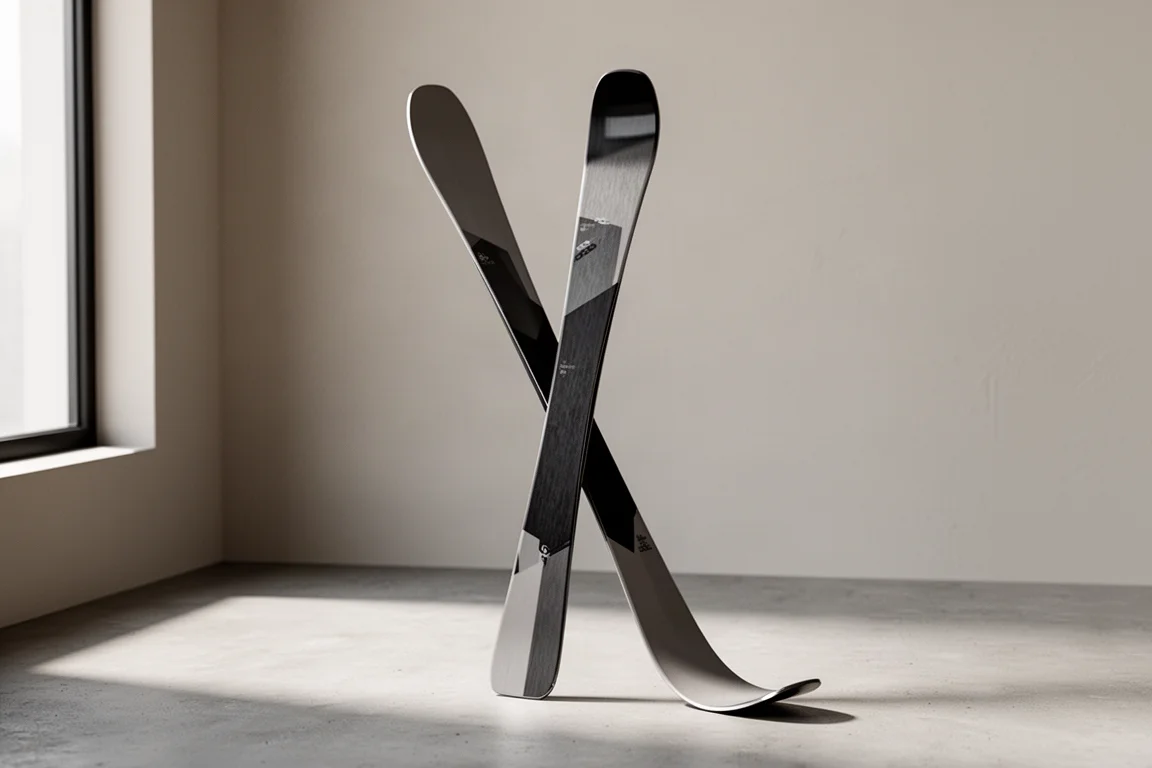
The Fischer Curve GT 80 returns for the 2027 season structurally unchanged, carrying the same shape and build as previous years, but with a new top sheet graphic that better aligns the ski with the rest of the Curve series. For skiers who already know this model, nothing functional has changed. For those new to it, this is a dedicated front side carving ski with a short, round turning radius and a lot of energy packed into the build.
Who This Ski Is For
This ski suits advanced to expert level front side carvers who want strong energy and rebound out of every turn. It is lighter and less demanding than the other high-end skis in the Curve GT lineup, which makes it approachable without giving up that race-like character.
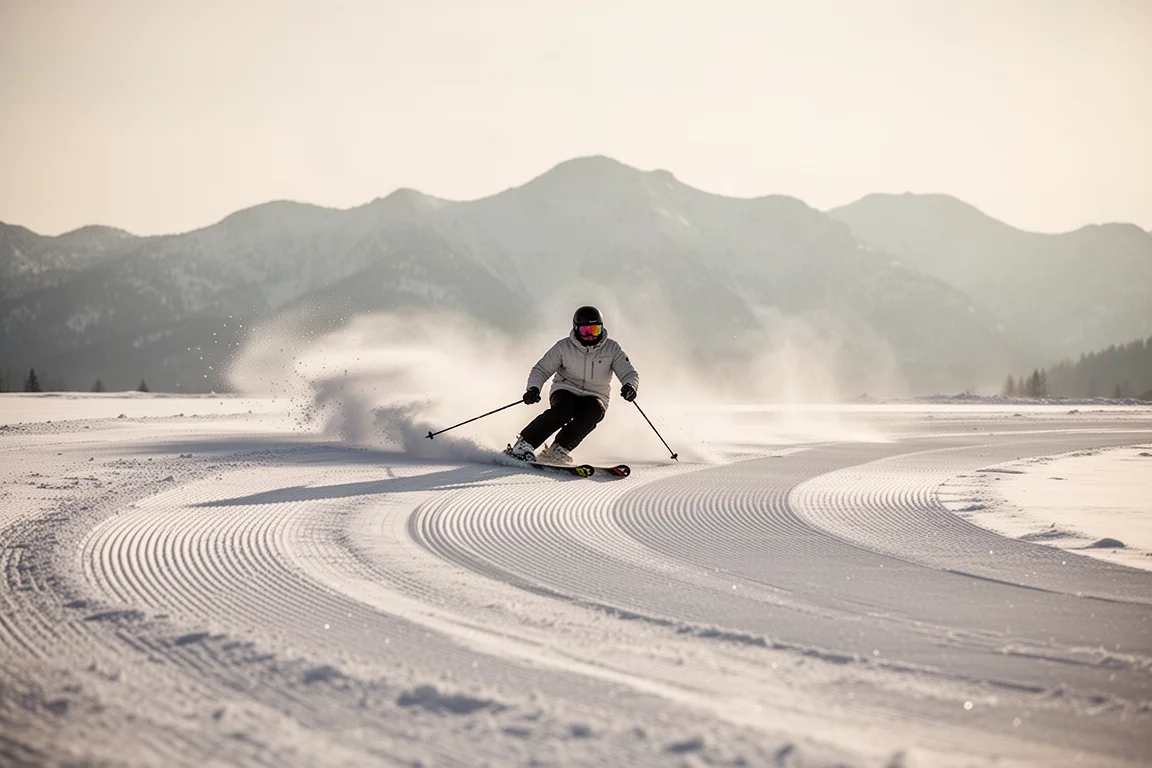
It works extremely well in an on-trail format, especially for skiers who favor short, round, purely carved turns. Skiers who want a playful, smearing all-mountain tool will find this ski demands more work than it rewards.
Construction and Design
The Curve GT 80 is built with a blend of poplar and beech in the wood core, paired with 0.5 mm shaped TI laminates for a nice mix of metal and wood. Fischer also uses diagonally woven fiberglass layers through the ski, which adds a lot of energy. The standout trait most testers notice is the rebound: you can really load this ski up with energy, and it works extremely well rebounding out of the turn.
Flex-wise, the ski is pretty stiff, which is what you want in a front side ski with race-like influence. The tested 166 cm model came mounted with a Fischer RS 11 binding at 2038 g. That binding lacks a full plate through the middle, allowing a more even flex throughout the ski, though it is not quite as damp in the underfoot zone as a result.
Shape and Profile
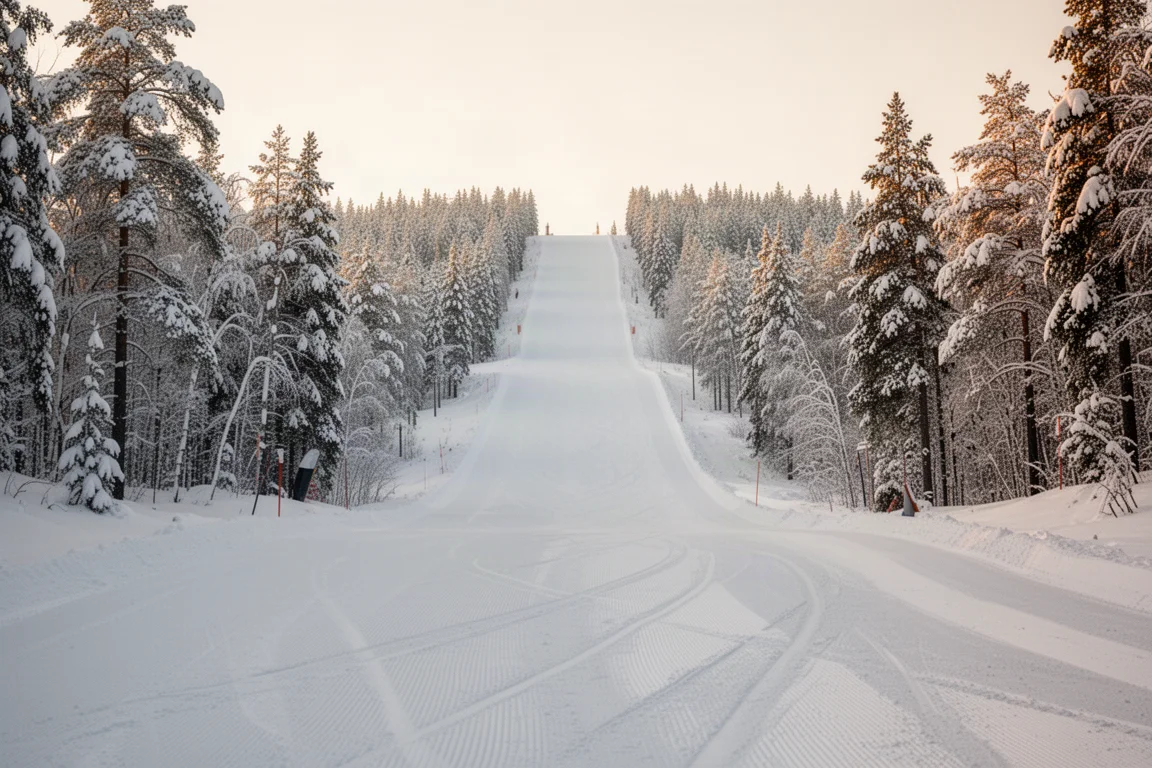
Ever since these skis launched, one trait stands out: how much camber there is, paired with a thick wood core. That thicker profile lets you load up the ski with energy. The 166 cm length carries a short 14.4 m turn radius, ticking up slightly as you go up in length. Decambered, there is only the slightest rise in the shovel; for all intents and purposes the ski is fully cambered and fully tapered.
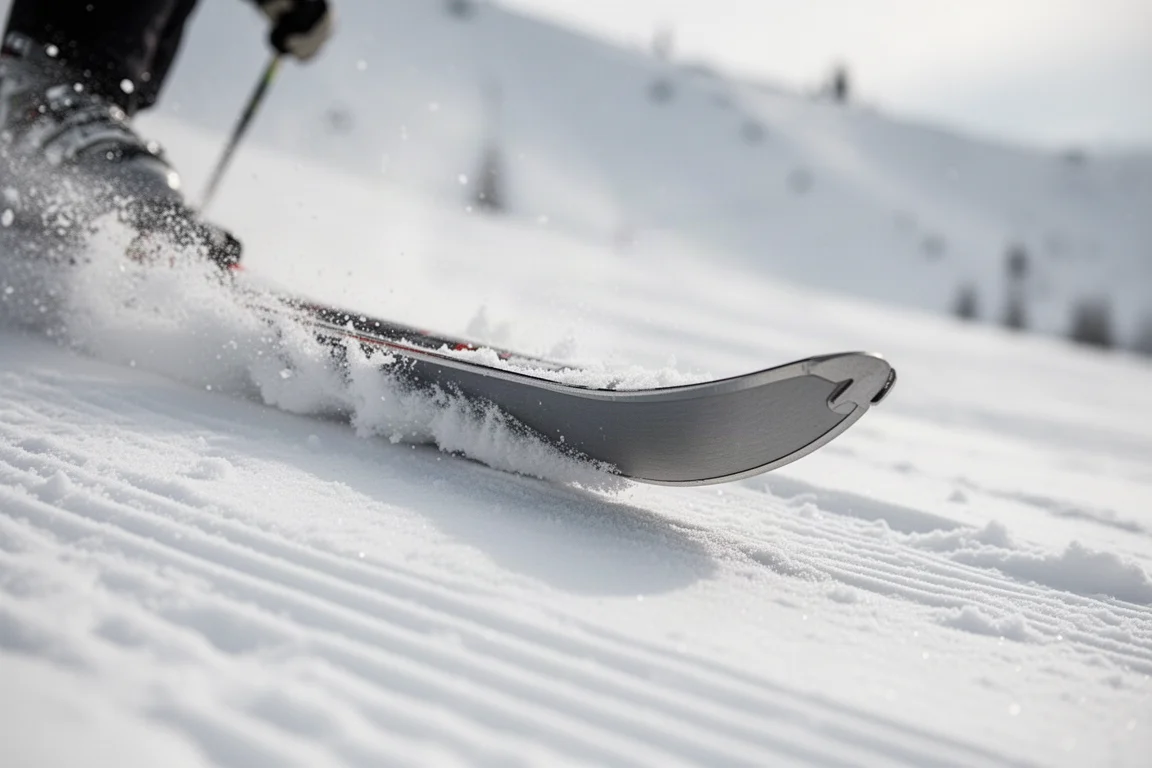
At the tail, there is no rocker, just a slight curvature that helps the ski release from turns ever so slightly. Combined with a good amount of metal running into the tail area, the ski wants to hold on tight until the end of the turn, which takes away from soft snow or off-trail versatility.
Main Strengths
The headline strength is energy. The mix of a thick poplar and beech core, shaped metal laminates, and diagonal fiberglass creates a ski that loads up beautifully and drives out of carved turns with real rebound. For a front side ski with race DNA, that stiffness is an asset rather than a drawback.
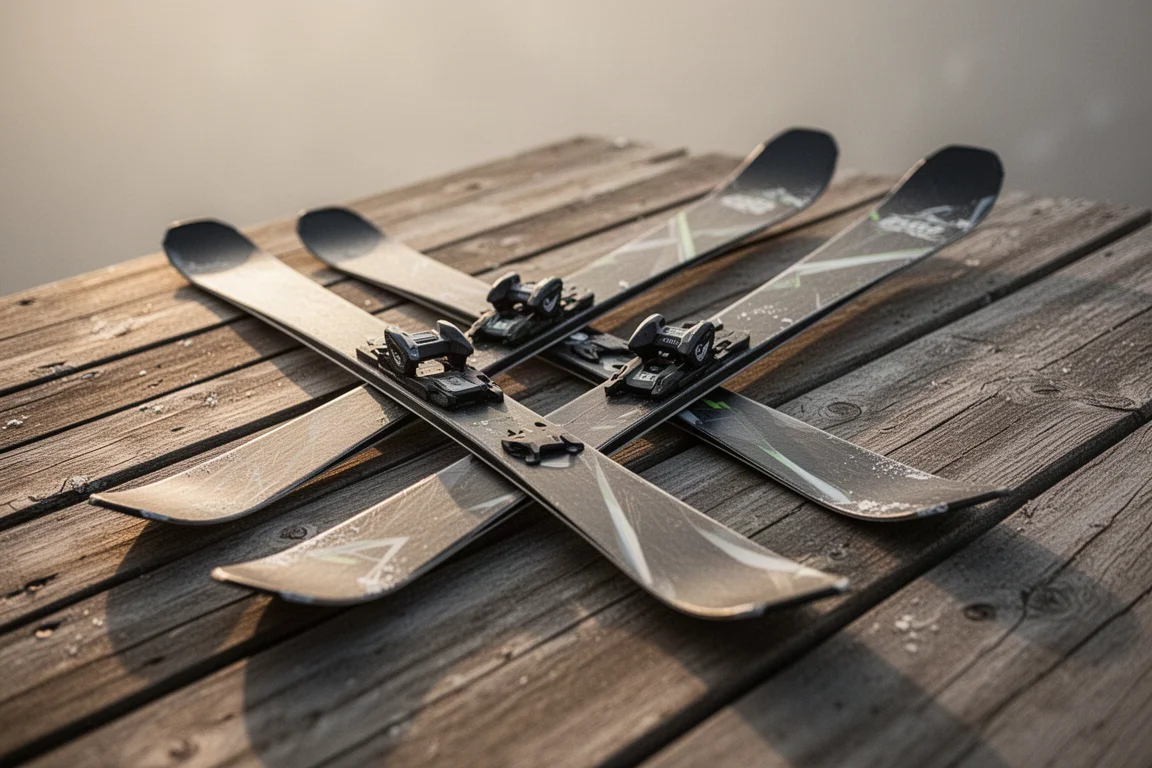
Testers describe the ski as directional, stable on edge, and very railable, with the ability to fly down groomers at speed while feeling in control. The 80 mm underfoot width also helps with varying snow conditions throughout the day, and many skiers appreciate the wider platform even if it costs a little edge-to-edge quickness.
Things to Consider Before Buying
This ski is not terribly versatile. If you want it to skid, smear, or feel playful, you have to put in extra work, and most skiers will use it as a dedicated front side carver. Off-trail performance in bumps or trees is where it comes up short.
The 80 mm width also invites debate. At that underfoot measurement you are creeping into wider front side territory, so if carving is truly your only goal, a narrower ski could make sense. Some testers also noted it was not quite as quick edge to edge as they would have liked, and that in perfect conditions it is possible to top the ski out.
Buying Advice
Sizing skews conservative. One tester felt stable at 166 cm and would not size up, especially given the lack of rocker. If you are an advanced or expert front side carver who wants genuine energy in an 80 mm build, Fischer’s race influence filters through strongly here, and this ski delivers on that brief.
Conclusion
The Fischer Curve GT 80 remains a confident pick for front side specialists. It returns unchanged in structure but with a refreshed look, and it continues to stand out for its energy, rebound, and stability at speed. If clean carved turns on groomed runs are what you chase, it is an easy recommendation. If bumps, trees, or soft snow are part of your regular rotation, look elsewhere.
Product link
View more details for Fischer Curve GT 80
This product is mentioned in the review. Check the specifications, options, and compatibility before buying.
View more details for Fischer Curve GT 80Further reading
Related Reviews
Ski Reviews
Armada Antimatter 108 Review: A Freeride Ski Built for Speed and Deeper Snow
The Armada Antimatter 108 carries over the beloved Declivity X 108 shape with new construction that adds compliance in soft snow and composure in crud, aimed squarely at strong, aggressive skiers.
Ski Reviews
Armada Antimatter 92 vs Invictus 92: Two All-Mountain Skis Compared
A closer look at two Armada all-mountain skis, one playful and nimble, the other composed and smooth, to help you pick the right one for your skiing.
Ski Reviews
Armada Antimatter 92W Review: A Smoother Take on a Proven All-Mountain Footprint
The Antimatter 92W keeps the trusted Reliance 92Ti footprint but softens the ride with a new metal construction, making it more versatile in softer snow without losing on-trail grip.