Skis
Fischer Curve 80 GT Review: An Energetic Frontside Ski for Progressing Skiers
A second-year frontside ski with a poplar and beech core, a thin Titanal laminate underfoot, and an 80 mm waist. Here is who it suits, where it shines, and what to weigh before buying.
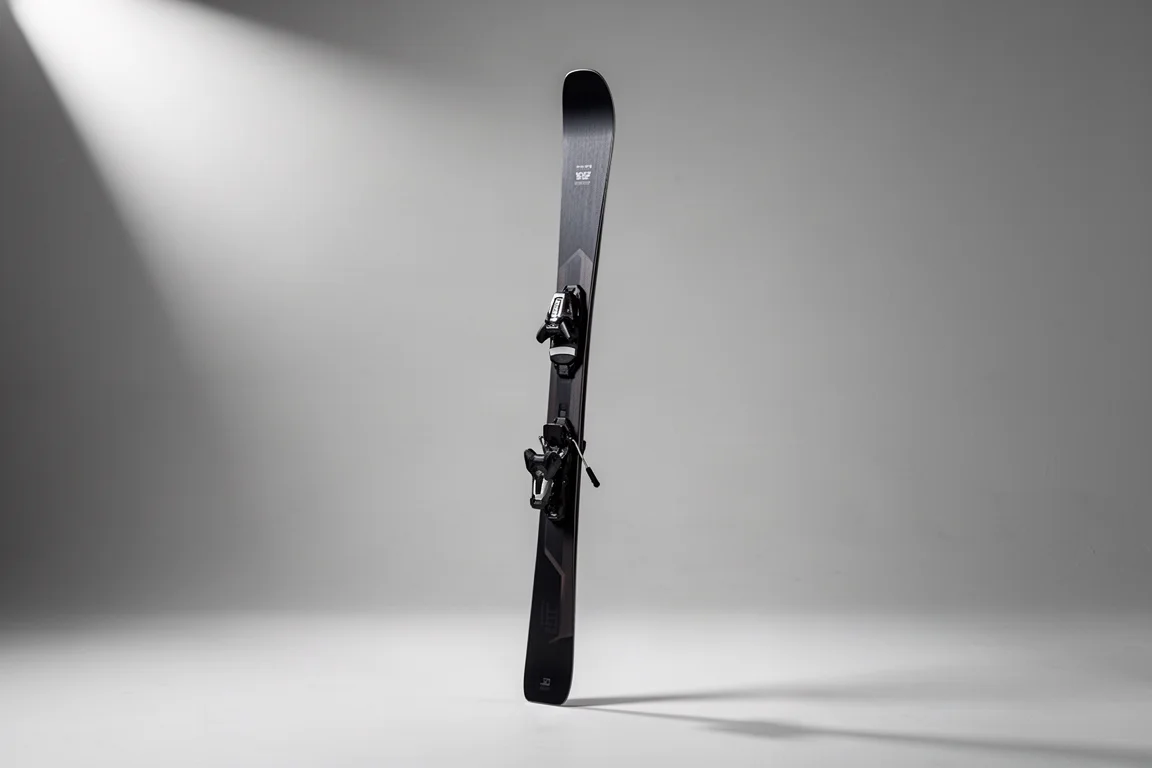
Introduction
The Fischer Curve 80 GT enters its second season as a carryover, which means the construction, shape, and profile are unchanged from its debut year. That consistency matters for anyone shopping the frontside category: the ski described here is the ski you get.
The build pairs a poplar and beech wood core with a shaped Titanal laminate and a diagonal fiberglass layer. The result is a ski that feels energetic and poppy underfoot without asking for the precise, high-input skiing that heavier frontside models demand. At 80 mm underfoot and with a 14.4 m turn radius in the 166 cm length, it sits in a practical middle ground: wide enough to stay composed when snow conditions deteriorate, narrow enough to carve cleanly on groomed runs.
Who This Ski Is For
This is a ski for the progressing intermediate and the early stage advanced skier, particularly someone who spends most of the day on groomed terrain but wants a bit more platform underfoot when the surface gets cut up, choppy, or dusted with fresh snow.
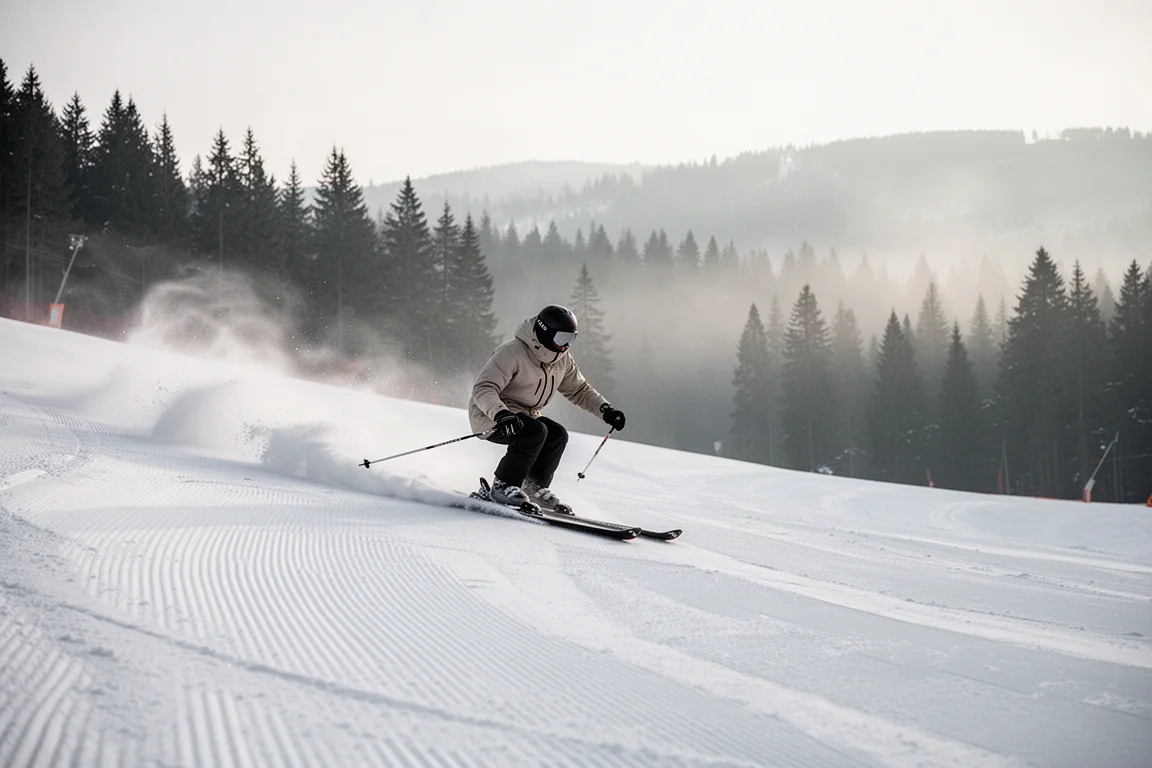
It also suits skiers who want an easy, round turn shape rather than a demanding, race-adjacent feel. The thinner profile and slightly more forgiving shovel make the ski simpler to tip onto edge, while the stiffer tail still supports a confident finish to the turn.
The orientation is worth noting up front: the Curve 80 GT is a frontside-focused ski, so a skier whose days revolve around deep snow or steep off-piste terrain is better served by a wider model.
Design and Construction
The wood core blends poplar and beech, and the ski carries a 0.5 mm Titanal laminate shaped to sit mostly in the underfoot zone. That laminate is thinner than the one used in the wider Curve 85, which is part of why the 80 GT feels livelier and less damp rather than heavy and planted.
A diagonal fiberglass laminate adds torsional stiffness and gives the ski a noticeable sense of zip. Camber underfoot is positive, and the tip has only a slight amount of rocker and taper, so the effective edge stays long. The tail is fairly flat with a slightly squared-off shape. Flex is stiffer in the tail than in the shovel, which supports a shorter turn radius while keeping turn initiation accessible.
Main Strengths
The defining trait is energy. Rebound is quick and springy, and the ski moves from turn to turn with a high level of enthusiasm without feeling punishing. Metal underfoot combined with positive camber and a 14.4 m radius in the 166 cm length produces a sharp, round, crisp turn shape.
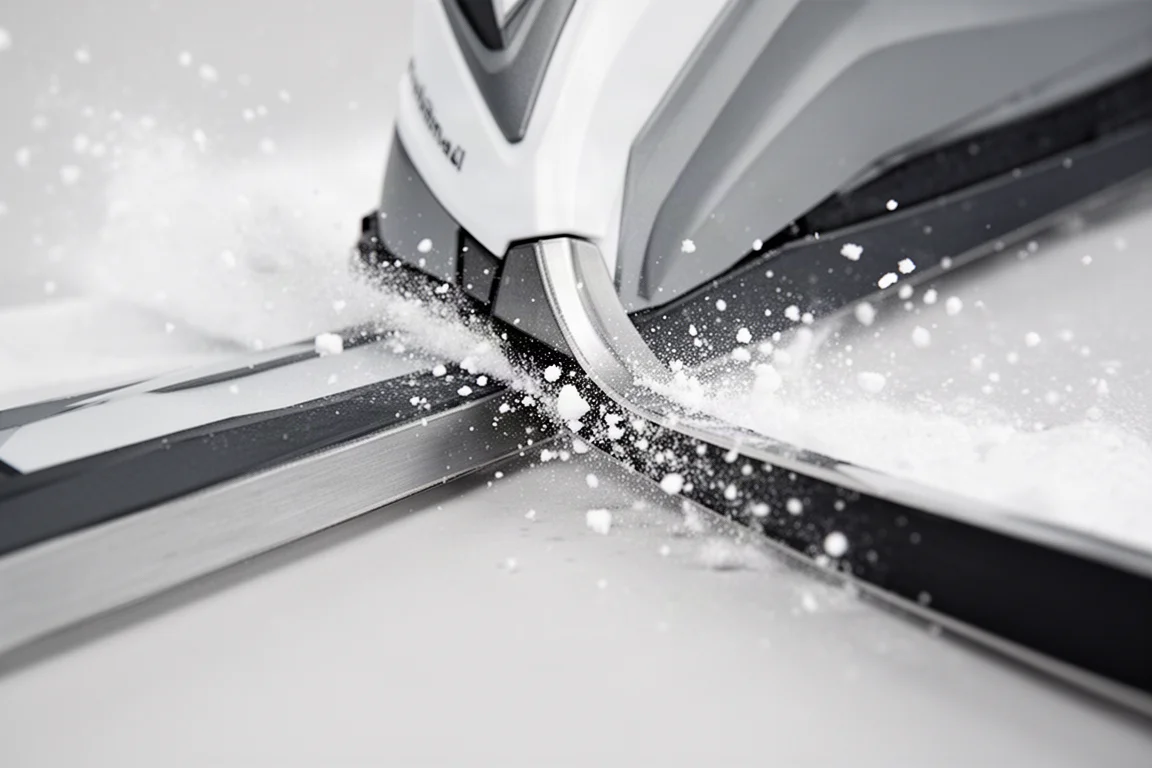
The thinner profile is a genuine advantage for lighter or less aggressive skiers. It flexes more readily, which makes the ski easier to get up on edge and easier to hold a confident arc through the whole turn.
That combination of a forgiving shovel and a firmer tail is what lets the ski work for someone still building technique while keeping a higher performance ceiling than a pure beginner model.
Performance on the Snow
Groomed terrain is where the Curve 80 GT is happiest, and it rewards a smooth, groomed-day rhythm. The 80 mm waist is wide enough to add stability when the surface changes through the day, whether that means crud, chop, or a few inches of fresh snow, and the wider platform adds confidence when conditions turn inconsistent.
In moguls, the ski’s light weight and quick handling keep it manageable, and it is a reasonable choice for a progressing skier learning to find a line through the bumps. The shovel is wide without much taper, which does make bump skiing a little harder than it would be on a more tapered design, but the low swing weight and relative flexibility keep the ski from feeling clumsy.
Compared with the wider Curve 85, the 80 GT is slightly easier to release out of the turn. That is one reason it lands in the intermediate to advanced range rather than the advanced to expert range.
Things to Consider Before Buying
The trade-off for that light, energetic feel is damping and power. The Curve 80 GT is not as damp or as powerful as the wider Curve 85, and it does not deliver the same authoritative, planted character that heavier frontside skis can offer.
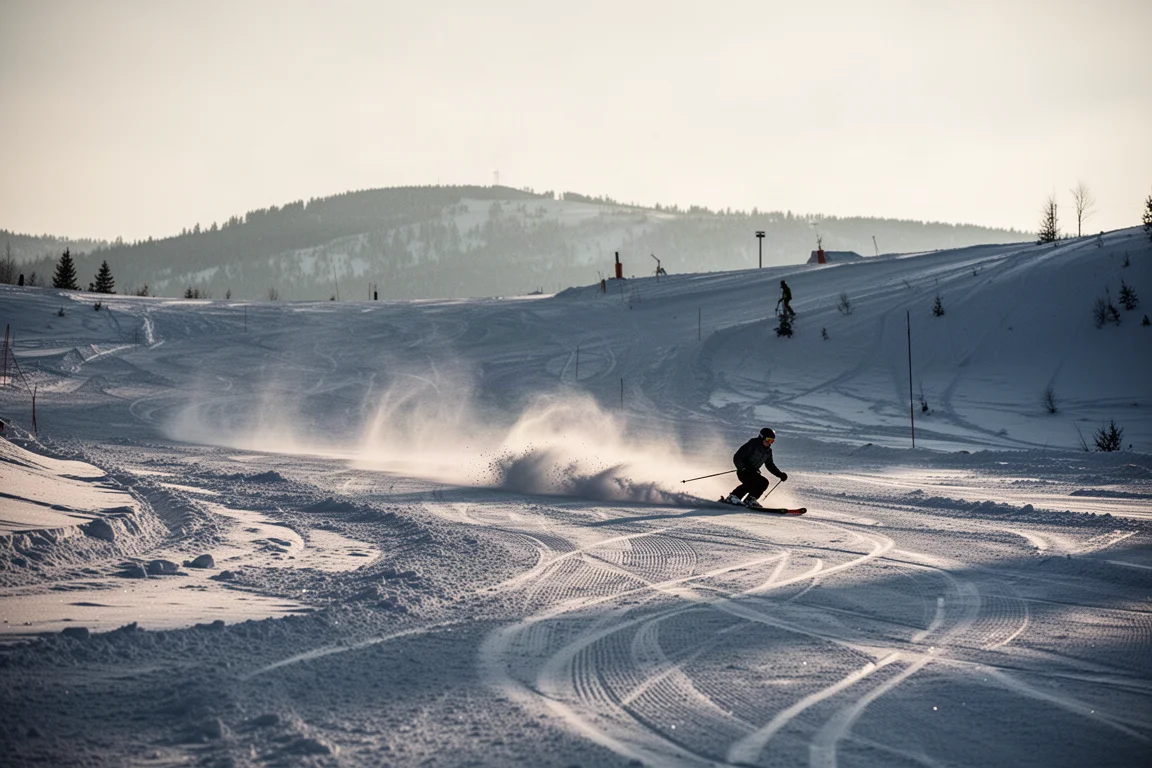
It is also built with a clear frontside orientation. With minimal tip rocker and very little taper, the ski is at its best on smooth, groomed snow, and skiers who split their time between groomers and softer or deeper snow may find the platform limiting.
The flex profile is not uniform either. The tail is stiffer than the shovel, which helps finish turns but means the ski responds differently depending on where pressure is applied. Skiers who prefer an even, symmetrical flex may want to try before committing.
Setup and Binding Notes
The ski is paired with a Fischer RS11 system binding. Because the binding is not mounted on a connecting plate, the ski is free to flex more fully through the middle, which contributes to the energetic, poppy character described above.
At the 166 cm length, the ski and binding together come in at roughly 2,800 grams. That is a light package, and it is a large part of why the ski feels quick in short turns and easy to manage across a full day.
Buying Advice
The Curve 80 GT makes the most sense for a skier who wants one dependable frontside ski for groomed runs, with enough width to stay comfortable when the day’s conditions turn variable.
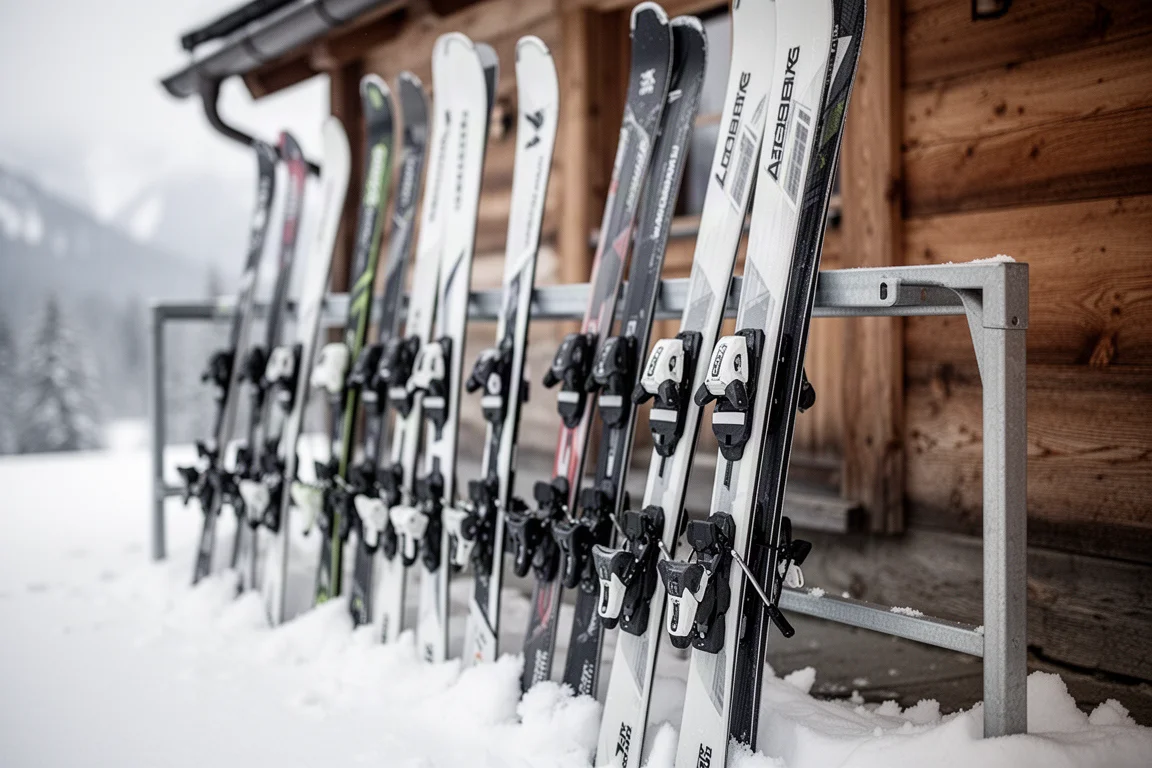
If your priority is a forgiving, energetic, easy-turning ski that helps you build confidence and progress from intermediate toward advanced, this is a well-rounded match. If your priority is maximum stability at speed, deep-snow flotation, or the damp, powerful feel of a heavier frontside ski, the wider Curve 85 or a more demanding model is the more sensible direction.
Consider your terrain mix honestly. Skiers who stay on groomed runs for most of the day and only occasionally meet chop or a light dusting will get the most out of this ski. Skiers chasing powder days will not.
Conclusion
The Fischer Curve 80 GT is a well-rounded frontside ski with a light feel, a lively rebound, and an 80 mm platform that adds confidence when conditions change. For progressing intermediates and early advanced skiers who spend most of their time on groomed terrain, it offers an approachable, energetic ride with room to grow.
Product link
View more details for Fischer Curve 80 GT
This product is mentioned in the review. Check the specifications, options, and compatibility before buying.
View more details for Fischer Curve 80 GTFurther reading
Related Reviews
Skis
Armada Anti Matter 82 W Review: A Light, Approachable All-Mountain Carver
Armada's Anti Matter 82 W pairs a lightweight Karuba and carbon build with an easygoing all-mountain shape, aimed at intermediates through lighter-footed advanced skiers.
Skis
Armada Anti Matter 88W Review: A Light, Playful 88mm All-Mountain Ski Plus Two Alternatives
The Armada Anti Matter 88W returns unchanged in spirit from its Reliance 88C days, and it remains one of the most versatile 88mm skis around. We also look at the Nordica Santa Ana 87 and Anti Matter 92 W as alternatives.
Skis
Armada ARV 100 vs Atomic Bent 100: Which 100mm Freestyle Ski Should You Buy?
Two of the best all-mountain freestyle skis of the season compared: one leans playful and park-ready, the other holds up better everywhere else.