Running Gear
The Gear That Carried Me Through My First Ultra Marathon
A head-to-toe look at the shoes, layers, fuel, and tech used to run a snowy 31-mile 50K in freezing Appalachian conditions.
Introduction
Running a first ultra marathon is a milestone on its own. Running one in 20 degree conditions, on a course packed with snow and ice, makes every gear decision matter far more than it would in ideal 50 degree weather. This breakdown covers everything used to finish a 31.1 mile 50K in 4 hours and 13 minutes on a brutal course in the West Virginia mountains, from base layers and gloves to race shoes, fueling, and the tech carried the whole way.
One important caveat before anything else: none of this gear is required to run far. Plenty of people finish ultras in thrift-store fleece and half tights. This is simply what worked in genuinely cold, slick conditions, and what a runner new to winter racing might reasonably consider.
Running in 20 Degrees: The Layering Strategy
Most race-day decisions are simple when conditions are mild. In freezing temperatures with wind chill, potential ice, and long climbs, the calculus changes completely. The strategy here came down to three layers on the torso, careful hand and head coverage, and a double-layer approach on the legs.
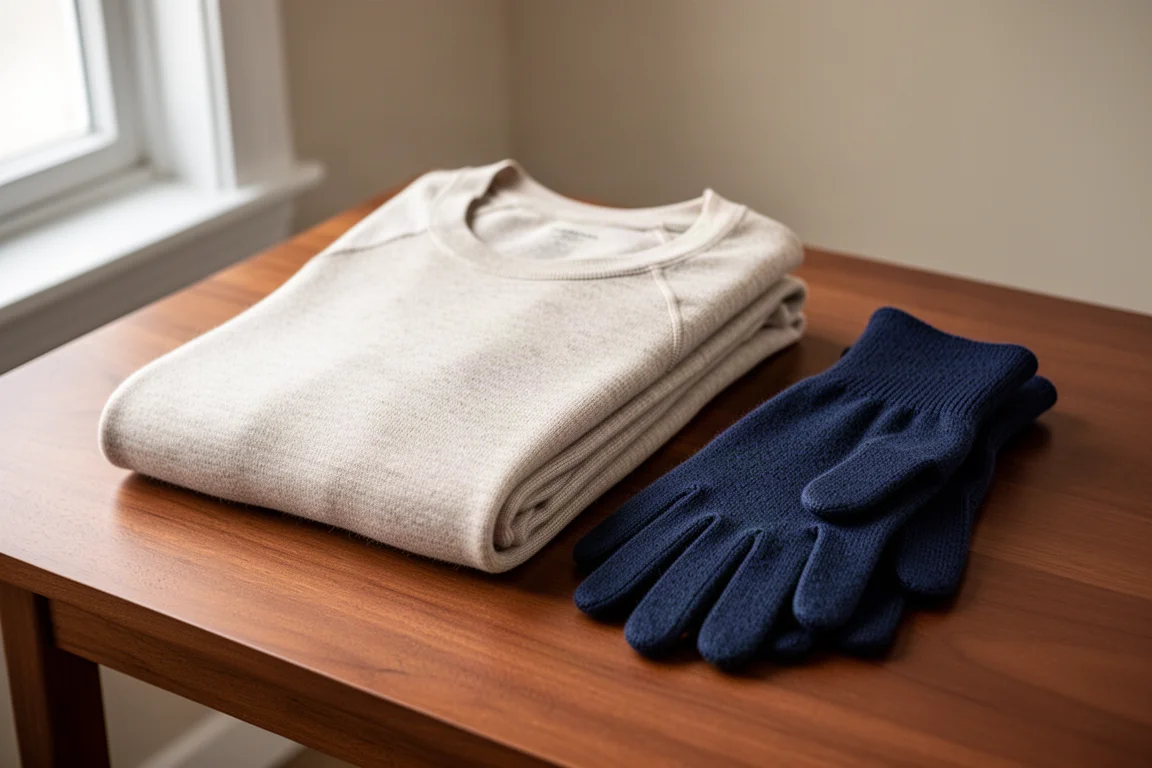
The three-layer system worked better than expected: a merino base layer close to the skin, a lightweight zip mid layer for warmth around the neck, and a fleece vest on top to trap heat. For most of the race both zips stayed up. The lesson from past cold-weather racing is simple: the thing you want to avoid most is sweat soaking a layer and then freezing, so a wicking base layer near the body is worth prioritizing.
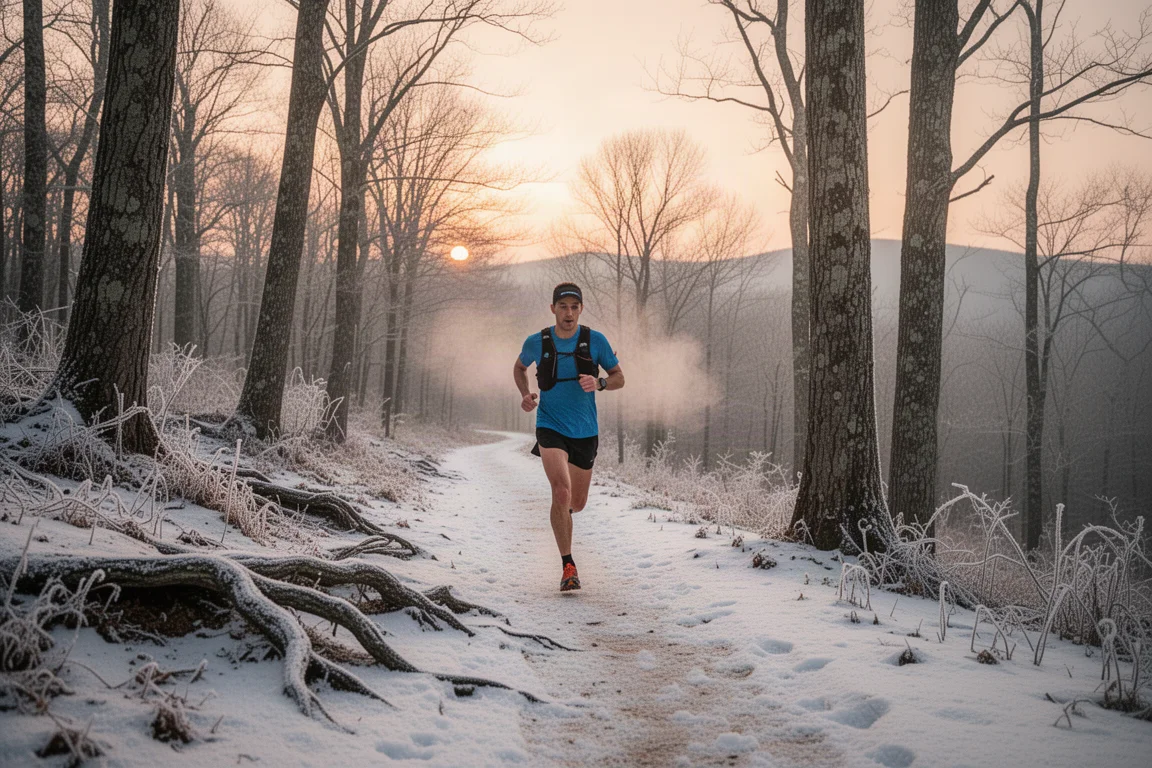
Worth noting for anyone planning a similar setup: the head was the one weak point. A lightweight polyester running hat handled 20 degrees fine overall, but the ears got chilly in the early miles. In single digit or sub-freezing temperatures, a dedicated merino hat would be the smarter call.
Layers, Gloves, and Small Details
The base layer was a merino wool top, and it delivered exactly what cold-weather running demands: no moisture sitting against the body, no clammy chill at any point during four-plus hours of effort. On top of that, a lightweight stretchy quarter zip kept the neck covered, which mattered since there was nothing protecting the face. A hooded version would have been even better.
For hands, a two-glove system proved ideal: thin merino wool liner gloves underneath, with a windproof shell glove over the top. The liners alone are only marginally thicker than the cheap gloves you might grab at a corner store, but the wool construction and fit make them far more comfortable for long efforts. The shell layer kept fingers completely warm for the entire race.
The one trade-off of doubling up gloves is dexterity. Unzipping pockets and fumbling with gel wrappers while wearing bulky layers is awkward, and fishing an emergency gel out of a deep zipper pocket while running downhill at pace was a genuine struggle. Plan your pocket access accordingly.
Fuel and Hydration: Gels and the Nathan QuickDraw
Fueling made the difference between a strong finish and a very rough final hour. The plan was to carry gels in a handheld bottle and take one roughly every 30 minutes, alternating between a caffeinated and a non-caffeinated version.
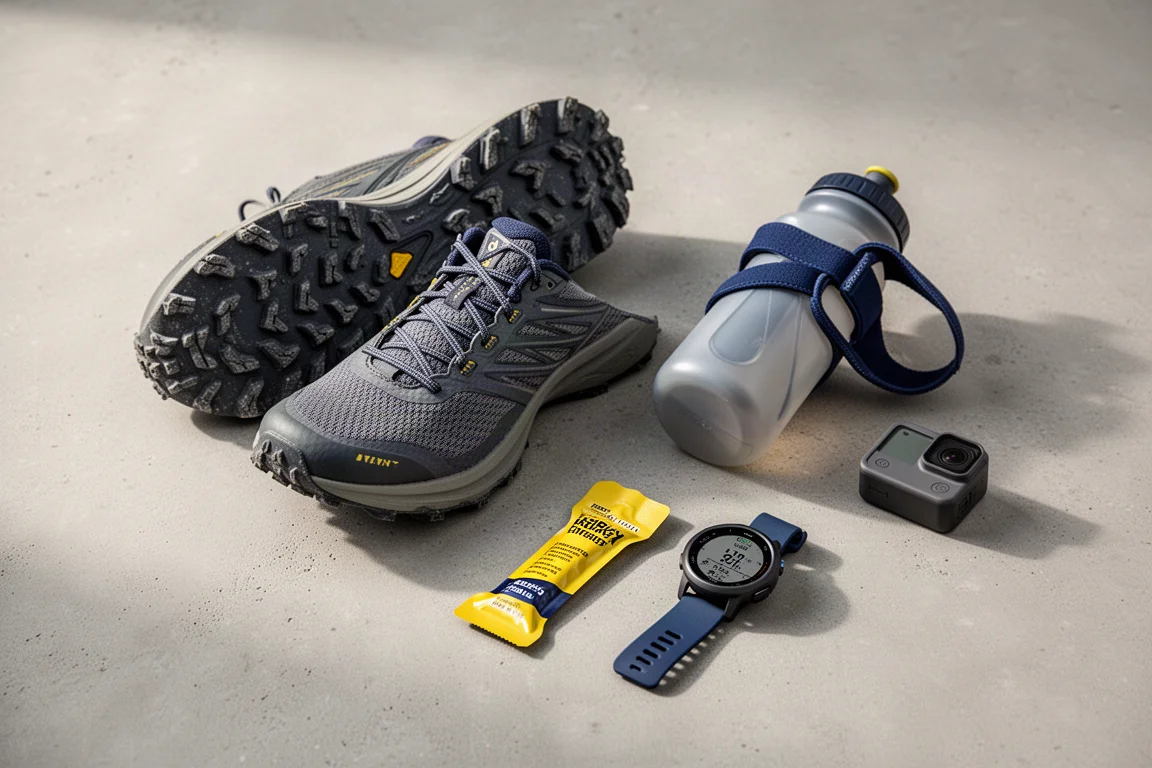
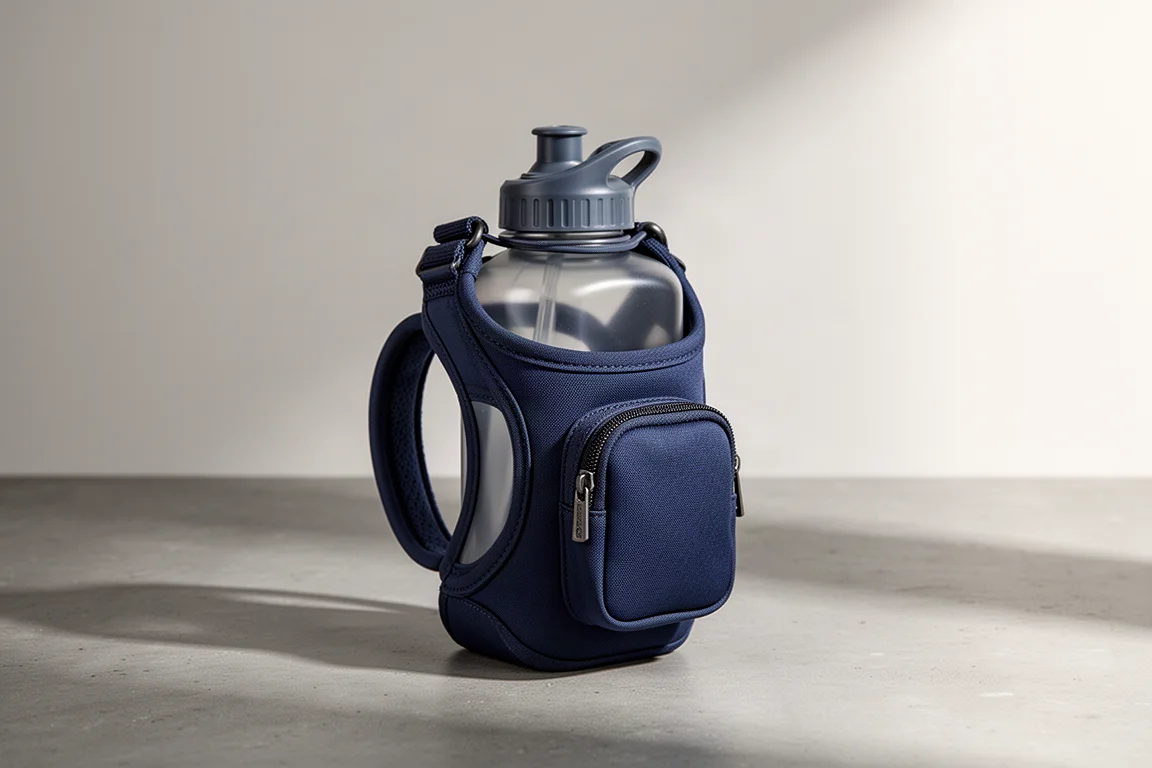
The bottle itself is a simple, proven design: a hard-shell bottle inside a hand strap with a small pouch for storage. No leaking whatsoever across the entire race, and carrying it in one hand while the camera sat in the other worked fine for 31 miles. Some runners prefer vests or belts, but a handheld bottle is easy to hold, easy to refill mentally, and encourages steady sipping.
A cautionary tale from the day: only one bottle was packed for a two-loop course, and a course-geometry misunderstanding meant no second bottle handoff happened. That left less than 16 ounces of water for the whole race. It is possible to get away with that in 20 degree weather, but dehydration still crept in. Carry more than you think you need, and know exactly where your handoff points are.
On the gel side, four gels lived in the bottle pouch and two emergency gels went into a back pocket. That back-pocket decision saved the race, since the bottle supply ran out around mile 23 and aid station gels carried things home. Still, the fuzzy vision and haze in the final miles suggest the fueling was slightly light for a four-hour effort. If a race might stretch past four hours, pack more than you think you will need.
Head to Toe: Socks and Everyday Comfort
Socks were merino wool crew-length running socks, chosen deliberately over thick hiking socks. The thick, plush option felt incredible inside a max-cushion daily trainer, but inside a snug race shoe it created toe-crowding that would not survive a 50K. With a bruised big toenail going into the race, the thinner option was the right gamble, even though the toes felt chilly at points.
Separate from the race kit, a max-cushion supportive trainer earned a shout-out as the travel and recovery shoe of the weekend. Anyone after a comfortable everyday shoe, or a max-cushion option with a bit of support for walking and casual wear, should give it a look. One money-saving tip: when the next version launches, the outgoing model typically drops to a steep discount, and for casual use the older model is more than enough.
The Race Shoes: Hoka Tecton X3
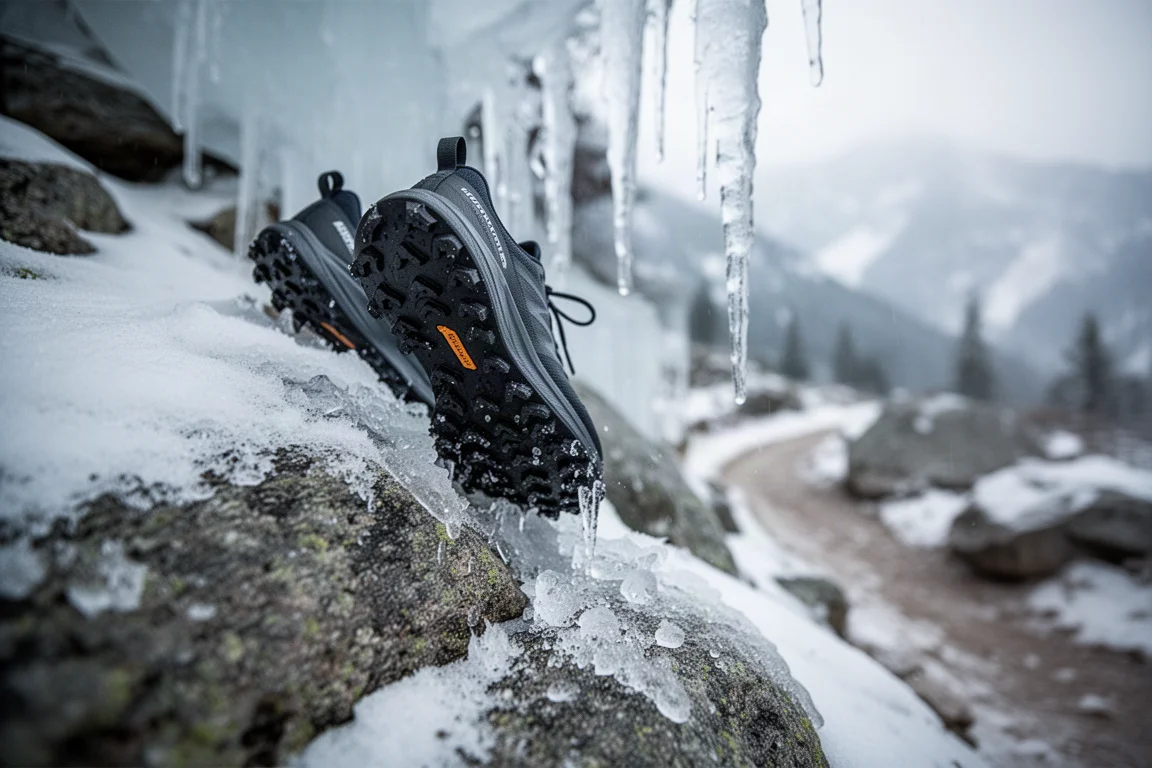
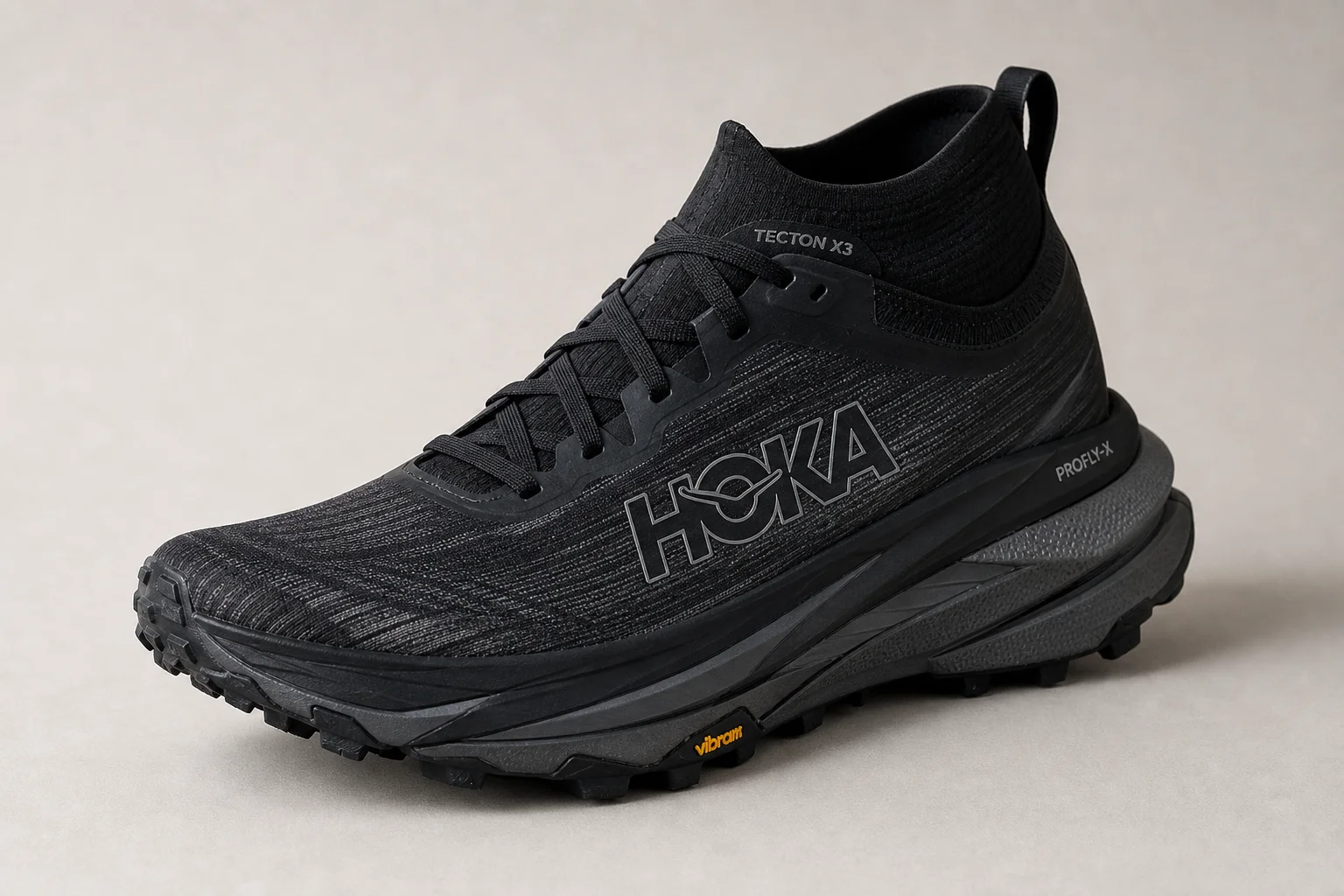
The headline act. The Hoka Tecton X3 is a trail racing shoe built on a thick stack of PEBA race foam with a carbon fiber plate, plus a winged plate design and a rear stabilizing element for control. Historically, carbon-plated trail shoes have struggled with stability, but that was not the experience here.
The shoe simply disappeared on foot. When it was time to push the pace on packed snow, it felt fast and responsive. When the terrain demanded slow, controlled movement on icy descents and cliffside staircases, it felt planted and secure. The Vibram outsole grip was outstanding: confident strides on ice, surefooted movement down icy mountainsides, and over 31 miles the only slip in the entire race came on a stretch of trail with melting icicles running onto ice, where almost any shoe would have struggled.
Everyday Comfort: Saucony Hurricane 24
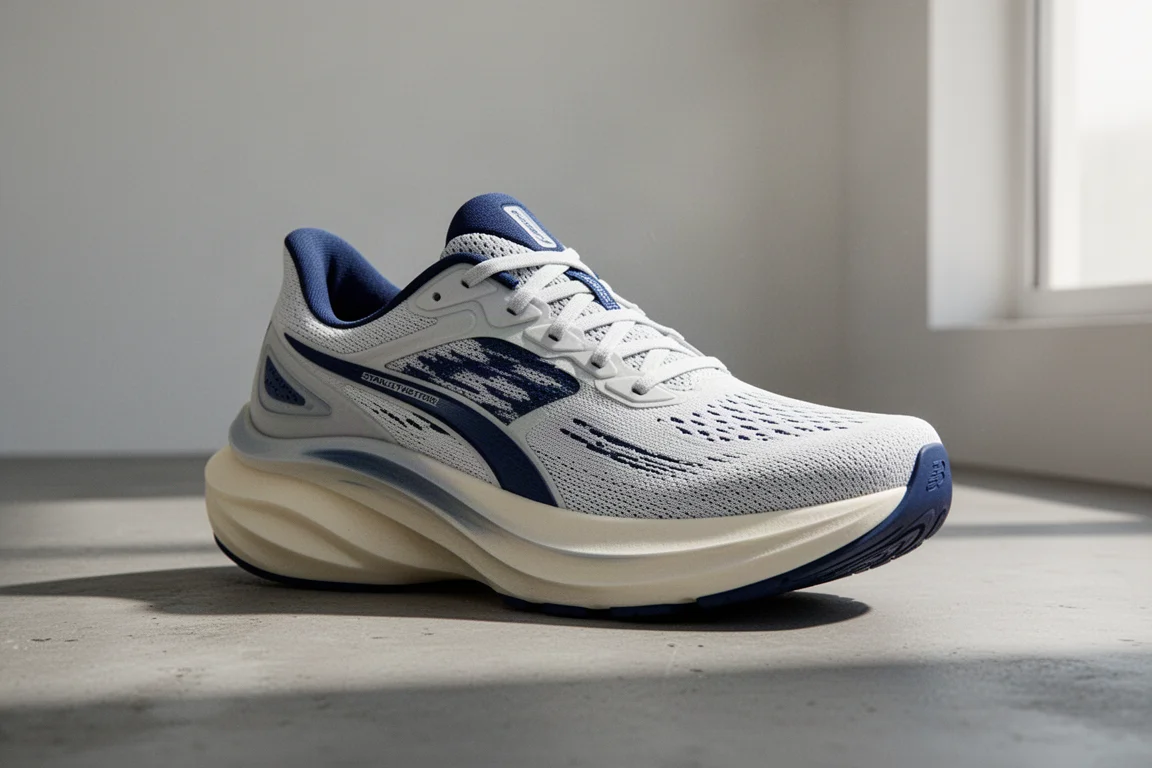
Not worn during the race, but on the feet for the entire travel weekend, the Saucony Hurricane 24 has quietly taken over daily-driver duty from a worn-out favorite. It is a genuinely comfortable max-cushion shoe with a touch of support, ideal for walking, recovery days, and long hours on your feet.
The Tech: Coros Pace 3 and GoPro Hero 13
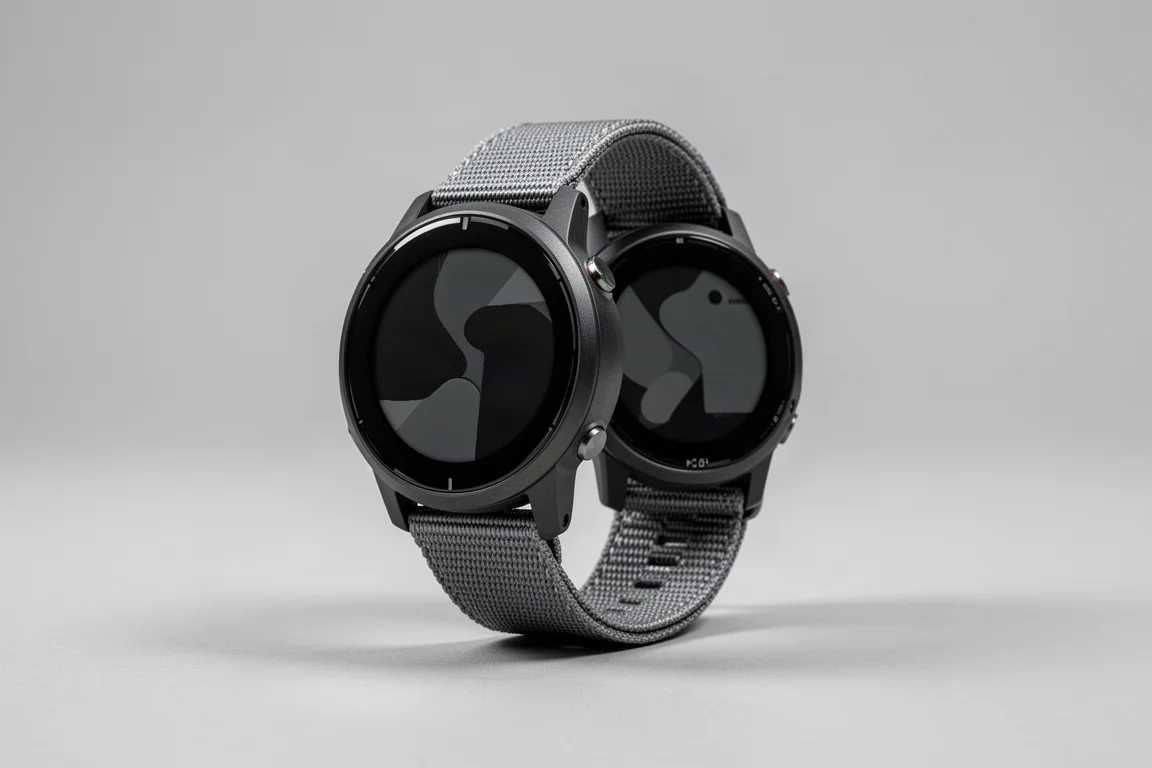
The Coros Pace 3 delivered exactly what a race watch should: accurate mileage, strong battery life, and no drama. The GPS distance was spot-on across 31.1 miles, and the battery lasted the entire trip without a charger even packed. The one quirk is elevation tracking: the watch recorded around 3,700 feet of gain on a course advertised at 5,000, a pattern that has shown up on other courses too. Sleep tracking came in handy as well, logging a less-than-ideal 4 hours and 19 minutes the night before the race.
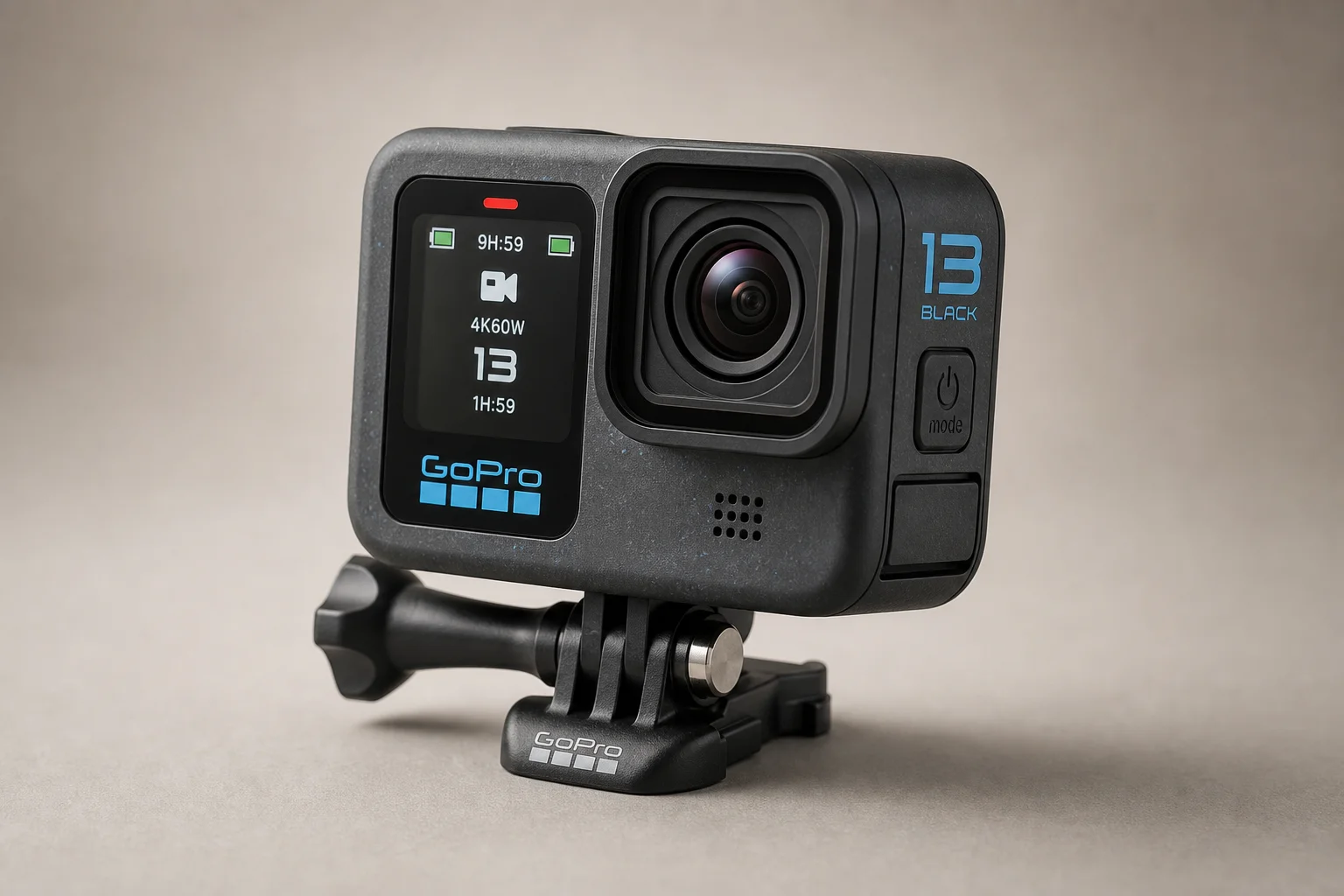
The GoPro Hero 13 handled filming duties for the entire race, carried in one hand and swapped back and forth with the bottle. It is compact, easy to run with, and simple to operate mid-race. The main weakness is low-light performance: the dark early miles of the race came out noticeably shaky and grainy, and competing cameras do better in dim conditions. In decent light, though, it is a great companion for capturing a race without a chest mount or vest.
Fuel That Worked: Maurten Gel 100 and Gel 100 Caffeine
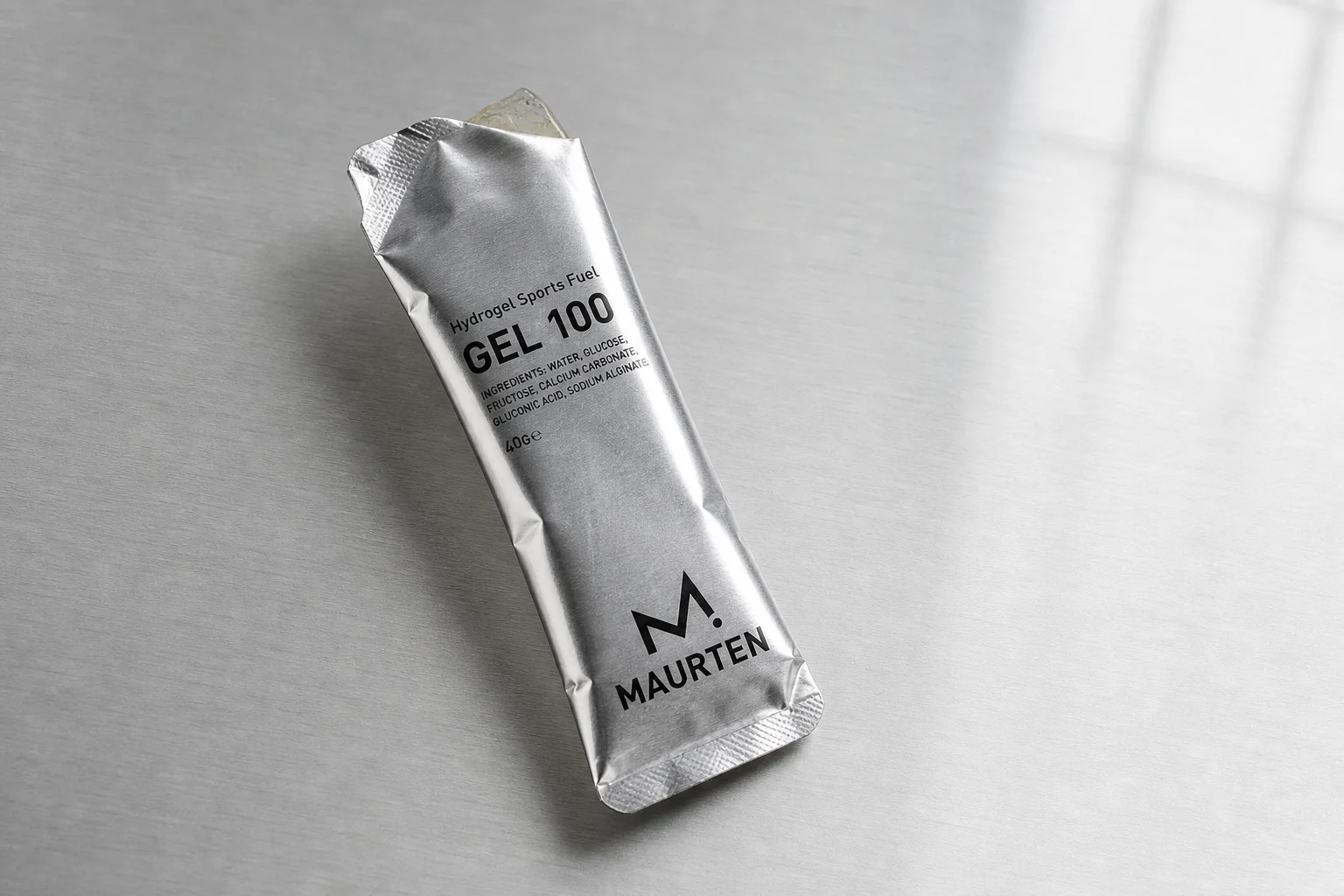
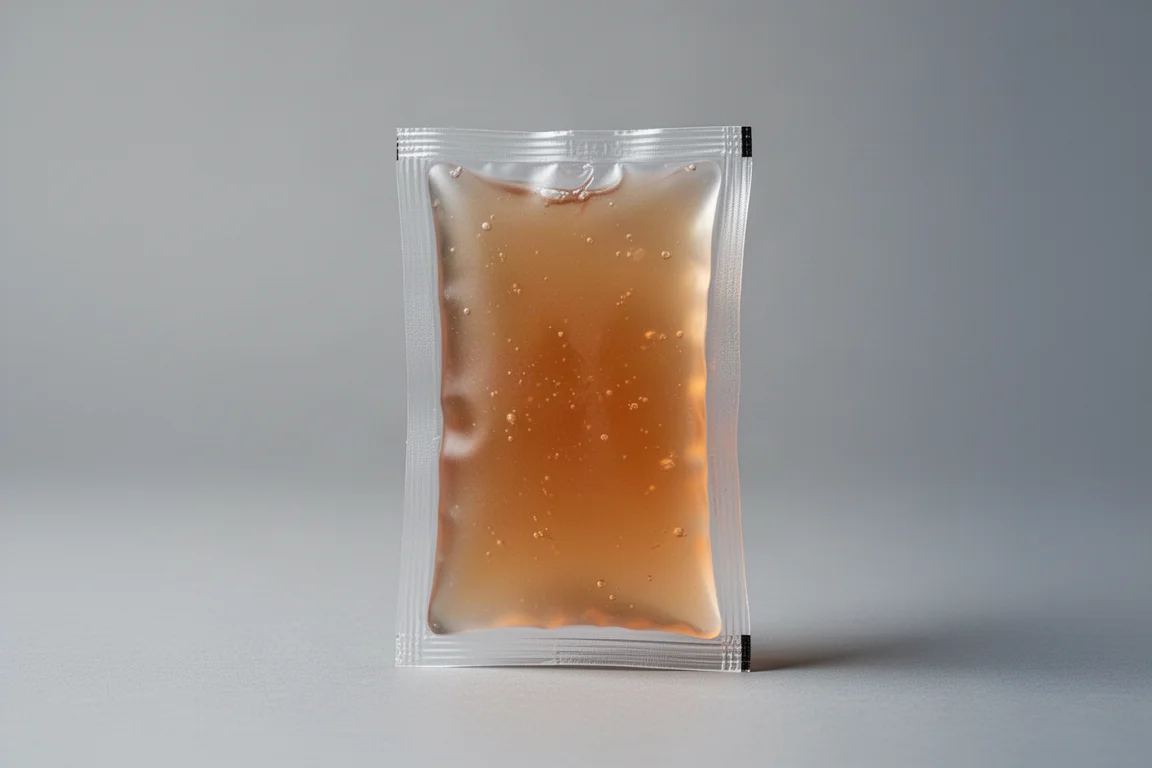
The gels used throughout the race were the Maurten Gel 100 and the Maurten Gel 100 Caffeine, alternated in a regular, regular, caffeine pattern. They went down easily at 30-minute intervals, sat well in the stomach even at hard effort in the cold, and were the fuel behind the strongest stretches of the race. Emergency aid station gels covered the final miles after the carried supply ran out.
Hydration in Hand: Nathan QuickDraw
The Nathan QuickDraw earned its place as the bottle of choice: zero leaks, a comfortable hand strap, and a storage pouch that held gels securely for over four hours of running. It is a simple tool that does its job without getting in the way, which is exactly what you want when your other hand is holding a camera.
Buying Advice and Final Thoughts
If you are assembling a winter ultra kit, the priorities are clear. Spend first on traction and a race shoe you trust on ice, then on a proper wicking base layer and warm gloves. The watch matters for pacing and distance confidence, the camera matters only if you want to document the day, and the gels matter more than almost anything else on a course longer than three hours.
Just as important: you do not need premium everything to run an ultra. Cotton boxers and a decade-old fleece vest finished this race alongside carbon-plated trail shoes and wool base layers. Buy where it counts, use what you already have everywhere else, and remember to tie your pants before the start.
Conclusion
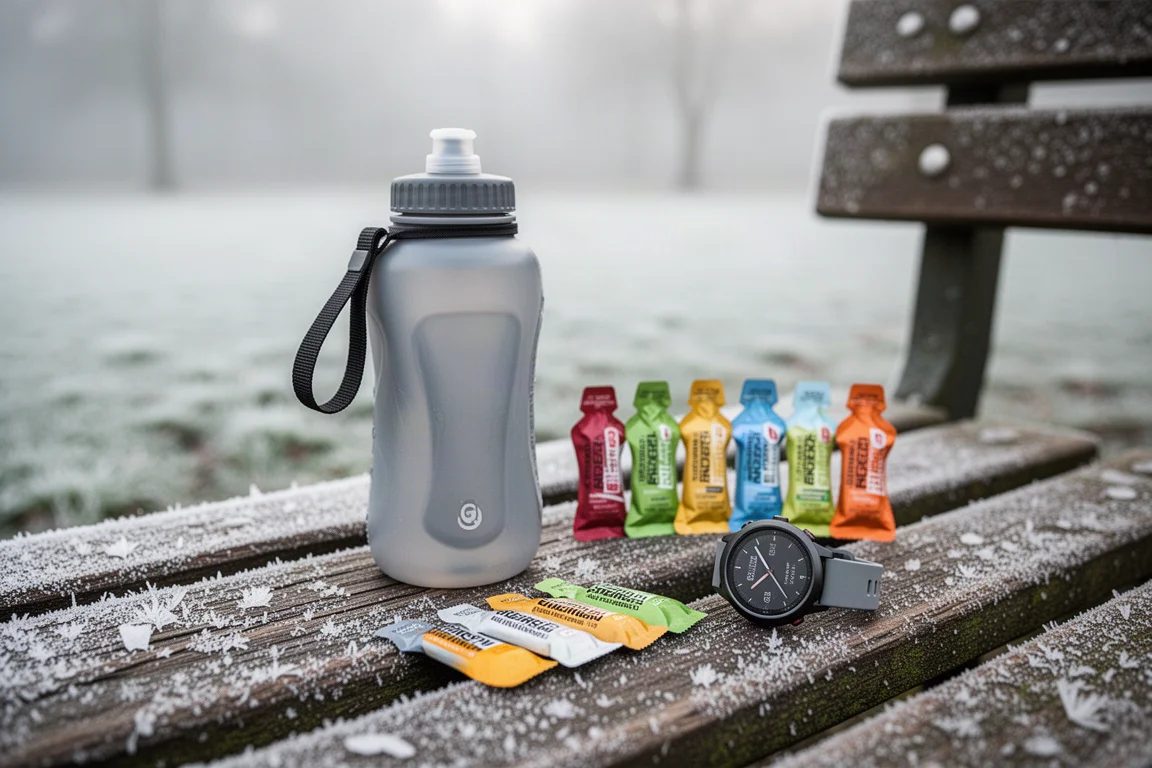
Cold-weather ultras reward preparation, not spending. A reliable trail racer, a sensible layering system, more fuel and water than seems necessary, and gear that disappears on foot will carry you a long way. The Hoka Tecton X3 stood out as the star of this kit, but the real lesson is that a well-planned, moderately priced setup can handle a snowy 50K just fine.
Further reading
Related Reviews
Running Gear
Best Running Caps 2026: Nine Tested Options for Summer and Winter
A comprehensive guide to nine running caps tested across different conditions, from lightweight summer options to waterproof winter choices.
Running Gear
Best Running Caps: A Guide to Summer and Winter Options
A comprehensive review of nine running caps for different conditions, styles, and preferences, from lightweight summer options to waterproof winter choices.
Running Gear
Best Running Gear 2026: Five Picks That Earn Their Place
Five running upgrades covering heart rate, audio, fuelling, carrying and weather protection, with the trade-offs worth knowing before you buy.