Food & Drink
Premium vs Standard Christmas Favourites: 8 Festive Products Put to a Blind Taste Test
Smoked salmon, pigs in blankets, Christmas pudding and brandy butter go head to head. Which premium versions are worth the extra money, and which are not?
Introduction
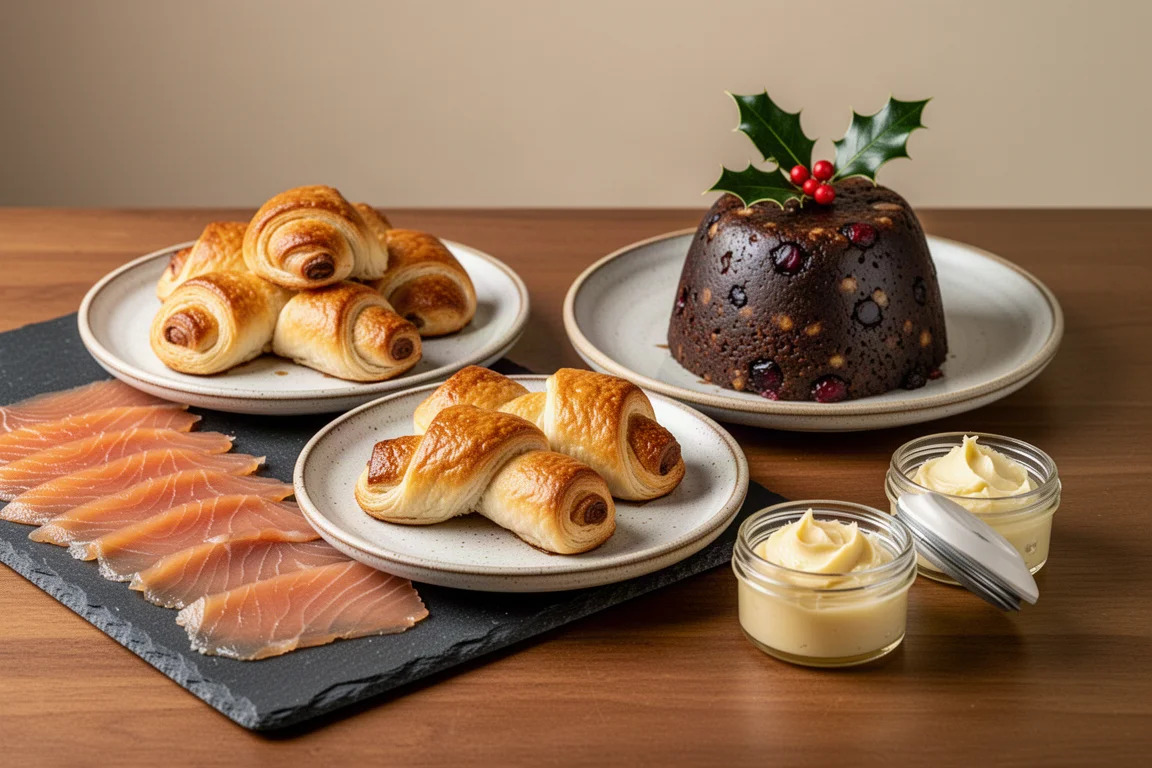
Premium versions of festive classics promise better ingredients and better sourcing, but do they actually taste better? In this blind comparison, two home cooks tasted four classic Christmas pairings, each offered in a premium and a more standard version, without knowing which was which. The results were revealing: some premiums justify their price, some are worth it for values rather than flavour, and some are so simple you are better off making them yourself.
Premium in this format simply means more expensive, and price, sourcing, welfare and taste all come into play when deciding what deserves a place on your Christmas table.
Smoked Salmon: Daylesford Organic vs Ocado Oak-Smoked
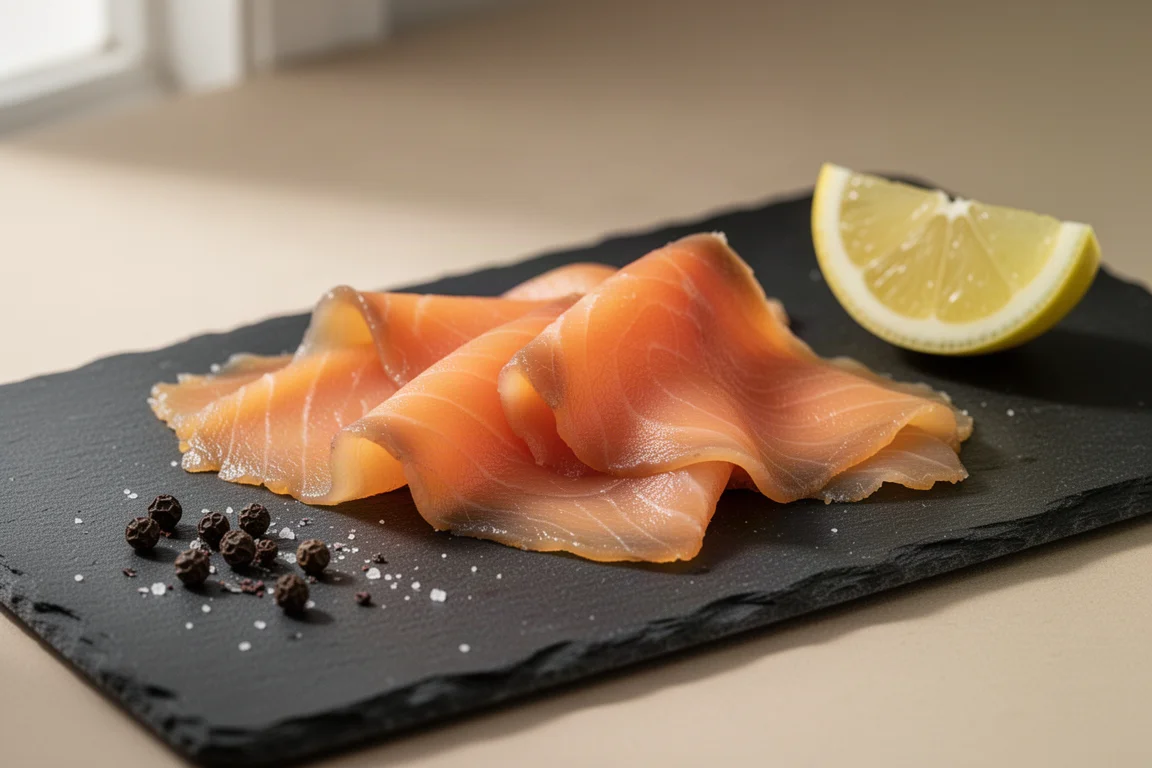
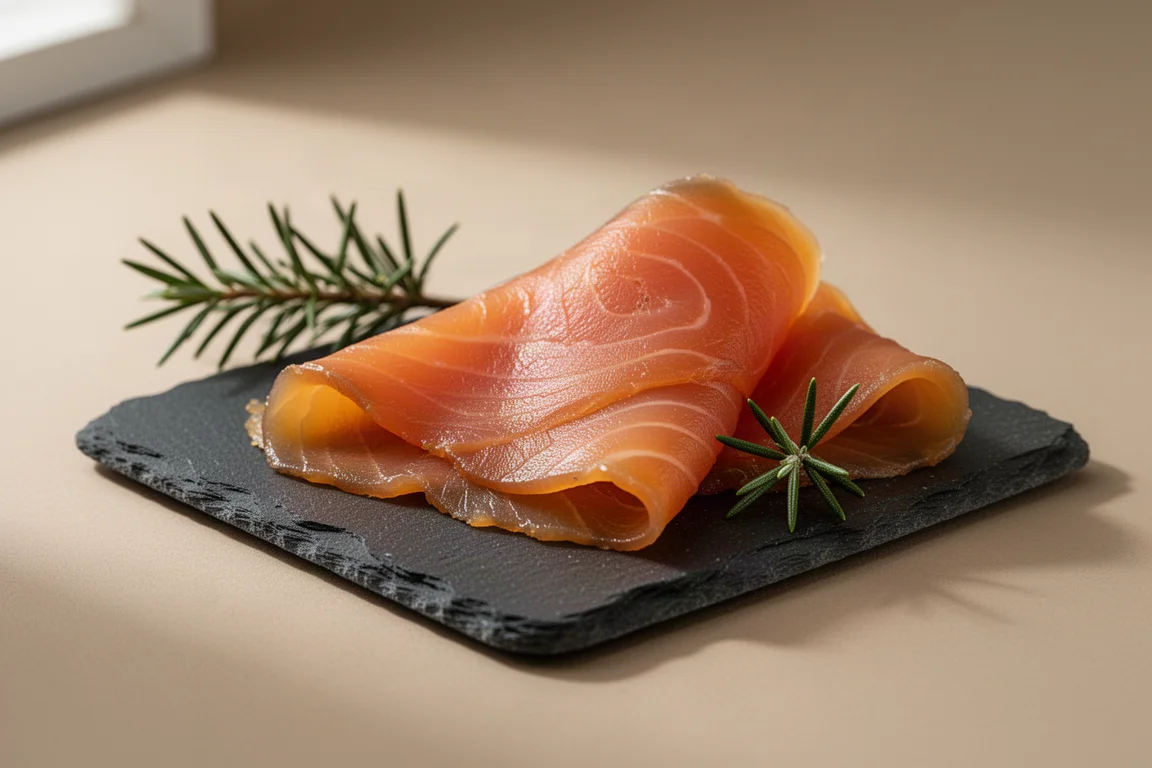
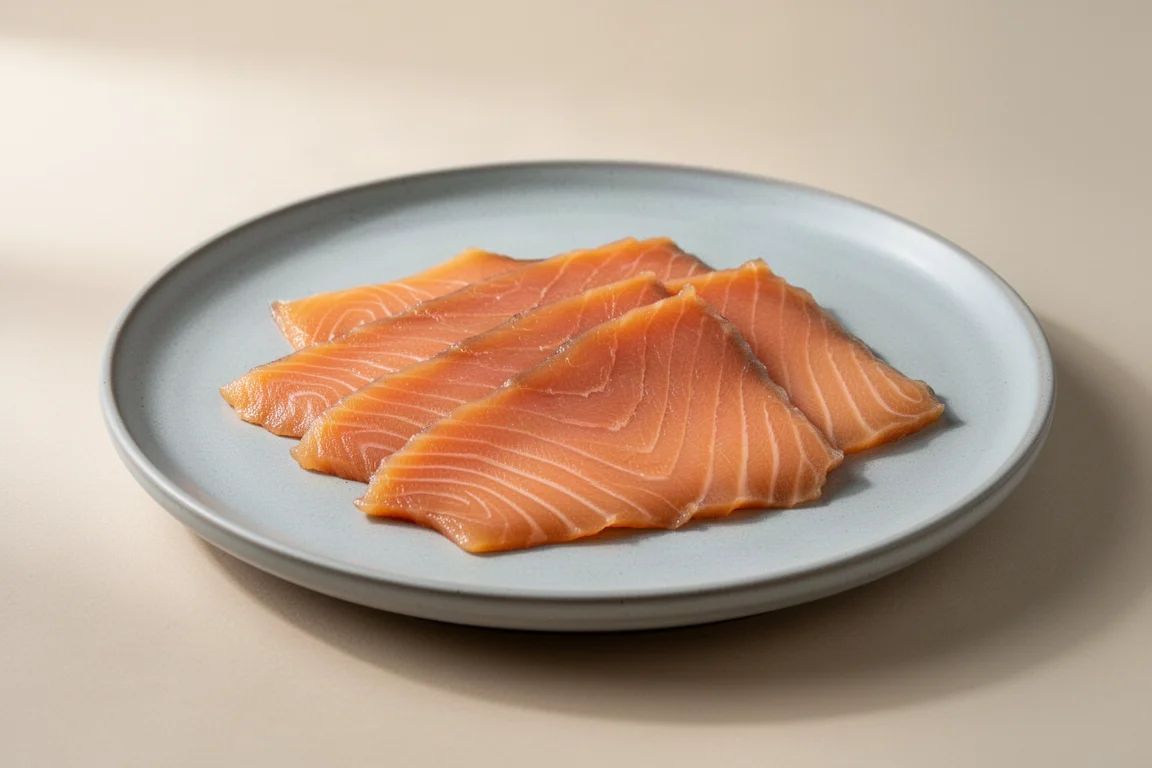
Both options are oak-smoked, and on appearance the difference is subtle, with only a slight variation in colour. On taste, the premium option delivered more smoke, more fish flavour and more bite in the texture.
The premium pick was Daylesford Organic smoked salmon, a brand known for well-sourced ingredients. It is oak-smoked with a little juniper and beech, uses higher-welfare salmon from Northern Ireland, farmed at low densities and fed non-GMO food, and follows what is said to be a 100-year-old recipe, with filleting, curing and smoking all done by hand.
The standard option was Ocado’s oak-smoked salmon, produced and packed in Scotland, Norway or Iceland depending on the time of year, with a standard 3% sugar and salt cure over 97% salmon.
Both tasters correctly identified the premium on taste alone, though one noted the taste difference between the two was not huge. The price gap, however, is significant: the Ocado salmon works out at £32.50 per kilo (£6.50 for a 200g pack), while the Daylesford is more than three times the price at £100 per kilo (£20 for 200g).
When buying any smoked salmon, look for fish that does not look oily or greasy, smells slightly smoky rather than fishy or of ammonia (a sign of an older fish), and a cure of roughly 3% salt and sugar.
Pigs in Blankets: HG Walter vs Sainsbury’s Taste the Difference
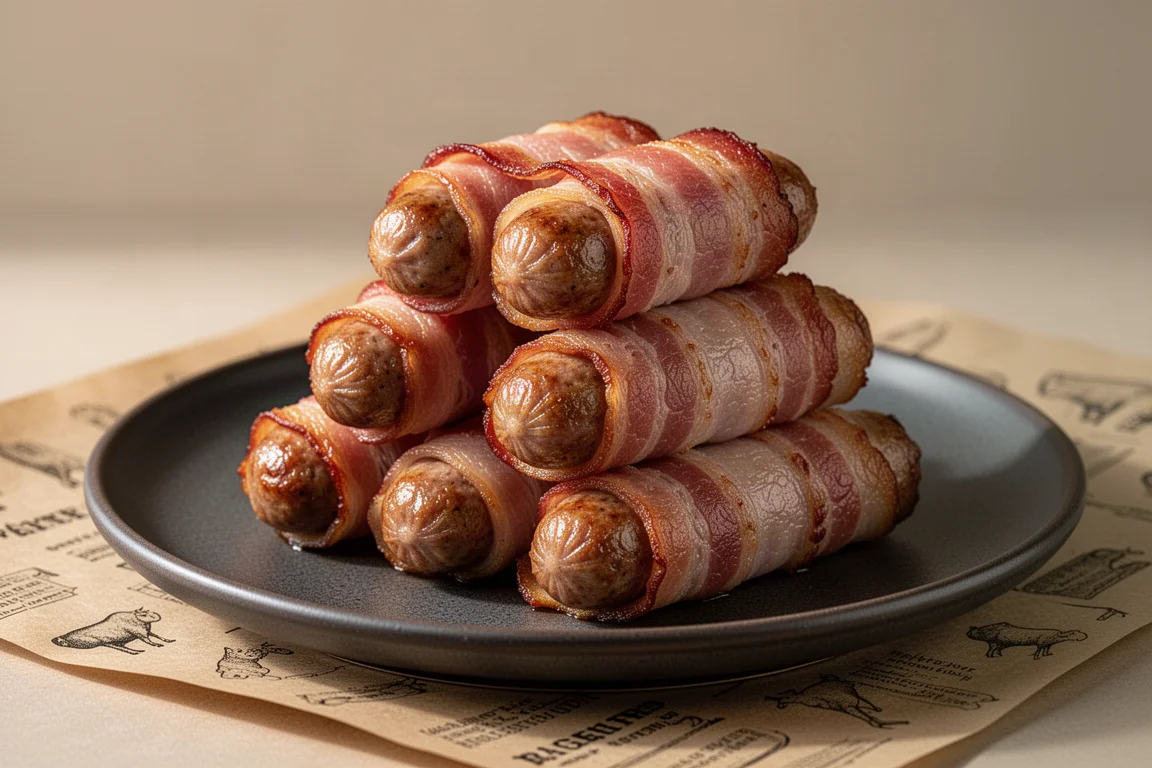
This round produced the biggest surprise: both tasters picked the standard option as the premium. The Sainsbury’s Taste the Difference pigs in blankets, made with outdoor-bred British pork from RSPCA-assured farms and oak-smoked British bacon, tasted more like the pigs in blankets people know and love, with flavour packed in.
The premium option came from HG Walter, an independent London butcher focused on exceptional rearing and butchery. These are made from Hampshire cross Duroc pigs, free range and outdoors their entire lives on a natural diet, with a slightly higher percentage of pork in the sausage and less water. That water content explains why the cheaper option browned less in the pan despite both being cooked at the same time and temperature.
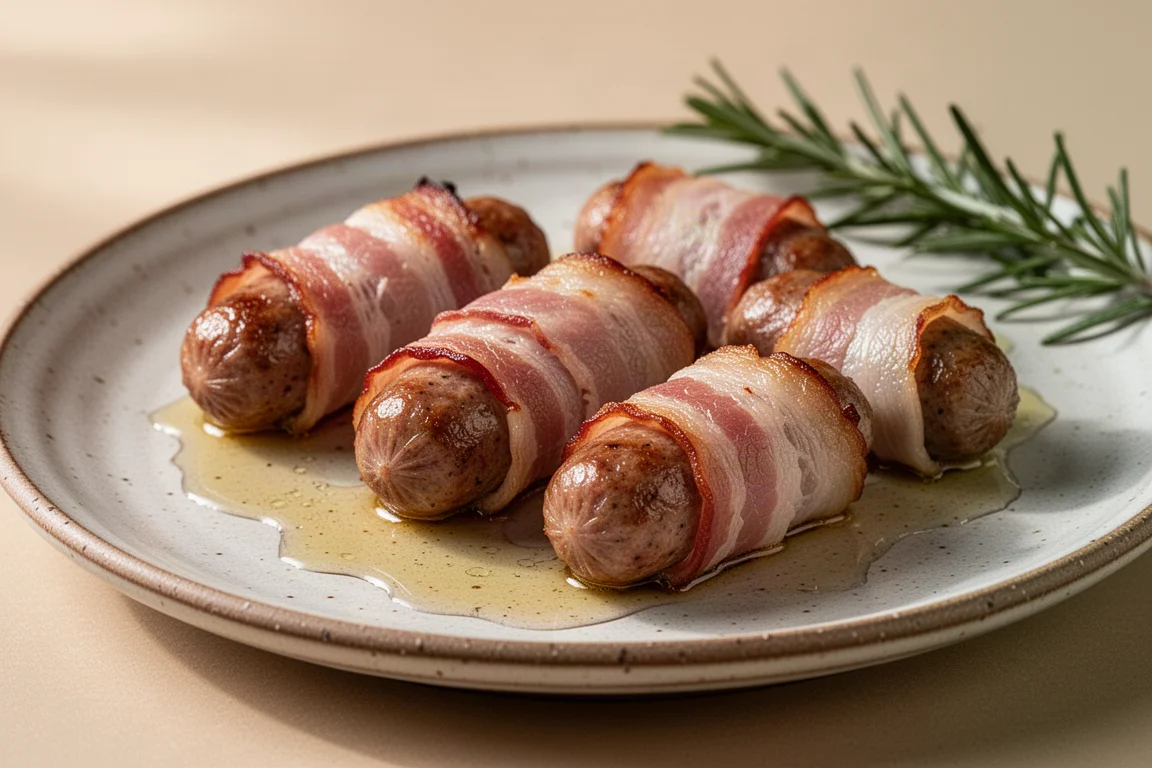
On price the gap is modest: the Sainsbury’s option is £16.70 per kilo (£3.50 per pack) versus £19.71 per kilo (£8.95 per pack) for HG Walter, only about 18% more per kilo. Worth remembering that cheaper pigs in blankets exist too; sausages are traditionally the cheap cuts, usually bulked and seasoned.
The honest takeaway: if nostalgia is what Christmas is about for you, the familiar tasting option may be exactly what you want, and both are solid examples with welfare standards in place.
Christmas Pudding: Waitrose vs Harvey Nichols
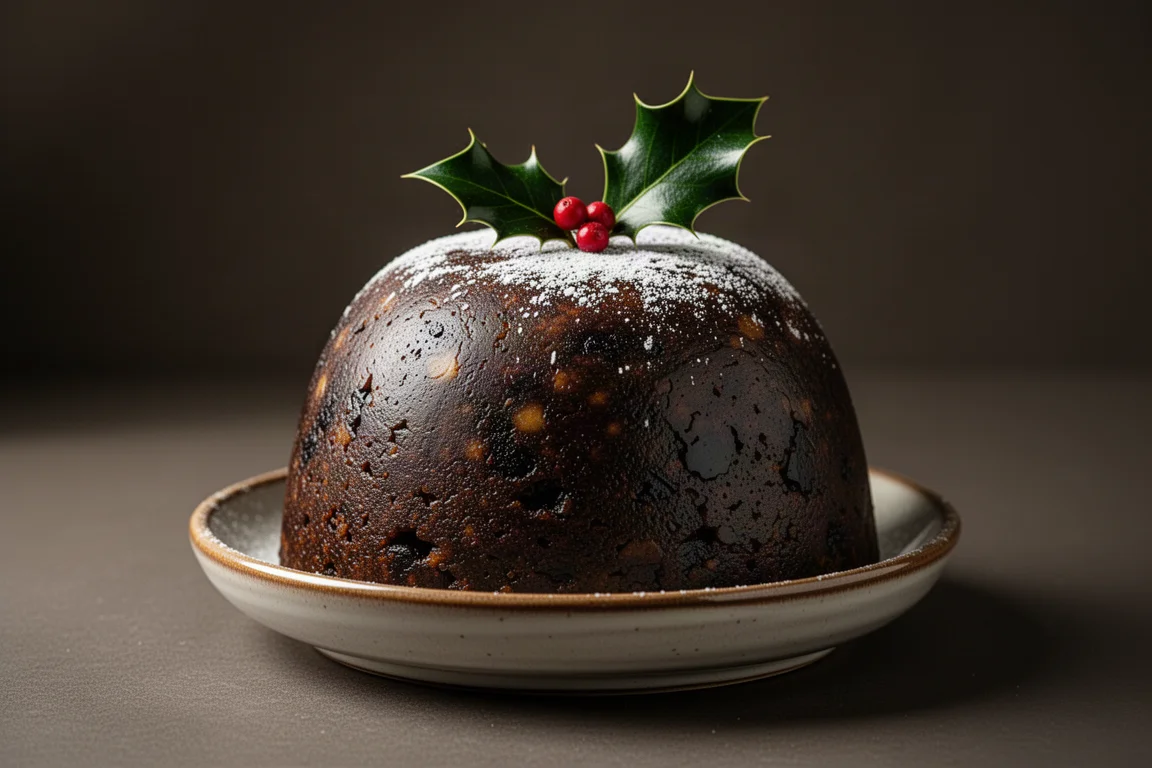
This was the most convincing premium of the test. The Harvey Nichols classically fruity Christmas pudding was gooier, stickier and more indulgent, with visible nuts, candied citrus and cherries, and both tasters said it could convert people who do not usually like Christmas pudding.
It uses less fruit but more nuts than the alternative: pecans, almonds, candied citrus and cherries, plus cider, brandy and an interesting touch of stout. The Waitrose version is no slouch either: six-month matured with 41% vine fruits (currants, raisins and sultanas) and 17% booze across cider, rum, brandy and sherry.
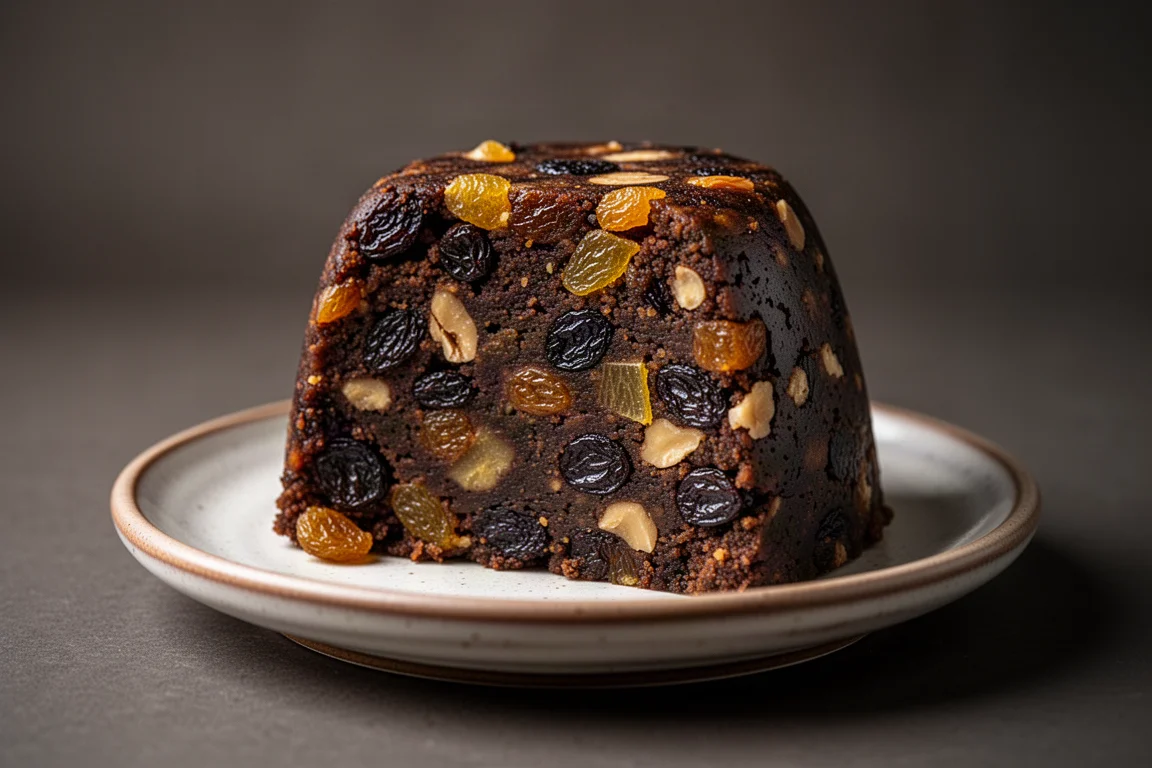
The price difference is nearly threefold: £4 for the Waitrose pudding (£10 per kilo) versus £12.95 for the Harvey Nichols (£28.50 per kilo). The practical advice: if you buy the Harvey Nichols, serve small slivers. It is rich enough that a small taste satisfies, which helps it go further.
If Christmas pudding matters to you and you can allocate budget to it, the premium is worth it. And if you are tempted to make your own, be warned: between expensive dried fruit, nuts and booze, plus hours of steaming and regular feeding, it is not necessarily much cheaper.
Brandy Butter: Tiptree vs Forman & Field
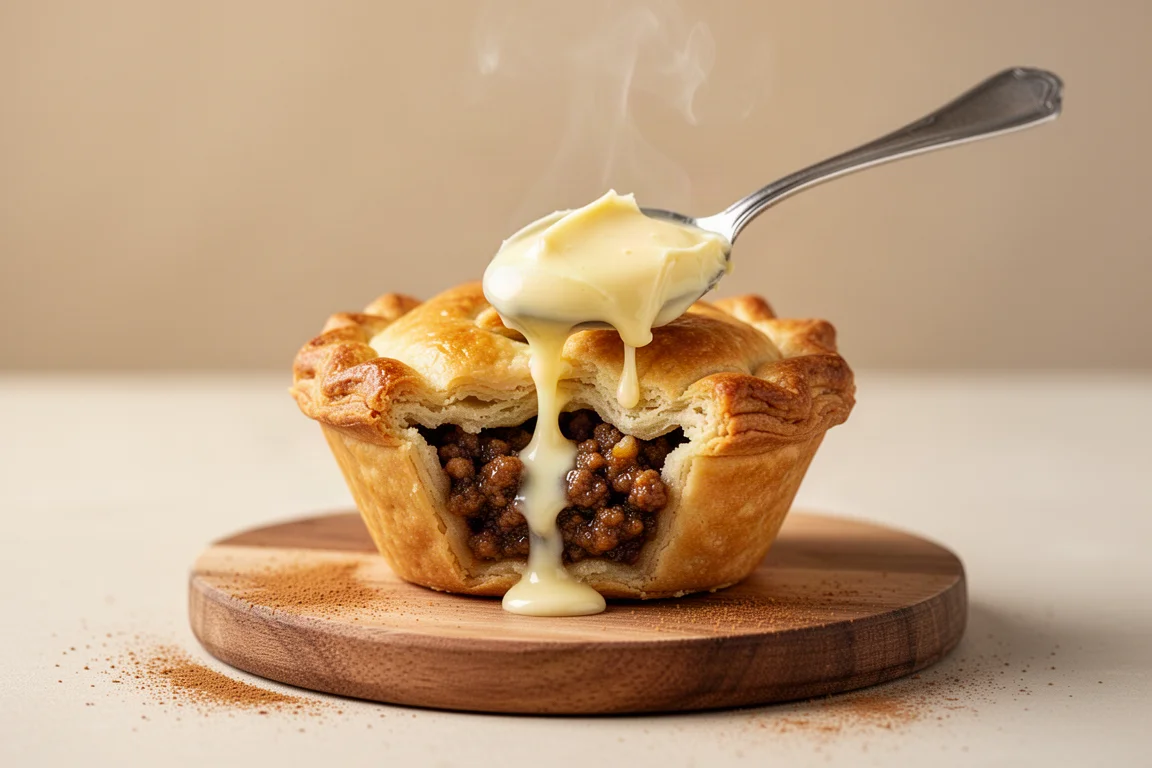
The final round compared two brandy butters served on identical M&S mince pies, and the two were described as worlds apart.
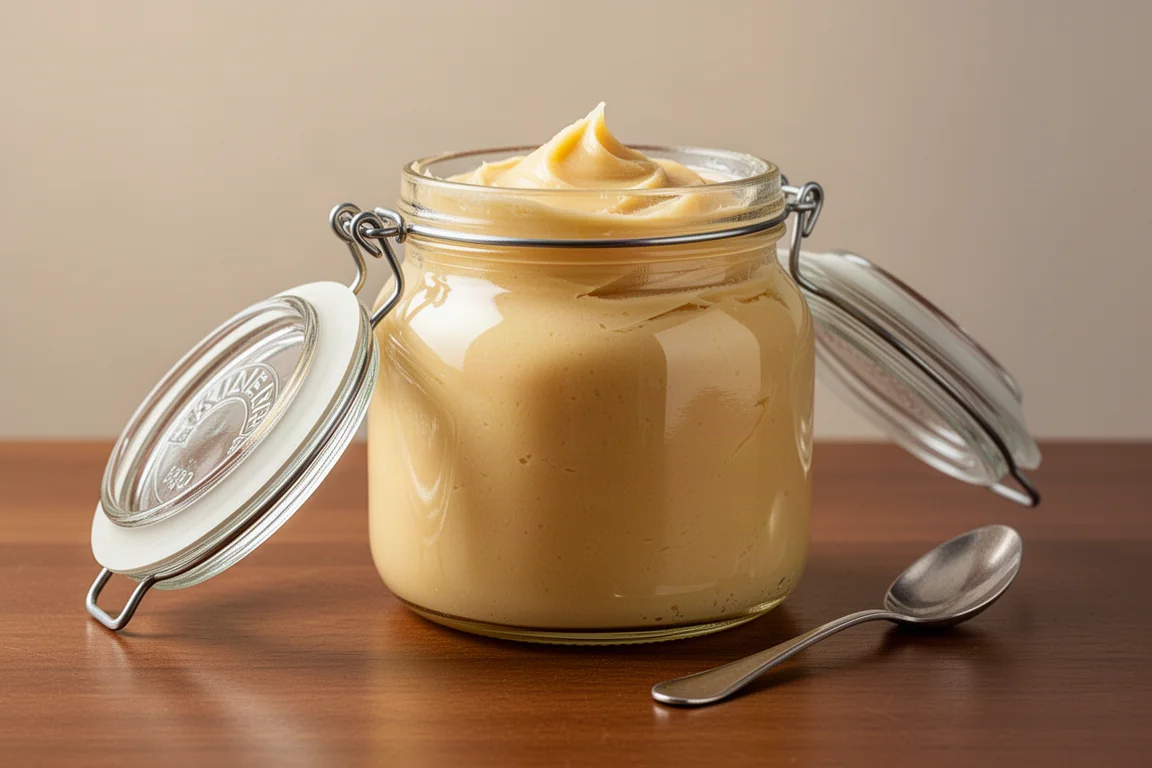
The premium pick, and the one both tasters chose, was Forman & Field, a brand known for sourcing great quality British Isles produce. Made in London, it lists butter as the first ingredient followed by icing sugar, giving a smooth, fine consistency, with four ingredients including bourbon vanilla that adds noticeable nuance. The tasters described it as strong on brandy, smooth in texture, with a fruity, almost curd-like quality.
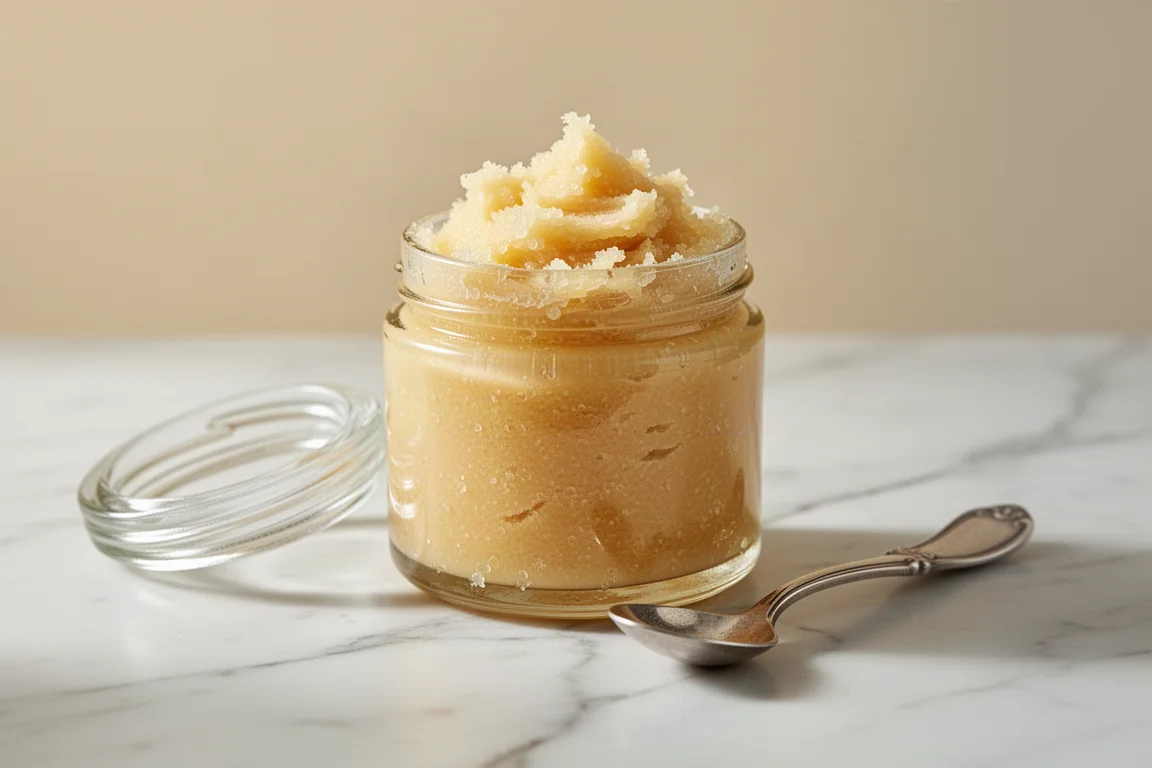
The Tiptree version, a British brand made in Essex, uses just three ingredients: butter, sugar and brandy. But sugar is listed first, butter second, with 11% brandy, and it came across as crystallised, more like sweetened butter than a nuanced brandy butter.
Price-wise, the Tiptree jar is £3.70 (£2.18 per 100g), while the larger Forman & Field Kilner jar is £10.95 (£4.86 per 100g), just over twice as expensive. If brandy butter is your thing, Forman & Field was called outstanding. But the honest verdict is that brandy butter is easy to make yourself: quality butter, icing sugar, brandy and vanilla get you close for far less, especially if you already have the brandy and vanilla in the house.
View more details for Forman & Field Brandy Butter
Buying Advice: When Is Premium Worth It?
Across all four rounds, a pattern emerged. The Christmas pudding premium delivered a clear taste difference worth paying for if pudding matters to you. The smoked salmon premium delivered a subtle flavour edge but is really about sourcing and welfare values. The pigs in blankets premium won on welfare and meat content, yet the cheaper option won on nostalgic flavour. And brandy butter is arguably best made at home.
The most useful approach: pick your battles. Decide which one or two items on your Christmas table genuinely matter to you, spend there, and save everywhere else. Christmas is a decision-heavy month, and everything feels expensive when you try to upgrade all of it at once.
Conclusion
Blind tasting strips away packaging and price tags, and what remains is honest: sometimes the premium earns its place, sometimes it does not, and sometimes the supermarket standard tastes exactly like the Christmas you remember. Buy the best you can afford where it counts, and enjoy the rest without guilt.
Further reading
Related Reviews
Food & Drink
Best Plant-Based Burgers From Major Chains: Six Options Rated
Six plant-based burgers from KFC, Leon, McDonald's, Burger King, Shake Shack, and Honest Burgers put to the taste test to see which fast-food options are actually worth ordering.

Food & Drink
Best Dark Chocolate for Less Sugar: Four Picks From 60% to 90%
Four dark chocolates that deliver more cacao and less sugar, from an everyday baking bar to an intense 90% pick.
Food & Drink
Four Kansas City Barbecue Sauces Worth a Spot on Your Table
We compare four very different Kansas City style barbecue sauces, from a classic sweet supermarket staple to three landmark restaurant sauces you can order online.