Food & Drink
Four Festive Ingredients Tested: Which Ones Earn a Place on the Christmas Table
A seasoning dust, a Christmas ale, a sprout ketchup, and a savoury panettone go under the spotlight to see which festive buys are worth your money.
Introduction
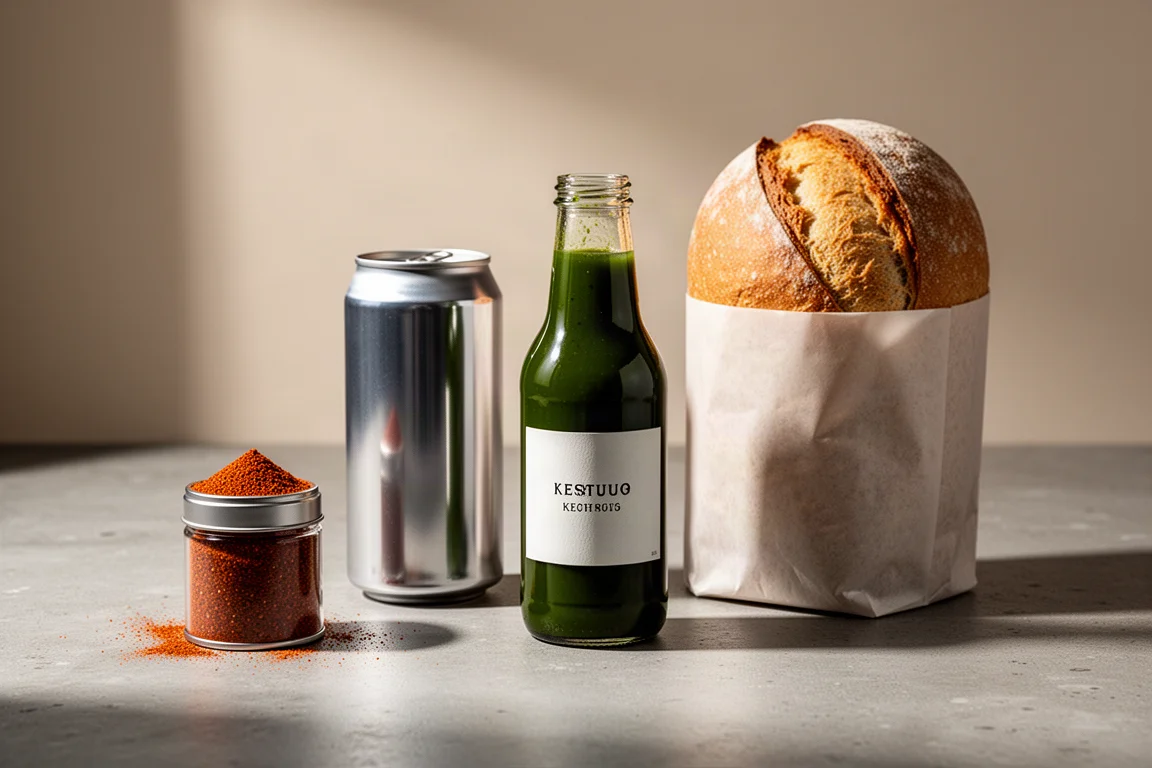
Festive food products love to promise a magical Christmas upgrade, but not all of them deliver. We put four seasonal buys to the test: a seasoning dust for pigs in blankets, a Christmas ale, a ketchup made from Brussels sprouts, and an Italian savoury panettone. Here is how each one stacks up, and whether it deserves a spot on your Christmas shopping list.
Ross and Ross Pigs in Blankets Dust
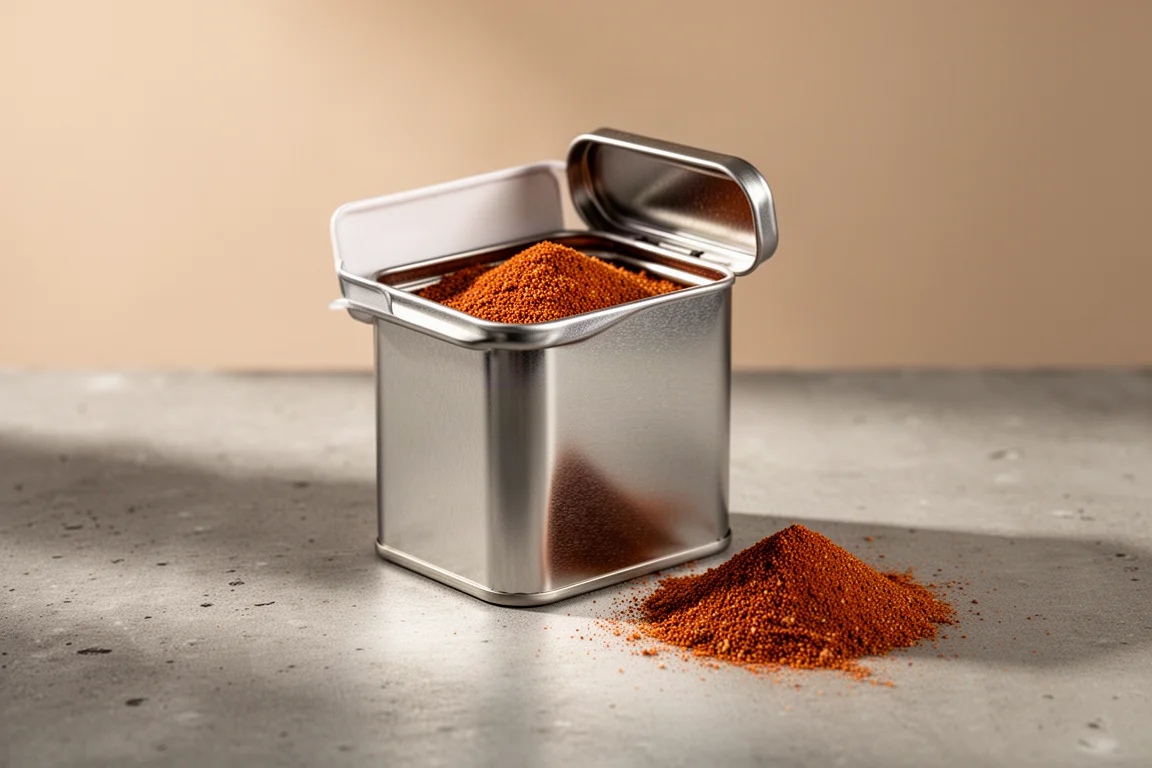
Ross and Ross markets this as the way to create “the ultimate pigs in blankets,” a sweet, smoky, and spicy dust that turns the classic side dish into the star of the plate. The blend includes several dried chillies, with the smokiness likely coming from paprika, chipotle, or guajillo chilli.
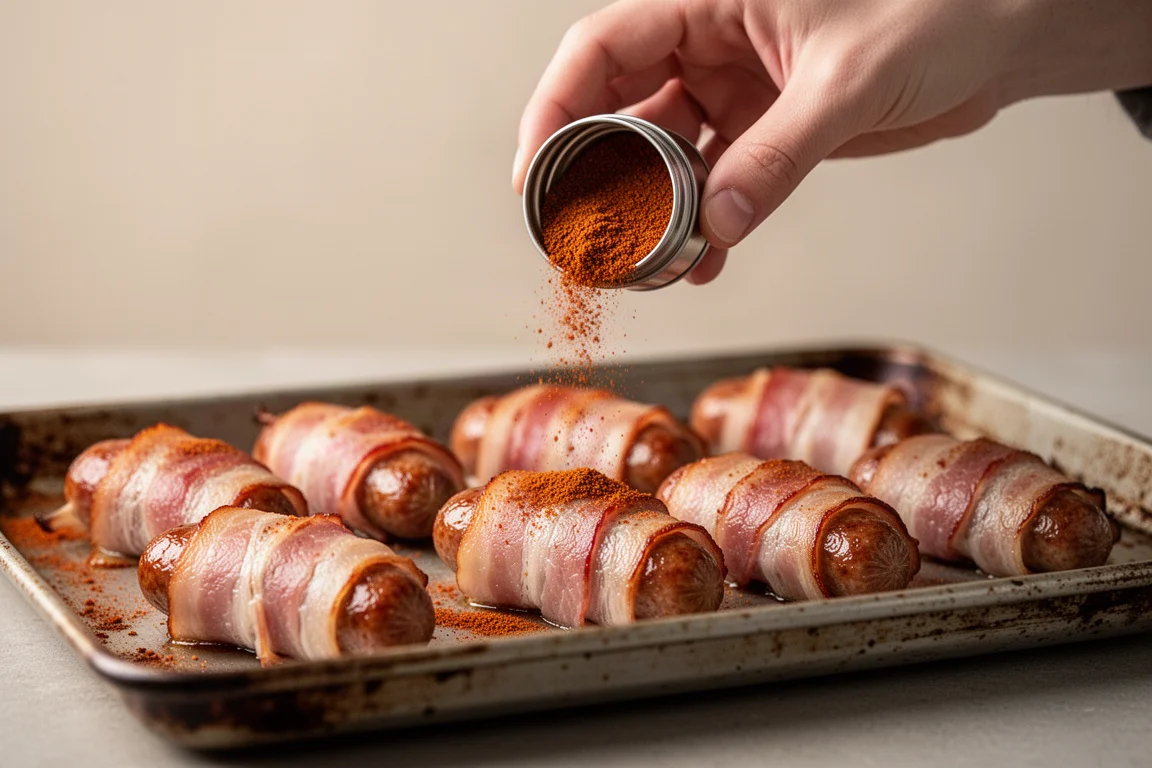
In practice, the verdict was mixed. The dust definitely does something to bacon-wrapped sausages, adding a smoky layer, but it slightly takes away from the sausage and bacon flavour rather than enhancing it. The general feeling is that pigs in blankets are already delicious and are the highlight of the Christmas dinner, not the thing that needs lifting. This blend makes far more sense on a pork belly, a big roasting joint, or everyday barbecue-style cooking, and Ross and Ross themselves note it also works on roasted root veg, corn, or even the rim of a margarita. At around £4.25, it is a lot of money for spices, but it is a genuinely tasty blend that fits nicely into a mixed spice rack, just perhaps not on pigs in blankets.
Fortnum and Mason Christmas Ale
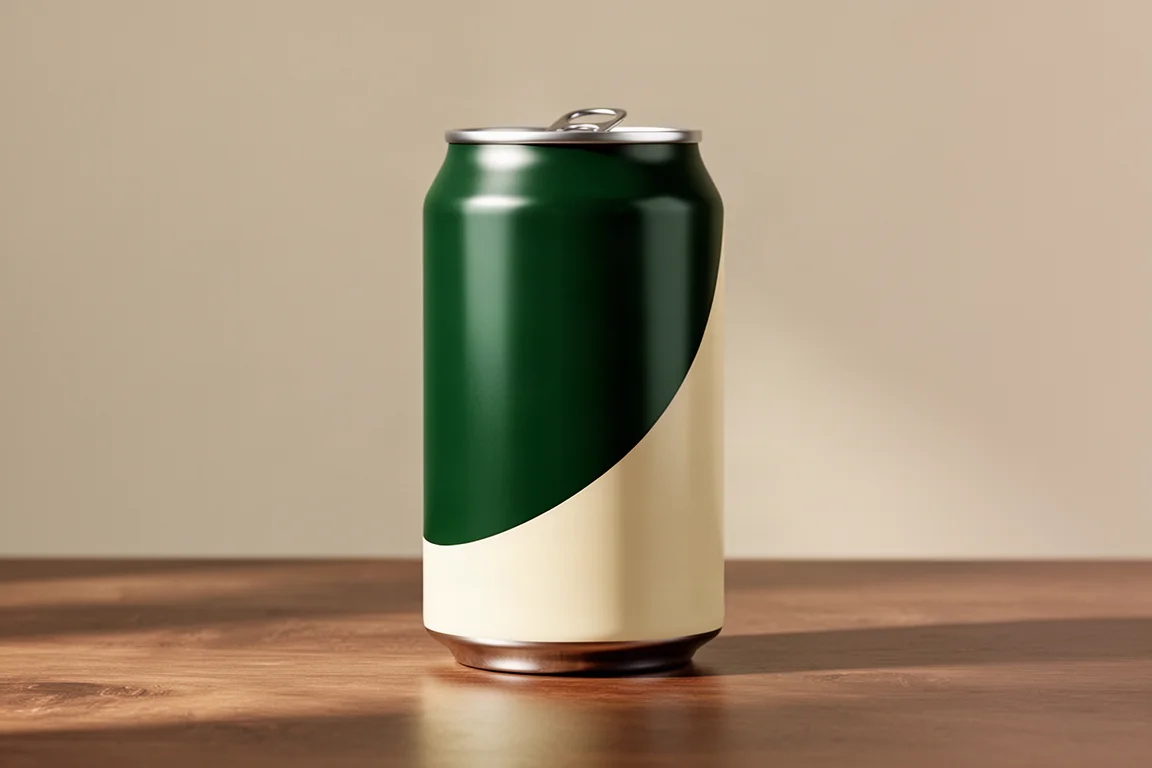
This one raised eyebrows at first sniff, because it smells like beer rather than a festive soft drink. It is indeed an ale, made with six Kent-grown hops by Westerham Brewery, a multi-award-winning brewery in Kent, and marketed under the Fortnum and Mason name. The description promises sweet caramel and roasted nut notes, and it is suggested as a pairing for savoury treats like cranberry-topped pork pie and Christmas scotch eggs.
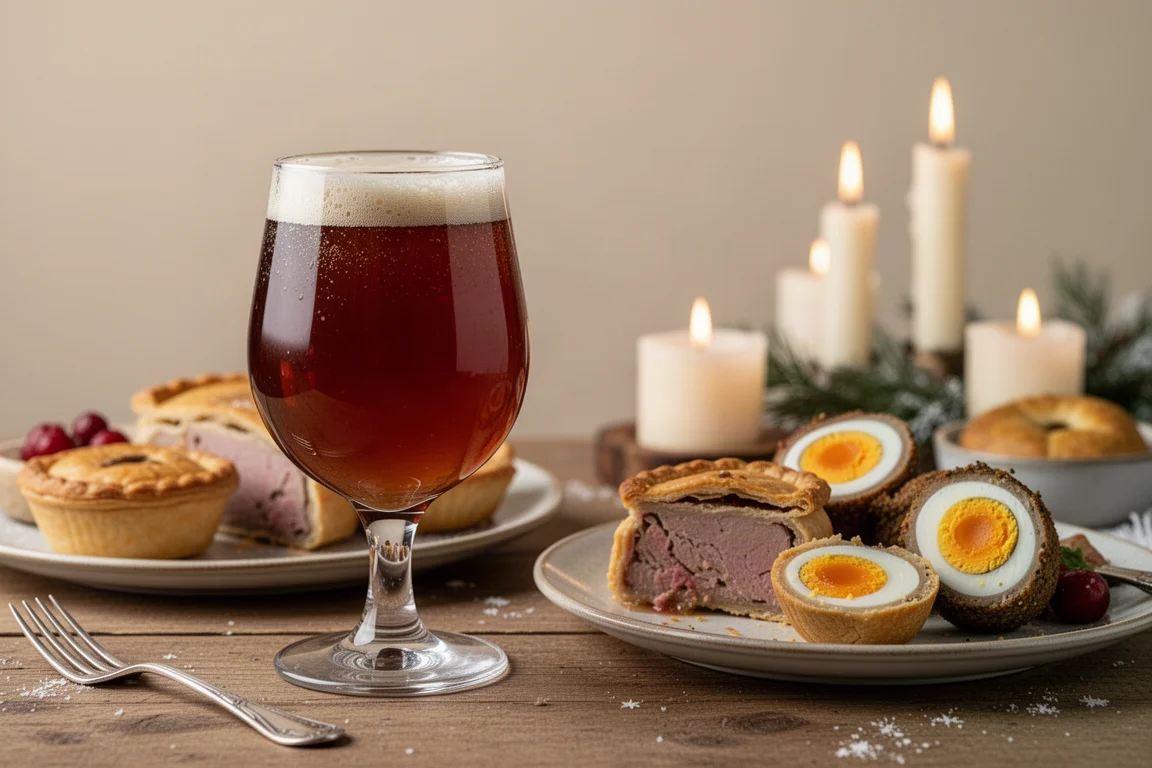
An important point of context: Christmas ale is an actual beer category, typically above 7% ABV, brewed a few months before Christmas so it is at its best for the season, and generally well-rounded rather than heavily spiced. Judged on that basis, this one delivers. It is warming, deeper than a lager, with genuine caramel and nutty character and noticeable chocolate malt. It is absolutely drinkable, though it will not be everyone’s beer of choice. The catch is price: six cans came to £18, a classic Fortnum and Mason premium. It is a fair price for good-quality ale from an award-winning brewery, but it could honestly be any well-made winter ale.
Sauce Shop Brussels Sprout Ketchup
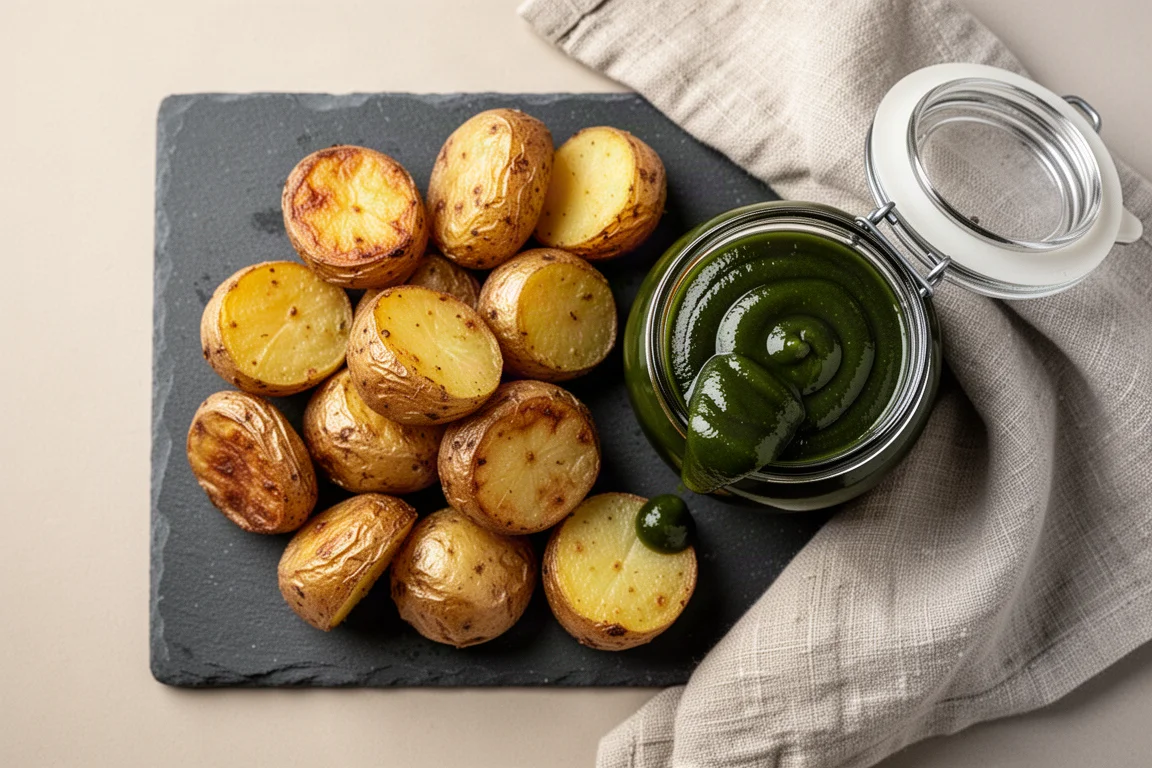
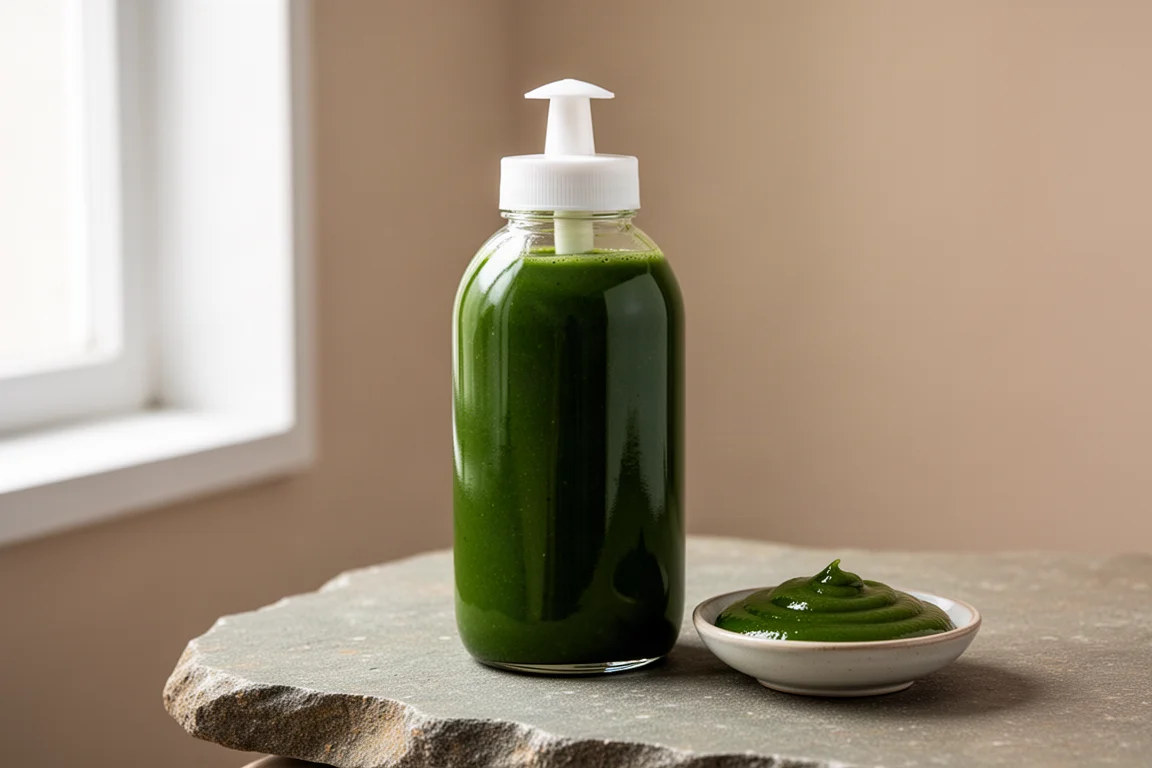
Of the four, this was the pleasant surprise. Sauce Shop’s Brussels sprout ketchup went on presale last year and sold out three times as it went viral, and it is made in small batches with no added thickeners and only necessary ingredients. It is genuinely sprout-based too: 61% of it is actual sprouts.
The flavour impressed. It is genuinely tasty, smells vegetal and fruity, and tastes clearly of Brussels sprouts, in a good way. Some detected brown sauce vibes, and it was flagged as gorgeous in a bacon sandwich. The brand’s claim that even sprout haters will enjoy it held up: it has sprout character without the divisive sproutiness that puts people off. Around Christmas time, with endless bacon sandwiches and turkey leftovers on the menu, this is a genuinely useful alternative ketchup, great with cold roast potatoes or alongside turkey and roasties. At £3.49, the price is easy to live with, and the branding is the first of the bunch that actually feels Christmasy.
Lazzaroni Pizzattone
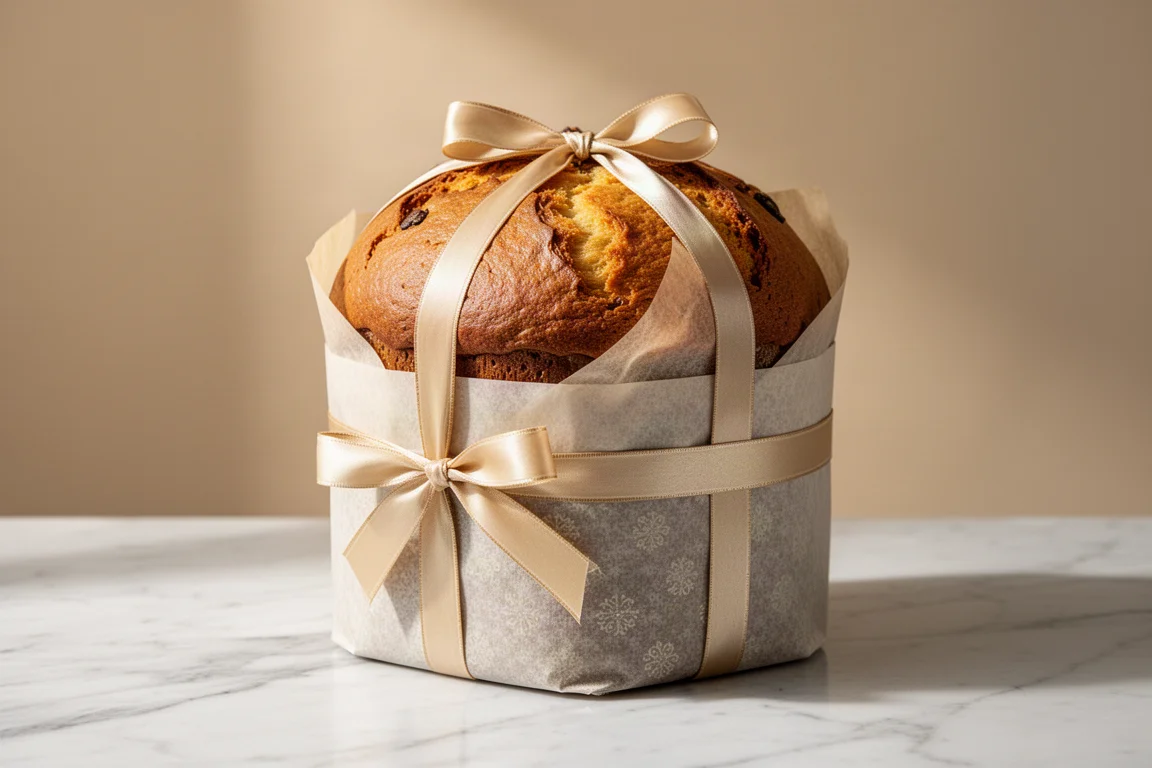
The boldest idea of the four: a savoury panettone. Lazzaroni, an Italian company in business since 1848 and known for its confectionery, describes the Pizzattone as a blend of rich, buttery panettone texture with the savoury goodness of pizza, ideal for festive gatherings or as a gift. It looks convincingly like a chocolate panettone, smells strongly of sun-dried tomatoes, and uses a traditional recipe and method as its starting point.
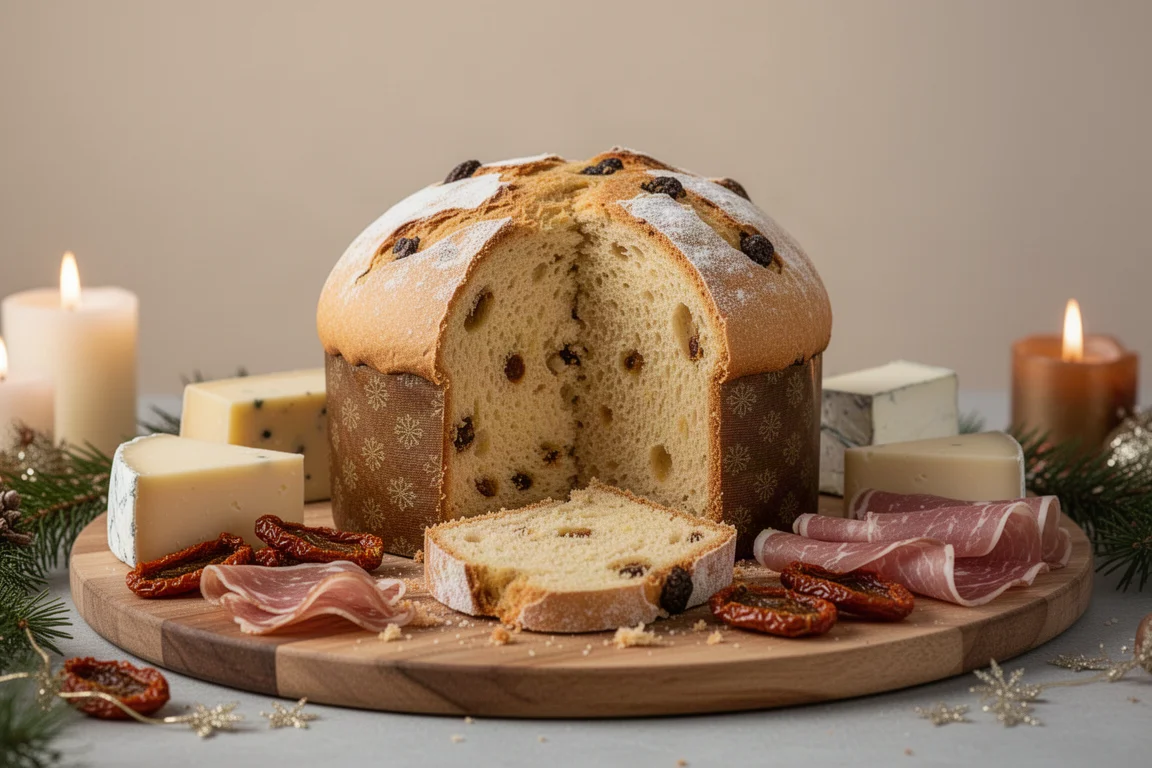
The eating experience did not match the promise. There is no filling, just flavouring, and the dominant note was salt rather than pizza. It loses much of what makes an enriched brioche-style dough good in the first place, and it is neither Christmasy nor convincingly pizza-like on its own. The suggested uses are more forgiving: served on a Christmas sharing board with cheese and charcuterie, or toasted as a base for sandwiches where added fillings pull away from the saltiness. The real problem is price. At £35, it costs a massive premium over what a savoury pizza bread would cost on a supermarket shelf, and it does not feel like a festive centrepiece the way a real panettone does. As a novelty gift it has some appeal, but expectations of a pizza-panettone experience will end in disappointment.
Overall Buying Advice
Two clear patterns emerge. First, products that simply rebrand a regular item as Christmasy, like the seasoning dust and the savoury panettone, set expectations they cannot meet. Second, products that genuinely build a festive ingredient into the recipe, like the sprout ketchup, or that fit an established seasonal category, like the Christmas ale, fare much better. If you want a fun festive buy with real everyday use, the Sauce Shop ketchup is the strongest pick. The ale is worth it if you appreciate a proper winter ale and accept the premium. The dust is best treated as a versatile smoky barbecue-style seasoning rather than a pigs in blankets topping, and the Pizzattone is one to skip unless you are buying purely as a conversation-starter gift.
Conclusion
Not every festive ingredient needs to reinvent the classics. The ketchup proved that leaning into a divisive ingredient can genuinely work, while the expensive savoury panettone showed that a clever idea and a big price tag do not guarantee a good product. Shop for flavour and use case first, and let the Christmas branding be a bonus rather than the reason to buy.
Further reading
Related Reviews
Food & Drink
Best Plant-Based Burgers From Major Chains: Six Options Rated
Six plant-based burgers from KFC, Leon, McDonald's, Burger King, Shake Shack, and Honest Burgers put to the taste test to see which fast-food options are actually worth ordering.

Food & Drink
Best Dark Chocolate for Less Sugar: Four Picks From 60% to 90%
Four dark chocolates that deliver more cacao and less sugar, from an everyday baking bar to an intense 90% pick.
Food & Drink
Four Kansas City Barbecue Sauces Worth a Spot on Your Table
We compare four very different Kansas City style barbecue sauces, from a classic sweet supermarket staple to three landmark restaurant sauces you can order online.