Flashlights
Fenix PD40R Version 3 Review: A Serious Throw Upgrade With a Dial That Finally Works
The PD40R Version 3 keeps the 3,000-lumen output of its predecessor but adds 95 meters of throw, an SOS mode, and a redesigned mechanical dial that makes mode selection effortless.
Introduction
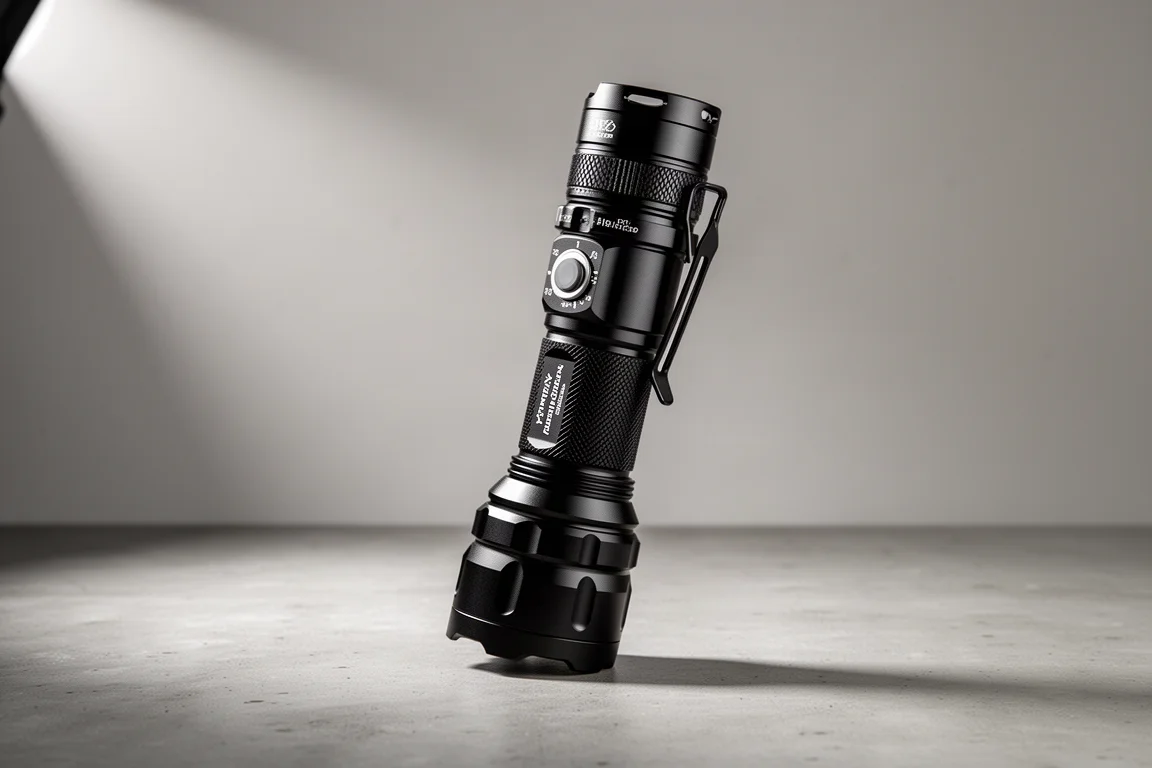
The Fenix PD40R Version 3 is a meaningful refresh of a flashlight we have long considered a solid all-rounder. The headline output stays at 3,000 lumens, but Fenix has stretched the maximum throw from 405 meters to 500 meters, added an SOS mode, and completely redesigned the mechanical mode dial that defines this light. The result is a bigger, slightly heavier flashlight that, on balance, earns its place as the better pick.
What You Get in the Box
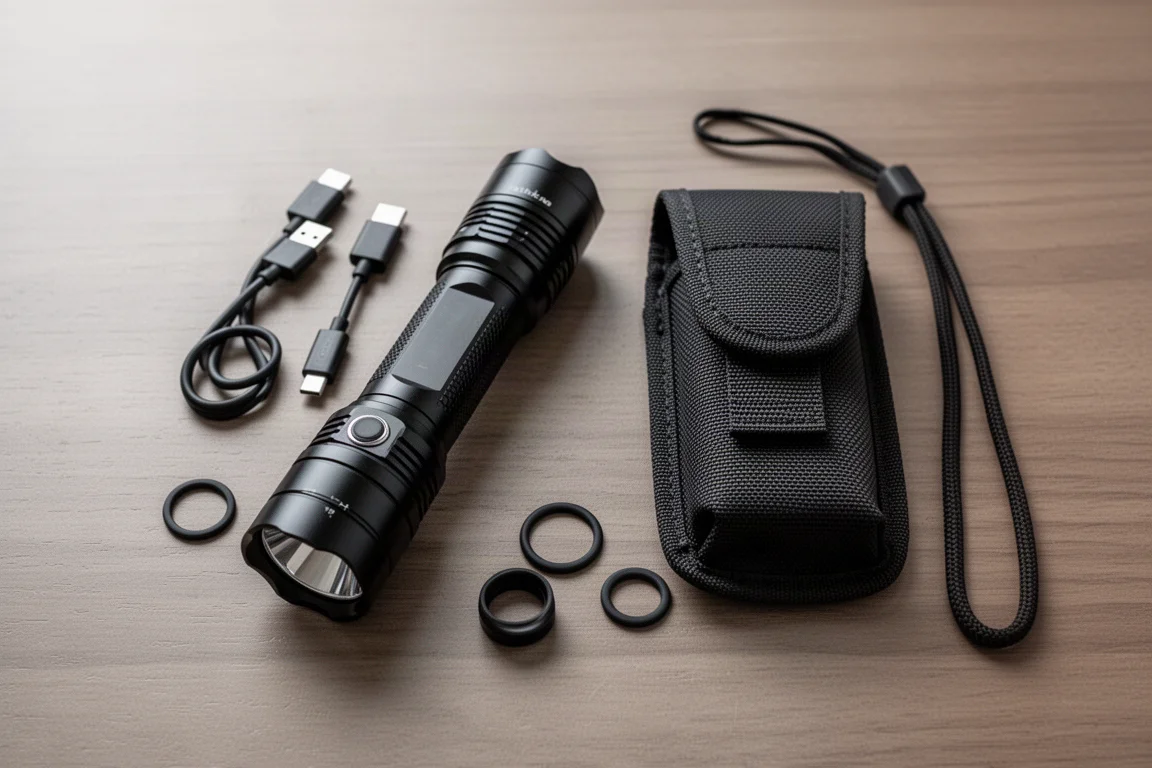
Inside the box you get the flashlight itself, a nylon holster, spare O-rings, a lanyard, a Type-A to Type-C charging cable, and the usual documentation. It also ships with a Fenix-branded 3.6V 5,000mAh 21700 rechargeable lithium-ion battery, which can be charged inside the body via the USB Type-C port or slot-charged externally if you prefer.
Specs and Output
The PD40R Version 3 pushes its 3,000 lumens through a single Luminus SFT70 LED with an approximate 50,000-hour lifespan and a color temperature around 6,500K. Maximum intensity is 60,954 candela, and the body is aluminum with a type III hard anodized finish. It carries an IP68 dust and waterproof rating, a one-meter impact resistance rating, a boot-up battery level indicator, and a limited lifetime guarantee from Fenix.
The four brightness modes plus two special modes break down like this:
- Low: 30 lumens, 50-meter throw, 89 hours of runtime
- Medium: 350 lumens, 175-meter throw, 8 hours 30 minutes of runtime
- High: 1,000 lumens, 300-meter throw, 3 hours 10 minutes of runtime
- Turbo: 3,000 lumens, 500-meter throw, 2 hours 40 minutes of runtime
- SOS: 350 lumens
- Strobe: 3,000 lumens
Mode spacing from 30 to 350 to 1,000 to 3,000 lumens is reasonable, though we would love to see something in the 2,000-lumen range between high and turbo. We are also not thrilled that SOS runs at only 350 lumens; in a genuine emergency, a brighter SOS would be far easier for rescuers to spot.
Size and Weight Compared to Version 2
The Version 3 measures 5.63 inches long with a 1.34-inch head diameter and a 1.02-inch body diameter, and it weighs 7 ounces (198 grams) with the battery installed. That is noticeably larger and heavier than Version 2, which came in at 5.4 inches long, a 1.3-inch head, exactly a 1-inch body, and 6.6 ounces. The longer body exists because the emitter sits deeper in the reflector to achieve the longer throw, so the size increase is a fair trade-off, but you will feel the difference if you hold both versions side by side.
The Redesigned Mechanical Dial Steals the Show
The biggest upgrade here is the mechanical dial. On Version 2, the smooth dial became genuinely awkward to turn with sweaty hands or while wearing gloves. Version 3 adds vertical slots all the way around the dial, which makes it effortless to rotate no matter the conditions.
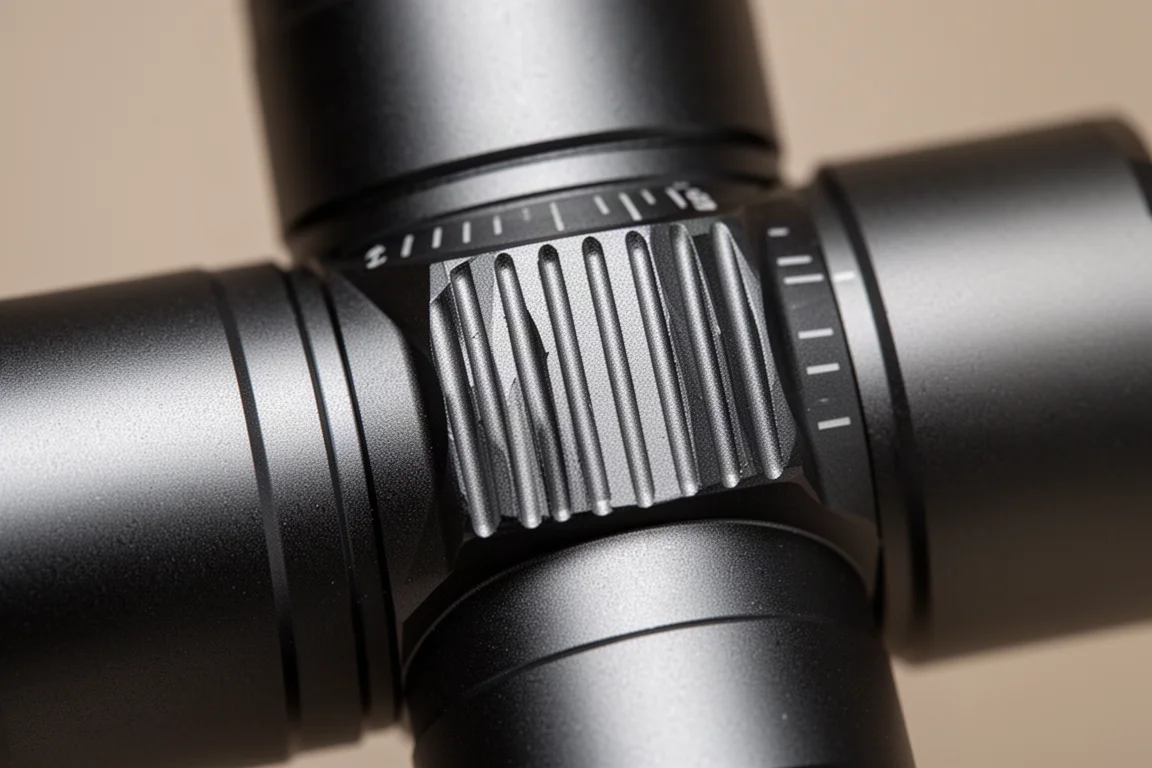
Fenix also added a hard stop between Turbo and SOS, so you can find Turbo by feel every single time instead of counting identical clicks. That one detail completely resolves our old complaint about the light lacking a tail switch. Want instant Turbo? Twist the dial to Turbo, click the light on, and you are there. No cycling through modes. The user interface genuinely does not get simpler than this: one dial, one click at a time, and a satisfying hard stop separating the special modes.
Real-World Beam Impressions
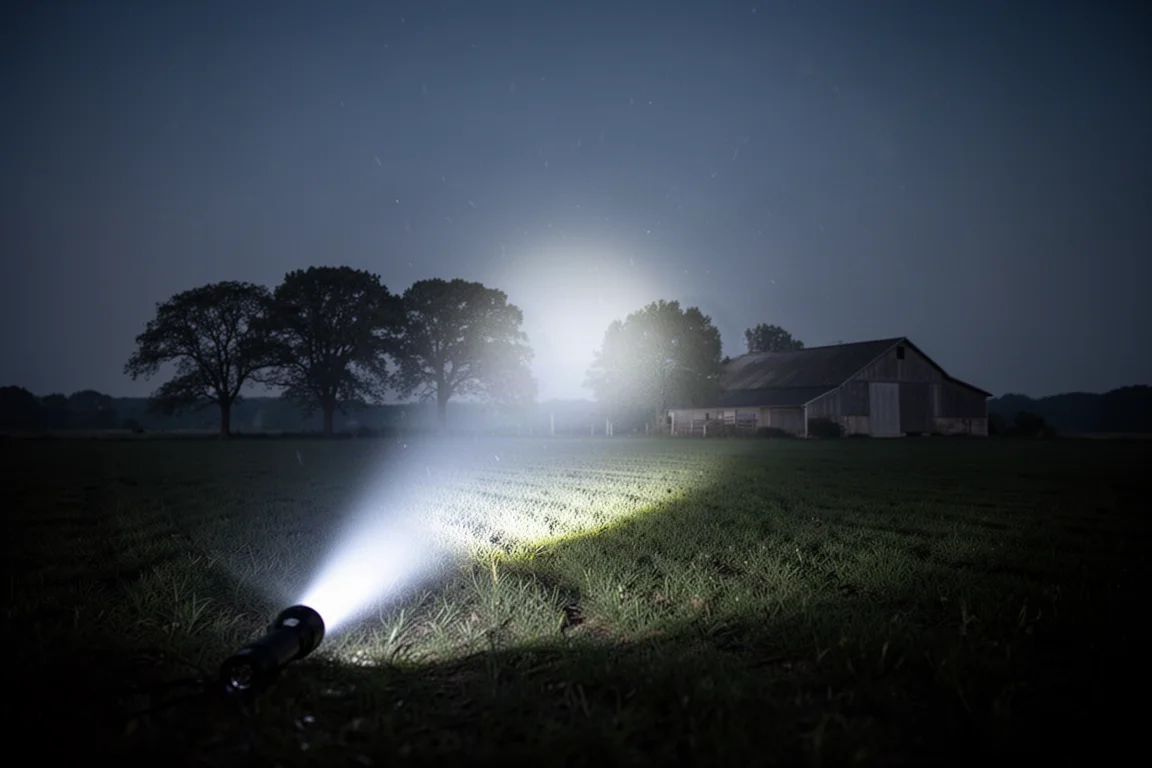
Out in the field, the beam profile is cool white with a crispy, well-defined hotspot and a fairly tight perimeter. This is not a floody light, and it is not a dedicated thrower either; it sits comfortably between the two. The 500-meter maximum throw is enough to pick out trees and buildings at a serious distance, and the 350-lumen medium and 1,000-lumen high modes both look very usable for everyday outdoor tasks.
Heat and Turbo Step-Down
Turbo on a 3,000-lumen light gets warm, and the PD40R Version 3 is no exception. After two minutes on Turbo, the head measured 127°F and the body 112°F, with the dial itself peaking around 129°F because it sits right next to the heat sink. That is hot enough that gloves are wise if you are touching the head for extended periods, but it is not dangerous territory, and the temperature seems to plateau around those levels.
As with nearly all lights in this class, the claimed 2-hour 40-minute Turbo runtime reflects a step-down curve: the output starts at 3,000 lumens and drops almost immediately, then tapers as the battery drains. Turbo is best treated as a burst mode rather than a sustained setting.
Everyday Design Details That Still Hold Up
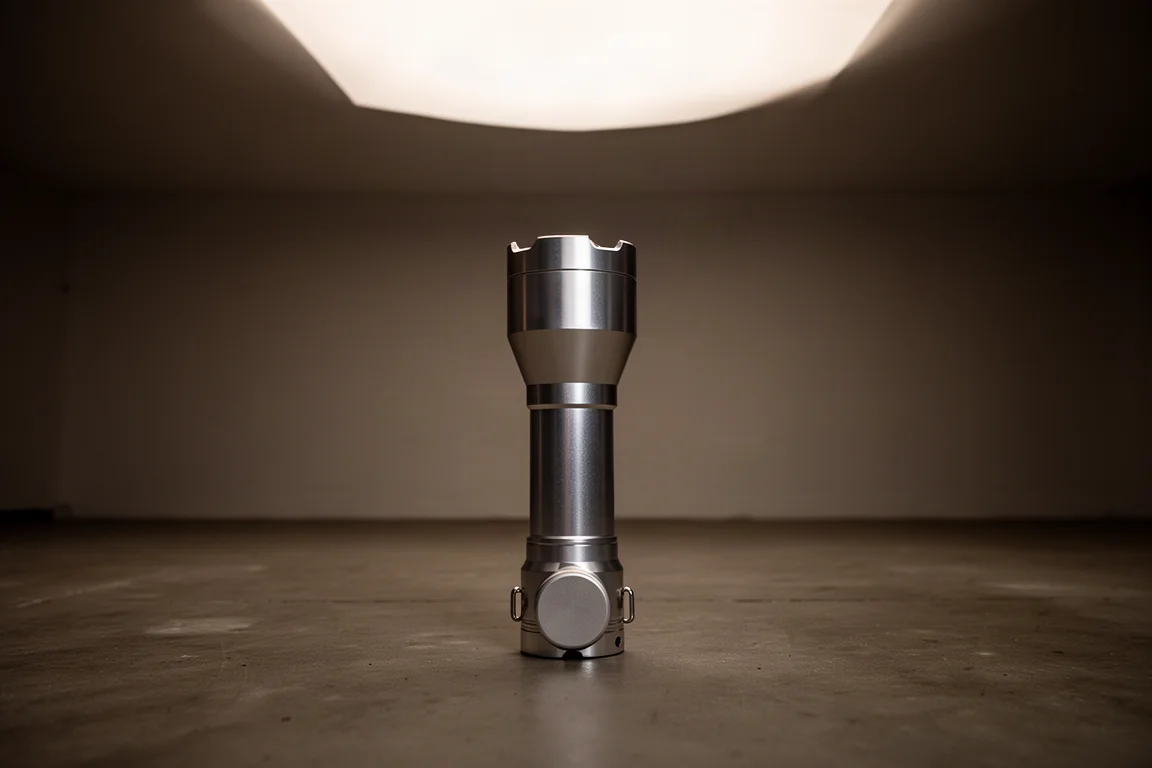
One thing that carried over unchanged is the flat tail design with side tabs, which lets the light tail-stand with ease. Tail-standing is a feature we look for in almost every flashlight, and the Version 3 handles it without any fuss. The removable split-ring pocket clip is lens-down only, which is worth knowing before you carry it clipped in a pocket.
Should You Upgrade from Version 2?
If you already own Version 2 and have the budget for an upgrade, we think the answer is yes. The lumens are effectively the same, but the newly designed dial is worth the price of admission on its own, and the extra 95 meters of throw makes the beam genuinely more capable outdoors. The added size and weight and the heat near the dial are the only real penalties, and neither outweighs what you gain. For first-time buyers, the Version 3 is simply the version to get.
Conclusion
The Fenix PD40R Version 3 refines a proven formula rather than reinventing it. The output stays at 3,000 lumens, but the longer throw, the SOS mode, the hard stop between Turbo and strobe functions, and above all the slotted mechanical dial make this the most usable PD40R yet. If you want a rechargeable, rugged, dial-controlled flashlight with real distance and simple one-handed operation, this one deserves a close look.
Product link
View more details for Fenix PD40R Version 3
This product is mentioned in the review. Check the specifications, options, and compatibility before buying.
View more details for Fenix PD40R Version 3Further reading
Related Reviews
Flashlights
Best Flashlights 2026: Brightness, Battery, and Value Compared
We tested 18 flashlights across a wide price range to find the best performers in brightness, battery life, and durability.
Flashlights
Nitecore LA10 Review: A Tiny 2-in-1 Lantern That Nails the Basics
The Nitecore LA10 pairs a pocket-sized lantern with a single AA battery, a magnetic tail cap and a five-year warranty. Here is where it shines and where it struggles.
Flashlights
Wuben G5 Review: A Compact Everyday Carry Flashlight
The Wuben G5 is a small, rechargeable flashlight with a pivoting head, magnetic base, and color modes. Here is how it performs as an everyday carry light.