Flashlights
Fenix PD36R Pro Review: 2,800 Lumens of Tactical Everyday Carry
A serious upgrade over the original PD36R with dual tail switches, a brighter SFT70 LED, and 380 meters of throw, with a few trade-offs to weigh first.
Introduction
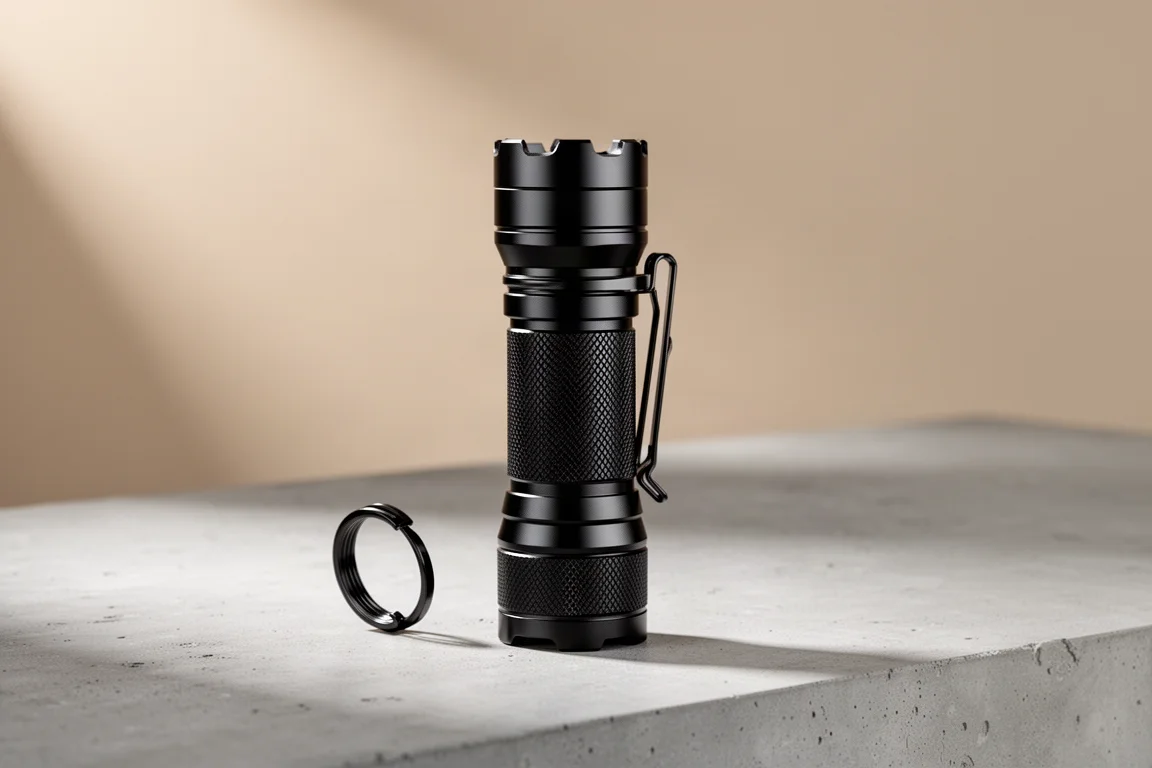
The Fenix PD36R Pro slots in above the original PD36R as a genuinely meaningful upgrade rather than a mild refresh. The headline numbers jump from 1,600 to 2,800 lumens of maximum output, and throw extends from 283 to 380 meters. Under the bezel sits an upgraded Luminus SFT70 LED, replacing the SST40 in the original. Add dual tail switches, USB-C charging, and an IP68 rating, and you get a light that straddles the line between tactical tool and everyday carry flashlight remarkably well.
It is not flawless, though. A few of the changes from the original will annoy certain users, so it is worth understanding exactly what you gain and give up before spending the extra money.
What’s New Over the Original PD36R
The Pro pushes output from 1,600 lumens to 2,800 lumens, and maximum throw from 283 meters to 380 meters, both driven by the new SFT70 emitter. The switch layout changes too: instead of one tail switch plus one side switch, the Pro uses dual tail switches, which many people will prefer for one-handed tactical use.
There are trade-offs. The Pro comes with a one-way, lens-down-only pocket clip instead of the original’s two-way clip, so you cannot carry it lens up. It is also slightly longer at 5.74 inches versus 5.53 inches, and the main tail switch protrudes just over the top of the light, which means it cannot tail stand.
Build, Dimensions, and Charging
The body is 6061-T6 aluminum with a Type 3 hard anodized finish and solid knurling near the lower body that makes it feel secure in hand. Flat anti-rolling spots near the head keep it from rolling off a table. Dimensions check out at 5.74 inches long, 1.04 inches head diameter, and 1.01 inches body diameter, weighing 5.96 ounces (169 grams).
The crenellated bezel is present but not aggressive, a reasonable compromise. Inside sits a 5,000mAh 21700 3.6V lithium-ion rechargeable battery, chargeable either through the external USB-C port or externally slot charged. The USB-C port sits near the head with an LED battery life indicator beneath it, and that indicator is a nice touch: it shows a four-level battery state on boot up (green, flashing green, red, flashing red) right on the body, then goes dark after a few seconds rather than staying lit.
Protection is solid: IP68 rated, meaning fully dust proof and submersible up to six feet, plus one meter of impact resistance, all backed by a lifetime warranty from Fenix.
Modes, UI, and Runtime
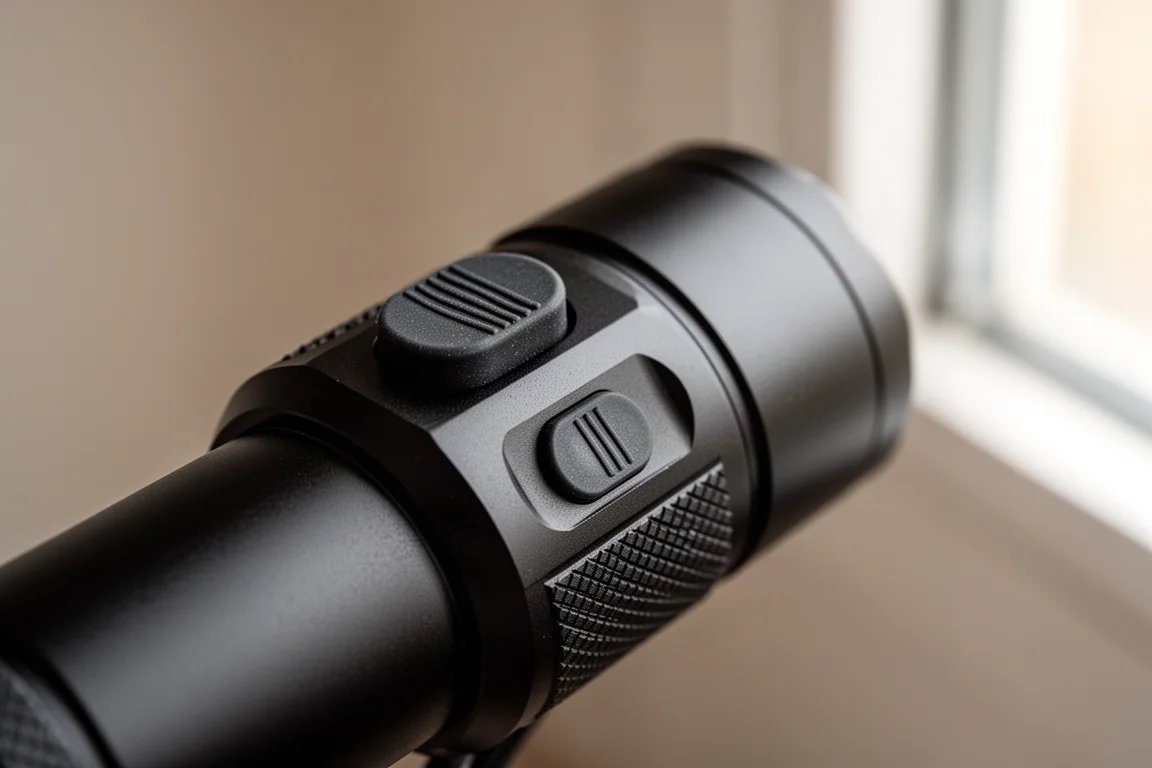
The light runs five modes plus strobe, all activated through the tail switches: half press for momentary on, full press for constant on, and mode cycling via the lower function switch. The spacing between Eco (30 lumens), Low (150), Medium (350), High (1,000), and Turbo (2,800) feels well judged with no awkward gaps.
Claimed runtimes are 42 hours on Eco, 19 hours on Low, 8 hours 15 minutes on Medium, 3 hours 55 minutes on High, and 3 hours 30 minutes on Turbo, with the usual asterisk that Turbo runtime assumes stepping down over the full period. Throw measures 380 meters at 36,600 candela.
There is mode memory, so it comes back on in the mode you left it, including Turbo. With the light off, the function button gives instant access to strobe, and when on, holding the function button still triggers strobe. One caveat: there is no electronic button lockout, so the only way to lock the light out is a slight twist of the tail cap.
Two small gripes in the UI department. There is no one-lumen moonlight mode, and 30 lumens on Eco, while dim, is still fairly bright indoors at night. And the head gets hot quickly on Turbo, even after just a few seconds.
Heat and Turbo Test
In a three-minute turbo test with temperatures taken each minute at the head and body, the results were more moderate than expected. After one minute the head read 106.3 degrees Fahrenheit and the body 92.3. At two minutes the head dropped slightly to 100.2 while the body rose to 95.7. At three minutes the head climbed again to 103.8 with the body unchanged at 95.7. The head was noticeably hot to the touch within seconds of turbo, which suggests the light steps down from turbo within roughly the first half minute, then manages heat reasonably well.
Beam Test: Indoors and Outdoors
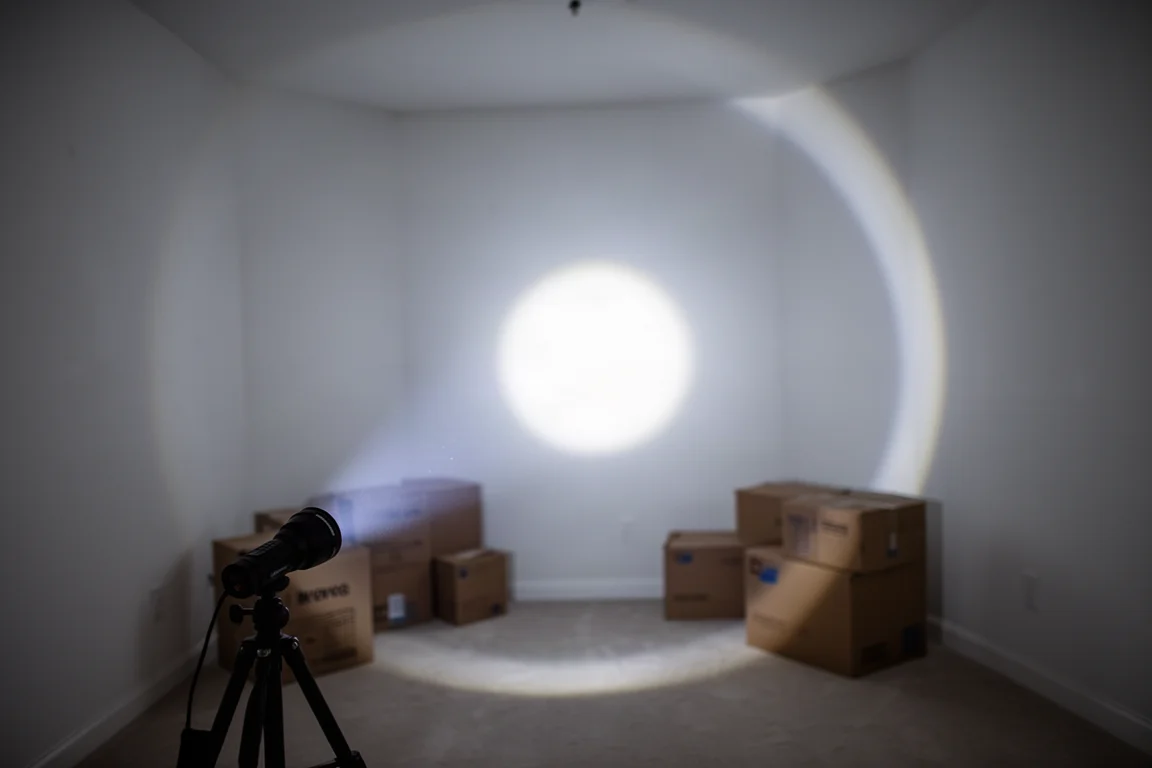
Indoors, the beam profile is impressive: a crisp, well-defined hotspot with a clean outer edge, and plenty of wall bounce from a cool white emitter. Turbo essentially lights up an entire room when pointed at a ceiling.
Outside, Eco at 30 lumens still clearly illuminates nearby trees. Low reaches the mid-distance treeline, and Medium alone is genuinely plenty of light for most tasks. Turbo hits the entire back perimeter of a yard with ease. For 380 meters of throw, this is a capable medium thrower without the spotty beam of an LEP light, with a pleasantly floody character around the hotspot.
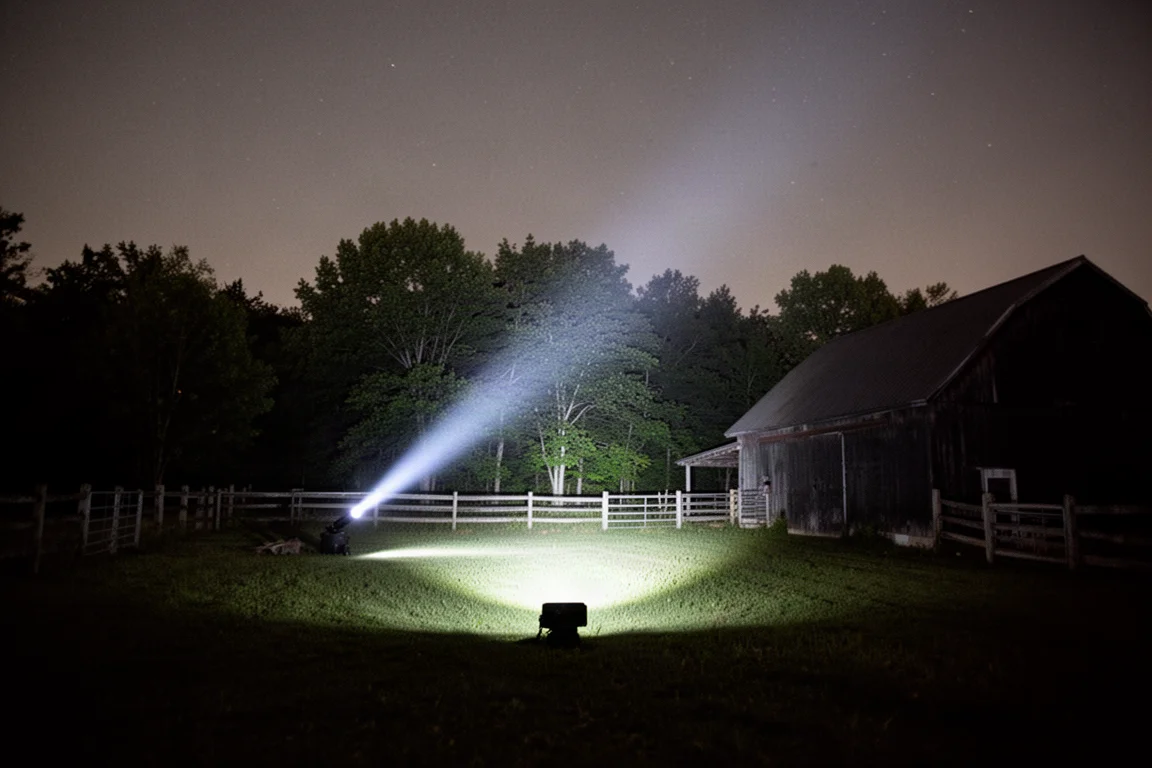
The color temperature is cool white, which maximizes output and distance, but anyone who prefers a warmer, higher-CRI neutral white for casual use will miss that option here.
Should You Upgrade?
If you own the original PD36R, the answer is yes. The original currently sells for around $99.99, while the Pro runs about $120. For roughly $20 more you get around 1,200 extra lumens, roughly 100 more meters of throw, the upgraded emitter, and dual tail switches in place of the combo tail-and-side switch arrangement.
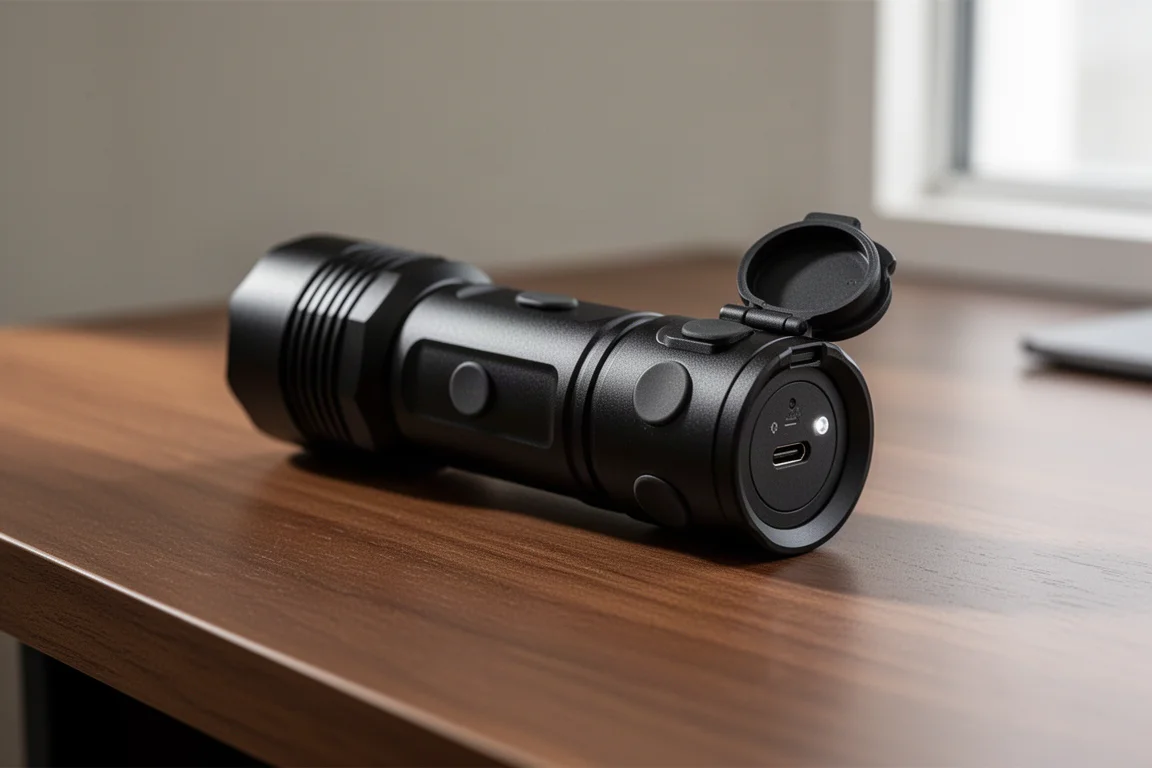
The external USB-C port may concern some buyers on waterproofing grounds, but the IP68 rating holds as long as the port cover stays sealed, and the always-visible battery indicator and instant access to Turbo and strobe add real convenience. The genuine negatives are the inability to tail stand, the missing moonlight mode, and the single cool white color temperature. None of these outweigh the value proposition for most buyers, but tail-stand fans and warm-tint devotees should think it through.
Conclusion
The Fenix PD36R Pro earns its name. For about $120 you get a rugged, IP68-rated, 2,800-lumen flashlight with 380 meters of throw, thoughtful dual tail switches, USB-C charging, and a lifetime warranty. It is an easy recommendation over the original for anyone wanting a versatile tactical EDC light, provided you can live without tail standing and a true moonlight mode.
Product link
View more details for Fenix PD36R Pro
This product is mentioned in the review. Check the specifications, options, and compatibility before buying.
View more details for Fenix PD36R ProFurther reading
Related Reviews
Flashlights
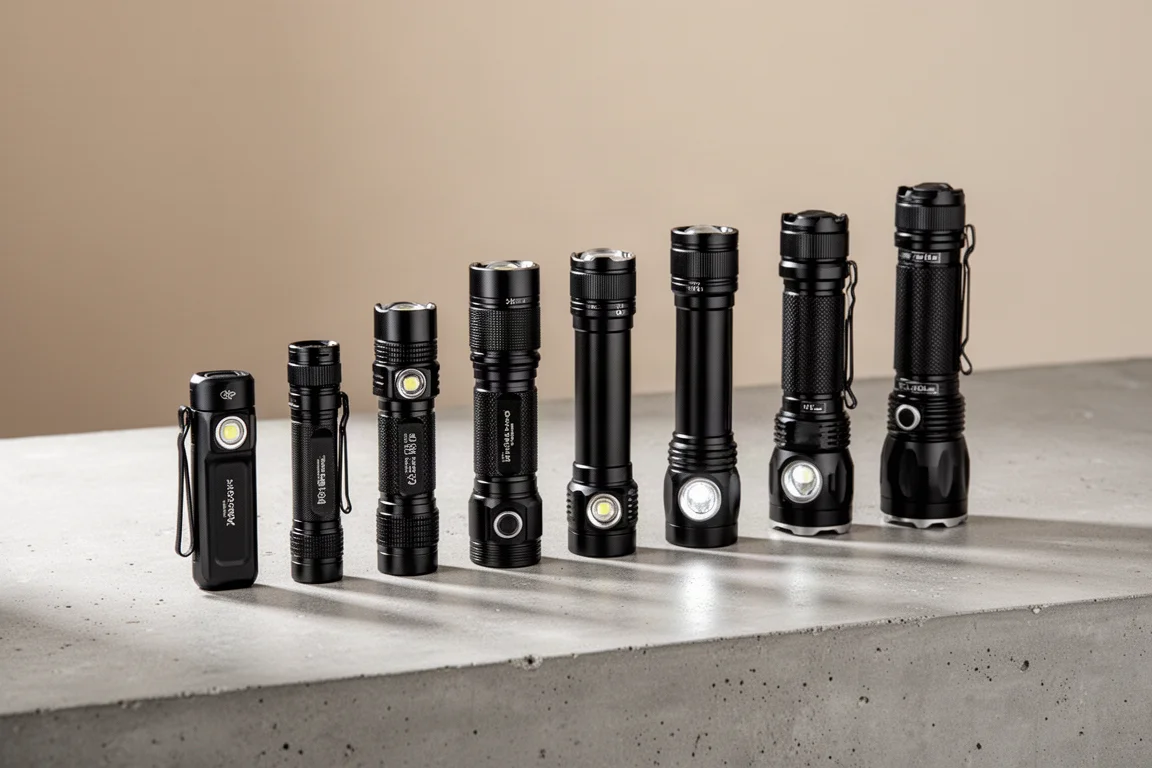
Best Flashlights 2026: Brightness, Battery, and Value Compared
We tested 18 flashlights across a wide price range to find the best performers in brightness, battery life, and durability.
Flashlights
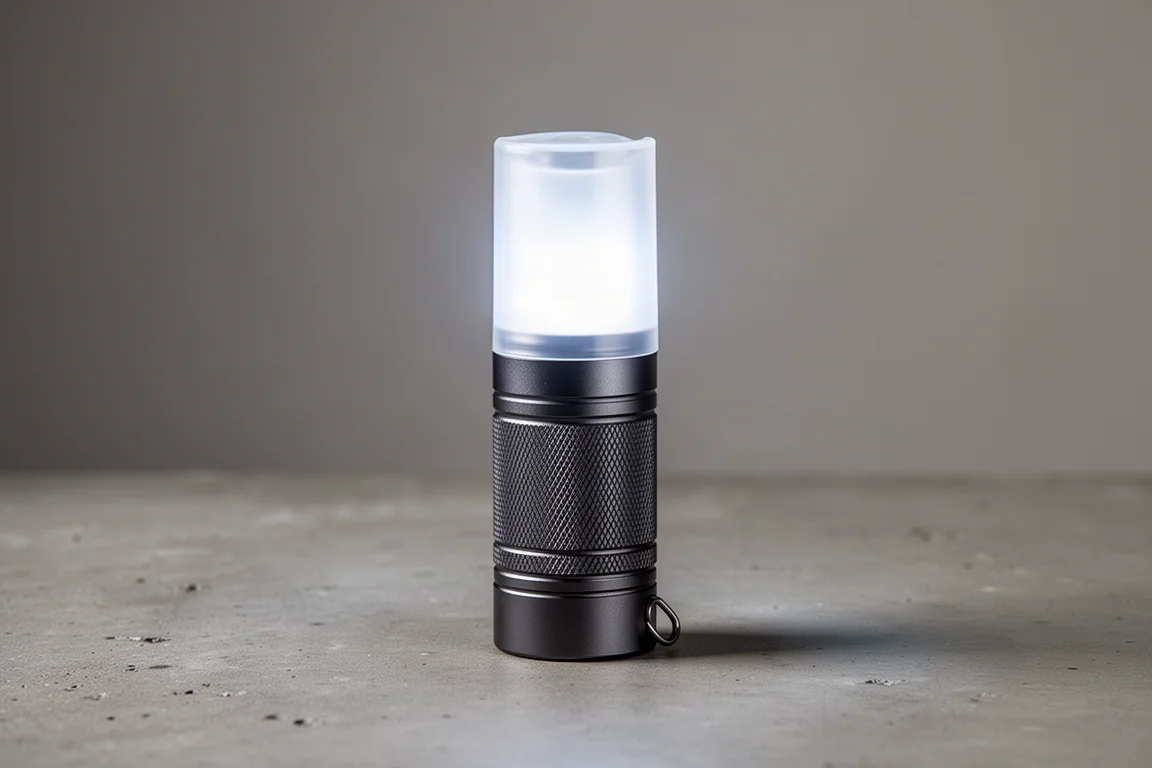
Nitecore LA10 Review: A Tiny 2-in-1 Lantern That Nails the Basics
The Nitecore LA10 pairs a pocket-sized lantern with a single AA battery, a magnetic tail cap and a five-year warranty. Here is where it shines and where it struggles.
Flashlights
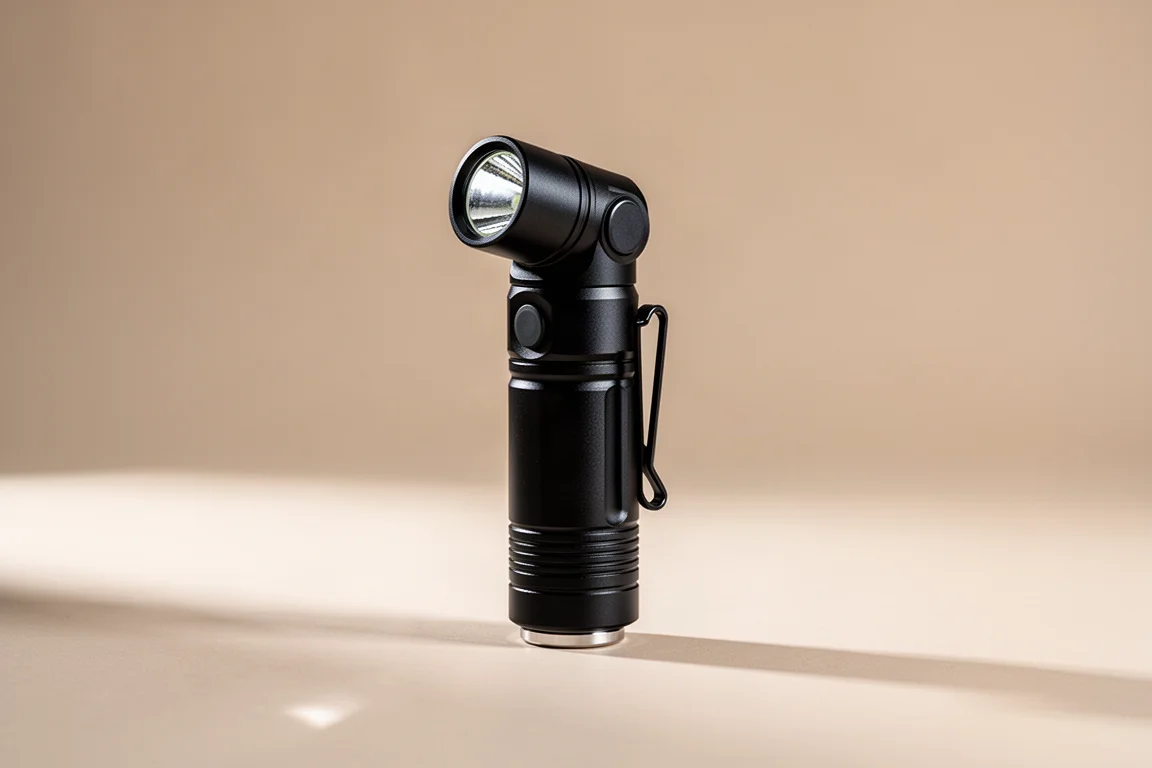
Wuben G5 Review: A Compact Everyday Carry Flashlight
The Wuben G5 is a small, rechargeable flashlight with a pivoting head, magnetic base, and color modes. Here is how it performs as an everyday carry light.