Flashlights
Fenix PD35R vs E35R: Two Rechargeable Flashlights, Two Very Different Jobs
Fenix's build quality and output numbers keep improving, but the user interface still holds these two lights back. Here's what to know before buying either one.
Introduction
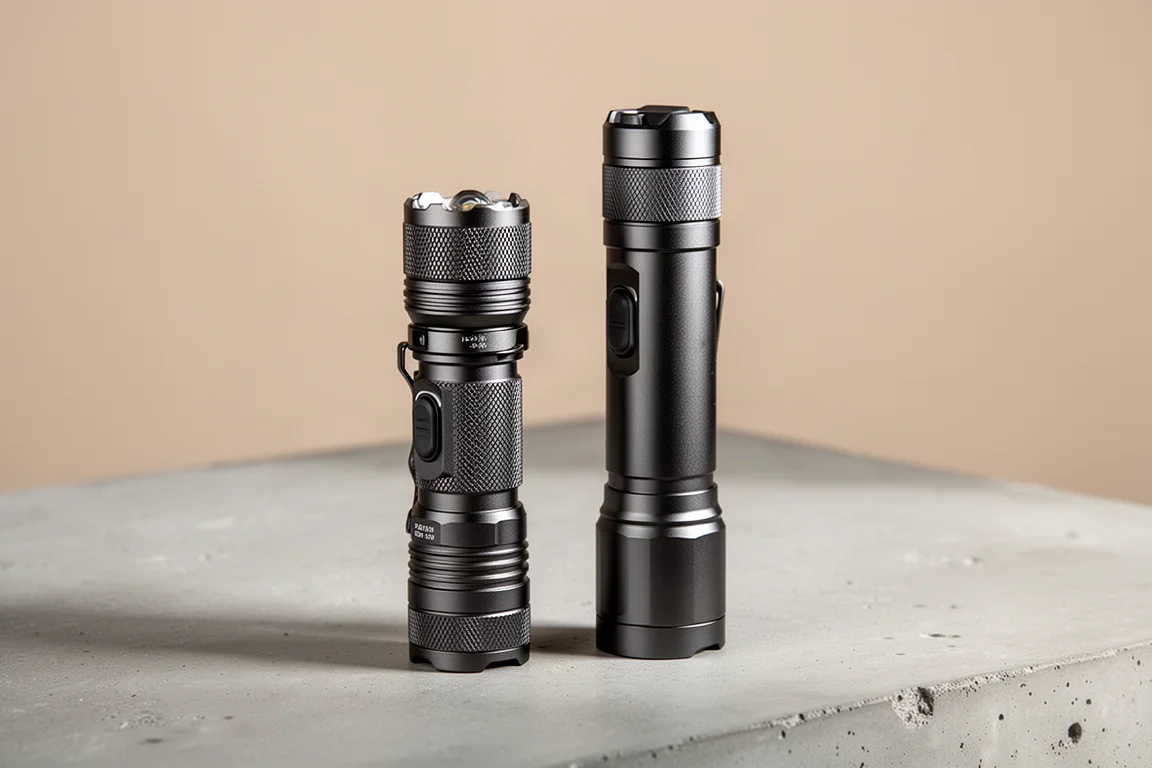
Fenix has a reputation problem that has nothing to do with quality. The company consistently delivers excellent construction, accurate specifications, and some of the most detailed manuals in the flashlight business. What keeps tripping it up is the user interface, and both lights on the table here, the PD35R and the E35R, illustrate the issue in different ways.
The good news is that both lights improved meaningfully over their previous generations, particularly in raw output and runtime. The question is whether that is enough to overlook the interface quirks, and the answer depends heavily on how you plan to use the light.
Fenix PD35R: Compact Tactical Power
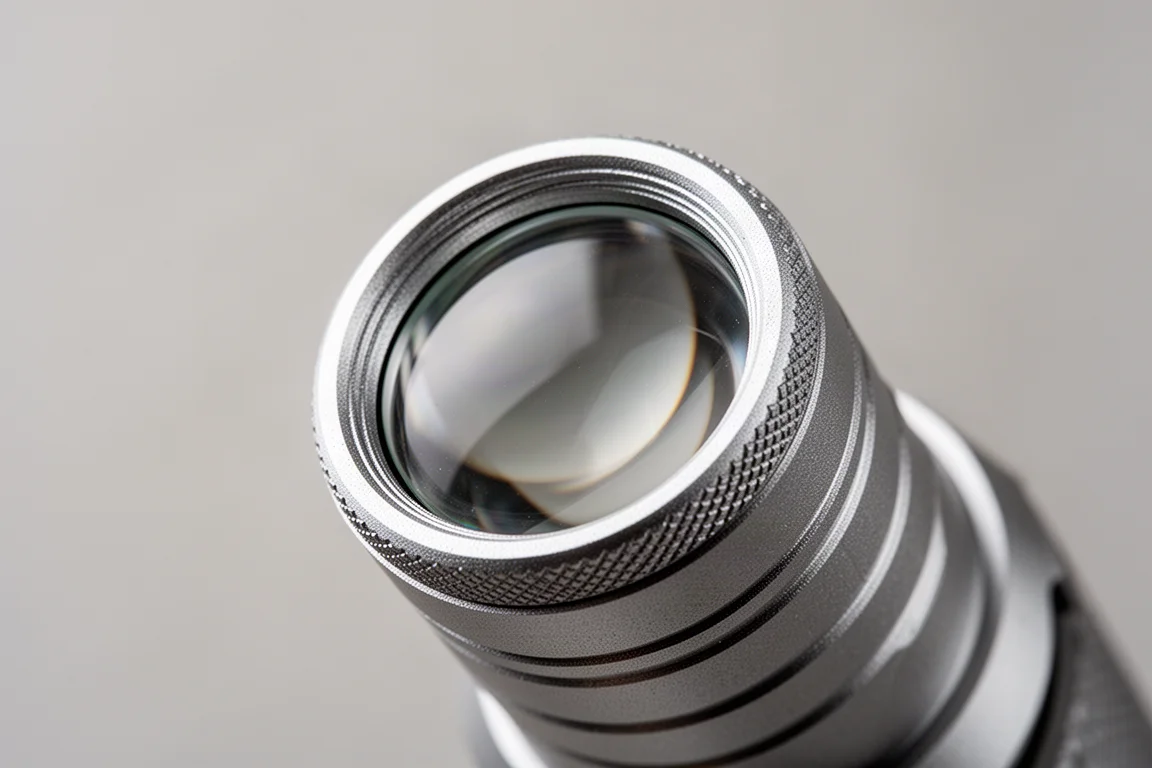
Fenix calls the PD35R a compact rechargeable tactical flashlight, and it runs on an 18650 battery. The headline numbers are strong: 1,700 lumens of turbo output paired with 31,000 candela of beam intensity, which pushes usable light out to a claimed 353 meters. That is a very good reach for a light in this battery class, and the dome reflector with a glass lens makes the most of it.
Build quality is where Fenix keeps earning its reputation. The machining is precise and consistent, the Type-C charging port sits under a silicone cover, and the granulated bezel is textured without being so aggressive that it rules out carrying the light in places where a torn-up pocket would be a problem. The IP68 rating, an independent certification covering both dust and water ingress, is about as good as it gets outside dive lights, as long as you keep that silicone cover closed.
The tactical label comes from the tail switch: from off, holding the second switch activates maximum-output strobe, and releasing it turns the light off again. Half-press or full-press of the main tail switch brings the light on at its lowest output setting, and the secondary button cycles through the modes.
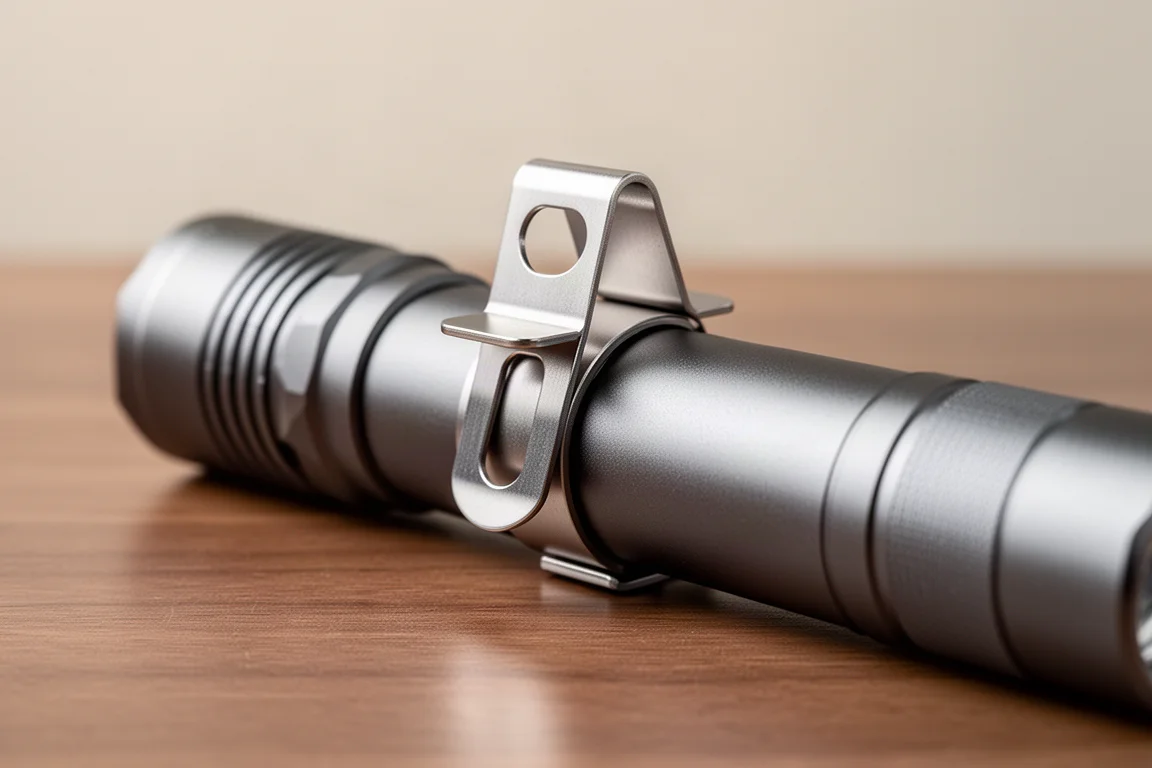
Now for the complaints. First, the pocket clip is genuinely frustrating. The small metal shelf at the mounting point catches on fabric and prevents the light from sliding smoothly into a pocket, forcing constant repositioning. Fenix makes other clips that do not have this problem, so the fix is sitting right there in its own catalog. Second, the interface: the light comes on at either the lowest or the memorized setting, and there is no direct access to turbo or moonlight from the tail. If the light is memorized on turbo and you wake up needing a dim light, you blind yourself before you can cycle down. If Fenix swapped the strobe shortcut for a direct turbo shortcut and dropped mode memory, this would be a much better light. It is also worth noting that a competing light with a tail switch can jump straight to 1,900 lumens and reach its lowest mode with a hold of the side switch, though that side switch carries a risk of accidental activation that the PD35R avoids.
Fenix E35R: Long Runtime and a Magnetic Tail
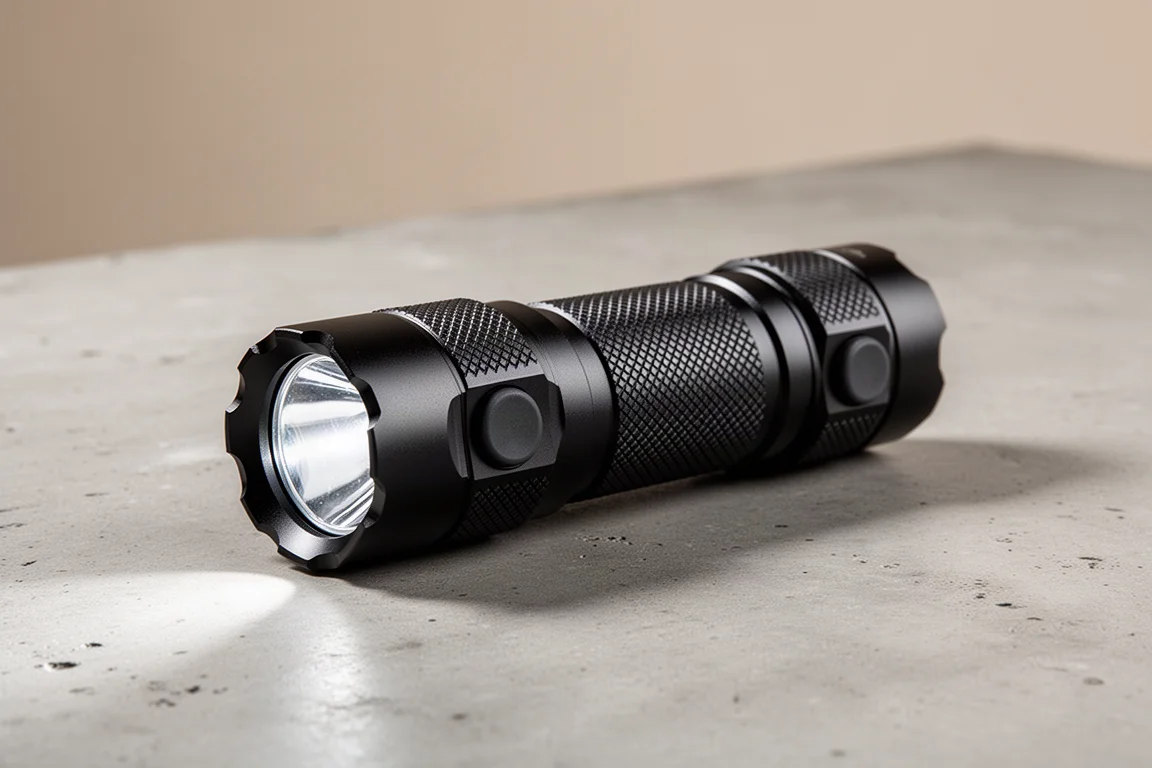
The E35R makes a different trade. It moves up to a 21700 battery with 5,000 mAh of capacity, which translates into dramatically longer runtimes than the PD35R. On its lowest output setting of 30 lumens, it runs for a claimed maximum of 69 hours, and even at maximum output it holds over 1,000 lumens for more than two hours before dropping. That makes it a natural emergency or drawer light: pull it out during a power outage and it simply keeps going.
The E35R also adds a magnetic tail cap, letting you stick the light to metal surfaces for hands-free lighting. In testing, the magnet is serviceable but not especially strong; comparable lights running the same battery size hold noticeably better. The Type-C port cover on this model feels more secure than on the PD35R, sitting tighter and being harder to dislodge, which matters for preserving the IP68 rating. The clip, once again, is mediocre and does not match the otherwise excellent fit and finish.
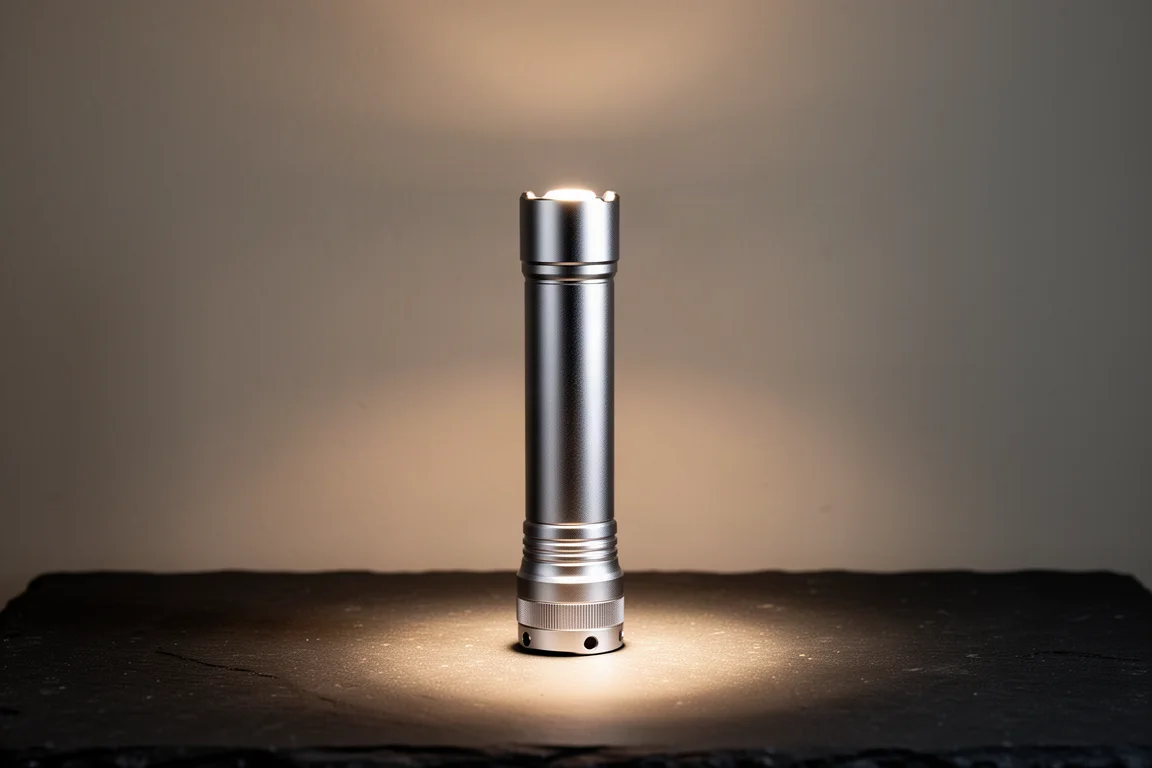
The interface here is simpler. Hold the side switch for half a second to turn on at the memorized mode, press once to step through the outputs, and hold for a few seconds while on to lock into strobe; a single press then returns you to your previous setting. That strobe behavior is actually well designed: if a wild animal is coming at you on a walk, you can jump to strobe and return to your working mode immediately. The catch is that this only works while the light is already on.
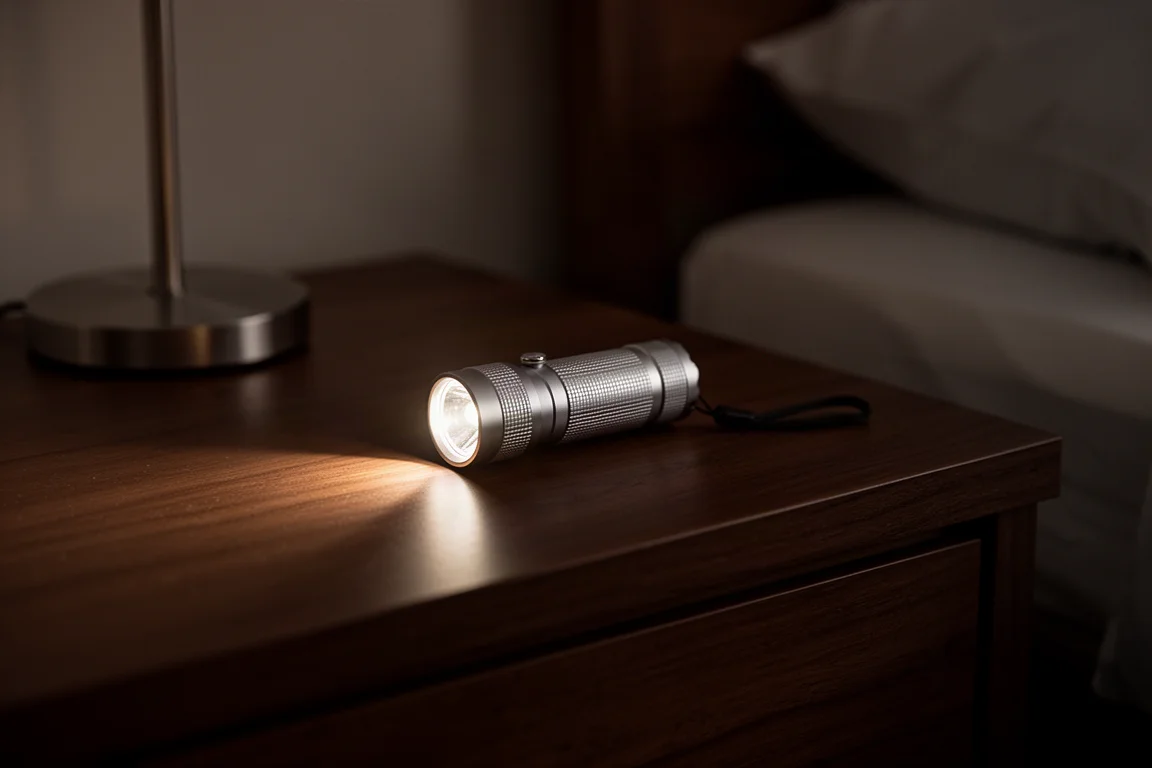
From off, a quick double press engages lockout, indicated by a flashing low beam, and another double press unlocks. Here is the interesting hack: unlocking always brings the light back on at its lowest output setting, so double-press lockout and unlock is the only reliable way to guarantee a gentle wake-up if the light has memorized turbo. The older version of this light, without mode memory, arguably handled this better, since it always came on low and was easier to teach to someone unfamiliar with the light. A moonlight mode would have solved all of this outright, and competing brands in the same class already offer it with runtimes measured in the hundreds of hours.
Buying Advice: Which One Fits Your Use Case
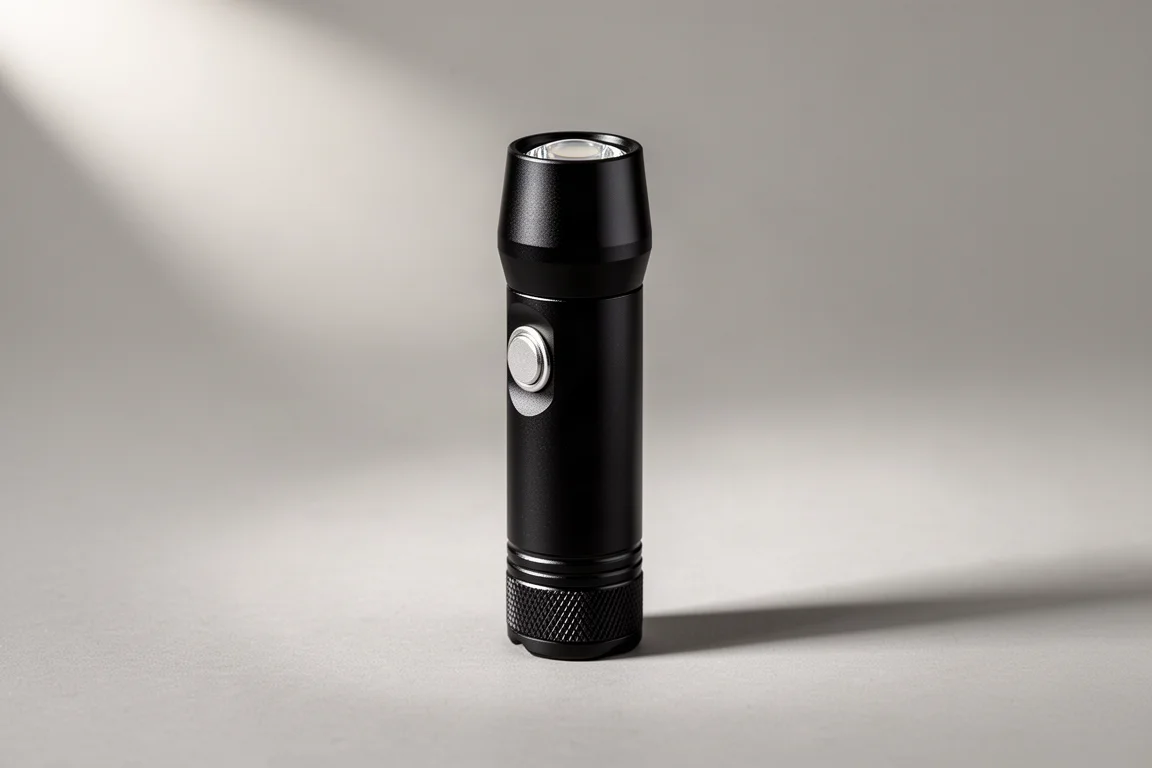
If you want a decent, not necessarily best-in-class, tactical flashlight, the PD35R has the right combination of output, reach, durability, and Fenix’s consistently good quality control and customer service. Just go in knowing the interface will occasionally force you to cycle modes you did not want, and plan to replace or reposition that pocket clip mentally before you buy.
If you want a light to stick in a drawer for emergencies or bring on a camping trip, the E35R is the easier recommendation. The runtimes are long enough that a week-long trip will not require a recharge unless you are running maximum output constantly, and even then you have over two hours of four-figure output available. The magnetic tail adds genuine utility for around-camp use.
The honest assessment for both: Fenix output, build quality, and specifications hit the marks, and these are clear improvements over their previous generations. But the user interface is almost always the weak point, and when compared side by side with similar-functionality rivals, the Fenix lights lose on usability even while winning on output, runtime, and in some respects quality control. If Fenix upgraded the interface, it would be very hard to beat given its retail presence and manufacturing standards.
Conclusion
Both the PD35R and the E35R are good lights that fall just short of great, held back by interface choices rather than hardware. Buy the PD35R for a compact, durable tactical light with serious throw. Buy the E35R for runtimes that border on absurd and an emergency-ready feature set. Either way, you are getting Fenix’s usual excellent construction, and hopefully the user interface finally gets the upgrade it deserves in the next generation.
Further reading
Related Reviews
Flashlights
Best Flashlights 2026: Brightness, Battery, and Value Compared
We tested 18 flashlights across a wide price range to find the best performers in brightness, battery life, and durability.
Flashlights
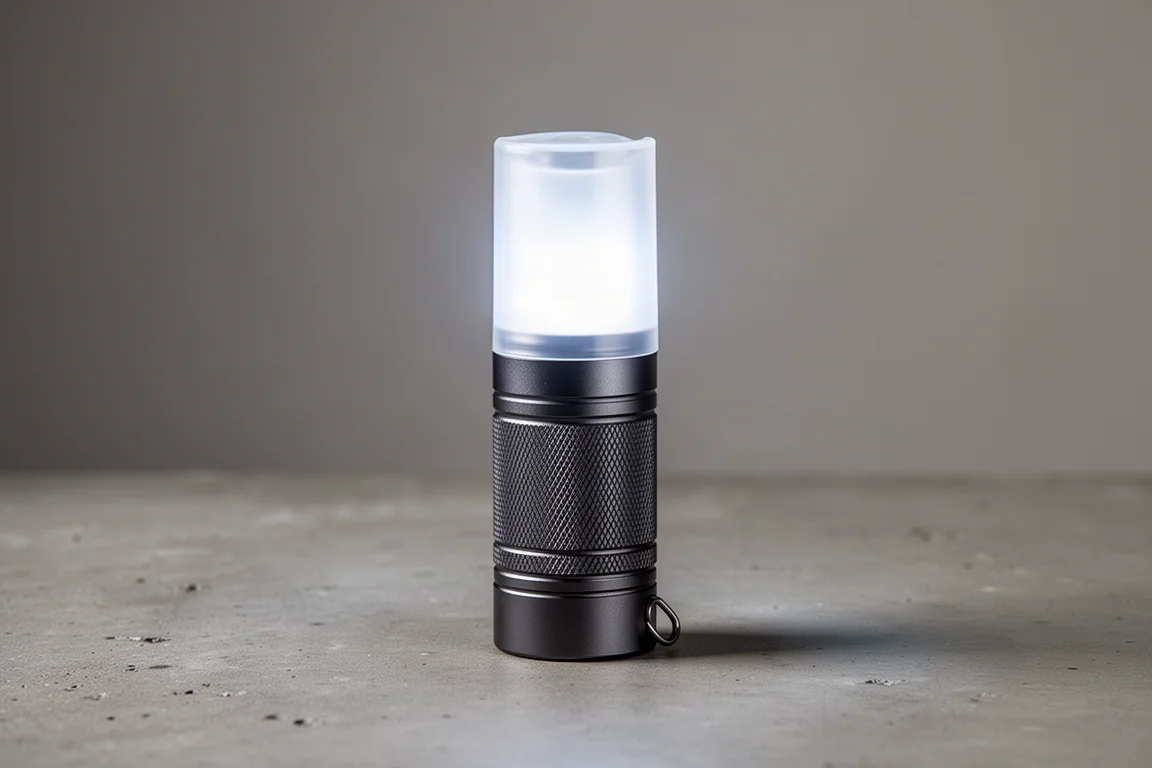
Nitecore LA10 Review: A Tiny 2-in-1 Lantern That Nails the Basics
The Nitecore LA10 pairs a pocket-sized lantern with a single AA battery, a magnetic tail cap and a five-year warranty. Here is where it shines and where it struggles.
Flashlights
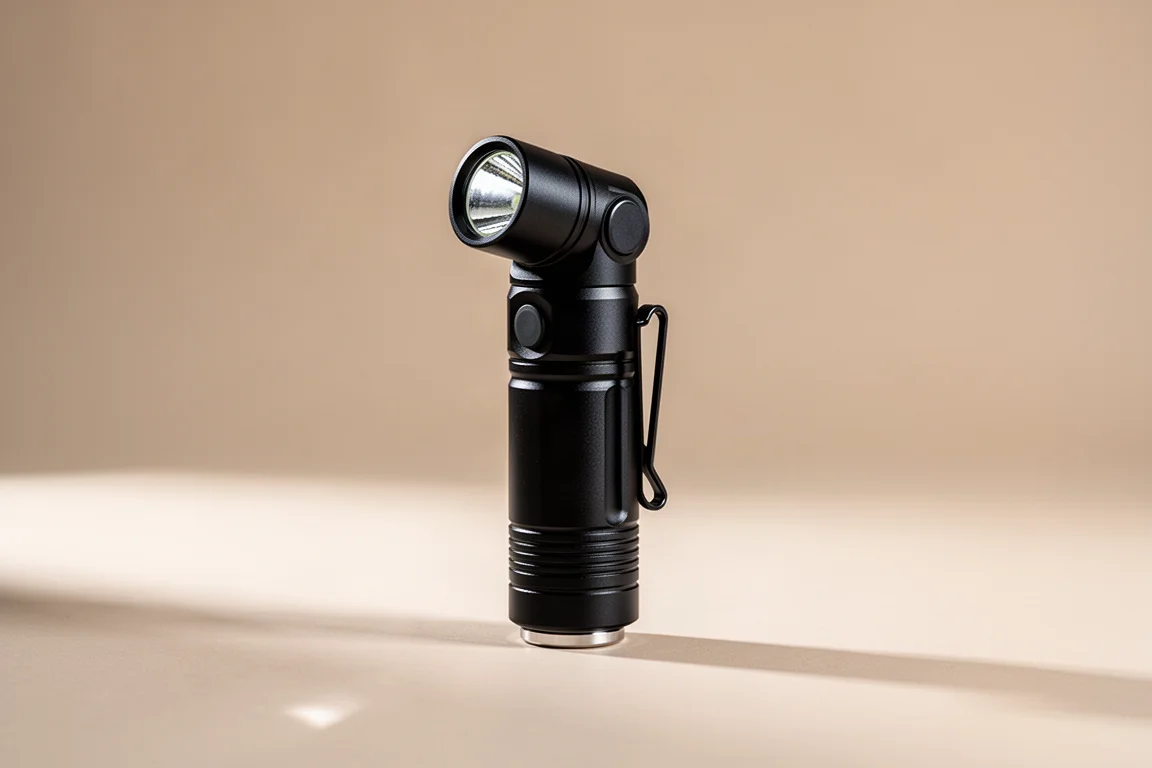
Wuben G5 Review: A Compact Everyday Carry Flashlight
The Wuben G5 is a small, rechargeable flashlight with a pivoting head, magnetic base, and color modes. Here is how it performs as an everyday carry light.