Flashlights
Fenix LR36R Review: 10,000-Lumen Flood Light and White Laser Spotlight in One Package
The Fenix LR36R combines a 10,000-lumen flood beam with a class 3B white laser LEP for 1,260 meters of throw. We compare it against the HT30R and LR35R.
Introduction
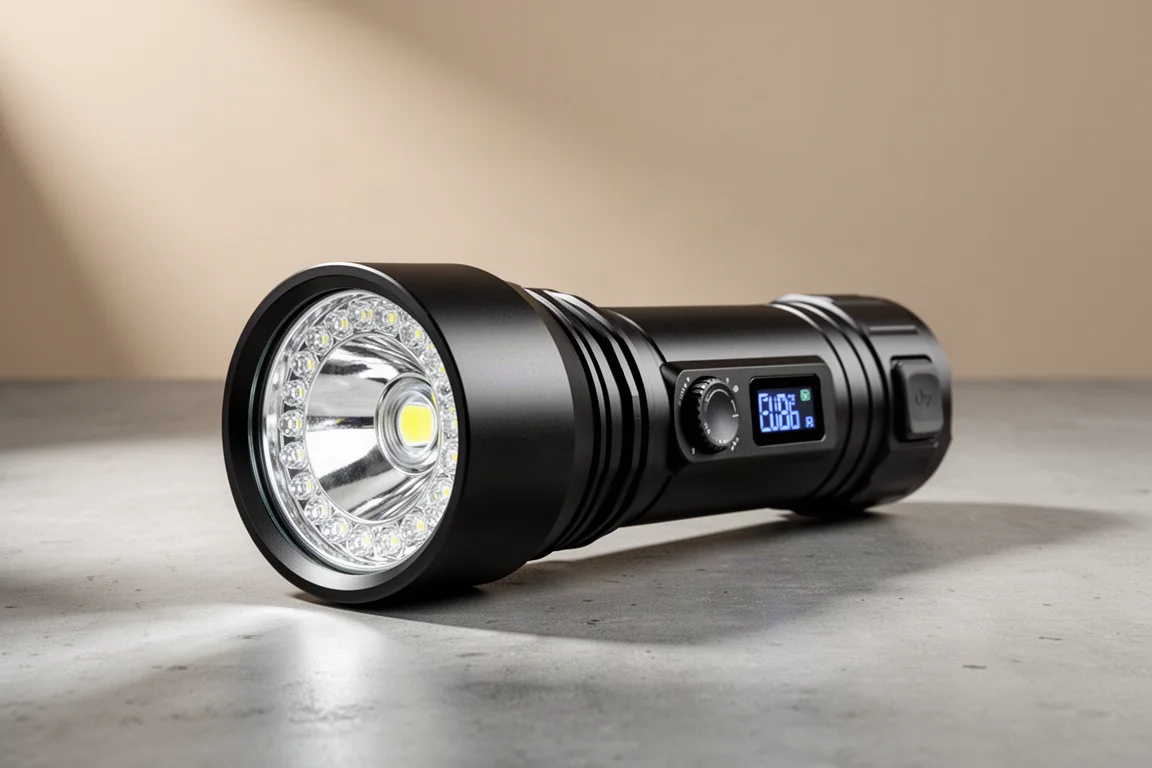
The Fenix LR36R is a midsize searchlight that packs two very different beam types into one body: a 10,000-lumen flood light built around 12 Luminous SST25 LEDs, and a class 3B white laser LEP that throws up to 1,260 meters. On paper that fusion is impressive, but it raises a fair question: do you actually need flood and spot combined in a single flashlight? In this review we break down what the LR36R does well, where the trade-offs sit, and how it compares with the Fenix HT30R and LR35R, both of which play close to the same specs at lower prices.
Evaluation Criteria
We looked at output accuracy, beam quality in both flood and LEP modes, build quality and handling, the user interface, charging behavior, and overall value relative to owning just a flood light or just an LEP spotlight.
What Comes in the Box
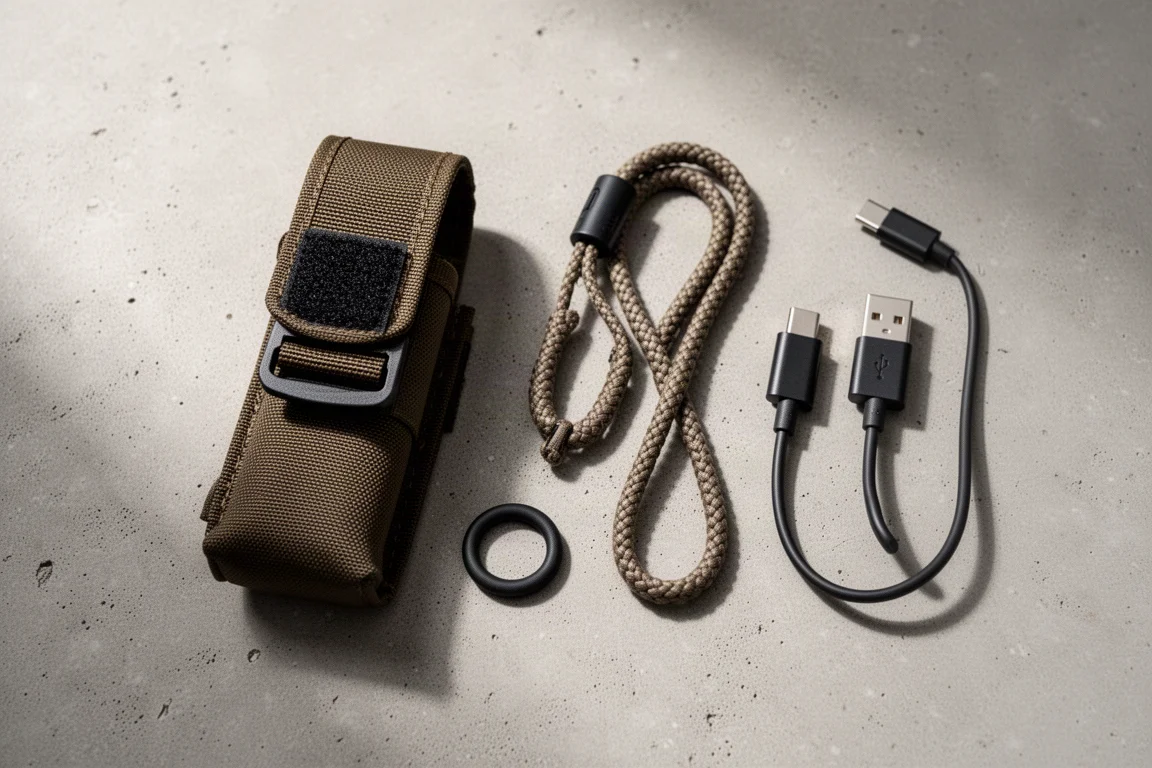
Inside the box you get the LR36R itself, a nylon holster with a velcro belt mount and snap closure, a rope-style adjustable lanyard, a spare rubber o-ring, a USB-A to USB-C charging cable, warranty information, and the user manual. The holster is better than the usual throw-in accessory: the velcro and snap arrangement is genuinely decent, which is not always the case with bundled holsters.
Key Specifications
The headline numbers are a maximum output of 10,000 lumens, a maximum throw of 1,260 meters, a maximum runtime of 102 hours on low, and a maximum intensity of 396,000 candela from the LEP. The flood side is driven by 12 Luminous SST25 LEDs rated for roughly 50,000 hours with a color temperature of 6,000 to 6,500 Kelvin. The laser is a CT1 mini class 3B white laser.
You get three lighting modes plus two special modes, strobe and SOS, controlled by a single side switch and a rotary dial that ramps brightness by dialing in exact lumens. An OLED display shows brightness, remaining runtime, and remaining battery. Inside are two 5,000 mAh 21700 rechargeable lithium-ion batteries, chargeable through the USB-C port on the body or an external slot charger. The light carries a 1-meter impact resistance rating and an IP68 dust and waterproof rating, meaning it is fully dust proof and submersible in up to 6 feet of water.
Design, Build and Handling
The body is aluminum with a type-III hard-anodized finish, and the quality is what you would expect from Fenix: it looks and feels solid. The form factor mirrors the LR35R, narrowing where the batteries sit, which feels very comfortable in hand. In an underhand grip the thumb naturally rests on the side switch.
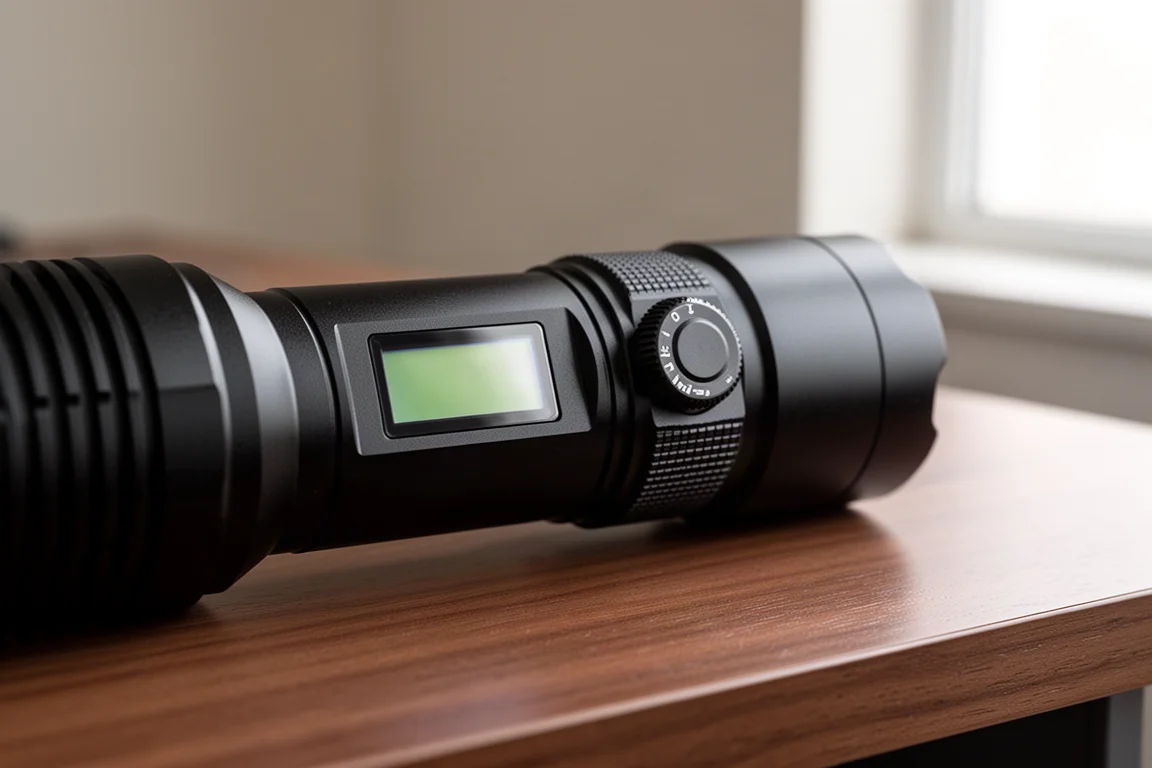
Dimensions are 6.33 by 2.21 by 2.17 inches, and weight comes in at 494 grams, or 17.4 ounces. That is over a pound, so it is heavy for a flashlight, but this is not an everyday-carry light. It is meant to go in a backpack or the belt holster, and for that role the size feels right. A black stainless steel pocket clip is included for hanging the light on a strap or inside a bag.
There are a couple of small quibbles. The battery tube uses a single-spring system at the tail with flat terminals in the head, and while we generally prefer a double-spring setup, one spring is better than none. Tail-standing is technically possible because the tabs on the tail are somewhat flat, but it is very wobbly, so treat that as unreliable.
The Interface and OLED Display
Turning the rotary dial from its lock position takes the light instantly to the lowest level, 50 lumens, and the OLED display confirms it. Fenix deserves credit for the technology here: the display shows lumen output ramping in real time as you turn the dial. Increments are well thought out, moving in steps of 5 from 50 to 100, steps of 10 from 100 to 500, steps of 100 from 500 to 3,000, and steps of 500 from 3,000 to 10,000 in flood mode. In LEP mode the dial ramps in steps of 10 from zero up to 350.
A single click of the side switch cycles between flood light, LEP laser, and a fusion of both. Strobe is activated by pressing and holding the side switch for about 1.5 seconds, and another click moves to SOS. Pressing and holding for 1.5 seconds returns you to your last brightness level, and there is a memory mode that remembers your previous output. The rotary dial also has a positive detent click for lockout.
One genuinely smart touch: strobe runs the full 10,000-lumen flood output, while SOS is placed in the LEP laser mode at just 50 lumens. That SOS setting still delivers a beam distance of 527 meters with a claimed 38-hour runtime, which is a sensible emergency signaling setup.
The light also has a proximity sensor that dims the output if the sensor gets too close to a surface. It can be toggled off by pressing and holding the side switch for about six seconds from off, which is useful for testing but worth leaving on when the light rides in a backpack.
Charging and Battery Life
The USB-C port sits on the body under a rubber flap. Plugging in shows battery status and charging state on the display, and a full charge from zero to 100 takes roughly 3.5 to 4 hours. There is a pass-through function while charging, but it is extremely limited: only low flood mode works, capped at 50 lumens, and the LEP will not activate. That is not great, but it is better than no pass-through at all.
Output Testing
Measured with an integrating sphere, our sample landed at roughly 7,400 lumens against the claimed 10,000, a gap of about 2,600 lumens. That said, our sphere is far less precise than the professional equipment a manufacturer would use, and readings at 50 and 500 lumens were nearly spot on, so treat the top-end discrepancy with some skepticism. Thermal behavior is predictable: at the highest setting the output steps down to around 2,000 lumens after about a minute and a half, then holds steady at roughly 330 lumens at the five-minute mark.
Real-World Beam Performance
The flood beam is the surprise here. It is impressively even, with a smooth, widespread pattern and no harsh hotspot, which matters when you are lighting up a large area at close to medium range.
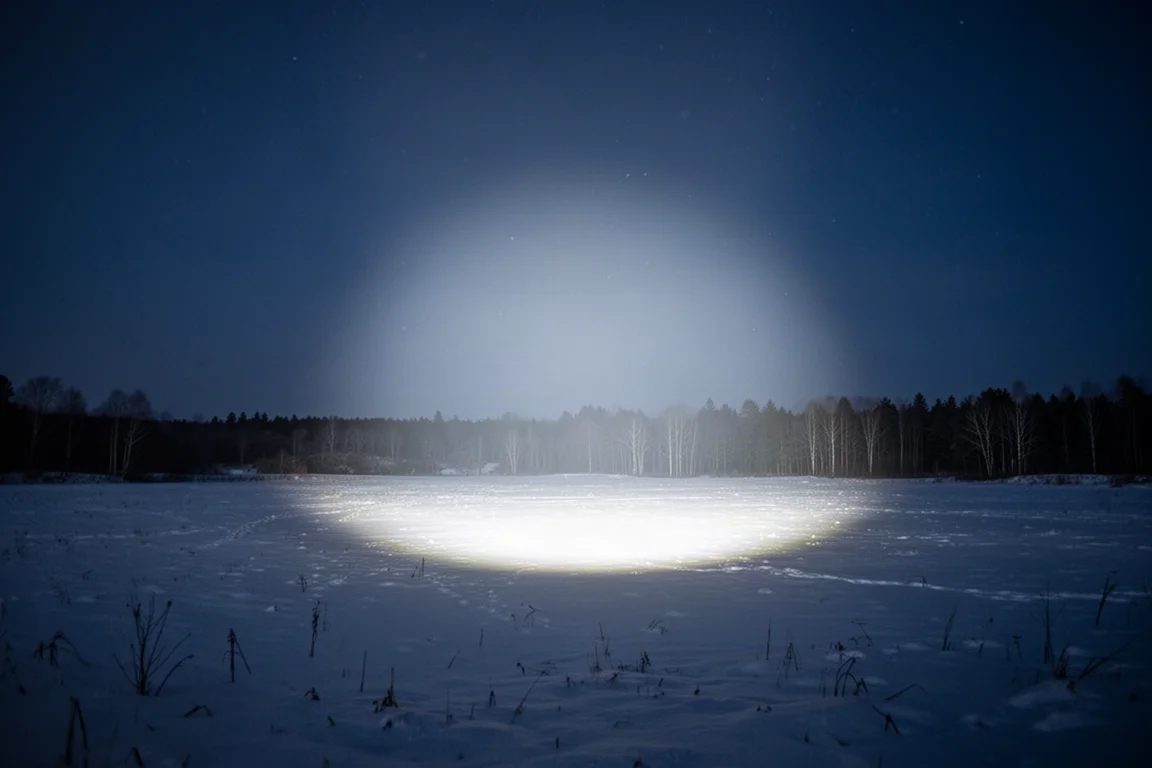
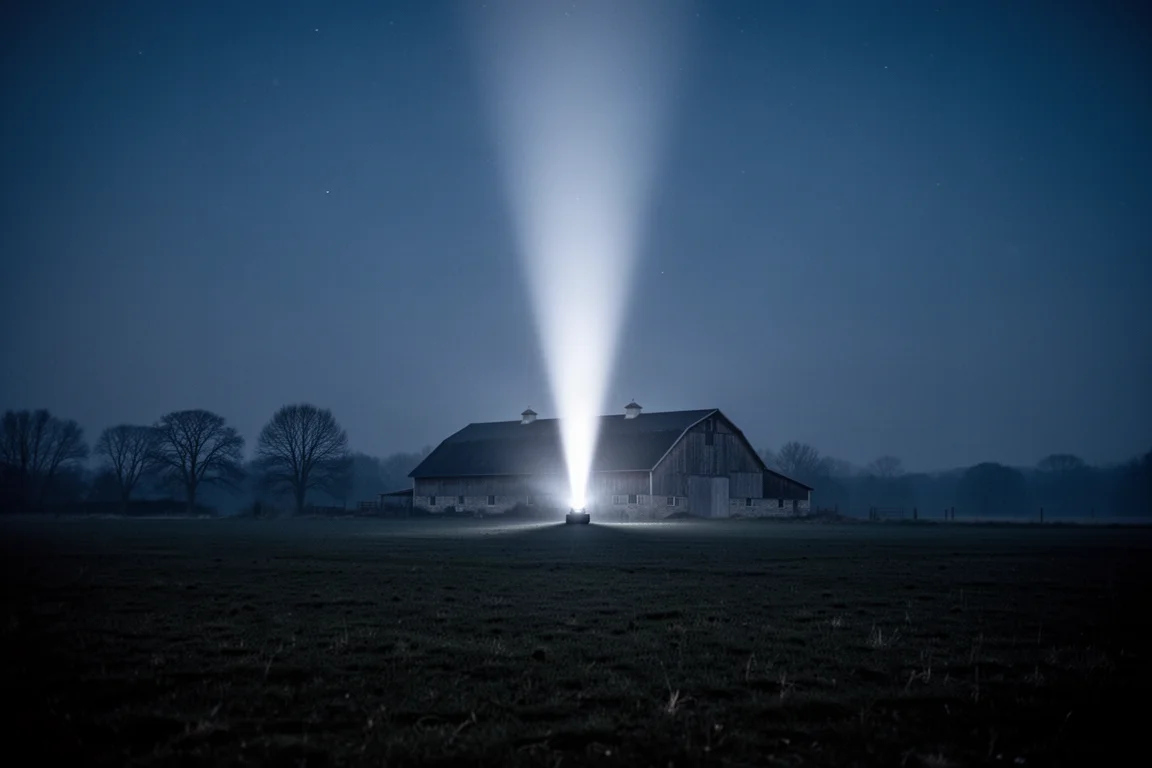
Switch to the LEP and the character changes completely: even at its 50-lumen low, the laser reaches distant buildings and treelines with a tight, focused spot, and ramping to 350 lumens makes full use of the 1,260-meter throw and 396,000-candela intensity. The fusion mode layers both, giving you a bright flood field with a piercing spotlight down the middle. The ability to dial in any lumen level with the rotary control is what puts the LR36R a step above the LR35R, which offers similar output but no dial.
Comparing the Lineup: LR36R vs HT30R vs LR35R
The Fenix HT30R is the closest spec sibling on the LEP side. It is a pure white laser spotlight with 500 lumens and a throw of 1,500 meters, which actually exceeds the LR36R’s laser throw, and it costs meaningfully less at roughly $260 to $280. If you only need a spotlight, it does the laser job on its own.
The Fenix LR35R is the flood counterpart: also 10,000 lumens, priced around $200, with a beam that shows more of a defined hotspot than the LR36R’s smoother flood pattern. Between the three, the LR36R’s case rests entirely on wanting both beams in one body, because you do not pay anything extra just for the flood side; you pay the premium for the fusion.
Should You Buy It?
At $360, the LR36R is a pricey flashlight, and the honest answer is that it is not for everyone. If you already own a high-output flood light like the LR35R, spending $360 for another 10,000-lumen light just to add the laser is a hard sell. The same logic applies in reverse if you already own an LEP spotlight like the HT30R and only need the flood.
Where the LR36R makes real sense is for search and rescue work, patrolling, or anyone who wants flood and spot combined in one convenient midsize package without carrying two lights. For those users, the fusion is genuinely useful, and the rotary dial plus simple UI make it easy to live with.
Conclusion
The Fenix LR36R is a genuinely cool searchlight and easy to recommend on its own merits: accurate-feeling build quality, a smooth flood beam, a serious white laser, a smart OLED-driven interface, and thoughtful details like the low-lumen SOS mode. Just be sure you actually want both beam types, because if you only need one, the HT30R or LR35R will serve you better for less money.
Product link
View more details for Fenix LR36R
This product is mentioned in the review. Check the specifications, options, and compatibility before buying.
View more details for Fenix LR36RFurther reading
Related Reviews
Flashlights
Best Flashlights 2026: Brightness, Battery, and Value Compared
We tested 18 flashlights across a wide price range to find the best performers in brightness, battery life, and durability.
Flashlights
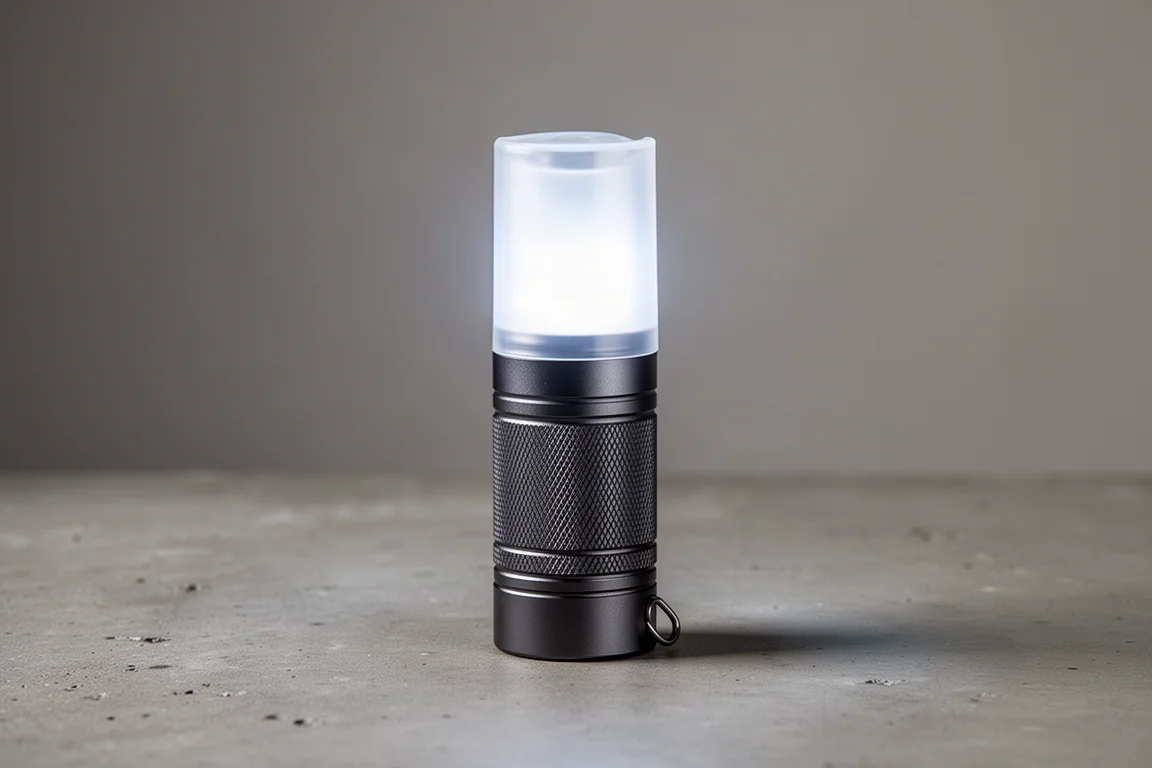
Nitecore LA10 Review: A Tiny 2-in-1 Lantern That Nails the Basics
The Nitecore LA10 pairs a pocket-sized lantern with a single AA battery, a magnetic tail cap and a five-year warranty. Here is where it shines and where it struggles.
Flashlights
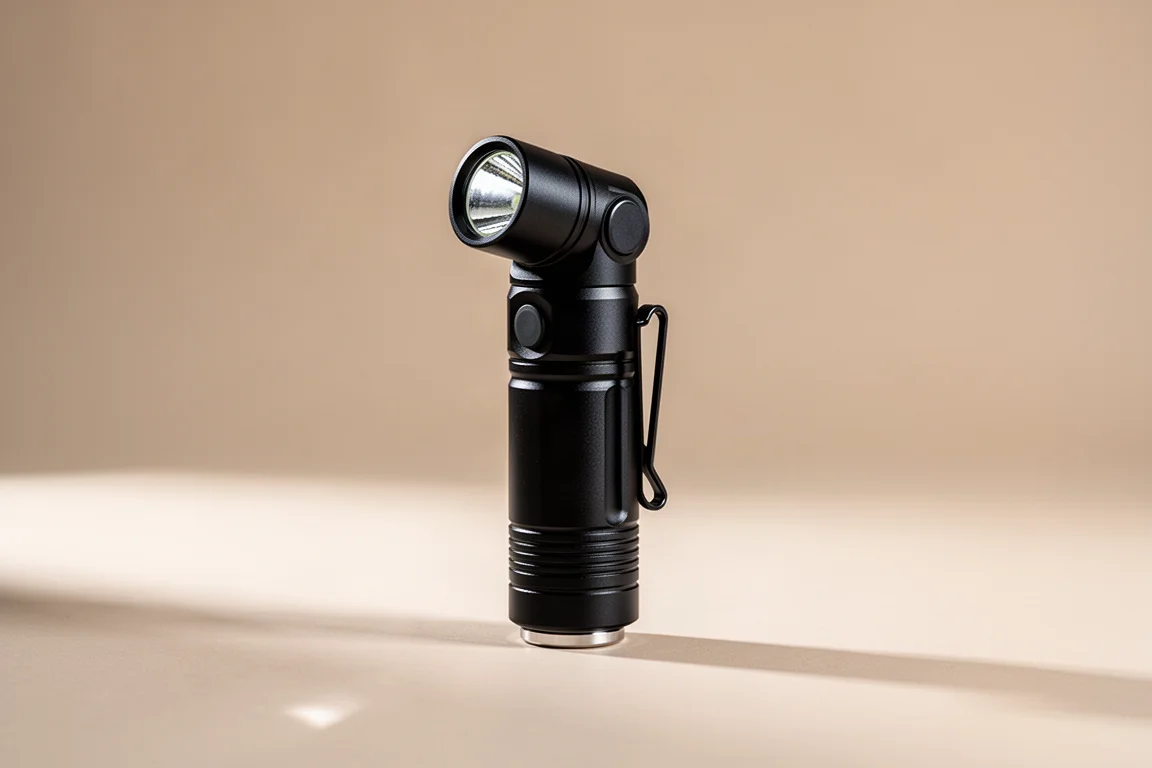
Wuben G5 Review: A Compact Everyday Carry Flashlight
The Wuben G5 is a small, rechargeable flashlight with a pivoting head, magnetic base, and color modes. Here is how it performs as an everyday carry light.