Coffee Equipment
Fellow Ode 2 Review: A Filter Coffee Grinder That Fixes the Original's Frustrations
The Fellow Ode 2 addresses key usability issues from the first generation with improved burrs, better static control, and a refined hopper design. A practical single-dose grinder for filter coffee enthusiasts.
Introduction
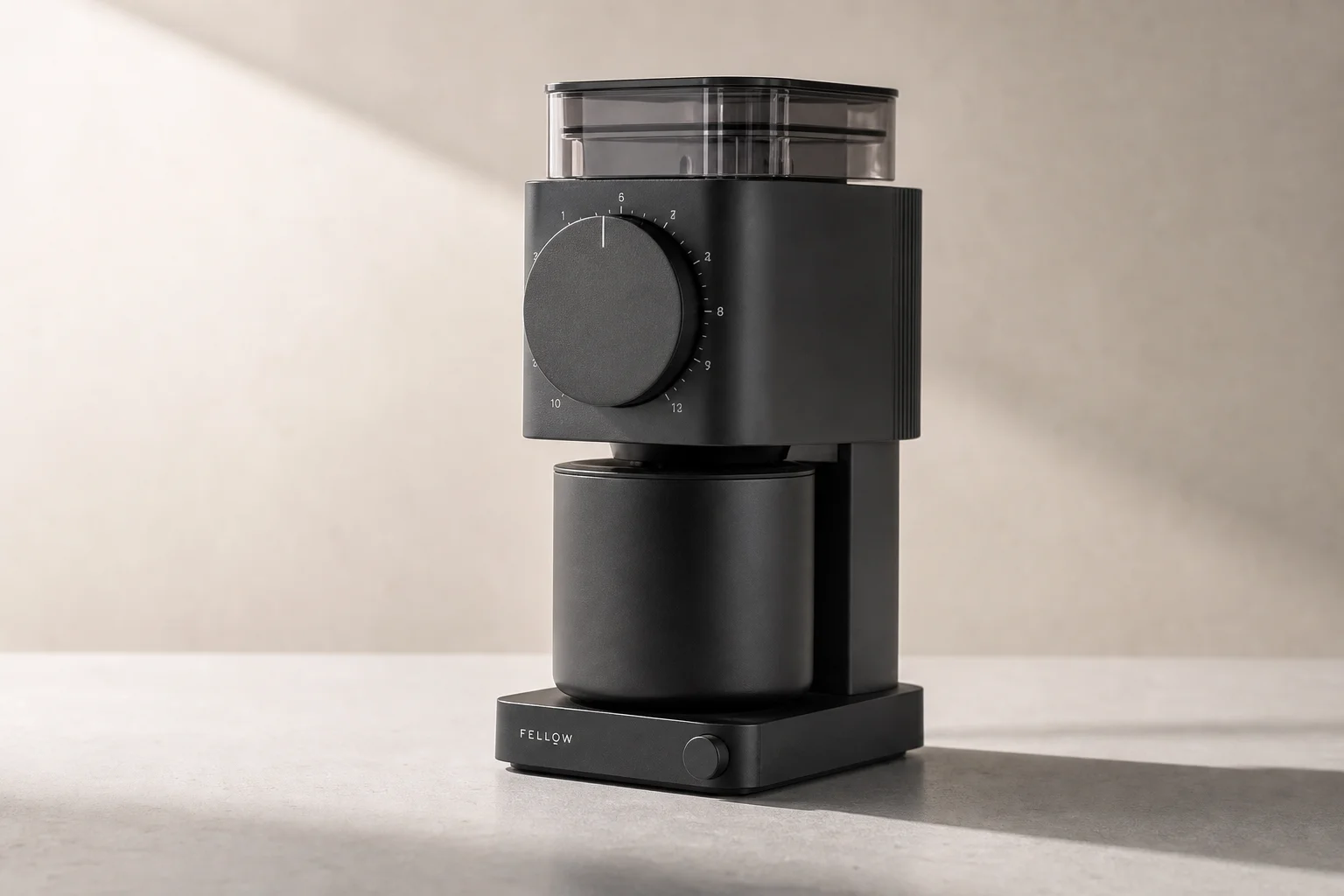
The Fellow Ode arrived in 2020 as a single-dose, filter-coffee-only grinder with genuine appeal but also real limitations. The original design struggled with grind fineness for lighter roasts and suffered from static buildup and retention issues that made daily use frustrating. The Ode 2 addresses both of these core problems with a redesigned burr set, improved hopper geometry, and better static management at the exit chute. This review examines whether those changes make the Ode 2 an easy recommendation for filter coffee enthusiasts.
Grinding Performance and Burr Design
The original Ode used interlocking burrs that could not grind fine enough for the kind of brewing many filter coffee drinkers prefer, particularly when working with light roasts and methods like the V60. The new Ode 2 features a redesigned Gen 2 burr set developed in collaboration with industry experts. These burrs are also sold separately for eighty dollars, making them accessible as an upgrade path.
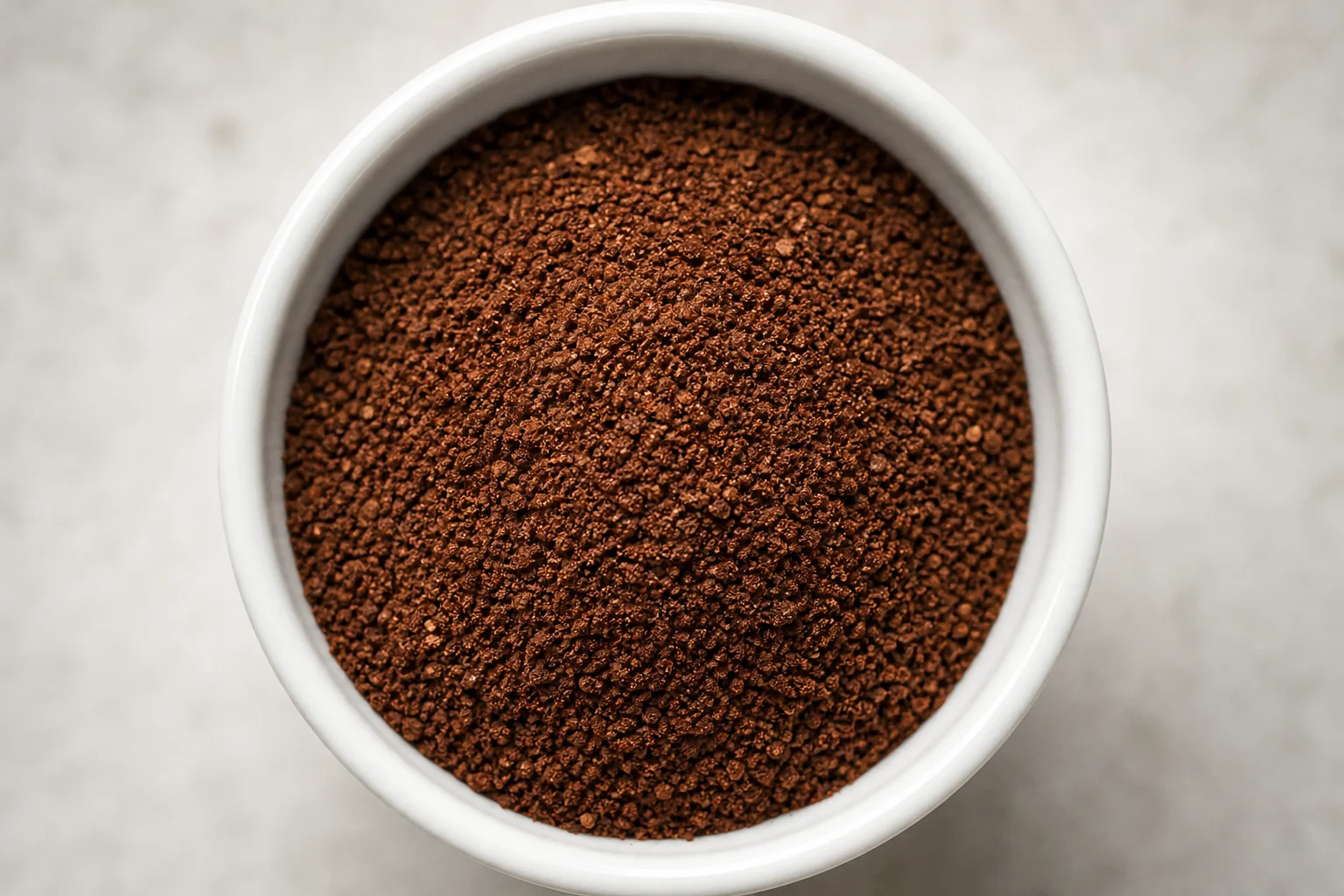
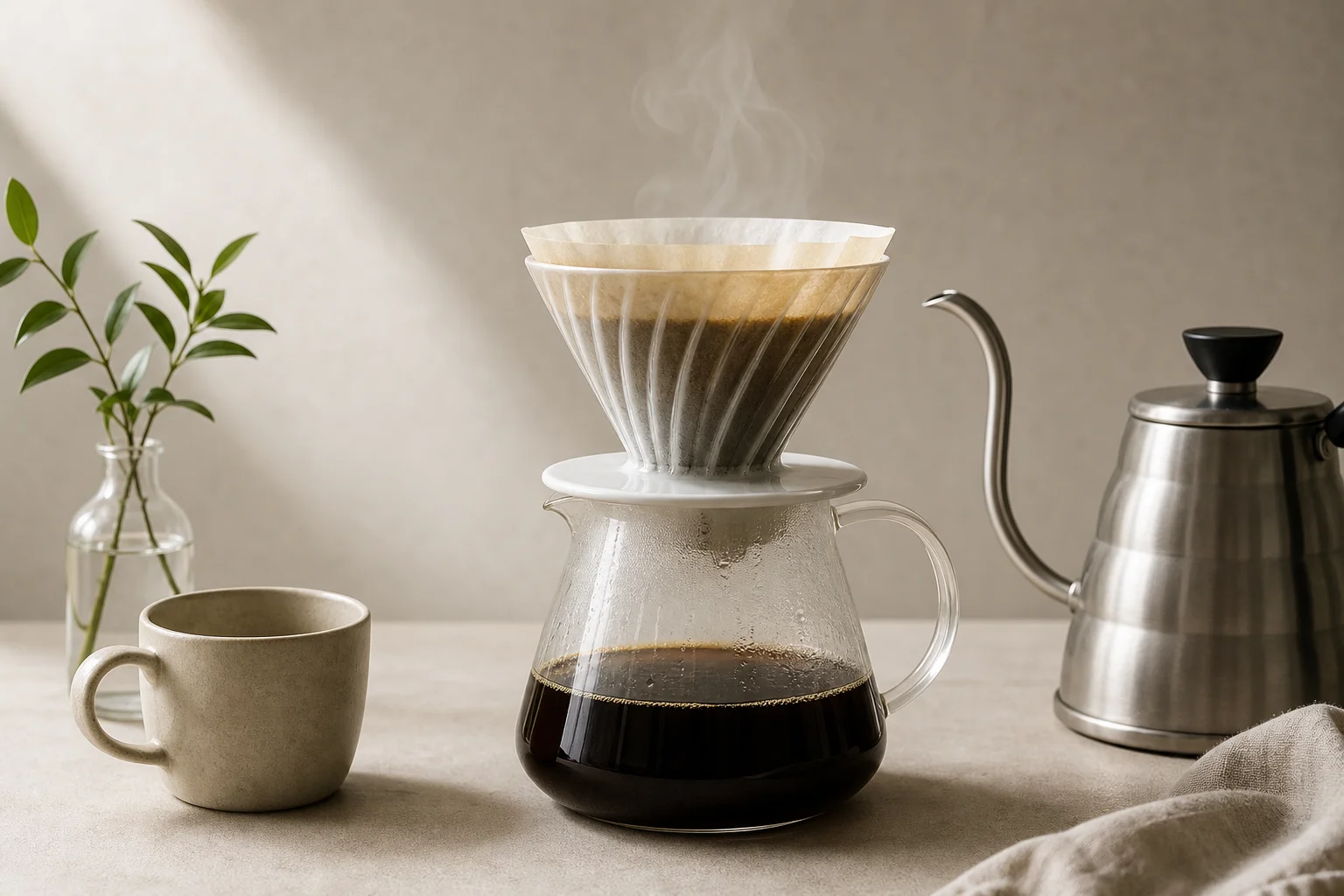
The Gen 2 burrs aim for a balance between texture and body with more developed roasts while delivering clarity and sweetness with lighter roasts. In practical brewing, the grinder produces coffee with high extractions around 22 to 23 percent using a V60 with light roasts, yielding plenty of sweetness and clarity alongside good body. When compared directly to more expensive burr sets like the SSP burrs (which cost $185), particle size analysis shows the Gen 2 burrs produce slightly more fines but remain surprisingly close in overall performance. For most users, the difference in the cup is marginal, and the returns from spending significantly more on alternative burr sets diminish quickly.
Hopper and Dosing Improvements
The hopper on the Ode 2 is taller and can accommodate around 80 grams of coffee more easily than the original. More importantly, the hopper angle has increased from approximately 20 degrees to 27 degrees, reducing the likelihood of beans becoming trapped and failing to fall through to the burrs. This was a persistent annoyance with the first generation.
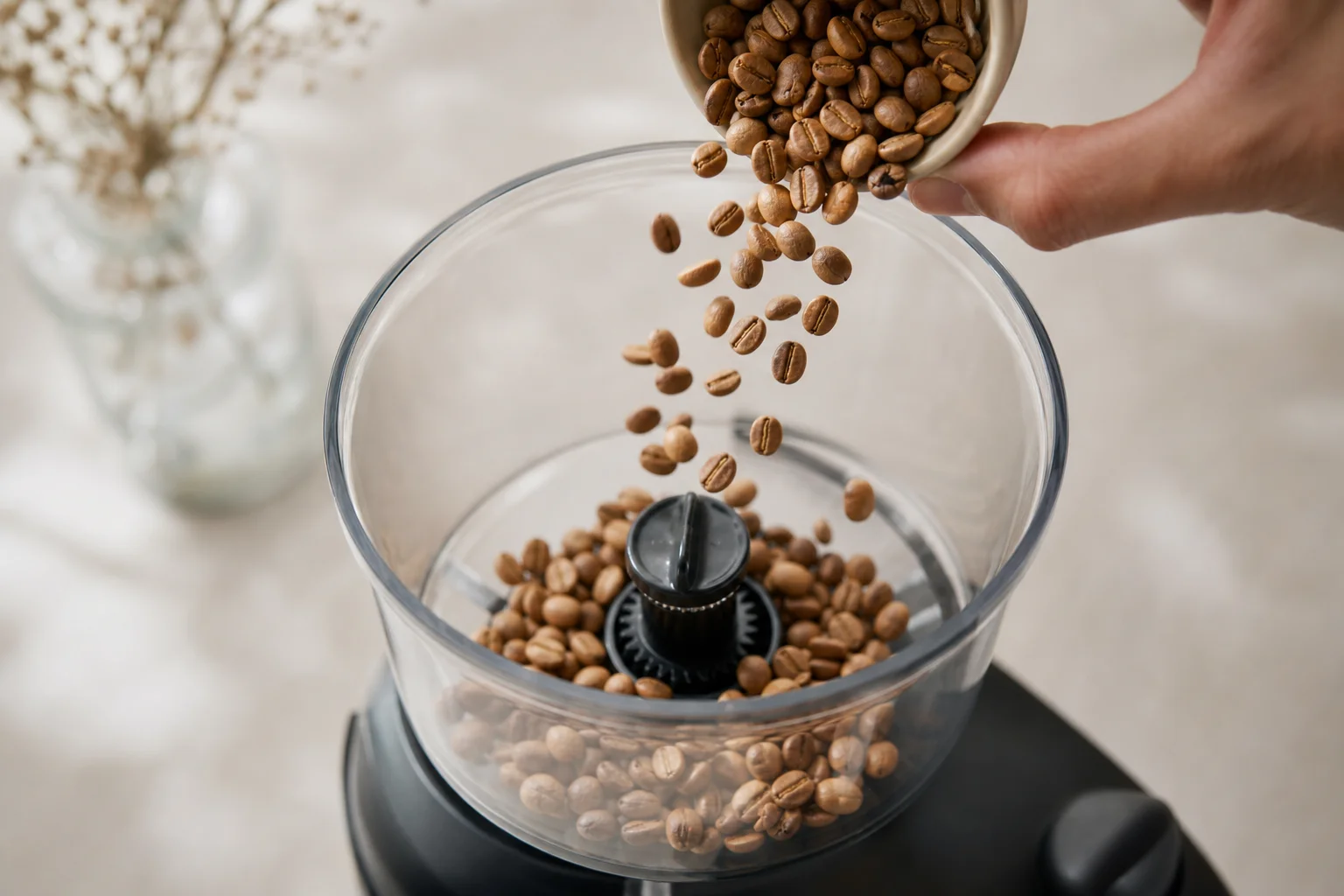
The dosing cup has also been enlarged to match the increased hopper capacity. It retains the internal fins designed to funnel coffee, though these fins can still trap coffee behind them and occasionally require a gentle shake or second pour to fully dose. The magnetic connection between the cup and grinder remains satisfying. One minor frustration is that the lid sits slightly loose on the dosing cup, creating a feeling of uncertainty about whether it is properly seated.
Static Control and User Experience
Static buildup was one of the most irritating aspects of the original Ode. The Ode 2 addresses this with an ionizer at the exit chute, which significantly reduces static without requiring the Ross droplet technique (spraying water on beans before grinding). While many users still choose to spray their beans out of habit, forgetting to do so no longer results in the frustrating mess that plagued the first generation.
The Ode 2 also removes the unnecessary beep that signaled the end of grinding on the original model. Since the auditory cue of the grinder stopping is already present, the additional beep served no practical purpose and was simply annoying. Its removal is a welcome quality-of-life improvement.
The grinder maintains a compact footprint and simple, refined aesthetic. One small but useful improvement is the updated chart inside the hopper explaining the grind settings, which is now more readable than the original version.
Design and Recommendation
The Ode 2 is a well-considered evolution that removes genuine points of frustration from the original design. The new burr set produces excellent coffee for filter brewing, the improved hopper geometry reduces bean trapping, and the ionizer makes the grinder far less messy to use. The removal of the unnecessary beep and the more readable settings chart are thoughtful refinements.
The main consideration is price. The Ode 2 costs $345 in the US, compared to around $295-299 for the original. While the new burr set and improved components justify some increase, the price jump is notable. At under $300, this grinder would be an easier recommendation for budget-conscious buyers. At the current price, it remains good value for those who prioritize a compact, well-built filter grinder and have the budget to match.
For anyone seeking a small-footprint grinder dedicated to filter coffee, the Ode 2 is now much easier to recommend than the original. The improvements address real usability issues without compromising the grinder’s core appeal: excellent coffee quality, simple operation, and a design that takes up minimal counter space.
Conclusion
The Fellow Ode 2 successfully resolves the first generation’s most frustrating limitations. Improved burrs deliver excellent filter coffee, the redesigned hopper reduces bean trapping, and the ionizer makes the grinder far less messy. While the $345 price tag is higher than the original, the refinements justify the cost for filter coffee enthusiasts who value both cup quality and daily usability.
Product link
View more details for Fellow Ode 2
This product is mentioned in the review. Check the specifications, options, and compatibility before buying.
View more details for Fellow Ode 2Further reading
Related Reviews
Coffee Equipment
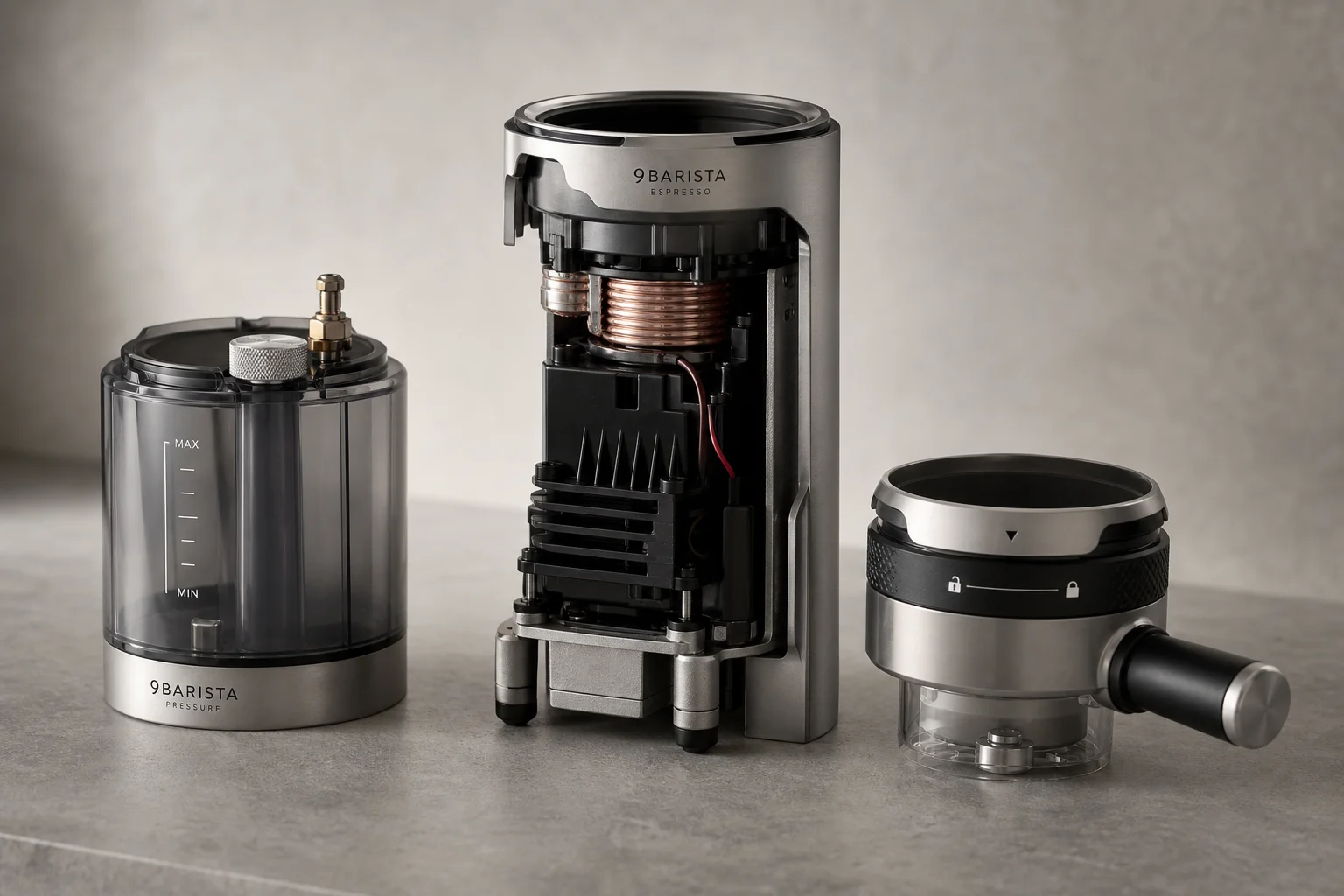
9Barista Espresso Machine Review: Stovetop Espresso for Single-Cup Enthusiasts
A cleverly engineered stovetop espresso maker that generates nine bars of pressure without electricity. Excellent coffee quality, but requires patience and suits solo drinkers only.
Coffee Equipment
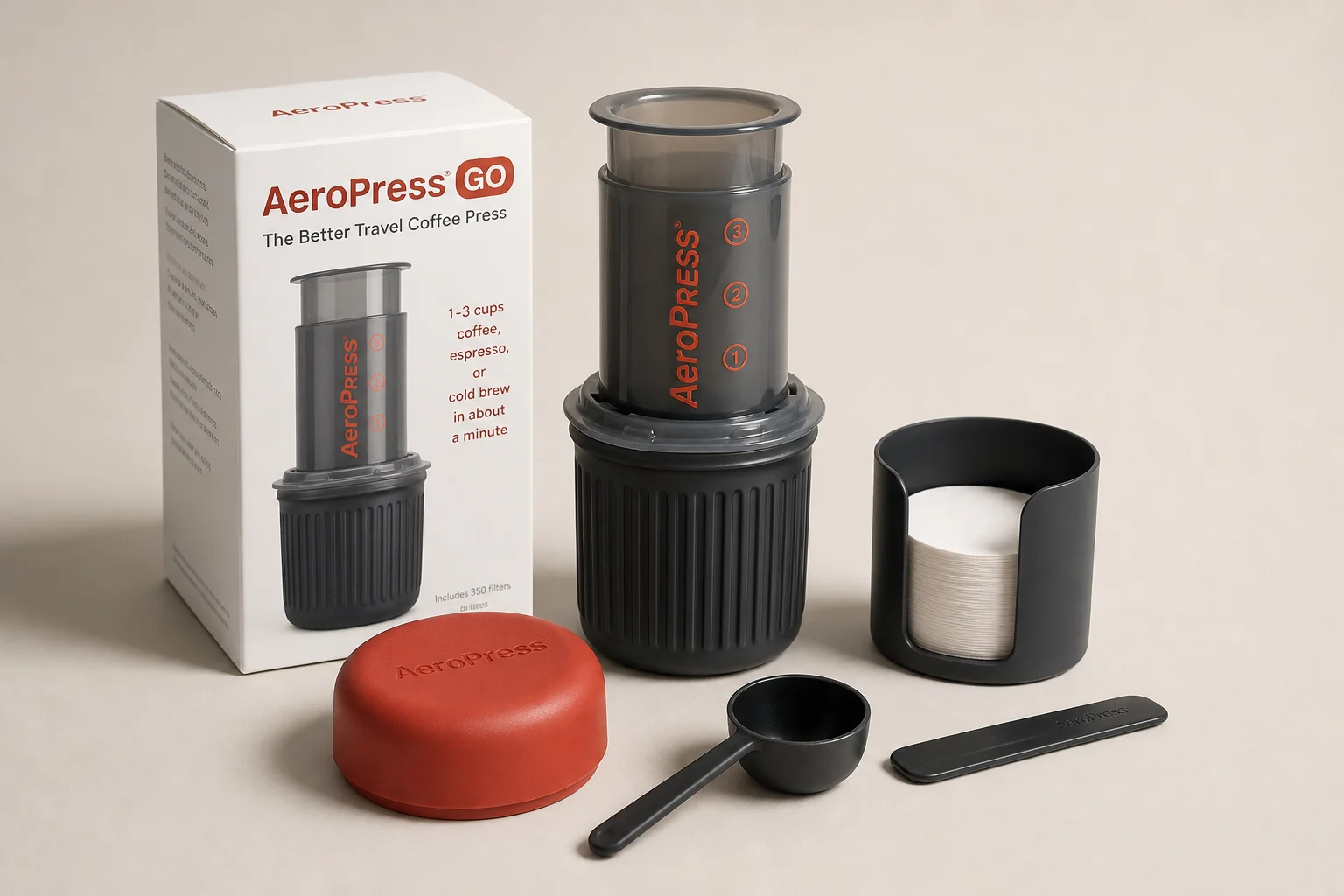
Aeropress Go Review: A Compact Travel Brewer That Solves One Specific Problem
The Aeropress Go shrinks the original design and adds an integrated cup, but it may not address the travel challenges most coffee enthusiasts actually face.
Coffee Equipment
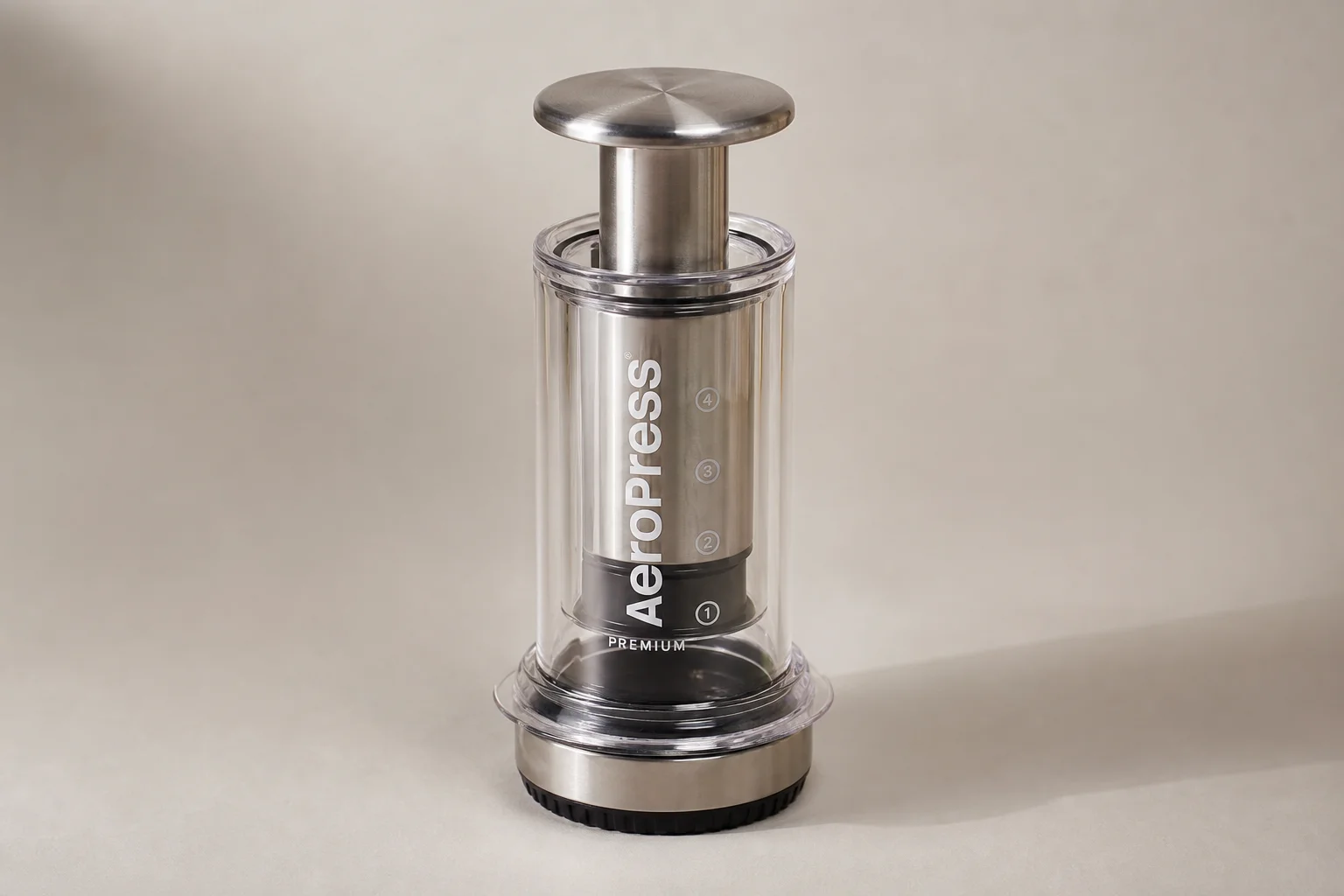
AeroPress Premium Review: Premium Materials, Practical Trade-offs
The AeroPress Premium brings glass and metal construction to a beloved brewer, but trades portability and durability for a more refined feel. Here's what changes in the cup and what matters before you buy.