Backpacking Quilts
Featherstone Moondance 25 Review: An Affordable Backpacking Quilt That Competes
An ISO-certified 850 fill power down quilt at $179, with the warmth, weight, and construction to challenge quilts costing twice as much.
Introduction
Backpacking quilts have earned their place in lightweight kits, and they have also earned a reputation for being expensive. Most of the well-known makers sit in the $300 to $400 range, which puts a high-quality down quilt out of reach for a lot of people getting into overnight hiking.
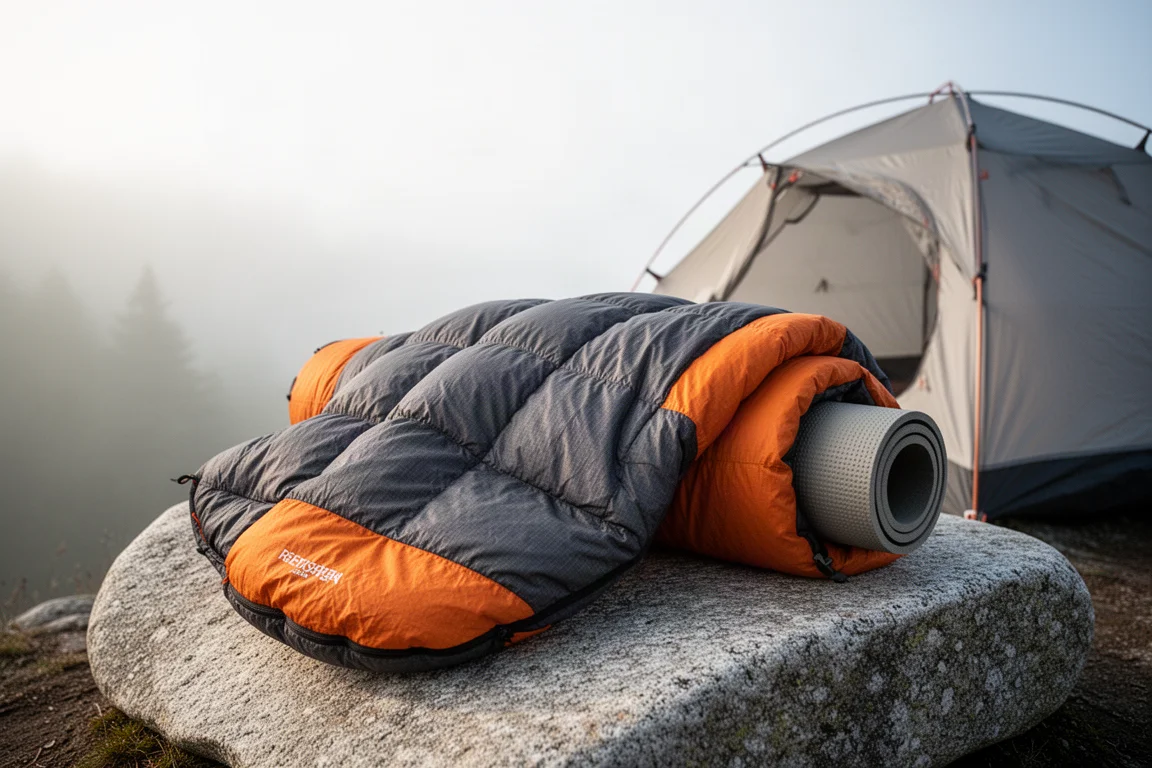
The Featherstone Moondance 25 is aimed squarely at that gap. It is an 850 fill power down quilt with an ISO-certified temperature rating, a claimed 23 oz weight for the quilt alone, and a price of $179. That is roughly half of what comparable quilts typically cost, and the interesting question is whether the savings show up anywhere that matters on a cold night.
A quick note on what a quilt actually is, for anyone new to the format. A backpacking quilt, sometimes called a top quilt, is essentially a sleeping bag without a back. The insulation on the back of a sleeping bag gets compressed under your body and stops trapping air, so it contributes very little warmth; the only reason a sleeping bag keeps your back warm is the insulating value of the pad underneath you. Removing that panel saves weight and bulk, and it makes the quilt behave more like a blanket, so you can cover part of your body on warmer nights and regulate temperature more easily. The trade-off is that a quilt has no hood, so head warmth has to come from something else.
Who This Quilt Is For
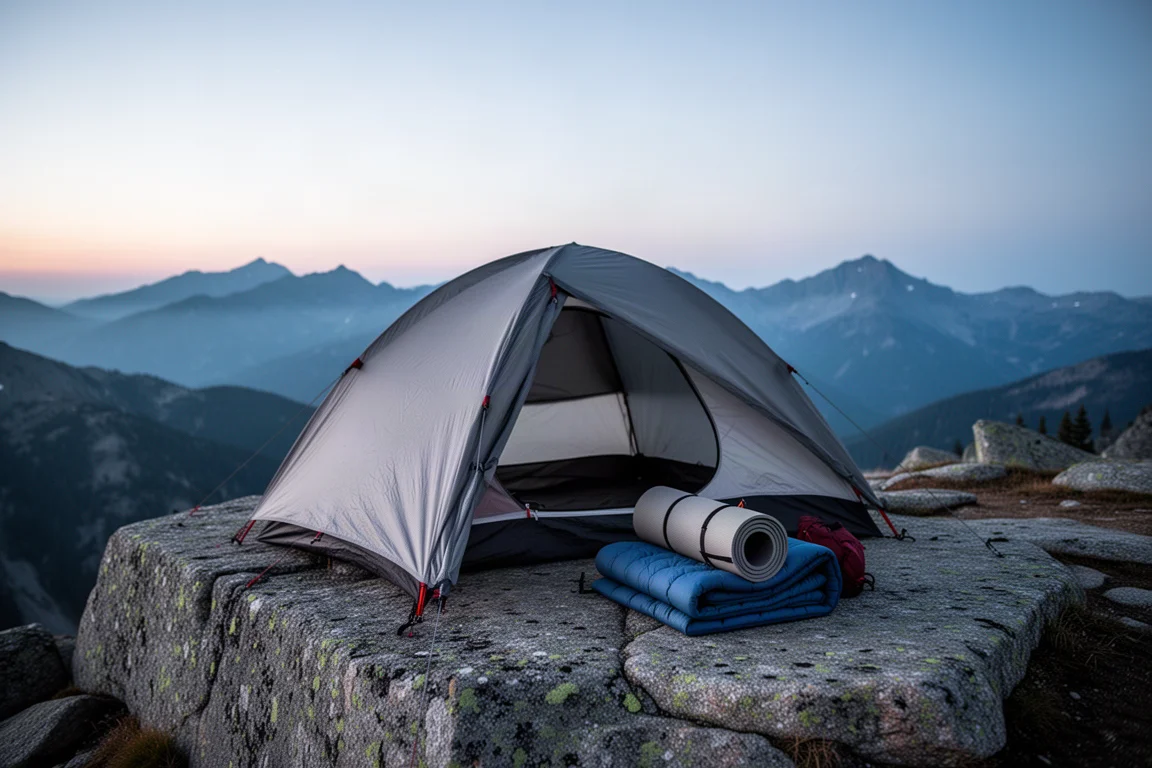
The Moondance 25 is a sensible starting point for three-season backpackers who want genuine down insulation without a premium price. It suits hikers who sleep on an insulated pad and are comfortable adjusting a quilt through the night, since the design rewards a little attention at bedtime.
It is also a reasonable option for campers who already own a sleeping bag and want to try the quilt format before committing serious money to it. The learning curve is short, and the financial exposure is low.
Riders of the temperature scale matter here. Someone who sleeps warm and mostly camps above freezing will get along with this quilt easily. Someone who sleeps cold, or who plans trips in shoulder-season conditions, should think carefully about which of the two ratings applies to them, which is covered below.
Main Strengths
Warmth and Temperature Ratings
Temperature ratings in this category are often arbitrary, because manufacturers are not obliged to test their quilts. Featherstone went the other route and had the Moondance 25 ISO certified, which gives buyers a defined reference point rather than a marketing number.
The certified figures are a 36°F comfort rating and a 26°F limit rating. The 25 in the product name corresponds to the limit rating, which is the point at which a warm sleeper starts to feel chilled and curls up, without shivering and without hypothermia risk. Cold sleepers should plan around the 36°F comfort figure, and warm sleepers should probably not take this quilt below freezing.
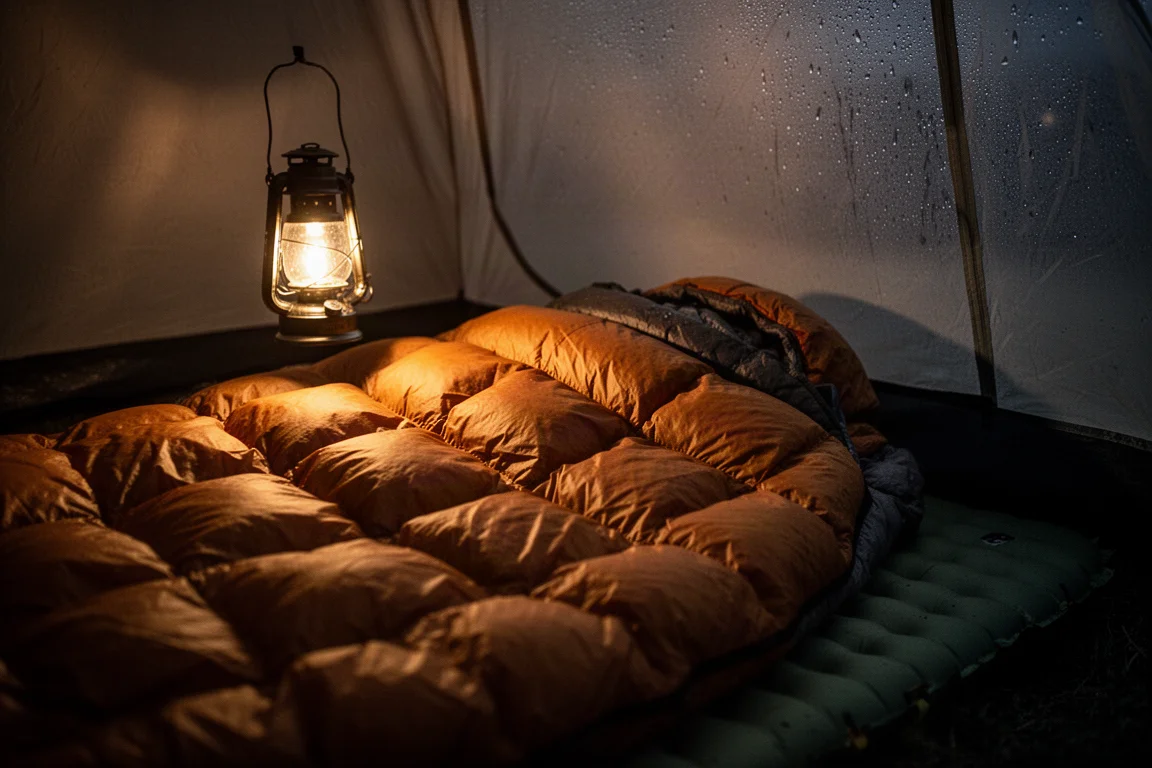
It helps to know how those ratings are generated. The standard test uses a mannequin wearing one full-body layer of clothing, lying on a sleeping pad with an R-value of 4. Field use in temperatures around 37°F, with lighter clothing and a considerably less insulated pad, still felt warm enough to suggest the quilt has some margin beyond its comfort rating. The main source of chill was not the insulation itself but small drafts entering whenever the sleeper shifted position; repositioning the quilt resolved it each time. On a night that was not expected to drop below the high 40s, the quilt was not fully secured to the pad, and doing so would likely have eliminated the drafts entirely.
Weight and Packed Size
The quilt alone weighs 23 oz, with the included pad straps adding only an ounce or two. That is competitive with far more expensive quilts, and it comes from the 850 fill power down, which lofts efficiently for its mass.
The down has also been treated with DownTek water repellency. Untreated down loses essentially all of its insulating value when wet, becomes heavy, and can create a genuine safety problem in the backcountry, which is why it has historically been a trade-off worth accepting for its weight and compressibility. Water-repellent treatment is not a complete solution, but it makes down substantially more forgiving of moisture.
Design and Draft Control
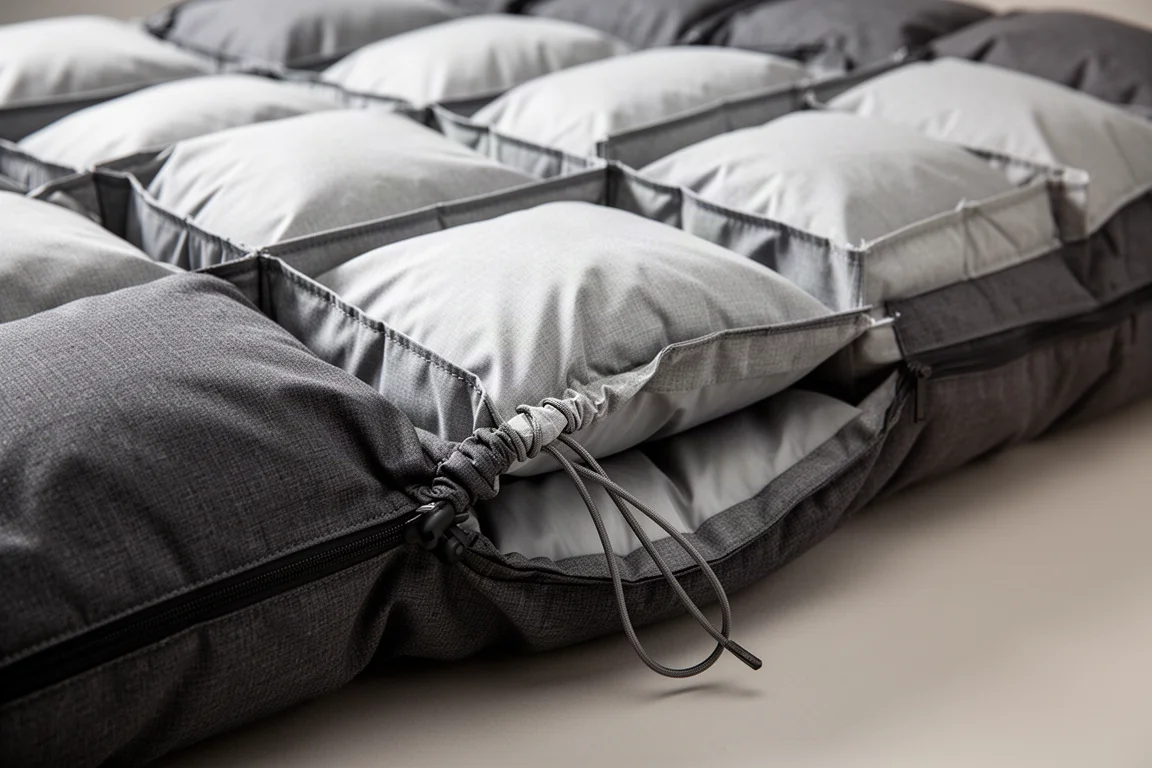
The Moondance follows the same template as its more expensive competitors. A zipper and drawstring at the foot end close off a foot box, and the baffle layout is deliberate: box baffles run lengthways across the body, which keeps the down from migrating to either side and leaving a cold spot, while the baffles around the foot box run side to side.
There are snaps and buttons that let you close the back of the quilt for a more sleeping-bag-like feel, and the included pad straps secure the quilt to your sleeping pad to limit drafts from tossing and turning. Stitching throughout looked clean, with no visible flaws.
One small detail worth knowing: the foot box closure leaves a narrow opening at the very end, which can let in a draft on cold nights. The common fix is simply to push a sock into the gap.
Things to Consider Before Buying
There is really only one meaningful drawback, and it is customization. The main competitors in this space let buyers choose fabric color, temperature rating, and fill power. Featherstone, at least for now, does not. There is one temperature rating, one fill power, one color scheme, and two sizes.
For anyone who wants a quilt tuned precisely to their sleep style, that limitation will matter. For everyone else, the trade is straightforward: you give up choice and you keep a substantial amount of money. The black and orange colorway is distinctive rather than neutral, which is worth a glance if you prefer muted gear.
Two other practical notes. The lack of a hood means cold-weather users need a warm hat or hooded insulation. And because drafts are the main comfort variable, the pad straps are not an optional extra; plan to use them from the first night rather than the third.
Buying Advice
The case for the Moondance 25 rests on how little you give up. You get certified ratings instead of vague ones, 850 fill power down with water-repellent treatment, a weight that stands up to premium quilts, a baffle design that prevents cold spots, and clean construction. What you do not get is a menu of options.
If your priority is a specific temperature rating or a particular fill power, the custom makers are still the right answer. If your priority is a warm, light, well-built down quilt at $179, this is one of the more sensible buys in the category, and it makes a strong first quilt for anyone testing the format.
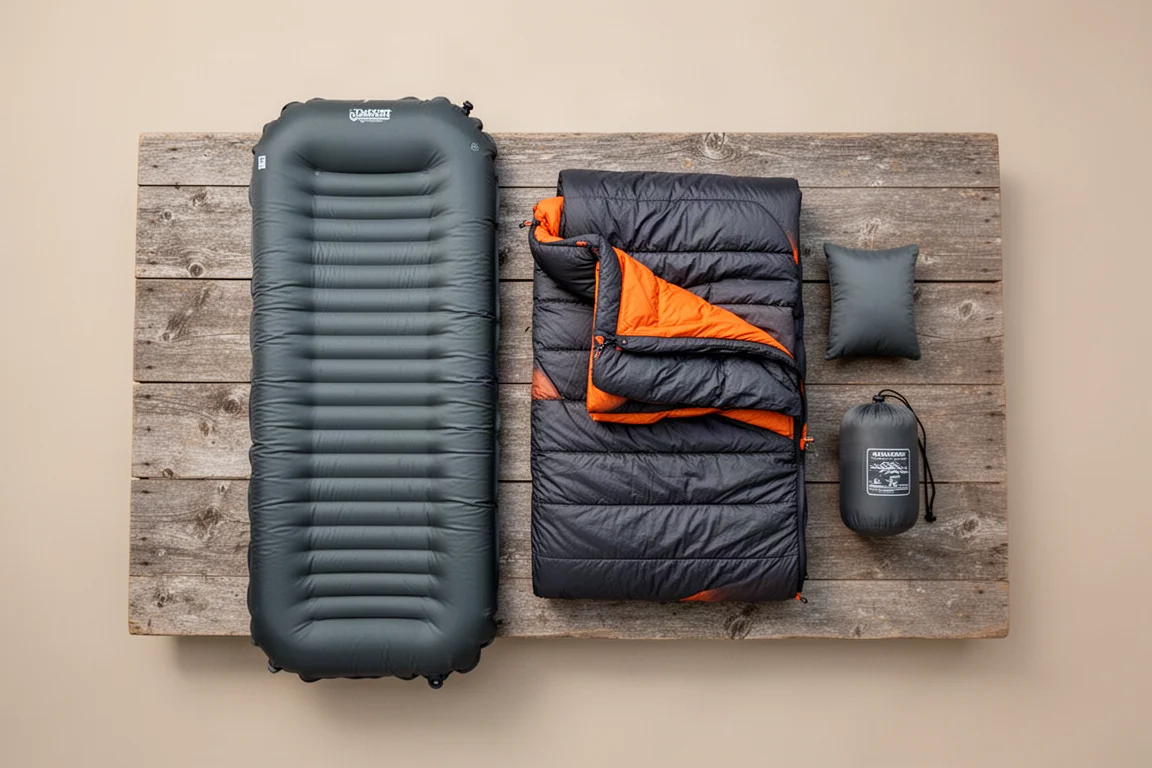
Buy it if you want down performance at roughly half the usual price and you are willing to work with a single configuration. Skip it if customization is non-negotiable, or if you sleep cold and need a quilt rated for genuine sub-freezing nights.
Conclusion
The Featherstone Moondance 25 does what an affordable alternative should do: it matches the core qualities of quilts that cost twice as much, and it is honest about where it simplifies. Warmth, weight, and construction are all competitive. Choice is not, and that is the entire trade.
For three-season backpackers who want to travel light without spending $400 on insulation, this quilt deserves a serious look. Secure it to your pad, plug the foot box gap, and it should handle everything from mild summer nights down toward freezing.
Product link
View more details for Featherstone Moondance 25
This product is mentioned in the review. Check the specifications, options, and compatibility before buying.
View more details for Featherstone Moondance 25Further reading
Related Reviews
Backpacking Quilts
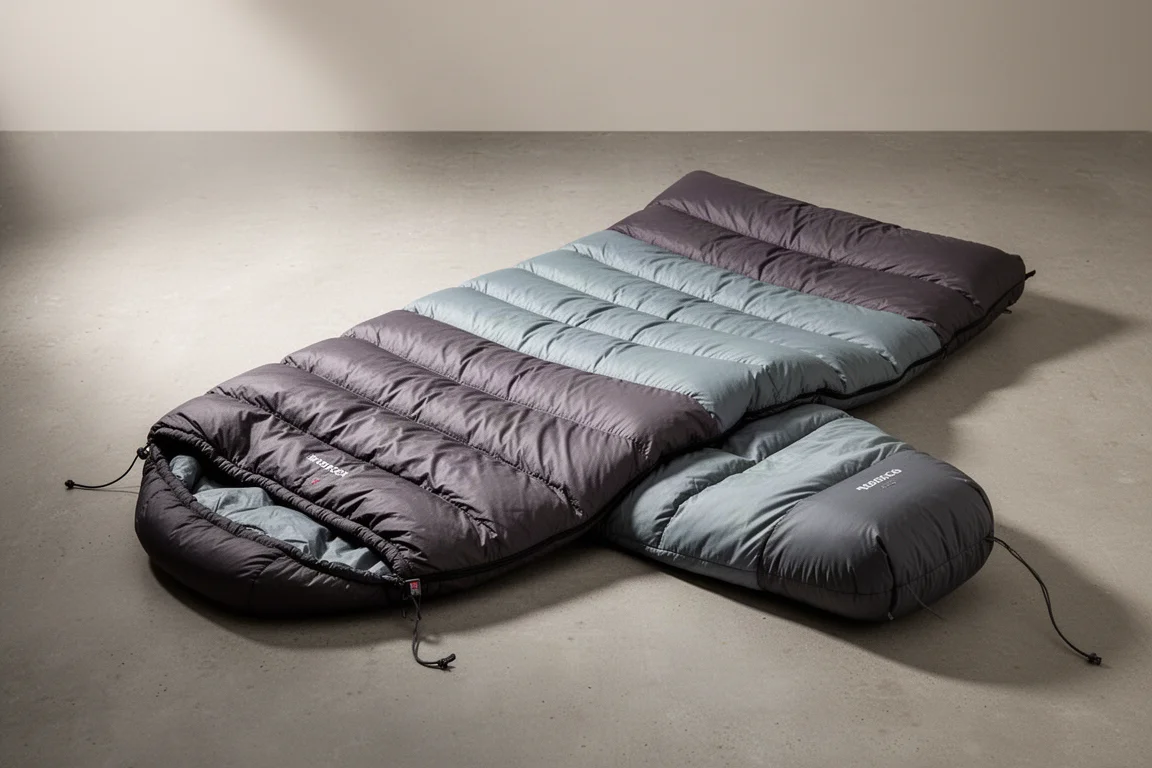
Outdoor Vitals Stormloft Top Quilt Review: A New Down Treatment for Wet Nights
A refreshed backpacking top quilt built around a permanent down treatment designed to dry faster and return to full loft using body heat.
Backpacking Quilts
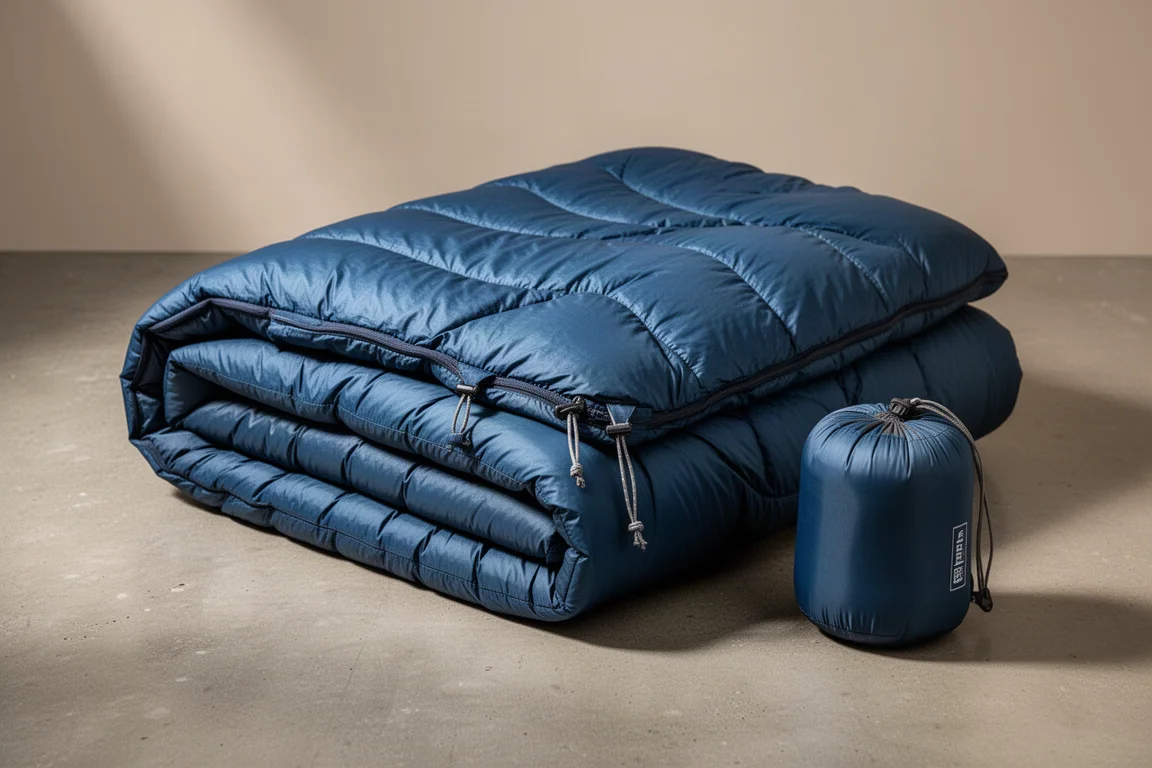
Outdoor Vitals Top Quilt Review: Draft-Free Comfort With Nano Gold Down
Outdoor Vitals rebuilt its top quilt around curved, self-sealing construction, cord keepers, and a permanent nano gold down treatment. Here is what that means in camp.
Backpacking Quilts
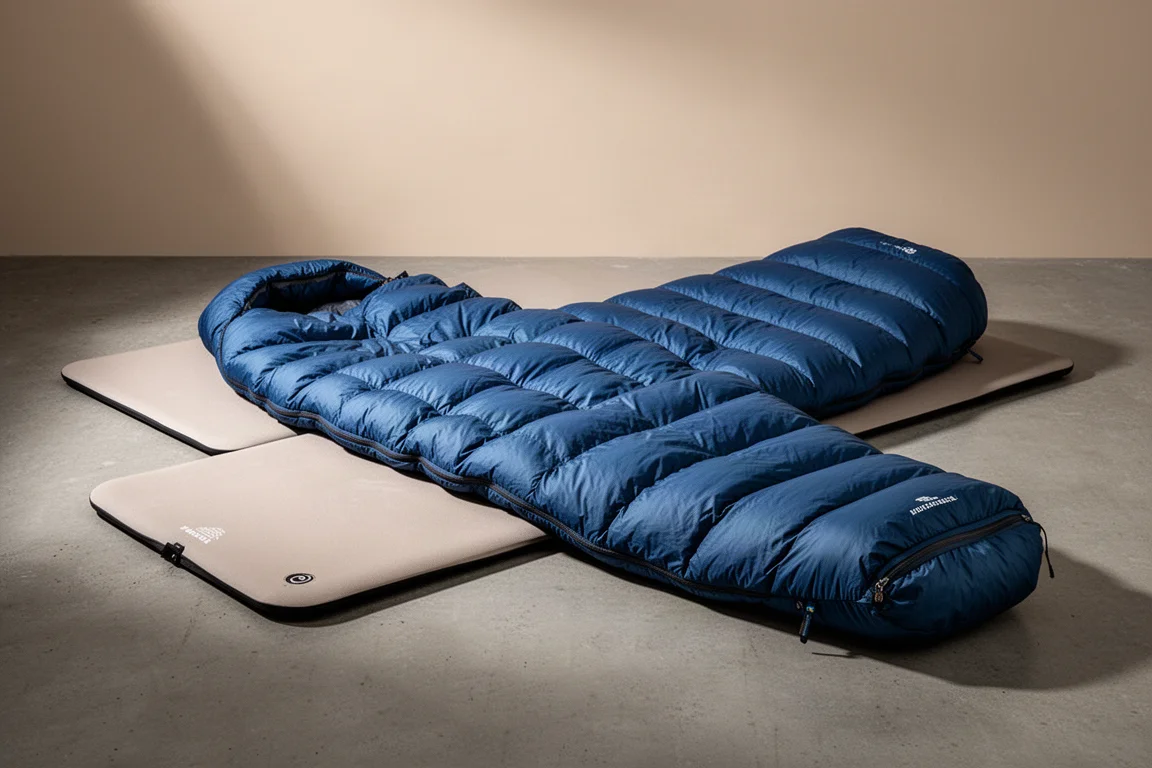
UGQ Alpha Bandit Review: An Alpha Direct-Lined Top Quilt Built for Comfort
A field-tested look at the UGQ Alpha Bandit, a top quilt with an Alpha Direct liner sewn directly inside, including its warmth, weight and care trade-offs.