Running Gear
Our Favorite Running Gear Right Now: 9 Picks We Keep Coming Back To
From a foul-weather jacket and arm heart rate strap to super shoes, merino base layers, tights, and budget earbuds, here's the running gear that earns daily use.
Introduction
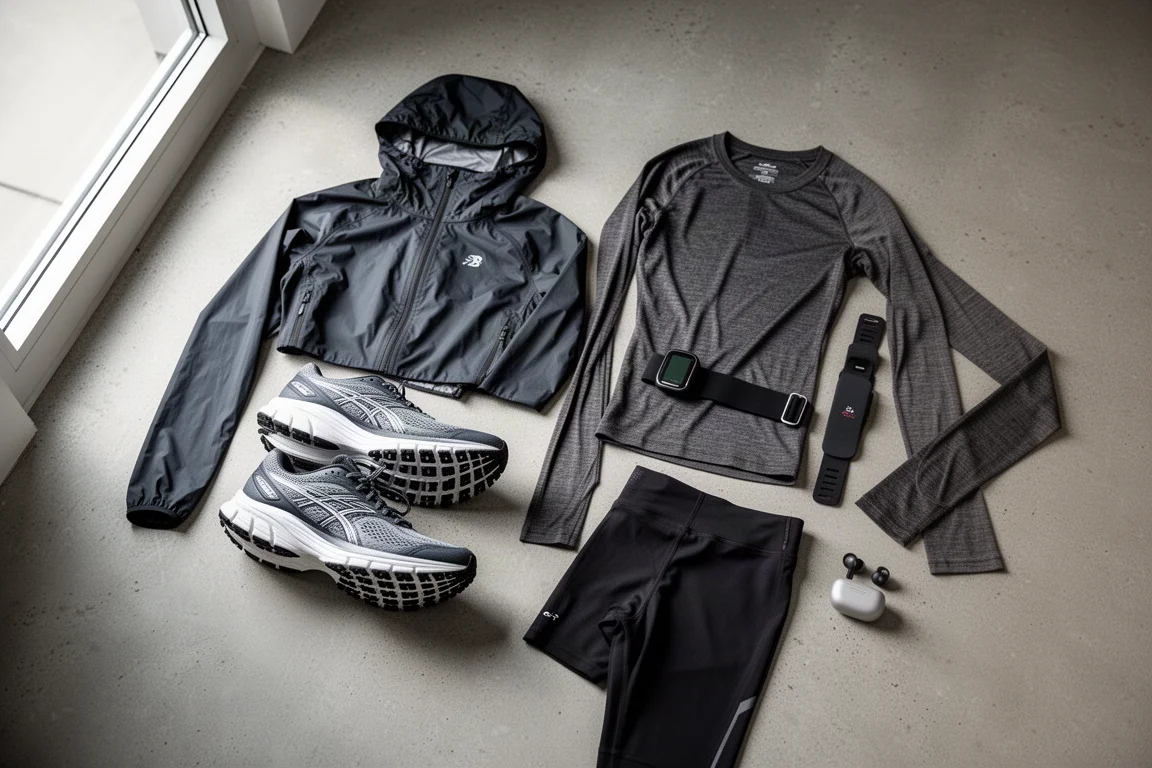
Good running gear is not about owning a lot of things. It is about the few items you reach for every single day, the ones that make it easier to actually get out the door when the weather turns grey and wet. After a full year of testing, this is the kit that consistently earns its place: an all-weather jacket, two GPS watches, an arm heart rate sensor, two very different racing shoes, a merino base layer, a pair of tights, and a set of budget-friendly wireless earbuds. Each one solves a specific problem, and each one has survived constant real-world use.
Salomon All Weather 3.0 Jacket
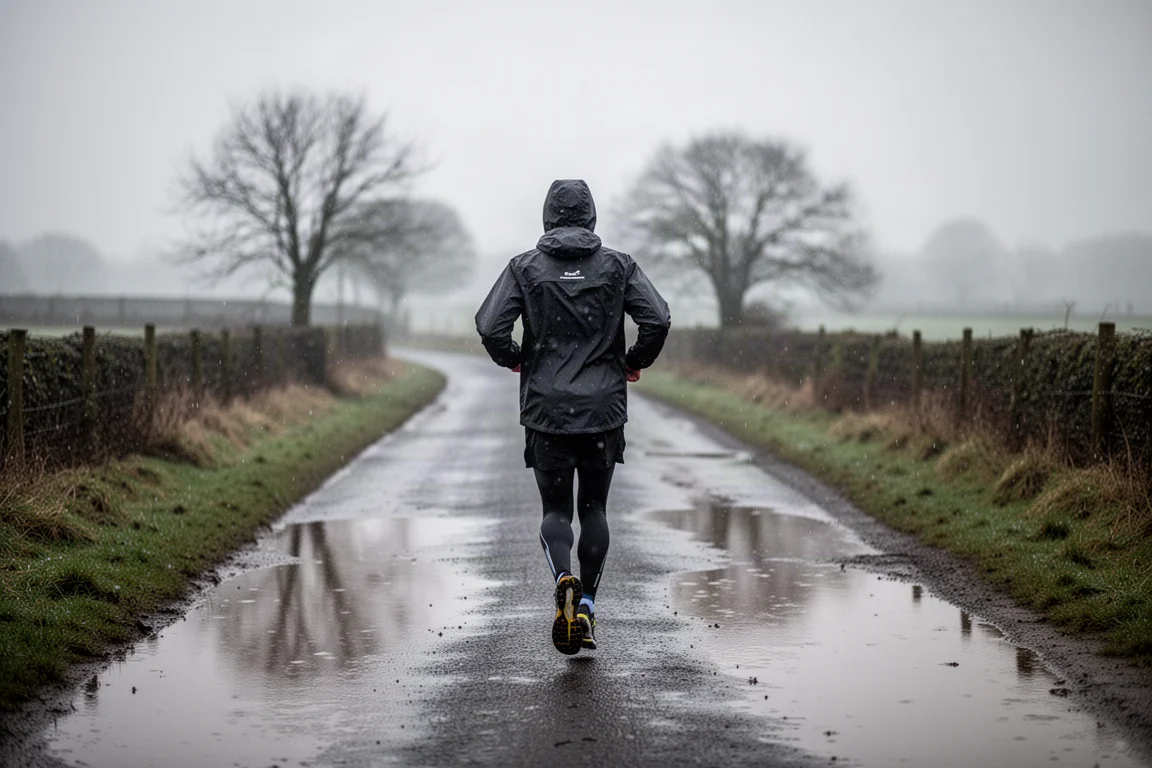
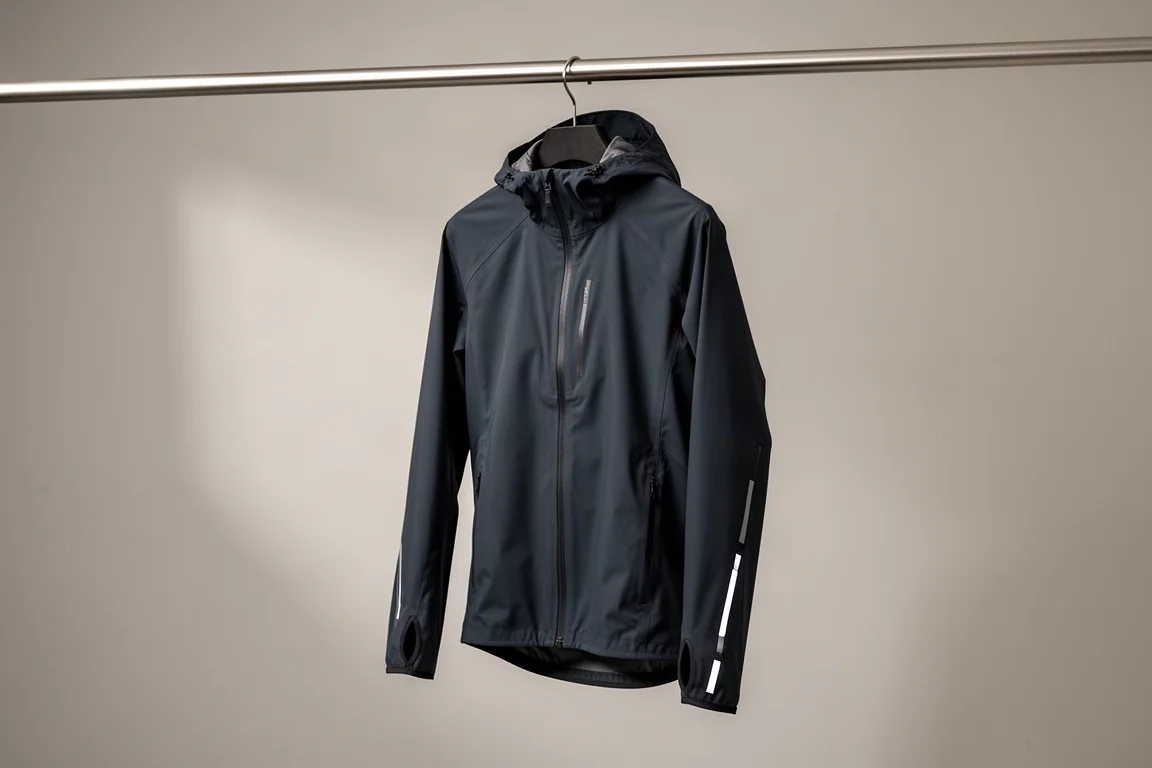
For cold and wet days, the Salomon All Weather 3.0 Jacket is the clear standout. Plenty of running jackets fail the basic test: they feel like a bin bag, offer no breathability, and fit badly. This one avoids all of those pitfalls, with a comfortable, well-sorted fit that works especially well for taller runners.
It comes with two waterproof pockets, one on the front and one on the back. The rear pocket easily holds a phone, and there is room for a couple of gels if you are heading out for a longer run. The storm fabric uses a double application of a water-repellent finish, treating both the yarn and the finished fabric, and it genuinely works in wet and windy conditions. The zips are high quality, which matters because cheaper jacket zips tend to wear out within months. Add in thumb holes at the sleeve ends to help cover the hands, plus reflective details, and you have a jacket that can be worn without base layers without getting cold.
Yes, it is an expensive item. But if the alternative is buying several cheaper jackets only to find they are useless in bad weather, buying this one outright makes sense, especially for daily winter runners.
Garmin Epix 2
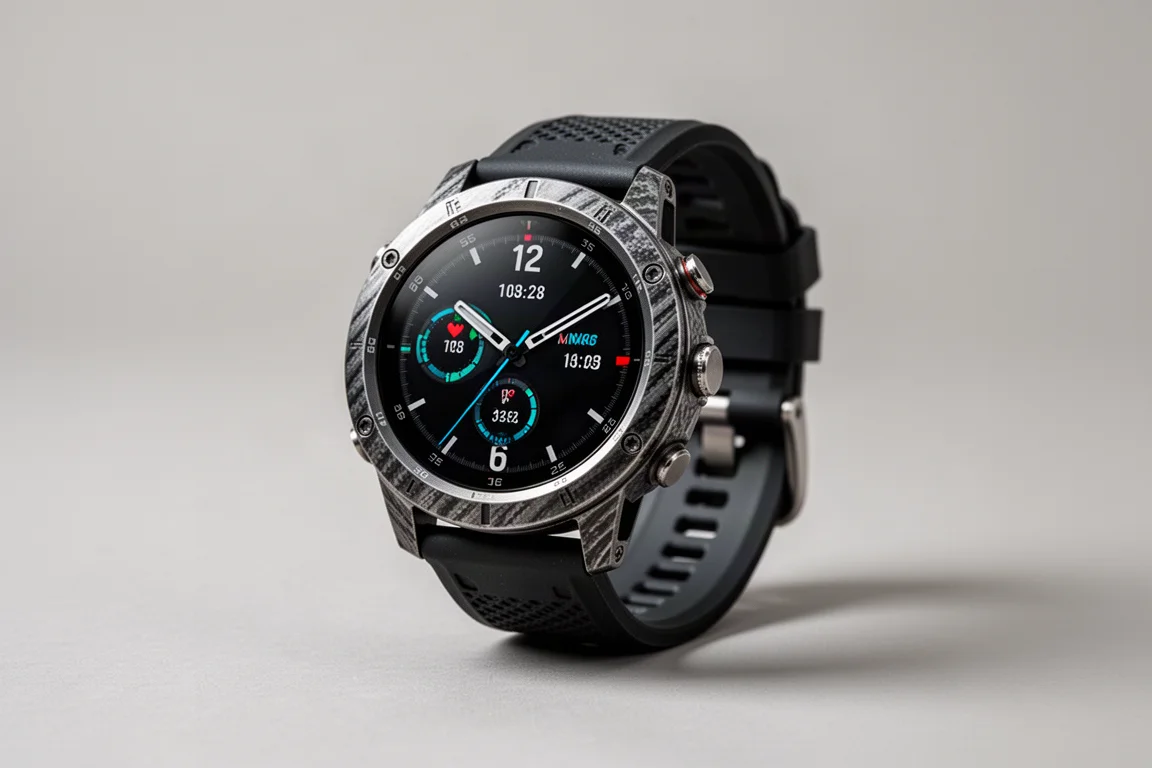
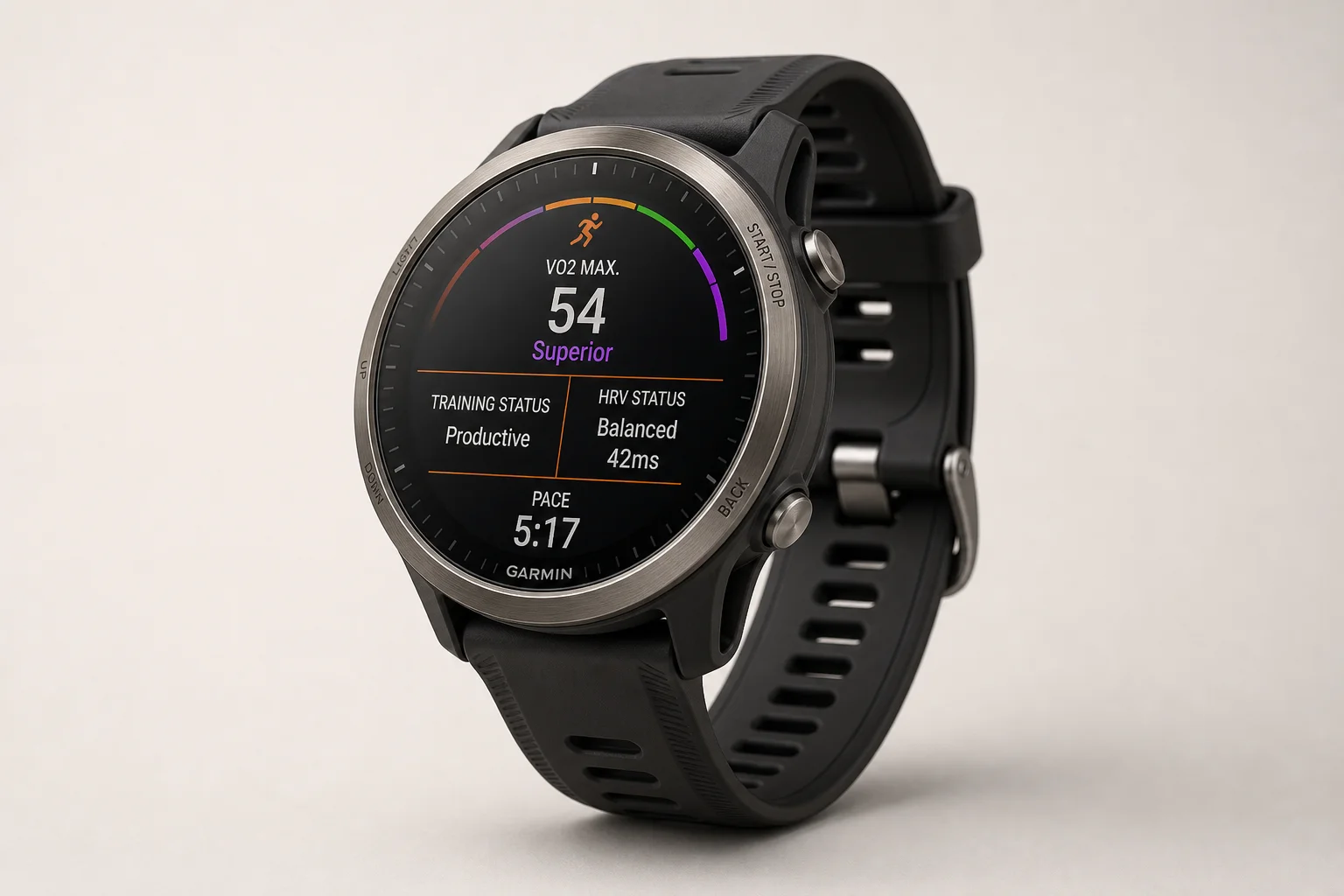
Recent watch software updates have improved optical heart rate accuracy across the board, and the Garmin Epix 2 benefits directly. The heart rate monitoring statistics are noticeably more reliable, which makes the metrics it produces far more usable.
That improved accuracy has a knock-on effect: recovery times become more meaningful because the watch can better judge whether you actually hit your desired effort levels during a run. For anyone who trains with data, that reliability is what turns a watch from a toy into a genuine training tool.
Garmin Forerunner 955
The Forerunner 955 is the other Garmin currently in rotation, and it shares the same advantage: vastly improved heart rate monitoring compared to earlier generations. Between the two watches, it is now possible to put more trust in the numbers and plan sessions around them.
Why two watches? Simple: one is set to miles and the other to kilometers. Both pair happily with the same external heart rate strap over Bluetooth, which makes the combination easy to live with.
Polar OH1 Plus
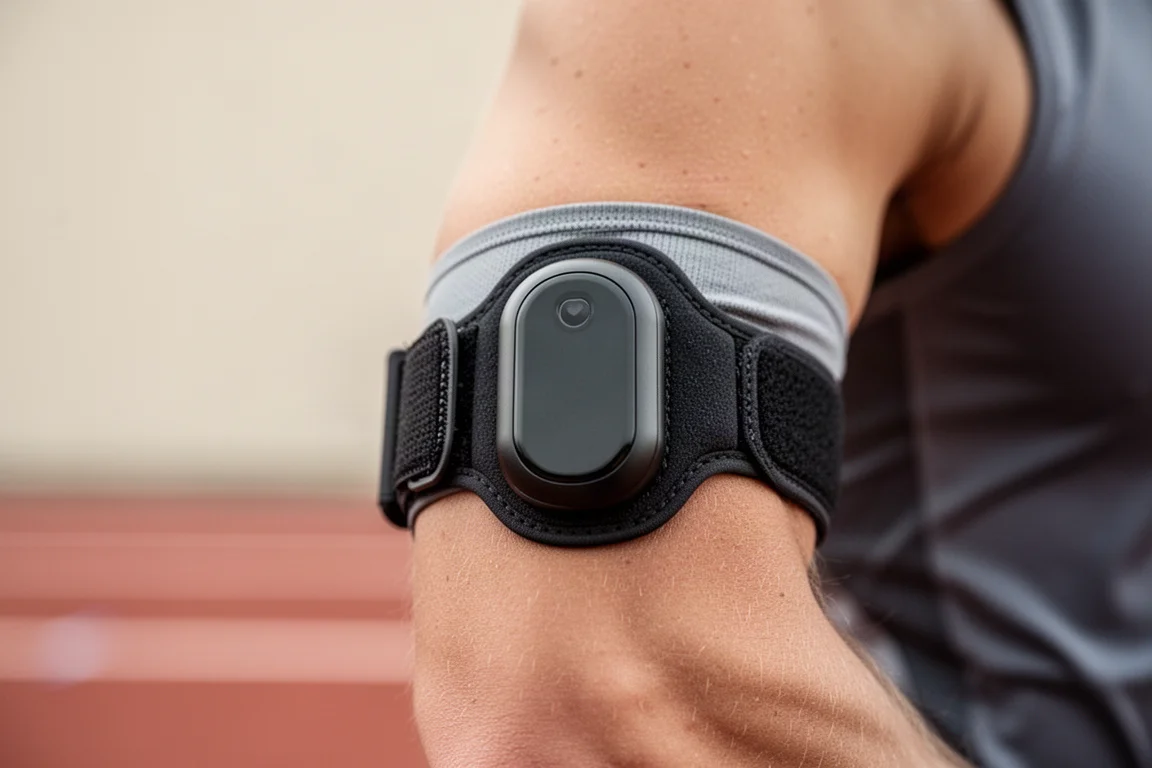
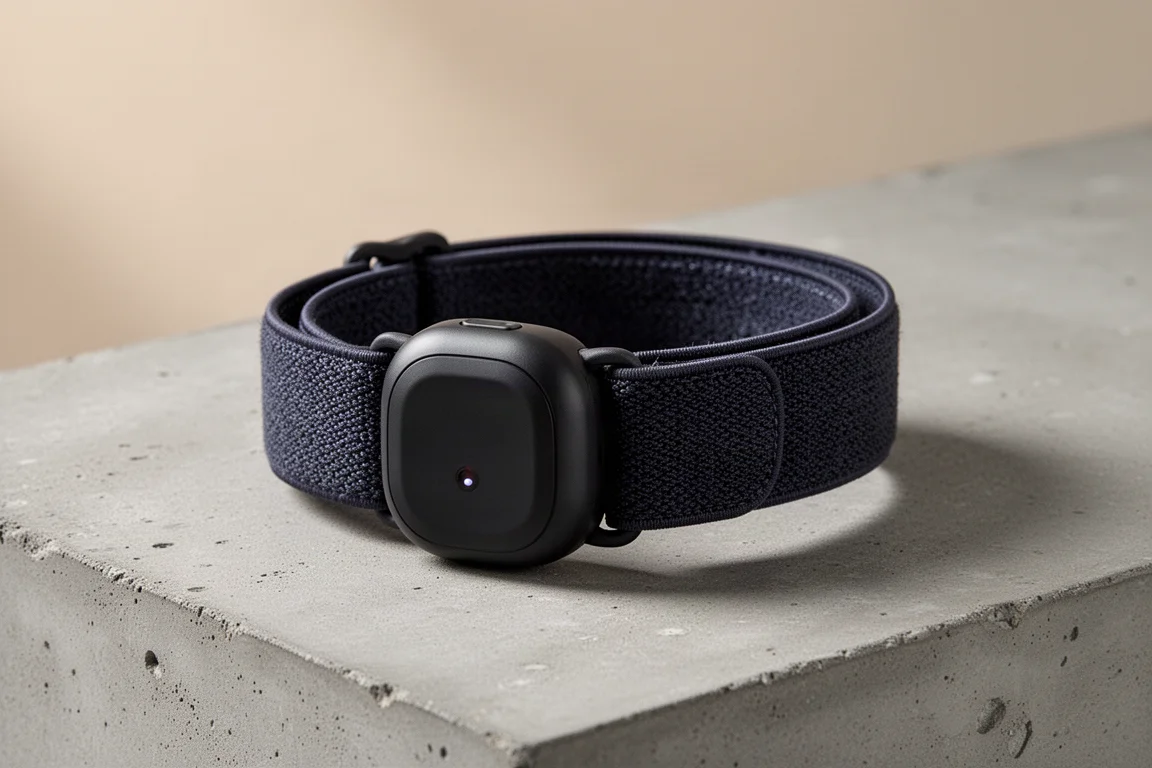
Wrist-based optical heart rate does not work for everyone, and that is where the Polar OH1 Plus earns its keep. Worn on the upper arm, it delivers consistently reliable readings, and it is particularly valuable in very wet weather where wrist sensors can struggle.
The original strap did expire after a couple of years, but there is a practical fix: the strap for Polar’s newer Verity Sense works fine with the original OH1 Plus unit. Tracking is almost always spot on, battery life per charge is reasonable, and while the newer model reportedly adds a small endurance boost, there is little reason to upgrade at this point. Attaching to both running watches over Bluetooth works without issue. For a sensor that has been around for a while, it still delivers the Beast seal of approval.
Adidas Prime X Strung
The Adidas Prime X Strung is the current favorite easy-day shoe, built for steady pace and long runs. It is the king of cushion, with enough propulsion to keep things moving, and it has handled wet, demanding surfaces well, where traction matters most during winter running.
Mileage is closing in on 100 miles, or 160 kilometers, with a longer-term assessment to follow. One practical note: North American runners have seen some superb discounts on this shoe, while other regions have not always enjoyed the same pricing, so it is worth watching for a deal.
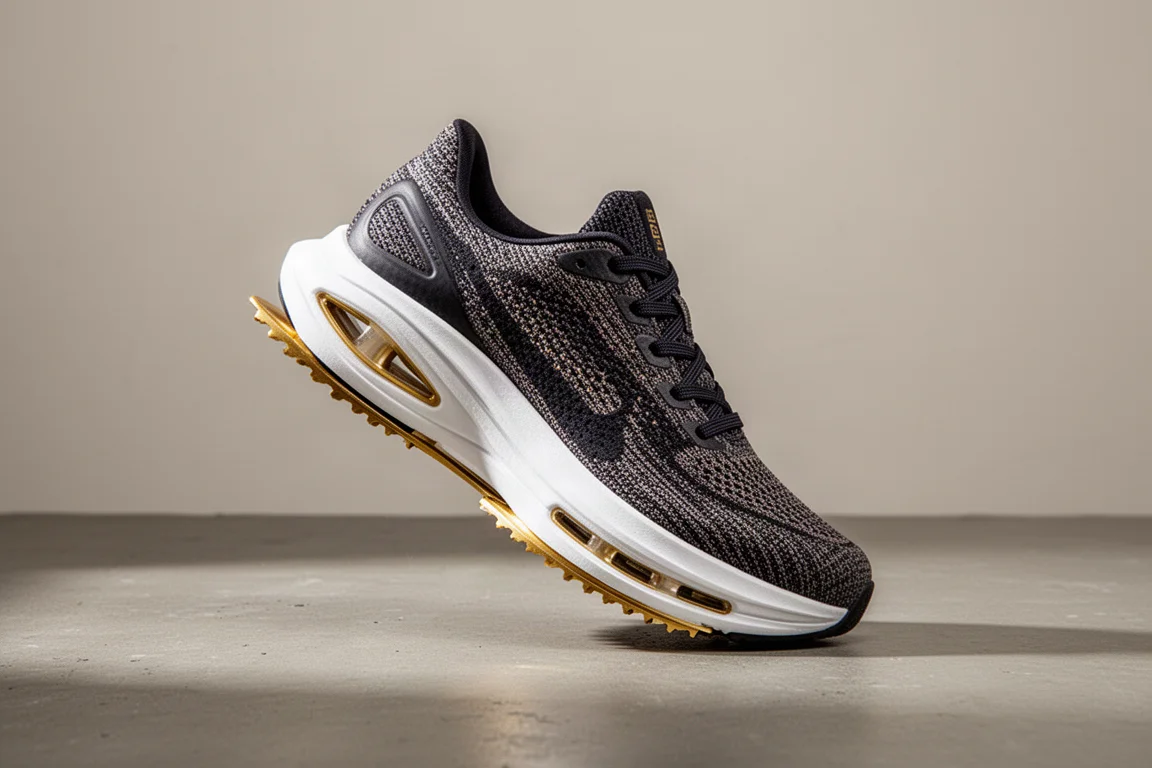
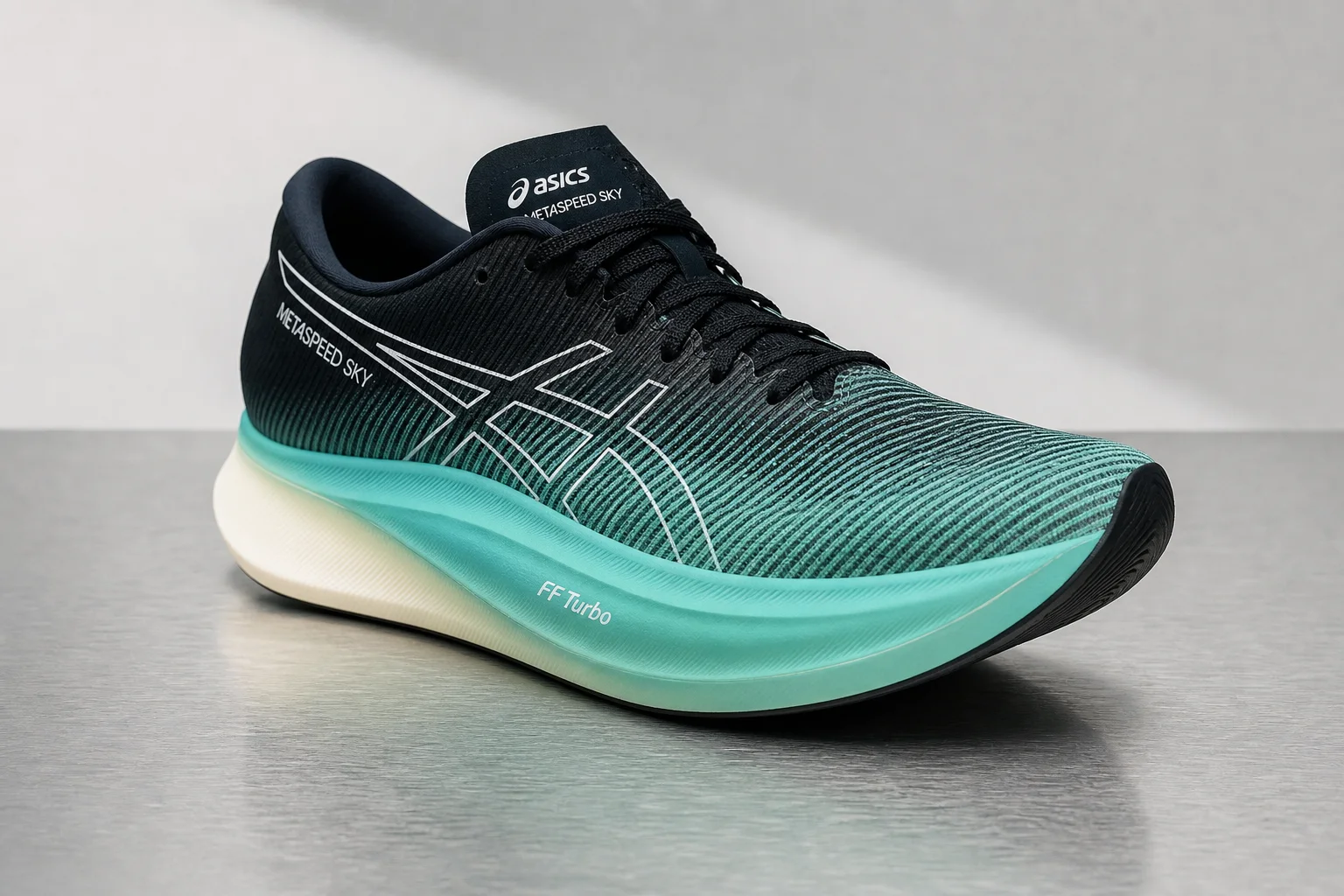
Asics Metaspeed Sky Plus
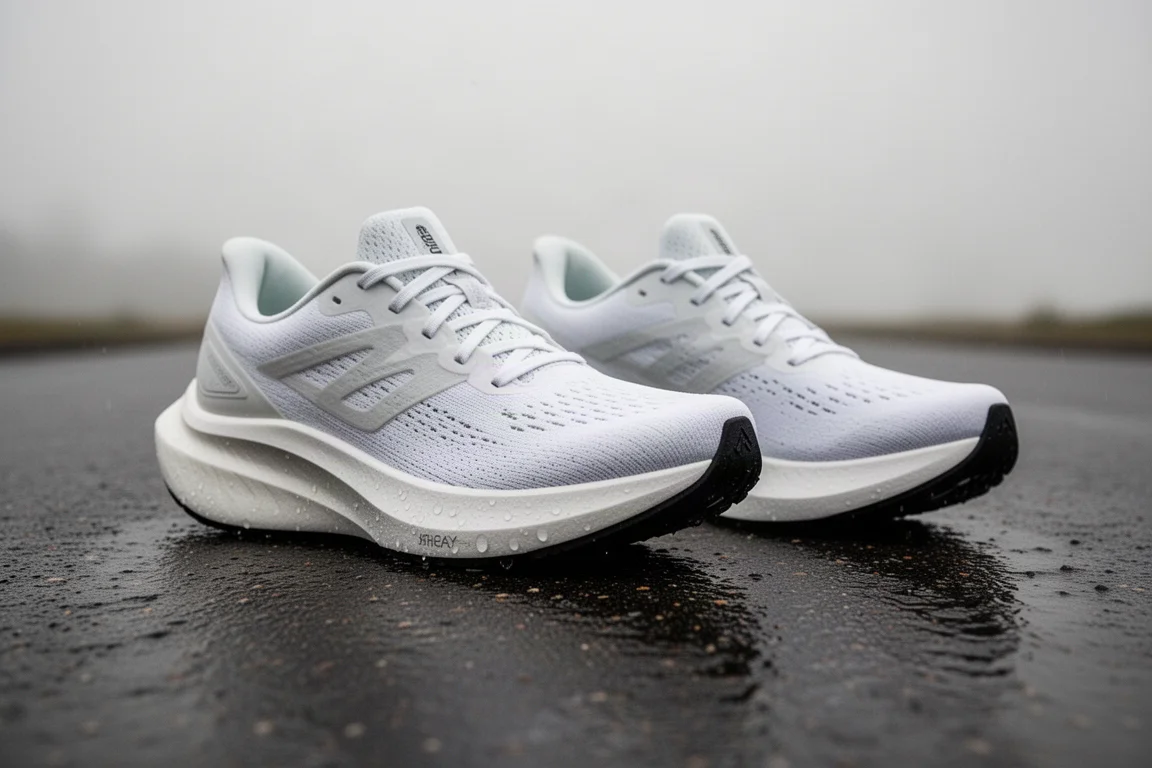
Could the two racing shoes here be any more different? The Asics Metaspeed Sky Plus gets the call for speed training and faster-paced workouts, thanks to its interesting tall stack and superbly fitting upper. It has been taking a pounding recently, yet a quick wipe with a cloth brings it back to looking fantastic.
Where the Prime X Strung covers the easy and long-run days, this is the shoe for when the pace drops and the workout demands more. Between them, they cover the full training week nicely.
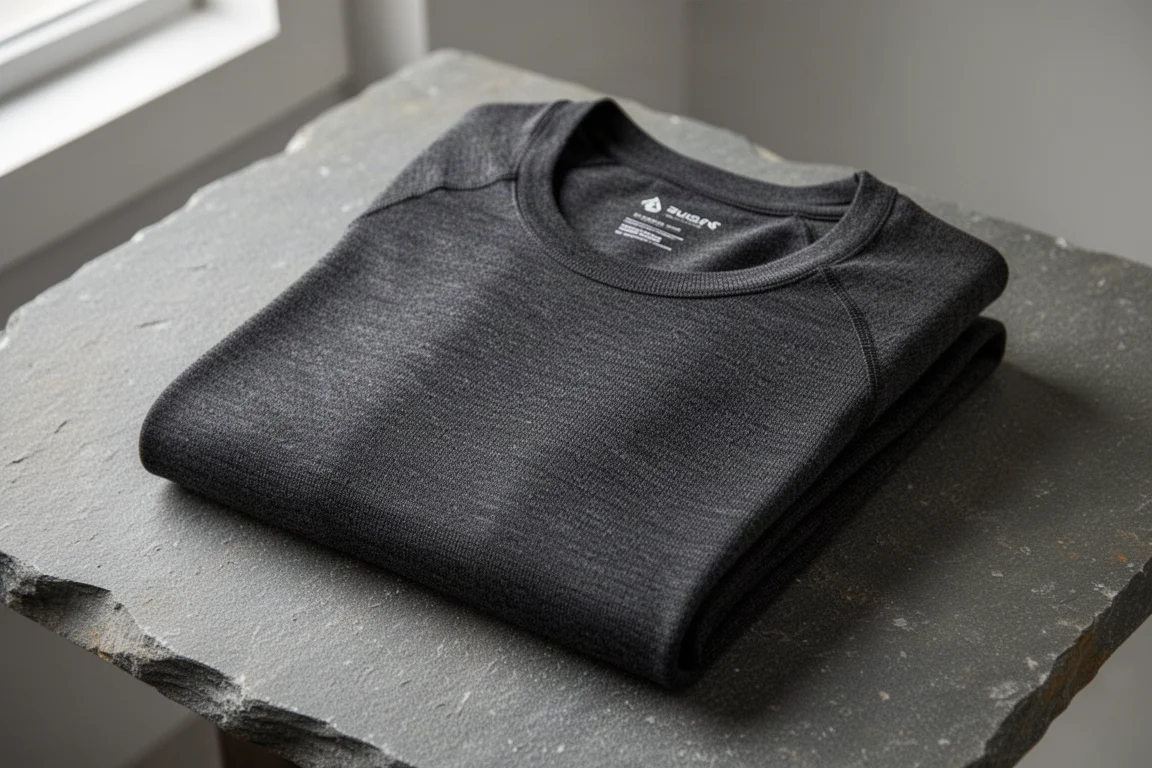
Tracksmith Harrier Long Sleeve
Base layers matter enormously in winter, especially in the UK where conditions change from day to day. The Tracksmith Harrier Long Sleeve is the answer: a breathable top that wicks away sweat while keeping the upper body warm enough for lower temperatures, down to around 2 or 3 degrees C. If it is dry and it is on the hanger, it goes on.
The Merino wool holds up far better through constant run-and-wash cycles than other tops tested this year. Tracksmith claims it can go a week, or even a month, between washes; that has not been put to the test, but washing when practical has left it smelling fine. With a high proportion of Merino wool in the blend, your hands will feel the cold before your upper body does, which is about the best endorsement a winter base layer can get.
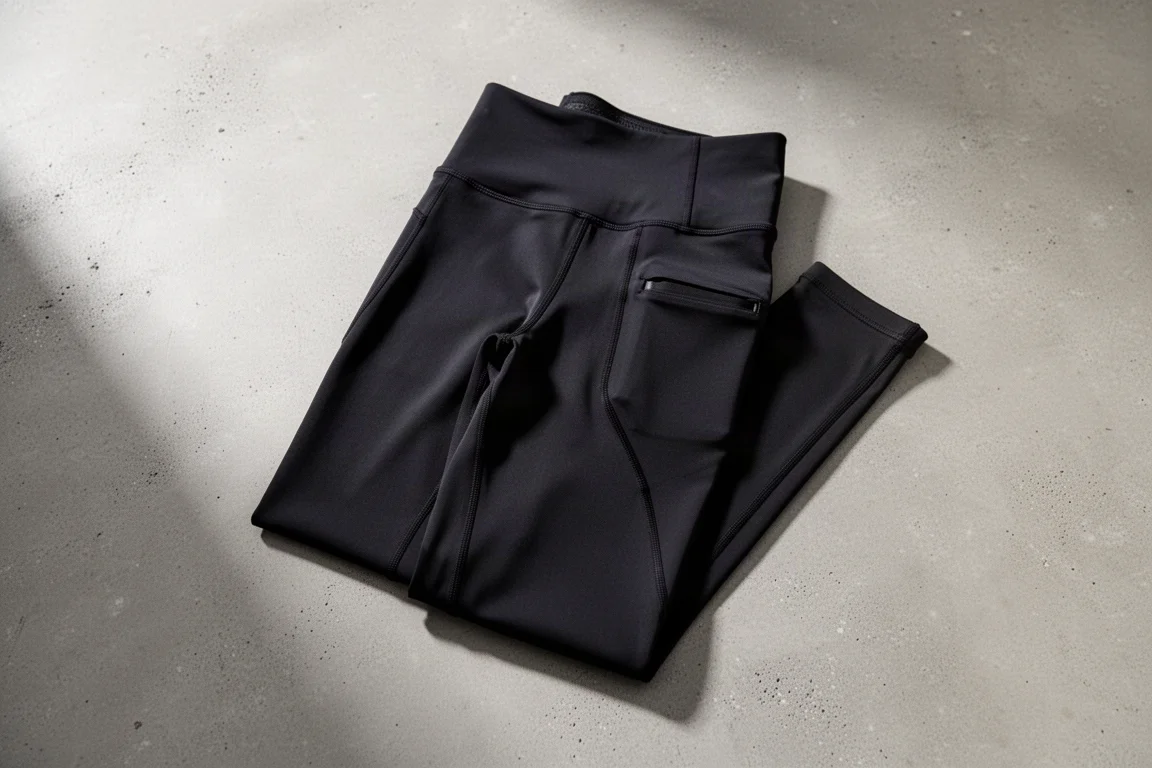
Nike Dri-FIT Advanced AeroSwift Tights
For the lower body, it is Nike Dri-FIT Advanced AeroSwift Tights every time. Three pairs are in rotation, and all of them have held up superbly through constant use and washing. They hug the leg, keep the lower body warm, and provide a great fit, with a streamlined design that is just about appropriate in terms of appearance and coverage.
The current version differs slightly from the older one, adding a rear pocket plus two shallower inner pockets at the front and two deeper rear pockets, ideal for fitting a Science in Sport gel on long runs. Spend real time checking the sizing, because you want exactly the right measurements here; the newer model adds a drawcord that helps a little. One pair has lost a bit of the swoosh after many washes, but functionally they remain excellent.

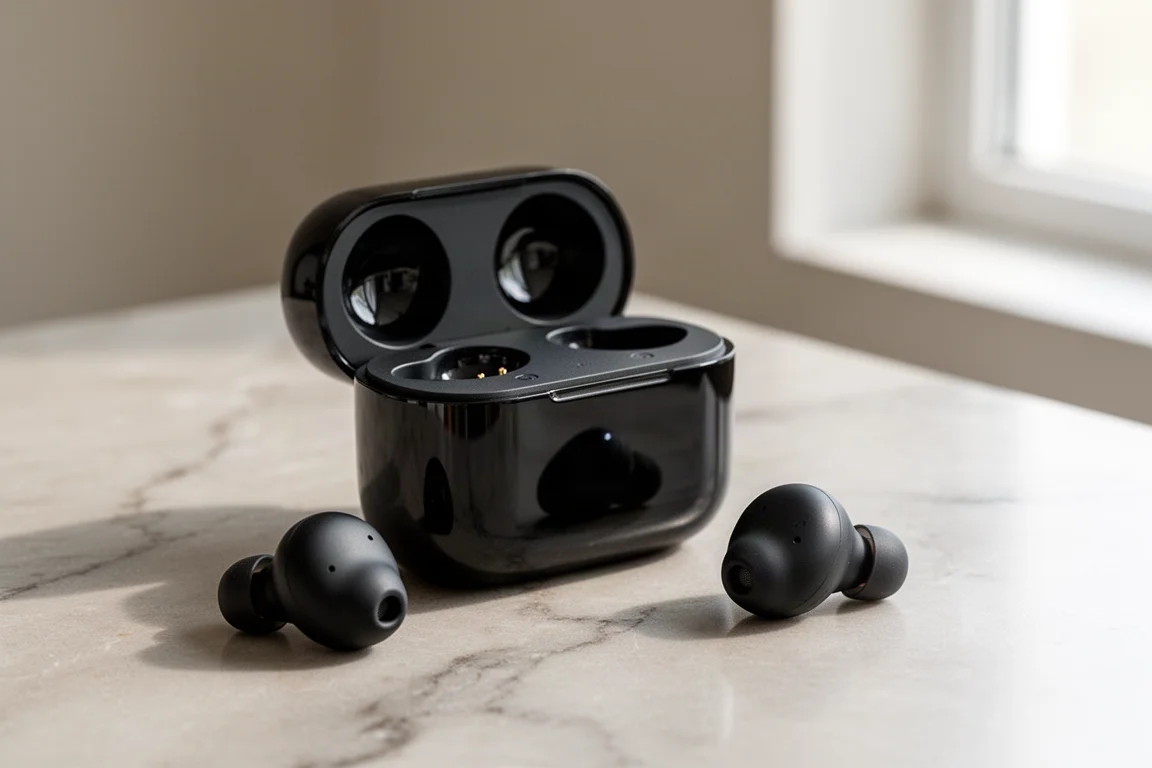
Soundpeats Mini Pro
Music makes long runs more enjoyable and helps block out traffic noise, and the Soundpeats Mini Pro wireless earbuds deliver it without a premium price tag. They are reasonably inexpensive yet pack in genuinely useful features: around seven hours of battery life per charge, noise reduction, and a small charging case that tops the buds up three to four times, which works out to roughly 20 hours of total play time.
The touch controls on both earbuds take only a couple of runs to get used to. On normal mode the sound leans slightly toward bass; switch to noise canceling and the bass fills out into a more rounded sound. One important safety note: avoid using noise canceling when running in urban environments, so you can hear your surroundings. Honestly, keeping them on transparency mode around traffic is the sensible default.
Overall Buying Advice
The thread running through all of these picks is daily usefulness. The jacket earns its price by replacing a drawer full of failed alternatives, the watches and arm strap make training data worth trusting, the two racing shoes cover opposite ends of the training week, and the merino top, tights, and earbuds handle comfort, warmth, and motivation on the ordinary days. Match each item to the conditions you actually run in, and check sizing carefully on the apparel before you buy.
Conclusion
None of this gear is glamorous, but all of it works, and that is what matters when you are standing at the door deciding whether today’s run happens. A jacket that keeps you dry, sensors you can trust, shoes that cover both easy days and fast ones, and warm, comfortable layers add up to more miles in worse weather. That is the whole point.
Further reading
Related Reviews
Running Gear
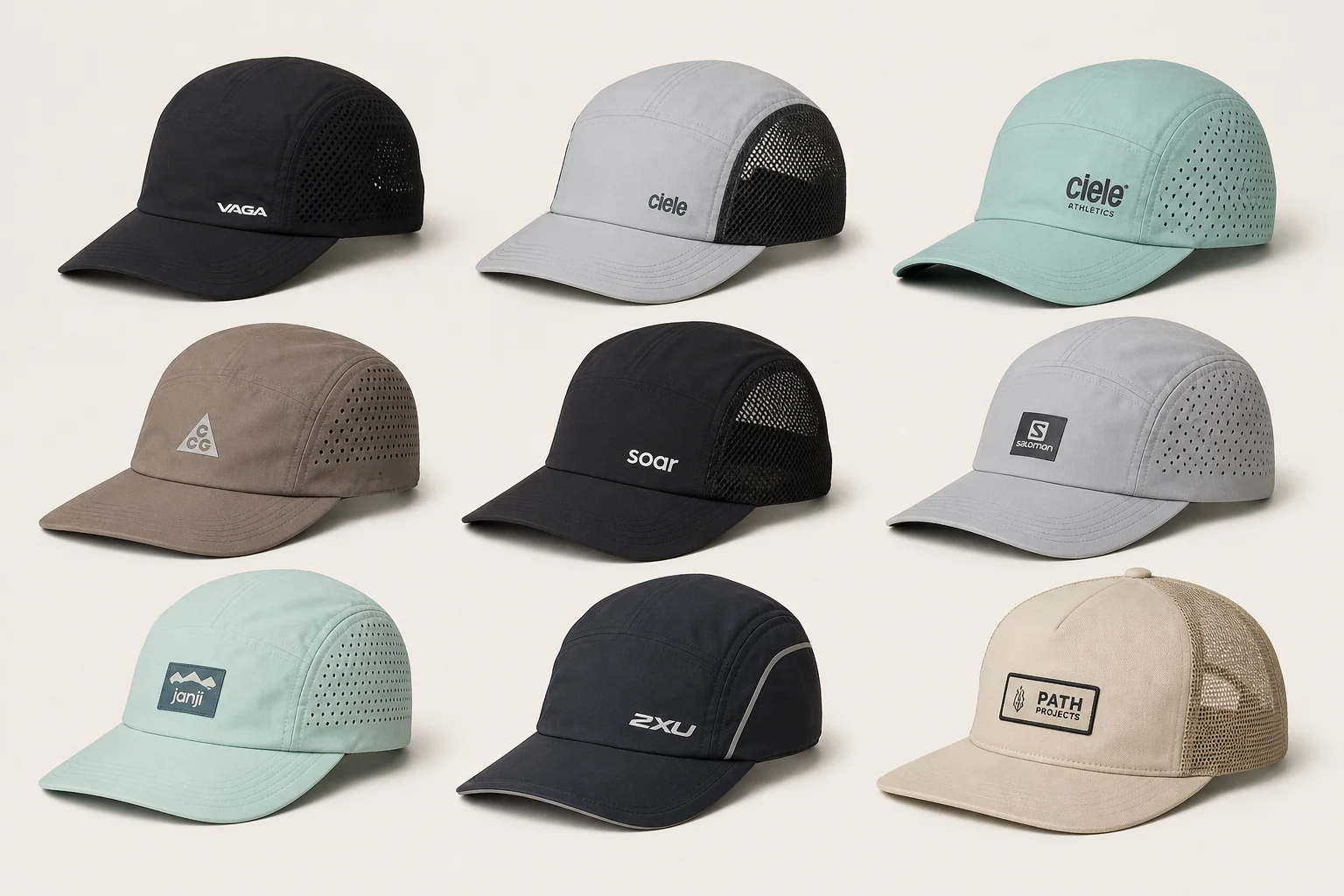
Best Running Caps 2026: Nine Tested Options for Summer and Winter
A comprehensive guide to nine running caps tested across different conditions, from lightweight summer options to waterproof winter choices.
Running Gear
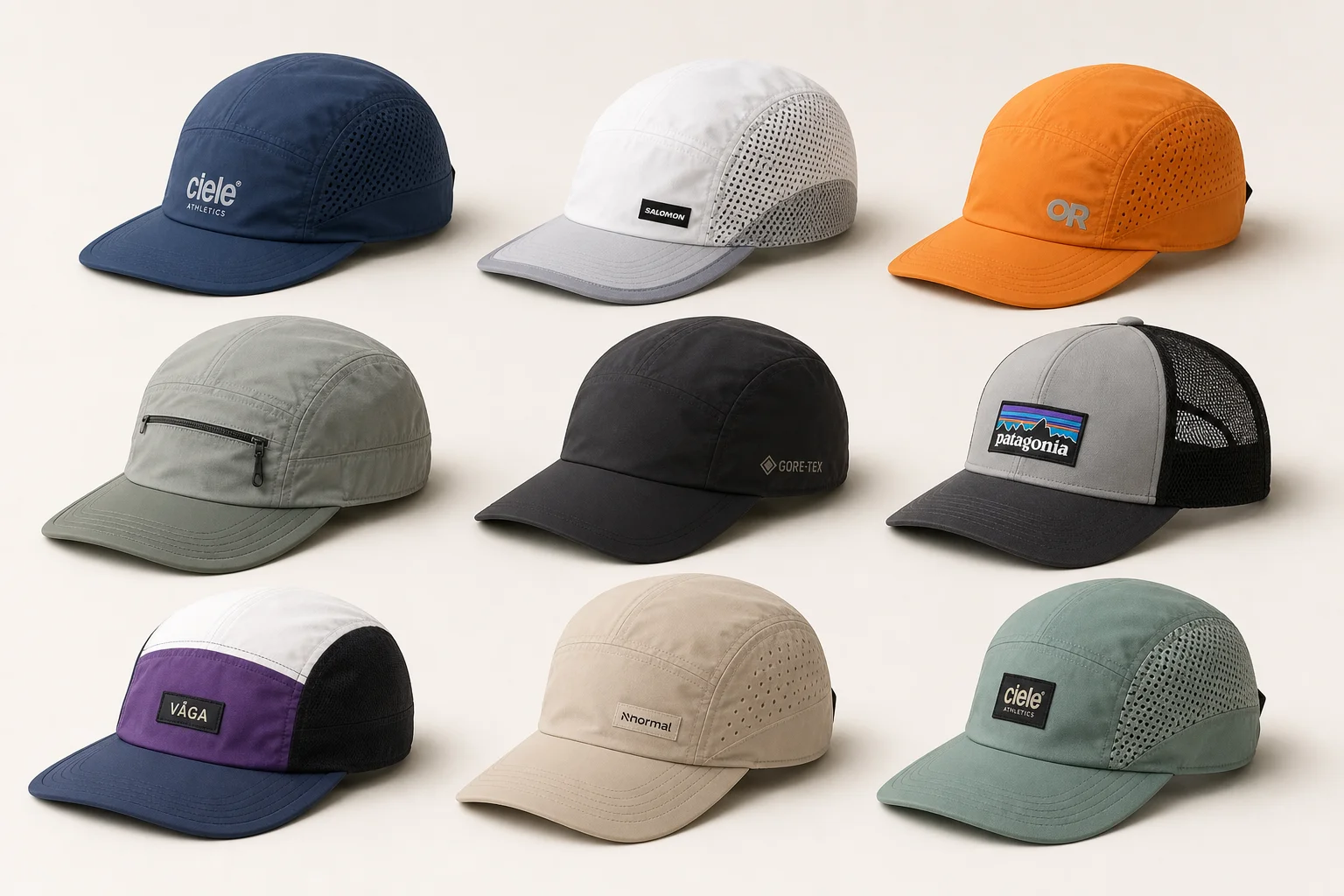
Best Running Caps: A Guide to Summer and Winter Options
A comprehensive review of nine running caps for different conditions, styles, and preferences, from lightweight summer options to waterproof winter choices.
Running Gear
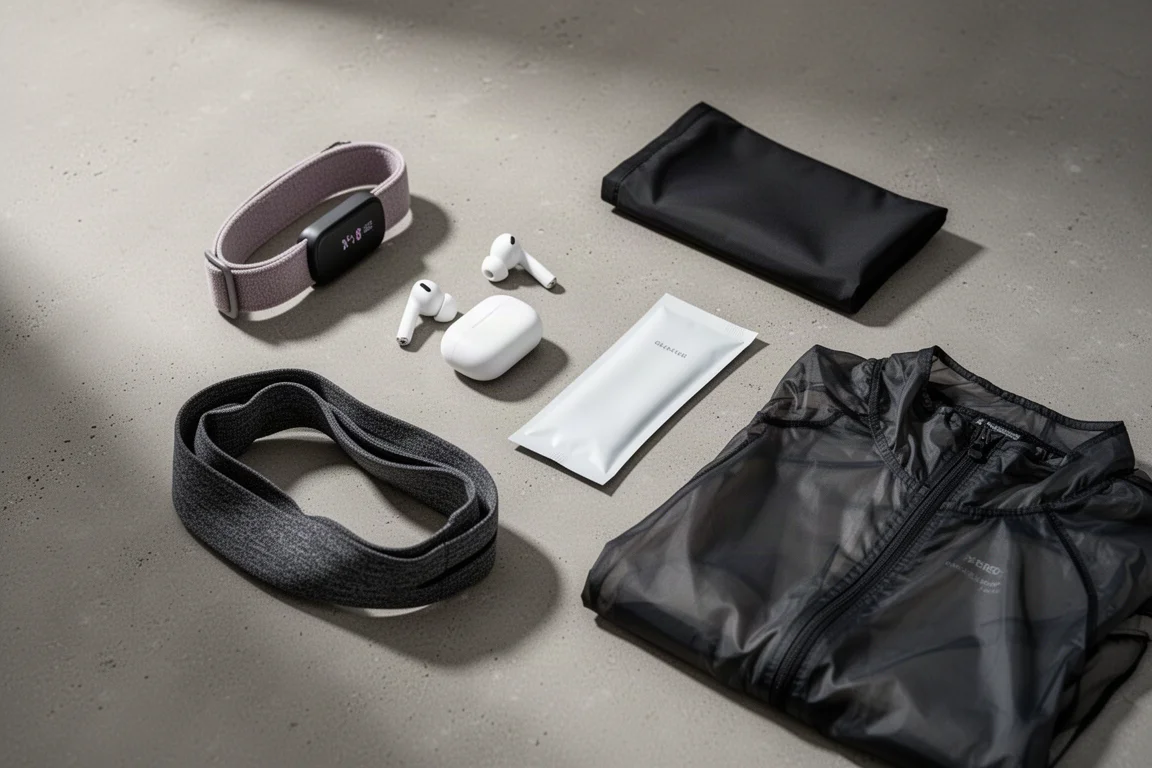
Best Running Gear 2026: Five Picks That Earn Their Place
Five running upgrades covering heart rate, audio, fuelling, carrying and weather protection, with the trade-offs worth knowing before you buy.