Gravel Bikes
Fara GR4 Review: A Gravel Race Bike That Still Makes Room for Adventure
The Fara GR4 pairs a light, aero frame with clearance for 57 mm tires and bikepacking mounts. Here is how it rides, what it costs, and who it suits.
Introduction
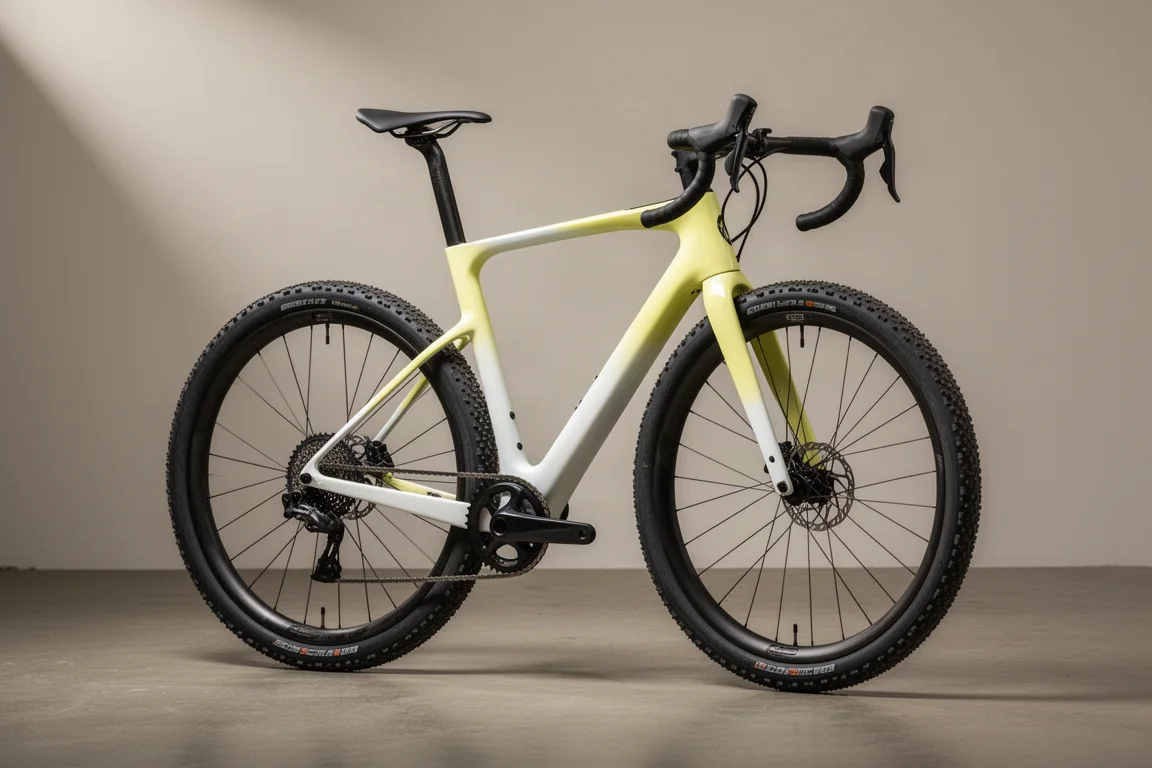
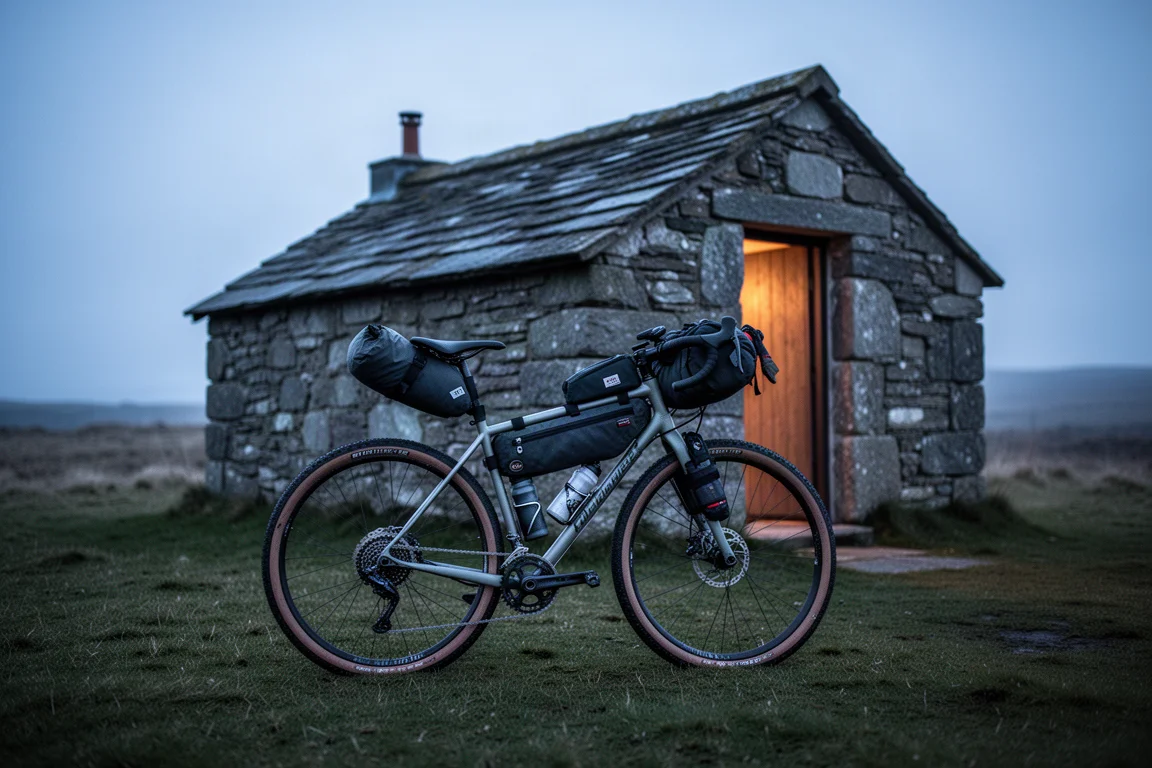
Few gravel bikes try to cover as much ground as the Fara GR4. It is built to be light and aerodynamically shaped enough for racing, yet it carries mounts for bikepacking luggage, extra bottles, mudguards and in-frame storage, and it accepts tires up to 57 mm.
That combination is rare. Most bikes in this space ask you to choose between a fast race machine and a load-carrying adventure bike. Fara, a compact Norwegian brand, has taken the opposite approach, and the result is a bike that has already proven itself at long, demanding gravel events. The GR4 is the newest version of that platform.
Who this product is for
The GR4 is aimed at riders who want one bike to do several jobs. If you race gravel, ride long unsupported events, or simply want a machine that handles rough tracks and carries luggage for an overnight trip, this bike is designed around that overlap.
It also suits riders who value adjustability. Fara sells direct and lets buyers choose handlebar width, stem length and crank length at the point of order, and the cockpit offers 10 mm of fore and aft movement on top of that. For riders who have struggled to get a comfortable front end on a one-piece carbon cockpit, that matters.
The flip side is that this is not a bike for every rider. Four frame sizes cover the range, which is fewer than most large brands offer, so shorter and taller riders may find the fit options limiting.
Main strengths
Ride quality and handling
The most surprising thing about the GR4 is how ordinary it feels to ride, in the best sense. Packing 57 mm of tire clearance into conventional gravel geometry could easily produce slow, vague handling, and it does not. Steering is light, the bike turns through corners cleanly, and it feels agile and lively rather than lazy.
The geometry sits close to well known gravel bikes, with a front centre roughly 20 mm longer than usual, which keeps toes clear of the front wheel even with very large tires. Stack is a little higher than some race-focused gravel frames, which makes the aero position easier to hold and the drops easier to reach on technical ground.
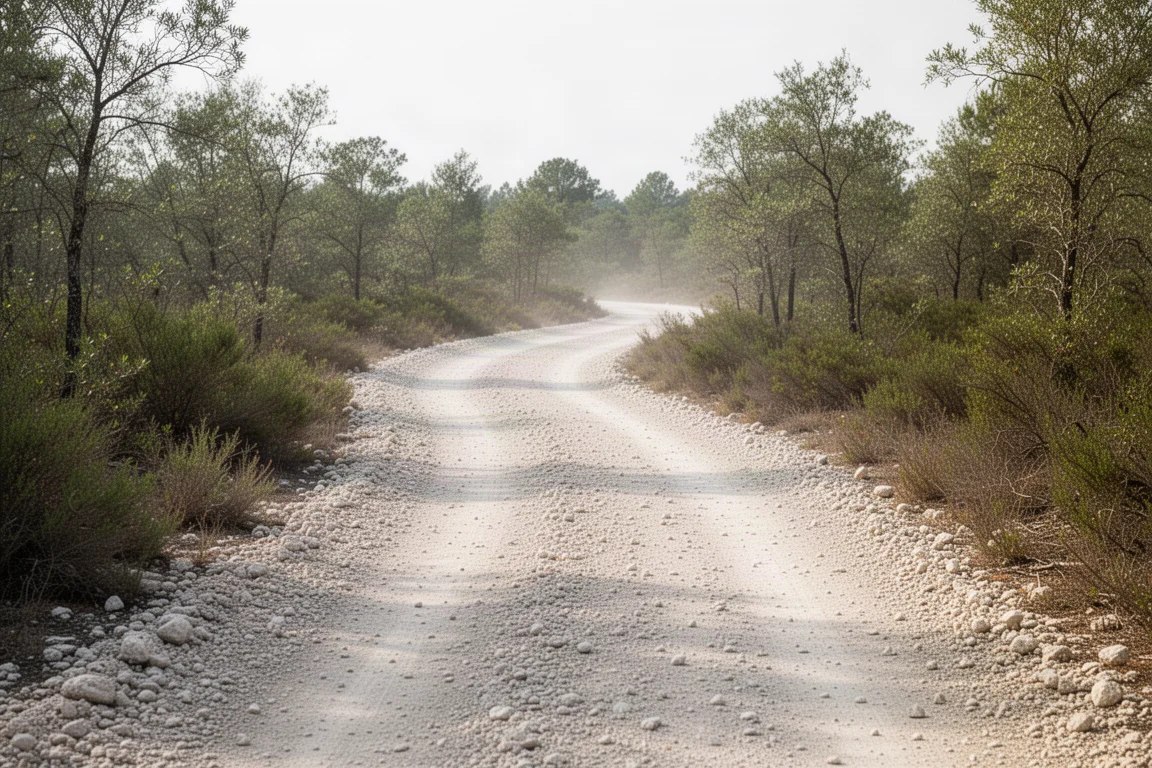
On road and on local trails, the bike stays composed. It made light work of dry, baked hardpack and rutted tracks during testing, and the wide tires add comfort and traction at low pressure without feeling noticeably slower than a narrower 50 mm setup.
Tire clearance and frame details
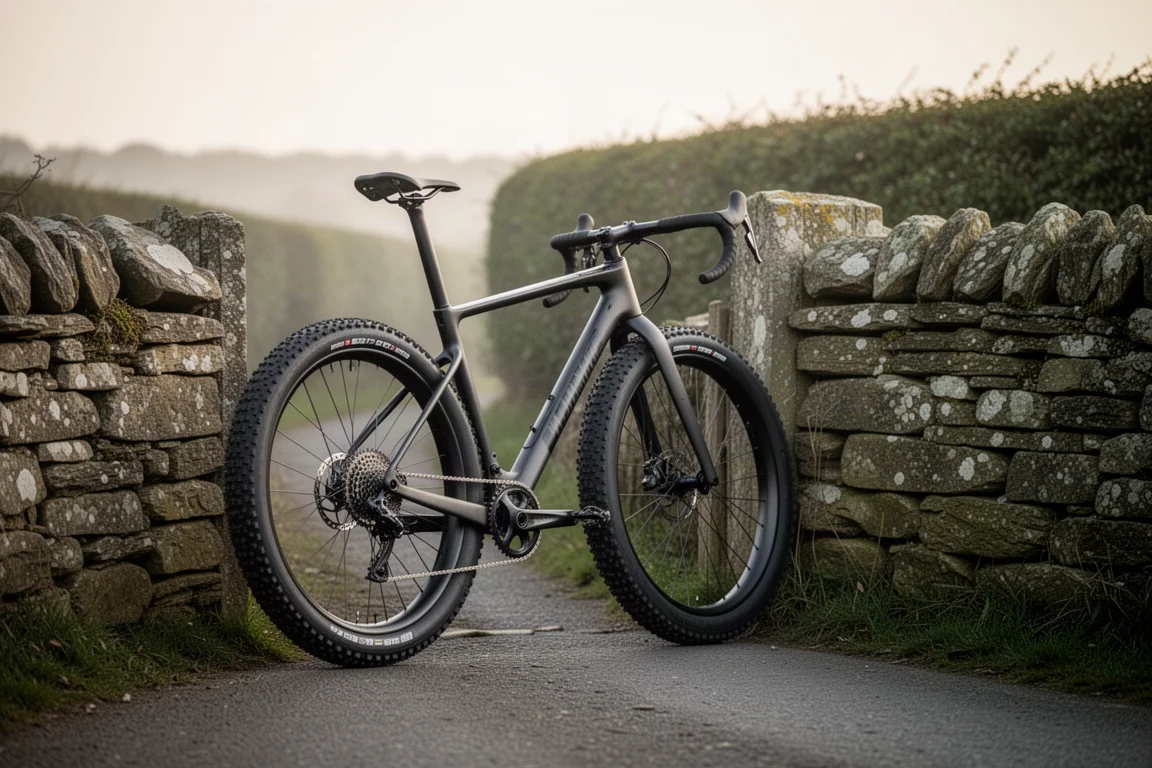
Tire clearance is the headline. The frame accepts up to 57 mm, and the test bike ran 55 mm tires on wide rims with room to spare. Fara reshaped the rear of the frame to make that possible, using a dropped drive-side stay and a curved seat tube with a cutout to open up space around the tire.
The frame is also light, with a claimed weight of 970 g for a size medium, and the down tube, fork and head tube are shaped for aerodynamic efficiency. Practical details include UDH dropouts, a T47 bottom bracket paired with a CeramicSpeed unit, a CeramicSpeed SLT bearing in the headset, fork cargo mounts, top tube mounts, a third bottle position on the down tube, a bash guard for rock strikes, and a standard round 27.2 mm seatpost with an external seat clamp.
There is in-frame storage as well, reached through a separate hatch with a small lever rather than a compartment built into the bottle cage area. It opens into a generous space for a tube and small tools, though the hatch fit is a little loose on this build and could sit more securely.
Handlebar design and fit customization
The handlebar draws the most attention, and it is more practical than it looks. Two bolts underneath allow 10 mm of fore and aft adjustment, which addresses the main drawback of one-piece cockpits, where stem length is fixed. Width options go down to 36 cm and stem lengths run from 80 to 130 mm, all selected at the point of order.
The bar also has mounting brackets for aero bars, which is unusual on this style of cockpit and useful for long unsupported events. Ergonomically, the tops bend downward and sweep back, creating a natural hand position that brings the elbows in and spreads pressure across a wide contact area. The drops are flared, and the hoods are angled inward.
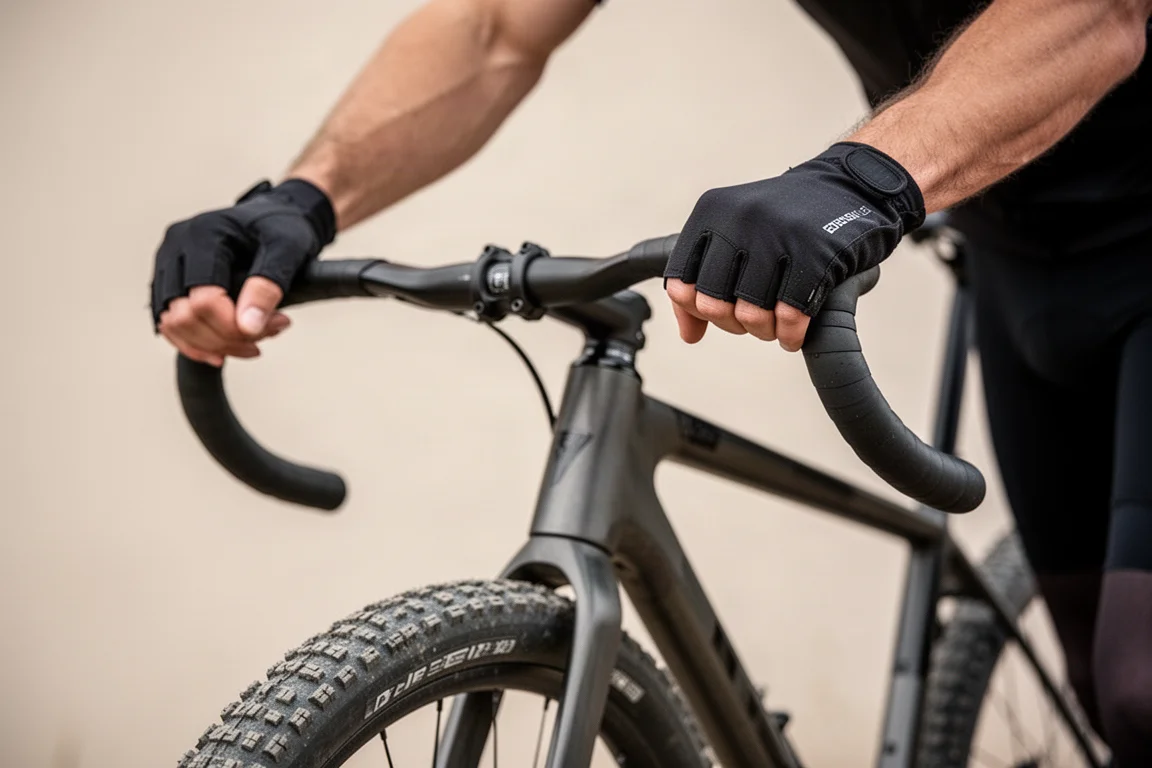
Riders who care about adjustability and comfort over pure aesthetics will likely appreciate it. Those who want the clean look of a conventional cockpit may find the shape takes some getting used to.
Things to consider before buying
Price is the clearest obstacle. The SRAM Force build tested here costs around £8,600, which is a significant amount for a bike with this specification. Comparable rivals with the same groupset, wheels and tire clearance come in closer to £6,500, so the GR4 sits well above several obvious alternatives. A rival build with a higher-tier groupset and integrated dynamo lighting can also be found at a similar price.
Frame sizing is the second consideration. Four sizes is a narrow range, and buyers at the extremes of the height spectrum may not find a comfortable match, even with the cockpit adjustment on offer.
There is also no provision for a front derailleur on this frame, so the build is effectively limited to a single-ring setup. That is normal for modern gravel race bikes, but it is worth confirming before ordering if you prefer a double chainset.
Buying advice
The GR4 makes the most sense for riders who genuinely need the full package: a light, aero-leaning frame, very large tire clearance, cargo and mudguard mounts, in-frame storage and a cockpit that can be adjusted or fitted with aero bars. If you regularly ride rough terrain, race long distance events or mix racing with bikepacking, that versatility is hard to find elsewhere, and the ride quality backs it up.
If your priority is value, the case is weaker. Several mainstream gravel bikes deliver similar on-paper capability for noticeably less money, and riders who mainly ride smoother surfaces may not need 57 mm of clearance. Buyers who sit outside the four available sizes should also look carefully at geometry before committing.
Choose your specification carefully as well. Because Fara sells direct, handlebar width, stem length and crank length are selected at order, and those choices have more effect on comfort than most component upgrades.
Conclusion
The Fara GR4 is one of the more interesting gravel bikes available right now. It combines race-ready weight and aero shaping with genuine adventure capability, including tire clearance that few rivals can match, and it rides far better than its packaging challenges would suggest. The price and the limited size range are real drawbacks, but for riders who want one bike for racing, exploring and everything between, it earns serious consideration.
Product link
View more details for Fara GR4
This product is mentioned in the review. Check the specifications, options, and compatibility before buying.
View more details for Fara GR4Further reading
Related Reviews
Gravel Bikes
3T Exploro Ultra Review: A Fast Gravel Bike Built for Big Tyres
A close look at the 3T Exploro Ultra, an aero carbon gravel bike designed around wide tyres, with road-like handling, a 980 g frame and genuine rough-terrain capability.
Gravel Bikes
3T Extrema Italia Review: Aero Gravel Speed With Room for 57 mm Tires
The 3T Extrema Italia pairs an aero frame with huge tire clearance, Italian-made carbon and a more comfortable ride than the RaceMax. Here is what to know before buying.
Gravel Bikes
3T Race Max 2 Italia Review: An Aero Gravel Race Bike Made in Italy
A closer look at the second-generation 3T Race Max 2 Italia, covering its aero updates, ride character, tire clearance, internal storage and who it suits.