Running Gear
Fall Running Gear Essentials: Six Pieces Worth Adding to Your Rotation
A practical fall running gear lineup covering headlamps, windbreakers, jackets, half tights, compression sleeves, and trail shoes for cooler temperatures.
Introduction
The switch from summer to fall running gear is mostly about knowing your temperatures and your own body. Some runners run hot and can stay in a t-shirt well into freezing weather, while others, like many of us, run cool and would rather start a run slightly warm than shiver through the first miles. Testing and adjusting is the only real way to dial it in.
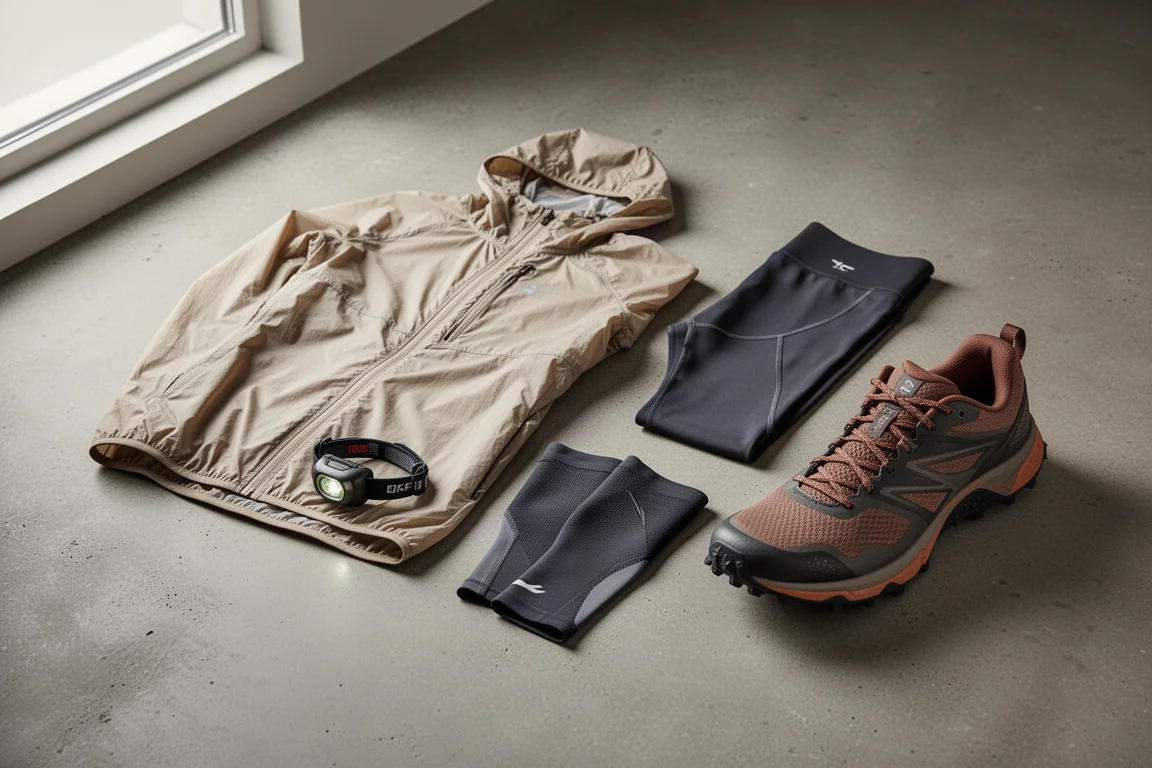
This guide covers six pieces that earn a permanent place in a fall rotation: a packable windbreaker, a reliable headlamp, a weatherproof trail jacket, comfortable half tights, grippy trail shoes, and compression sleeves for chilly-leg days.

How to Build a Fall Gear Lineup
Three considerations shape everything else. First, the weather itself: temperature, wind, precipitation, and humidity all matter. In a dry climate, around 38 to 39 degrees Fahrenheit and below can already feel like winter running, while roughly 40 to 55 degrees is the fall window. Above 55 degrees you are usually into cooler summer territory.
Second, the pace of the run. An easy or long steady day calls for far more layering than a threshold or tempo session. Third, learn how your body regulates temperature. Some runners sweat heavily and some barely sweat at all, and getting soaked three miles into a long run is one of the fastest ways to ruin it. Humidity multiplies all of these factors, so a wet 50-degree day can demand different clothing than a dry 50-degree day.
Head and Face: Buffs, Headlamps, and Sunglasses
A neck gaiter or buff is arguably more versatile than a hat for fall. You can pull it down when your ears warm up, and it protects your neck, where a surprising amount of heat escapes thanks to the arteries and blood vessels close to the skin. In colder months, many runners layer a winter beanie over the buff.
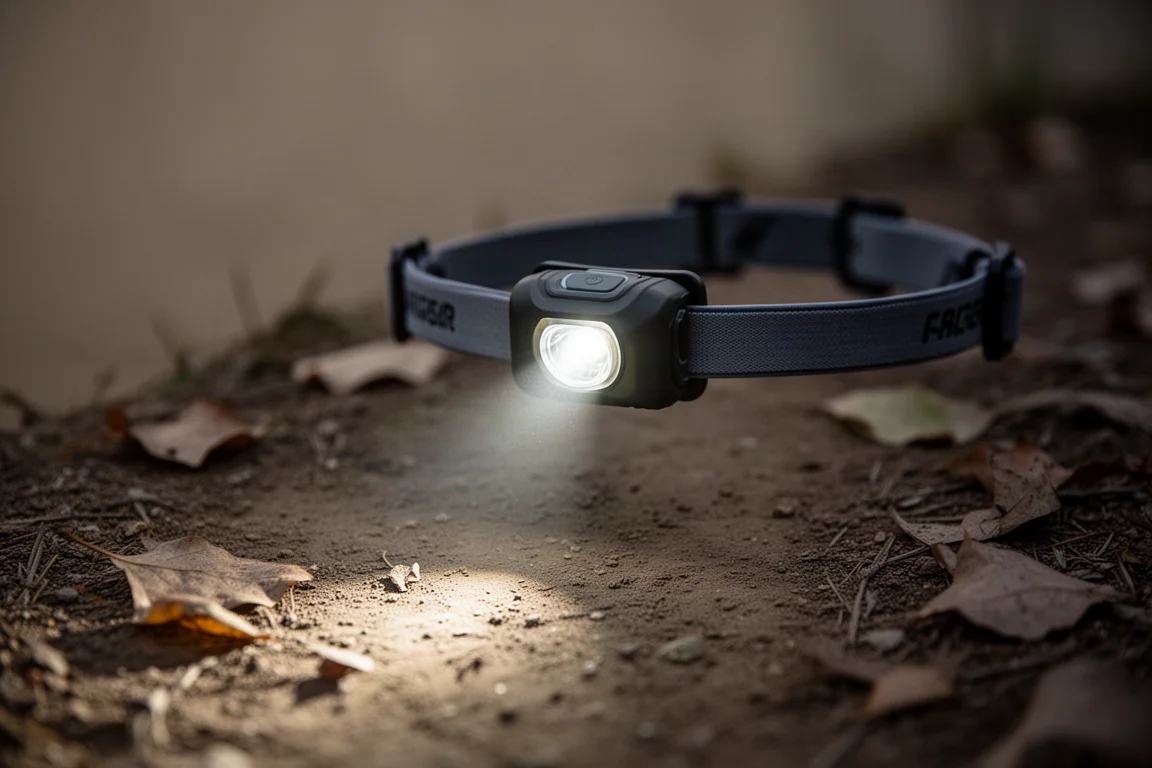
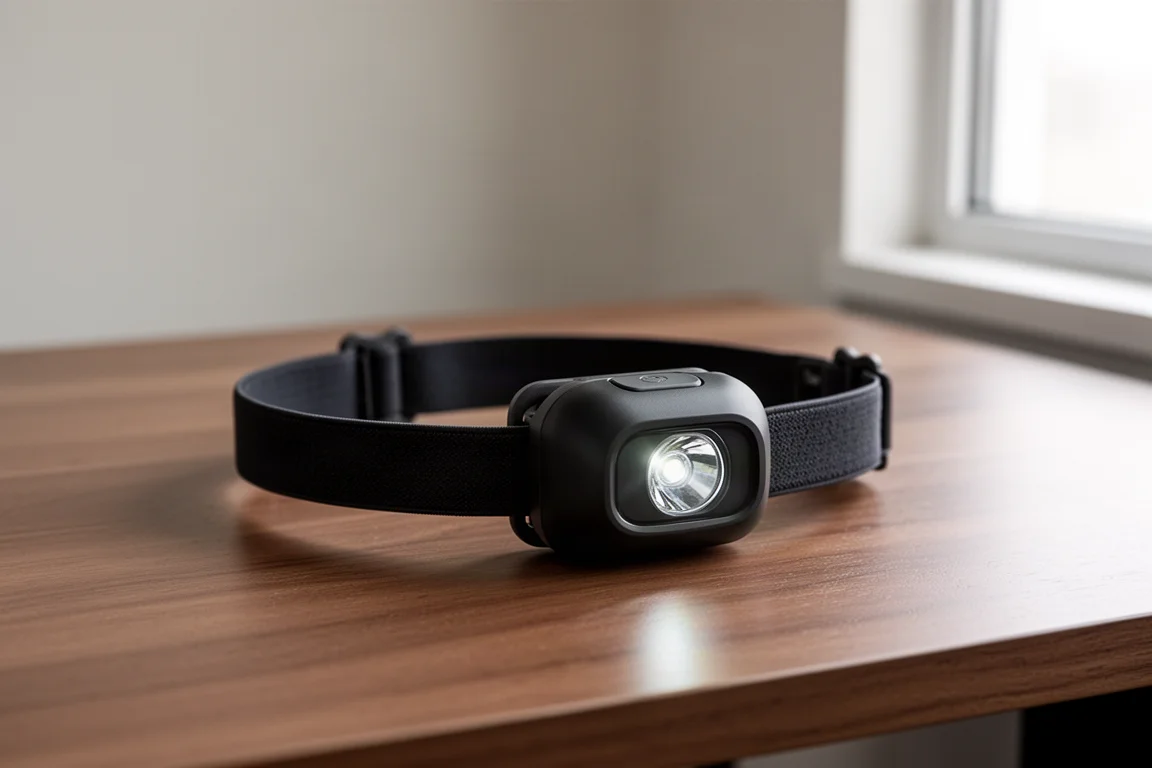
A headlamp is easy to overlook but becomes essential as mornings and evenings darken. The Petzl Swift has proven itself over years of regular use, with dependable brightness and a comfortable fit worth noting if you run before sunrise. After long use, even a well-loved headlamp battery can start to fade, so it pays to keep an eye on it.
Torso: Base Layers and Outerwear Strategy
Forty-five degrees Fahrenheit is the practical dividing line for the upper body. Between about 38 and 45 degrees, a thicker long sleeve makes sense, and pairing it with arm warmers adds flexible warmth you can shed mid-run. A light t-shirt over the long sleeve helps on windy days or when rain is expected halfway through.
Between 45 and 55 degrees, a lighter long sleeve base layer is usually enough. The Under Armour lightweight long sleeve is a solid pick here, offering solid comfort at a light weight for milder fall mornings.
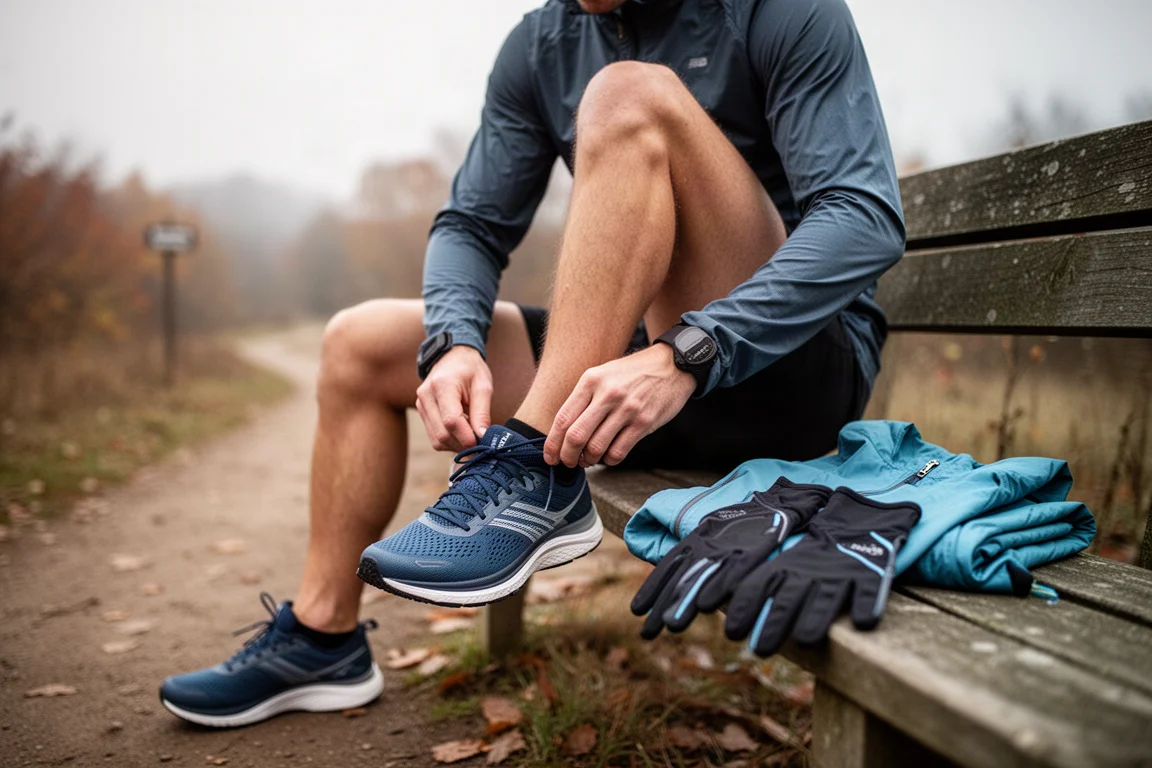
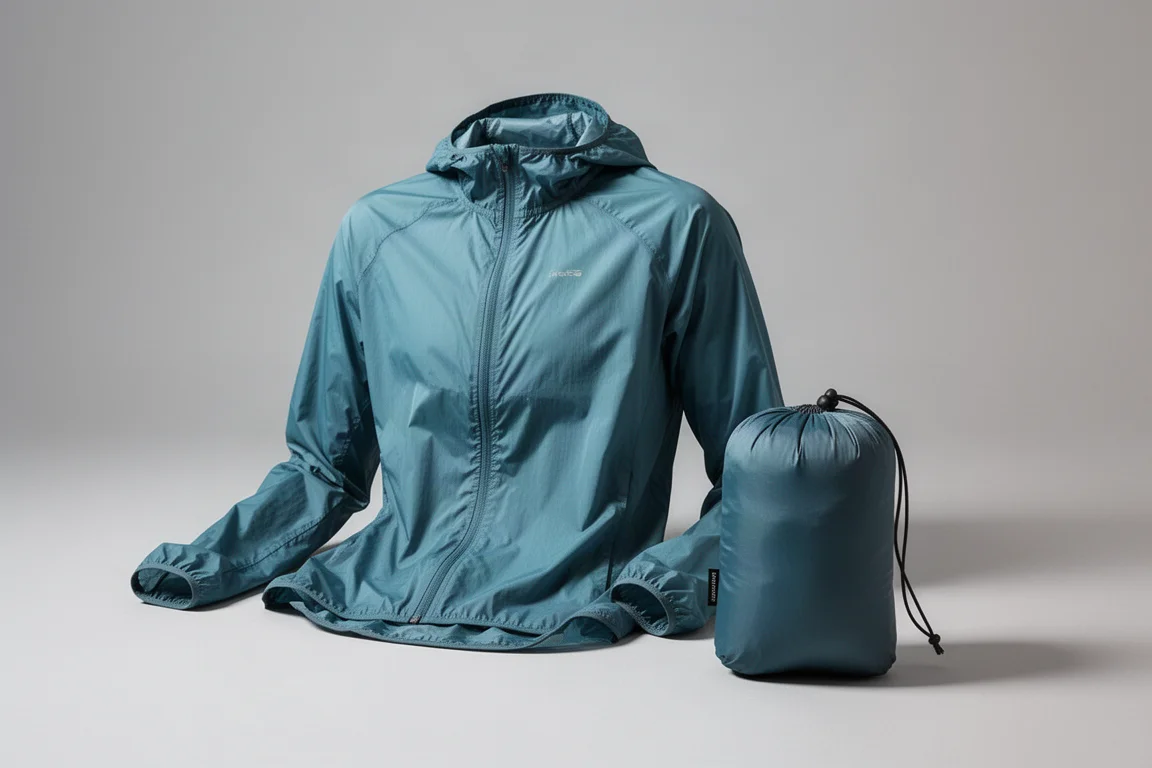
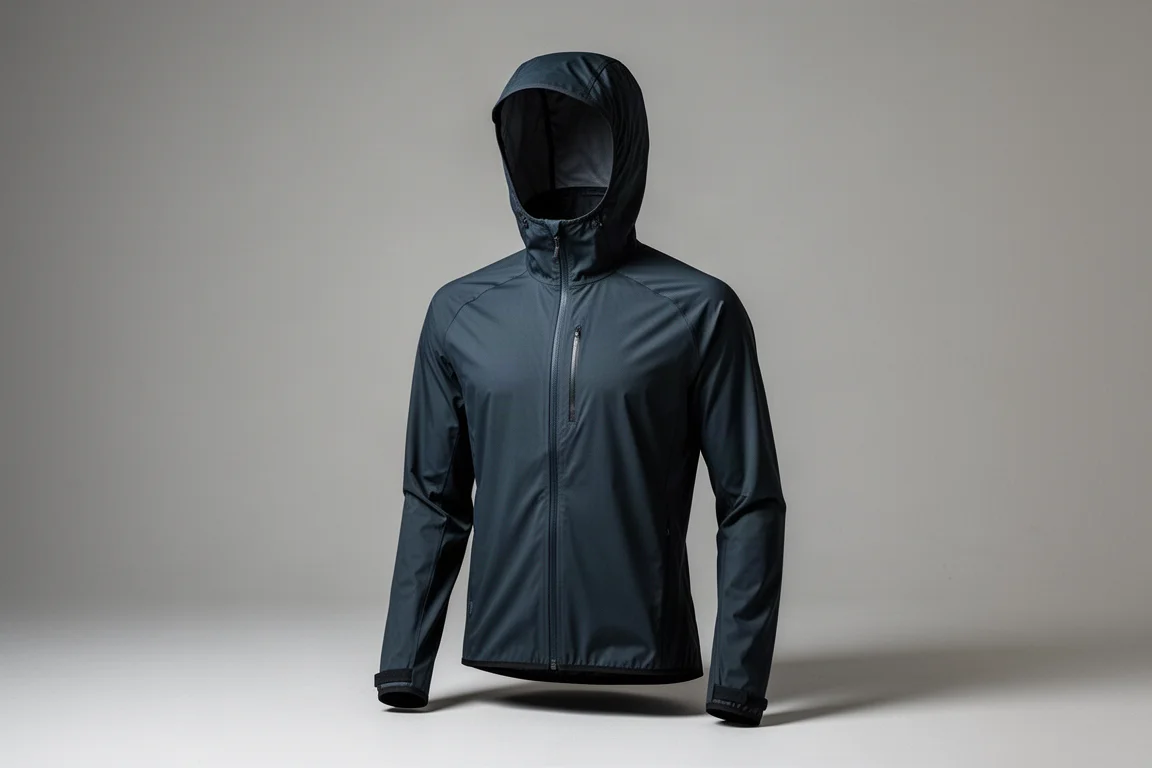
For outerwear, the Janji Zephyr Runner windbreaker stands out as a genuinely valuable piece. It is remarkably light, packs down small enough to tuck into a running belt, and can simply be tied around the waist once the run warms up. On a cooler, wetter easy day in the upper 30s, the Nike Shield jacket earns its place instead, though it is best reserved for easy or steady efforts rather than faster workouts.
Convertible gloves, where a shell flips down into a mitten, are another favorite for the shoulder season: full finger coverage at the start, easy tucking away once the fingers warm up.
Legs: Shorts, Half Tights, and Compression
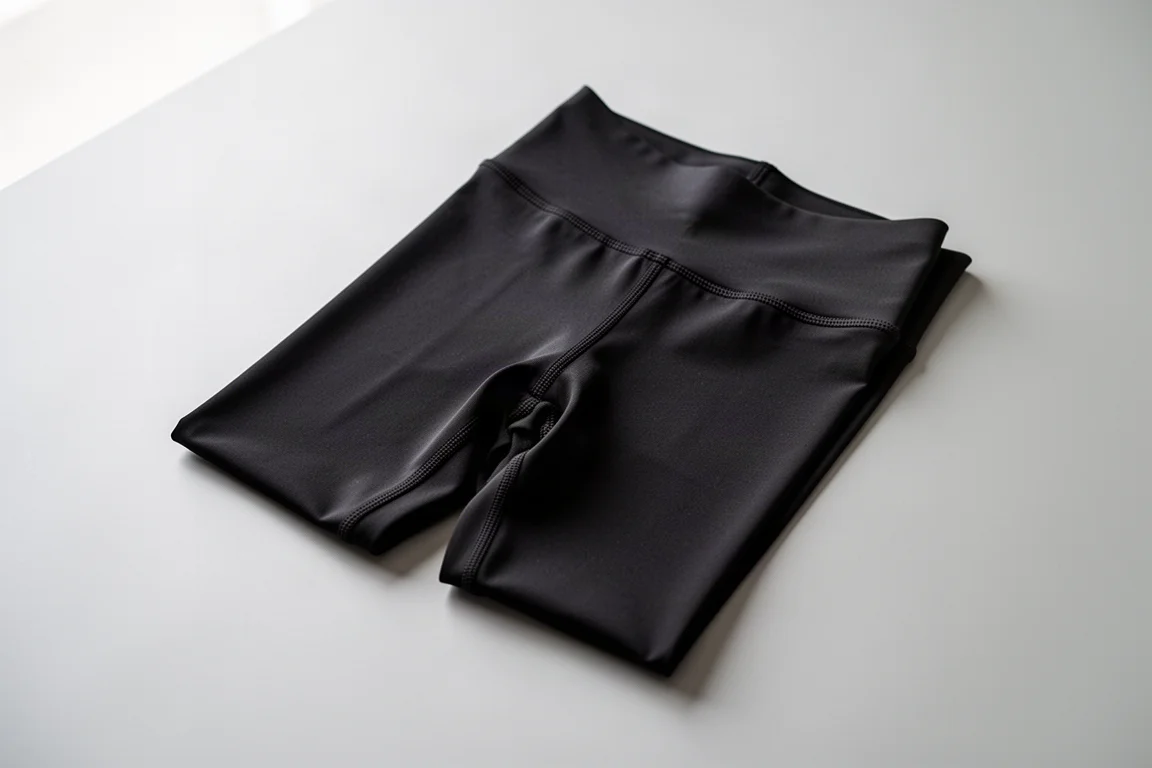
The same 45-degree rule applies to the legs. Above 45 degrees at the start, running shorts are fine. Below that, half tights come out. The Under Armour Rush half tights are among the most comfortable available, with a soft fit that works for everything from recovery jogs to long runs.
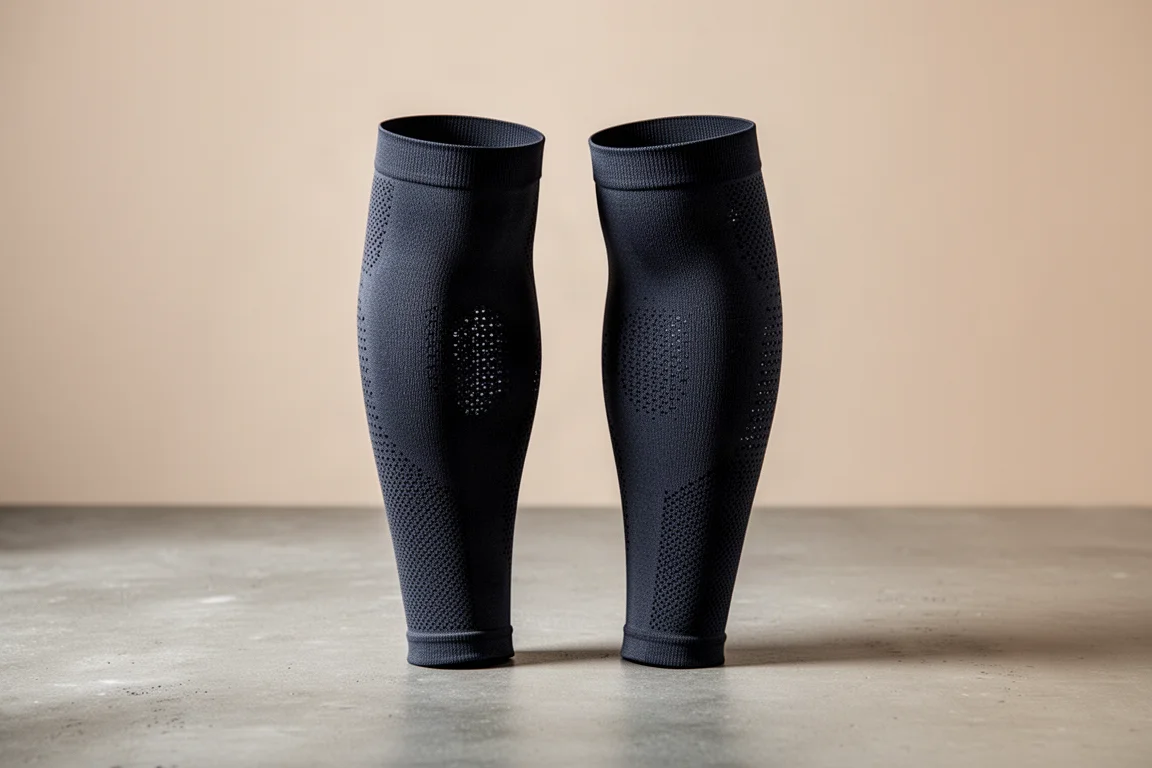
On colder days, especially when the legs feel heavy or tired, calf compression sleeves add warmth and support without the bulk of full tights. Compressport’s sleeves are a trusted option, and it is telling that even elite trail runners at the highest level race in the brand’s gear.
Legs, Feet, and Grip
Socks matter more than most runners admit. Moving from summer to fall often just means stepping up to a slightly thicker sock, with dedicated winter socks waiting below that.
On the feet, grip is the priority once trails get damp and leafy. The ASICS Trabuco Max has delivered dependable traction on wet and mixed terrain, making it a sensible fall-to-winter trail shoe for runners who want cushioning and confidence on slick surfaces.

Overall Buying Advice
Build the rotation around your own temperature thresholds rather than a universal chart. If you run cool, prioritize the windbreaker, arm warmers, and convertible gloves. If you run hot, the lightweight base layer and shorts may carry you deep into the season. Every product here earns its slot by solving one specific problem: darkness, wind, cold legs, or slick trails.
Conclusion
Fall running rewards good layering decisions. A light base layer, a packable windbreaker, warm tights, compression sleeves, a dependable headlamp, and grippy trail shoes cover nearly every condition the season throws at you, and each piece packs or sheds easily as the run warms up.
Further reading
Related Reviews
Running Gear
Best Running Caps 2026: Nine Tested Options for Summer and Winter
A comprehensive guide to nine running caps tested across different conditions, from lightweight summer options to waterproof winter choices.
Running Gear
Best Running Caps: A Guide to Summer and Winter Options
A comprehensive review of nine running caps for different conditions, styles, and preferences, from lightweight summer options to waterproof winter choices.
Running Gear
Best Running Gear 2026: Five Picks That Earn Their Place
Five running upgrades covering heart rate, audio, fuelling, carrying and weather protection, with the trade-offs worth knowing before you buy.