Gravel Bikes
Fairlight Secan v3 Build: SRAM Force XPLR and Redshift ShockStop Comfort Upgrades
A long-distance gravel build around the Fairlight Secan v3 steel frameset, paired with a SRAM Force XPLR drivetrain and Redshift ShockStop suspension at both contact points.
Introduction
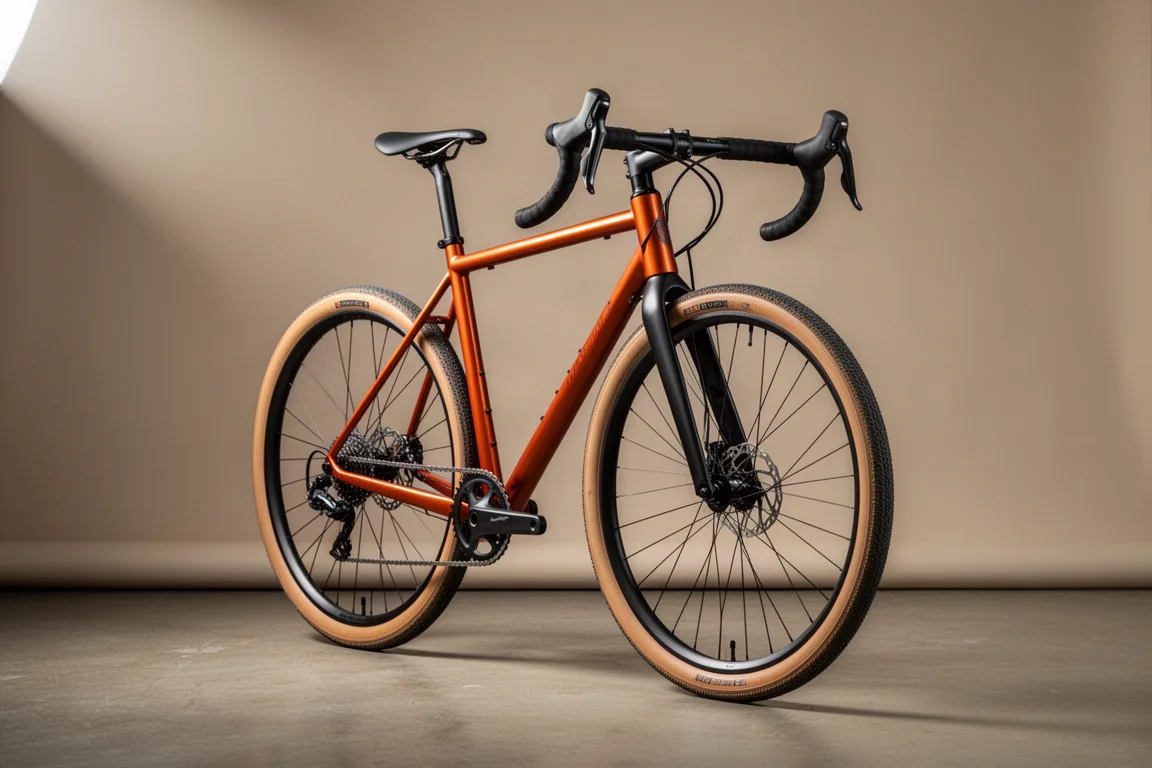
Long-distance gravel riding rewards bikes that stay comfortable and predictable hour after hour, and this build leans hard into that idea. It pairs a Fairlight Secan v3 frameset in burnt orange with a SRAM Force XPLR drivetrain and Redshift ShockStop suspension at both the stem and the seatpost.
The brief behind the build was a gravel bike that puts comfort first, with dependability and versatility close behind, aimed at an ultra-distance event. The result is a conventional-looking steel bike with an unusual amount of considered detail underneath the paint.
Why This Build Was Put Together
Two practical reasons shaped the component choices. The first is front-end comfort. The Secan v3 uses a conventional steerer tube and head tube with full external routing, which means a suspension stem can be fitted. That is not possible on frames built around one-piece internal routing cockpits. Arm fatigue late in a long gravel event in Scotland made the case for suspension clear, and once a suspension stem was on the list, a matching suspension seatpost followed for comfort at the rear.
The second reason is the dropouts. The original Mark 1 Secan cannot take the current XPLR rear derailleur, while the version 3 frame uses modular dropouts that accept mechanical or electronic groupsets in 1x, 2x, or 1x13 XPLR configurations. That opened the door to running the new Force XPLR groupset and seeing how it compares with the Red XPLR groupset.

Together, those two decisions define the build: suspension where the rider meets the bike, and a drivetrain the frame can genuinely accept.
Fairlight Secan v3 Frameset
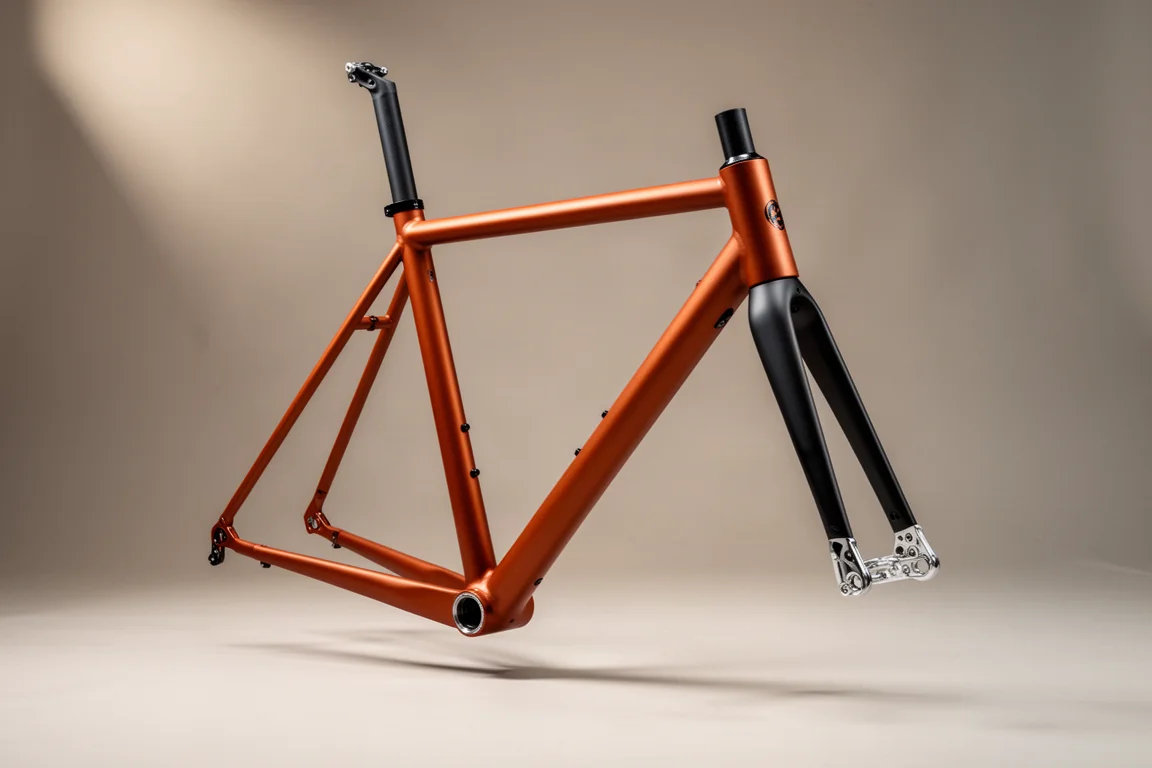
The Secan v3 keeps the Reynolds 853 steel main frame and adds all-new rear stays designed to improve compliance and therefore comfort, while tire clearance grows to an official 700 x 53 mm. Wide rubber fits comfortably, and mountain bike tires in the region of 2.1 inches are reported to go in as well. A new carbon fork is said to bring a compliance boost at the front of the bike.
There is also a new cargo mount for a front rack, dynamo routing, reinforcement in key places, and those modular dropouts that keep drivetrain options open. The frame is available in four colors, with this build using burnt orange, while the desert option is reported to be the most popular. Four complete builds are listed, mostly with Shimano 1x and 2x drivetrains, with SRAM options expected to follow. Prices and specifications vary by region.
External Routing, Mounts, and Maintenance
Full external routing is one of the more quietly useful features of this frameset. Cable and hose runs stay visible and accessible, so routine maintenance is straightforward and a problem out in the middle of nowhere can usually be sorted with simple tools.
The frame also carries rack mounts, fender mounts, and dynamo routing, along with provision for extra bottles and additional cargo capacity. It has been beefed up in the places that matter for loaded riding.
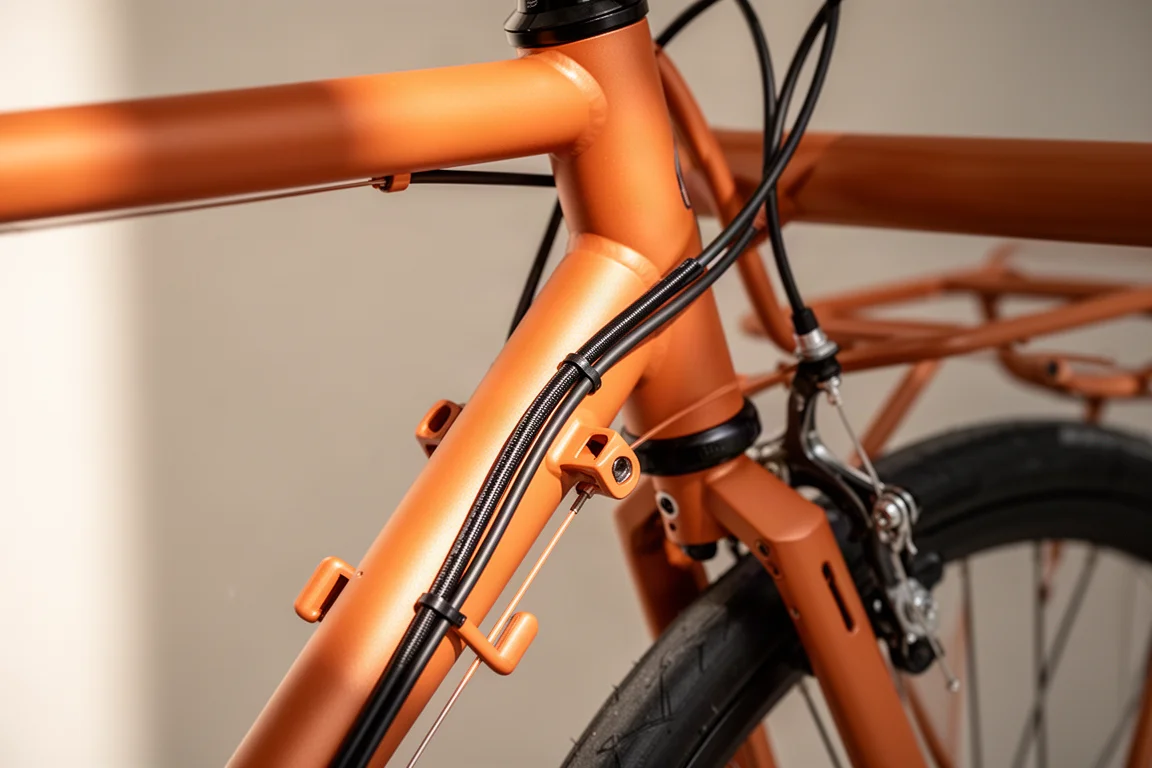
For riders planning multi-day or ultra-distance events, that combination matters as much as frame weight. The same bike can be built up light for fast day rides or loaded for long self-supported routes without changing frames.
SRAM Force XPLR Groupset
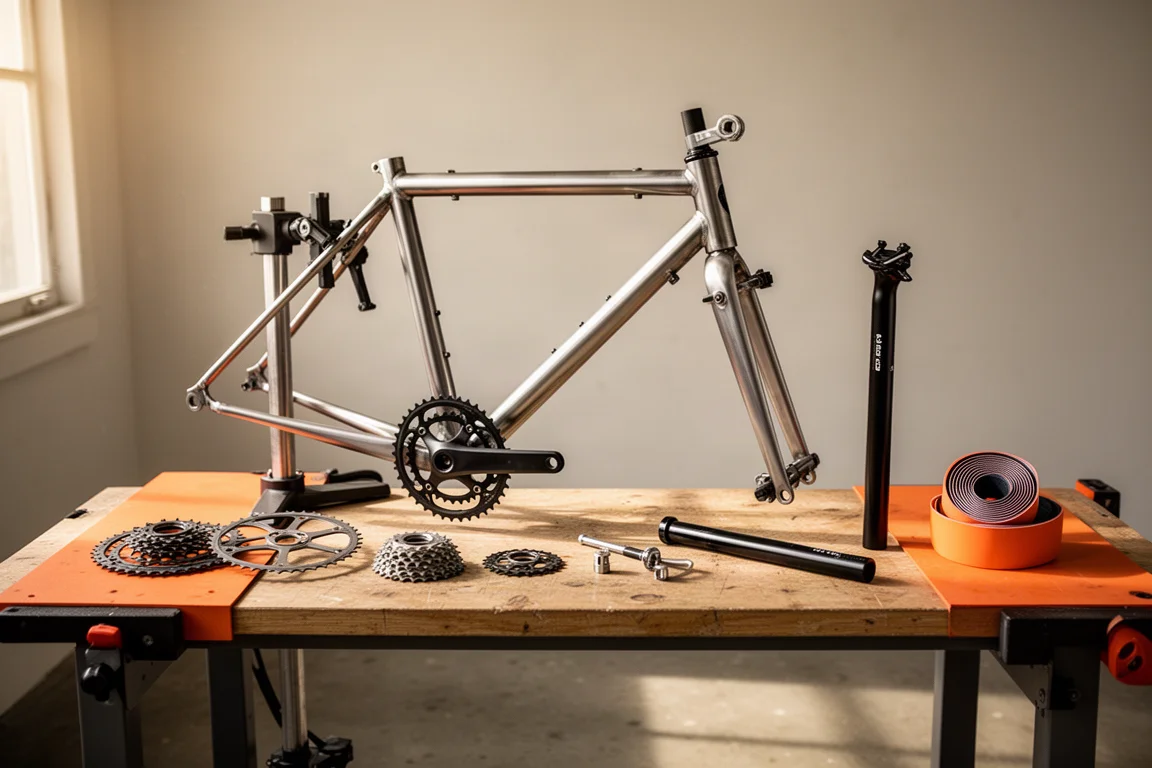
The build runs the new SRAM Force XPLR groupset in a 1x13 configuration. Because the Secan v3 uses modular dropouts, the frame accepts a wide range of drivetrains, which is what makes this particular combination possible on a frame that could not take it in its first generation.
The build also offers a useful reference point against the Red XPLR groupset, giving a clearer picture of how the two sit alongside each other in a real gravel setup.

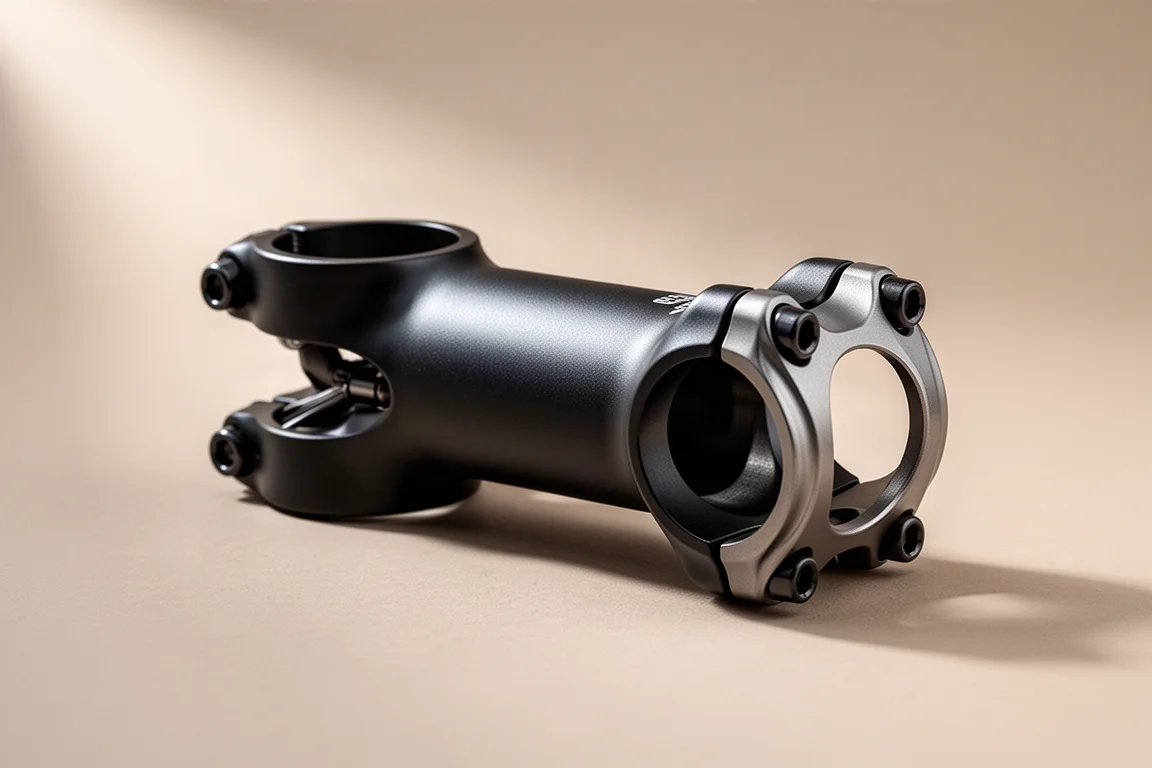
Redshift ShockStop Suspension Stem
The Redshift ShockStop suspension stem sits at the centre of the comfort brief. It fits frames with a conventional steerer tube and head tube, and the Secan v3’s external routing leaves room for it. Frames built around one-piece internal routing cockpits cannot take this kind of stem, which is exactly why the frameset choice came first. The cockpit is completed with Redshift handlebars and bar tape.
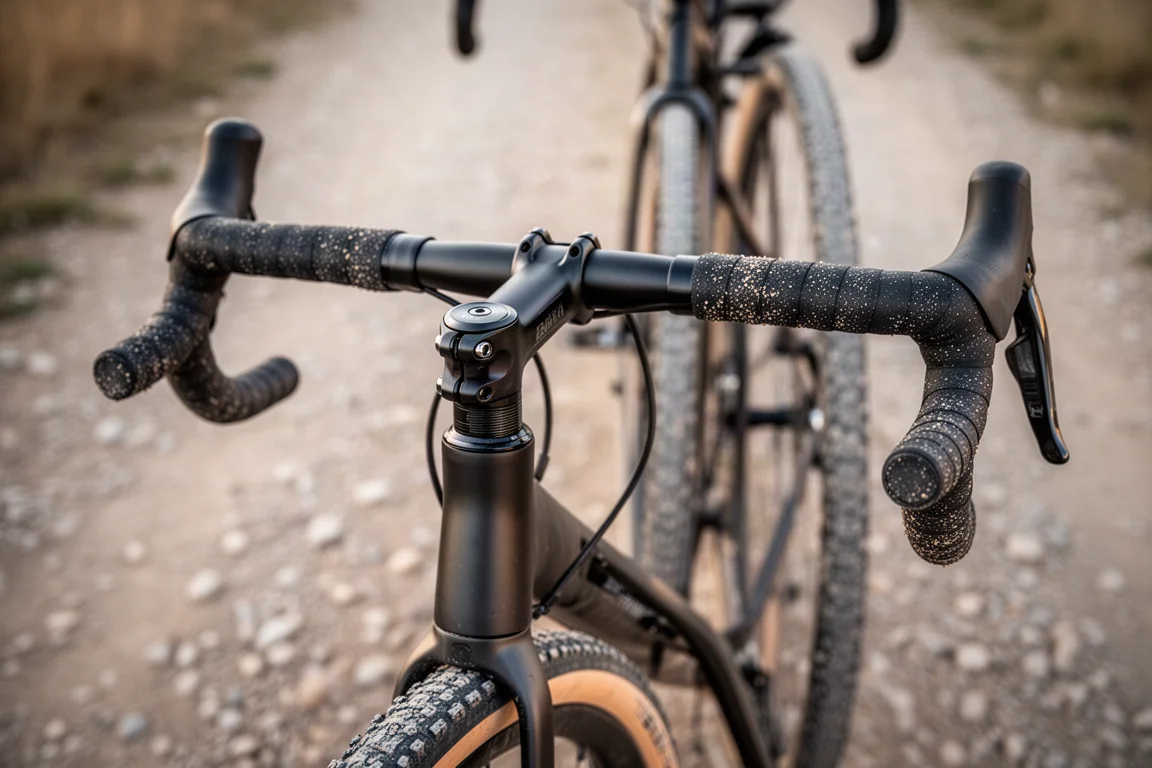
The purpose of the stem is to take the edge off rough surfaces over long distances rather than to change the character of the bike. For riders whose hands and arms give out before their legs do, it addresses one of the most common sources of late-ride discomfort.
Redshift ShockStop Suspension Seatpost
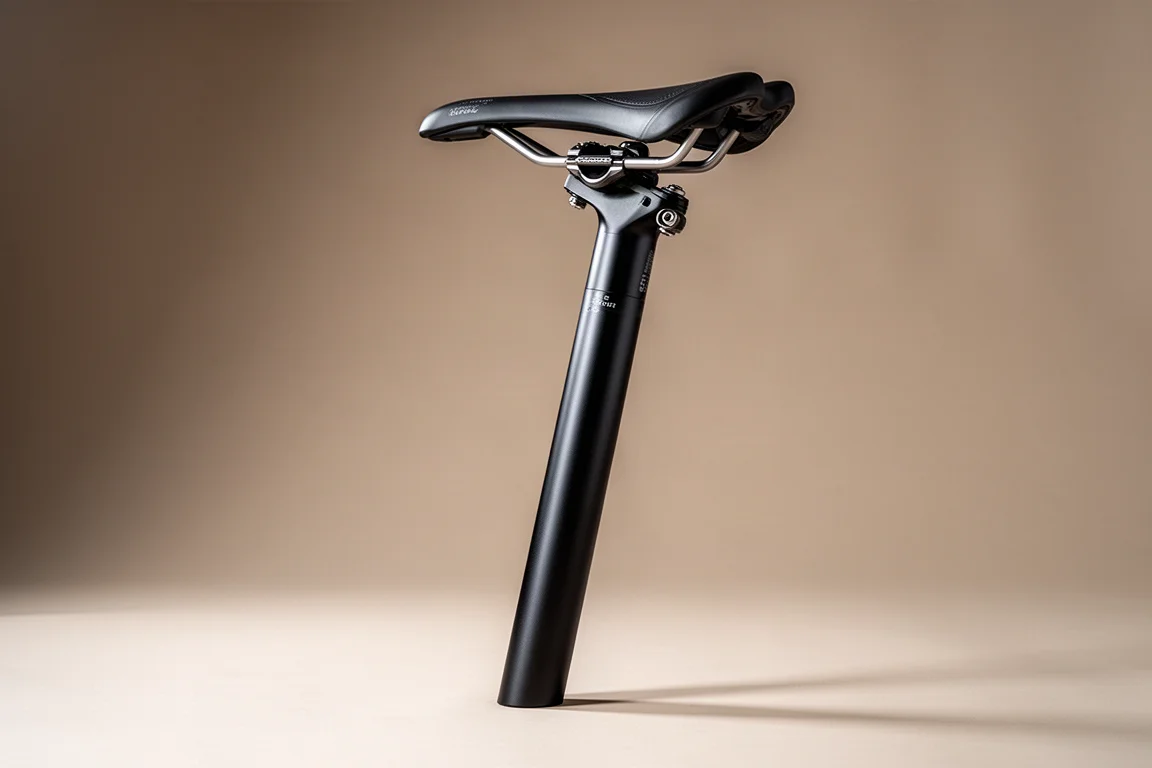
A suspension stem at the front only solves half the problem, so the build adds a Redshift ShockStop suspension seatpost at the rear. Running suspension at both contact points is what turns the Secan v3 into a genuinely comfort-focused gravel bike for ultra-distance riding, and it keeps the two ends of the bike working together rather than one doing all the softening.
Buying Advice
The Fairlight Secan v3 frameset makes the most sense for riders who want a steel frame with generous tire clearance, external routing that is easy to live with, and modular dropouts that keep drivetrain options open. It suits long-distance riders and anyone who values field serviceability over the lightest possible frame. Prices, colors, and build specifications vary by region, so it is worth checking the current options before committing.
The SRAM Force XPLR groupset is a natural match for a 1x13 gravel build, provided the frame has dropouts that support it. The Redshift ShockStop suspension stem and seatpost are the parts to look at first if comfort rather than outright speed is the priority, and the stem in particular requires a frame with a conventional steerer tube and external routing.
Taken together, the build shows how far a conventional steel gravel frame can be pushed toward long-distance comfort without giving up day-to-day practicality.
Conclusion
This Secan v3 build is a clear example of matching components to a purpose: suspension at the stem and seatpost, a drivetrain the frame can accept, and a steel frameset with wide tire clearance, external routing, and mounts for real-world riding. For riders planning long gravel events, those choices are worth understanding before building something similar.
Further reading
Related Reviews
Gravel Bikes
3T Exploro Ultra Review: A Fast Gravel Bike Built for Big Tyres
A close look at the 3T Exploro Ultra, an aero carbon gravel bike designed around wide tyres, with road-like handling, a 980 g frame and genuine rough-terrain capability.
Gravel Bikes
3T Extrema Italia Review: Aero Gravel Speed With Room for 57 mm Tires
The 3T Extrema Italia pairs an aero frame with huge tire clearance, Italian-made carbon and a more comfortable ride than the RaceMax. Here is what to know before buying.
Gravel Bikes
3T Race Max 2 Italia Review: An Aero Gravel Race Bike Made in Italy
A closer look at the second-generation 3T Race Max 2 Italia, covering its aero updates, ride character, tire clearance, internal storage and who it suits.