Gravel Bikes
Fairlight Secan Review: A Mixed-Terrain Bike Built for Varied Gravel
A 100-mile gravel ride on the Fairlight Secan shows where this mixed-terrain bike shines, from high-speed stability to suspension comfort, and what to weigh before buying.
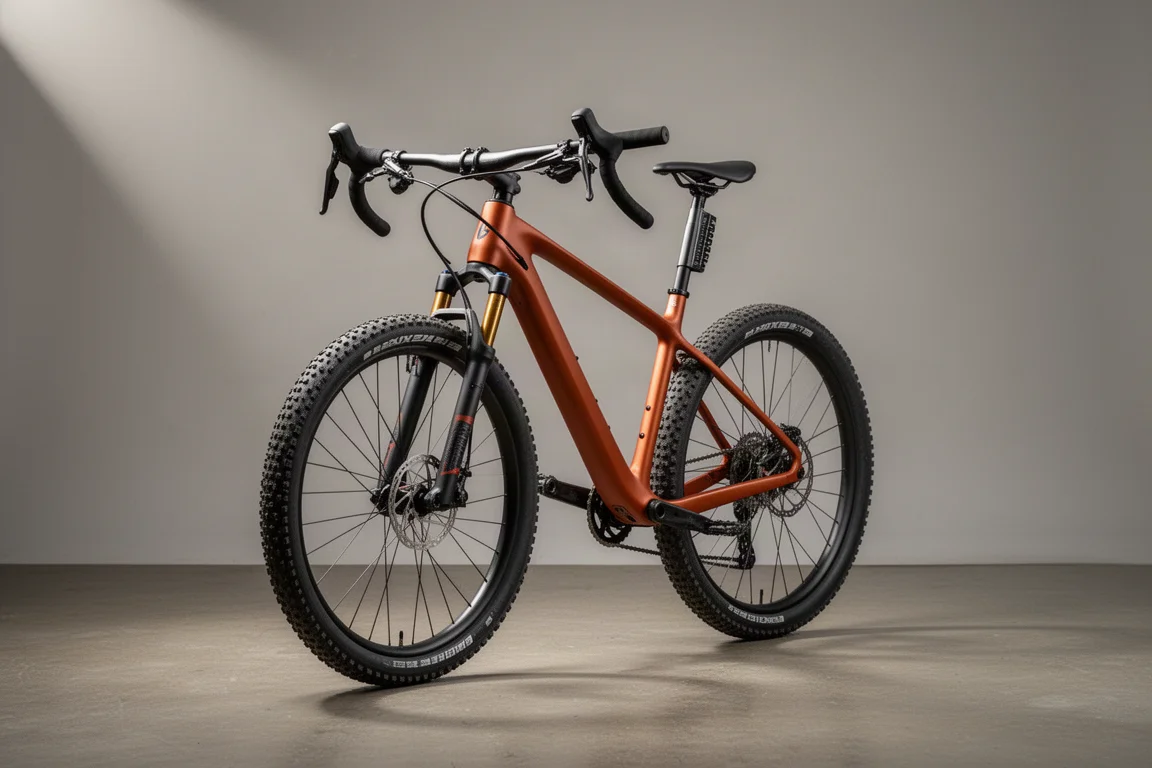
Introduction
Some bikes look the part and then disappoint the moment the tarmac ends. The Fairlight Secan is not one of them. Over a 100-mile gravel event that started and finished in Oxford, this mixed-terrain machine handled a genuinely varied route: single track, double track, exposed ridgeway, woodland, farm tracks, and long stretches of road.
That mix is the real test. A gravel bike has to be quick enough on the road to feel worthwhile and calm enough off it to stay enjoyable, and the Secan managed both without much drama. It came through fast, comfortable, and composed.

The build covered here is finished in burnt orange and pairs a suspension fork with a suspension seatpost and a SRAM Force XPLR groupset. Those choices shape the ride noticeably, and they are worth understanding before deciding whether this is your next bike.
Who This Bike Is For
The Secan sits in Fairlight’s range alongside the Strael, and the split between them is easy to follow. The Strael is the road-leaning option. The Secan is the mixed-terrain one.
The two are closer than the labels suggest. The Secan is heavier than the new Strael, and its geometry sits a little higher and longer, but the differences come down to millimetres. Even on the road, with fatter tyres fitted, the Secan is not slow.
The choice is straightforward. If you ride road almost exclusively and only touch off-road occasionally, the Strael is the better match. If you do any meaningful off-road riding, choose the Secan. For most of the duties a gravel bike is actually bought for, it is the more appealing of the two.
Main Strengths
Handling, Stability, and Ride Feel
Composure is the Secan’s defining quality. It corners well, holds its line at high speed, and stays settled across rock-strewn ground where a nervous bike would start to feel like work.
Riders coming from an earlier version will recognise the character. The build here differs enough in tyres, wheels, and suspension components that a direct comparison is hard to make, but the cornering and descending feel is familiar, and so is the sure-footedness the bike shows when the surface turns loose.
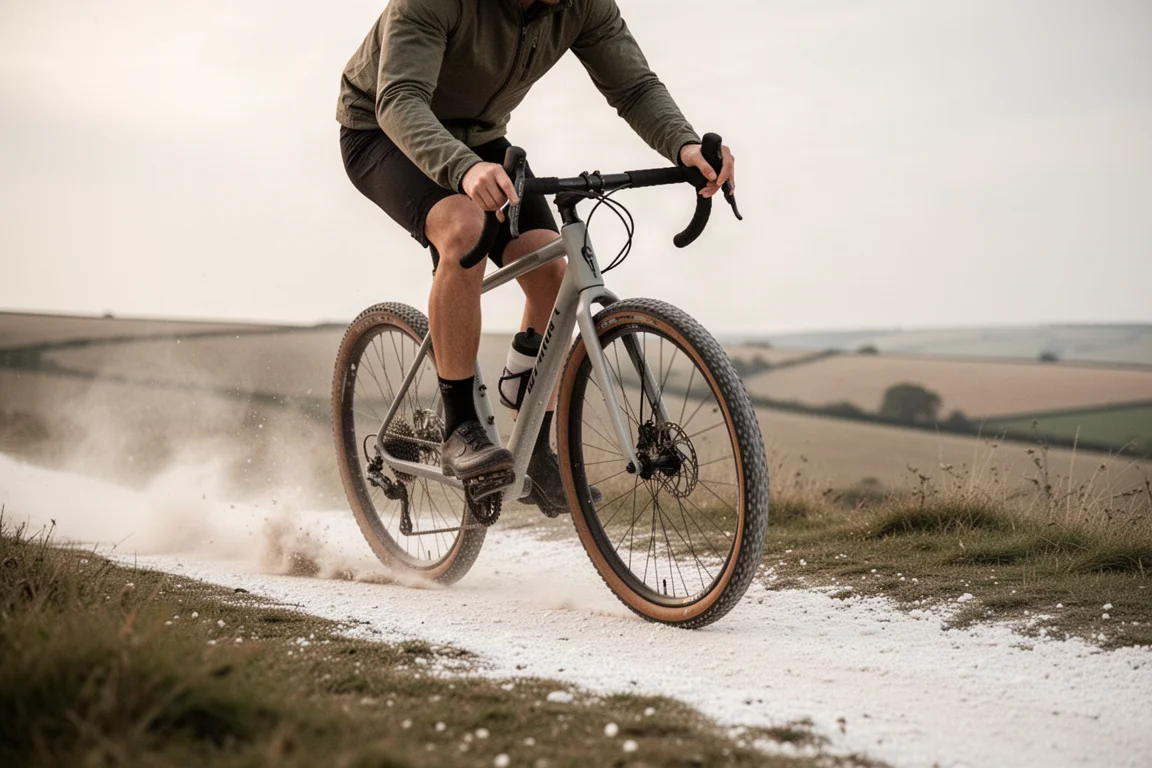
That stability is what makes the Secan work across such a wide spread of surfaces. On a route that moves from chalky ridgeway to damp woodland and back out onto tarmac, a bike that stays calm underneath you is worth more than one that is simply light. It also climbs well, with a light feel on the hills that helps over a long day.
Suspension Comfort on Rough Terrain
The suspension fork and seatpost change the ride more than anything else on the bike, and the seatpost is the standout of the two. Over dry, hard-packed farm tracks and rough edge-of-field sections, it lets you stay in the saddle and keep the power down instead of bouncing off the line.
There is one adjustment to plan for. Sitting on the saddle compresses it slightly, so saddle height needs to rise by roughly three to four millimetres. If you already ride a full-suspension mountain bike, that moving platform will feel familiar. If you do not, it takes a little time to trust. Once you are used to it, the comfort gain on rough ground is obvious, and it makes staying on the power far easier than a rigid setup allows.
The SRAM Force XPLR Build
The drivetrain is a large part of why the bike is so easy to live with. Force XPLR shifts cleanly and brakes with real authority: one-finger braking in every situation, plenty of power, and plenty of modulation.
The gearing is well judged for mixed terrain. The 10-46 cassette gives smooth, close steps from the 10-tooth sprocket up through the middle of the range, which keeps road-speed progress tidy, while the 46-tooth cog provides the bailout for steep climbs. Up front, the 40-tooth chainring is small by gravel racing standards, but for riders who want help on the hills it works well.
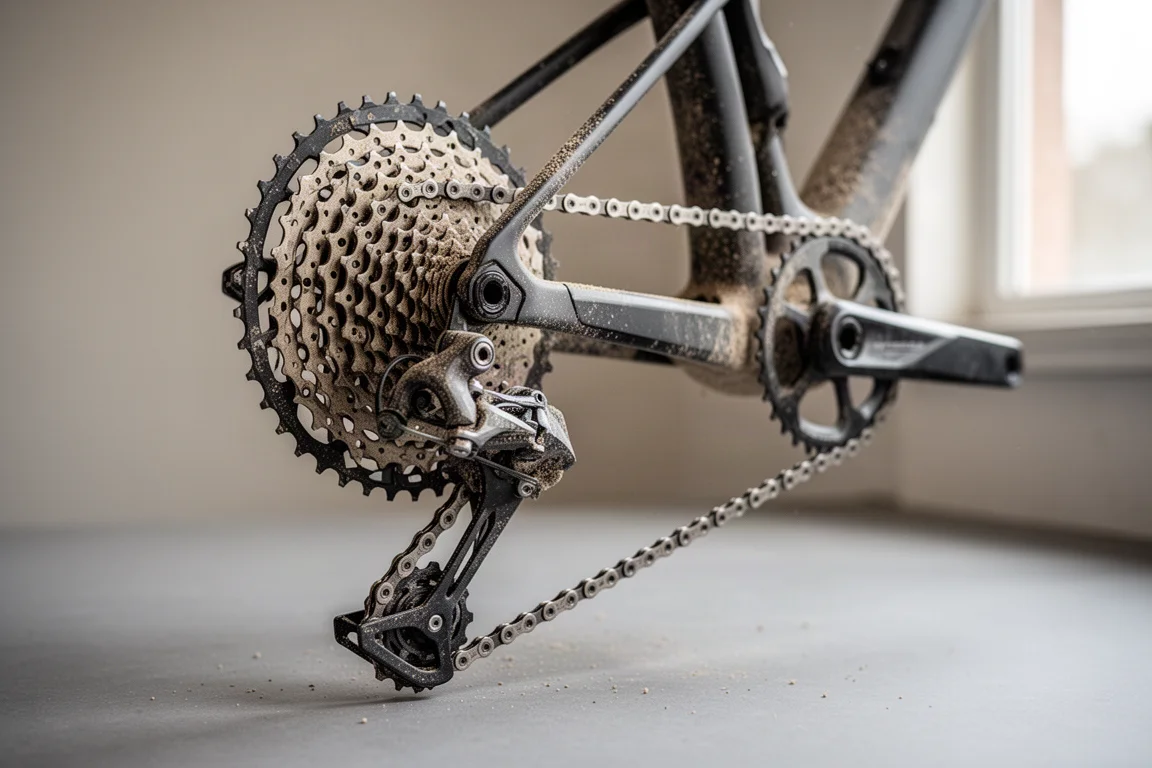
The bonus buttons on the inside of the hoods are a genuinely useful detail. They are better placed than the equivalent buttons on top of the hoods, and they can be pressed with the thumbs while your hands are on the hoods. Rival does not get them; Force and Red do.
On value, Force XPLR makes a strong case against Red XPLR. In shifting, braking, and ergonomics the two are effectively indistinguishable, and Force is considerably cheaper while looking just as good. Across a long, demanding ride the groupset gave no trouble at all: no missed shifts, no hesitation, nothing to think about.
Things to Consider Before Buying
A few points are worth weighing before you commit.
The suspension seatpost means your saddle height changes as it compresses under load, so plan time to dial in your position properly. Riders who are not used to suspension on a drop-bar bike may find the movement odd at first, particularly if they come from a rigid road background.
The Secan is heavier than the Strael and its geometry is slightly higher and longer. If your riding is overwhelmingly on tarmac, the Strael is the better fit.
The 40-tooth chainring is deliberately small by gravel racing standards. It suits riders who want climbing help more than outright top-end speed on fast courses.
Finally, these impressions come from one long, demanding ride. That was enough to show how the bike handles, how the groupset performs, and how the suspension behaves over sustained rough terrain, but durability and long-term behaviour need more time before firm conclusions are possible.
Buying Advice
If your riding looks anything like the route described here, the Secan makes a lot of sense. Buy it if you want one bike that handles mixed terrain without feeling compromised on the road, and if you would rather stay comfortable and keep pedalling through rough sections than fight them.
The suspension seatpost is the part most worth keeping in the build. It is the component that changes how a long, bumpy day feels, and it is the one that lets you stay seated and on the power when the surface turns rough.
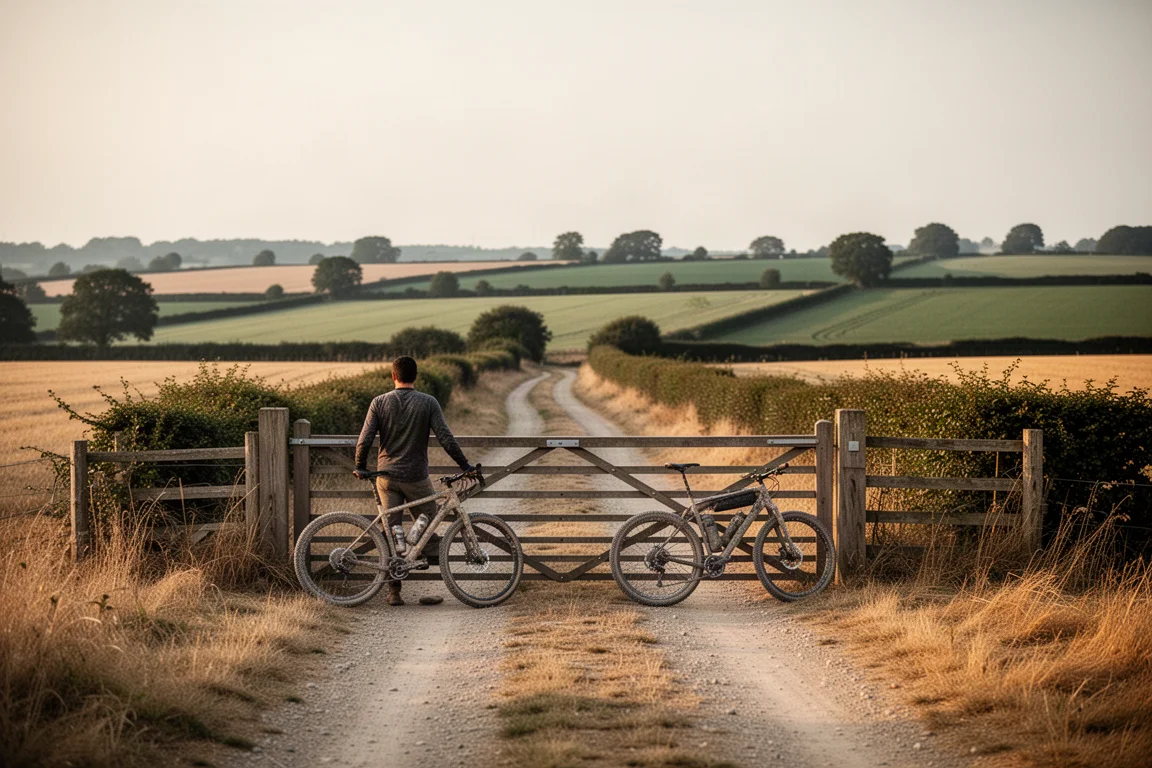
The groupset decision is easier than it looks. Force XPLR delivers the shifting, braking, and ergonomics that matter, including the hood buttons, at a lower cost than Red XPLR. Unless you specifically want the top tier, that money is better spent elsewhere on the build.
Choose the Strael instead if almost all of your riding is on tarmac and off-road is a rare exception. Choose the Secan if off-road is a real part of your riding, even when it is not the majority of it.
Conclusion
The Fairlight Secan proved itself on this ride. It is stable at speed, comfortable over rough ground, and quick enough on the road to make a long mixed-surface day feel like one coherent ride rather than a series of compromises.
The Force XPLR build supports that character well, and the suspension seatpost in particular turns rough terrain from something to survive into something to enjoy. Set it up carefully, be honest about how much of your riding happens off tarmac, and this is a bike that will keep rewarding the decision.
Product link
View more details for Fairlight Secan
This product is mentioned in the review. Check the specifications, options, and compatibility before buying.
View more details for Fairlight SecanFurther reading
Related Reviews
Gravel Bikes
3T Exploro Ultra Review: A Fast Gravel Bike Built for Big Tyres
A close look at the 3T Exploro Ultra, an aero carbon gravel bike designed around wide tyres, with road-like handling, a 980 g frame and genuine rough-terrain capability.
Gravel Bikes
3T Extrema Italia Review: Aero Gravel Speed With Room for 57 mm Tires
The 3T Extrema Italia pairs an aero frame with huge tire clearance, Italian-made carbon and a more comfortable ride than the RaceMax. Here is what to know before buying.
Gravel Bikes
3T Race Max 2 Italia Review: An Aero Gravel Race Bike Made in Italy
A closer look at the second-generation 3T Race Max 2 Italia, covering its aero updates, ride character, tire clearance, internal storage and who it suits.