Gravel Bikes
Fairlight Secan Review: A Dream Gravel Build After 100 Miles
A 100-mile UK gravel ride on a Fairlight Secan build with SRAM Force XPLR and a Wahoo ELEMNT ROAM V3, plus how the Fairlight Strael and SRAM Red XPLR compare.
Introduction
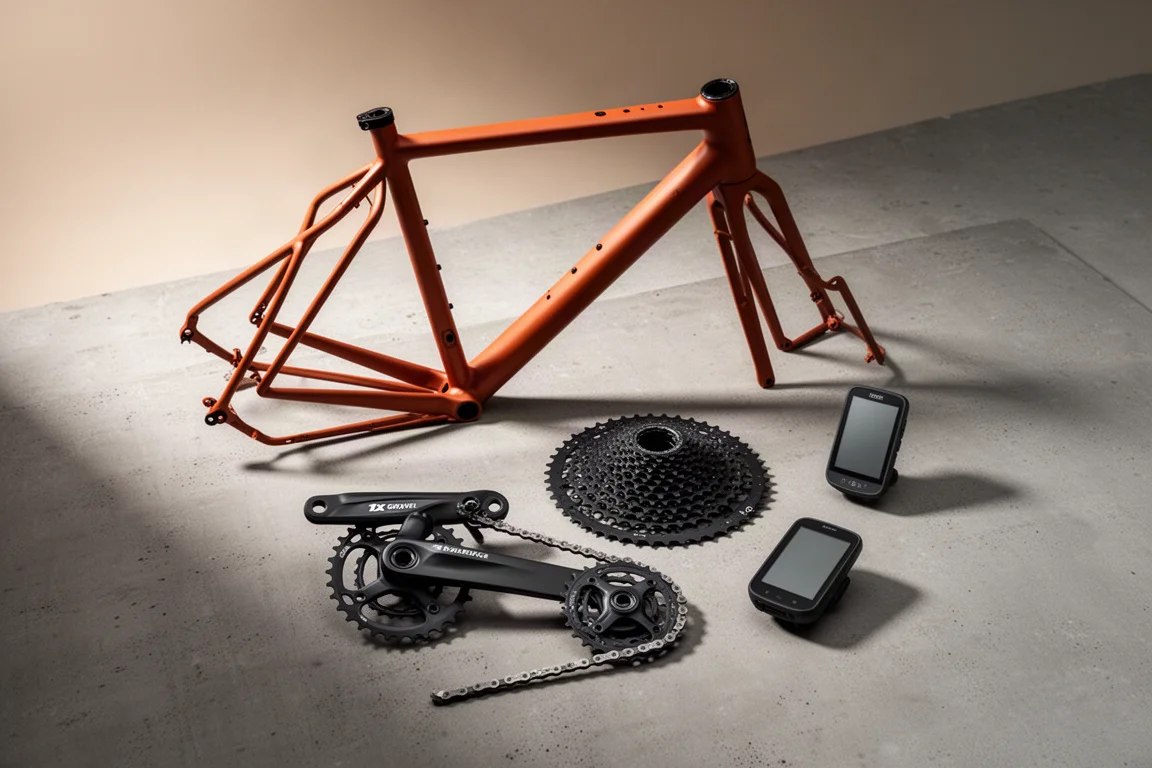
A 100-mile gravel event starting and finishing in Oxford turned out to be an ideal test bed for a new build. The route moved constantly between singletrack, doubletrack, farm tracks and sections of the Ridgeway, with a short river crossing near the end for good measure.
This article covers how the Fairlight Secan frame, the SRAM Force XPLR groupset and a Wahoo ELEMNT ROAM V3 performed over that distance, and how the Secan compares with the road-focused Fairlight Strael and the flagship SRAM Red XPLR groupset.
Fairlight Secan: The Frame That Made the Ride
The Fairlight Secan sits at the centre of this build, finished in burnt orange. On the road it never felt slow, even with the wider gravel tyres fitted, which matters for a bike that will spend part of its life on tarmac between trailheads.
Where the frame really stood out was in the way it handled. Cornering, stability at high speed and composure over rocky ground all felt superb, and the bike stayed planted and sure-footed on descents even when the surface turned loose and bumpy.
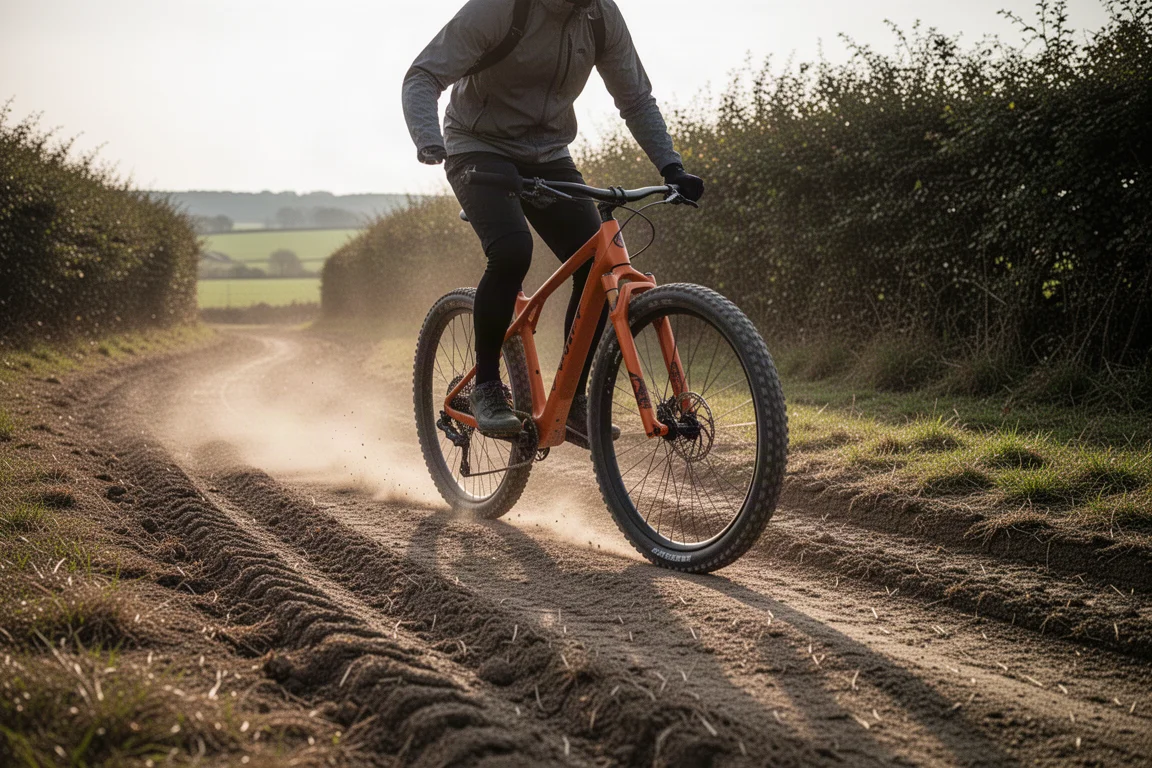
Comparing it directly with an earlier version of the same bike is not straightforward, because so much of the build changed. Different tyres, different wheels and different suspension components all alter the way a bike feels underneath you. Even so, the cornering and descending character felt familiar, and the same sure-footed quality came through clearly.
Suspension Seatpost and Stem: What They Change
The build included a suspension stem and a suspension seatpost, and both earned their place on the rougher parts of the route. Weeks without rain had left the Ridgeway and the farm tracks around the field edges dry, hard and bumpy, and the seatpost in particular let a rider stay in the saddle, keep the power down and avoid being bounced around.
There is one small adjustment to plan for. Sitting on the saddle compresses the post slightly, so saddle height needs to rise by roughly three to four millimetres. Riders who are used to a fixed saddle height may notice the difference, though on rough ground a rider shifts around on the saddle anyway, and the comfort gain is easy to feel.
If you have never ridden mountain bike suspension, the way the stem and post move underneath you can feel unusual at first. Once the surface turns rough, the reasoning behind it becomes obvious.
SRAM Force XPLR: Shifting, Braking and Ergonomics
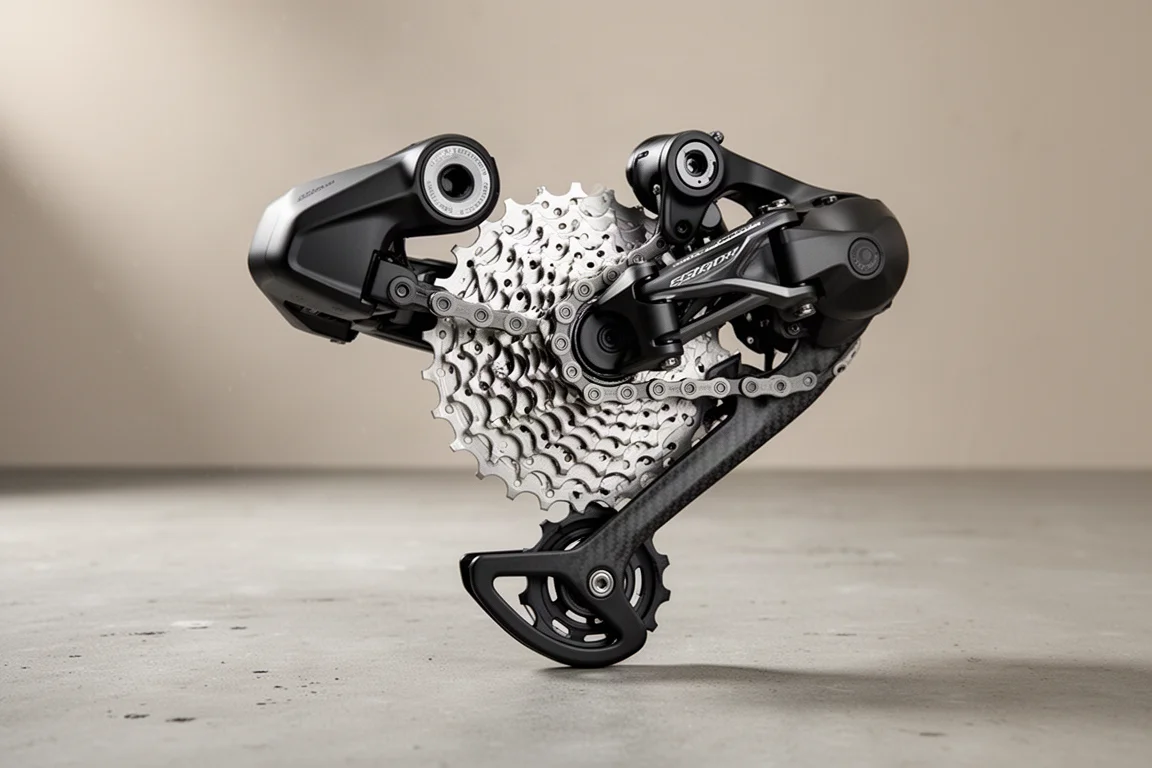
The SRAM Force XPLR groupset was the starting point for the entire build, and across 100 miles it worked flawlessly, with no issues and no missed shifts.
The gear range is generous. The 10-46 cassette gives even steps between sprockets, so high-speed road sections progress smoothly from the 10-tooth upwards through the middle of the block, while the 46-tooth sprocket takes the edge off steeper climbs. Up front, the stock 40-tooth chainring is small by gravel racing standards, but it suits riders who want a little more help on the hills.
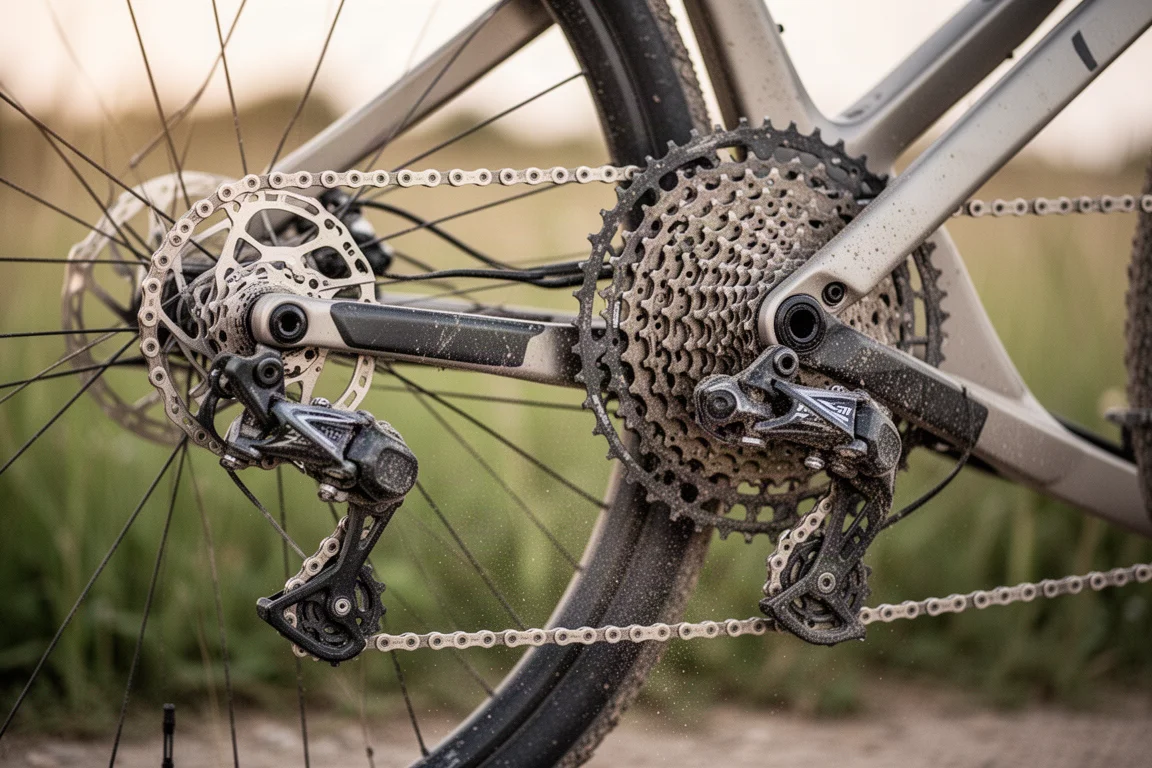
Braking is a genuine highlight. One-finger control is enough in every situation, with plenty of power and a lot of modulation, which makes the whole bike feel more controlled and more confidence-inspiring.
The bonus buttons on the inside of the hoods deserve a mention too. They can be pressed with your thumbs while your hands stay on the hoods, which is easier than reaching for top-mounted buttons, and they are one of the features riders miss when they move down to the Rival groupset.
SRAM Red XPLR: The Same Feel at a Higher Price
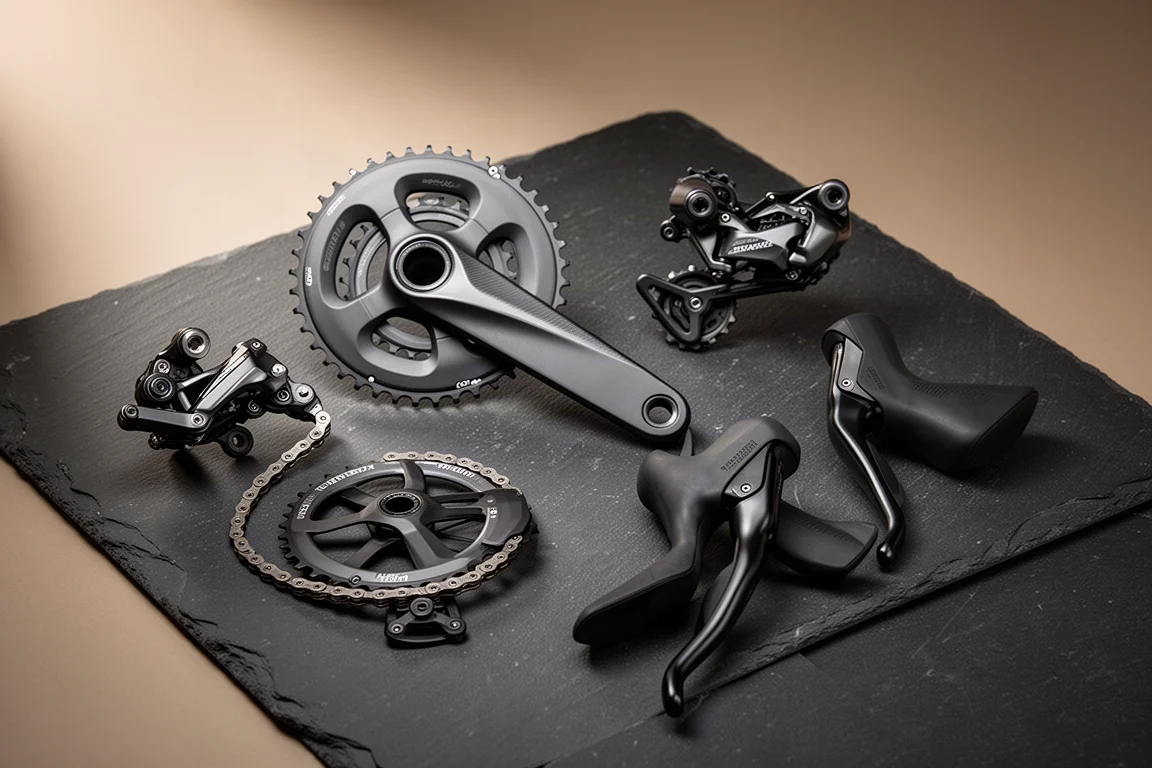
SRAM Red XPLR sits above Force XPLR in the range and has been the groupset of choice on other gravel bikes over the past year. Ride the two back to back and the differences are hard to find: shifting performance, braking performance and ergonomics all felt the same.
Red costs considerably more. Force performs the same in practice, looks just as good and leaves money for other parts of the build. Both groupsets include the bonus hood buttons that Rival leaves out.
Wahoo ELEMNT ROAM V3: A Clear, Button-Friendly Head Unit
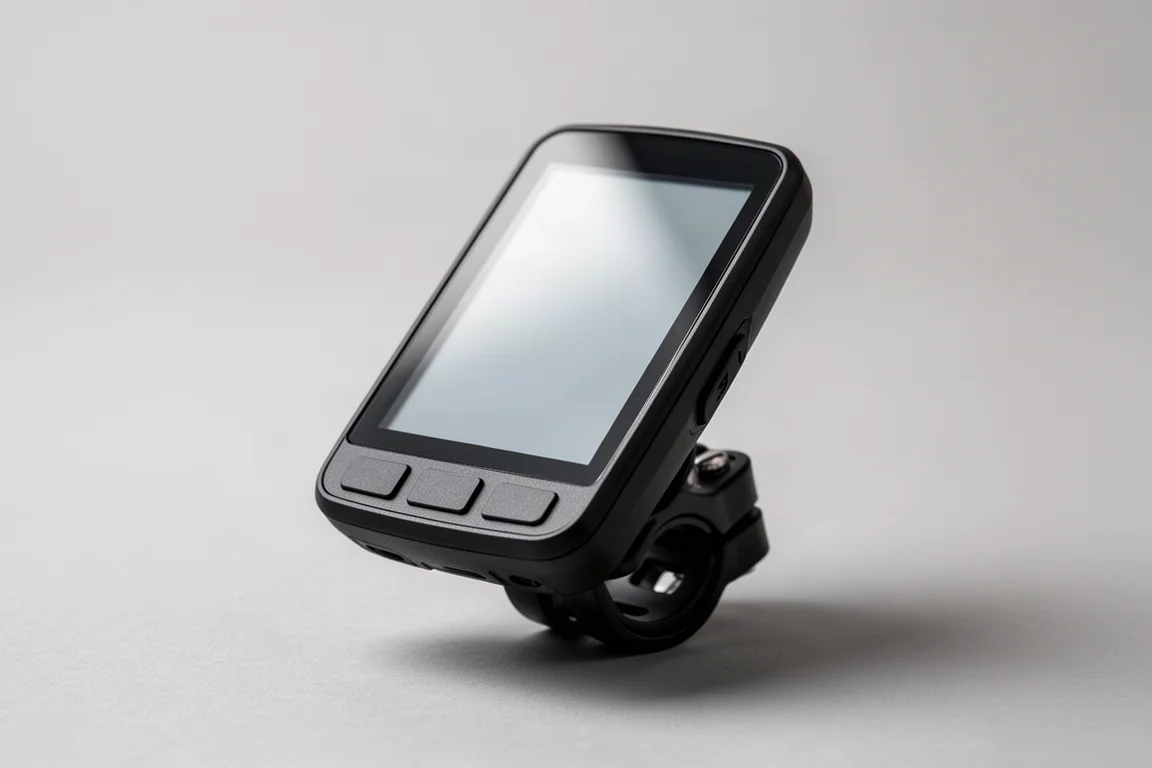
The Wahoo ELEMNT ROAM V3 was mounted on the bars for the ride. The display is clear and easy to read, and the unit pairs a touchscreen with physical buttons, a combination that works well when you want to change something without staring down at the screen.

On a route that shifts constantly between singletrack, farm tracks and open road, a screen that stays legible and controls that are easy to find without looking are the two things that matter most. Having both touch and buttons covers both habits.
Fairlight Strael: When Road Riding Comes First
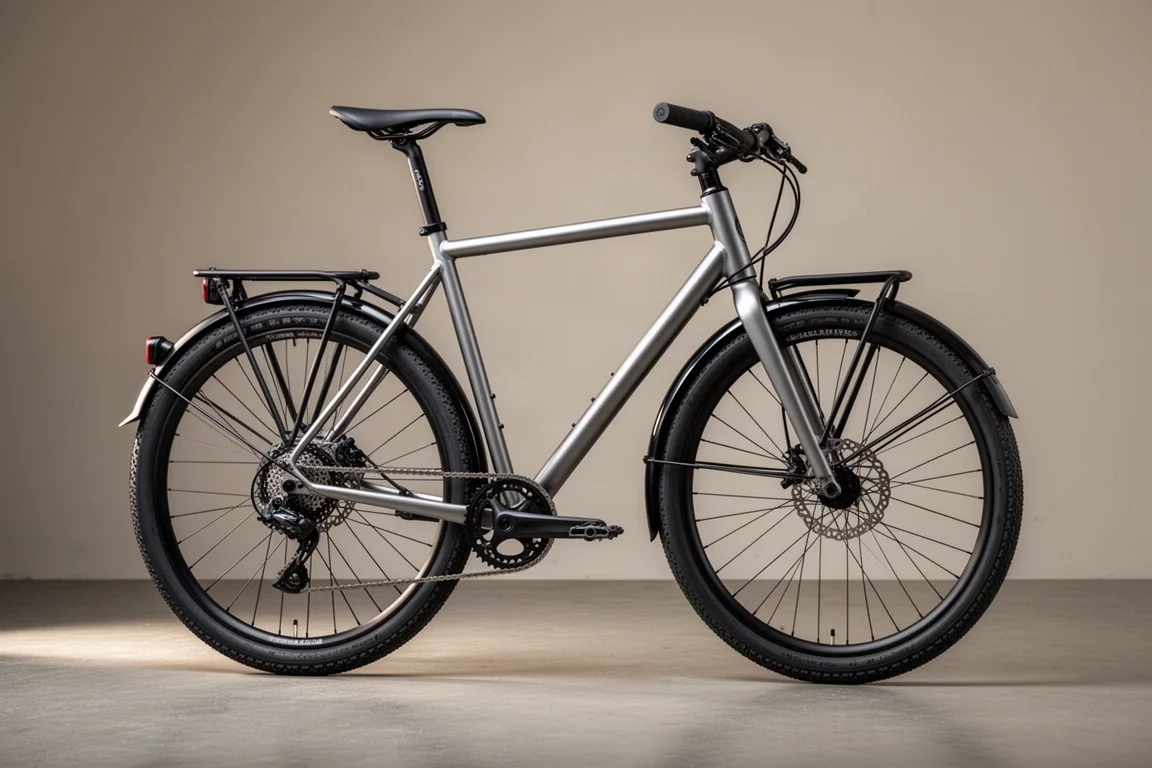
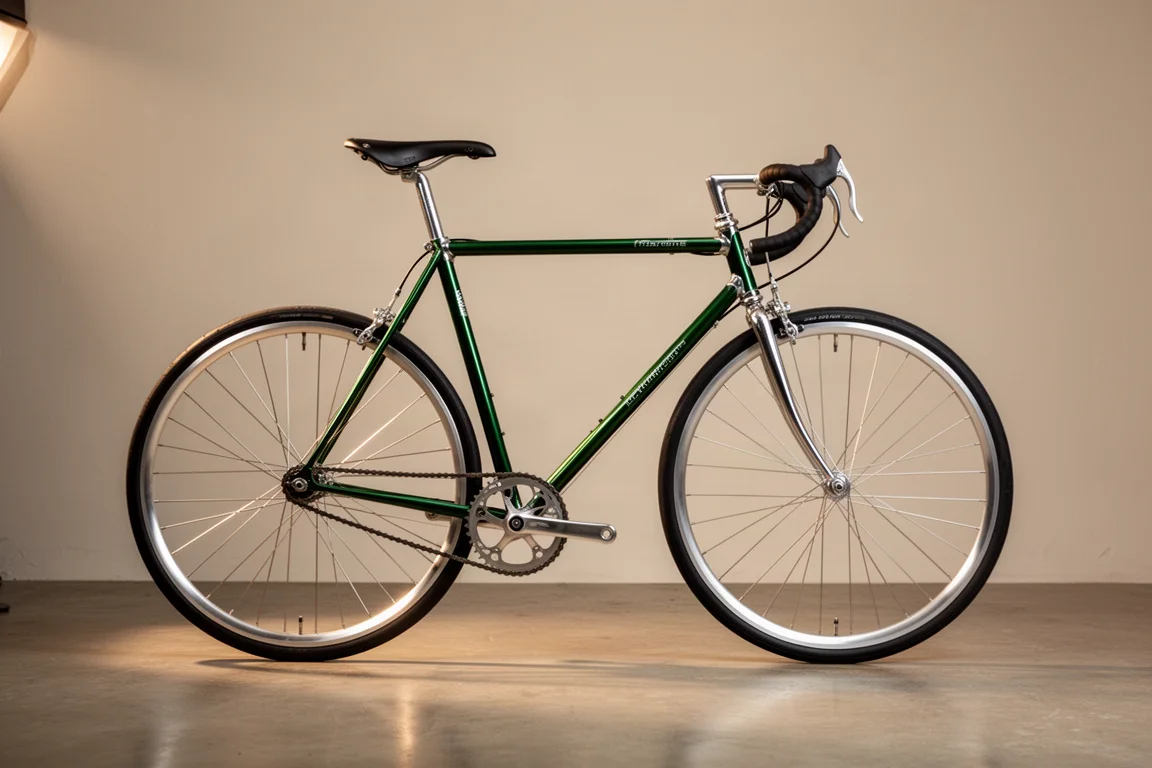
The Fairlight Strael is the road-leaning option, and it is lighter than the Secan. The Secan’s geometry sits a little higher and a little longer, though the gap between the two comes down to millimetres rather than centimetres.
That makes the choice fairly simple. If your riding is almost entirely on tarmac, with only a small amount of off-road, the Strael is the better fit. For the mixed terrain a gravel bike is bought for, the Secan is the more appealing machine.
Buying Advice: Matching the Build to Your Riding
Start with the frame, because it shapes everything else. The Secan suits riders who want one bike for a wide spread of surfaces, from road sections to rocky descents. The Strael suits riders who spend nearly all their time on tarmac.
On the groupset, the value case for Force XPLR is strong. It matched Red XPLR in shifting, braking and ergonomics in back-to-back riding and costs considerably less, which leaves more budget for wheels, tyres and cockpit parts.
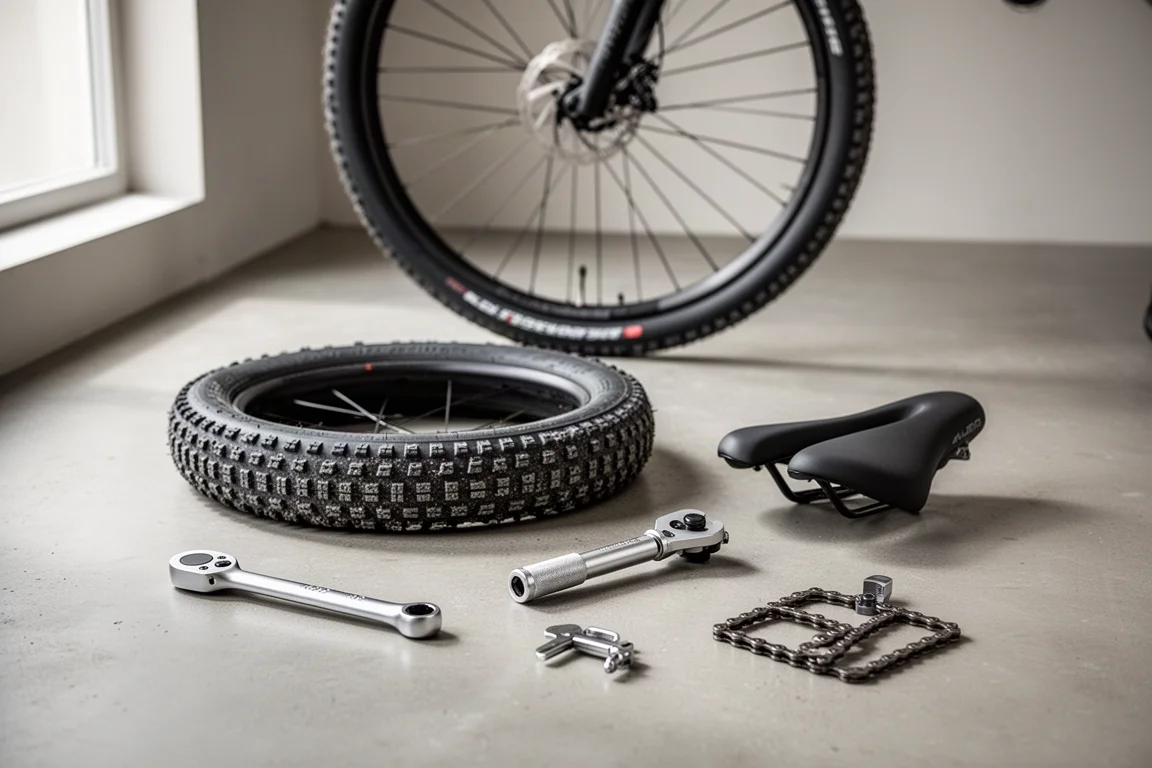
Suspension components are worth considering if your local trails are rough. A suspension seatpost made a clear difference on hard, dry farm tracks, and the only trade-off is a small change in saddle height that takes a ride or two to get used to.
A computer with a clear display and a mix of touch and buttons is a practical addition for longer routes, particularly where the course moves between trail and road.
Conclusion
The Fairlight Secan build did what a good gravel bike should. It stayed fast and composed across a route that changed character constantly, the Force XPLR groupset performed without a fault, and the suspension stem and seatpost softened the roughest sections. The Strael remains the right answer for riders who rarely leave the road.
Further reading
Related Reviews
Gravel Bikes
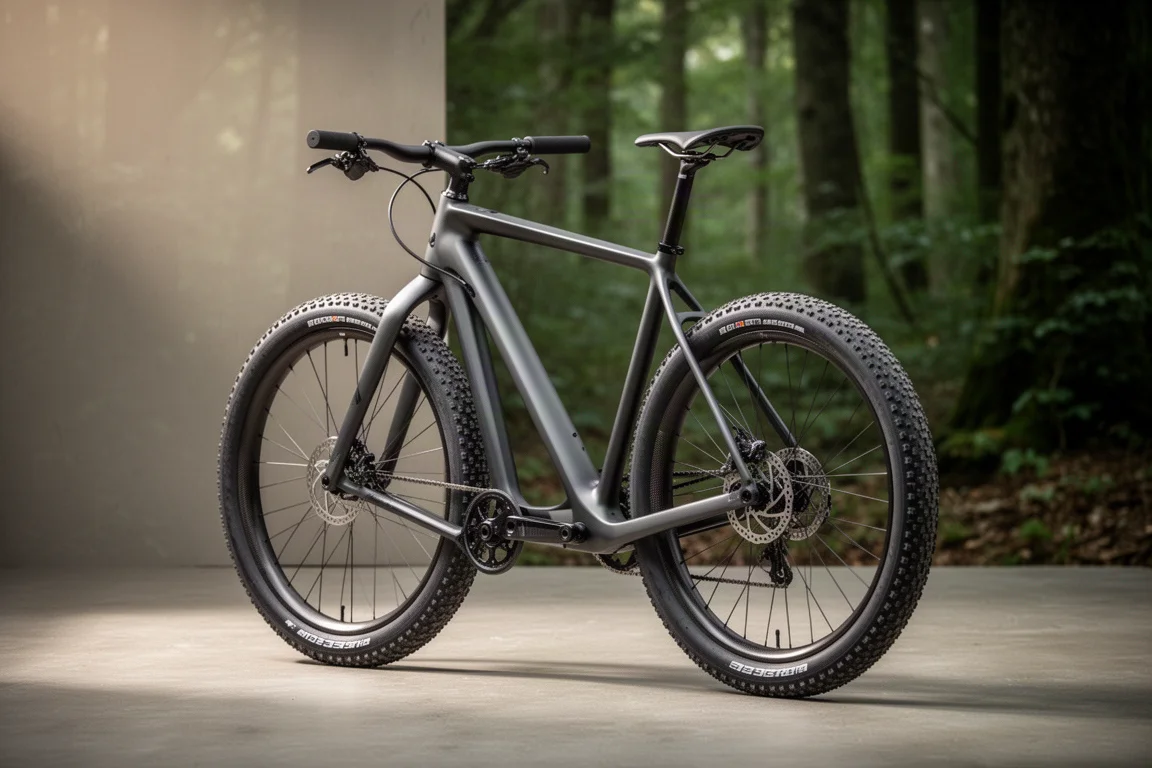
3T Exploro Ultra Review: A Fast Gravel Bike Built for Big Tyres
A close look at the 3T Exploro Ultra, an aero carbon gravel bike designed around wide tyres, with road-like handling, a 980 g frame and genuine rough-terrain capability.
Gravel Bikes
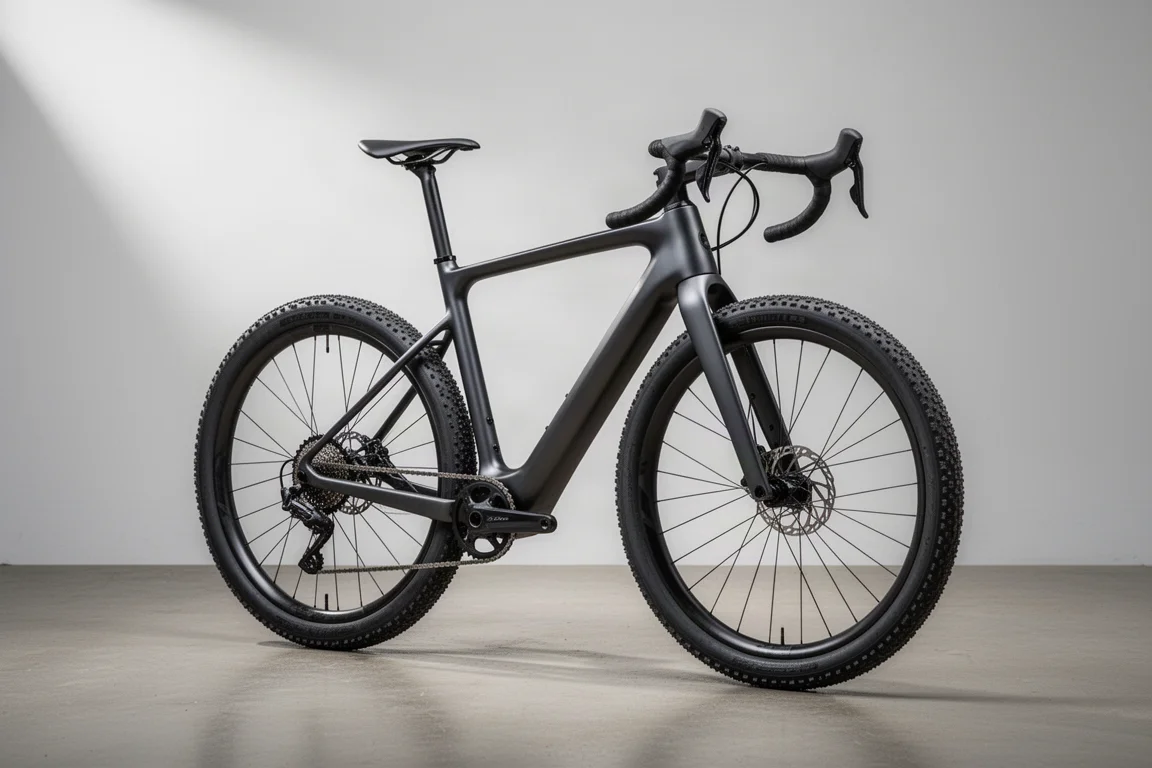
3T Extrema Italia Review: Aero Gravel Speed With Room for 57 mm Tires
The 3T Extrema Italia pairs an aero frame with huge tire clearance, Italian-made carbon and a more comfortable ride than the RaceMax. Here is what to know before buying.
Gravel Bikes
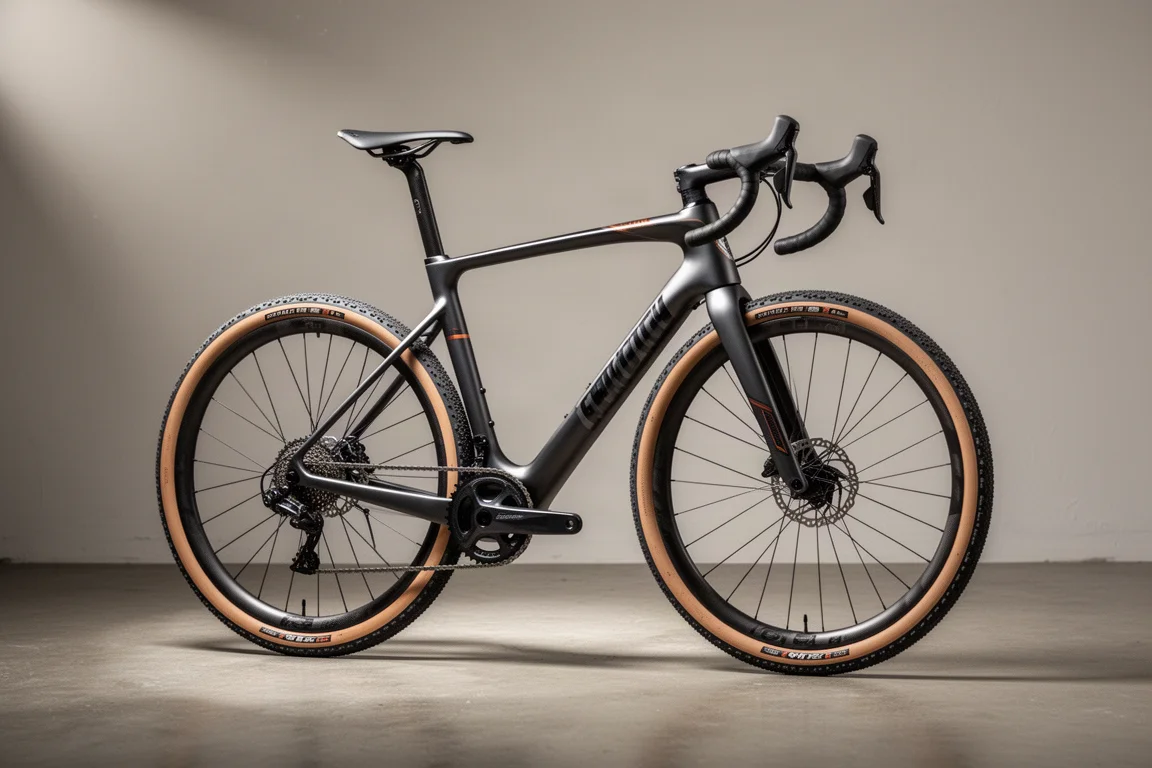
3T Race Max 2 Italia Review: An Aero Gravel Race Bike Made in Italy
A closer look at the second-generation 3T Race Max 2 Italia, covering its aero updates, ride character, tire clearance, internal storage and who it suits.