Gravel Bikes
Fairlight Sakan v3 Gravel Build Review: SRAM Force XPLR and Redshift Suspension
A comfort-first steel gravel build: the Fairlight Sakan v3 frameset, a SRAM Force XPLR 1x13 drivetrain, and Redshift suspension at both the stem and the seat post.
Introduction
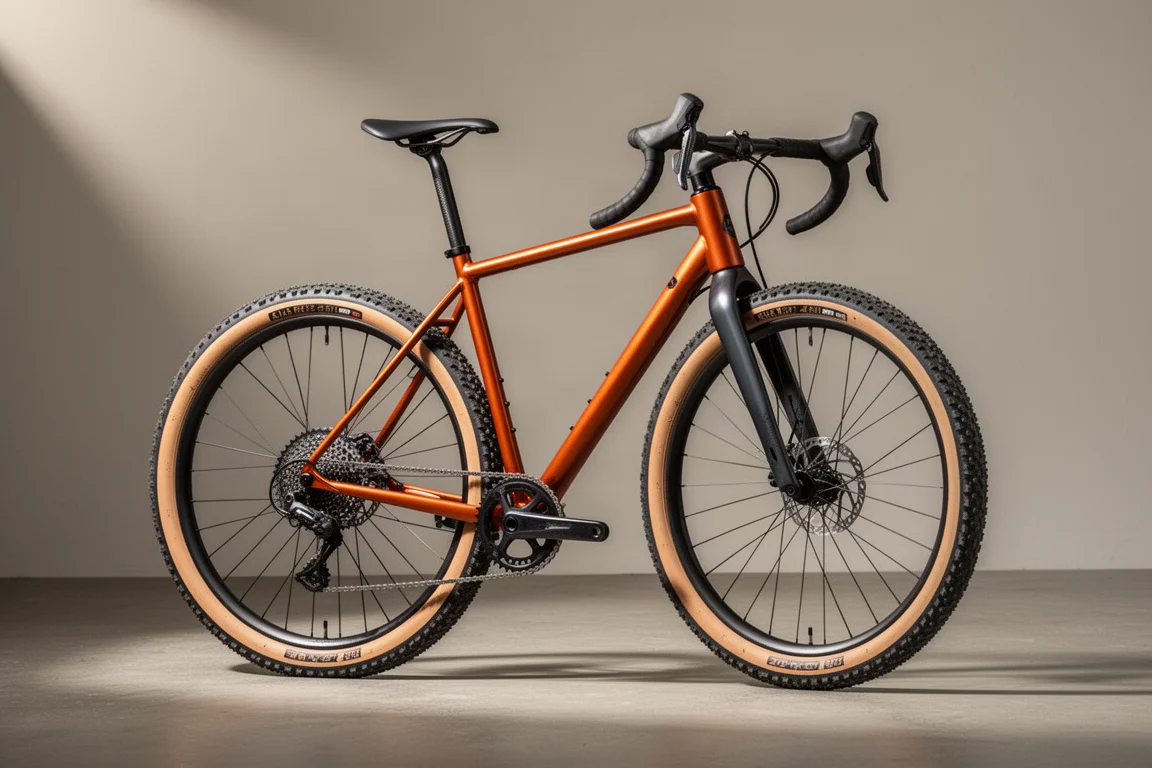
Steel gravel bikes usually get built up with a conservative parts list. This one goes the other way: a Reynolds 853 steel adventure frameset, a modern 1x13 drivetrain, and suspension at both the stem and the seat post.
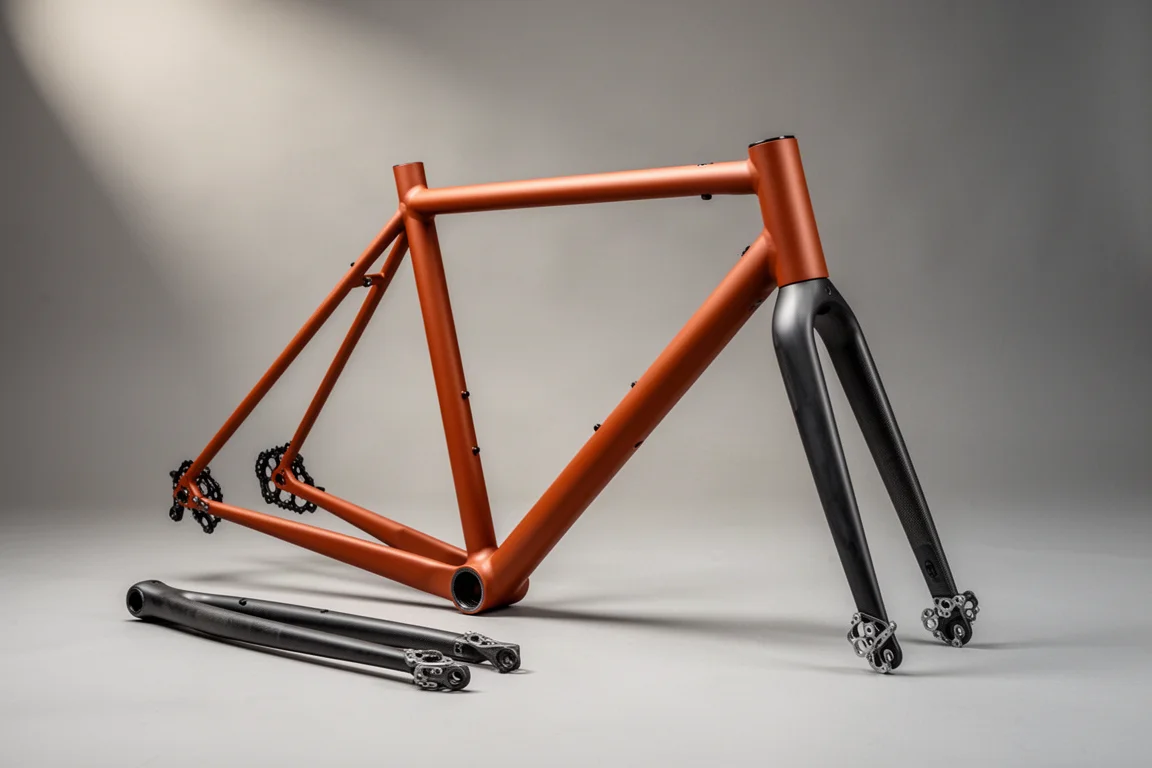
The Fairlight Sakan v3 is the third version of the brand’s Reynolds 853 steel gravel adventure frame, and the original has been in service for around five years. Version three keeps the steel main frame and reworks almost everything around it, with a new carbon fork, redesigned rear stays and modular dropouts. This build is finished in burnt orange, one of four frame colours.
The brief behind the build is easy to state: an ultra-comfort-focused gravel bike that stays dependable and versatile over very long distances, aimed at ultra-distance events. That brief explains nearly every component choice below.
Why This Build Exists: Comfort First
The frame choice came down to two specific requirements. The first is suspension. Running a suspension stem requires a conventional steerer tube and head tube together with external cable routing, and the Sakan v3 offers exactly that combination. On a frame with one-piece internal routing the same stem will not fit, so this is a real compatibility question rather than a matter of taste.
The second requirement is drivetrain flexibility. The earlier Sakan could not accept the newest SRAM XPLR rear derailleur, while version three uses modular dropouts that take mechanical or electronic groupsets, in 1x, 2x or 1x13 XPLR configurations.
The motivation behind both is long-distance comfort. Arm fatigue late in a long gravel event in Scotland made a strong case for front-end suspension, and once a suspension stem is part of the plan, a suspension seat post follows naturally to keep the rear of the bike just as settled.

The result is a bike built for ultra-distance events: comfortable enough to stay on for many hours, simple enough to look after on the road, and versatile enough to carry luggage when the route demands it.
Fairlight Sakan v3 Frameset: Steel With Modern Details
Reynolds 853 steel remains the heart of the Sakan, and version three keeps the main frame material while changing most of what surrounds it.
The rear stays are all new, designed to improve compliance and increase tire clearance at the same time. Official clearance is 700 x 53, which is generous for a steel gravel frame, and builds running 2.1-inch mountain bike tires such as the Conti Race King suggest there is usable room beyond that figure.
Up front, a new carbon fork is said to add compliance at the front of the bike, and the frame now includes a cargo mount for a front rack plus dynamo routing. Key areas have been beefed up, and the modular dropouts are a neatly executed detail that opens up drivetrain choice.
Practicality is clearly a priority. Routing is fully external, which keeps maintenance straightforward and makes roadside repairs far less intimidating out on a long ride. There are rack mounts, fender mounts, dynamo routing, and provision for extra bottles and additional cargo capacity.
The frame is available in four colours, and there are four builds, mostly with Shimano 1x and 2x groupsets, with SRAM options expected. Prices and specifications vary by region, so the brand’s own site is the place to check local availability and build details.
SRAM Force XPLR Groupset: 1x13 and Modular Dropouts
The new SRAM Force XPLR group is the second reason this frame was chosen. The earlier Sakan could not take the newest XPLR rear derailleur, and the modular dropouts on version three solve that problem directly.
The group here is a 1x13 setup, and the build also serves as a way to compare Force XPLR against the higher-tier Red XPLR group. Because the dropouts are modular, the same frame can run a mechanical groupset, an electronic groupset, a 1x or 2x setup, or 1x13 XPLR.
For anyone building up a frame, that flexibility matters more than it first appears. It means the drivetrain can change later without changing the frame, so a long-term build is not locked into a single standard.
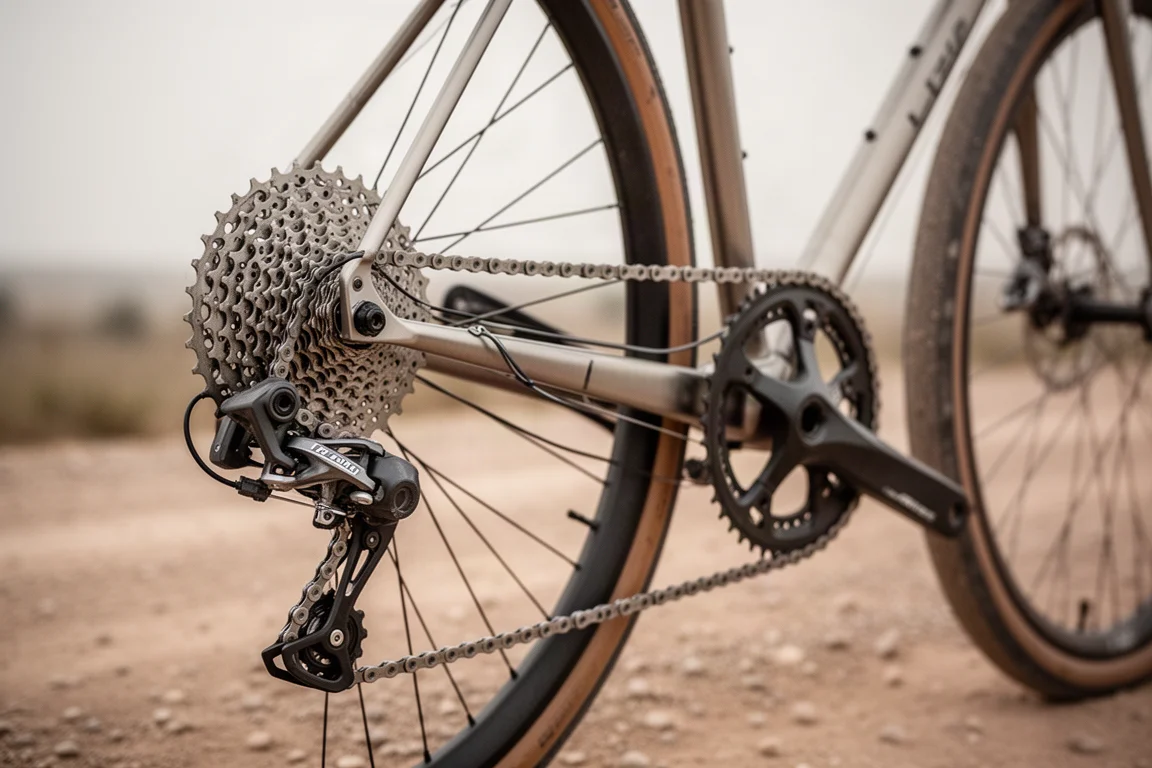
In practice, a 1x13 setup keeps the cockpit simple and removes the front derailleur from the equation, which suits a bike designed for long, self-supported rides.

Redshift Suspension Stem: Front-End Comfort
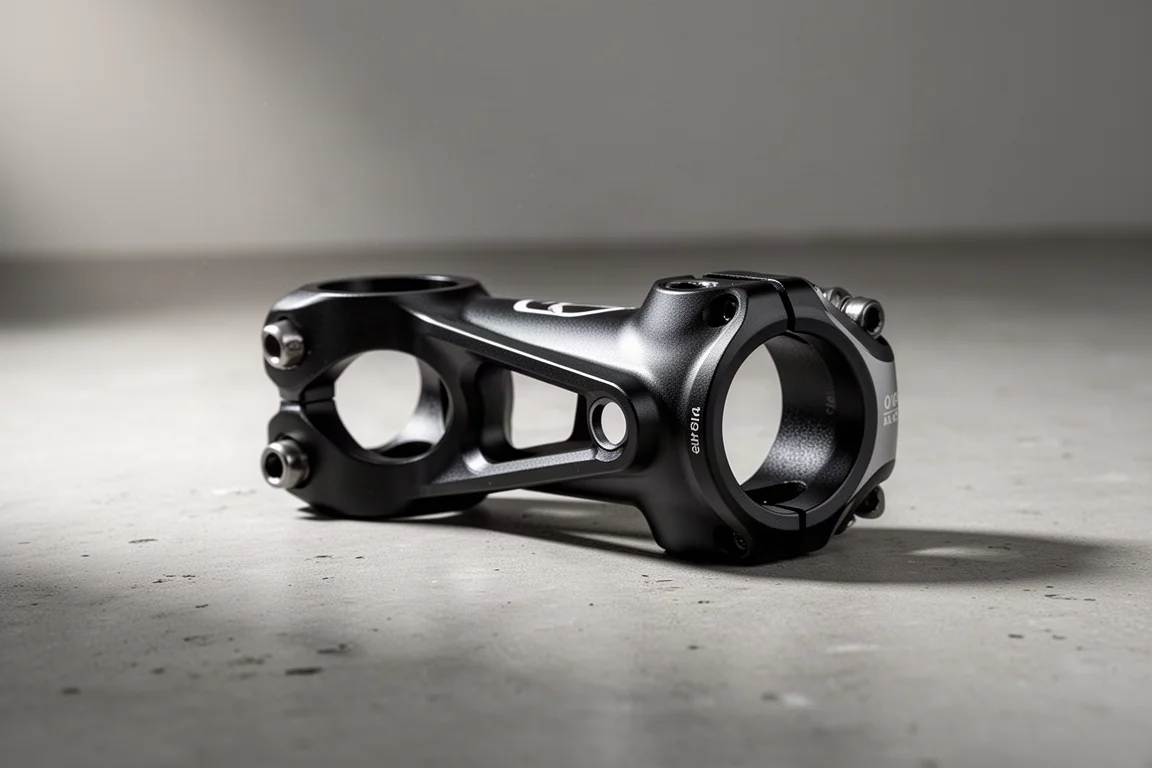
A suspension stem works on a simple principle: it softens the sharp edge of rough surfaces before that energy reaches your hands. The catch is fitment.
The Redshift suspension stem needs a conventional steerer tube and head tube, and it works with external cable routing. That combination is exactly what the Sakan v3 provides, which is why the stem fits here but would not fit a frame with a one-piece internally routed cockpit. Anyone considering a suspension stem should confirm this on their own frame before ordering.
For long-distance gravel riding the appeal is straightforward. Small, repeated impacts are what wear a rider down over many hours, and reducing them at the front of the bike is one of the most direct ways to stay comfortable deep into a ride.
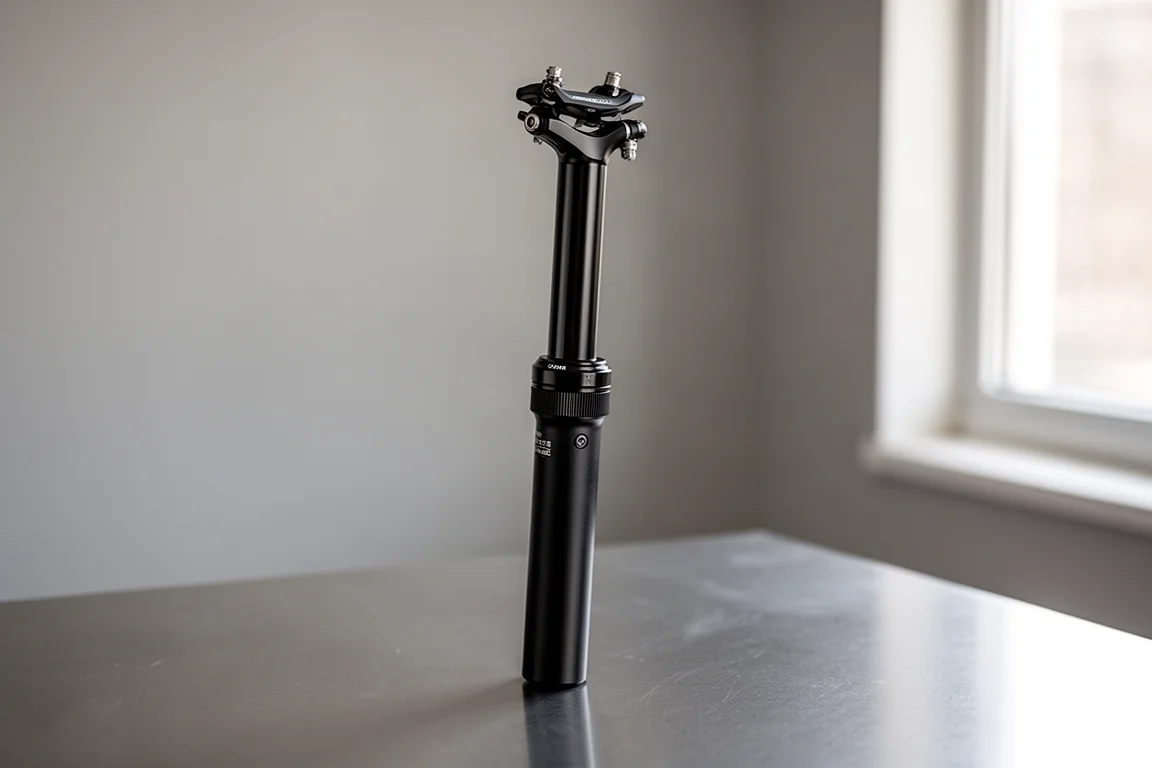
Redshift Suspension Seat Post: Matching Rear Comfort
With suspension at the front, matching it at the rear is a logical next step. The Redshift suspension seat post is fitted here for exactly that reason: a bike with a compliant front end and a rigid rear end feels unbalanced over long distances.
The seat post adds a second layer of comfort on top of the frame’s own compliance. The Sakan v3’s redesigned rear stays were shaped to improve compliance and increase tire clearance, and a suspension post builds on that rather than replacing it.
Wide tires do a great deal of the work on gravel, but they cannot absorb everything. Adding controlled movement at the seat post gives the rider a calmer platform on washboard surfaces and long sections of loose, broken gravel.

Together with the stem, the seat post turns this into a matched front and rear suspension setup, which is the point of the whole build rather than an afterthought.
How the Upgrades Work Together
Individually, each choice here is reasonable. Together, they add up to something more coherent.
Start at the ground: wide tires, with official clearance of 700 x 53 and room for 2.1-inch mountain bike tires in practice. Above that sits a Reynolds 853 steel main frame with redesigned rear stays, plus a new carbon fork at the front. Then suspension at both contact points, with a suspension stem and a suspension seat post. Each layer handles a different part of the roughness that a long gravel route throws at a rider.
The frame keeps the build practical as well. Full external routing means cables and hoses can be replaced without dismantling a cockpit, and the mounts for racks, fenders, dynamos and extra bottles mean the bike can be set up for a multi-day route as easily as for a fast day ride.
The result leans towards comfort and dependability rather than outright race pace, which is exactly the intent behind it.
Buying Advice: Is This Build Right for You?
This build makes the most sense for riders whose priority is finishing long, rough rides in reasonable comfort rather than chasing the lightest possible setup.
If you regularly take on ultra-distance events or multi-day gravel routes, the combination of steel compliance, wide tire clearance and suspension at both ends deserves serious consideration. The modular dropouts also mean you are not locked in: mechanical or electronic, 1x or 2x, or 1x13 XPLR are all possible on the same frame.

There are practical points to check before committing. Confirm that your intended stem will fit, because a frame with one-piece internal routing will rule out a suspension stem entirely. Check regional pricing and build specifications directly with the brand, since builds and prices vary by market and most current builds use Shimano groupsets, with SRAM options expected.
It is also worth being honest about what this bike is not. It is a comfort and versatility build rather than a stripped-back race machine. If your priority is a pure race setup, a different frameset will serve you better.
Conclusion
The Fairlight Sakan v3 works as the foundation of a long-distance gravel build because it solves two compatibility problems at once: it accepts a suspension stem, and its modular dropouts accept a modern 1x13 drivetrain. Add a Reynolds 853 steel main frame, a new carbon fork, 700 x 53 clearance and a full set of mounts, and the frameset covers comfort, dependability and versatility in one package.
The SRAM Force XPLR group keeps the drivetrain modern and simple, while the Redshift suspension stem and seat post address the two places a rider feels rough ground first. For anyone planning long gravel events or loaded multi-day routes, this is a build worth studying closely before you spec your own.
Further reading
Related Reviews
Gravel Bikes
3T Exploro Ultra Review: A Fast Gravel Bike Built for Big Tyres
A close look at the 3T Exploro Ultra, an aero carbon gravel bike designed around wide tyres, with road-like handling, a 980 g frame and genuine rough-terrain capability.
Gravel Bikes
3T Extrema Italia Review: Aero Gravel Speed With Room for 57 mm Tires
The 3T Extrema Italia pairs an aero frame with huge tire clearance, Italian-made carbon and a more comfortable ride than the RaceMax. Here is what to know before buying.
Gravel Bikes
3T Race Max 2 Italia Review: An Aero Gravel Race Bike Made in Italy
A closer look at the second-generation 3T Race Max 2 Italia, covering its aero updates, ride character, tire clearance, internal storage and who it suits.