Gravel Bikes
Factor Sona Review: Factor's First Suspension Gravel Bike
Factor's first suspension gravel bike pairs short-travel front suspension with aero tube shapes, a compliant rear end, and an integrated cockpit. A practical look at who it suits and what to weigh before buying.
Introduction
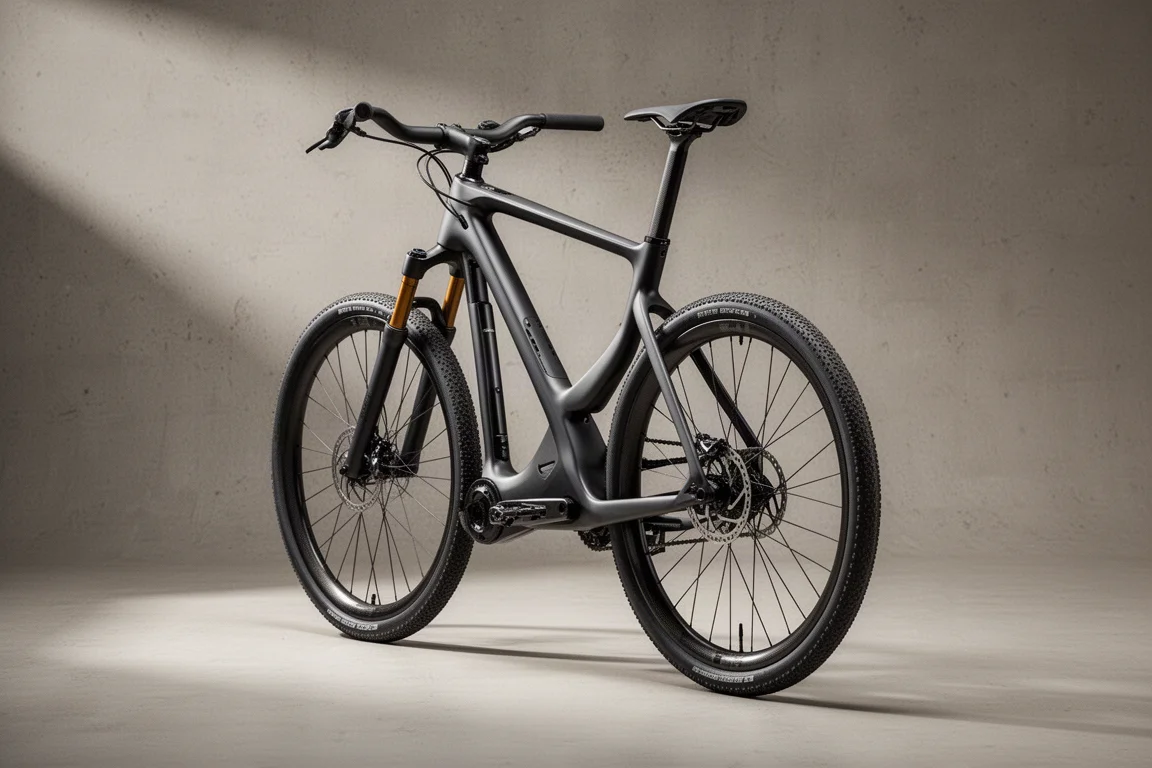
The Factor Sona is Factor’s first suspension gravel bike, and it arrives as a deliberate blend of two ideas: the aero efficiency of a modern gravel race frame and the composure that a short-travel fork brings to rough surfaces. It was developed with input from professional gravel racer Rob Britton, the 2025 Unbound XL winner, who had already been running a Factor gravel setup with a suspension fork and pushed for a purpose-built version.
The result is a bike that reads as much endurance machine as race rig. This review covers what the Sona does well, who it suits, and the trade-offs to weigh before buying.
Who the Factor Sona Is For
The Sona is aimed at riders who spend long hours on mixed surfaces and want to stay efficient without being beaten up by the terrain. The suspension fork and high-volume tires are the headline features, but the frame’s aero shaping and integrated cockpit matter just as much for anyone chasing speed over distance.
This is not a bike built for big jumps or gravity riding. The front travel is modest, and the intent is control and comfort across rough gravel rather than plush mountain-bike suspension. Riders who value a traditional rigid gravel bike, or who mostly ride smooth surfaces, will not get the same benefit from the extra hardware.

It is also a bike that rewards planning. The frame includes braze-ons for integrated bolt-on bags, and the design accommodates a round seat post, so a dropper post remains an option for riders who want one on technical descents.
Main Strengths
The Sona’s strengths sit at the intersection of comfort, control, and aerodynamic efficiency. The rear end is notably compliant thanks to the dropped seat stays, while the front end has been shaped with aero performance in mind, including when the standard rigid fork is fitted.
Suspension Fork and Front End
The suspension fork is the defining feature. With roughly 40mm of travel paired to a 2.1-inch front tire, it changes how the bike descends. On rough, loose, or chattering surfaces, the fork lets the rider stay on the gas where a rigid fork would force a slower, more cautious line.
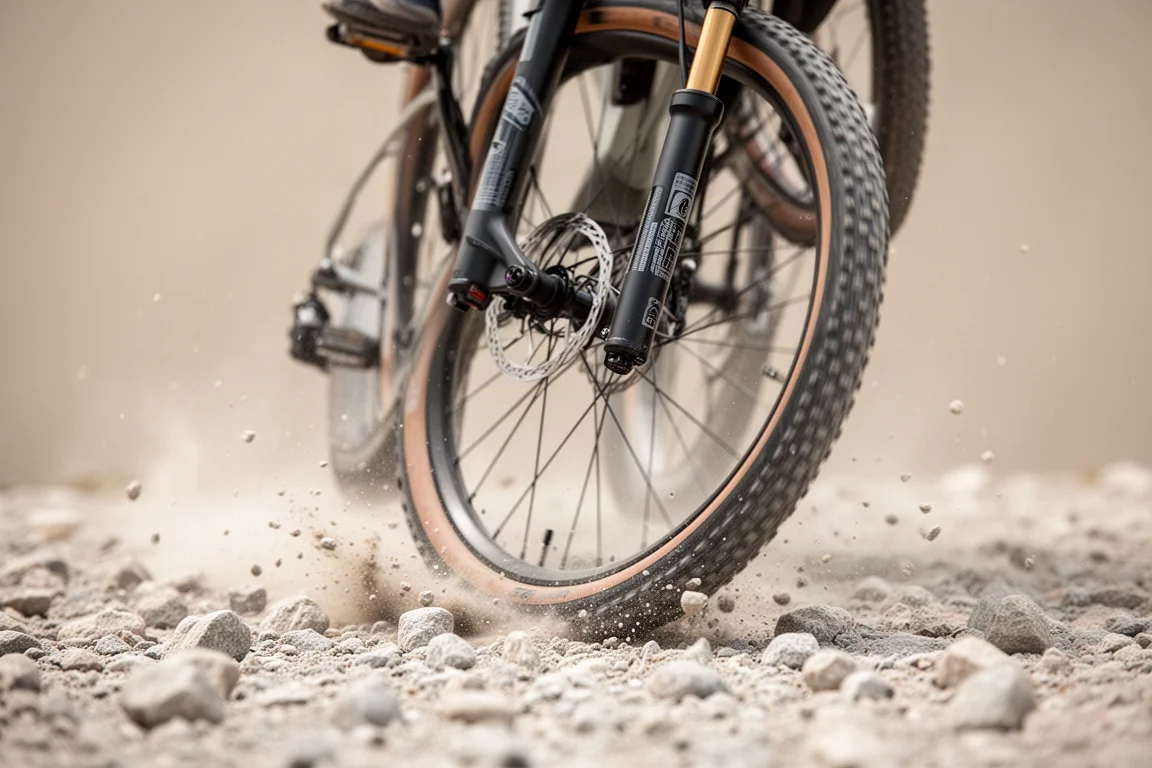
The trade-off is around a pound of added weight. For riders covering very long distances, the reduction in fatigue across the hands, wrists, shoulders, and neck can more than offset that penalty, since a rigid setup can leave the upper body battered after many hours on rough ground.
The front end is also designed to be aerodynamic. The one-piece aero cockpit keeps the profile clean, integrates the brake lines, and provides an underside mount that suits a light, so the setup stays tidy for long-distance riding.
Rear Comfort and Aero Design
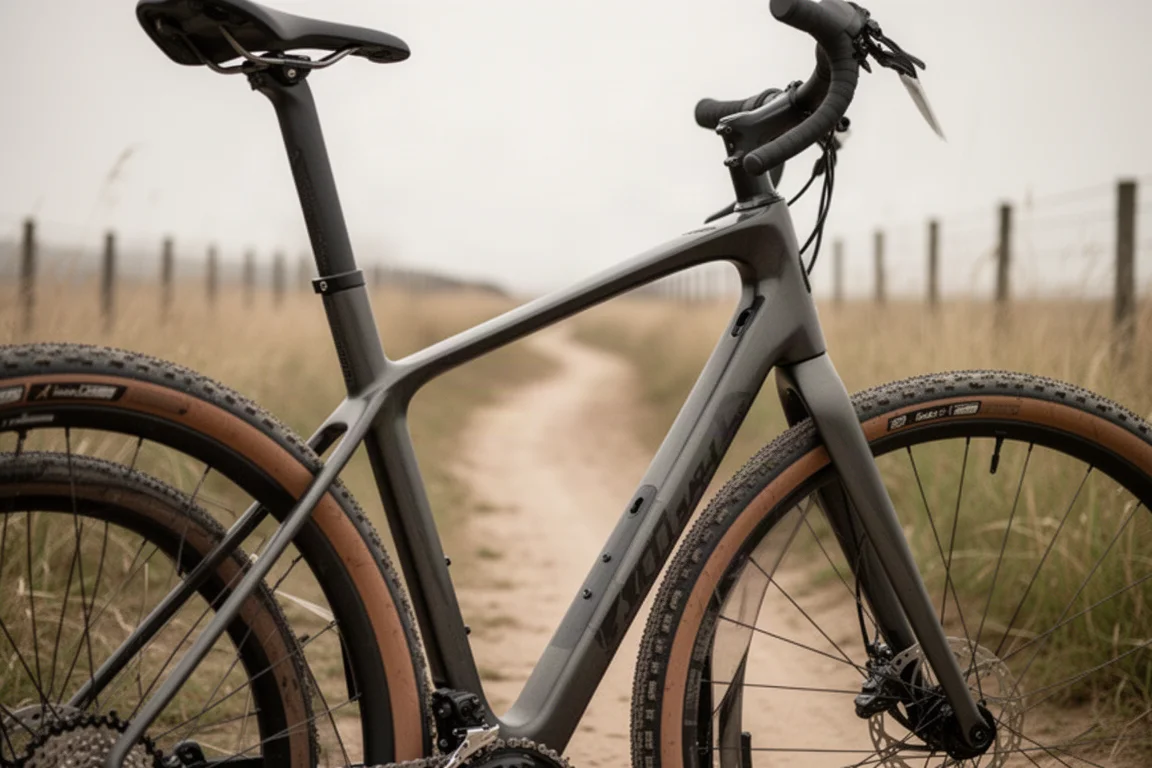
At the back, dropped seat stays give the frame a noticeably compliant feel that is distinct from stiffer gravel platforms. The round seat post is a practical choice, since it keeps dropper-post compatibility open and simplifies fit changes.
The overall tube shaping is aero-driven, a theme Factor applies across its range. Combined with the integrated cockpit, the result is a front end that looks and performs cleanly whether the bike is set up with the rigid fork or the suspension fork.
Build and Components
The review build shows how the platform is intended to be ridden. It rolls on a new gravel-specific Black Inc 46 wheelset with a 28mm internal width and a mini-hook bead, a design that favors 45mm to 50mm tires, and the wheels were tested extensively before reaching production. Tires are Schwalbe Thunder Burt in a 2.1-inch size, chosen for cushion and forgiveness over very long courses. The drivetrain is a 1x Shimano XTR setup with a 10-51 tooth cassette and a 46-tooth chainring, a combination that saves weight while offering a wide spread of gears, and Easton EC90 ALX carbon cranks in a 170mm length are paired with a Sigeyi power meter.
The build runs XTR SPD pedals, a practical choice for riders who may need to walk rough sections. Together, these choices point to a machine set up for self-supported, long-distance gravel rather than short, groomed loops.
Things to Consider Before Buying
The Sona is a specialized machine, and it will not suit every gravel rider. The suspension fork adds weight and complexity, and riders who mostly ride smooth, fast gravel may find a rigid bike simpler and lighter.
The geometry and component choices also lean toward long-distance and rough-terrain use. The 2.1-inch tires and wide internal-width rims favor float and comfort over the sharpest possible rolling resistance, and the integrated cockpit is less adjustable than a traditional bar and stem setup if you like to fine-tune reach and drop.
Finally, the frame’s mounting system assumes you may want to use frame bags. If you prefer to travel light without bags, the braze-ons simply do no harm, but they are a reminder that this bike was drawn around endurance riding.
Buying Advice
The clearest way to decide is to match the bike to the riding you actually do. If your gravel leans toward long days, variable surfaces, and sustained comfort, the Sona’s combination of front travel, rear compliance, and aero efficiency makes a strong case.
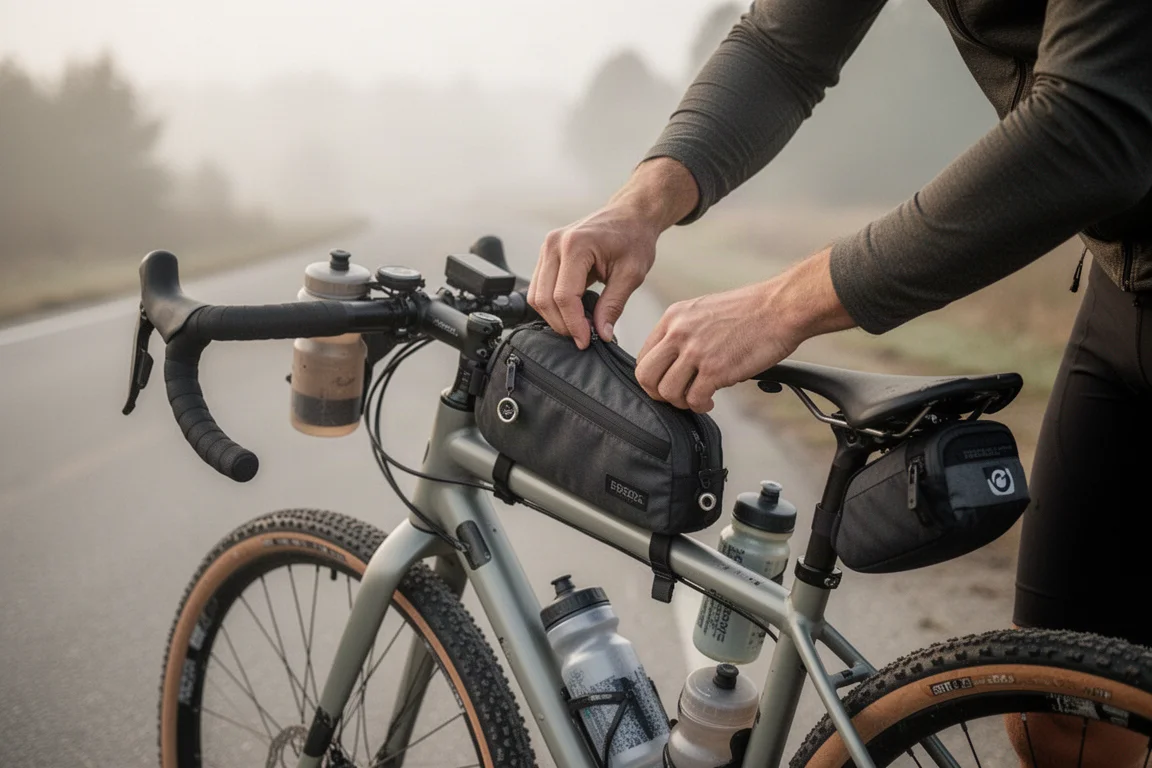
If your riding is mostly smooth, short, and performance-focused on groomed surfaces, a rigid gravel platform will usually be lighter and simpler, and you may not miss the fork at all. Riders who want the option to run a dropper post, or who plan to carry bolt-on bags, will appreciate how thoughtfully the Sona is set up for those choices.
This is a high-end, long-distance configuration rather than a value-focused one, so it makes the most sense for riders who already know they want suspension, wide tires, and an aero cockpit working together.
Conclusion
The Factor Sona is a convincing first attempt at a suspension gravel bike. It takes the aero identity Factor is known for and pairs it with front travel and a compliant rear end, then wraps it in a component package aimed squarely at ultra-distance riding. The result will not be for everyone, but for the right rider, the combination of comfort and speed over rough, long courses is exactly the point.
Product link
View more details for Factor Sona
This product is mentioned in the review. Check the specifications, options, and compatibility before buying.
View more details for Factor SonaFurther reading
Related Reviews
Gravel Bikes
3T Exploro Ultra Review: A Fast Gravel Bike Built for Big Tyres
A close look at the 3T Exploro Ultra, an aero carbon gravel bike designed around wide tyres, with road-like handling, a 980 g frame and genuine rough-terrain capability.
Gravel Bikes
3T Extrema Italia Review: Aero Gravel Speed With Room for 57 mm Tires
The 3T Extrema Italia pairs an aero frame with huge tire clearance, Italian-made carbon and a more comfortable ride than the RaceMax. Here is what to know before buying.
Gravel Bikes
3T Race Max 2 Italia Review: An Aero Gravel Race Bike Made in Italy
A closer look at the second-generation 3T Race Max 2 Italia, covering its aero updates, ride character, tire clearance, internal storage and who it suits.