Skis
Faction Studio 2 Review: A Premium Twin Tip Built for Speed and Park Versatility
A 102 mm symmetrical twin tip with a stiff, durable build that carves far better than its shape suggests and floats surprisingly well in soft snow.
Introduction
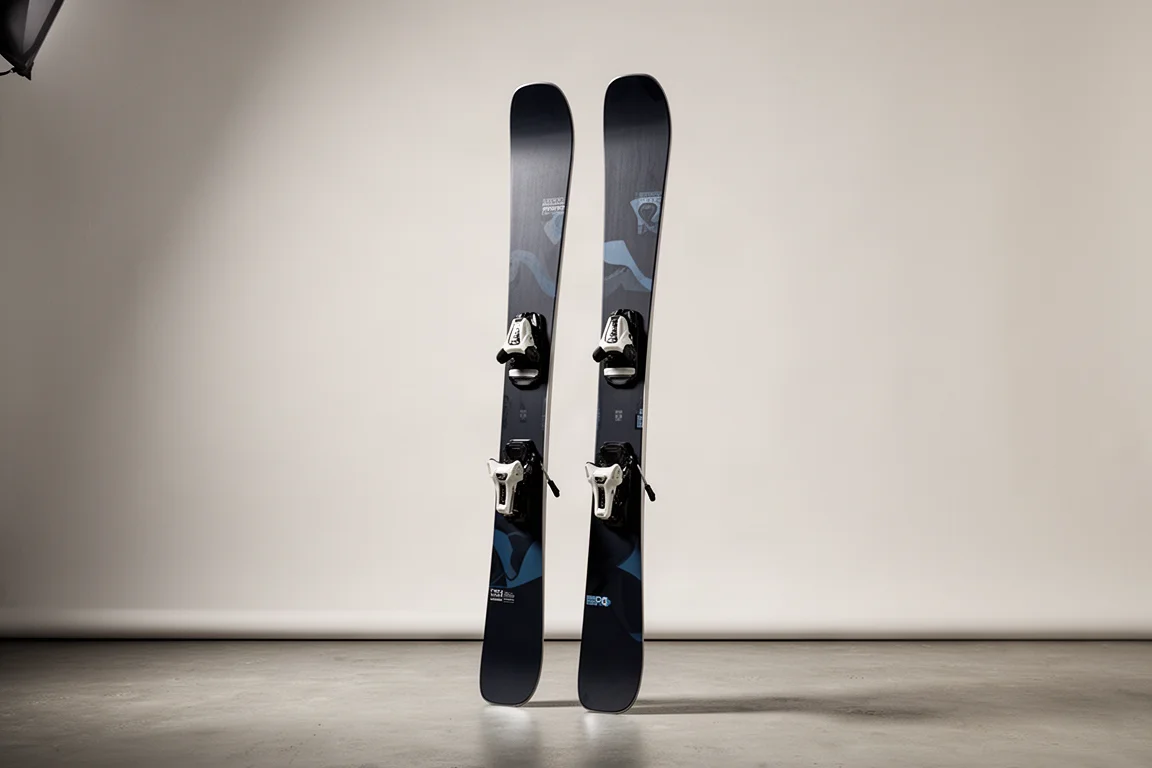
The Faction Studio 2 is a 102 mm twin tip that sits in the freestyle-leaning corner of the brand’s lineup, and its design brief is unusually ambitious: combine genuine high-speed all-mountain performance with top-tier park ability. The ski carries DNA from the earlier Mana 2 and, further back, the Candide 2.0, and it sits alongside the better-known Prodigy line while pushing further toward symmetrical, park-influenced geometry.
That blend is what makes the Studio 2 worth a close look. It is a stiff, durable, metal-free twin tip that behaves considerably better on groomers and in soft snow than its shape would suggest, and it justifies the premium twin tip label the brand applies to it. For skiers who already know they want a symmetrical freestyle ski and are willing to work for its performance, it is a genuinely compelling package.
Who the Faction Studio 2 Is For
The Studio 2 is aimed at strong, aggressive skiers who split their time roughly evenly between park and freeride terrain. It is a ski that rewards confidence and input. If you ski fast, drive your skis hard, and want something that feels composed at speed while still being happy on rails and jumps, this is the target audience.
It is not a beginner or intermediate park ski. The stiffness that makes it so capable at speed also makes it unforgiving, and it will not flatter a developing skier who is still building jump confidence. It is also not a directional ski. If you never ski switch, the symmetrical build and the freestyle-oriented mount points offer you no real benefit.
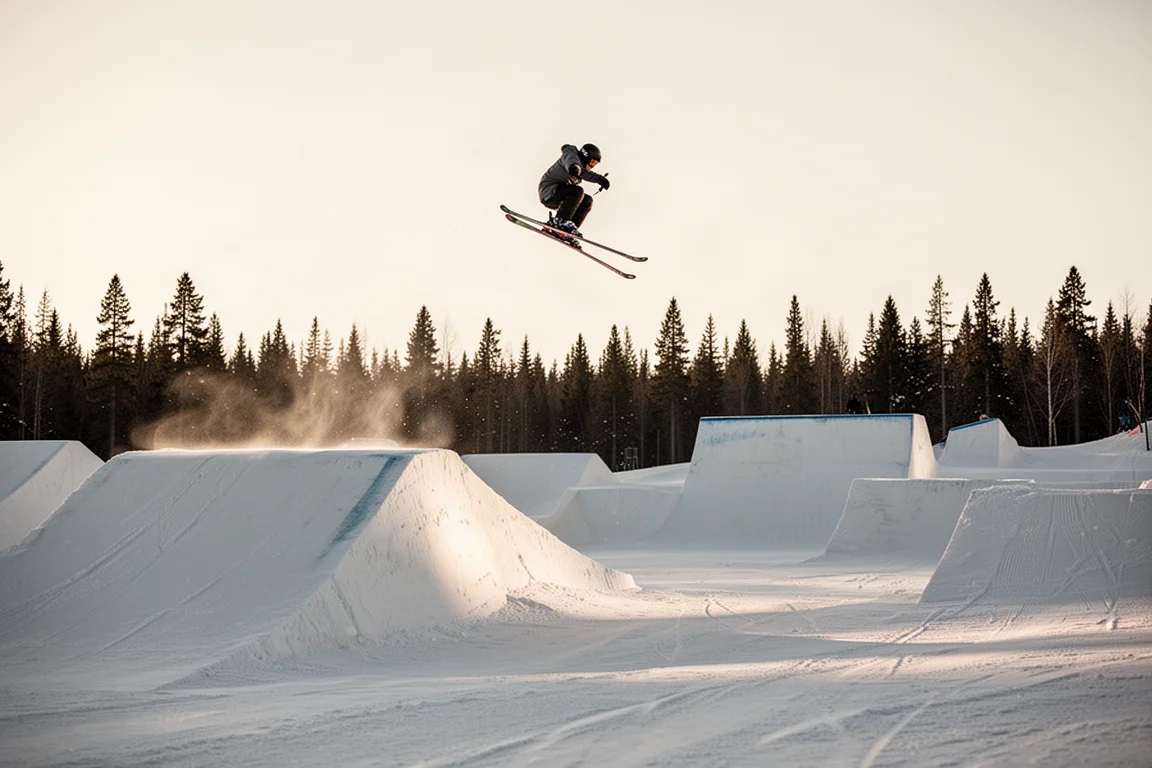
Size selection matters here too. The 178 cm tested comes in at 1,864 g on the scale, with the brand listing roughly 1,800 g, and the longest length available is around 188 cm. A heavier or taller skier, somewhere in the region of 5 ft 11 in to 6 ft and 180 lb, will likely be happier on the 183 cm, and there are moments even on the 178 where the extra length would be welcome in soft snow.
Main Strengths
The Studio 2 stands out in two areas that rarely overlap in the same ski: firm-snow carving performance and soft-snow composure. Both come from the same place, a stiff, well-damped construction that stays quiet and planted when the ski is pushed.
Carving and High-Speed Performance
On firm groomers the Studio 2 carves far better than a 102 mm metal-free twin tip has any right to. It holds a strong, stable high-speed carve, and the brand’s own description leans on words like power and speed, which in this case is accurate rather than marketing filler. A stated turn radius of about 19 m is where the ski is happiest, and it prefers to stay there.
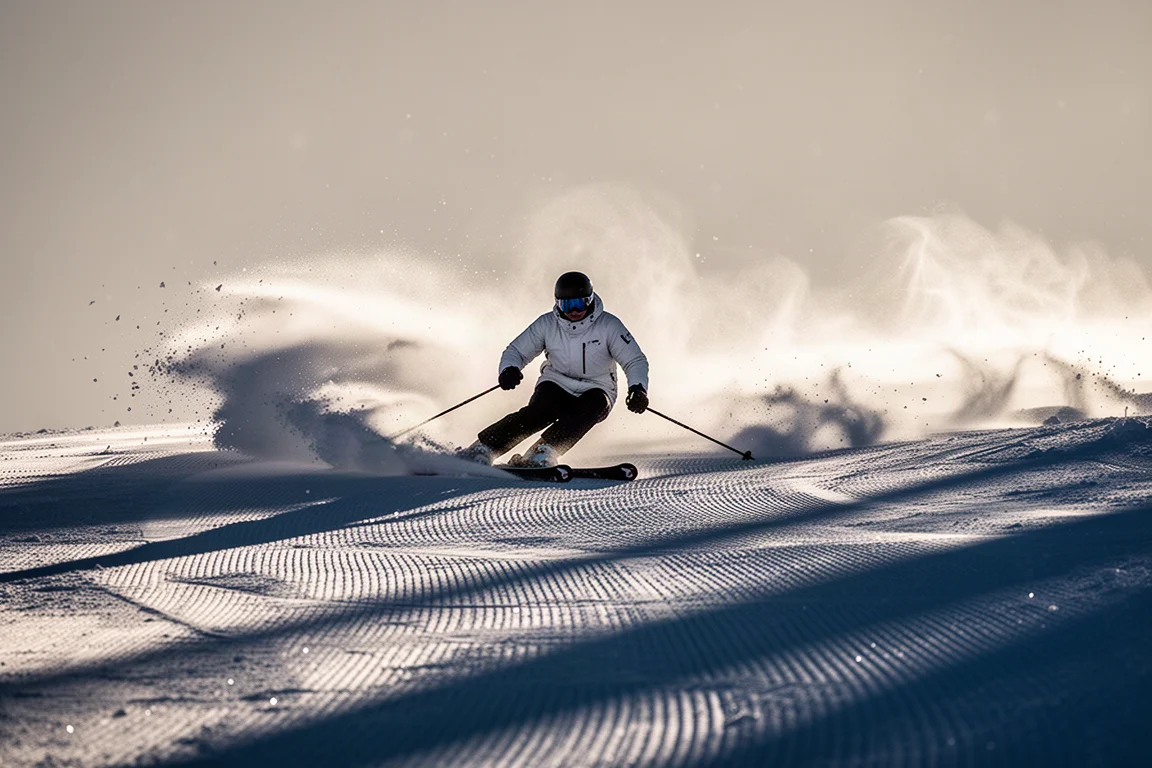
Where it gives up ground is outright precision. Skis such as the Nordica Unleashed 98, and to a lesser degree the Dynastar M-Free 99 or M-Free 100, feel slightly crisper and more torsionally stiff, and the Unleashed 98 remains the stronger pure carving ski. The Studio 2 also is not the most dynamic carver, largely because its stiffness encourages you to repeat the same turn shape rather than change it up. It is easier to open a longer turn than to force a shorter one, and shortening the radius takes steep, firm terrain to feel natural.
Soft Snow and Park Versatility
Off the groomer the ski comes alive. Despite a modest-looking tip, a fairly central mount and a relatively short length, the Studio 2 floats surprisingly well in powder. Much of the credit goes to the stiffness, the subtle taper and the rocker profile working together. It is flickable in deep snow without feeling hooky or catchy, and it stays composed when you throw it sideways and then ask it to come back underneath you.
In the park, the symmetrical rocker and symmetrical overall shape do exactly what they were designed to do. The 102 mm waist is a matter of priorities rather than a limitation: it is wide for a dedicated park ski, but that width is precisely what makes the ski workable on the rest of the mountain. If your days are closer to a 50/50 split between park and freeride, the geometry makes sense. If you live in the terrain park, a narrower dedicated ski will serve you better.
Things to Consider Before Buying
Stiffness is the main trade-off, and it shows up everywhere. There is very little forgiveness on landings that come in slightly back seat, and the groomer performance is not forgiving either. The soft snow manners are the most accessible part of the ski, but the park and hardpack sides of the equation demand a strong, deliberate skier.
The construction itself is a point in the ski’s favor. A lightweight wood core is paired with carbon stringers running vertically through the ski, plus a carbon and rubber stomp pad covering roughly the middle 60 cm on each side of the ski for added damping. Thick XL edges and XL sidewalls, with a full vertical sidewall that only transitions to cap at the very ends of the tips and tails, put durability where it matters most. In practice this shows up as a ski that holds up well to hard use, which is not always the case in this category.
Mount Point and Setup Notes
Faction marks three potential mount points: New School at minus 3.5 cm, Progressive two centimeters further back, and Classic roughly another two centimeters back at about minus 7 to 7.5 cm. The tested setup used New School, and it handled groomers, deep snow and the park well from that position, so there is no compelling reason to move it.
It is worth understanding what each option does. The Classic position, the traditional spot on most skis, will generally broaden the turn radius and calm the ski further, which suits a more forward-driving, directional style. Mounted at New School, the shovel engages a little more quickly, which can feel like a slightly quicker turn given the tighter radius toward the front of the ski.
The shape behind all of this is a symmetrical rocker-camber-rocker profile paired with an asymmetrical sidecut of 131-102-127, a 4 mm difference that keeps the ski biased toward park and freestyle performance. It is a rare configuration in this width class, and it is the clearest signal of what the ski is trying to be.
Buying Advice
The Studio 2 makes the most sense for a skier who wants one ski to cover aggressive all-mountain riding and park laps, and who skis switch often enough to value a symmetrical build. The closest comparisons are the Dynastar M-Free 99 or M-Free 100, which share a similar feel, and the Line Chronic 101, which is similar in shape but noticeably softer and more supple in the tips and tails. The Rossignol Black Ops 98 lands in a comparable place in terms of power and a park-to-freeride split, though it is heavier and less symmetrical, and the Armada ARV 100 leans further toward forgiveness and playfulness.
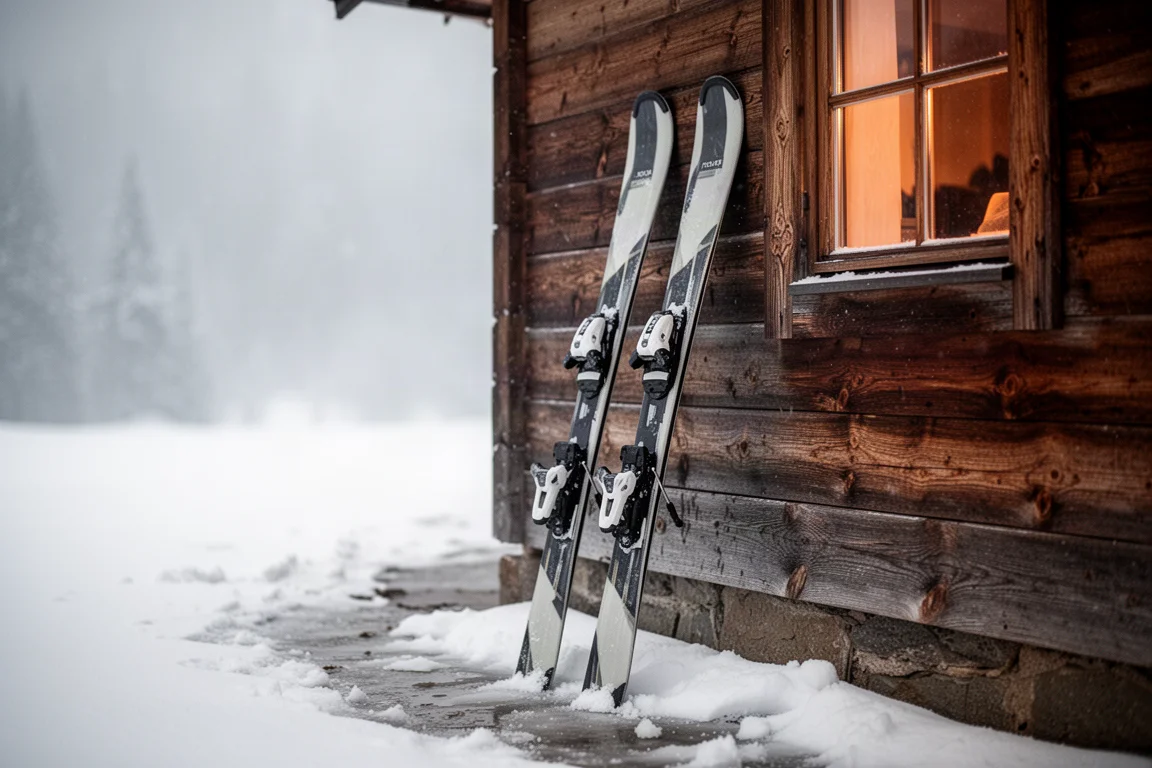
If you are a strong skier who wants a stiff, quiet, durable twin tip and are prepared to drive it, the Studio 2 delivers. If you are newer to the park, prefer a softer flex, or spend most of your time on directional terrain, a more forgiving ski such as the Faction Prodigy 2, the Playmaker 101 or the Unleashed 98 will likely suit you better. For the coming season, the 2026 version carries over structurally with new top sheet graphics, so there is no reason to wait if the current build fits your needs.
Conclusion
The Faction Studio 2 is a specialist ski that overdelivers outside its own brief. It carves with real authority for a 102 mm twin tip, floats and pivots well in soft snow, and does everything a park skier needs from a symmetrical freestyle platform. The price of that performance is stiffness and a lack of forgiveness, which makes it a poor match for beginners, intermediates or anyone who never skis switch. For the aggressive, park-inclined all-mountain skier it was built for, it is a confident, durable choice worth considering.
Product link
View more details for Faction Studio 2
This product is mentioned in the review. Check the specifications, options, and compatibility before buying.
View more details for Faction Studio 2Further reading
Related Reviews
Skis
Armada Anti Matter 82 W Review: A Light, Approachable All-Mountain Carver
Armada's Anti Matter 82 W pairs a lightweight Karuba and carbon build with an easygoing all-mountain shape, aimed at intermediates through lighter-footed advanced skiers.
Skis
Armada Anti Matter 88W Review: A Light, Playful 88mm All-Mountain Ski Plus Two Alternatives
The Armada Anti Matter 88W returns unchanged in spirit from its Reliance 88C days, and it remains one of the most versatile 88mm skis around. We also look at the Nordica Santa Ana 87 and Anti Matter 92 W as alternatives.
Skis
Armada ARV 100 vs Atomic Bent 100: Which 100mm Freestyle Ski Should You Buy?
Two of the best all-mountain freestyle skis of the season compared: one leans playful and park-ready, the other holds up better everywhere else.