Skis
Faction Prodigy 1 Review: An 88 mm Twin Tip That Carves, Butters, and Skis Switch
A detailed look at the Faction Prodigy 1, an 88 mm directional twin tip built for park laps, groomer carving, and confident switch skiing.
Introduction
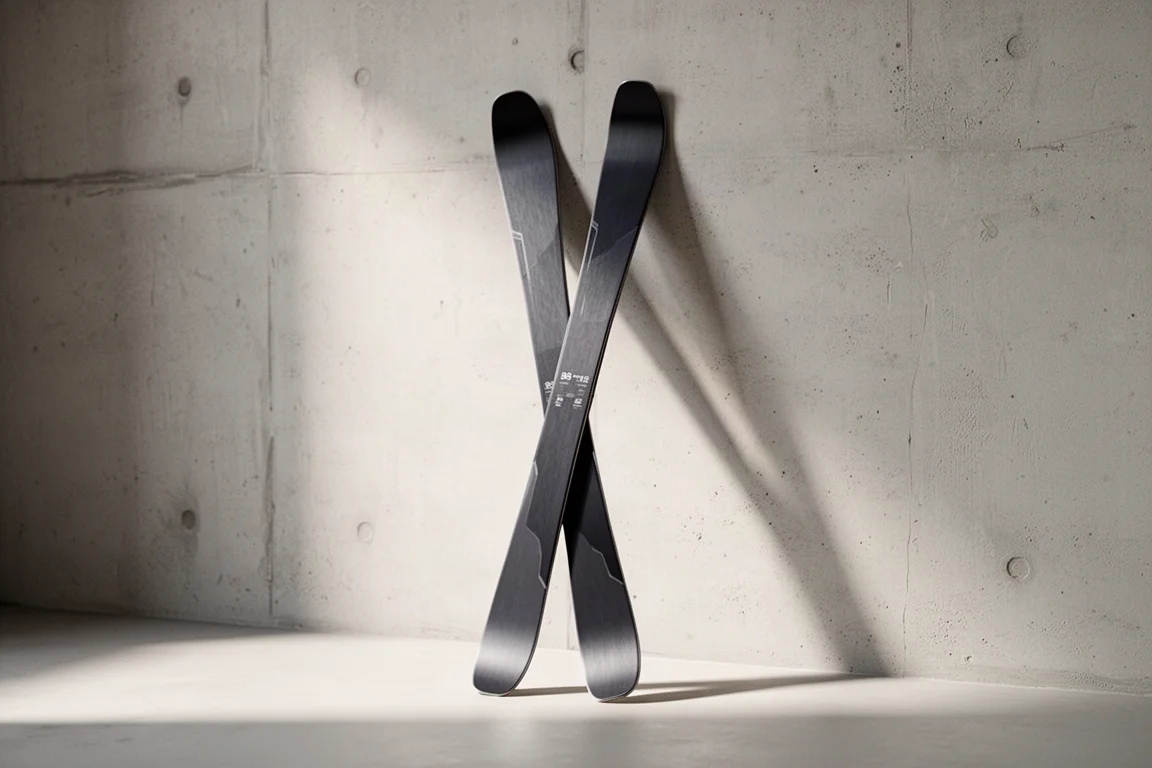
The Faction Prodigy 1 is an 88 mm directional twin tip for skiers who want park performance without giving up the rest of the mountain. It pairs a poplar and ash wood core with carbon and rubber stomp pads underfoot, a tall positive camber profile, and three separate mount points.
That combination makes it an unusual ski in this width. It is quick edge to edge, holds well at speed on groomers, and skis switch without fighting the rider. This review covers how it behaves on piste, off piste, and in the park, along with the trade-offs worth understanding before buying.
Who the Faction Prodigy 1 Is For
Intermediate and advanced park skiers get the most out of this ski. The 88 mm platform moves fast from edge to edge, which makes it a strong tool for park laps and for riders who want immediate response from their equipment.
It is not a beginner ski. The flex is progressive and supportive rather than soft, and the camber is pronounced, so it rewards skiers who can work with the energy stored in the ski instead of waiting for the ski to absorb everything for them.
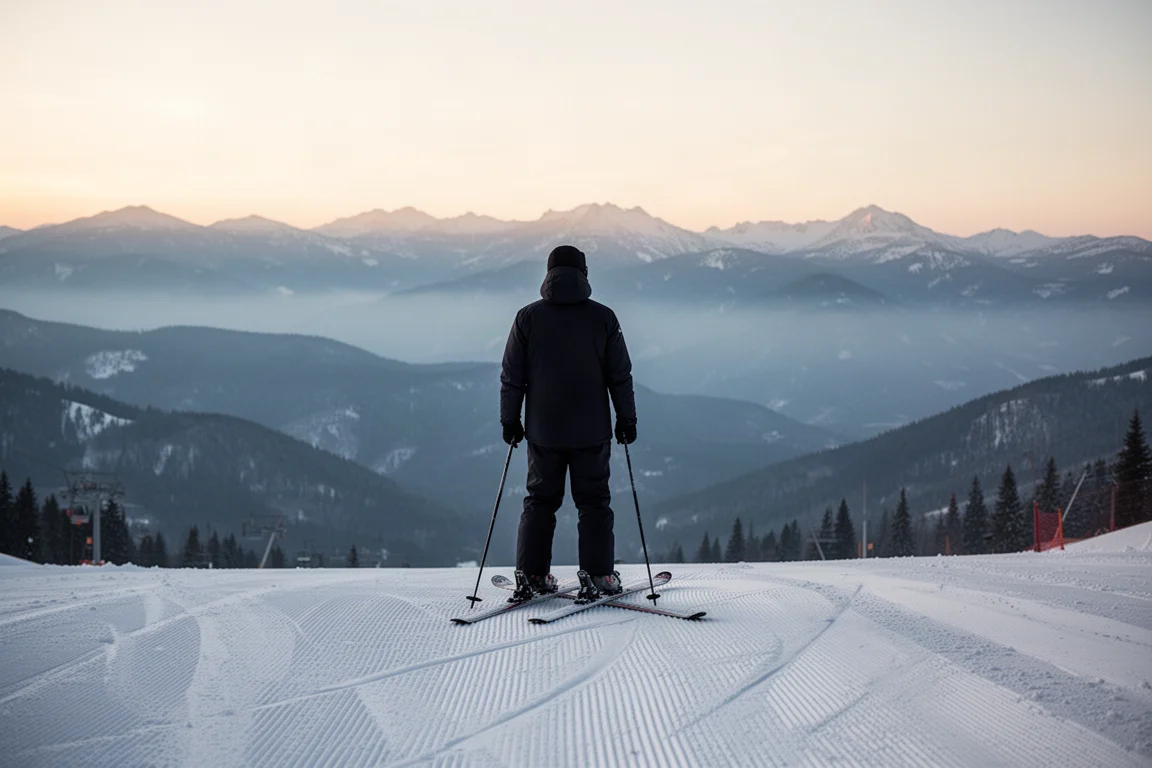
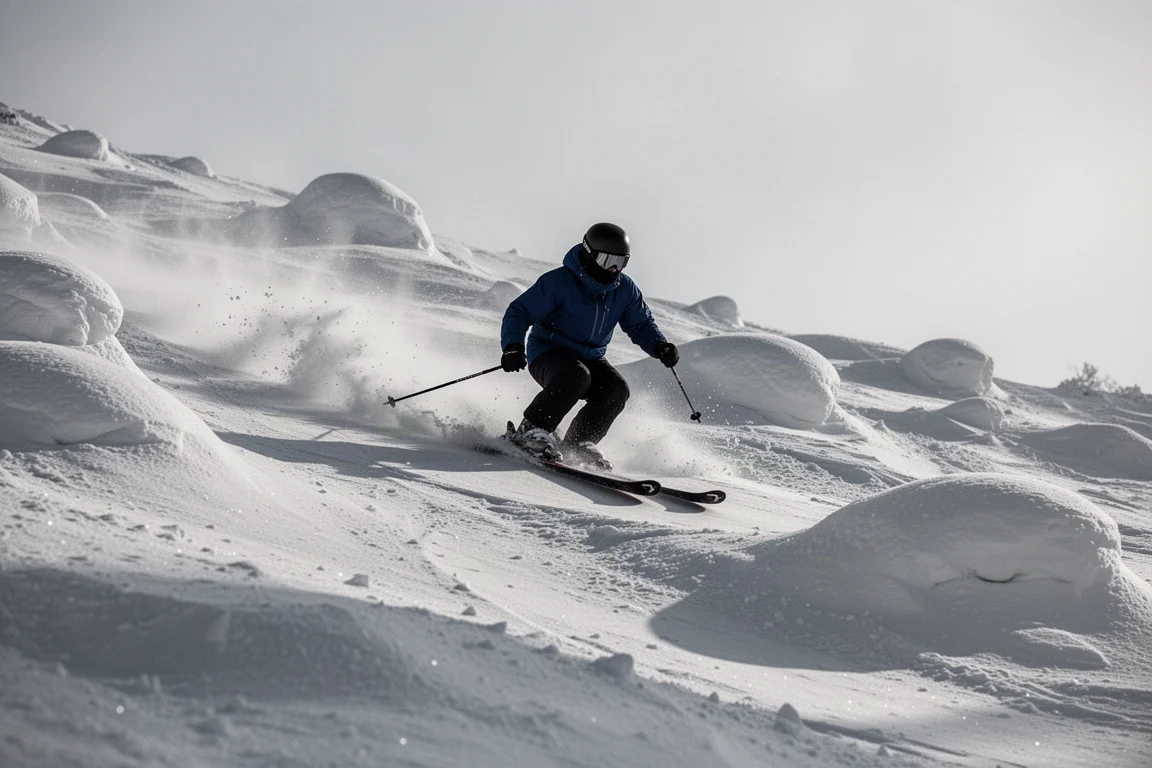
Skilled mogul skiers will also find a lot to like here, and for that specific type of rider it can serve as a legitimate all-mountain ski. Most non-park skiers shopping for an 88 mm all-mountain ski will be happier on something wider and more forgiving.
Shape, Rocker, and Mount Points
The Prodigy 1 measures 88 mm underfoot and is built as a directional twin tip. Tip rocker comes in around 30 cm and tail rocker around 24 cm, a 6 cm difference that gives the ski its directional character despite the twin tip tail. Taper begins roughly where the rocker starts at both ends.
Camber height measures around 9 mm, close to a full centimeter, which is a lot of positive camber for a freestyle-oriented ski. The 178 cm length carries a 17 m turn radius. The sidecut is slightly elliptical, with a shorter radius at the tips than underfoot, and the flex is softer at the extremities before stiffening through the middle.
There are three mount points. The furthest forward, the new school line, sits 3.5 cm back from true center. The progressive line is 5 cm back and the classic line is 6.5 cm back, so the steps are 1.5 cm rather than the more common centimeter increments. The forward-most option lands only 0.5 cm behind the center of camber, which means going any further forward is not advisable.
Main Strengths: Carving and Rebound
Initiation is smooth and easy, helped by the softer tip flex and the tip shape. The midbody holds up well at higher edge angles and higher speeds. For a twin tip in this width, the carving ability is genuinely impressive: a true vertical sidewall, ash in the core, carbon reinforcement, and an 88 mm waist all add torsional stiffness that resists twisting.
Engagement is predictable. There is a limit, and it shows up from the tail rather than the tip, partly because moving a binding forward on a ski like this loosens the rear of the ski.
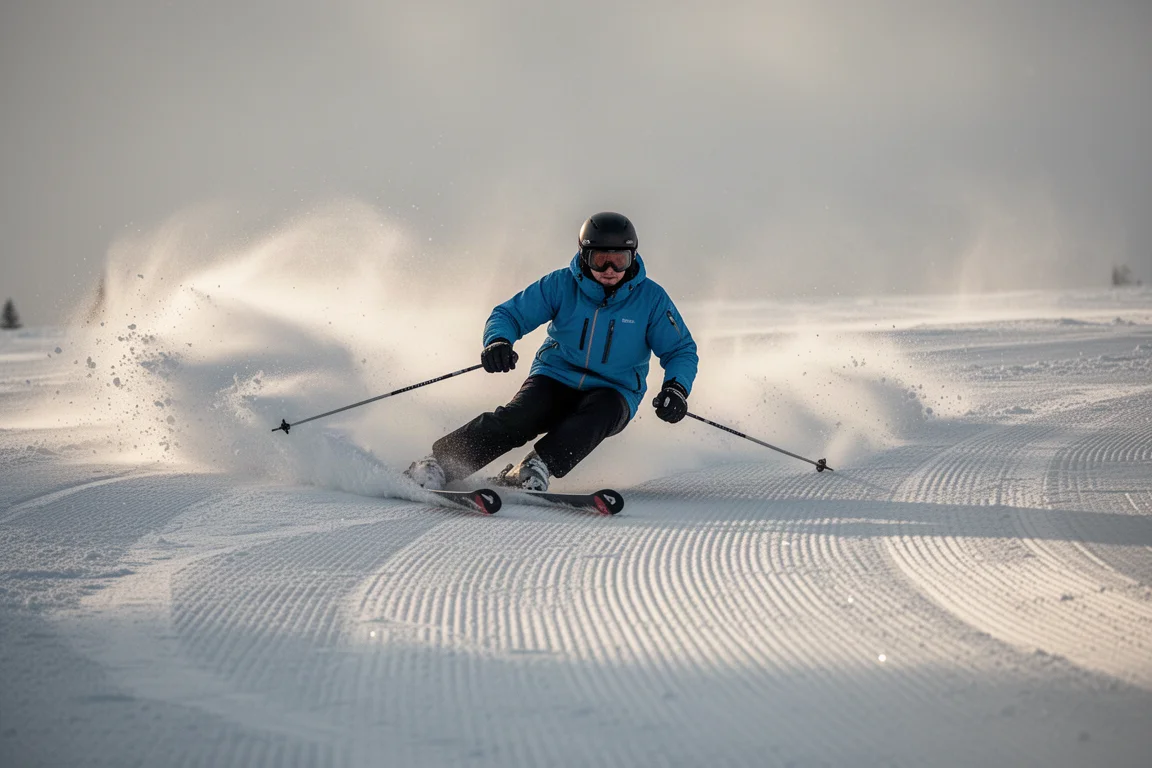
Rebound is the standout quality from a carving perspective. The ski spends a surprising amount of time physically off the snow when transitioning between turns, which makes linking carved turns energetic and enjoyable.
Skidded turns depend heavily on conditions. On predictable groomers or good soft snow, the taper and rocker let the tail release easily and the rebound pulls the ski into the next turn. On hard, icy, or chopped up snow, it can feel twitchy because it is so reactive and carries so much camber. It asks for a delicate touch in those moments.
Park Performance: Switch, Rails, and Jumps
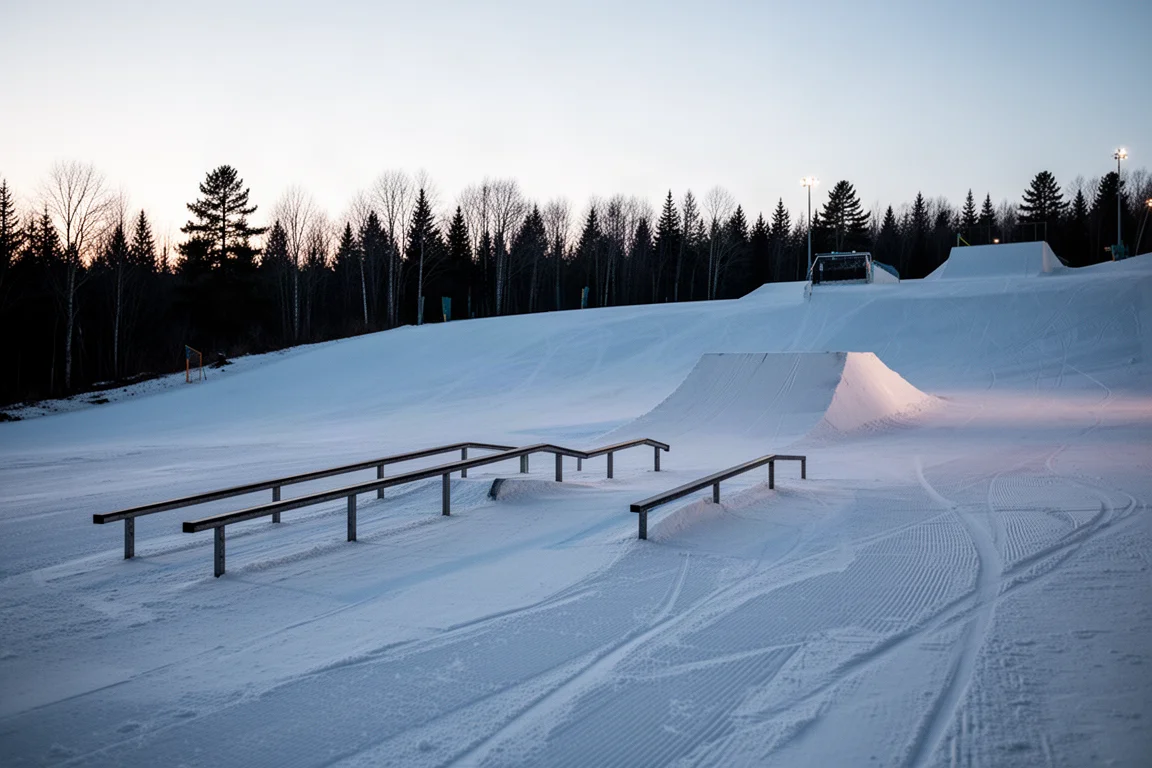
Switch skiing is where the Prodigy 1 feels most natural. The camber and pop lift the ski off the snow quickly for switch entries and re-entries, while the rocker and taper mean there is less ski fighting you. It does not grip when you want it to release during a switch entry, which is exactly the behaviour you want in a known, predictable entry.
Rails are comfortable. The quickness of an 88 mm platform helps here, and the forward mount point has not thrown off balance on rail approaches.
Large park jumps had not been tested at the time of writing, but the flex pattern looks well suited to them: soft enough to ease into a landing, stiff enough that the ski will not wheelie out underfoot the way softer freestyle skis can.
Buttering is heavily ability dependent. Strong skiers can use the spring in the nose and tail to their advantage, while anyone learning nose butters will find this ski difficult, because there is very little balance point before the camber springs the ski back.
Durability has held up well. After a solid stretch of early-season park skiing there were no signs of edge damage, and the topsheet wrap is designed to reduce chipping at the points where skis most often start to break down.
Things to Consider Before Buying
Flotation is the clearest limitation. At 88 mm underfoot, with a fairly centered mount and a lot of tail behind the binding, the ski sinks in soft snow. In day-old fresh snow of around 6 to 8 inches, the tails sank enough that keeping them near the surface became the main job of every turn. This ski is listed for all-mountain and park use, and it is not intended for freeride or powder conditions.
Bad snow manners are the second consideration. Because the ski is reactive and carries a lot of camber, hard or inconsistent snow can make it feel nervous. Skiers who want a ski they can throw sideways and forget about will prefer something wider and softer.
Beginner park skiers should look elsewhere. The Prodigy 1 suits riders who already have solid technique and can ski with intent, and it gives back more as ability rises.
At the very top of competitive slopestyle, the directional construction and the difference between tip and tail rocker mean the ski is not fully symmetrical. Riders who want a true center-mounted competition setup will want a different shape.
How the Prodigy 1 Compares
Against the Soul Rider 87, the Prodigy 1 does nothing worse. It feels like a modern version of that ski: it keeps the energy and quickness, but adds taper, which makes it less catchy and smoother through turns.
The Line Optic 88 carves a little better and is more stable at speed. The Prodigy 1 has stronger freestyle roots, and it is the ski you would feel comfortable taking into the park.
The Atomic Bent 90 is more compliant in variable snow. The Prodigy 1 carves considerably better.
Within the same brand, the Studio 1 is the superior pure park ski because it is more balanced and symmetrical, while the Prodigy 1 is clearly better in moguls and trees. The Studio 2 is stiffer, wider, and carries more rocker, which makes it happier to go sideways in difficult snow.
The Armada ARV 88 is the closest overall comparison in flex pattern and feel. The ARV 88 is more of a dedicated park ski, and the Prodigy 1 is the better all-mountain option.
The Volkl Revolt 86 feels like a dedicated park ski with no taper and a lower price, but it cannot match the Prodigy 1 for all-mountain capability. The Revolt 90 is more symmetrical, center mounted, softer, and less torsionally stiff.
The Line Playmaker 91 is lighter, quicker, more agile, and surfier thanks to its rocker profile. The Prodigy 1 is stouter, more robust, and grippier at high speed.
Buying Advice
Mount point choice matters as much as anything else here. The new school line at 3.5 cm back suits park-focused riding, the progressive line at 5 cm back is a middle ground, and the classic line at 6.5 cm back makes the most sense for all-mountain and mogul use. Going forward of the center of camber is not recommended.
If you split your time between the park and groomers and want a single ski that stays precise and responsive, the Prodigy 1 is a strong choice in either the 178 cm or 184 cm length. If your priority is soft snow and variable terrain, a wider ski in the same line will serve you better.
Riders who mostly ski park with occasional groomer laps, and who want a ski that rewards deliberate input, will get the most value here. Skiers looking for a loose, forgiving ride should look at softer and wider alternatives instead.
Conclusion
The Faction Prodigy 1 is a narrow, energetic twin tip that carves better than its width and category suggest, skis switch exceptionally well, and holds up to hard park use. Its limitations are clear and predictable: soft snow flotation, nervous behaviour in poor conditions, and a shape that is not fully symmetrical. For intermediate and advanced park skiers who want one ski for the park and the front side of the mountain, those trade-offs are easy to accept.
Product link
View more details for Faction Prodigy 1
This product is mentioned in the review. Check the specifications, options, and compatibility before buying.
View more details for Faction Prodigy 1Further reading
Related Reviews
Skis
Armada Anti Matter 82 W Review: A Light, Approachable All-Mountain Carver
Armada's Anti Matter 82 W pairs a lightweight Karuba and carbon build with an easygoing all-mountain shape, aimed at intermediates through lighter-footed advanced skiers.
Skis
Armada Anti Matter 88W Review: A Light, Playful 88mm All-Mountain Ski Plus Two Alternatives
The Armada Anti Matter 88W returns unchanged in spirit from its Reliance 88C days, and it remains one of the most versatile 88mm skis around. We also look at the Nordica Santa Ana 87 and Anti Matter 92 W as alternatives.
Skis
Armada ARV 100 vs Atomic Bent 100: Which 100mm Freestyle Ski Should You Buy?
Two of the best all-mountain freestyle skis of the season compared: one leans playful and park-ready, the other holds up better everywhere else.