Ski Reviews
Faction Dancer 89 vs Dancer 89 TI (2027): Which Version Should You Buy?
Faction splits the Dancer line for 2027 into TI and non-TI versions. Here is how the Dancer 89 and Dancer 89 TI differ and which type of skier each one suits.
Introduction
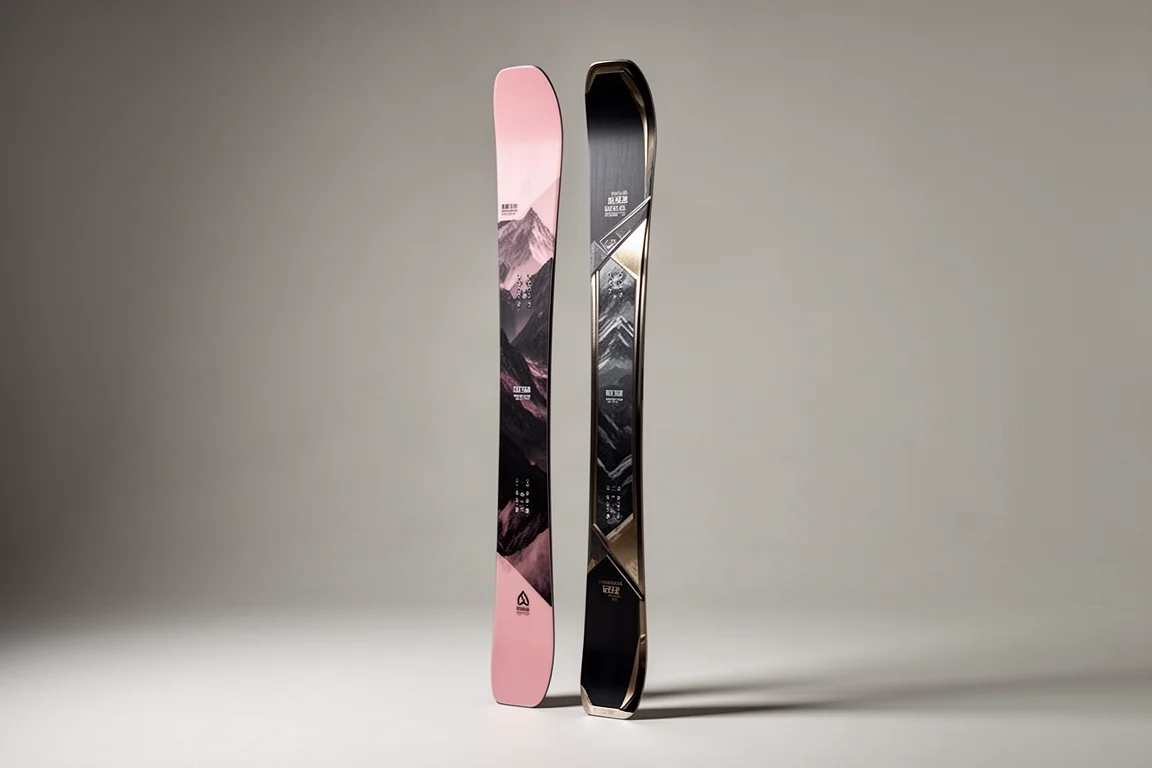
For 2027, Faction has split the Dancer line into two distinct versions: a metal-clad TI variant and a lighter, metal-free version. That gives skiers a genuine choice within the same shape and footprint, and it also makes the decision a bit more interesting than simply picking a length. The Dancer 89 and Dancer 89 TI share the same core DNA, but they behave noticeably differently on snow, and understanding that difference is the key to picking the right one.
How the Dancer Line Splits for 2027
The simplest way to frame the choice: do you want more energy, or more vibration damping? The non-TI Dancer 89 delivers the energy and pop. The TI version delivers the damping and a slower, more controlled rebound. That summary slightly oversimplifies things, but it gets you most of the way to knowing which ski is right for you.
One counterintuitive detail worth knowing: flexing the two skis back to back does not reveal a dramatic difference. Metal does not automatically mean a much stiffer ski here. Faction controls core thickness carefully, and both versions stay relatively stiff and strong. The real difference shows up in rebound character and on-snow feel, not in a simple stiffness number.
Faction Dancer 89: The Lively, Metal-Free Option
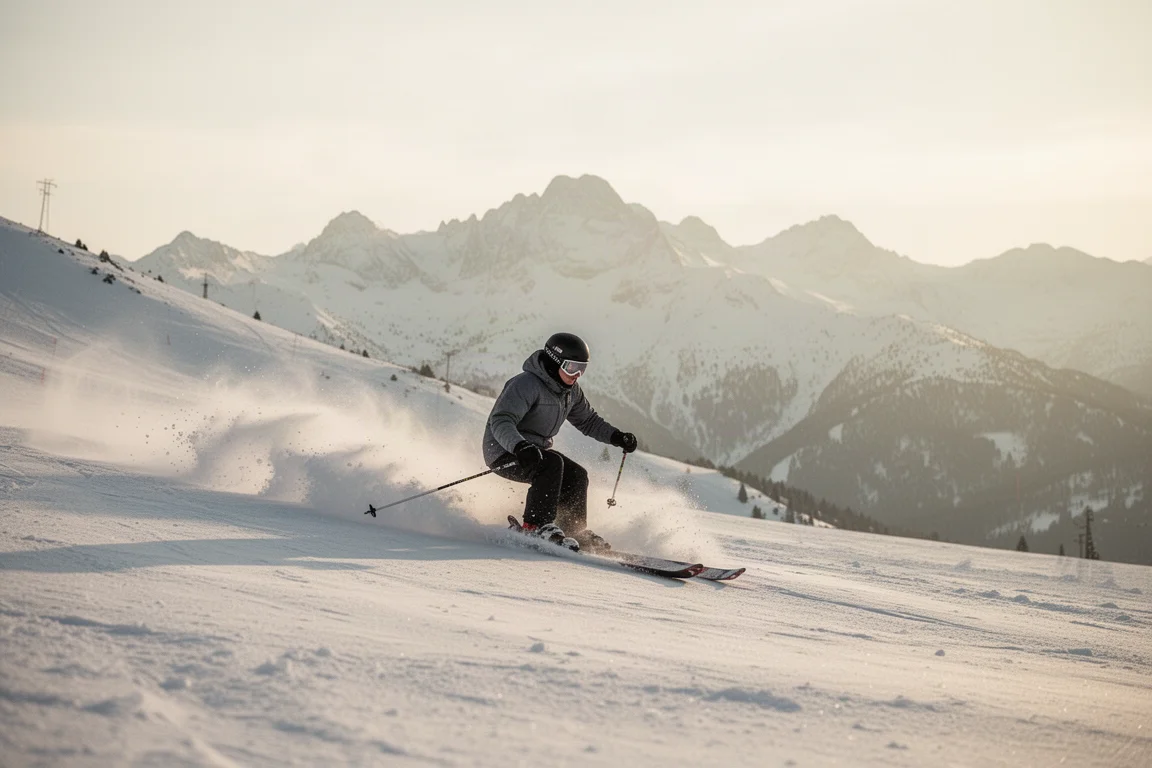
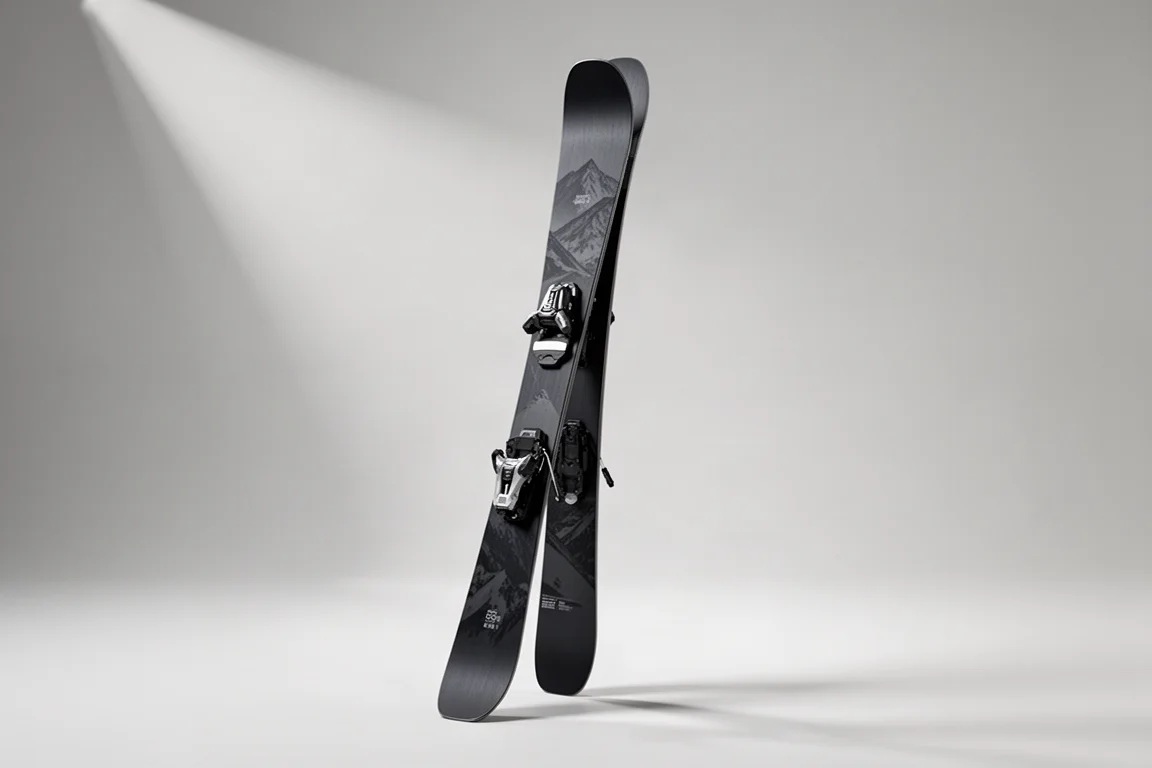
The Dancer 89 does away with the metal layer but keeps the same poplar wood core, and Faction builds generous core thickness into these skis. The result is a ski that stays supportive without metal. Dropping the metal also drops the weight: around 1,772 g in the 179 cm length. That is not the lightest ski on the market, but it clearly leans toward the lightweight end of the all-mountain spectrum.
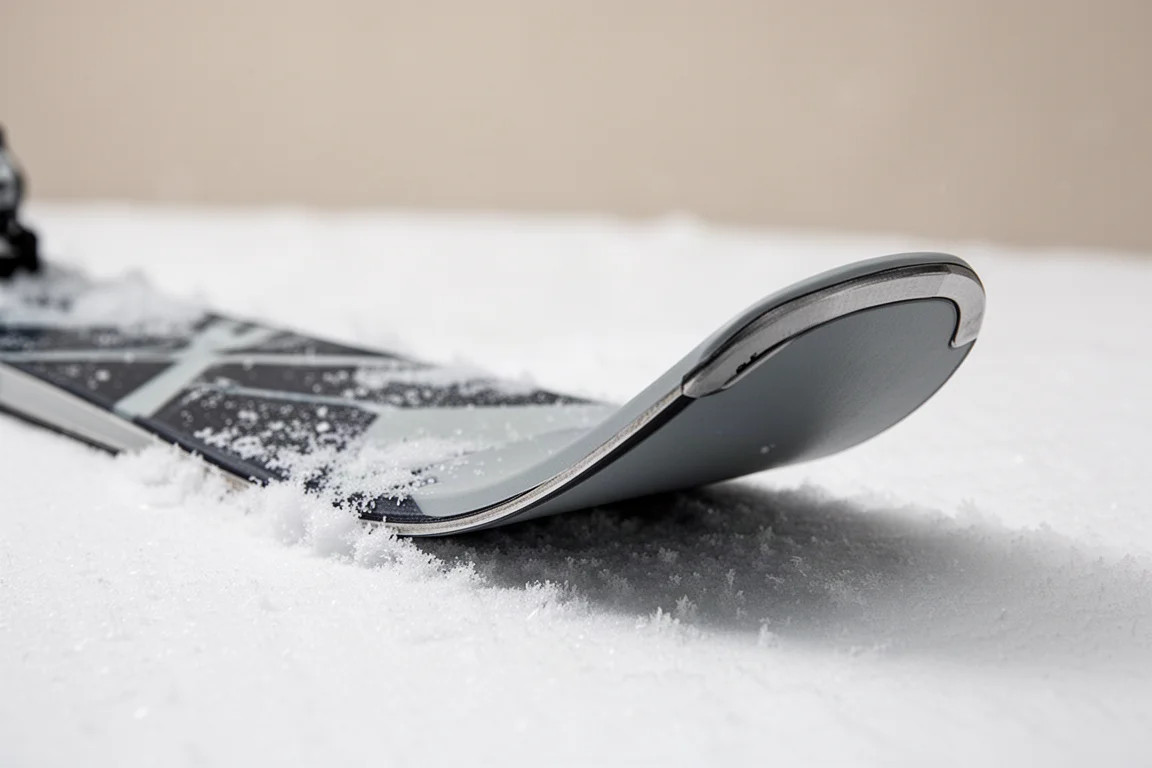
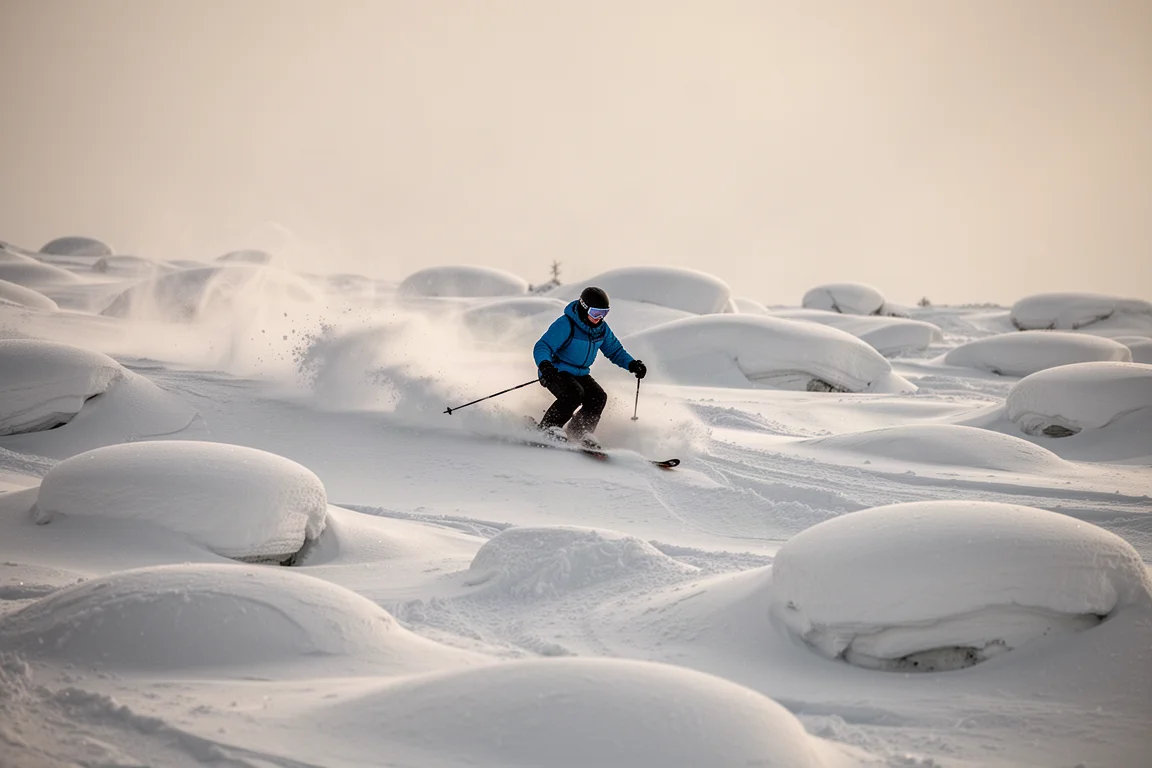
The shape matches the TI version, with above-average tip and tail rocker for an 89 mm ski. In the tips and tails, where the rocker starts, Faction transitions to cap construction, purposefully reducing torsional rigidity at the extremities. In practice, that means you are not locked into a single turn shape. The ski opens up more creativity and variety in turn styles, and it has a distinctly poppy, playful character that wants to jump off things. It is also a genuinely good bump ski, similar in that respect to the Dancer 79.
Importantly, it does not carry the usual limitations of metal-free skis in this width range. It stays trustworthy on ice and holds an edge when conditions firm up, so it is approachable enough for intermediates without feeling squirrely. Tester feedback captured it well: a super versatile ski that is lightweight and floaty on deeper days thanks to a nice spooned shovel, yet ready to hold on ice. Skiers with a strong race background and lots of time on metal-laden skis may still prefer the TI, but the assessment of this version as versatile, playful, and reliable held up.
Faction Dancer 89 TI: The Damper, Carve-Driven Choice
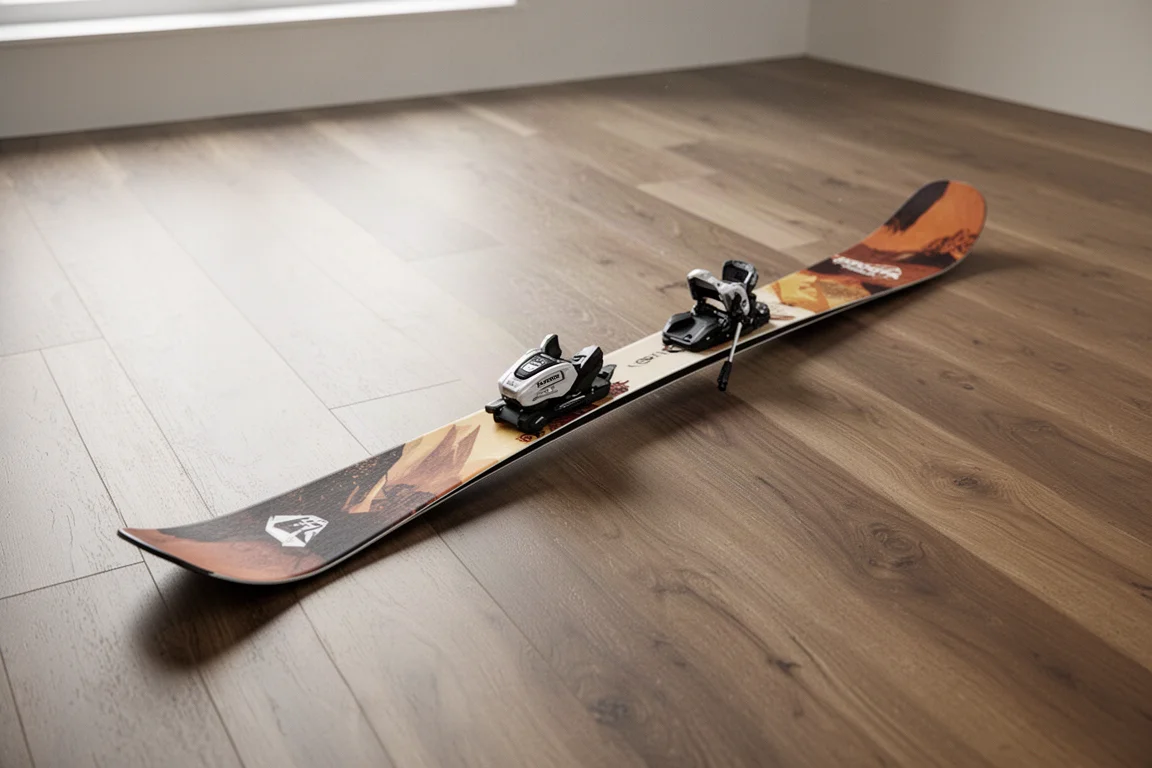
The TI version is the metal-clad sibling, and it behaves the way you would expect a roughly 90 mm ski with two sheets of metal to behave. It loves to carve, lays down beautiful turns, and offers more damping with a slower rebound when the snow gets choppy or firm.
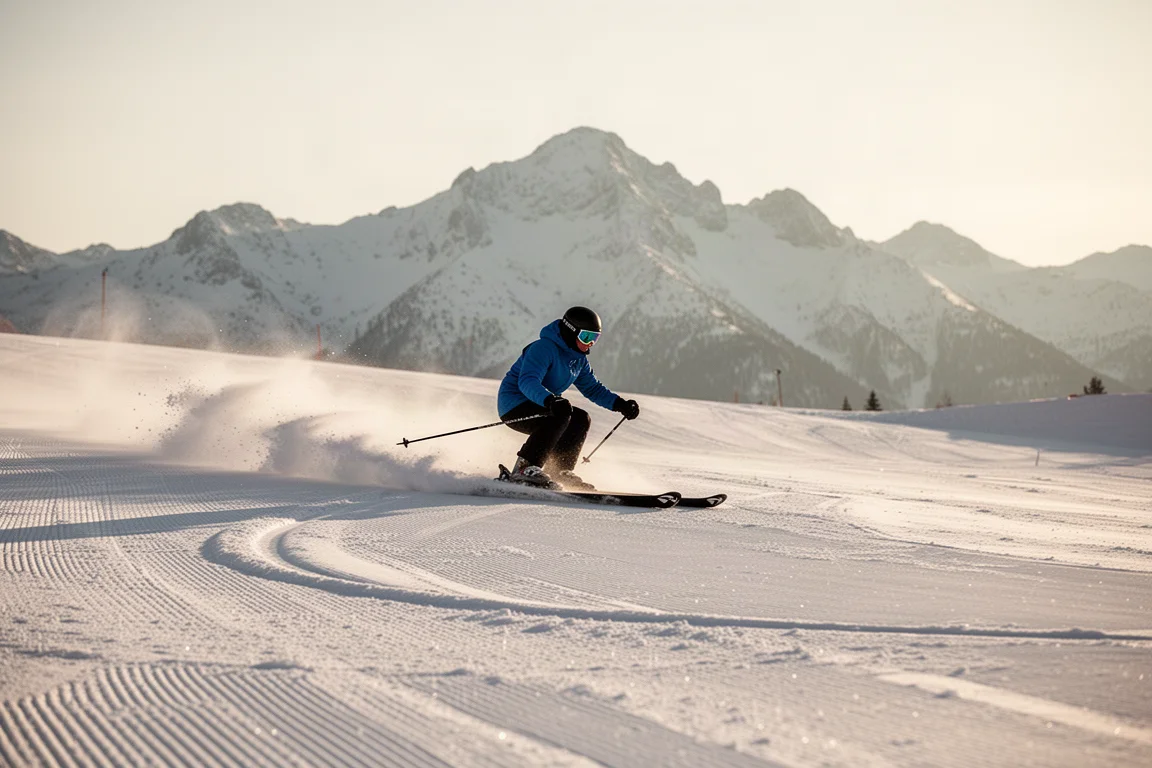
For aggressive skiers who spend most of their time on hard-packed snow, or who simply value carving precision above everything else, the TI is the natural pick. Its personality is more traditional: planted, confident, and refined at speed.
Which One Should You Choose?
If you value energy, playfulness, float, and bump performance over pure carving, the Dancer 89 is the reason to go non-TI. It is the slightly more unique option in the lineup, with a livelier feel that rewards creative skiing. If you want more damping, confidence on firm snow, and a ski that feels planted while laying down arcs, the TI version is the better match.
A useful gut check: skiers who come from a race background or who are used to skis with metal tend to prefer the TI, while skiers who prioritize all-mountain versatility and a lively feel gravitate to the non-TI version. Neither is objectively better. They simply have different personalities.
Conclusion
Faction’s decision to split the Dancer line for 2027 gives skiers two well-executed takes on the same ski. The Dancer 89 offers lightweight energy, playfulness, and surprising confidence on ice, while the Dancer 89 TI delivers damping and carving authority. Match the personality to your priorities and you will end up with the right ski either way.
Further reading
Related Reviews
Ski Reviews
Armada Antimatter 108 Review: A Freeride Ski Built for Speed and Deeper Snow
The Armada Antimatter 108 carries over the beloved Declivity X 108 shape with new construction that adds compliance in soft snow and composure in crud, aimed squarely at strong, aggressive skiers.
Ski Reviews
Armada Antimatter 92 vs Invictus 92: Two All-Mountain Skis Compared
A closer look at two Armada all-mountain skis, one playful and nimble, the other composed and smooth, to help you pick the right one for your skiing.
Ski Reviews
Armada Antimatter 92W Review: A Smoother Take on a Proven All-Mountain Footprint
The Antimatter 92W keeps the trusted Reliance 92Ti footprint but softens the ride with a new metal construction, making it more versatile in softer snow without losing on-trail grip.