Hand Tools
Three Small Hammers Worth a Look: Facom and Halder Mallets Compared
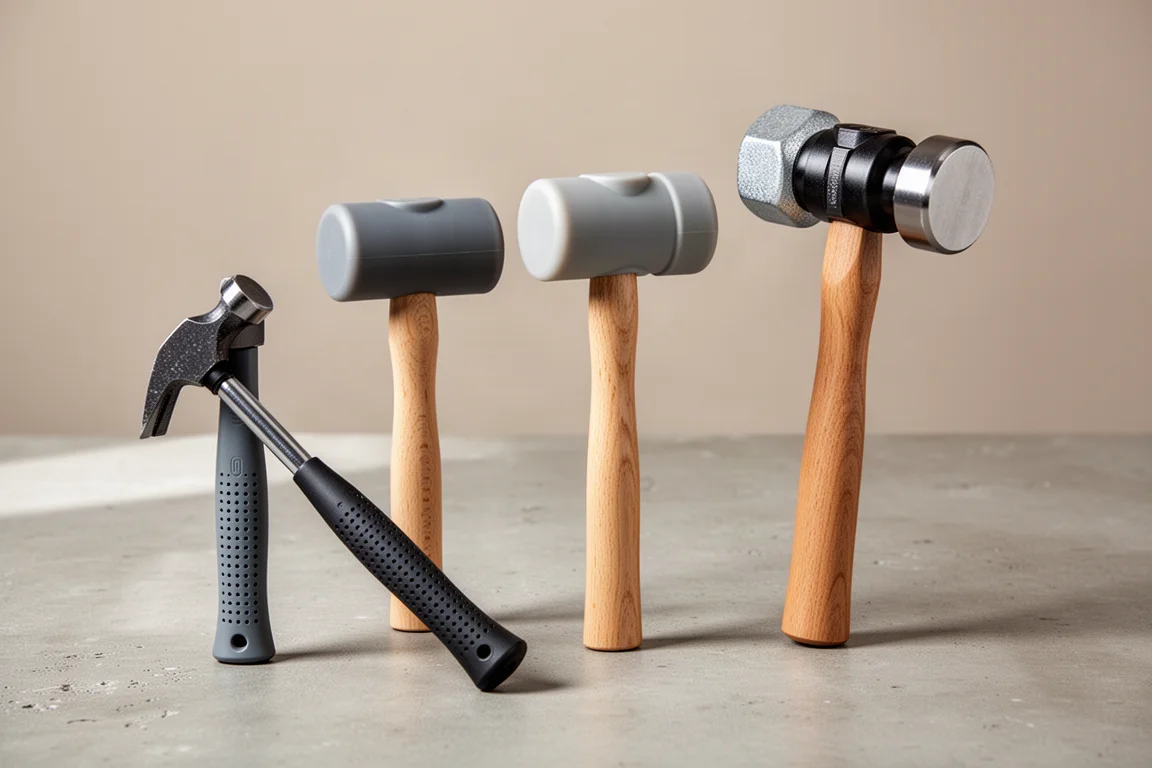
A Facom ProFiber engineers hammer and two Halder Simplex mallets, covering interchangeable heads, soft-face striking, and overstrike protection.
Introduction
Few tool categories reward patience like hammers and mallets. Most people buy one cheap model, live with it, and never realize how much a well-designed striker can change the feel of assembly, fitting, and delicate adjustment work. Three tools worth a closer look are the Facom ProFiber 200g engineers hammer and two mallets from Halder: the standard Simplex and the larger Simplex 40. Each fills a different niche, and together they cover a surprising range of striking tasks.
Facom ProFiber 200g Engineers Hammer
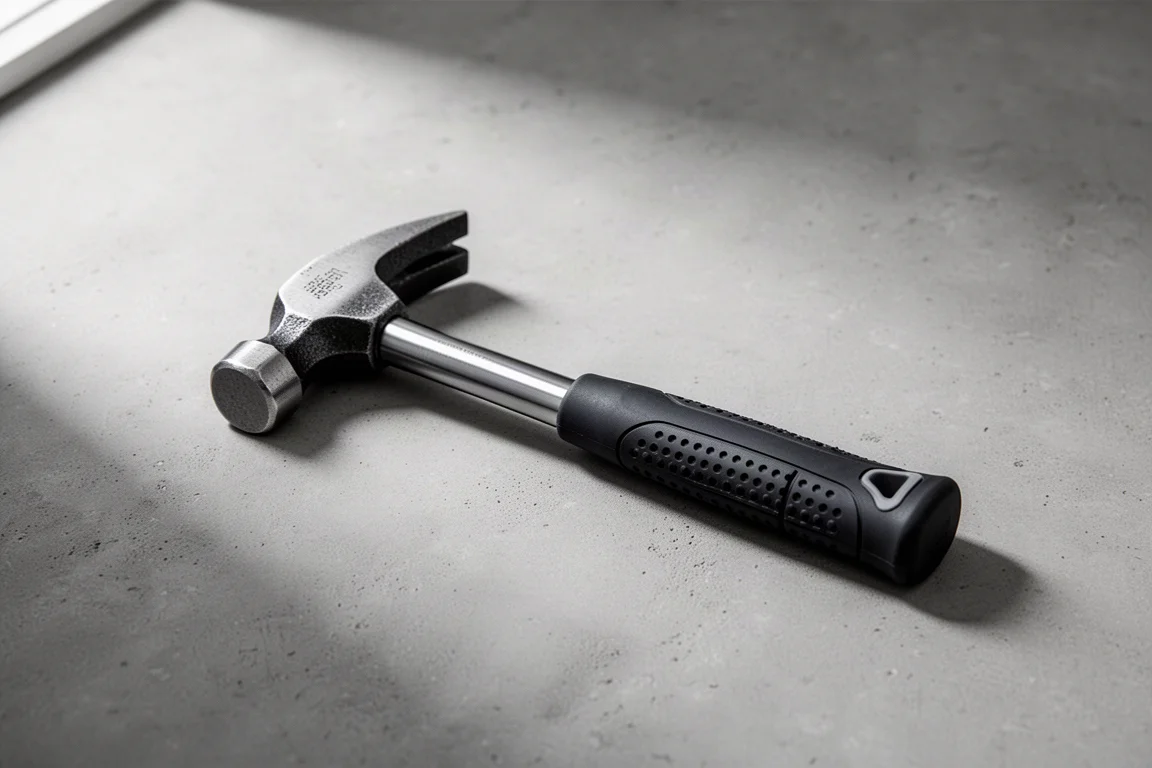
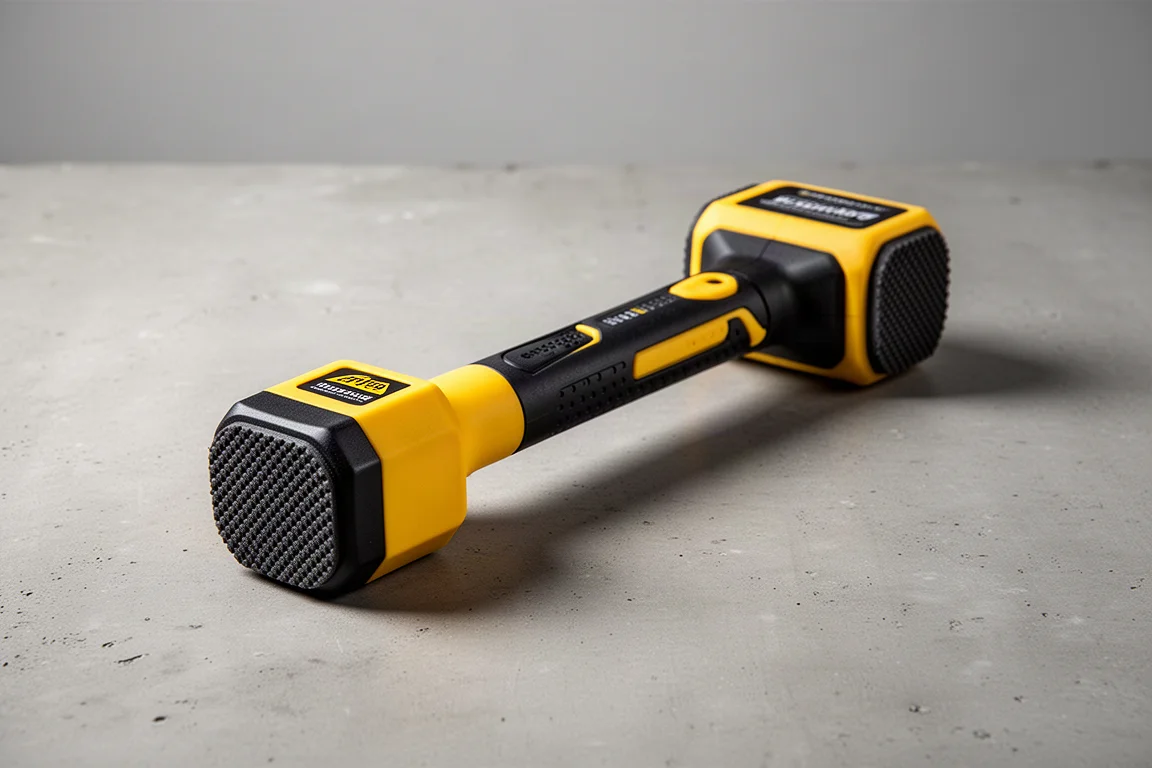
Facom is a French company that now sits within the Stanley Black and Decker group, alongside brands like DeWalt, Craftsman, Mac, and Proto. The ProFiber is a small 200g engineers hammer, closely similar in design to older classic engineering hammers. It carries a DIN 1041 rating, which relates to the hardness, chip resistance, and type of metal used in the head.
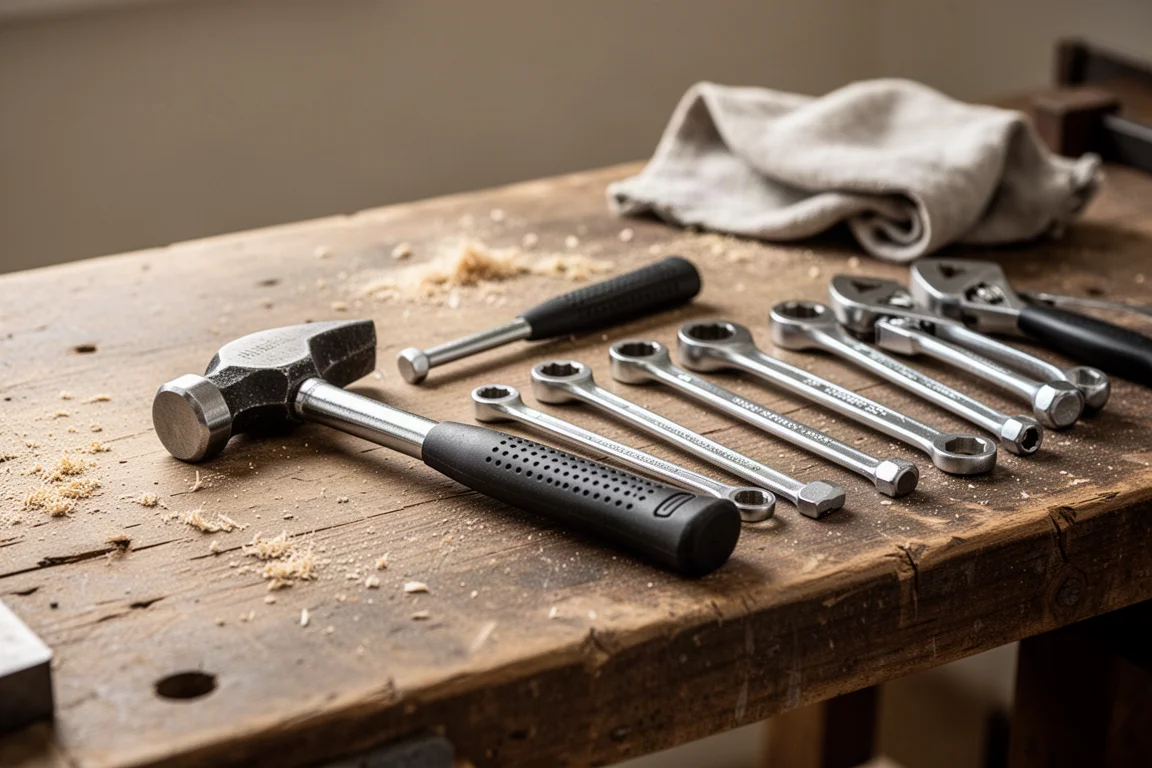
The “ProFiber” name refers to the handle: a graphite-containing multi-component grip with a slightly rubbery feel, comparable to the soft over-molded sections found on other premium hand tools. There is also a larger family of similar hammers with greater overstrike protection and different handle materials, marketed as locksmiths hammers, if the small size is not what you need.
Halder Simplex Mallet
Halder mallets are made in Germany, and the company remains independently owned. The Simplex line offers eight different head materials across five hardness levels, roughly from very soft through to full metal. Heads are interchangeable and screw off, with the top fitting staying firmly attached via a roll pin. Handles are available in a couple of wood types and fiberglass.
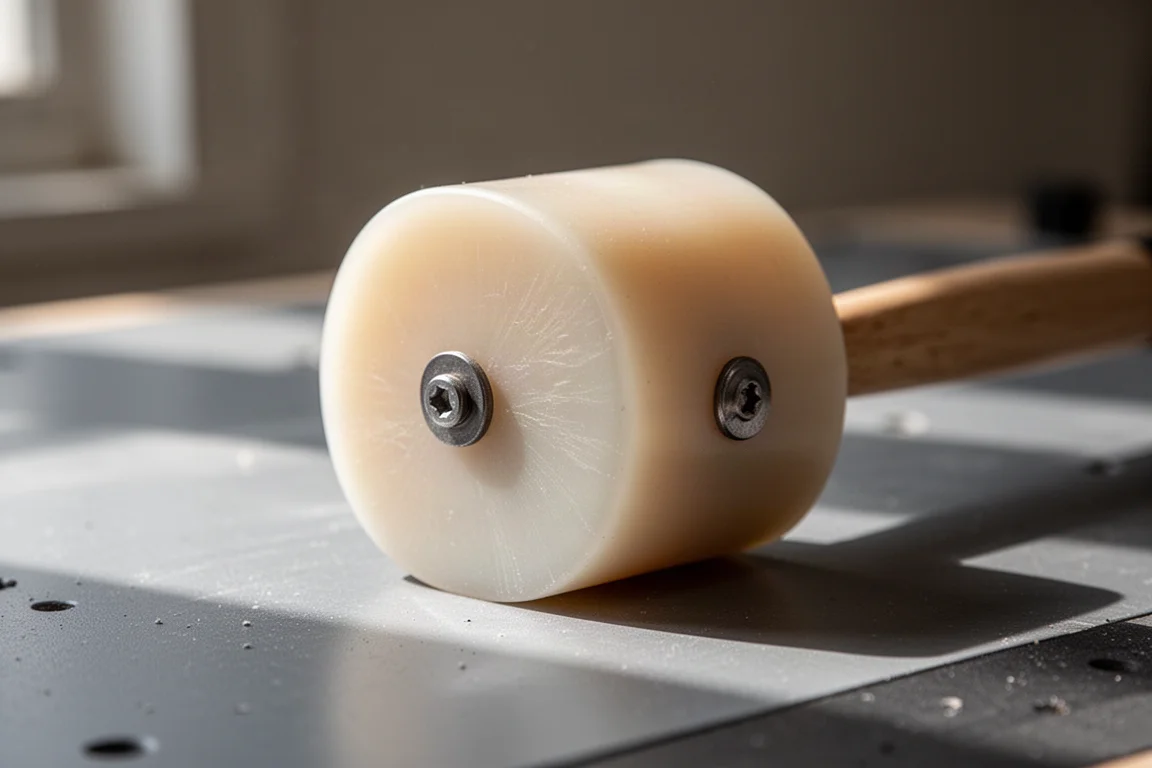
The Simplex is quite affordable, at roughly $20, which makes it an easy way to fill a gap in a hammer collection. If you already own a dead-blow mallet with soft plastic heads, the Simplex occupies similar territory in a lighter, simpler form.
Halder Simplex 40 Mallet
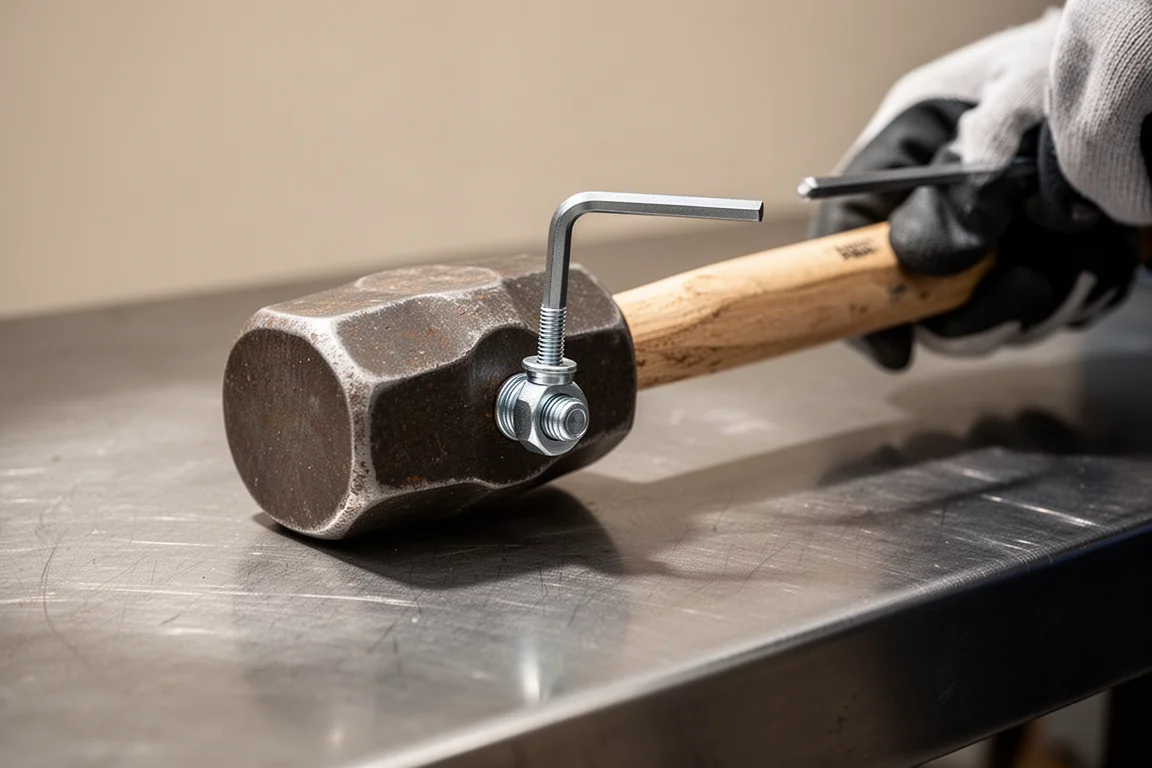
The Simplex 40 takes the same concept further. The 40 refers to the head diameter, and this larger version adjusts easily with a 6 mm hex key: unscrew the central compression bolt, which passes through the head with a nut on one side, and the handle pops right out. Handles come in softer wood, hickory, or fiberglass, and heads are available in different hardnesses of steel, including zinc and steel faces.
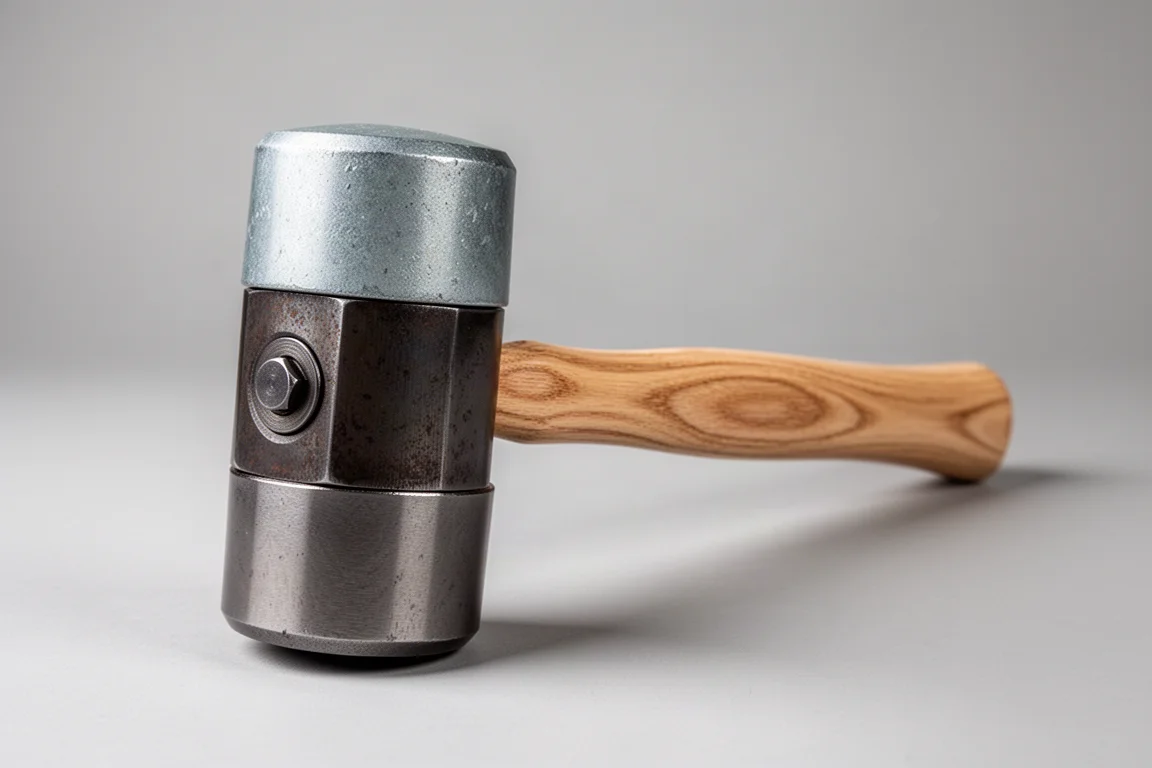
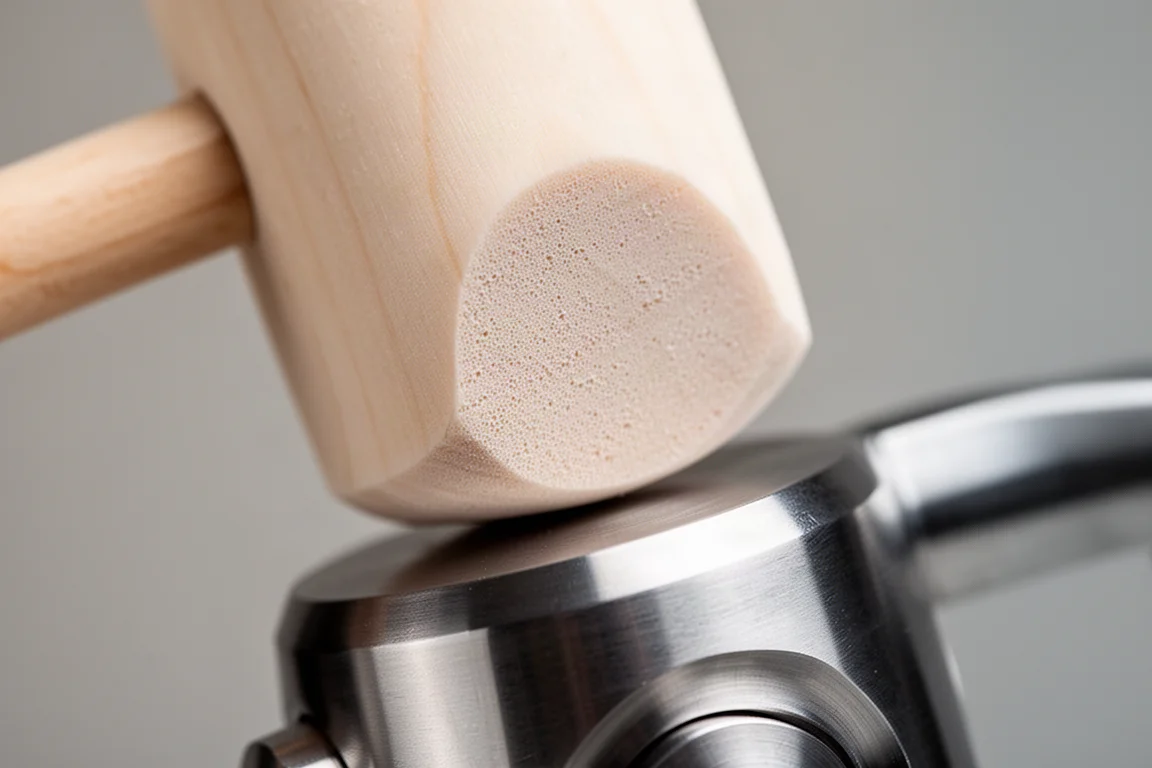
Swappable heads mean you can simply order the size and hardness you need and replace worn faces rather than the whole mallet. This particular example carries the softest head, which includes a wooden insert, an interesting touch. It is non-marring, leaving no marks on finished surfaces, and the price sits around $30.
Design Details Worth Noting
The Simplex 40 head assembly is a neat, symmetrical two-piece design. Because the two halves are identical, there is no right or left orientation; you can even swap faces to reposition the handle logo or suit a left- or right-handed preference. Indentations inside seat the insert so it snaps firmly into place before you cinch the compression bolt back down.
Buying Advice
The heavy head relative to the handle on these tools gives good striking power, with performance comparable to well-regarded options in this class. Both Halder mallets and the Facom offer solid overstrike protection if you accidentally hit the collar into metal. If you need a small general-purpose engineers hammer, the Facom is the natural fit. For soft-face work on parts you cannot afford to mark, either Simplex makes sense, with the 40 suiting larger jobs where swappable faces pay off over time.
Conclusion
These three tools show how much thought goes into a category most buyers treat as an afterthought. The Facom ProFiber brings a classic engineers hammer design with a modern graphite grip, while the two Halder Simplex mallets offer interchangeable heads, sensible prices, and German manufacturing. Matching the head hardness and size to your actual work is the main decision, and any of these three makes that choice easy.
Further reading
Related Reviews
Hand Tools
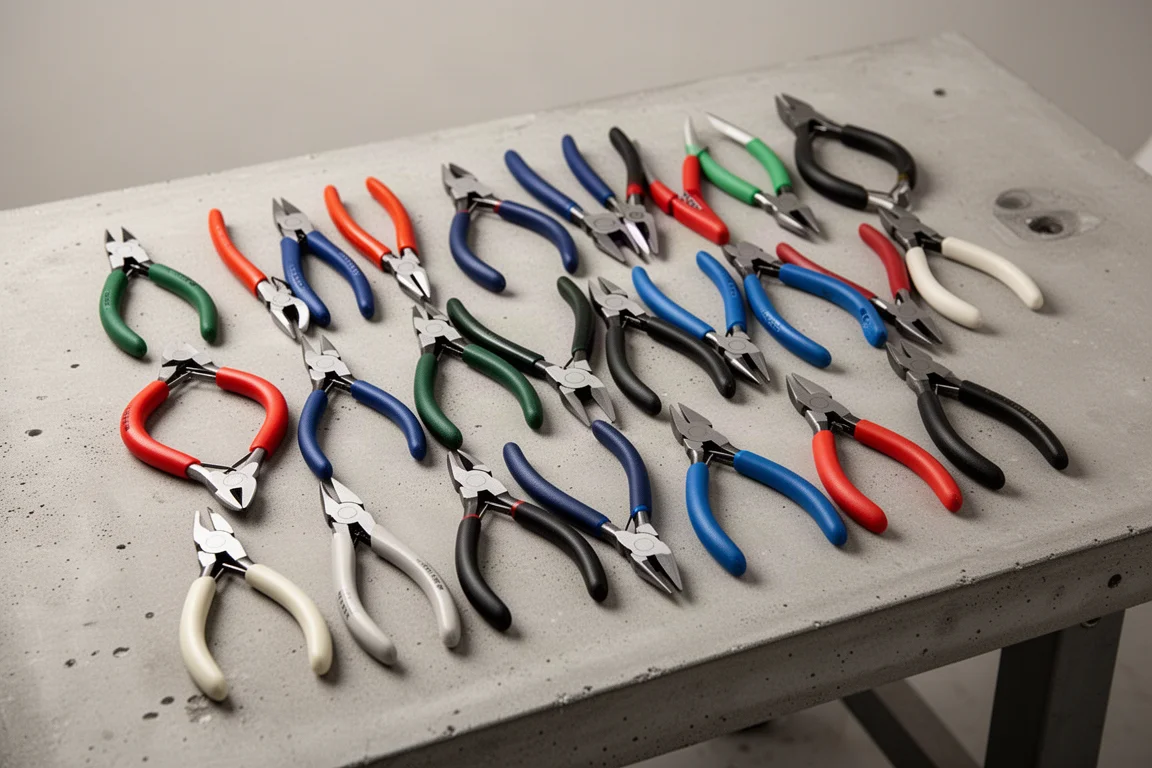
Best Diagonal Cutters 2026: 16 Pliers Tested for Cutting Power and Durability
We put 16 diagonal cutters through nail, screw, drill bit, and hex key tests to find the best value picks for your toolbox.
Hand Tools
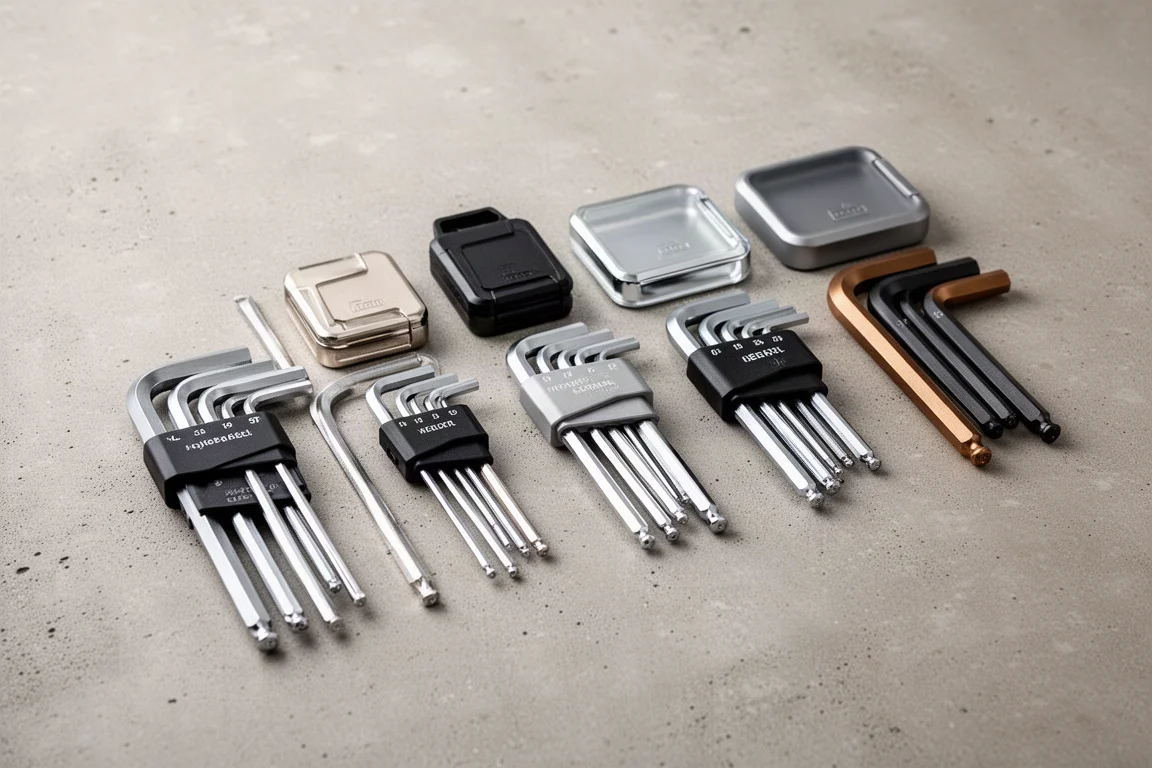
Best Hex L Key Sets 2026: Nine Sets Tested for Real-World Torque
Nine hex L key sets from budget to premium, tested for torque, fit, and durability. See which sets deliver real performance and which ones to skip.
Hand Tools
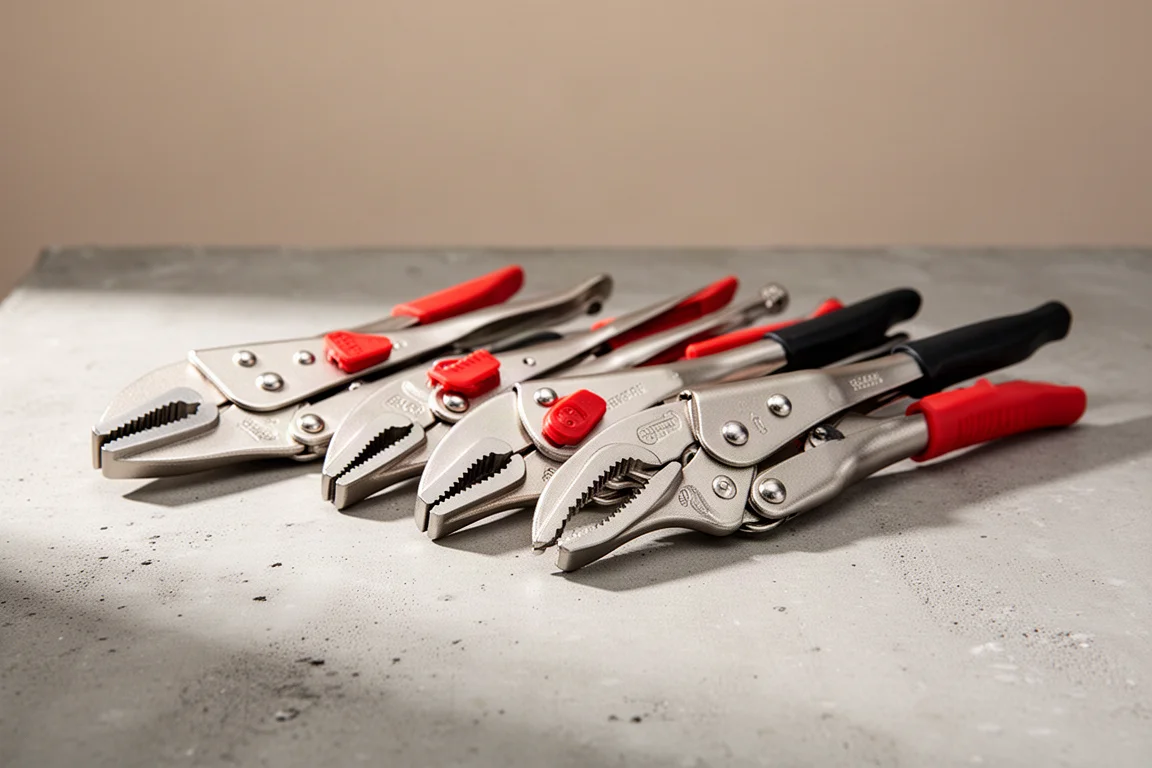
Best Locking Pliers 2026: Top Picks Tested for Grip and Durability
We tested 18 brands of 10-inch locking pliers for grip strength, jaw bite, build quality, and ease of release to find the best options for tough jobs.