Hand Tools
Extra Long Wire Cutters: Why Longer Handles Cut Easier
Two extra long diagonal cutters compared, including a vintage Sargent & Company pair and a modern Icon option, with honest notes on leverage, effort, and price.
Introduction
Some tools earn their place on the wall not because they are flashy, but because they make a repetitive task noticeably easier. Extra long diagonal cutters are exactly that kind of tool. The idea is simple: a longer handle means more leverage, and more leverage means cutting wire with far less squeezing effort.
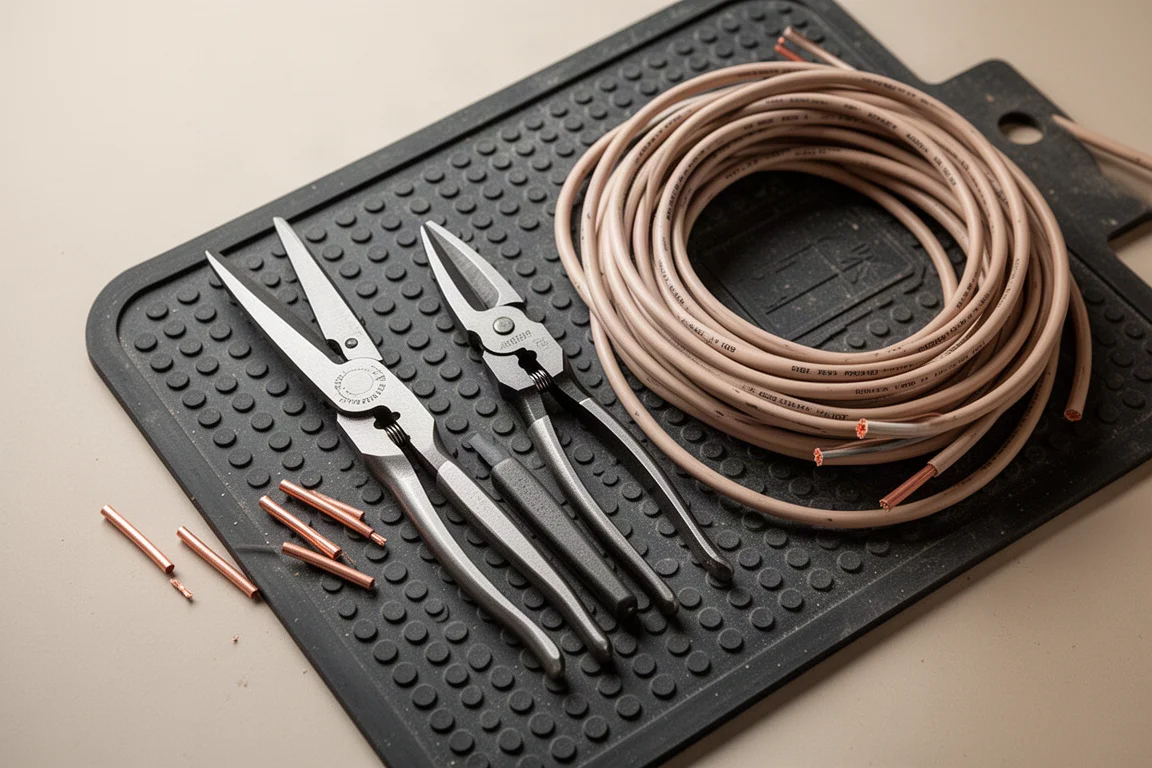
The trade-off people often miss is that many buyers assume long-handled cutters exist mainly for extended reach. That is not really the point. The real benefit is mechanical advantage, which matters whether you are cutting a single conductor from Romex, trimming copper ends all day, or simply sparing your hands some strain.
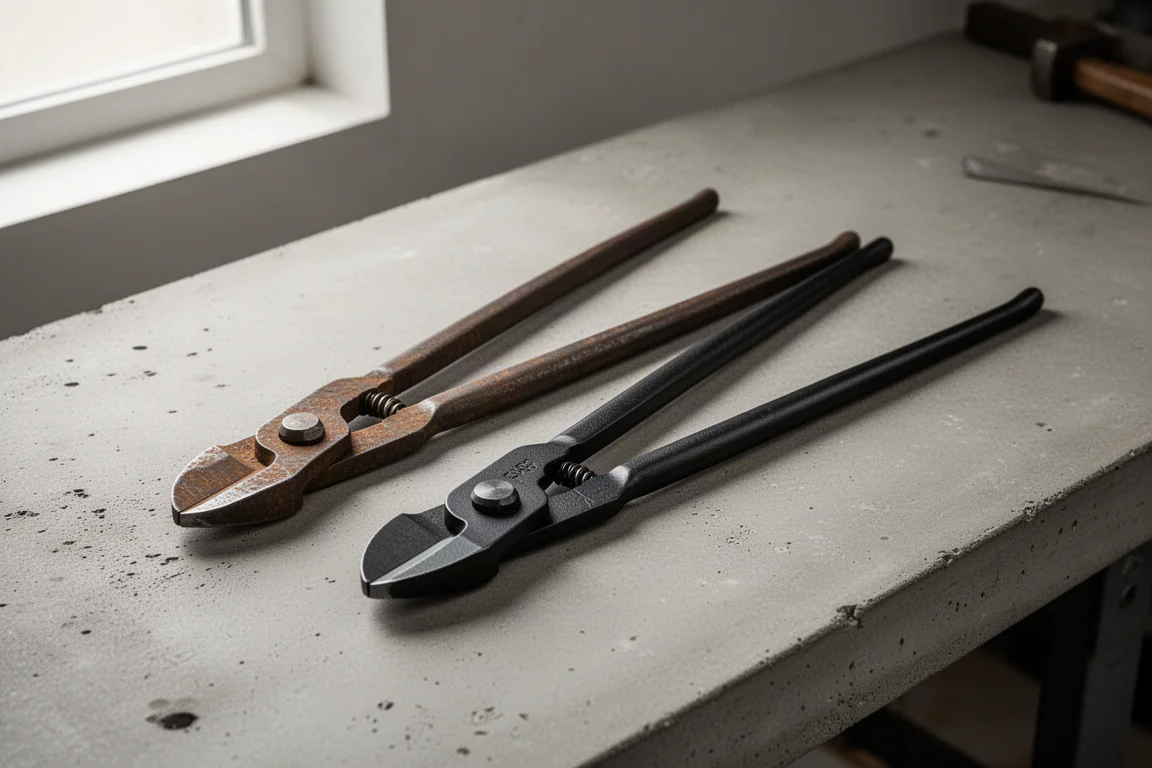
This comparison covers two extra long diagonal cutters: a vintage Sargent & Company pair made in New Haven, Connecticut, and a modern Icon option from Harbor Freight. Both cut Romex easily one-handed, but they differ in feel, effort, and price.
Why Long Handles Matter
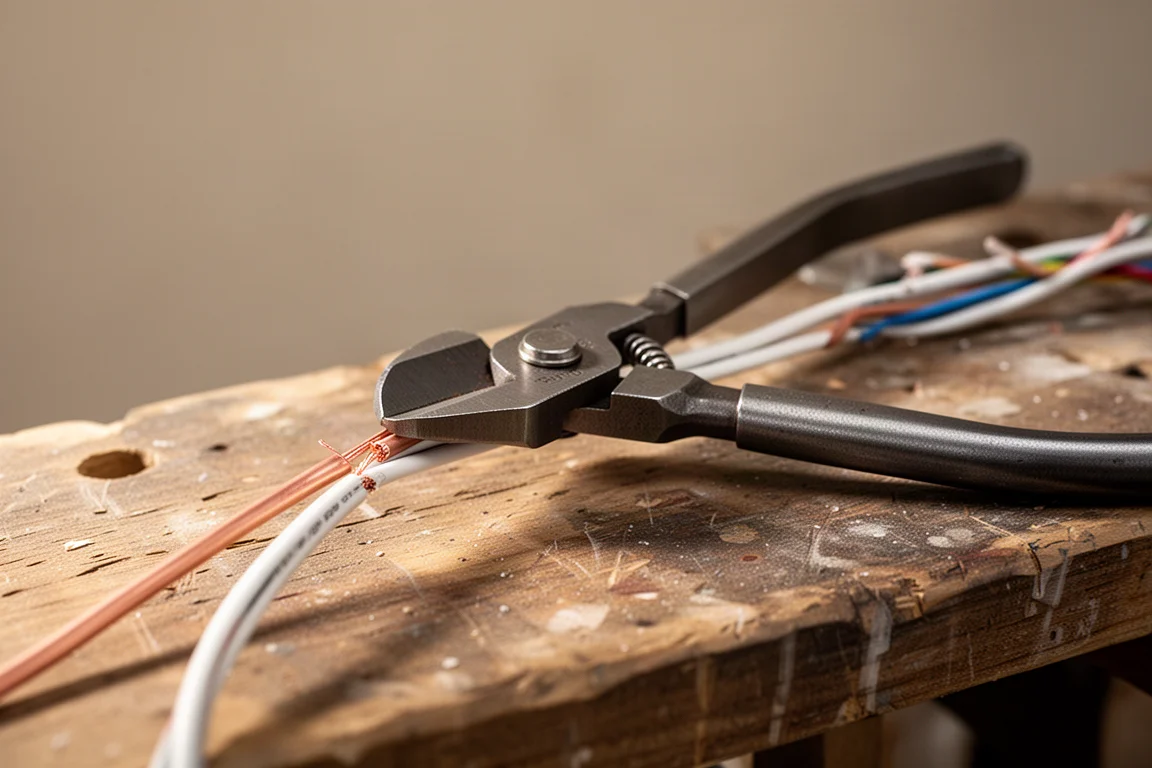
The physics here is straightforward. With roughly twelve inches of leverage from handle tip to pivot, a long pair of cutters turns a hard squeeze into an easy snip. Drop a single conductor into the cutting edge, line it up, and it pops with one hand, no real shock through the wrist.
That “pop” is worth paying attention to. With shorter or less refined cutters, each cut sends a little recoil feedback back into your hand and arm. One cut is nothing. A hundred cuts is a different story. That accumulated feedback is exactly what longer handles are designed to reduce, and it is why these tools tend to become favorites over time.
Sargent & Company Extra Long Wire Cutter
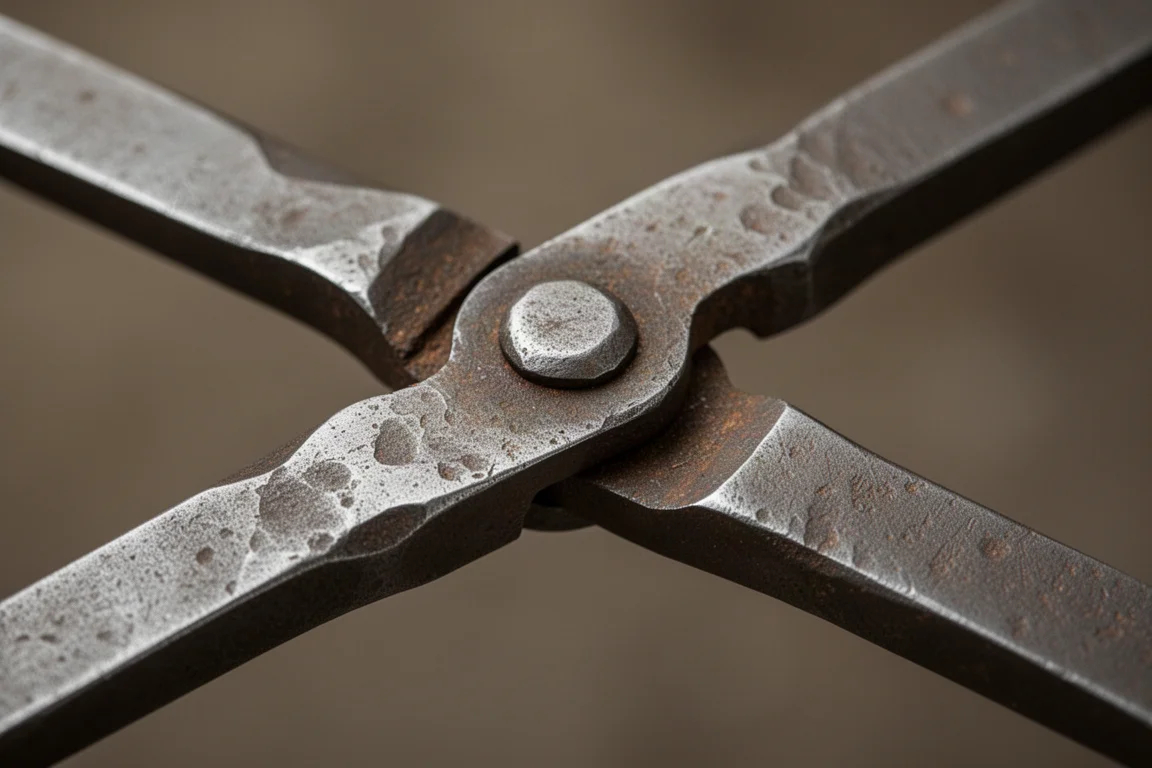
This is an old-school, well-used pair, and it shows. The steel is trashed, the double pivot articulation does not work as smoothly as it once did, and there is no warranty backing it at this age. Still, the construction tells a story: the handles transition from folded flat steel into a forged steel head, with “Sargent and Company, New Haven, Connecticut” stamped on both the tool and the handles.
Despite the wear, the fundamentals hold up. The extra length delivers the leverage these cutters were built for, and cutting Romex one-handed takes almost no effort. Line up a single wire, squeeze, and it snaps cleanly. It is the kind of tool you can use all day without thinking about it.
The catch is availability and condition. As a vintage tool, you are buying on the used market with no warranty and an unknown service history, so condition matters a lot.
Icon Extra Long Diagonal Cutters
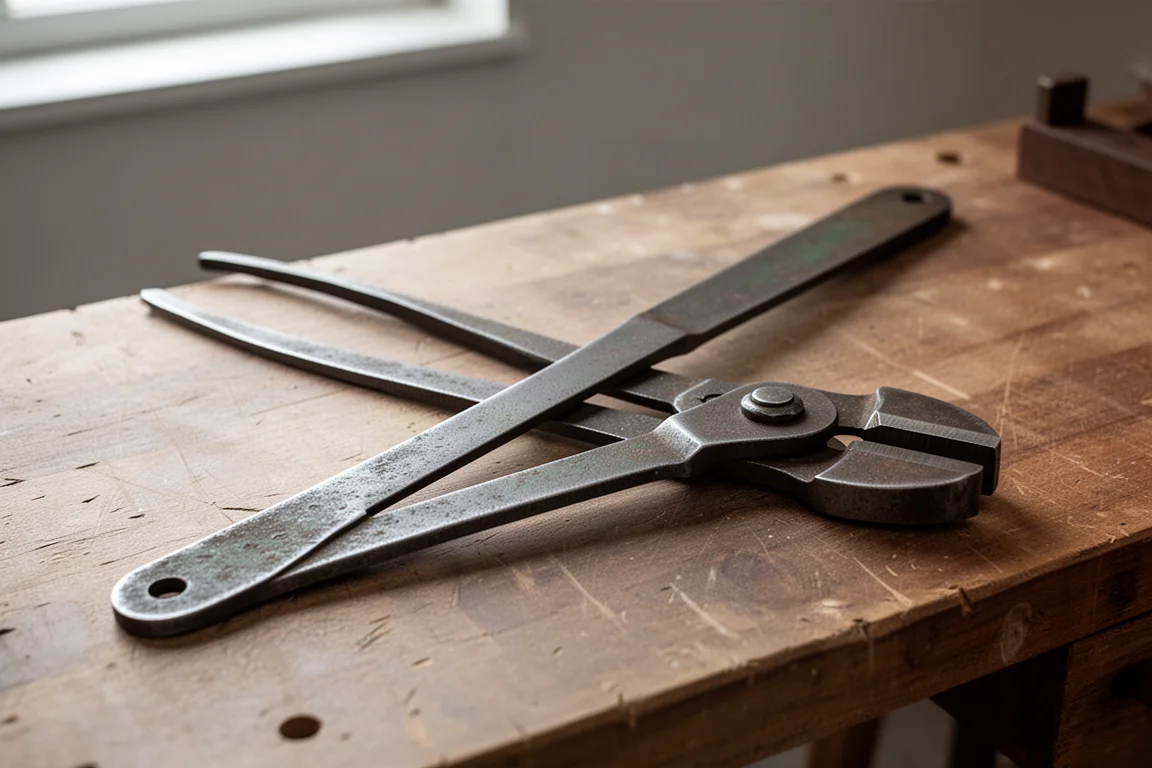
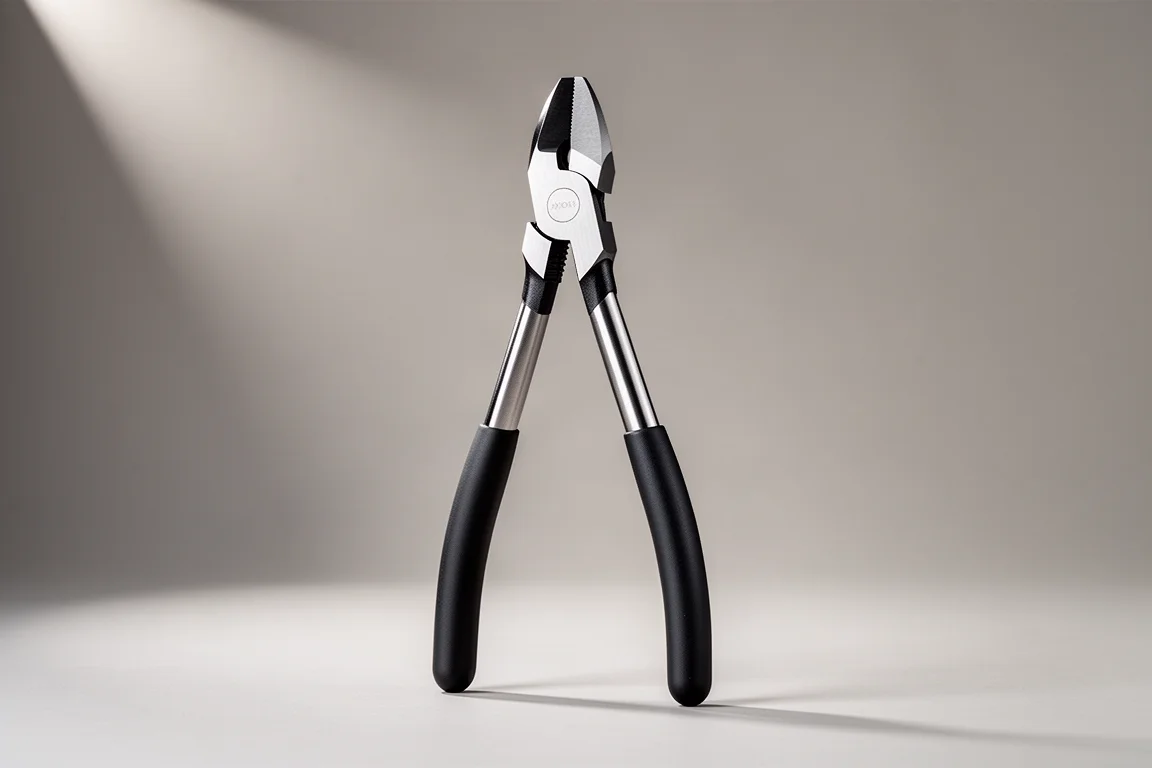
The Icon pair is the modern, budget-friendly way to get the same leverage benefit. At a maximum Harbor Freight price of around 30 dollars, it is still expensive for the Icon brand, but it undercuts premium long-reach cutters by a wide margin.
It requires a bit more effort than the extra-long vintage Sargent, though not a lot, and it delivers a slightly poppier cut. Where it genuinely earns its money is precision: put a single wire way up in the front end of the jaws, and it snips through easily, one conductor at a time. Traditional-sized cutters need noticeably more squeeze for the same job.
For anyone whose hands tire during long cutting sessions, this is the easier tool to live with day to day.
Buying Advice
If you want maximum leverage and do not mind hunting for a used tool in decent condition, a vintage extra long cutter like the Sargent delivers effortless cuts with real old-school build quality, just with no warranty safety net.
If you want a new tool at a reasonable price, the Icon is the sensible pick. It is not the absolute easiest cutter in this comparison, but it beats traditional shorter cutters by a clear margin and spares your hands significantly over a long session.
Conclusion
Extra long diagonal cutters are one of those overlooked upgrades that benefit nearly everyone, not just a specialty user. Longer handles simply make cutting easier, and easier cutting means less fatigue. Whether you track down a vintage Sargent or pick up the modern Icon, the leverage difference is noticeable from the first cut.
Further reading
Related Reviews
Hand Tools
Best Diagonal Cutters 2026: 16 Pliers Tested for Cutting Power and Durability
We put 16 diagonal cutters through nail, screw, drill bit, and hex key tests to find the best value picks for your toolbox.
Hand Tools
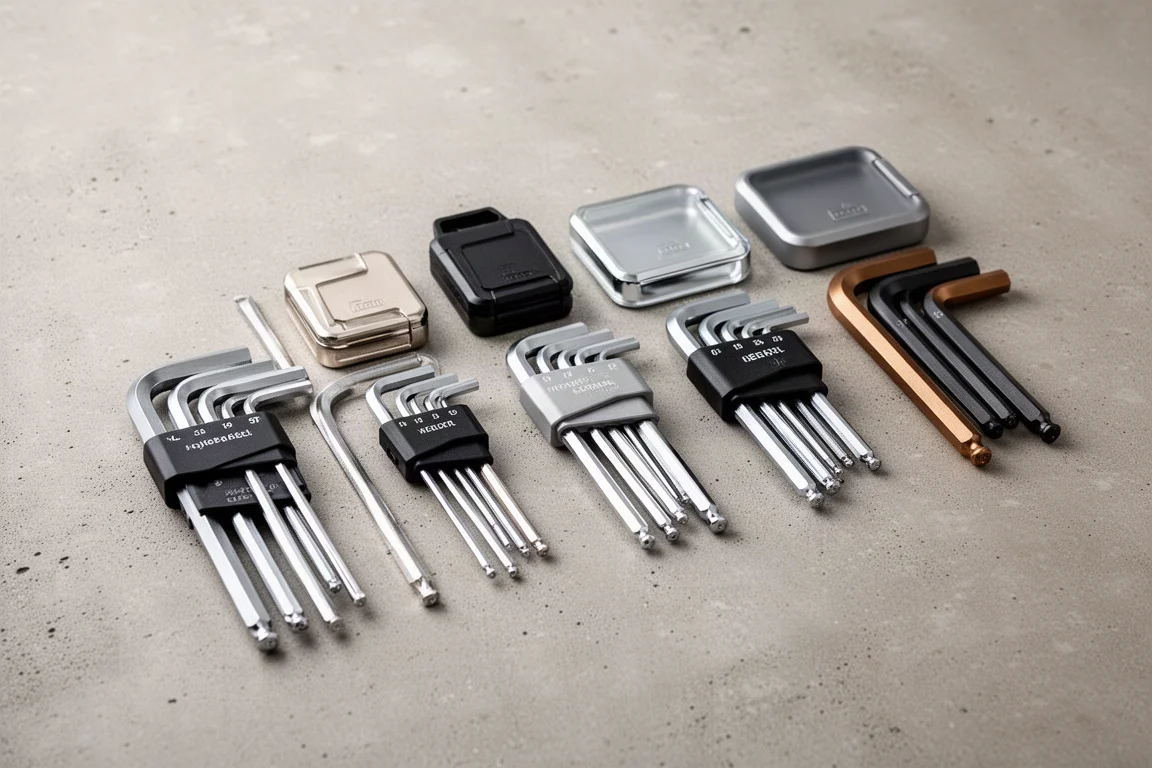
Best Hex L Key Sets 2026: Nine Sets Tested for Real-World Torque
Nine hex L key sets from budget to premium, tested for torque, fit, and durability. See which sets deliver real performance and which ones to skip.
Hand Tools
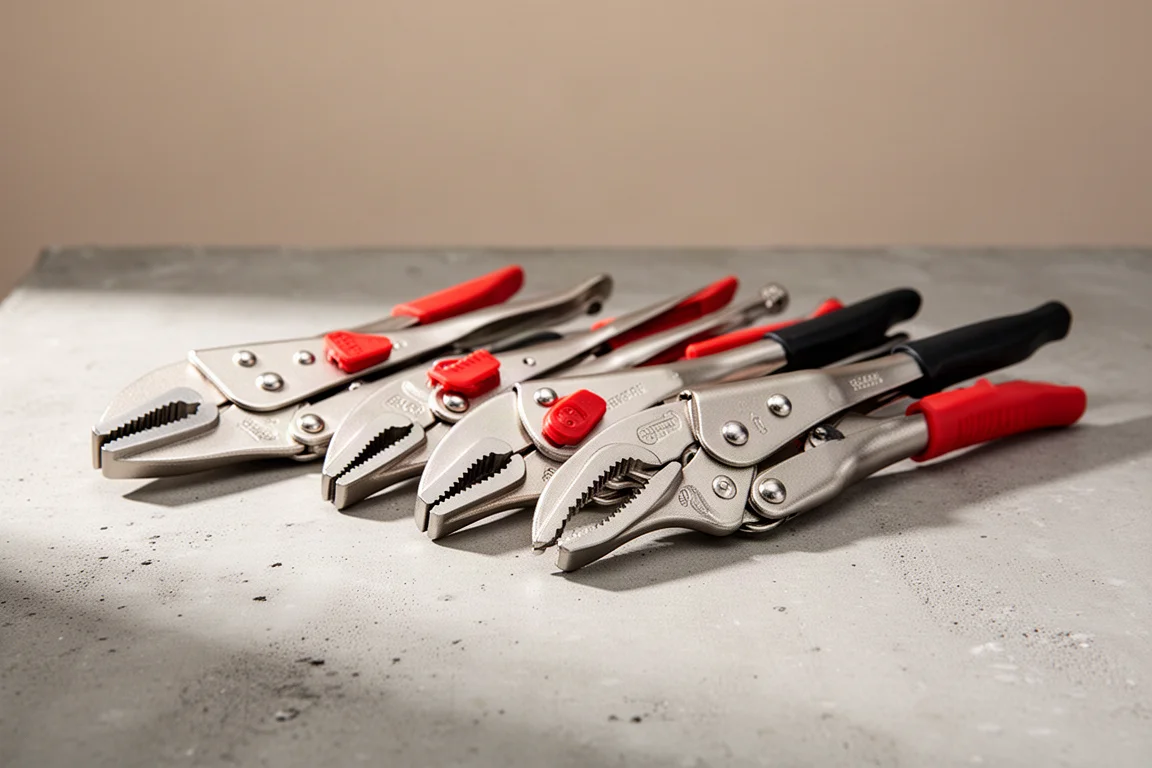
Best Locking Pliers 2026: Top Picks Tested for Grip and Durability
We tested 18 brands of 10-inch locking pliers for grip strength, jaw bite, build quality, and ease of release to find the best options for tough jobs.