Telescopes
Explore Scientific Gemini 2 Review: A Budget Telescope That Passes the Real Tests
A hands-on look at the Explore Scientific Gemini 2, an affordable beginner telescope for the moon, planets, and a few bright deep sky objects.
Introduction
Beginner telescope prices have been strange for a while now. Since the pandemic, prices for many entry-level telescopes have doubled or even tripled, and plenty of models are simply out of stock. The frustrating part is that with beginner telescopes you do not necessarily get what you pay for: there are terrible telescopes at every price point, a few decent ones sprinkled in, and lots of poor options carrying five-star reviews.
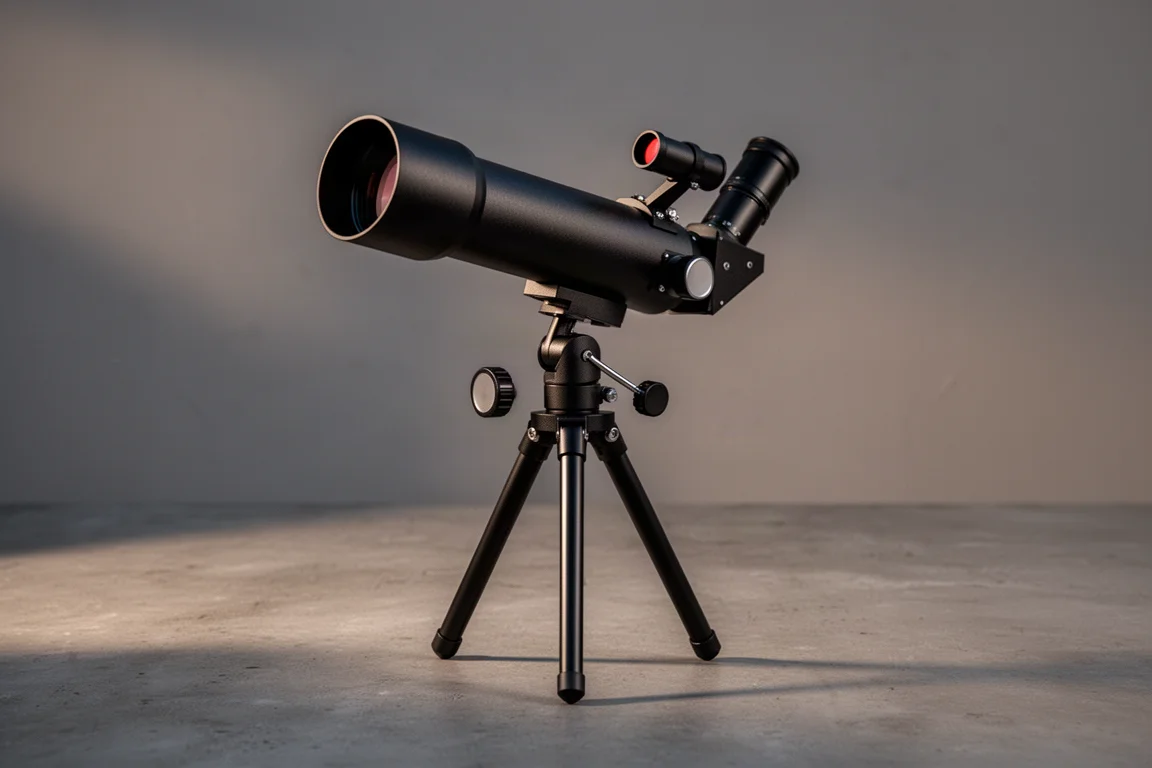
That is what makes the Explore Scientific Gemini 2 interesting. It was found at Best Buy in Canada for 114 Canadian dollars, roughly 88 US dollars, and it has been advertised in the United States for as little as 88 and up to about 140 dollars. If you see it listed higher elsewhere, it is worth shopping around, because better prices are out there. Note there also appear to be two versions, black and blue, with the black version tending to cost more.
Who This Product Is For
On a tight budget, finding a telescope under 150 dollars that you will not want to throw in a river is a real challenge. The Gemini 2 aims squarely at that gap: a genuine beginner telescope for viewing the moon, planets, and a handful of brighter deep sky objects, without the inflated pricing that has hit much of the category.
It suits first-time buyers, families stargazing with kids, and anyone who wants a usable telescope without a large investment.
Setup and What Comes in the Box
Assembly was quick and painless. Inside the box you get a 90-degree diagonal, which is great for viewing objects high in the sky, along with two eyepieces: a 26mm eyepiece providing 27x magnification and a 9.7mm eyepiece providing 72x magnification. Magnification is simply the focal length of the telescope divided by the focal length of the eyepiece.
The telescope does not include a Barlow lens, and that is arguably a good thing. Beginners often assume more magnification is better, but lower magnification actually makes objects easier to find in the night sky. The package also includes a red dot style finder that takes CR2032 batteries, worth stocking up on since finders are easy to leave switched on.
How It Performed on the Key Tests
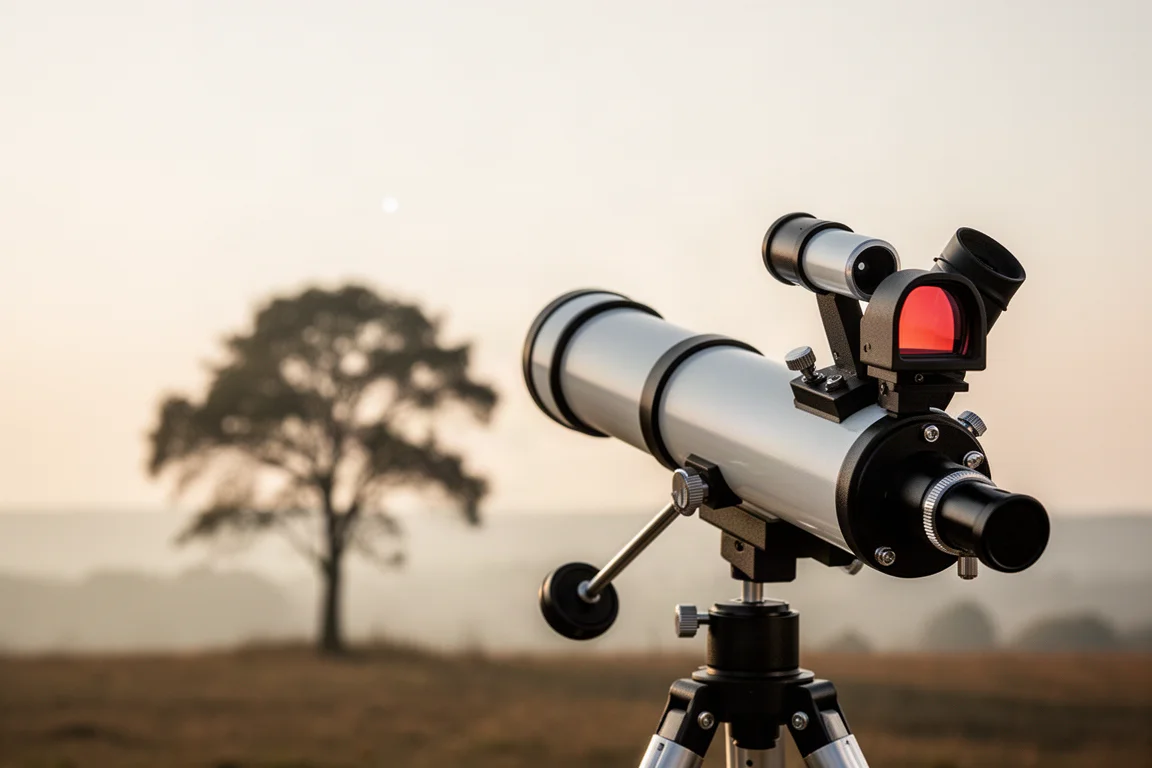
The most important part of setup is aligning the finder with the telescope so both point at exactly the same spot. This is far easier to do during the day using a distant landmark such as a tree: center the target in the eyepiece, then use the two adjustment screws on the finder, one on the side for left-right and one underneath for up-down, until the target sits precisely in the center of the finderscope. Check back and forth between finder and eyepiece and repeat if needed.
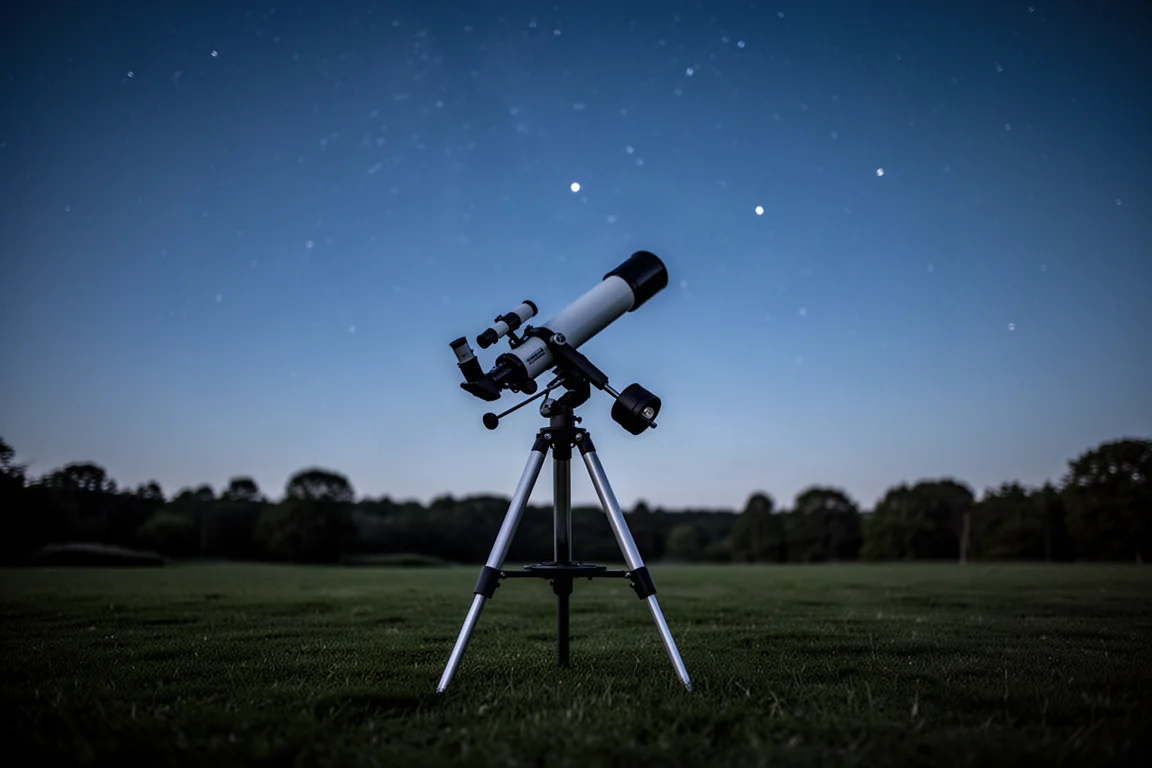
Once aligned, the Gemini 2 went through a series of practical tests. Can it point high in the sky? Yes, with ease. Can it move smoothly left-right and up-down? The slow motion controls on the mount handle both easily, and this mount is genuinely one of the most exciting parts of the package. Does it stay where you put it when you let go? Again, yes, thanks to those slow motion controls. It also comes with a red dot finder, another pass.
The one test it does not pass is the four inches of aperture test. The Gemini 2 has an aperture of just under three inches, and since aperture determines resolution and light gathering, it becomes the limiting factor, pushing some deep sky objects out of reach.
A Night of Stargazing With the Gemini 2
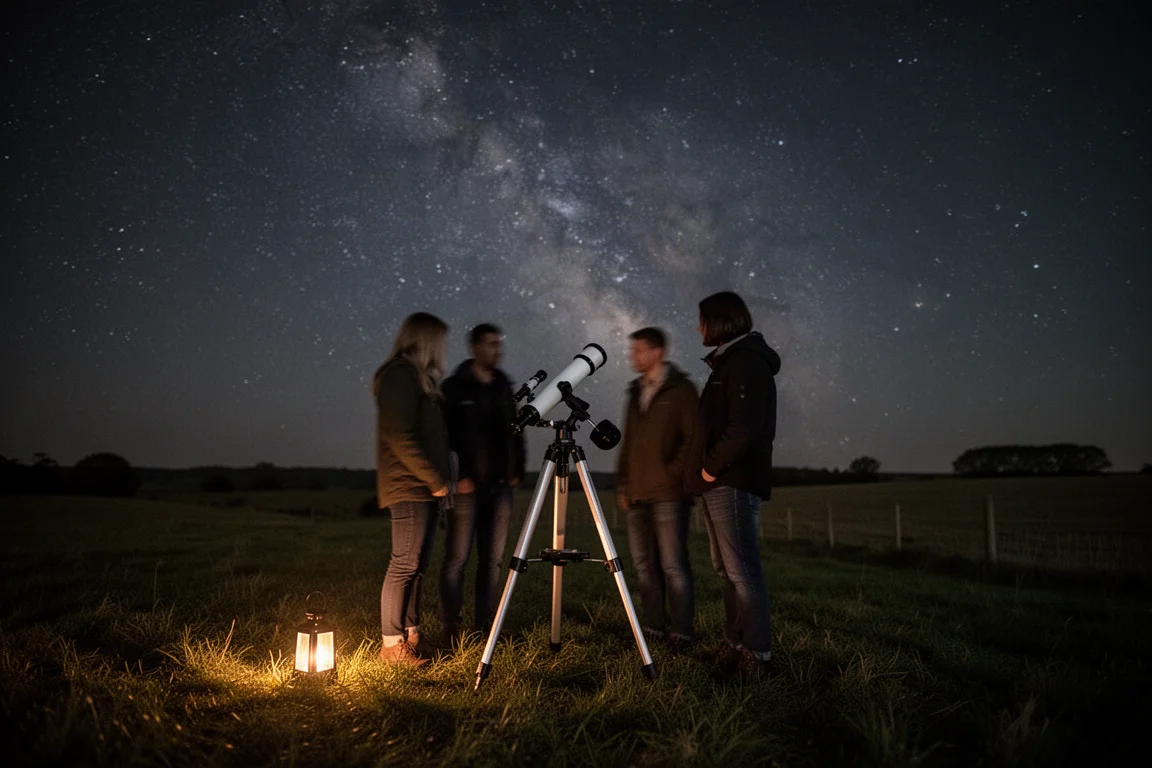
Under nearly perfect new-moon skies, a two-hour session covered constellations including Cygnus, Lyra, and Aquila, plus year-round targets like the Big Dipper, Cassiopeia, and Draco. Through the telescope, the Lagoon Nebula showed faint cloud-like structure, the Coat Hanger asterism was easy to trace, and the globular cluster M13 appeared as a faint, clear, gray fuzzy star.
The session also confirmed the aperture limits. M51, the pair of tiny interacting galaxies, was visible, but M101 proved just beyond what the conditions and aperture allowed. On double stars, the telescope performed well: Mizar was split cleanly into two separate stars alongside its companion Alcor.
Things to Consider Before Buying
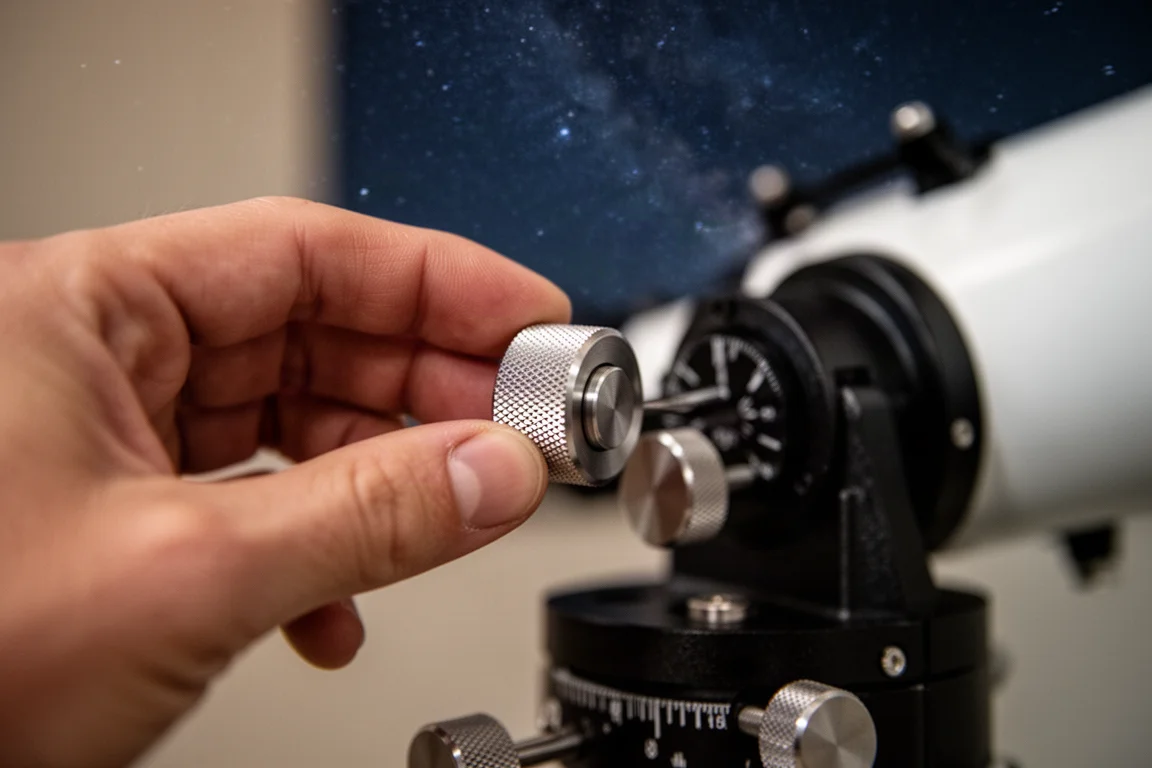
The slow motion controls were consistently praised in use, but there are handling quirks to know about. If the up-down axis is left loose, the telescope tends to flop around, so you have to use the slow motion control for vertical movement to keep it from slipping. The left-right slow motion control sees less use in practice, since simply pushing the telescope left and right gives enough accuracy for the job.
Aperture is the other consideration. At just under three inches, the Gemini 2 is best for the moon, planets, and the brighter deep sky targets. Fainter galaxies and nebulae will test its limits, especially under mediocre skies.
Buying Advice
At around 88 to 140 US dollars depending on version and retailer, the Gemini 2 is one of the more sensible budget options currently available. It passes nearly every practical check a beginner telescope should pass: smooth slow motion controls, an object that stays put, a red dot finder, and easy access to high sky positions. The main compromise is aperture, and that is a fair trade at this price.
If you see it listed well above that range, keep looking, because it can be found cheaper.
Conclusion
The Explore Scientific Gemini 2 is a rare thing: an affordable beginner telescope that actually works the way a beginner needs it to. It delivers satisfying views of the moon, planets, and select deep sky objects, and its mount makes finding and tracking targets far easier than most budget scopes manage. Just keep expectations matched to its aperture, and it is an easy recommendation for anyone starting out on a tight budget.
Product link
View more details for Explore Scientific Gemini 2
This product is mentioned in the review. Check the specifications, options, and compatibility before buying.
View more details for Explore Scientific Gemini 2Further reading
Related Reviews

Telescopes
Sightron SJ75 UF and Sky-Watcher HS125: Two Telescopes Worth Watching
A look at two notable telescopes from a recent camera and optics expo: a sharp new astrograph from Sightron Japan and a compact fast reflector from Sky-Watcher.

Telescopes
SV503 102ED Review: A Budget 102mm Refractor That Surprises
The SV503 102ED is an affordable 102mm doublet refractor that delivers surprisingly decent star shapes and a smooth focuser, despite some chromatic aberration and light falloff.

Telescopes
SVBony MK127 Review: A Compact Maksutov-Cassegrain That Surprises
The SVBony MK127 is a 127mm Maksutov-Cassegrain telescope with a unique 0.65x reducer, making it a versatile option for visual astronomy and even some deep-sky imaging.