Telescopes
Explore Scientific FirstLight 114mm Newtonian Review: A Beginner Telescope Put to the Test
Five years of hands-on use, a head-to-head comparison with a same-aperture Celestron Newtonian and a small refractor, and a clear verdict on who this telescope is for.
Introduction
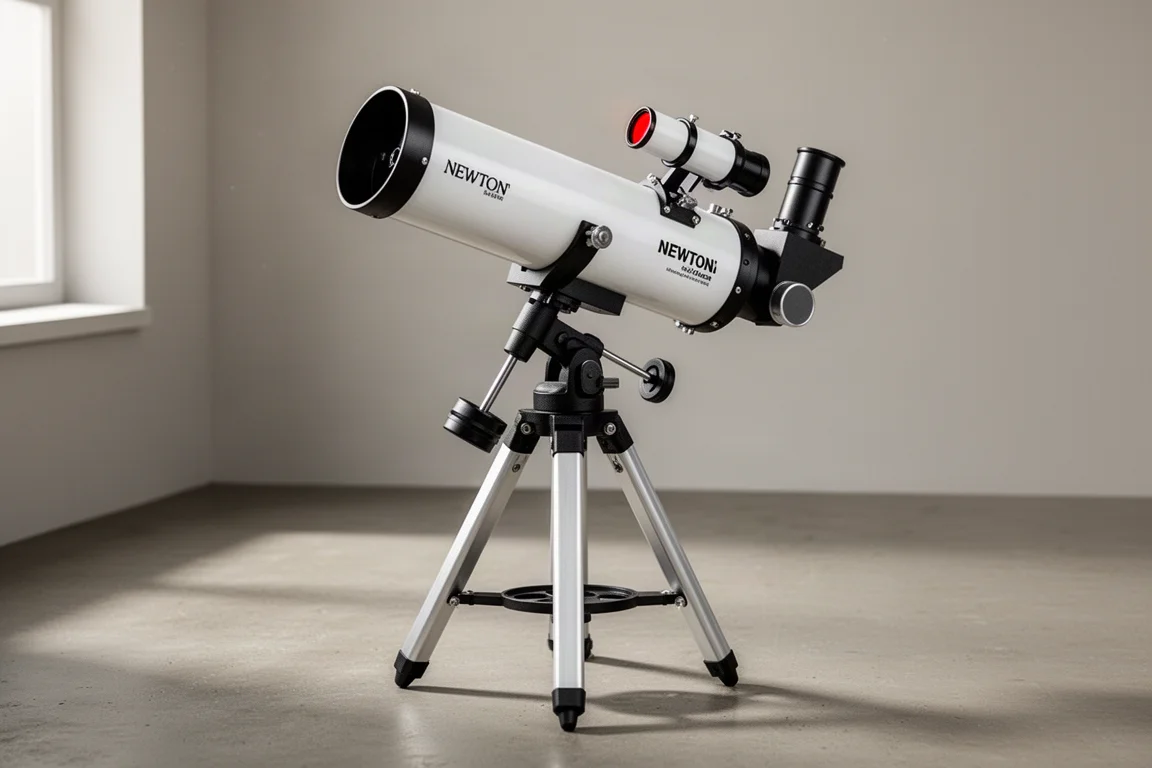
The Explore Scientific FirstLight 114mm Newtonian is one of those telescopes that keeps coming up in beginner recommendations, so it deserves a proper long-term verdict. This particular unit has been in regular use for about five years, originally purchased for around 130 Canadian dollars, and Explore Scientific currently lists it at 229 US dollars, so pricing has roughly doubled.
To put it through a fair test, it was compared against two other instruments: a Celestron 114mm Newtonian with the same aperture but a longer focal length, and a small refractor with a similar light collecting area. The targets included the Moon, the Great Globular Cluster in Hercules, the double star Albireo, the open cluster NGC 457 (the Dragonfly Cluster), and Jupiter.
What Makes a Good Beginner Telescope
Five tests come up in every beginner telescope evaluation here: the telescope should move easily up and down and left and right, it should stay where you leave it when you let go, it should reach objects high in the sky without drama, it should have more than four inches of aperture, and it should come with a red dot finder rather than a small finder scope.
The FirstLight 114mm passes every one of those tests. The mount supplied is a Twilight Nano alt-azimuth mount with no slow motion controls, but given how stable the telescope sits, that is not a real problem. Perhaps the most telling endorsement: children find this telescope effortless to use, which is the hardest test of all. It is also genuinely capable of showing the targets in beginner stargazing guides.
Optical Stats and Design Trade-offs
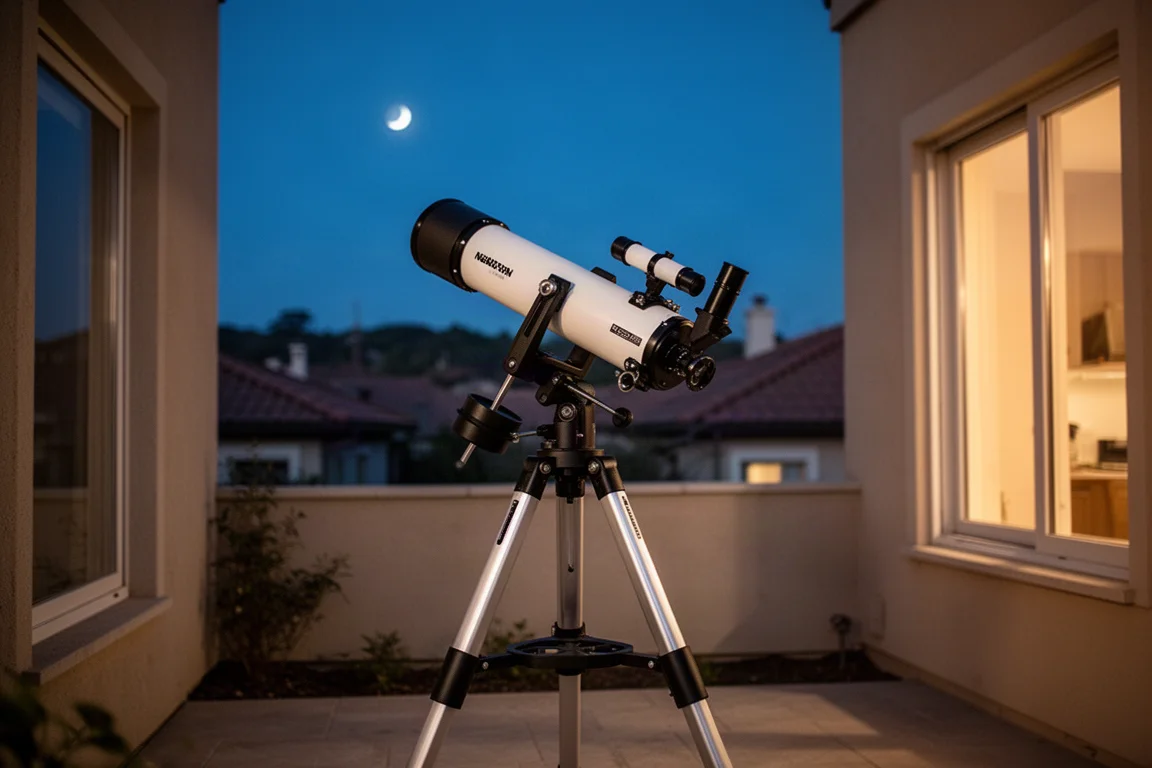
The FirstLight 114mm has a 114mm aperture with a 500mm focal length, giving a fast focal ratio of f/4.3. With a 26mm eyepiece that works out to only 19x magnification, which sounds low but is fantastic for wide views of deep sky objects.
Newtonians do come with trade-offs. They may require collimation, the central secondary mirror reduces the effective light collecting area, and they are not a good choice for photography. The biggest reason to skip astrophotography on a scope like this is simply that it is frustrating and erodes the enjoyment of stargazing. Stargazing and astrophotography are completely different hobbies.
Eyepieces and Magnification
The telescope ships with a 25mm eyepiece, and upgrading the included eyepiece is generally a good idea. A practical tip: replace it with an eyepiece of the same focal length so the native magnification stays sensible. A 26mm eyepiece works nicely here, and adding a Barlow doubles the magnification for viewing the Moon and planets.
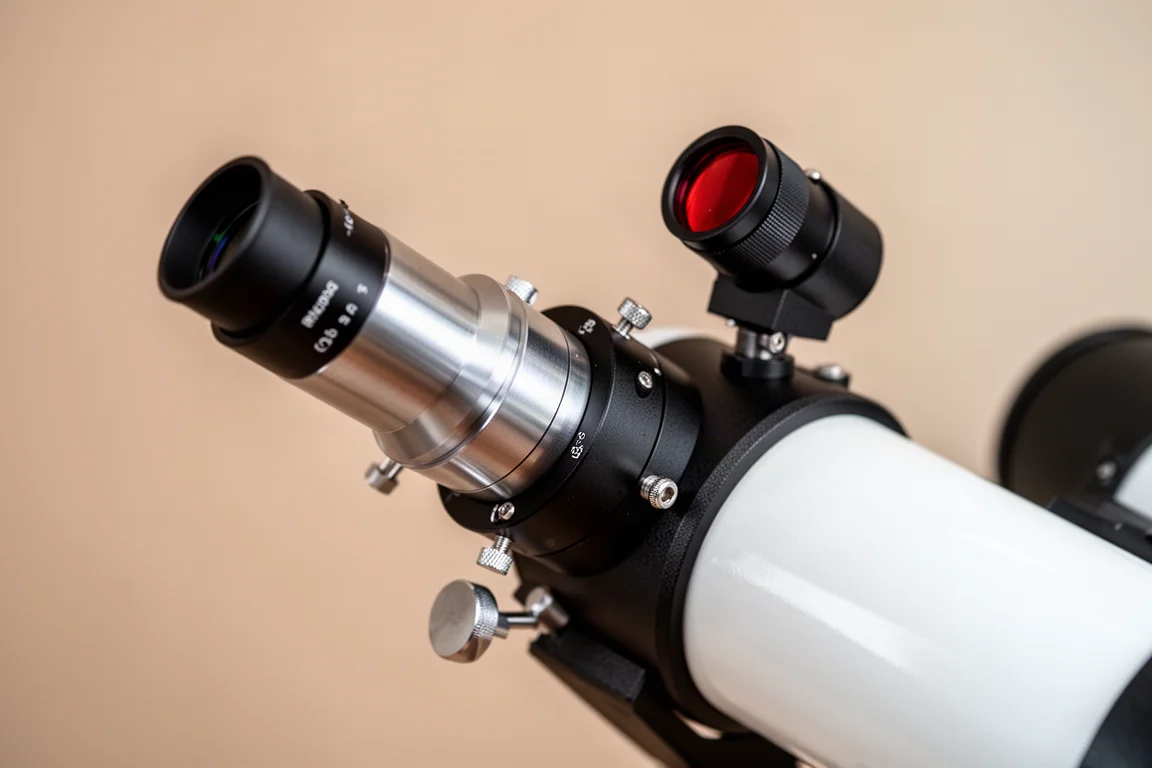
Before anything else, align the red dot finder to the telescope, ideally during the day. Pick a distant chimney, center it in the main telescope, then adjust the finder’s screws left, right, up, and down until the dot sits precisely on the same spot.
How the Views Compared
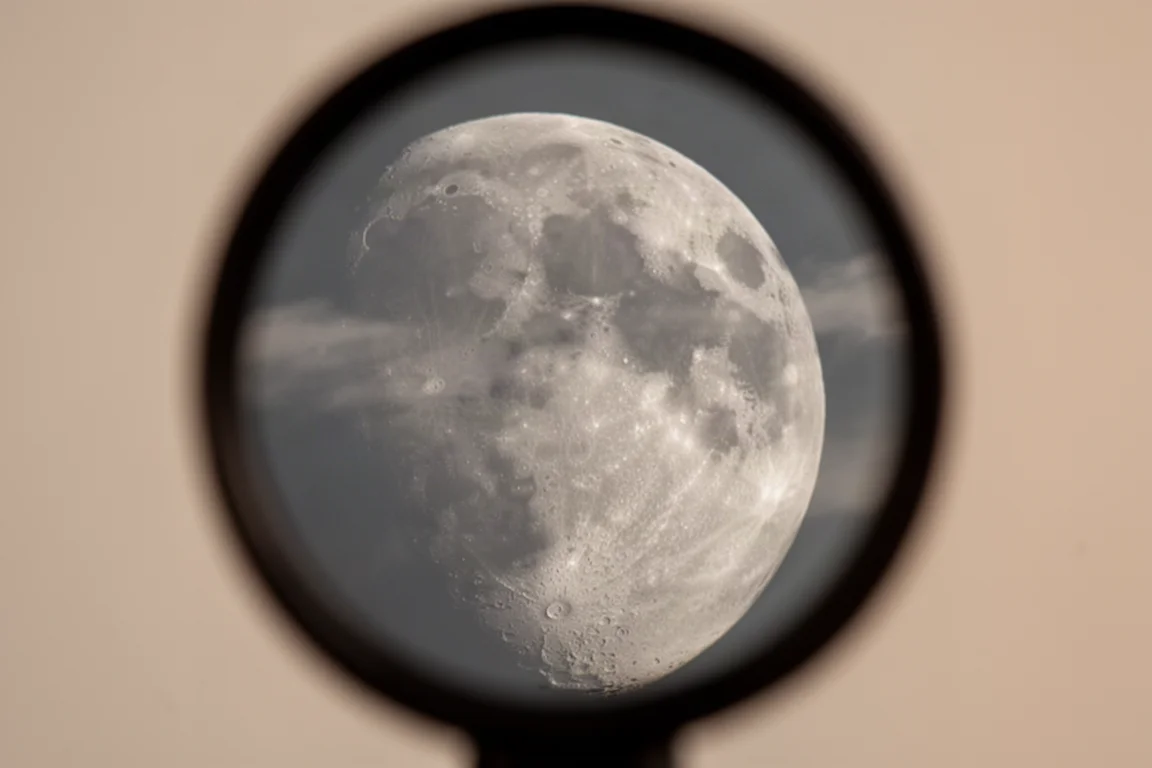
On the Moon, the FirstLight delivered a solid view, and at higher magnification with a phone adapter and zoom eyepiece it handled the Moon well, with clouds drifting across the disc as a reminder that astronomy depends on the weather. The Moon looks pretty good through any telescope, so this was never going to be the deciding round.
On the Great Globular Cluster in Hercules with the same 26mm eyepiece, the view through the FirstLight was surprisingly similar to the Celestron Newtonian’s, even though the Celestron gives double the magnification thanks to a Bird-Jones lens inside its focuser assembly. The refractor showed noticeably higher image quality and contrast, likely because its lack of a secondary mirror preserves contrast, an advantage that matters under light-polluted skies.
On the double star Albireo, the refractor again produced a clearly higher quality image, though both Newtonians captured the pair. On the Dragonfly Cluster (NGC 457), a favorite crowd-pleaser, the light pollution pushed most of the cluster’s stars beyond the FirstLight’s reach, while the Celestron pulled in noticeably more of them. The Celestron’s weakness showed at the edges of the field: stars away from the center lost focus and became misshapen, a coma effect from a non-flat field, whereas the refractor held sharp stars across the entire field of view.
The Jupiter Showdown
For Jupiter, a Barlow doubled the magnification on each telescope. The Celestron became unwieldy at that magnification: the mount does not hold position well when you let go, and achieving perfect focus was genuinely difficult.
The FirstLight, with less magnification, offered a much sharper view of Jupiter, with one moon so close to the planet it appeared to be kissing the limb. The refractor was the clear winner, showing cloud belts and fine surface detail, an almost unreal view through such a small telescope.
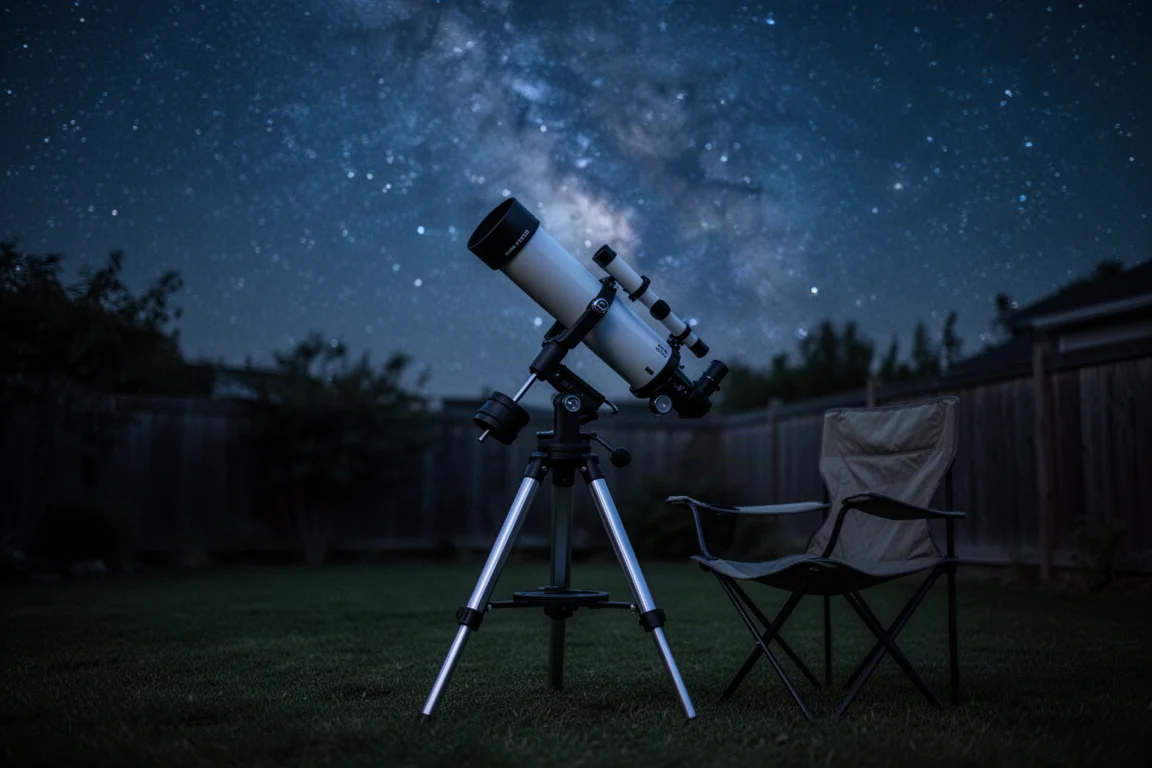
The overall verdict from that night: views of Jupiter were better in the Explore Scientific than in the Celestron, the refractor took image quality honors, and the FirstLight was by far the easiest telescope of the three to use.
About the Celestron 114mm Comparison
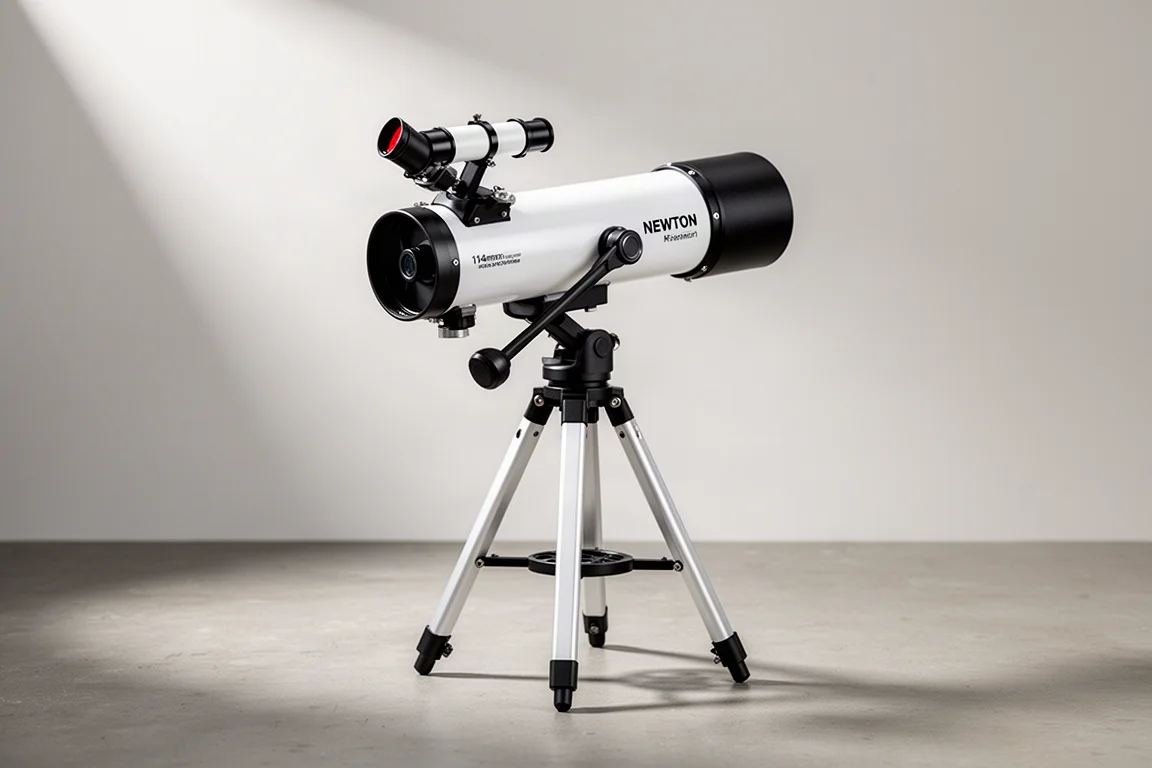
The Celestron 114mm Newtonian brings more native magnification thanks to its internal Bird-Jones lens, and it pulled in more stars on the Dragonfly Cluster under light pollution. Its drawbacks are significant, though: the mount is difficult to use, which makes it a poorer fit for children, the field is not flat, and fine planetary detail was lost compared to the FirstLight.
Which One Should You Buy
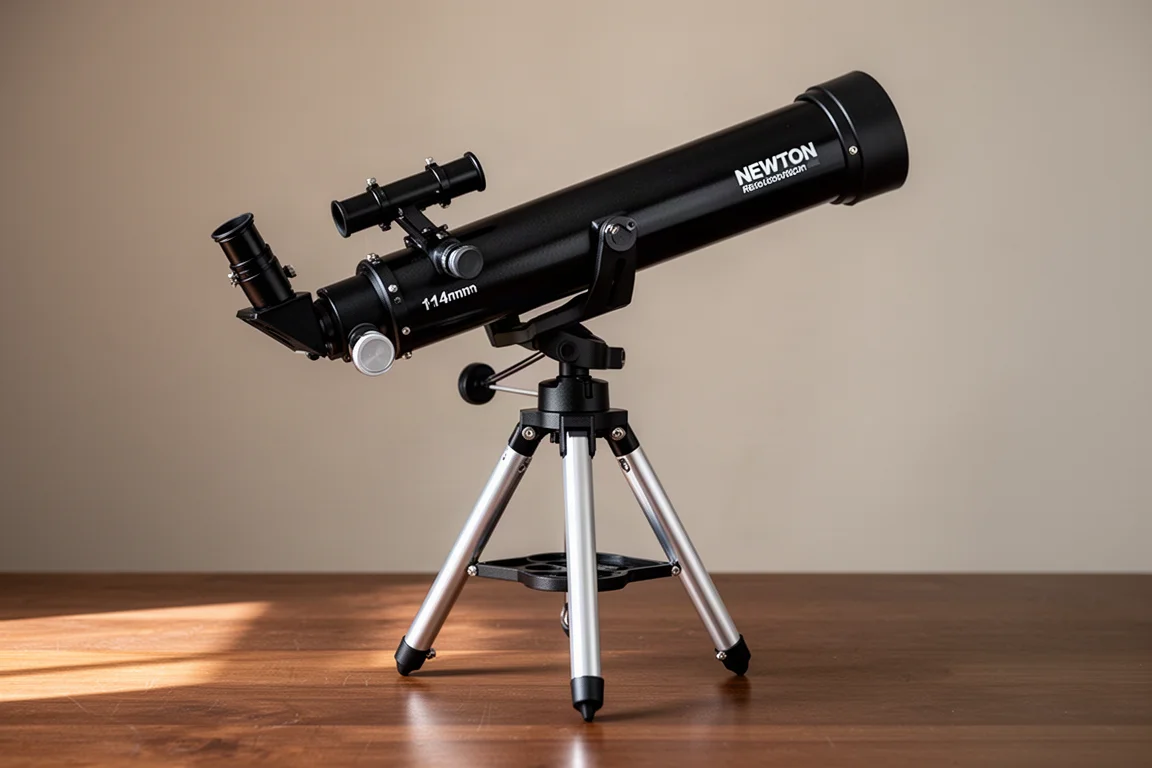
If ease of use is the priority, especially for a family or a first telescope, the FirstLight 114mm Newtonian is the stronger pick. It passed every beginner telescope test, stays where you point it, and delivers sharp planetary views with a Barlow added. The Celestron suits someone who wants extra magnification on paper and can tolerate a fussier mount, while a small refractor remains the choice for those who care most about image quality and flat fields and accept a smaller aperture.
Conclusion
After five years of use, the Explore Scientific FirstLight 114mm Newtonian remains an easy telescope to recommend for beginners. It handles deep sky objects and the Moon well, outperformed a same-aperture rival on Jupiter in actual use, and passes the test that matters most: anyone in the family can use it without frustration.
Further reading
Related Reviews

Telescopes
Sightron SJ75 UF and Sky-Watcher HS125: Two Telescopes Worth Watching
A look at two notable telescopes from a recent camera and optics expo: a sharp new astrograph from Sightron Japan and a compact fast reflector from Sky-Watcher.

Telescopes
SV503 102ED Review: A Budget 102mm Refractor That Surprises
The SV503 102ED is an affordable 102mm doublet refractor that delivers surprisingly decent star shapes and a smooth focuser, despite some chromatic aberration and light falloff.

Telescopes
SVBony MK127 Review: A Compact Maksutov-Cassegrain That Surprises
The SVBony MK127 is a 127mm Maksutov-Cassegrain telescope with a unique 0.65x reducer, making it a versatile option for visual astronomy and even some deep-sky imaging.