Telescopes
Explore Scientific FirstLight 102mm Refractor Review: How It Compares to Celestron and Newtonian Alternatives
A long focal length 102mm refractor with 2-inch eyepiece support and surprising astrophotography chops, weighed against the Celestron Inspire 100 AZ and the FirstLight 114mm Newtonian.
Introduction
Telescopes are one of the few product categories where buying used is genuinely sensible, because optics do not age the way electronics do. The catch is that the used market is full of instruments that were never worth owning in the first place, so knowing exactly which model you want before you shop matters more than the price tag.
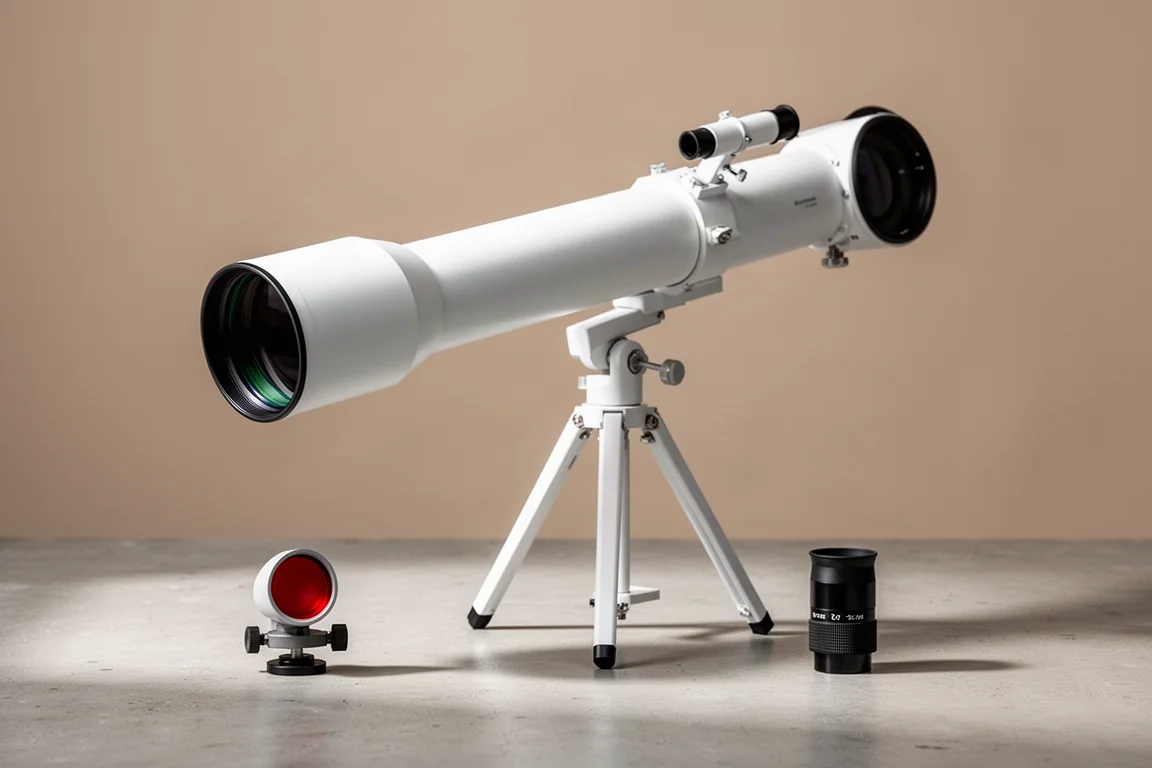
This review focuses on the Explore Scientific FirstLight 102mm refractor with a 1000mm focal length, including how it stacks up against the Celestron Inspire 100 AZ and Explore Scientific’s own FirstLight 114mm Newtonian, two of the most popular entry-level alternatives.
What to Check Before Buying Any Telescope, New or Used
A few lessons from years of buying telescopes second-hand apply here. Decide on the exact model first and never buy the first telescope that fits your budget. Only a small fraction of telescopes listed for sale, new or used, are worth considering at any price. And if something does go wrong, manufacturers are usually helpful even when the telescope was bought used.
Explore Scientific FirstLight 102mm Refractor
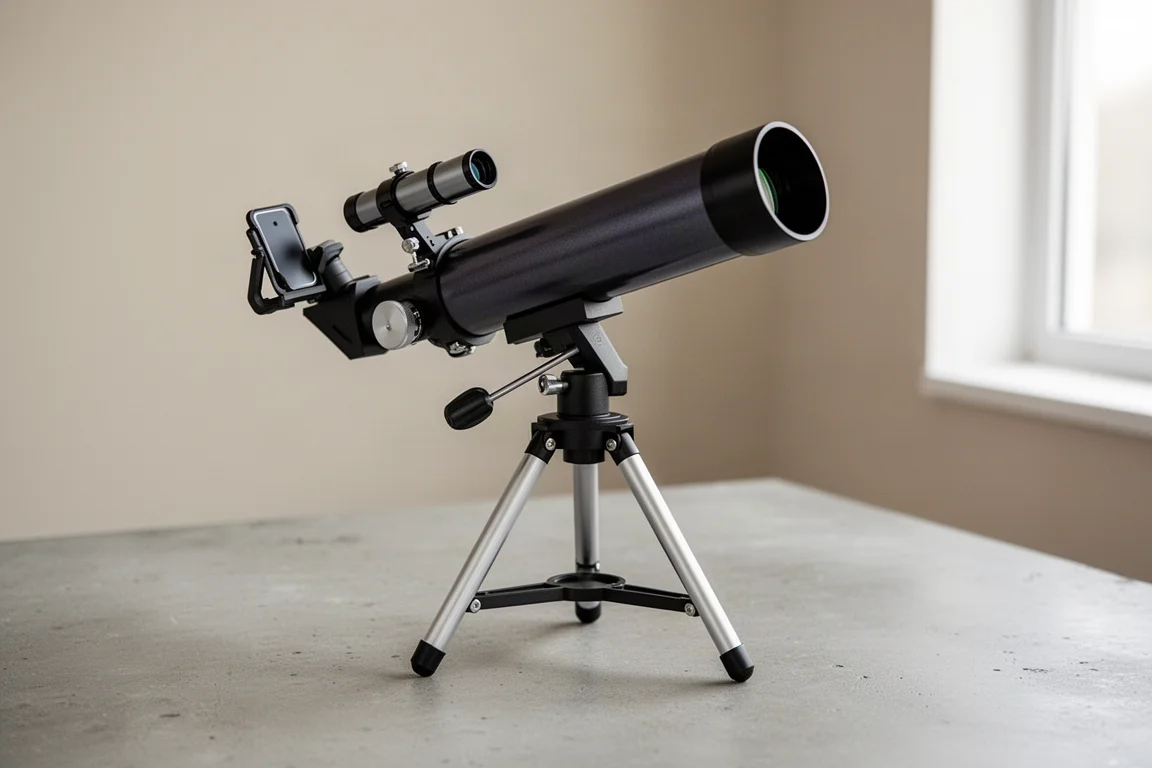
The FirstLight 102mm is a long-focus refractor with 102mm of aperture and a 1000mm focal length, giving it a focal ratio of f/9.8. Maximum useful magnification is around 200x, which you can reach with something like a 10mm eyepiece and a 2x Barlow, though in practice most viewing through a small telescope stays closer to 100x and looks better for it.
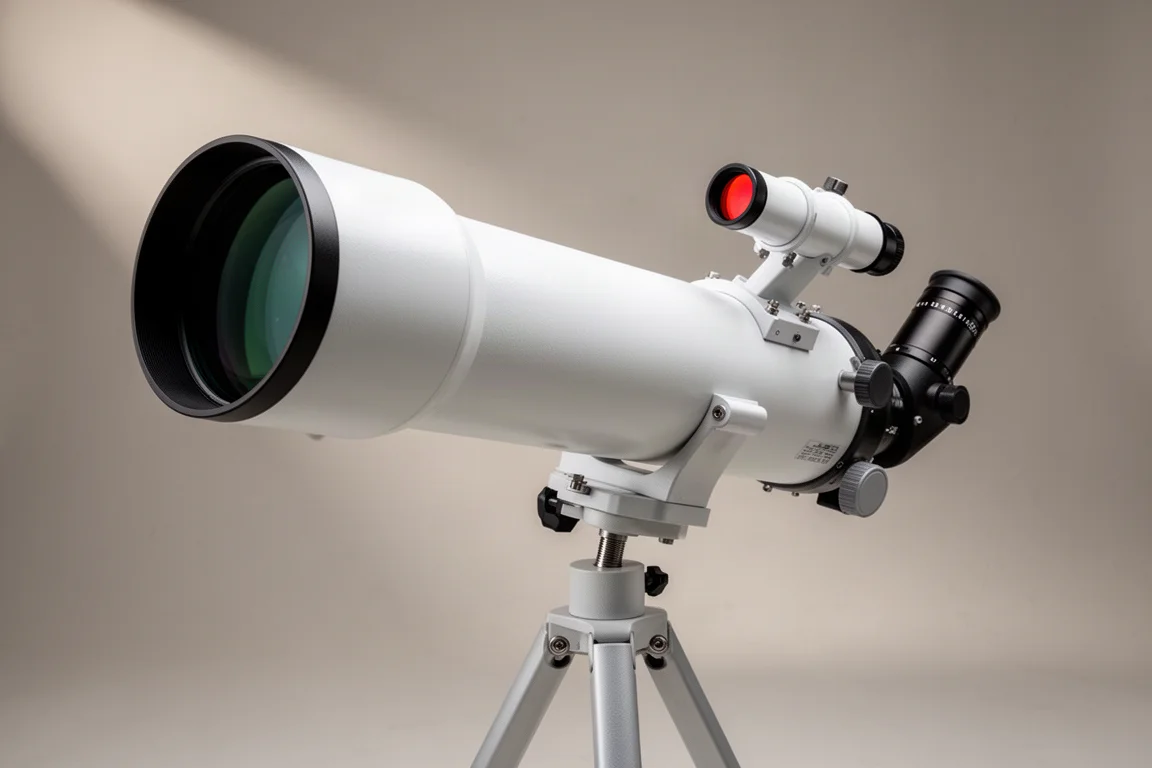
Out of the box, this example arrived with real problems: a broken mount bracket, bent diagonal screws, missing finder screws, a pressed-in red dot that needed popping free, and no diagonal included at all. None of that speaks to the optics, which proved excellent. On a first clear night the view showed no visible aberrations, and the first impressions were of remarkable clarity.
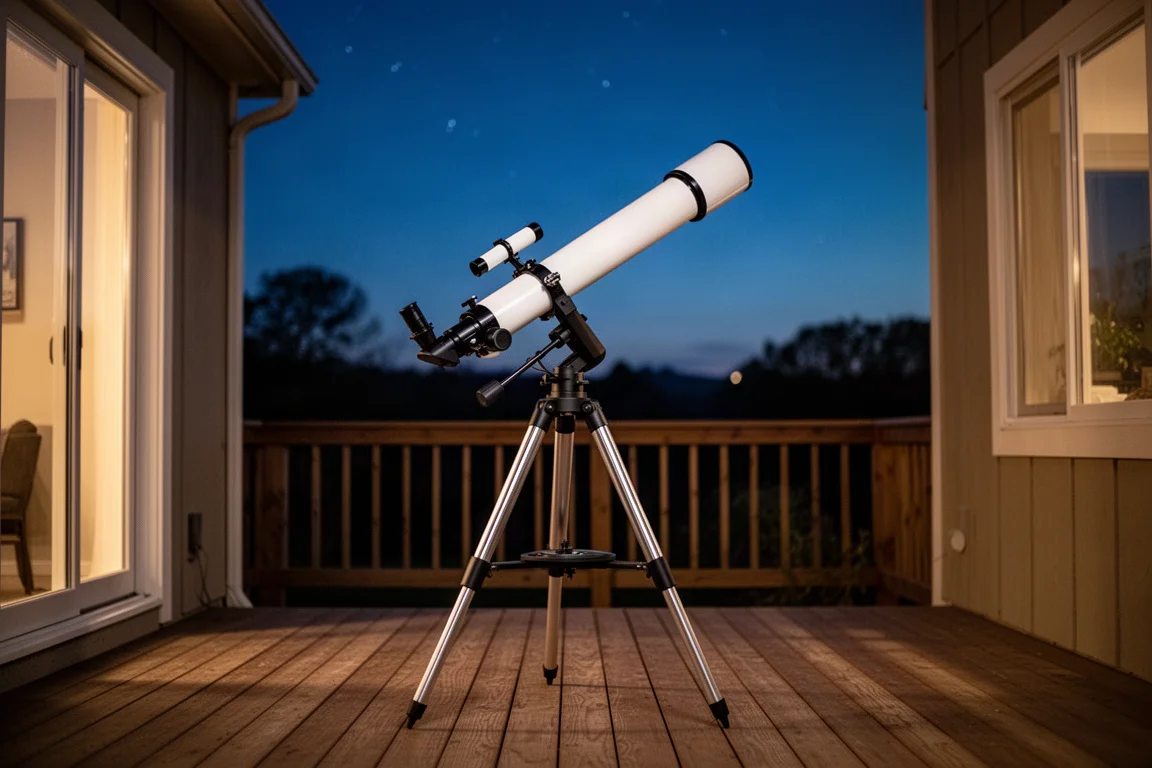
New, this telescope generally sells with a mount for around $699, or about $350 for the optical tube alone. One thing to know before buying: the same product page on Explore Scientific’s site covers more than one variant of this aperture, including a shorter focal length model, so confirm you are ordering the 1000mm version.
Optical Performance and Astrophotography
For visual observation this is where the scope earns its keep. Stars came out round and free of false colour in testing, and the long focal length suits lunar and planetary viewing especially well.
The website also claims the telescope works for astrophotography. That claim deserves clarification, because it most plausibly means lunar and planetary imaging rather than deep sky work. Still, when the scope was mounted on a tracking equatorial mount and pointed at the Bubble Nebula, the results after 34 exposures were surprisingly strong: round stars, good colour, and a pleasing open cluster in the same field. It is not a dedicated imaging scope, but it clearly does more than its beginner price point suggests.
Versatility and Accessories
The real advantage over cheaper beginner scopes is design flexibility. The 2-inch focuser accepts large two-inch eyepieces with the adapter removed, and on a mount with slow motion controls, such as the Twilight mount, it is a comfortable scope to stargaze with from a chair.
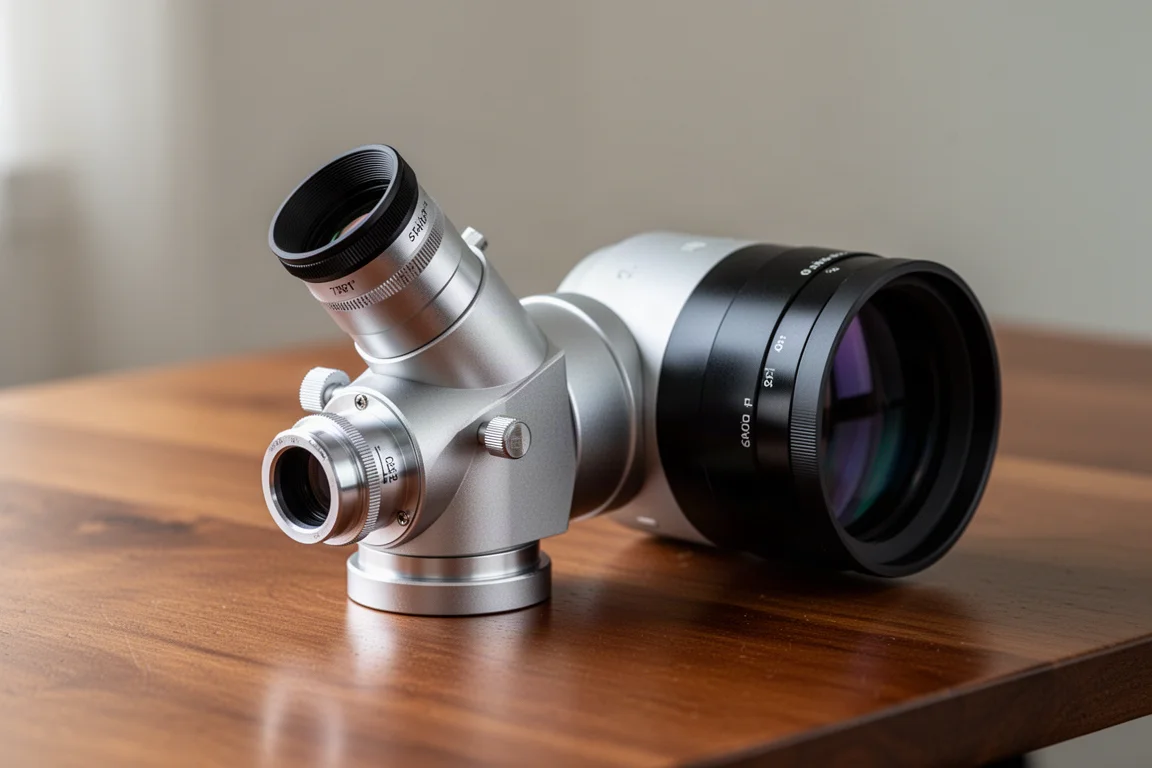
It is worth budgeting beyond the tube itself, though. Between the mount, tax, and a decent 2-inch eyepiece, a realistic all-in investment for this telescope approaches four figures. It is a genuinely nice beginner telescope, but the price point is well above average for the aperture.
How It Compares in the Field
At a public stargazing session, somewhere between 50 and 100 people looked through this telescope alongside the Celestron Inspire 100 AZ and were asked to compare the views. Most could not tell the difference, which makes sense given the two scopes share the same aperture.
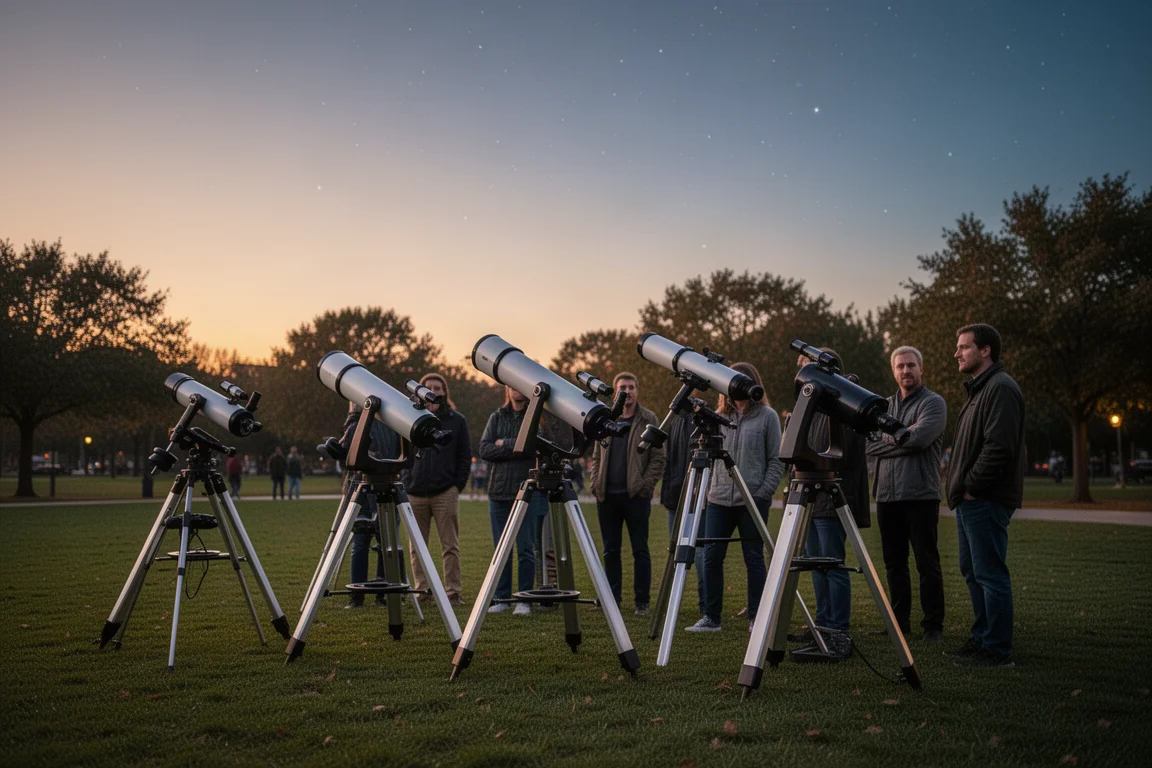
The Celestron Inspire 100 AZ is the simpler, more affordable package for pure visual use. Where the Explore Scientific pulls ahead is versatility: 2-inch eyepiece support, slow motion control compatibility, and surprisingly usable astrophotography. The Inspire’s appeal is value and simplicity for casual backyard viewing.
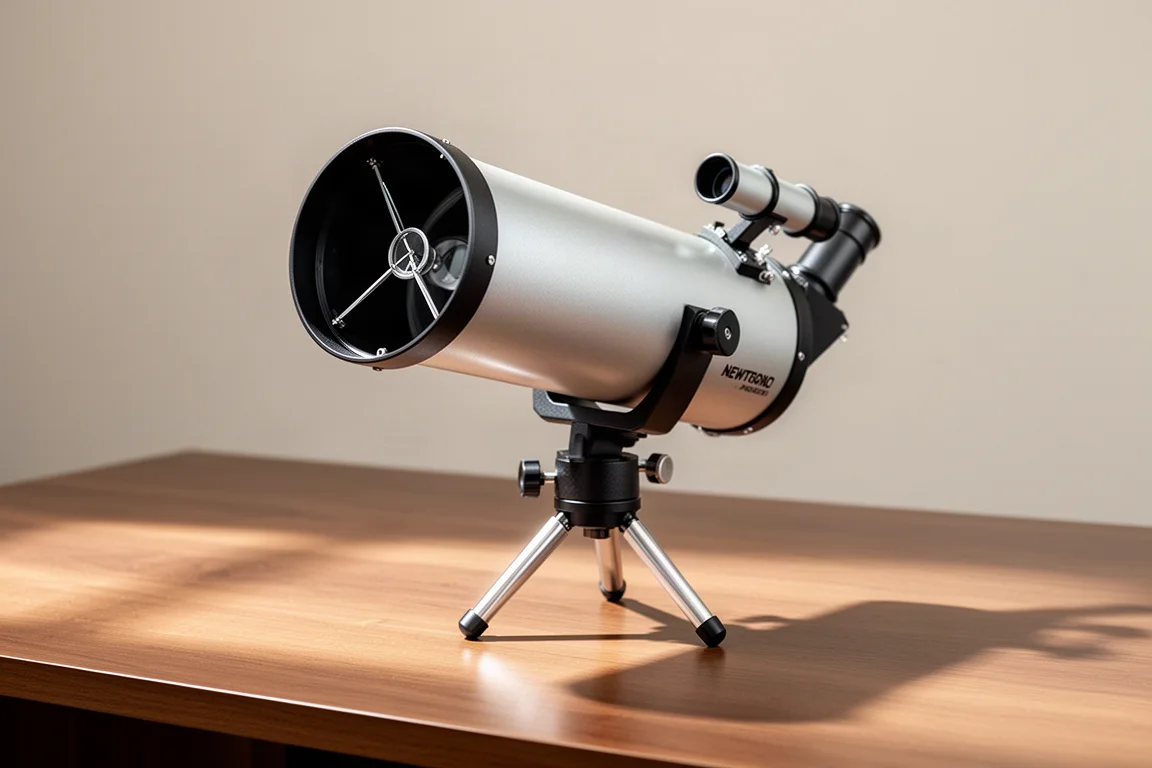
The Explore Scientific FirstLight 114mm Newtonian is the other natural comparison at around $229. Newtonians deliver more aperture for the money, and a Dobsonian-style reflector generally outperforms the refractor if judged purely on light gathering. The trade-offs are a different viewing experience and less of the refractor’s pointing comfort and accessory flexibility.
Things to Consider Before Buying
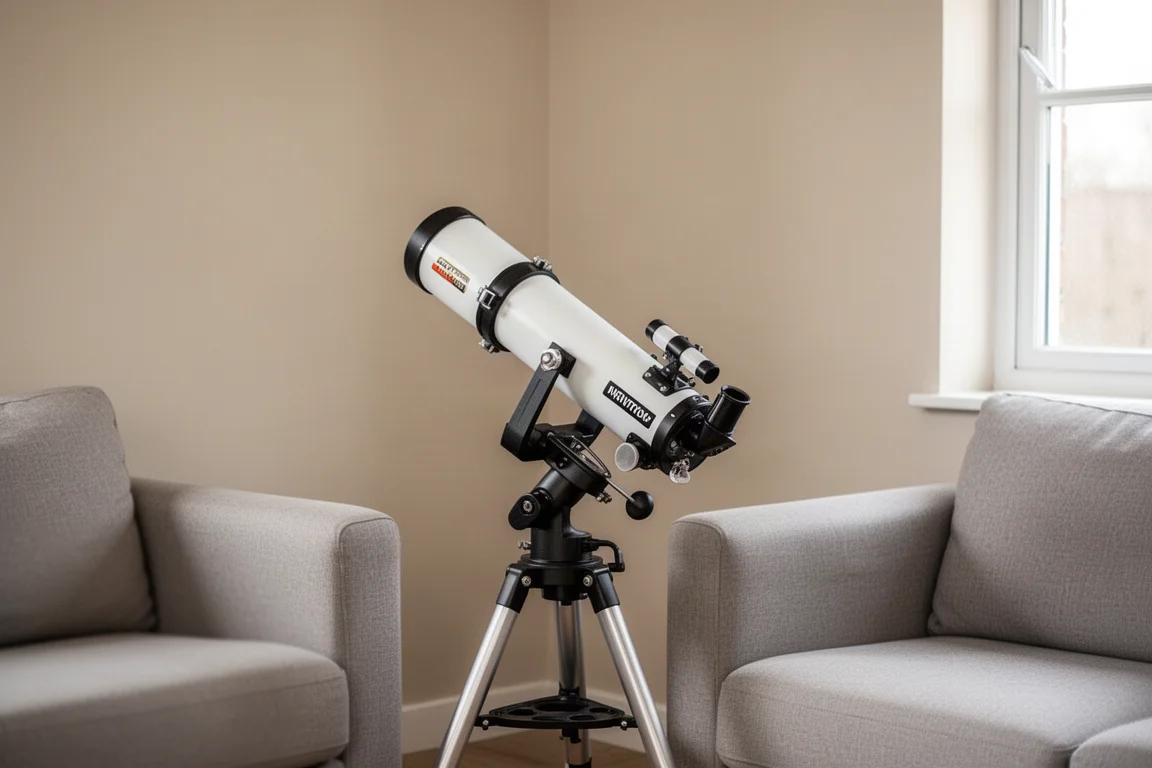
This is a long telescope. That length makes it susceptible to wind and general shakiness, so it wants a sturdy mount, and a go-to mount is worth considering if the budget stretches. It is also a physically large instrument that needs real storage space.
Buying Advice
If you love the idea of stargazing from a chair, using slow motion controls, and eventually trying your hand at lunar and planetary imaging, the FirstLight 102mm is a solid and rather beautiful choice. If raw aperture per dollar is the priority, a Dobsonian, which often sells below $500 and takes up less room in the house, remains the smarter buy.
For shoppers eyeing the used market, one cautionary note: this particular used unit needed repairs that, all in, were estimated at around $300 to put right, and in this case buying new would likely have been the better move. If you do buy used, buy the exact model you have already researched, and buy from a seller with a return policy.
Conclusion
The Explore Scientific FirstLight 102mm refractor delivers excellent optics, 2-inch eyepiece flexibility, and even credible astrophotography, at a price that asks you to know exactly what you want. The Celestron Inspire 100 AZ covers the budget visual observer, and the FirstLight 114mm Newtonian covers aperture seekers. Match the telescope to how you actually observe, and all three are easy to recommend in their own lane.
Further reading
Related Reviews

Telescopes
Sightron SJ75 UF and Sky-Watcher HS125: Two Telescopes Worth Watching
A look at two notable telescopes from a recent camera and optics expo: a sharp new astrograph from Sightron Japan and a compact fast reflector from Sky-Watcher.

Telescopes
SV503 102ED Review: A Budget 102mm Refractor That Surprises
The SV503 102ED is an affordable 102mm doublet refractor that delivers surprisingly decent star shapes and a smooth focuser, despite some chromatic aberration and light falloff.

Telescopes
SVBony MK127 Review: A Compact Maksutov-Cassegrain That Surprises
The SVBony MK127 is a 127mm Maksutov-Cassegrain telescope with a unique 0.65x reducer, making it a versatile option for visual astronomy and even some deep-sky imaging.