Kitchen Gear
Expensive Kitchen Gear Worth It? Our Honest Spend-or-Save Guide
From a $1,000 indoor pizza oven to high-end blenders and stand mixers, we sort the premium kitchen gear worth saving up for from the purchases you'll regret.
Introduction
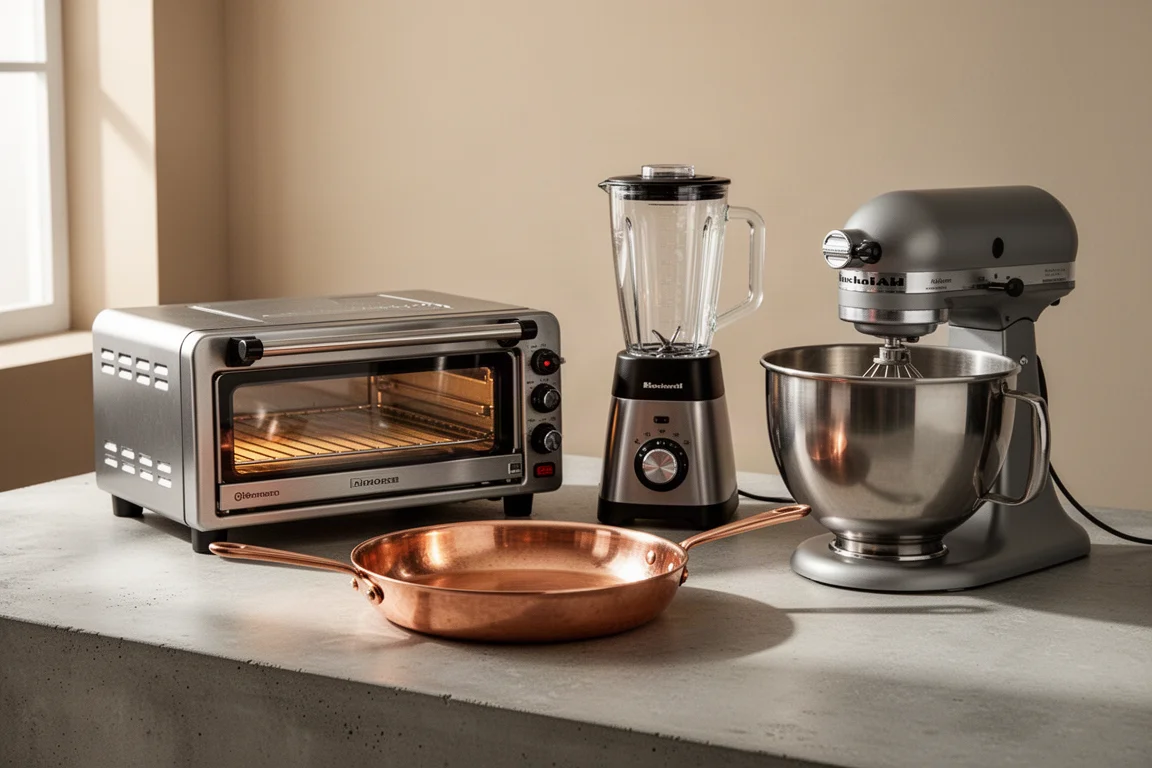
Premium kitchen gear is tempting, and expensive. There are thousands of products competing for a place in your kitchen, at wildly different prices and quality levels, and it is all too easy to make a bad investment, especially with big-ticket items. We put a range of high-end equipment to the test: an indoor pizza oven, smart cocktail machines, luxury blenders, an all-in-one cooking machine, copper cookware, and two very different stand mixers. Some of it is genuinely worth saving up for. Some of it is not. Here is where to spend and where to save.
Indoor Pizza Ovens: Breville Pizzaiolo
A few years back, a roundup of indoor pizza ovens produced disappointing results, and the fallback solution became a pizza stone or pizza steel (the steel is slightly preferred: more durable, and it conducts heat in a way that produces a more tender, airy crust). The downside is that getting great results requires preheating your oven for a full hour.
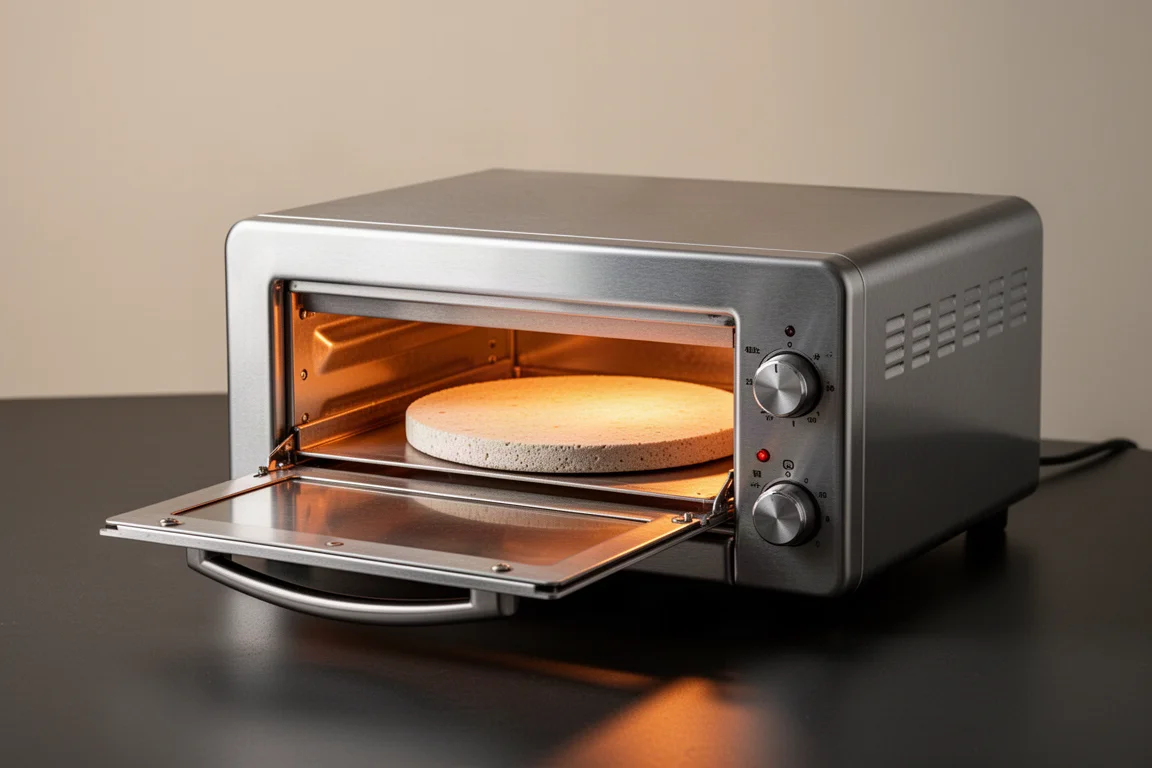
The Breville Pizzaiolo promises to change that. It reaches 750-degree professional pizza oven temperatures in 10 to 20 minutes, and it has two coiled heating elements, one under the stone and one in the roof, plus seven preset settings from pan pizza to thin and crispy to wood fired, and a manual mode for dialing in exactly what you want. A two-week pizza party during testing left even seasoned pizza makers thoroughly impressed: thin, tender pizzas with crispy crusts. It heats quickly, stays hot, can cook thin-crust pizzas in two to four minutes, and stays relatively cool on the outside. The sliding stone, which moves outward and downward when you open the door, makes loading safer and easier, and the clear dials are easy to use.
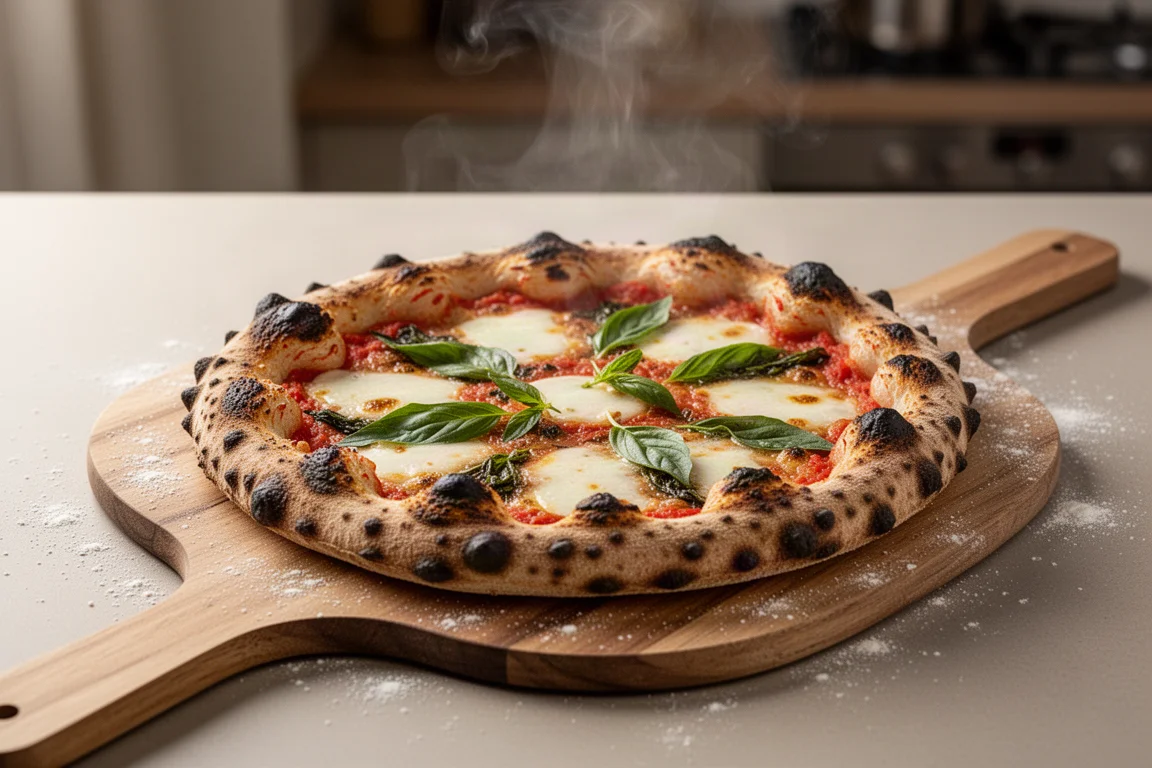
The drawbacks are real, though. It costs about $1,000, weighs around 30 pounds, and takes up significant counter or storage space. Expect some discoloration from cooking, and note that the 11-inch peel and 12-inch stone mean smaller-scale pizzas only; larger recipes need scaling down. It also cooks more on one side than the other, so rotating the pizza during cooking is required for even results. If you have the budget and love pizza, it delivered on what it promised. If not, a baking steel and an hour-long preheat can still get you fantastic results.
Smart Cocktail Machines: Spend on the Scale, Skip the Pods
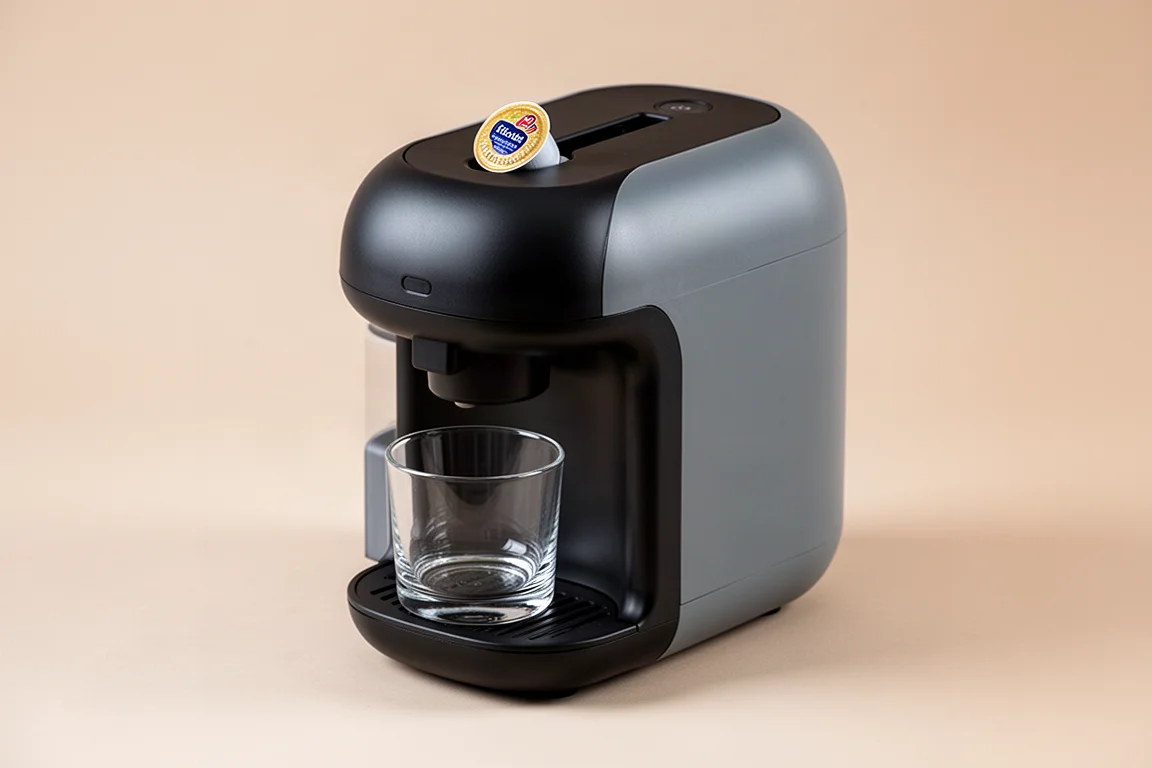
Smart cocktail machines fall into two categories: smart scales that walk you through making a cocktail step by step, and Keurig-style machines that use pods containing concentrated juices, bitters, and flavorings, combining them with water and liquor through a series of tubes while reading the barcode on top of each pod.
The pod-style machines, including the Bartesian and the Bev by Black and Decker, are not recommended. The best cocktails are made with fresh juices, and these machines limit you to whatever is inside the little plastic capsule. The pods are not cheap and were often out of stock or hard to source.
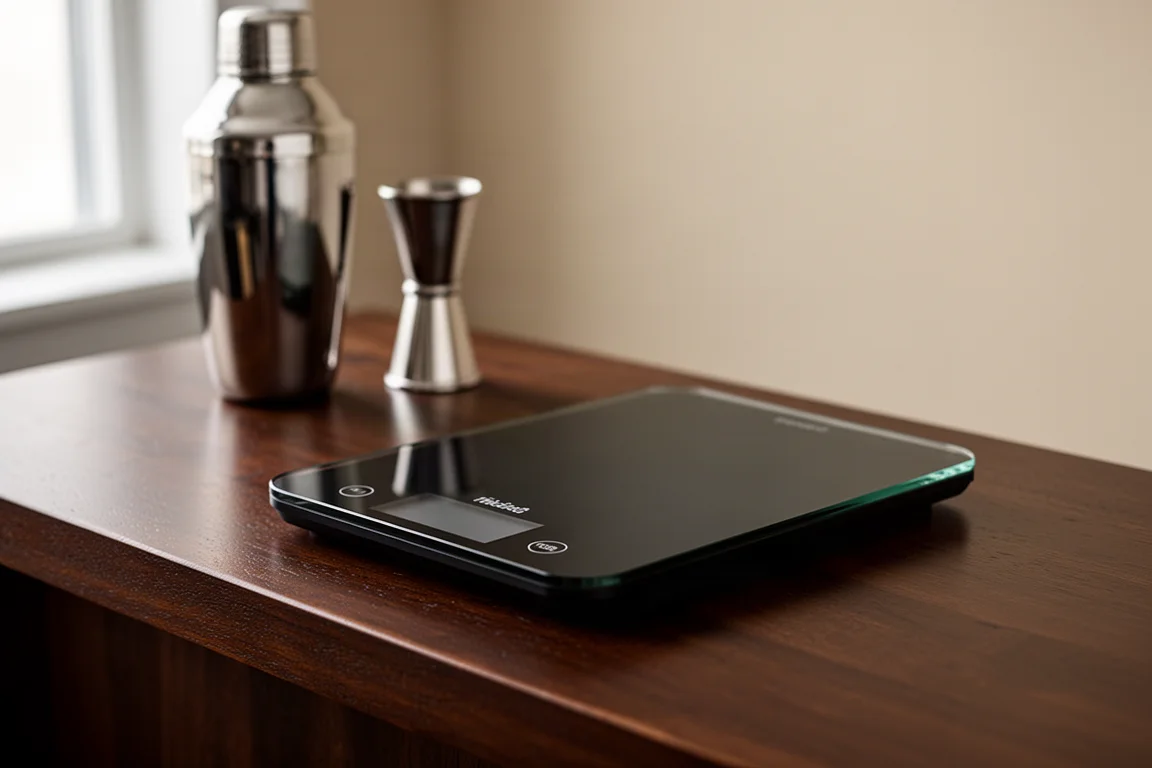
The better pick is the Perfect Drink PRO, a smart scale that guides you through cocktail making step by step. It is easy to use and set up, has nice controls, and the app held its phone connection reliably throughout testing. At around a hundred dollars, it is also far less expensive than the pod-style models. That said, if you genuinely want to get into cocktails, upgrading your bar gear (a good shaker, jiggers, bar spoons) is still the more rewarding path.
High-End Blenders: Vitamix 5200 and A2500
The most common blender question: are expensive models actually worth it? There are winners at every price point, because not everyone can spend $500 on a blender. But if you can, the longtime high-end winner is the Vitamix 5200, a machine that started in restaurant kitchens and migrated home.
Its control panel has just three features: an on/off switch, a speed dial, and a switch for a second level of power. Simple, yet there is little it cannot do. Its ~1,500-watt motor turned out better results than blenders in the 2,500-watt range, proving that raw power is not everything; the highest-wattage model tested actually blended too fast to properly emulsify, producing extremely frothy mayonnaise and soups. What the 5200 does exceptionally well is dense, velvety blends, thanks to its tall, skinny jar that keeps contents concentrated near the blades. Wider jars let ingredients travel farther and crash around, generating foamier results. One caveat: the 5200 does not fit under standard cabinet height.
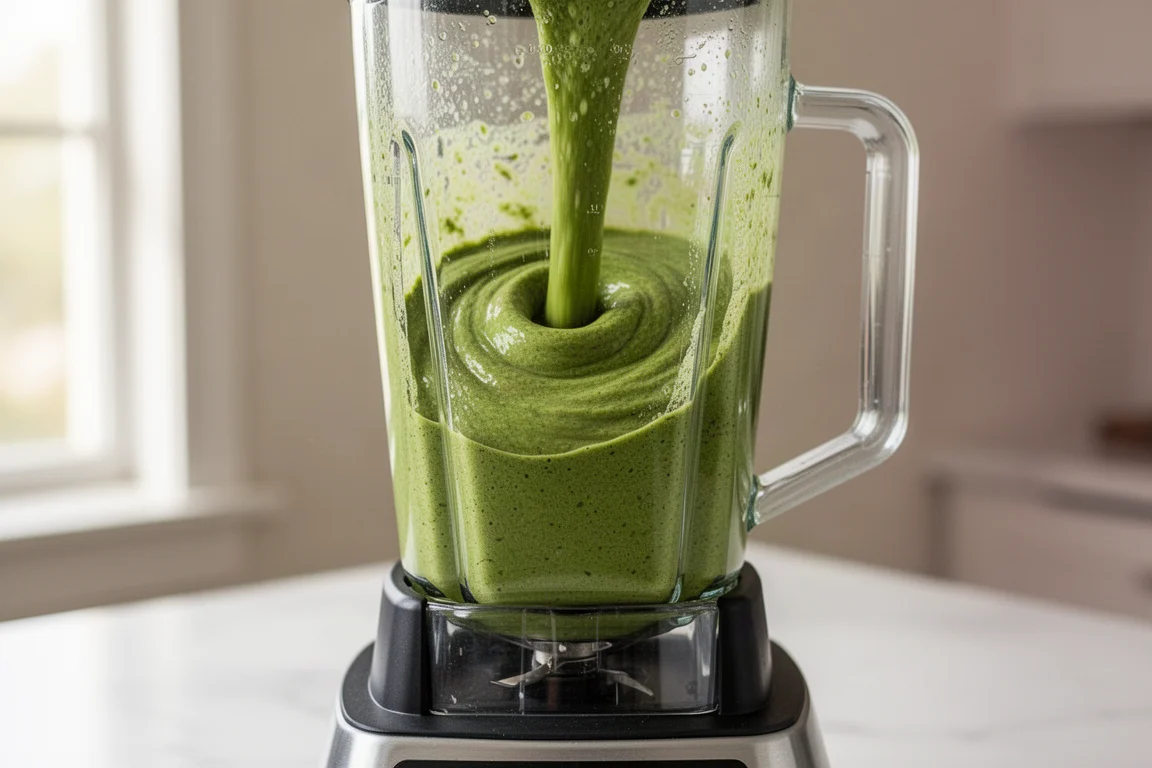
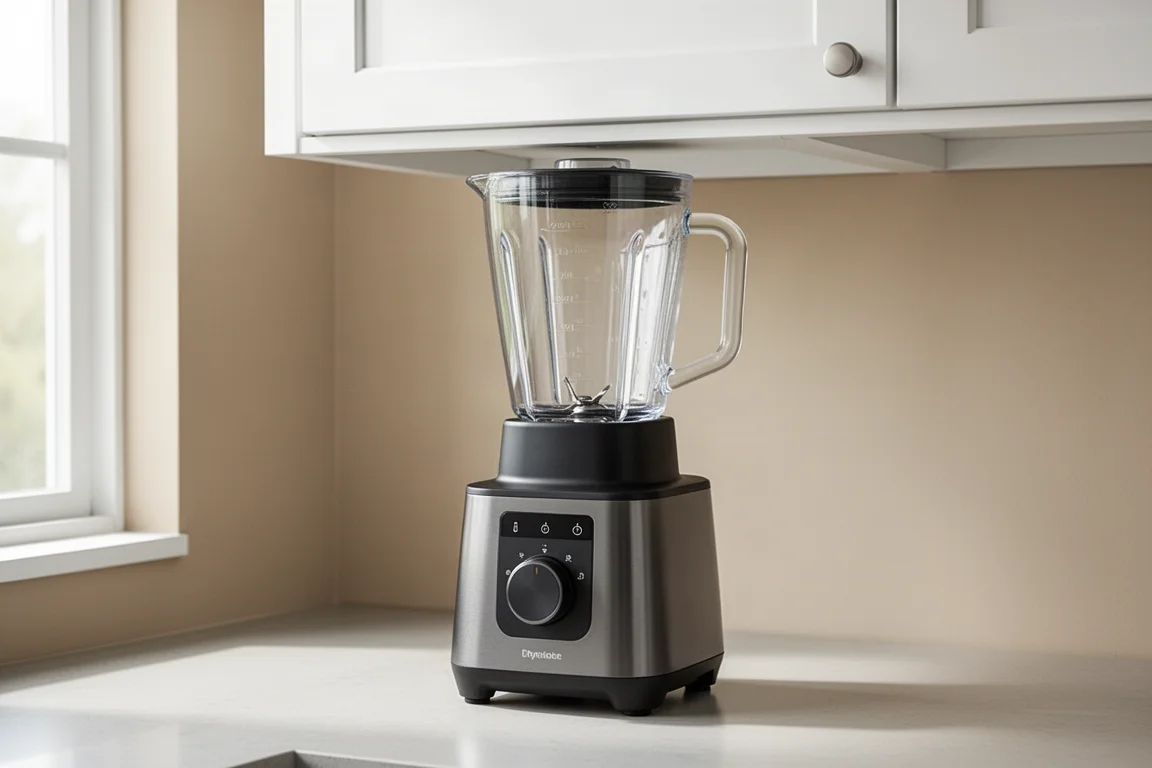
For that reason, the Vitamix A2500 is also recommended. Its jar is a little wider, but at 17 inches it fits nicely under standard cabinets, with slightly frothier but still super smooth and creamy results. Noise matters too: no high-end blender is quiet, but models under 100 decibels are preferred, and the A2500 measured much quieter than its competitors.
Two practical notes: do not put these jars in the dishwasher, as they can warp. And for a DIY self-clean, add a little soap and water and run on high for a minute. What you are really paying for is longevity; these machines often run well past their seven-year warranty, and some get passed down a generation.

All-in-One Machines: Thermomix
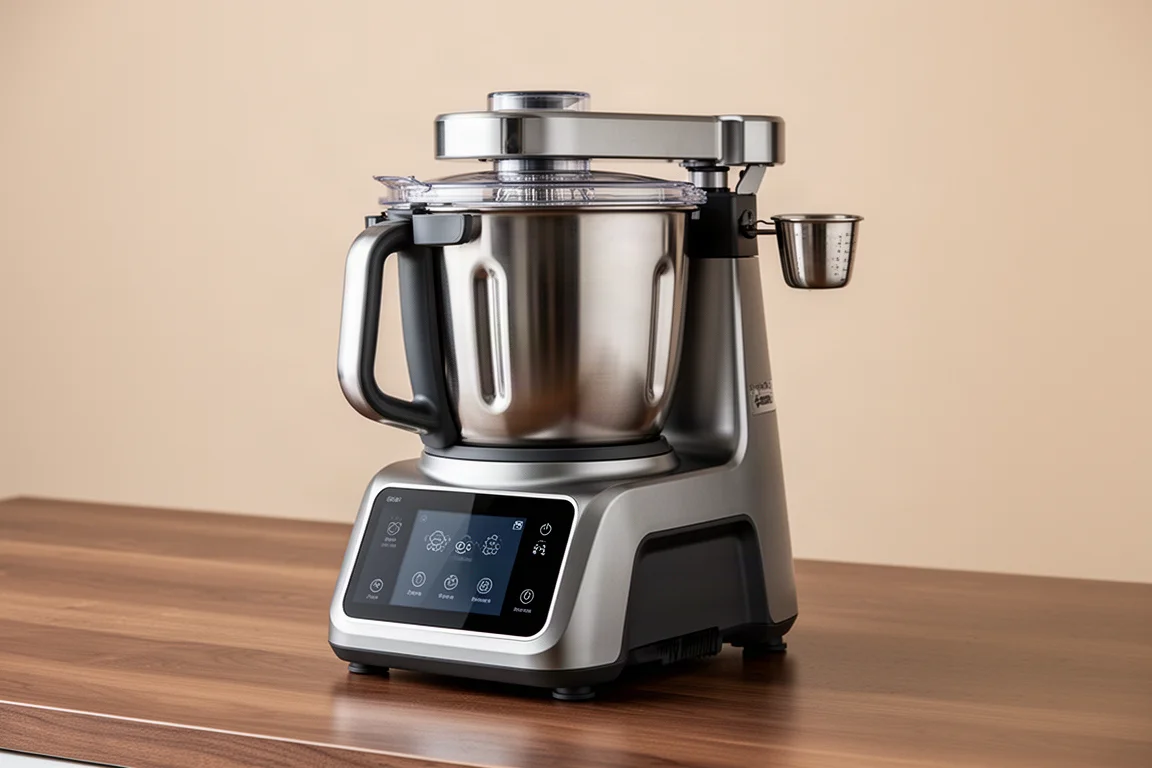
The Thermomix is an all-in-one machine popular throughout Europe, Australia, five-star restaurants, and even luxury yachts. Like all machines in this category, it uses an enclosed heating element in the base with a jar on top and a set of attachments designed to let you cook everything in one vessel. It costs $1,500, so it promises a lot: to replace your food processor, stand mixer, and blender.
Compared head to head against winners in each of those categories, the results were mixed. As a stand mixer, it did a great job with dough. As a food processor, it chopped all right, but checking progress means peering through a little hole in the lid or stopping and removing the whole lid, which made achieving a chopped mirepoix fiddly, and it cannot slice or shred. As a blender, its stout, wide jar left chunks unprocessed in a kale, frozen pineapple, and orange juice smoothie that a regular blender handled beautifully.
Cooking is where it differentiates: an enclosed heating element, lots of settings, and access to an online recipe database with subscription, plus a large user community. But the blades cannot be removed and are always turning, so food gets pureed when you least want it, and meat moves too much against the hot surface to brown properly. Recipes not developed specifically for the machine are hard to use, which feels limiting at this price. If you truly want to live in the Thermomix world, sure. But a winning food processor, stand mixer, and mid-price blender together cost less and each does more in its own way.
Copper Skillets: Mauviel vs All-Clad Tri-Ply
Copper cookware has always been associated with fine cooking, and for good reason: copper transfers heat second only to silver, making it about 1.5 times as responsive as aluminum and 25 times more responsive than stainless steel. Turn the heat up and it gets hotter almost instantly; turn it down and it cools just as fast.
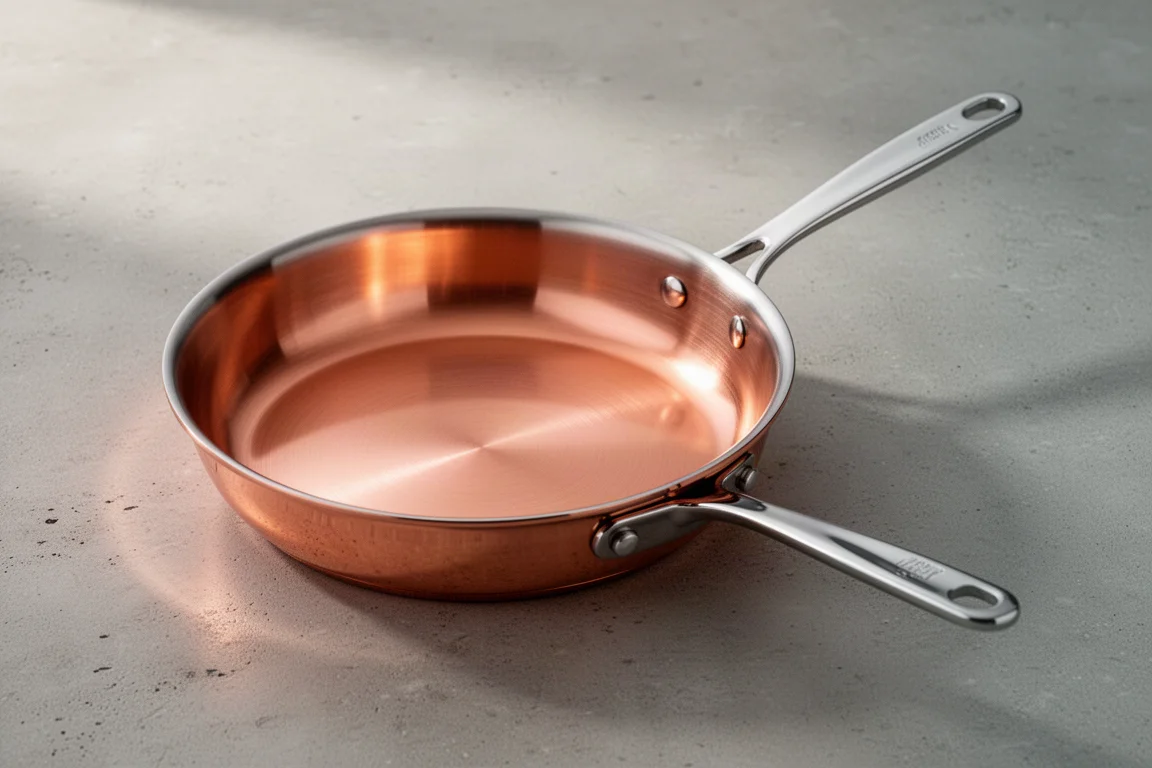
There is a catch: copper is highly reactive and will leach into food with acidic ingredients like tomatoes and citrus, so it must be lined. The traditional tin lining is thin with a slight non-stick quality, but it is not heat-safe above about 425 degrees; a pan lined with tin was ruined simply by browning butter in it. The newer method uses a very thin layer of stainless steel, which is more durable, totally non-reactive, and evens out hotspots. Our copper winner is the Mauviel, with a 90% copper, 10% stainless composition that works really well.
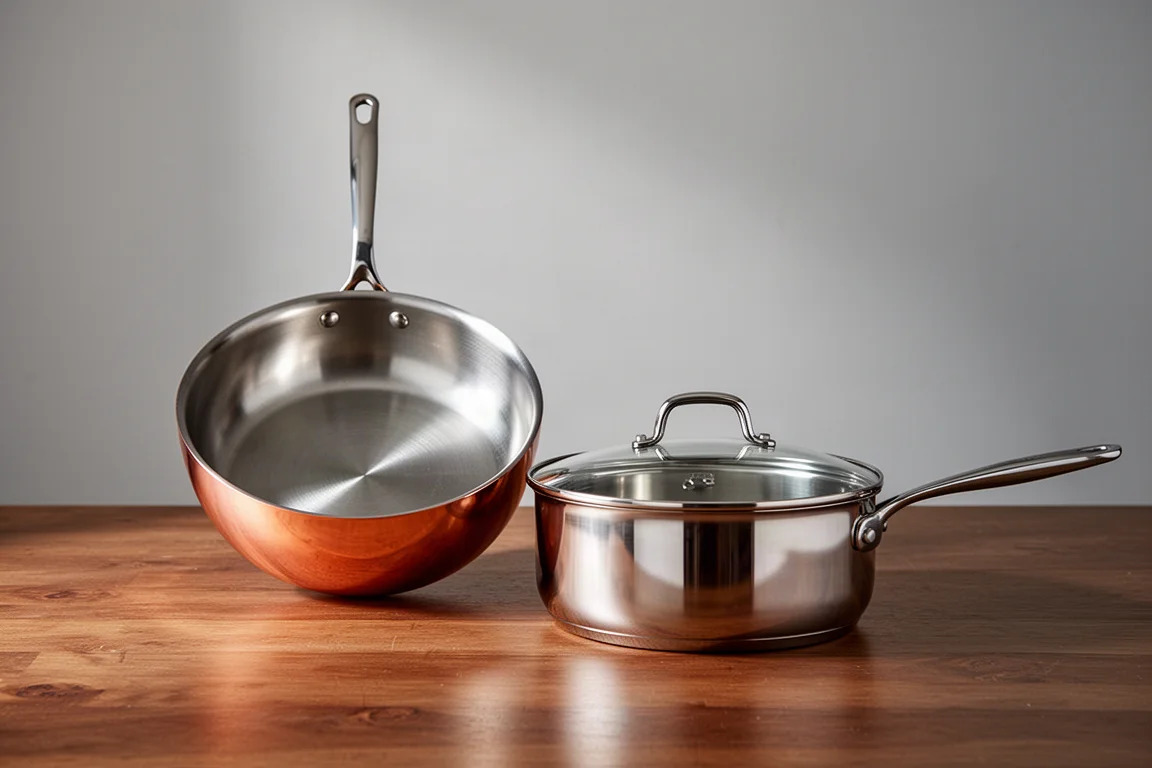
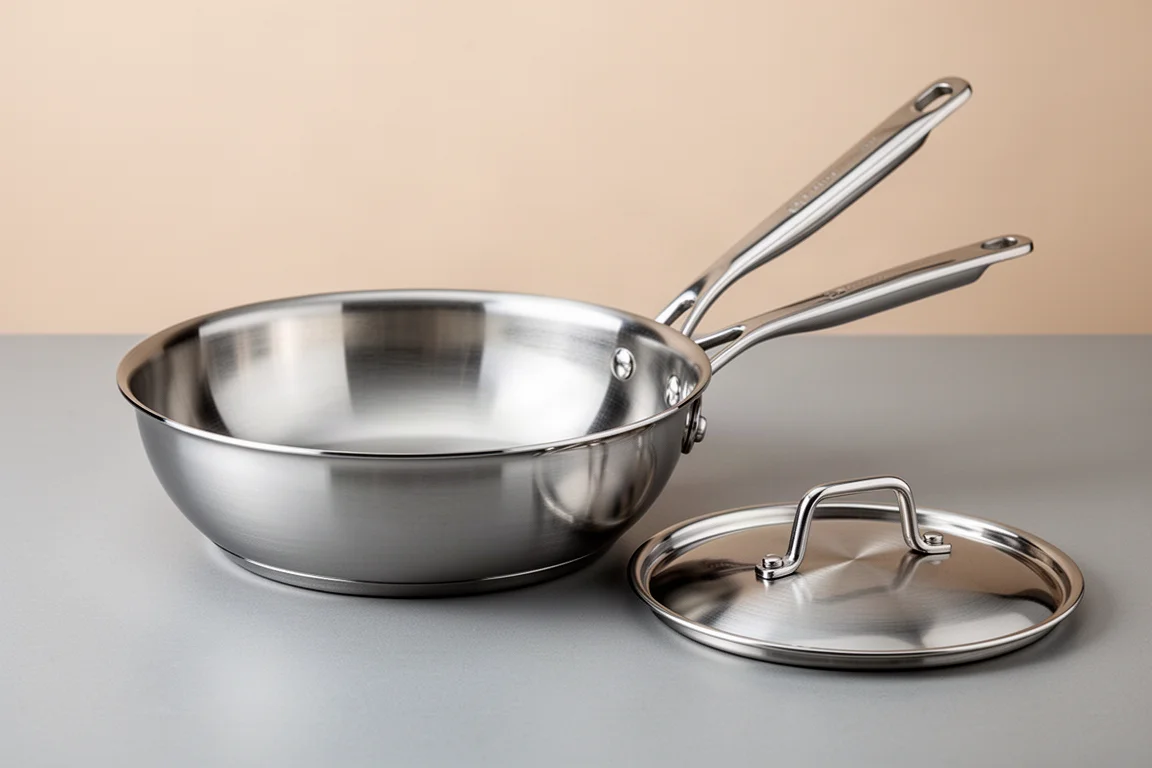
But here is the spend-or-save math: the Mauviel costs almost four times as much as the winning All-Clad tri-ply fully clad pan (stainless, aluminum, stainless, with a lid included), and while the copper is beautiful and very nice, it did not perform four times as well. Copper is also not induction compatible. A copper-core multi-clad pan (stainless, aluminum, copper, aluminum, stainless) offers some of that responsiveness with induction compatibility, but costs about twice the tri-ply. Performance-wise, you are much better off with the All-Clad.
Stand Mixers: Ankarsrum vs KitchenAid Pro 7 Quart
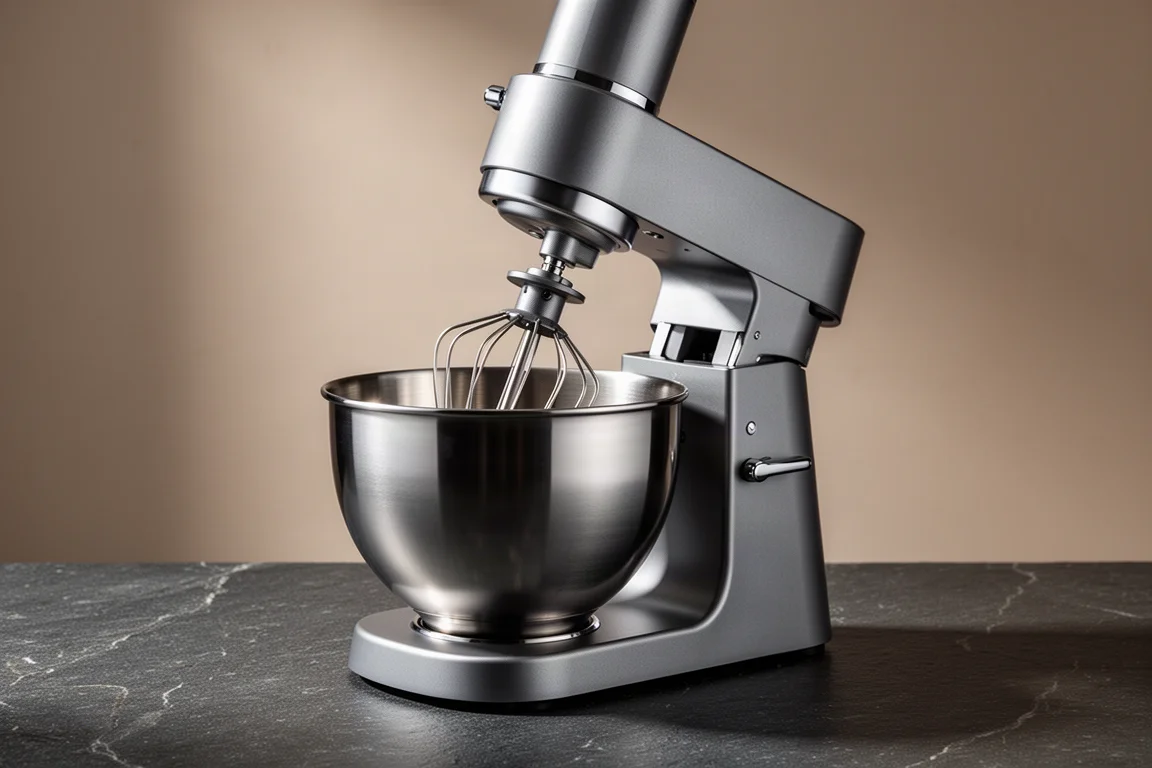
Stand mixers are the category where a genuinely different design deserves attention. The Ankarsrum, new to the United States but made in Sweden and throughout Europe since the 1940s, flips the usual layout: the motor sits in the base with the bowl on top, and the bowl turns rather than the beaters. The initial learning curve is real (the manual is not that specific), but the design has real advantages.
The parts look different from what you know: a dough hook that travels around the bottom of the bowl, a rolling mechanism that presses dough against the bowl wall, a clear bowl attachment with tools that travel through it for whipping cream and egg whites, and smaller paddles for cookie dough. For bread, pizza, and heavy doughs, the giant steel bowl and heavy-duty hooks deliver serious torque. We made really stiff, dry bagel dough and the machine did not walk, did not move, and did not struggle. It is guaranteed for seven years, and the open bowl design makes adding ingredients and watching progress easy.
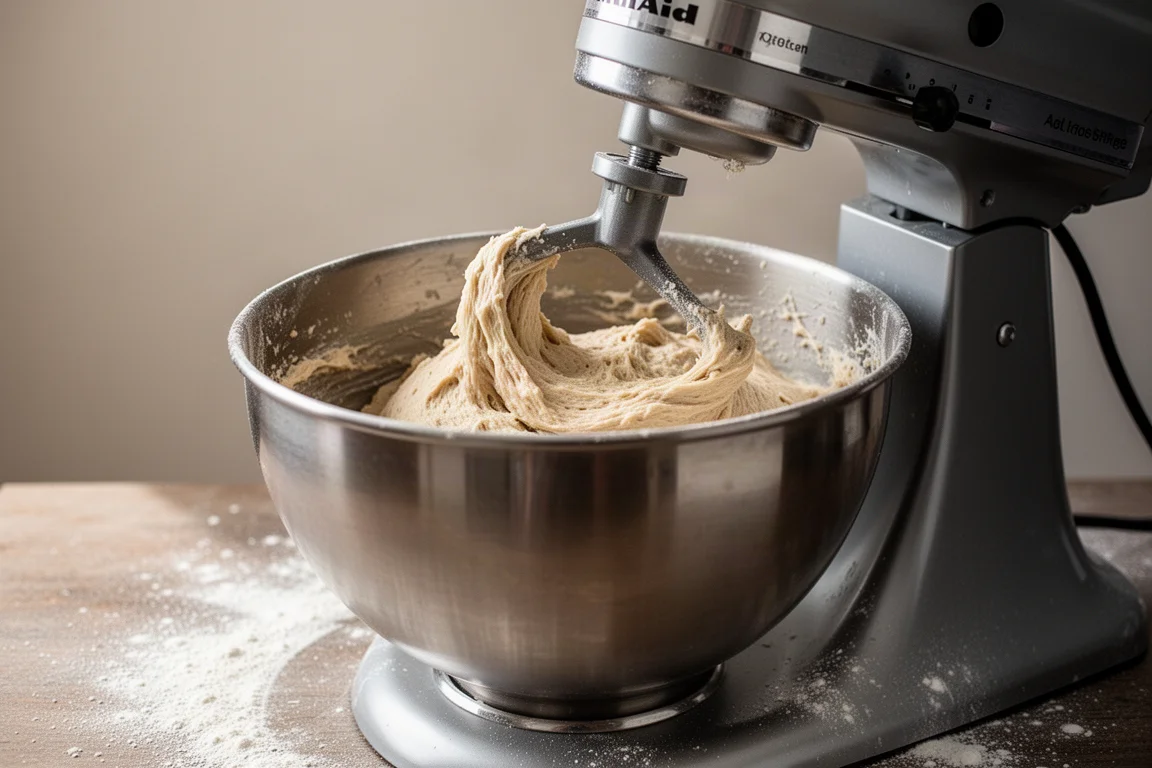
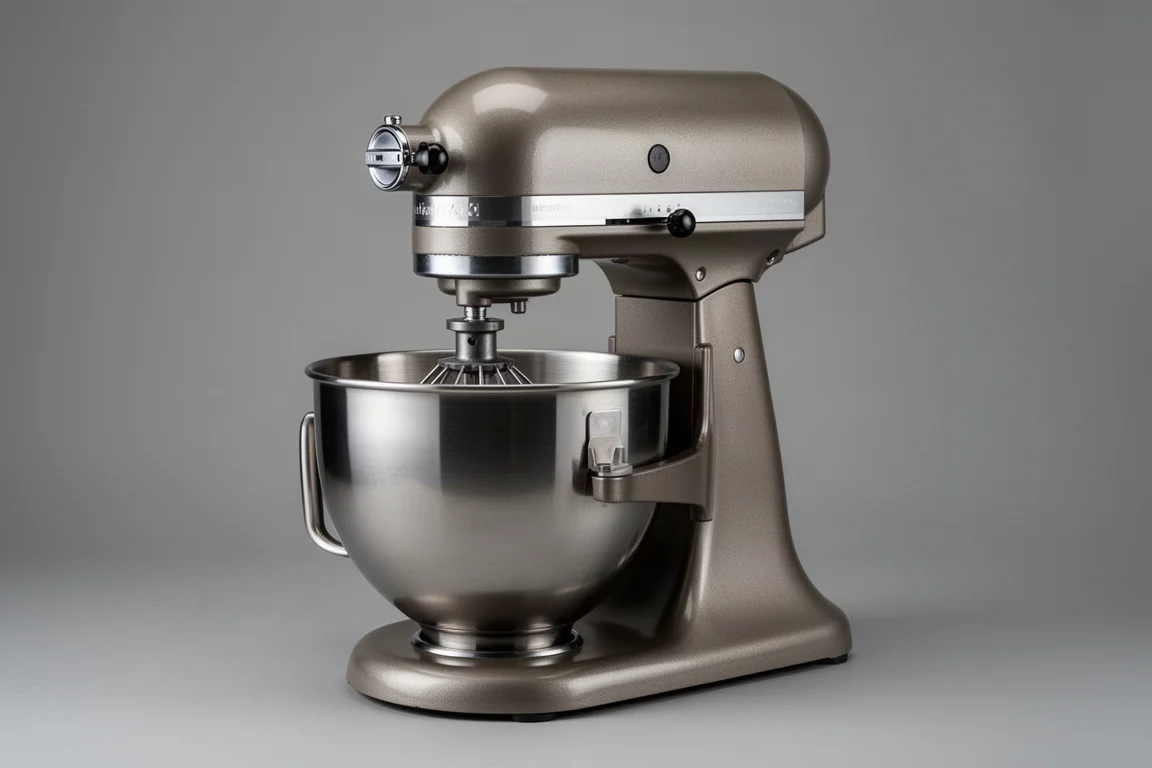
By comparison, KitchenAid tells you never to knead dough above speed two, and the high-end model tested, a great machine with 11 speeds, still required restraint to protect the motor; it took longer but came out fine. The Ankarsrum costs within $100 of the top-of-the-line 7 Quart KitchenAid Pro, and comes with a blender, grain mill, pasta maker, and ice cream machine built around its unique design, so you are not giving up attachment versatility. If you bake a lot, especially heavy doughs, and have burned out machines before, the Ankarsrum is a worthy investment. KitchenAid is not the only name in the game.
The Verdict: Spend or Save
Worth the spend: the Breville Pizzaiolo if pizza is a passion and the budget exists; the Vitamix 5200 or A2500 for longevity and blend quality; the Mauviel if you want copper for its beauty and responsiveness, knowing the All-Clad tri-ply performs nearly as well for far less; the Ankarsrum if you bake serious doughs regularly; and the Perfect Drink PRO as an affordable, genuinely useful cocktail helper.
Worth skipping: pod-based cocktail machines like the Bartesian, which trade fresh ingredients for convenience and ongoing pod costs, and the Thermomix unless you are fully committed to its ecosystem; dedicated appliances do more for less combined cost.
Conclusion
Expensive kitchen gear earns its price only when it matches how you actually cook. The Pizzaiolo delivers on professional pizza at home, the Vitamix pays off in decades of service, and the Ankarsrum opens up heavy-dough baking that lesser mixers cannot handle. Everything else, from smart scales to fully clad pans, rewards a measured approach: buy the tool that does your most frequent job exceptionally well, and save the difference everywhere else.
Further reading
Related Reviews

Kitchen Gear
Best and Worst Kitchen Gear for 2026: Stand Mixers, Pressure Cookers, and More
A practical guide to kitchen appliances worth buying and models to avoid, based on hands-on testing of stand mixers, pressure cookers, citrus juicers, dish racks, and espresso machines.

Kitchen Gear
Best Budget Kitchen Gear: Eight Value Picks That Punch Above Their Price
Eight kitchen tools that delivered excellent performance at a reasonable price, plus the trade-offs to weigh before you buy.
Kitchen Gear
Best Kitchen Gear Gifts: Seven Tested Picks From Budget to Splurge
Seven kitchen tools that earned their place, from a $15 vegetable peeler to a $1,000 indoor pizza oven.