Everyday Carry
Everyday Carry Update 2025: Budget Finds and a Few Premium Upgrades
Thirteen everyday carry items tested over two months, from a $16 folding knife to a MagnaCut fixed blade and a flashlight that might be the best value on the market.
Introduction
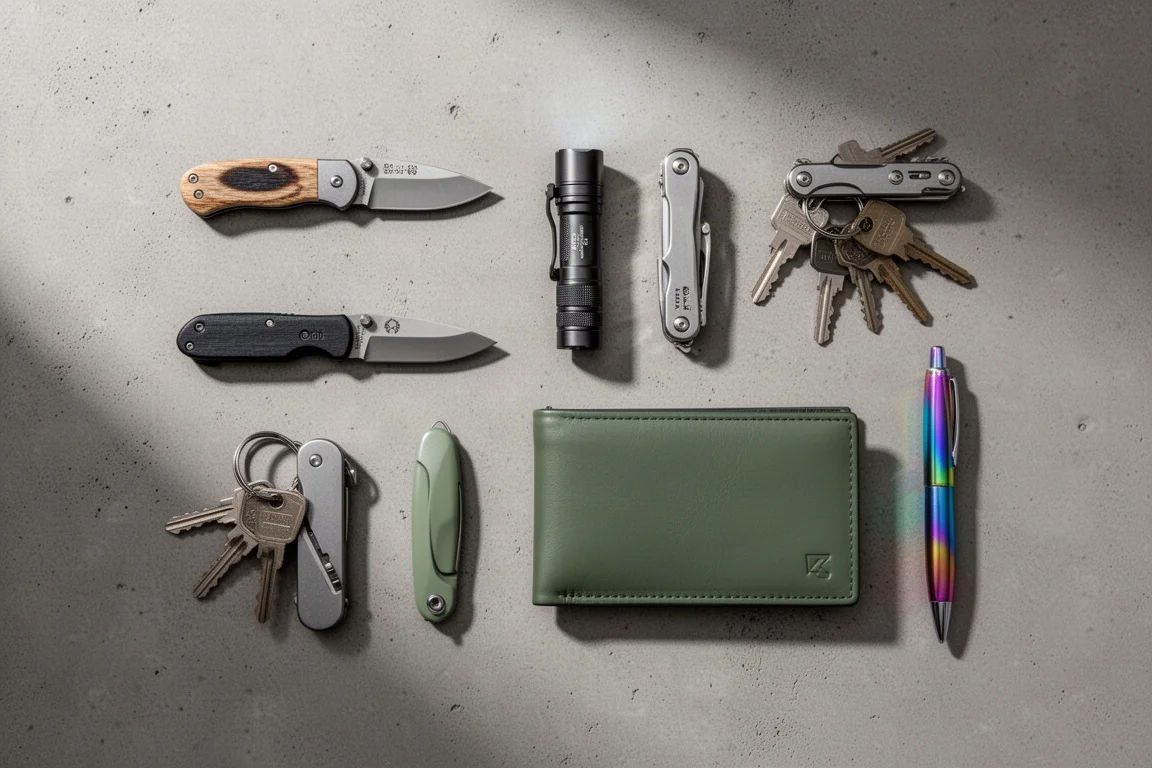
After two months of carrying only items priced at $20 or less, the experiment produced some genuinely strong findings, plus a handful of premium items worth breaking the budget for. This update covers what stayed, what got replaced, and one discovery that may have earned a permanent spot in the rotation. The overall takeaway: budget EDC is in great shape, but a few categories, especially flashlights and fixed blades, justify spending more.
Guardian Eagle Folder
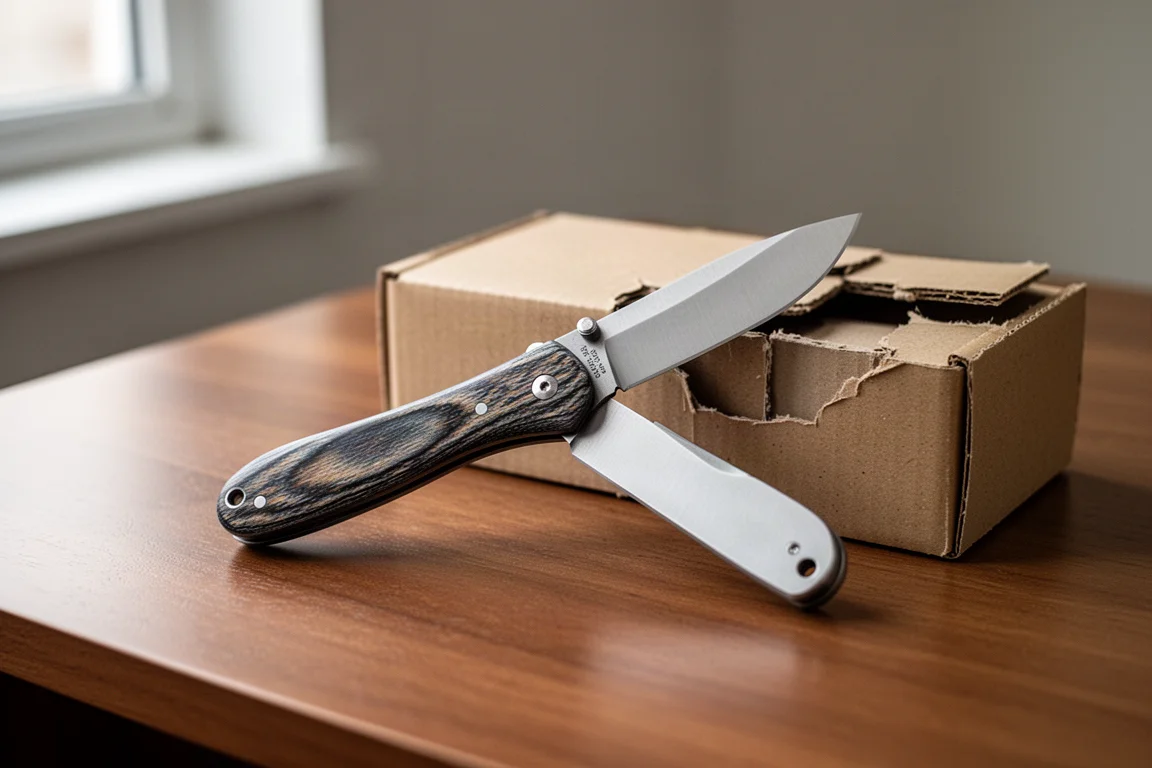
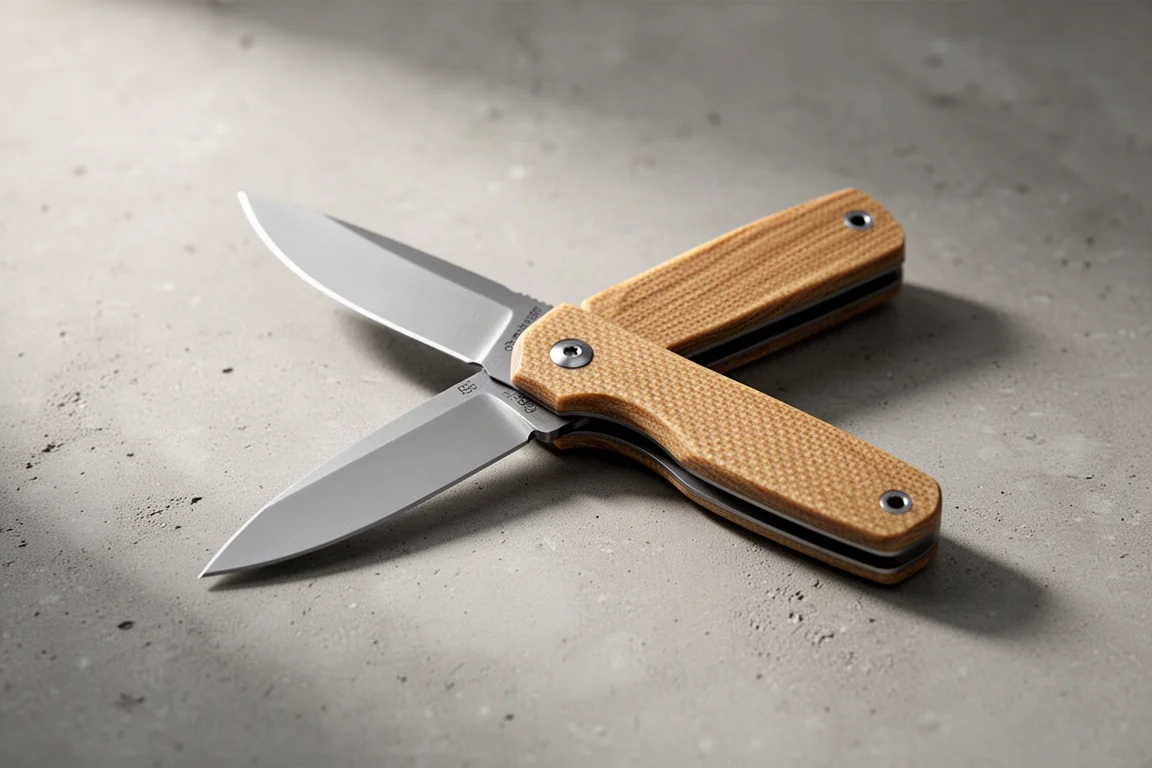
The standout budget knife of the experiment. The Guardian Eagle folder uses D2 blade steel with micarta handles at around $16, and almost everything about it is done right: a recessed screw clip, a well-executed blade grind, and a properly finished sharpening section. The main limitation is that it is right-hand capable only. It served as the only folding knife for about a month and performed so well that it is easy to recommend as a sub-$20 option, a gift, or a loaner knife.
Rite in the Rain Field Wallet
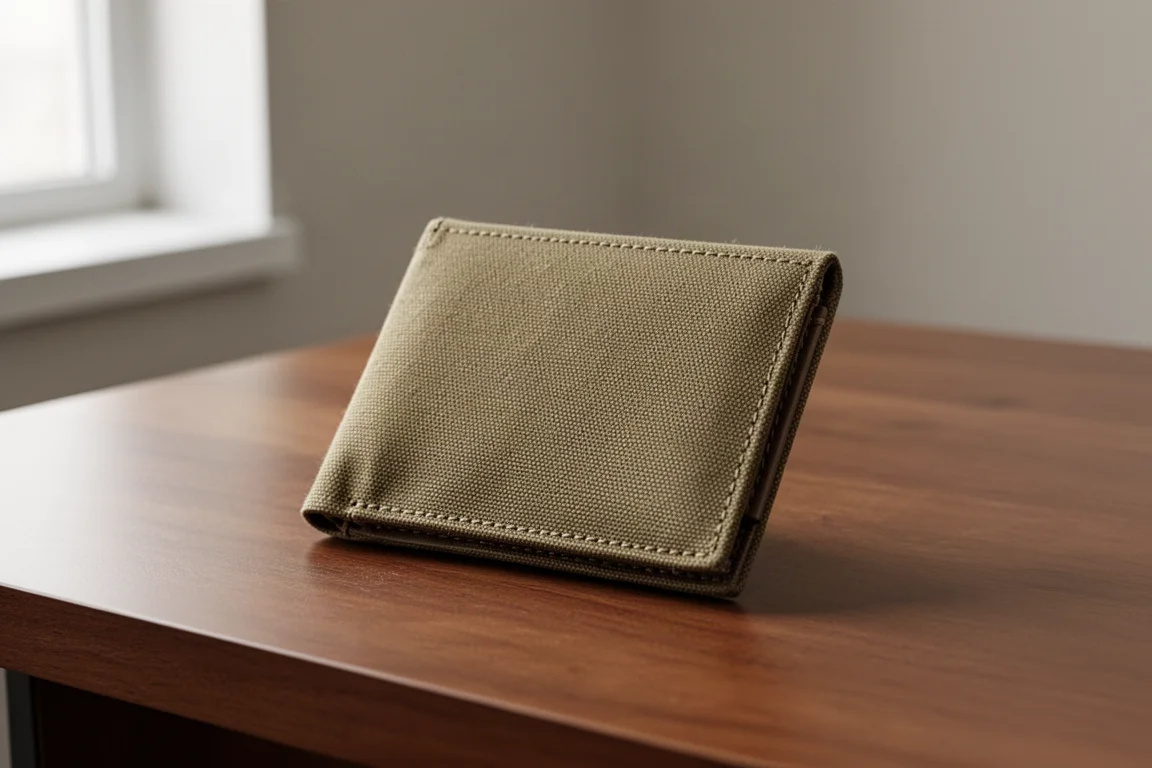
The Field Wallet from Rite in the Rain has been carried plenty before and it held up again with no complaints whatsoever. It is a proven, reliable option that simply did its job without issues. If you want a no-drama wallet that works, this remains an easy call.
Parker Jotter
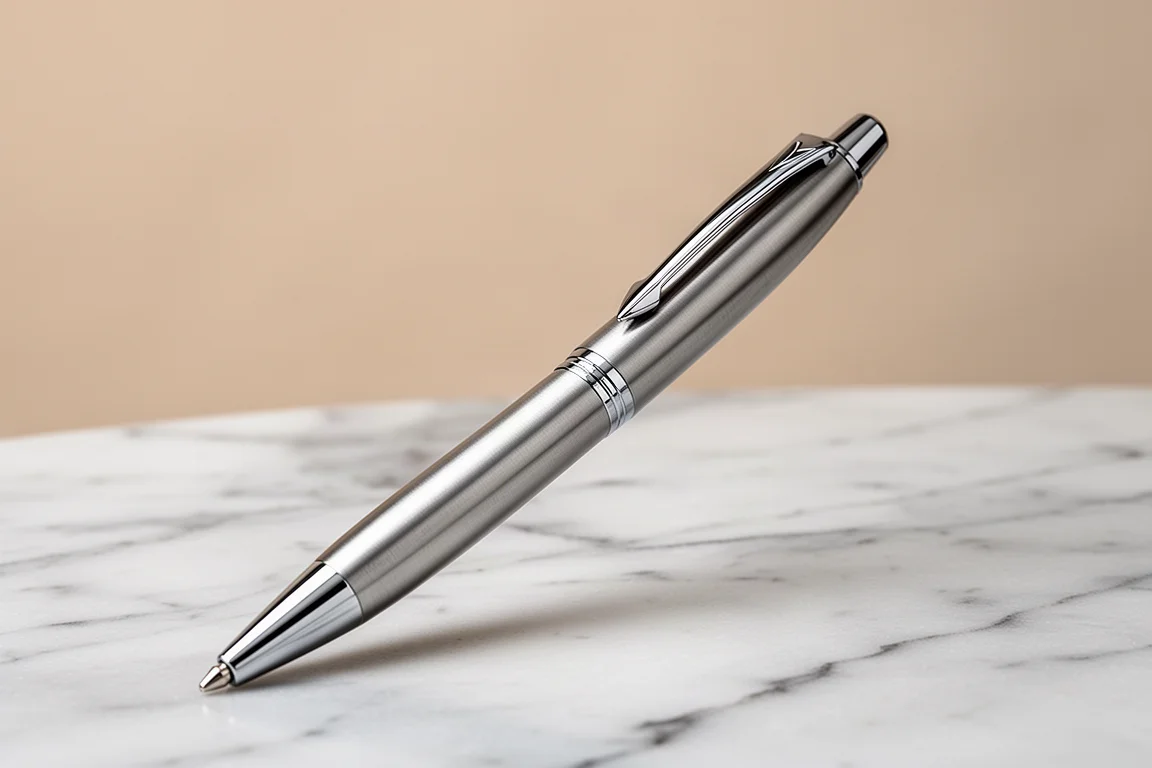
The all-metal Parker Jotter with its narrow barrel was given a second chance, and the original impression held: it is just not very comfortable to write with for extended sessions. Some people prefer a narrow barrel, but for a sub-$10 non-disposable pen there are better options with wider barrels, more refill variety, and lower prices, such as the F701 or the F301 compact at three or four dollars. The Jotter simply was not the right fit.
Cold Steel Miniak
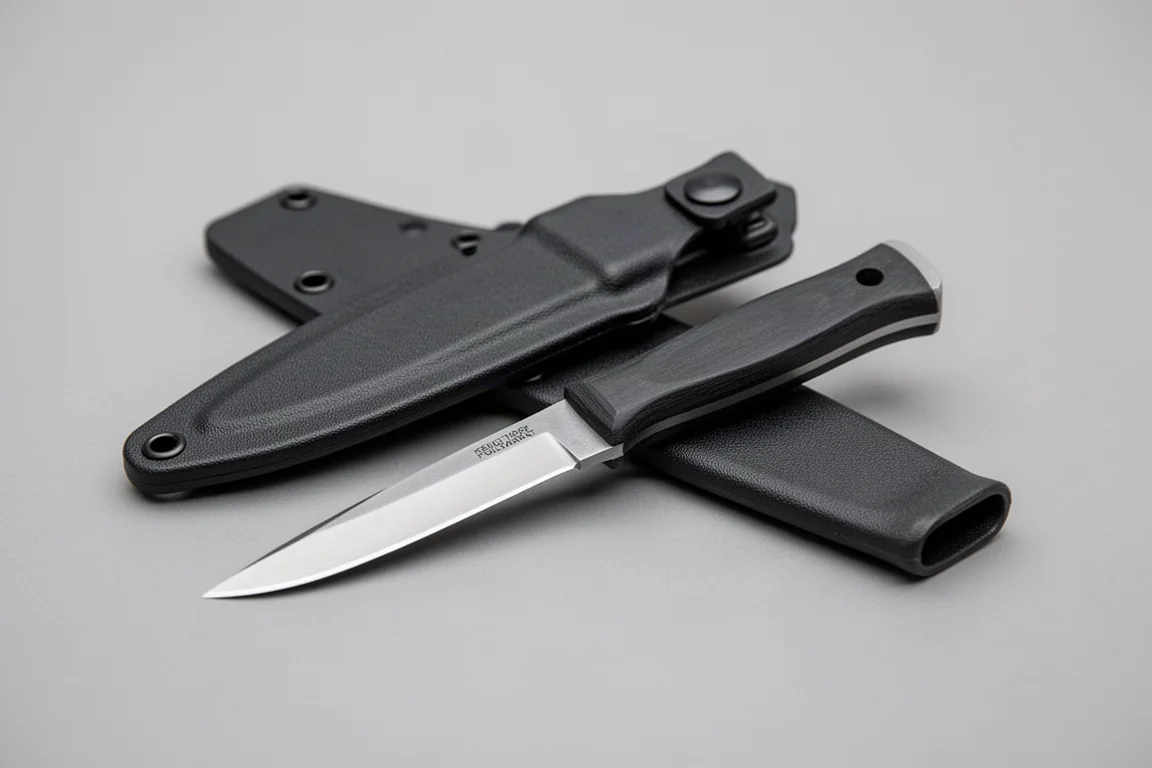
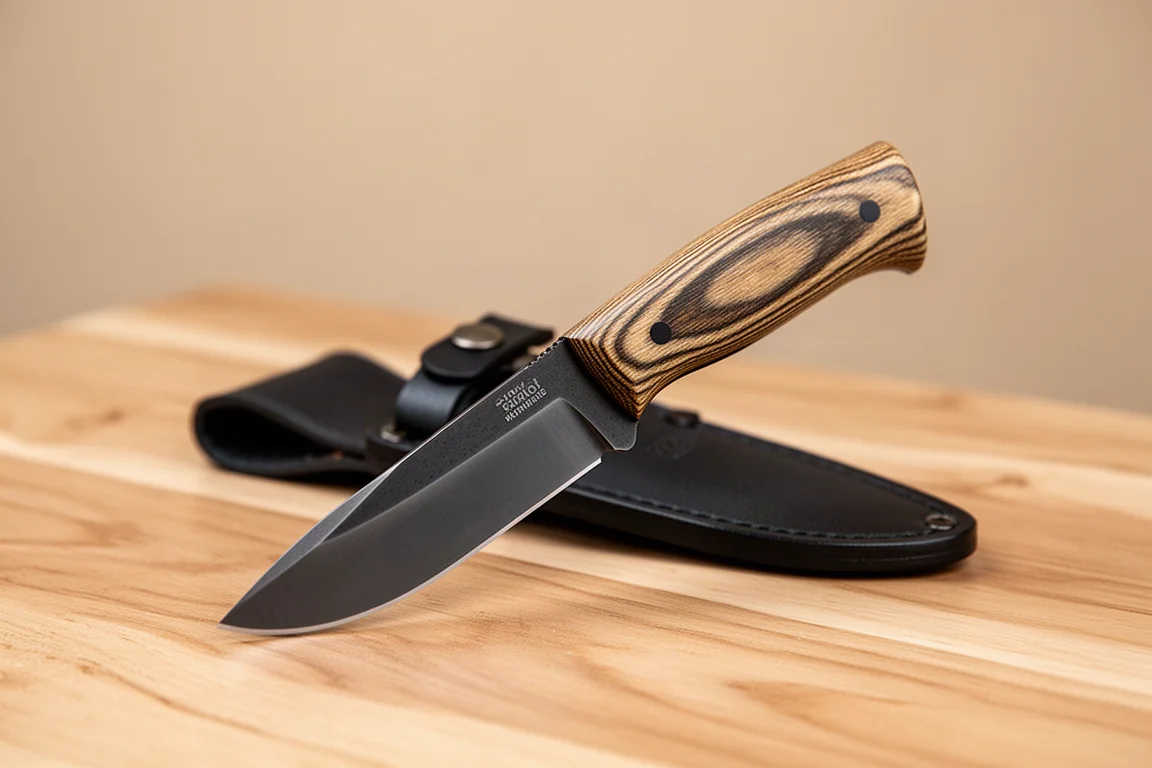
The fixed blade carried during the budget run was the Miniak from Cold Steel, and it outperformed every expectation. As an EDC fixed blade it ranks among the best used, and the copy with the extra-long blade worked so well for food tasks that it temporarily replaced the kitchen knives entirely. The back-of-blade curvature is genuinely useful for opening packages without getting tape on the cutting edge, an underappreciated aspect of knife design.
One caveat: carrying options without a proper clip got frustrating quickly. Adding a Discrete Carry Concepts clip required drilling extra holes, but once fitted it became a joy to carry. The sheath was also modified slightly for a fuller grip and easier draw while keeping tension. It still works as a neck knife or scout carry. At under $20, this is a highly recommended blade.
Vtiger T1A
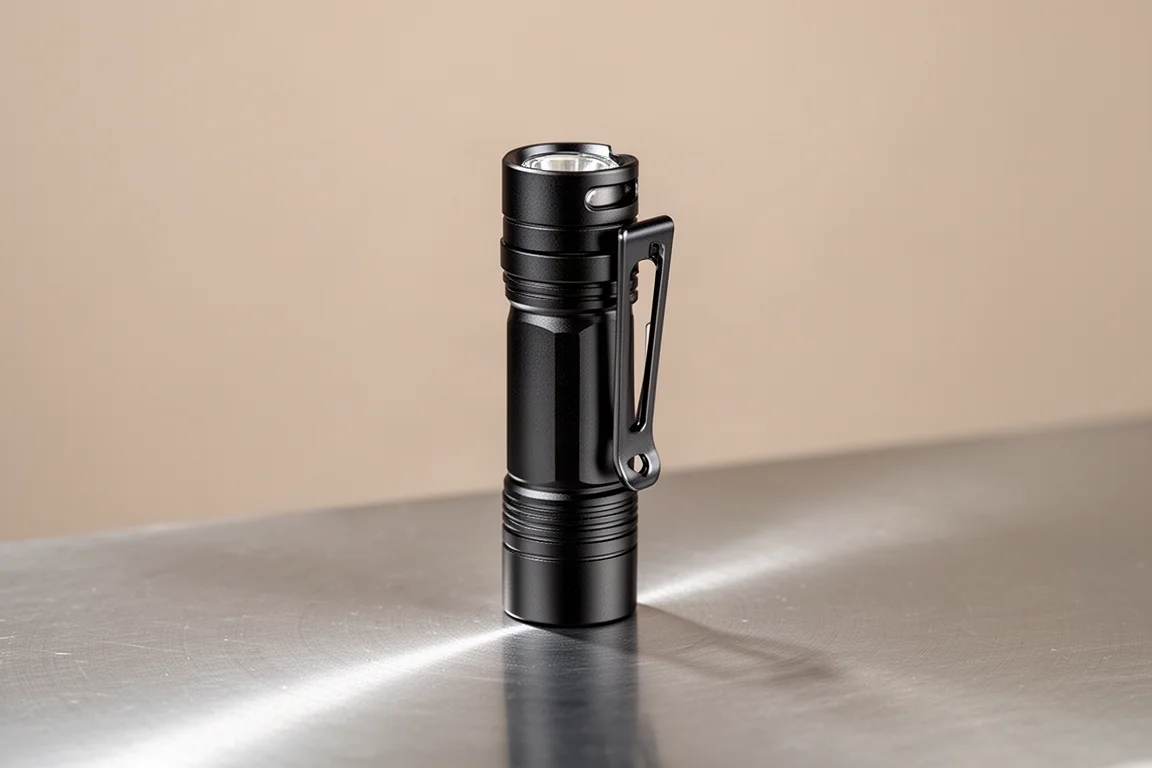
The Vtiger T1A flashlight pairing also earns continued recommendation. Despite reports of failures from other users, no issues showed up in testing: a few drops from pocket height caused no problems, and a single charge lasted the entire two months of occasional use. The user interface is not perfect, but the magnetic tail is a genuinely nice feature, and the reverse clip was used constantly as a hat light.
Two things have changed since then. The price has increased past the $20 mark, and there are now stronger options in the sub-$30 category. It is still a good light, just no longer the obvious budget pick.
WorkPro Multi-Tool
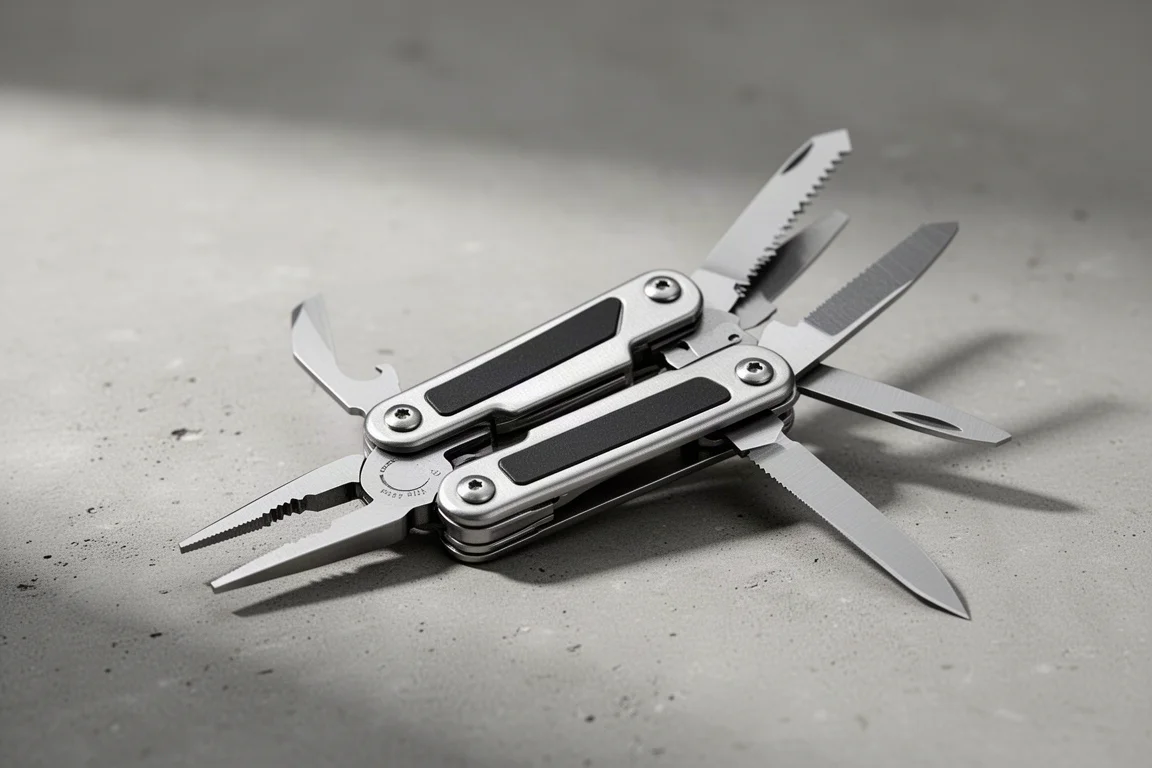
The WorkPro multi-tool stayed at its $20 price, and the spring-loaded pliers remain the star of the show. In practice, the pliers saw the most use, with the Phillips screwdriver and scissors each getting a few turns. The serrated blade stayed a little tight in the pivots, though they were never loosened. Tools like the diamond file and saw went unused, and honestly a smaller tool could have accomplished most of the same work. Still, having the extra capability on hand was worthwhile, and at this price the pliers alone justify the purchase.
MKM David C. Anderson Fixed Blade
A deliberate break from the budget series: a fixed blade designed by David C. Anderson and made in Italy by MKM. Two variations exist, a sheep’s foot design and a full-belly design, and both are among the favorite fixed blades tried in recent memory. They are compact, non-threatening, good looking, and the sheath spoils you: after a short break-in week, the knife slides out smoothly without pulling the sheath off, and the magnet inside gently holds the blade so it cannot launch accidentally mid-draw.
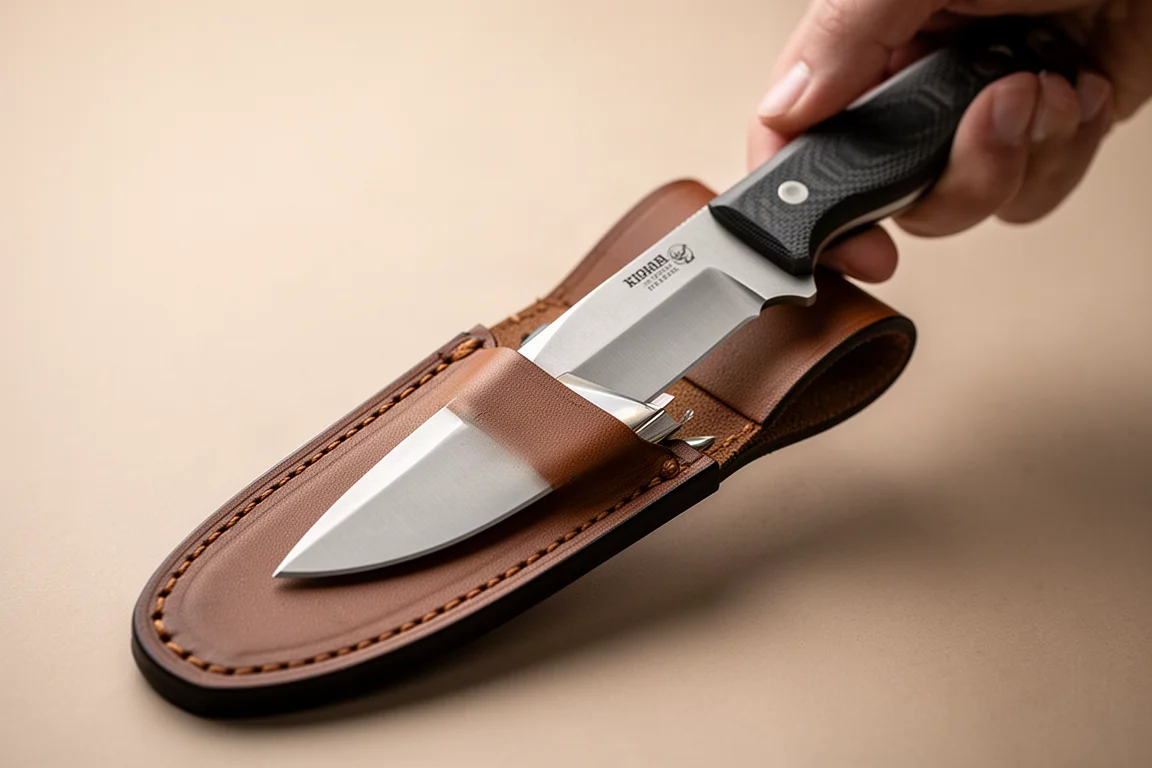
In the pocket, these knives never damage anything. The sheep’s foot got carried about 5% of the time since utility cutting usually went to the multi-tool, but for food tasks it saw heavy use. With MagnaCut blade steel, it is not designed as a tactical knife, just a precise, enjoyable slicer. It feels like the EDC equivalent of the LT Wright Mini Hunter. Both versions come in under $200, and the micarta version is the one to get. The full-belly variant edges out the sheep’s foot for versatility, since draw cutting still works with a slight hand tilt and it offers more clearance.
Keyport Pivot 2.0
Back to the comfort zone for key organization. The Pivot 2.0 from Keyport remains the favorite key organizer, with the modularity and convenience that keeps it coming back. Loaded with the accessories that matter, including a glow fob for easy finding, it carries in the left front pocket with the keys facing down so they never flip out. At under $30, expect it to appear again in future budget challenges.
Leatherman Arc
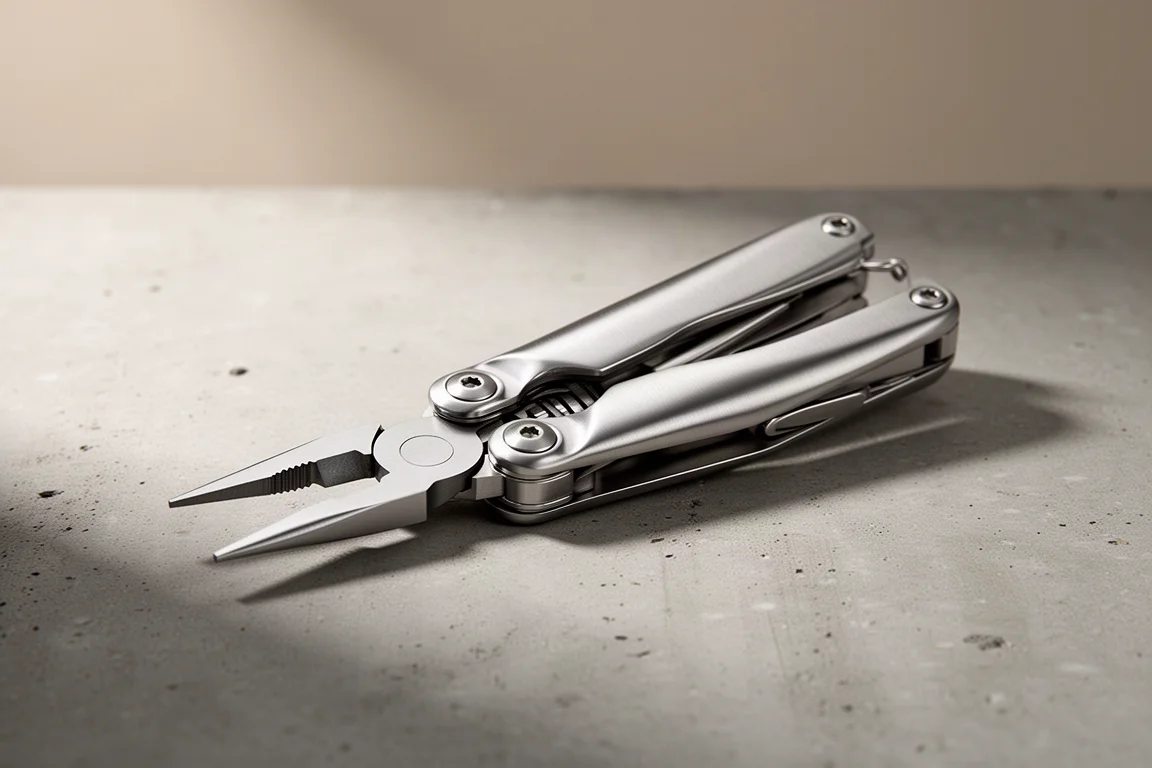
The multi-tool for the current rotation is the Leatherman Arc, carried in a premium sheath that deserves its own mention. That sheath can hold anything up to a Leatherman Surge and has even accommodated something as large as a Dual Force. It is the most comfortable sheath ever worn: it hides itself until the tool is needed, clips on and off daily, and can move between hips depending on preference. It is expensive, but it only needs to be bought once.
AceBeam TAC AA 2.0
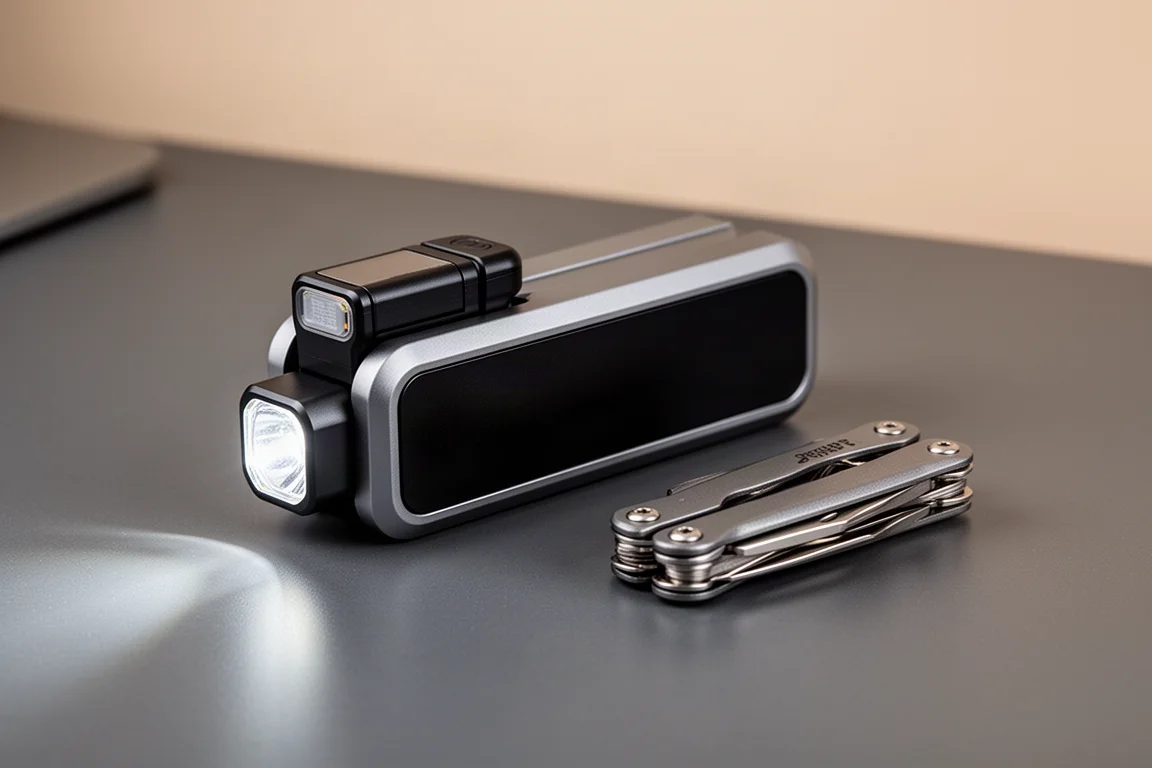
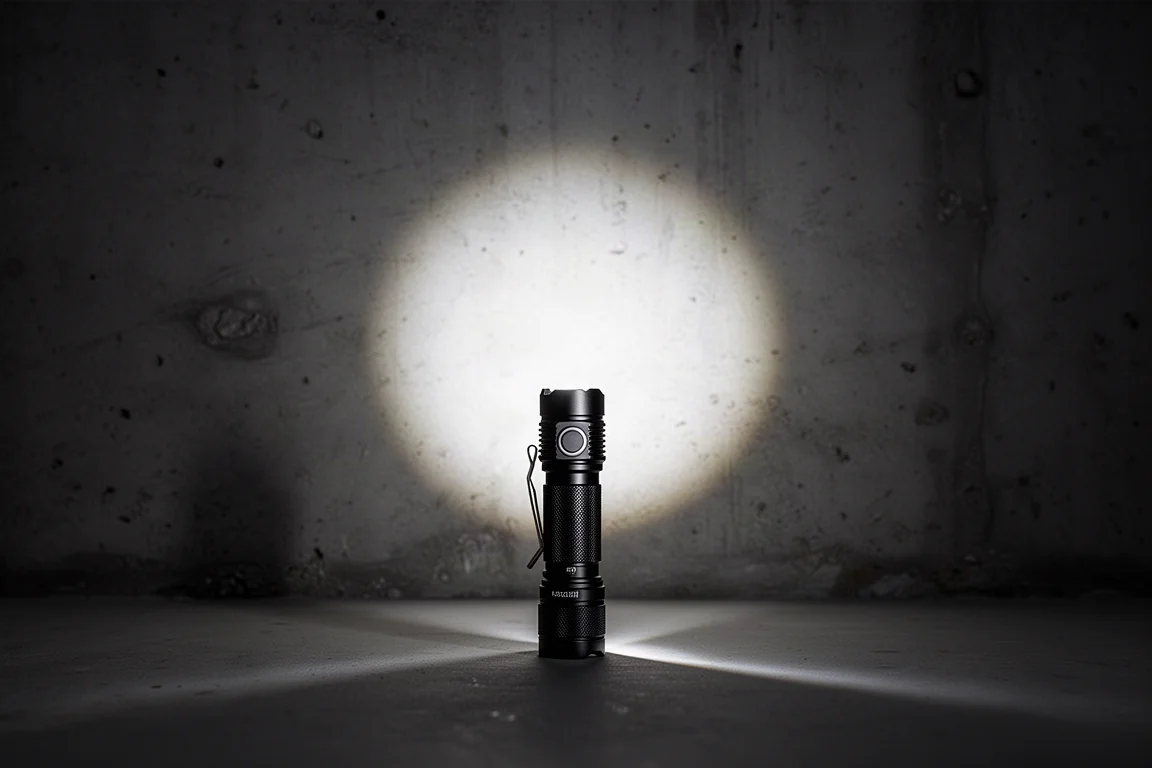
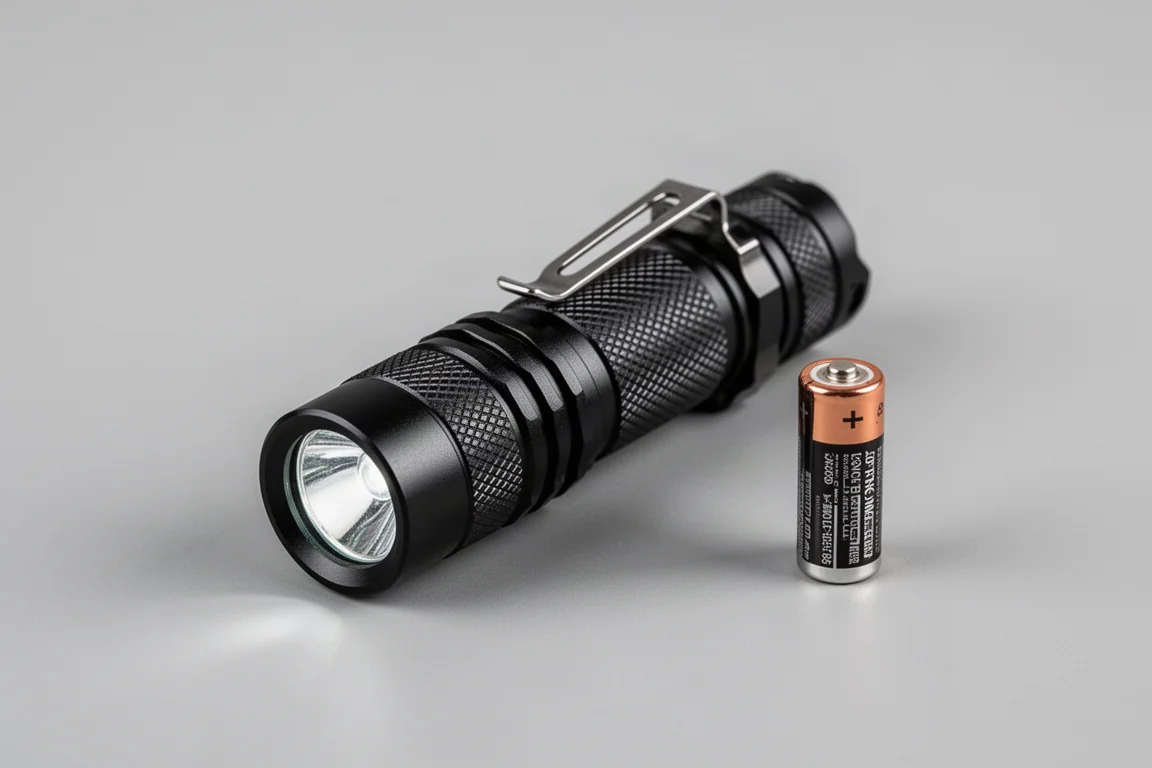
One discovery may be a permanent change to the EDC: the TAC AA 2.0 from AceBeam, possibly the best flashlight on the market today, and that is not a term used lightly. It is powered by a 14500 battery with Type-C recharging built in, puts out a maximum of 900 lumens, and delivers 31,000 candlepower, nearly twice the hotspot intensity of the Olight Warrior Mini 3. With the new mode set capability, it lives in mode five: always coming on in turbo, no mode memory, and genuinely, impressively bright.
In a month of heavy use it needed only one charge. It also has a low mode suitable for use in the dark, and it can run on a standard AA battery in a pinch, something neither the Warrior Mini 3 nor most larger flashlights can do. Under $30, it is hard to see how anyone beats this right now, and between this and the AceBeam H16 right-angle light, the brand has effectively locked up this part of the market.
Olight Warrior Mini 3
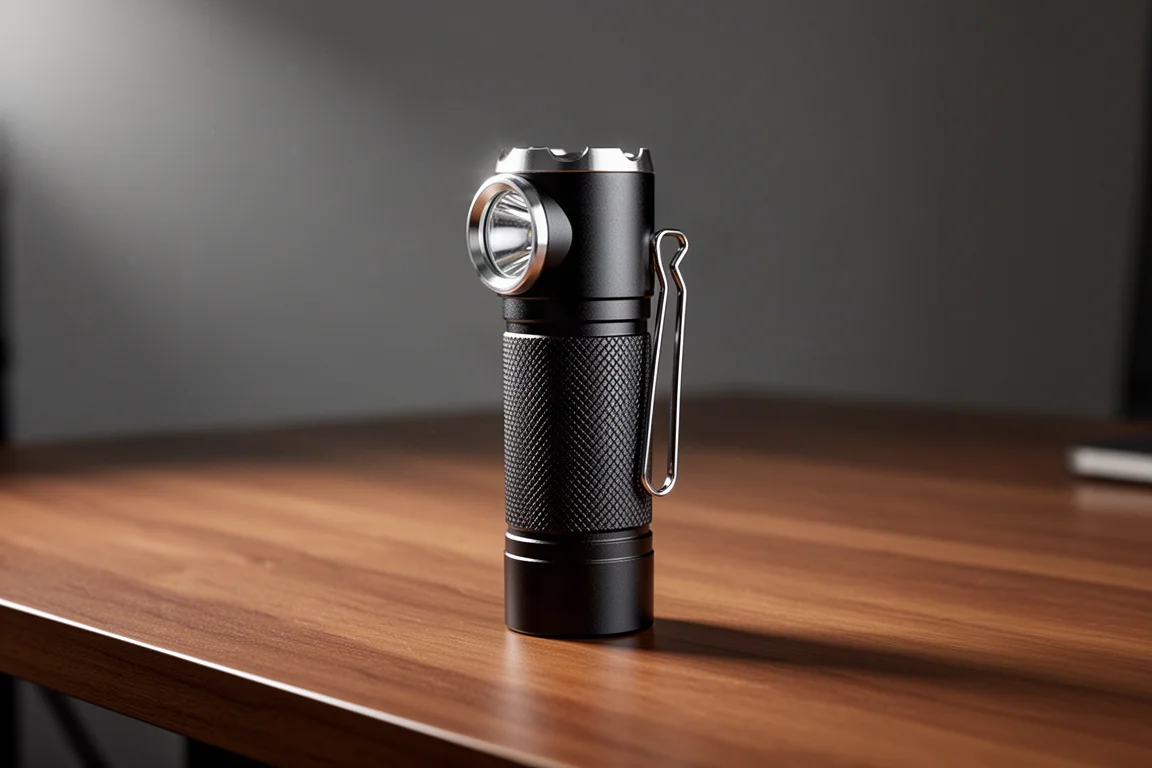
The Warrior Mini 3 was the previous daily flashlight and it has plenty going for it, including a phenomenal user interface. But it uses a proprietary charging system, and at this point it is quite underpowered even compared to the smaller 14500-powered AceBeam TAC AA 2.0. The less-than-1700-lumen output no longer justifies the trade-offs when the newer alternative is brighter in the hotspot and cheaper.
Lockby Sidekick
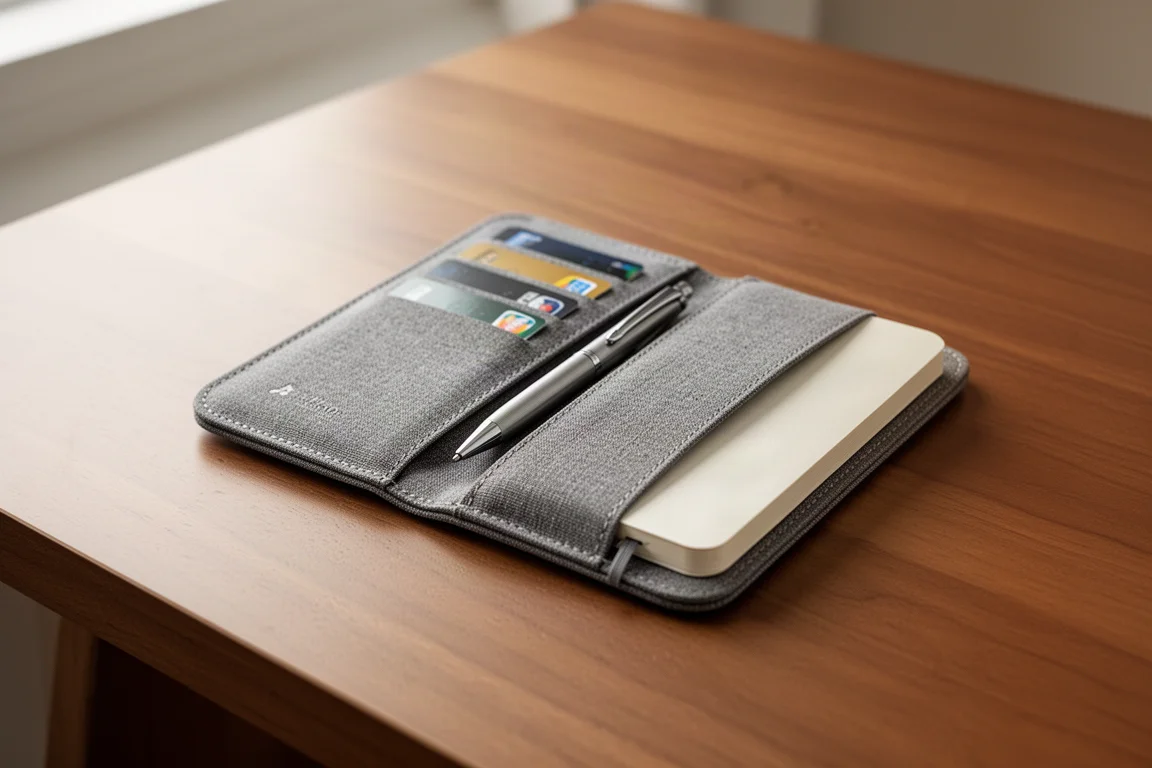
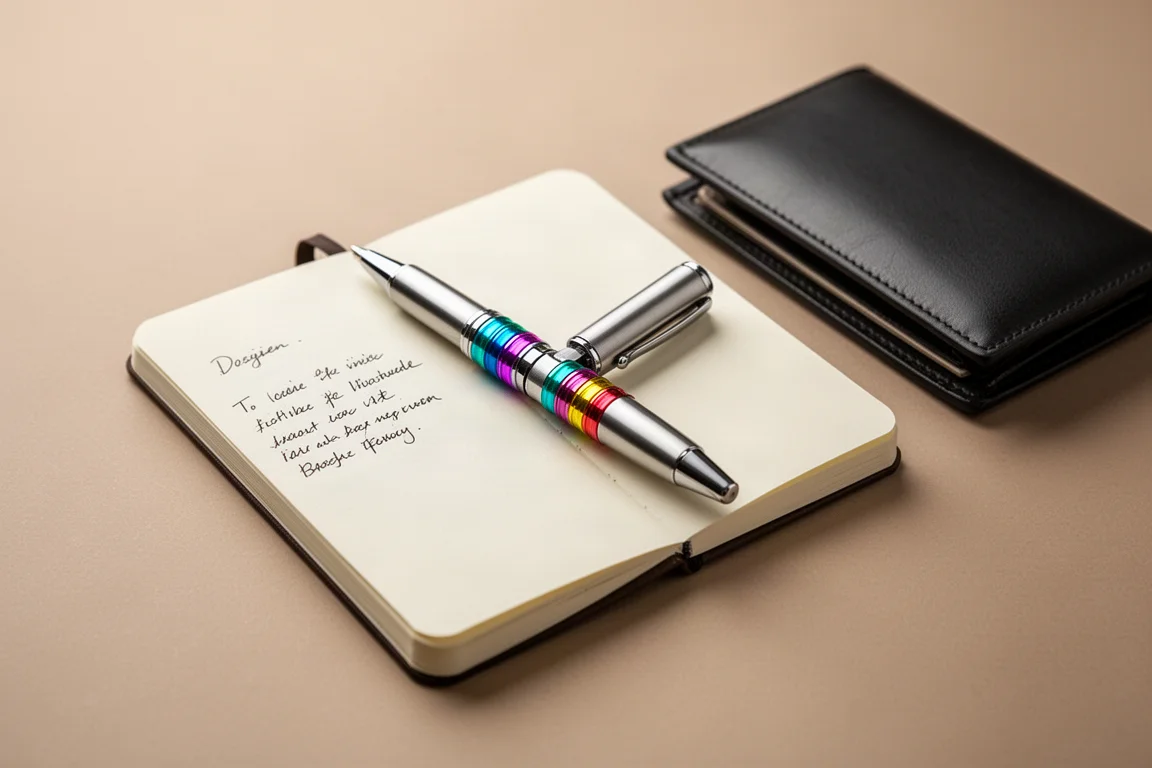
The wallet has not changed much: it is back to the Sidekick design from Lockby, created by the same person carrying it. It has plenty of slots for cards and cash, plus a slot for a full-size pen and an A7 notebook. A prototype version with further improvements exists, but the next revision is at least six months to a year away. The current version, available for around $30, remains very satisfying to carry, especially for anyone who uses a pocket notebook every single day.
Uni Jetstream 4-Color
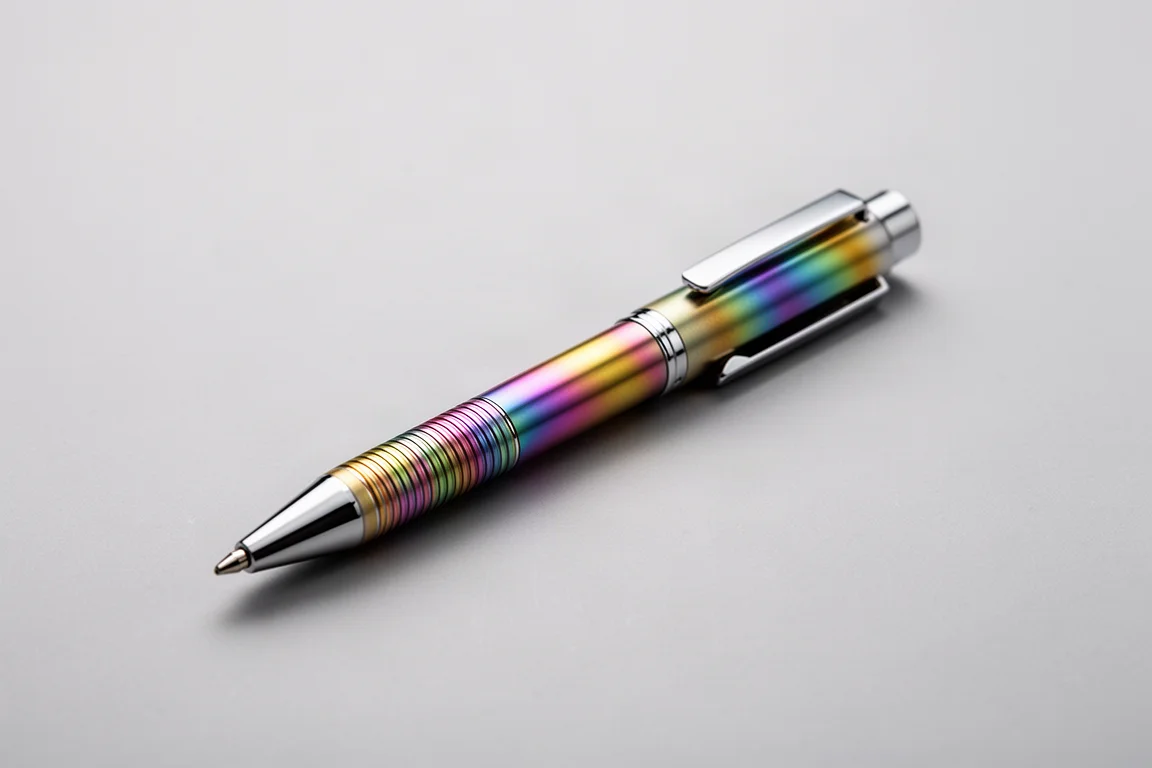
The Aviator has been set aside temporarily to test the Uni Jetstream for an upcoming $30 challenge. Instead of three color options it has four: blue, black, and red ink plus a pencil, with an eraser tucked under the cap and a touch-sensitive plastic section on the cap for interacting with screens without touching them. The screw-in metal design feels solid, and the writing experience is noticeably better than the Aviator B3 without being much bigger. It is a phenomenal pen, and the only reason it had not been featured sooner is that the first one was lost and had to be replaced.
Buying Advice
For pure budget builds, the Guardian Eagle folder, Cold Steel Miniak, and WorkPro multi-tool prove that $20 or less still buys serious capability. If you can stretch the budget, two upgrades stand out above everything else here: the MKM fixed blade for anyone who loves a refined slicer, and the AceBeam TAC AA 2.0 for a flashlight that punches far above its price. Carrying more tools than most people comes down to a simple trade-off: a bit of extra weight in exchange for being able to help others whenever the situation comes up, and that is worth it.
Conclusion
Two months of disciplined budget carrying confirmed that inexpensive EDC gear can genuinely deliver, while a few carefully chosen upgrades, especially in flashlights and fixed blades, offer real value beyond the $20 line. Start with the budget picks if you are building a kit from scratch, then add the AceBeam TAC AA 2.0 or the MKM fixed blade when you are ready for something special.
Further reading
Related Reviews

Everyday Carry
Everyday Gear That Deserved a Second Look
A roundup of solid everyday carry items: watches, pens, a pencil, a knife, and a smart ring that each earned a place on the table.

Everyday Carry
KORE Tactical Bifold Wallet Review: A Durable Everyday Carry Option
A close look at the KORE Tactical Bifold Wallet, a reinforced nylon wallet with magnetic closure and room for cards, cash, and IDs.

Everyday Carry
Krabby Wallet Review: A Slim, Simple Carry That Has Stood the Test of Time
A closer look at the Krabby Wallet, a slim canvas and elastic design with a loyal following and a simple, functional approach to everyday carry.