Everyday Carry
Everyday Carry Essentials: Seven Items That Earn a Place in Your Pockets
A practical everyday carry roundup covering a slim wallet, wireless earbuds, a pocket flashlight, a phone setup, a folding knife, a smartwatch, and a tracker, with the trade-offs worth knowing before you buy.
Introduction
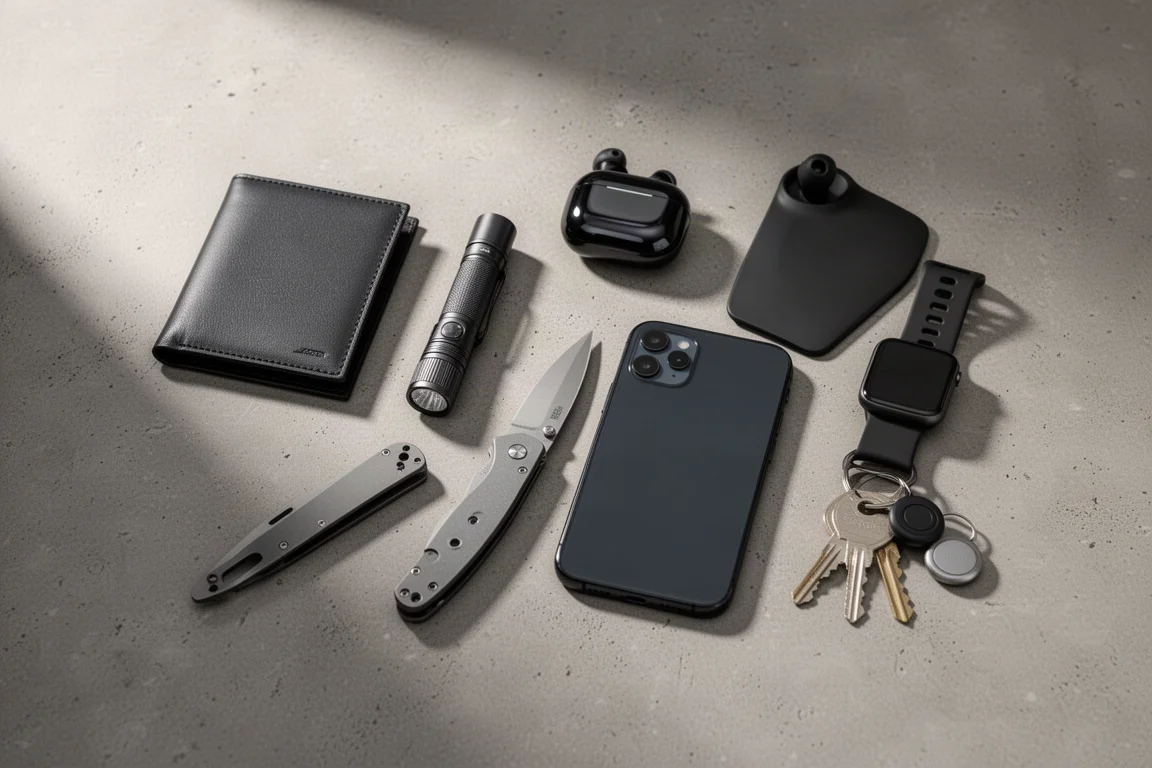
Everyday carry is the handful of tools that ride in your pockets, on your belt, or on your wrist every single day. The goal is not to carry the most gear. It is to carry the few things you genuinely reach for, and to carry them in a way that stays comfortable from morning to night. The seven items below have earned a permanent spot in a daily setup, from a wallet thin enough to disappear into a front pocket to a pocket light that replaces a phone flashlight for quick tasks.
How These Items Earn a Place in a Daily Carry
A few practical filters separate gear that gets carried from gear that gets left in a drawer. Bulk comes first, because anything that crowds a pocket gets abandoned within a week. One-handed operation matters almost as much, particularly for a knife or a light, since the moment you need one is rarely the moment both hands are free. Durability and simple maintenance round out the list, along with a clear answer to what the item replaces. If a tool does not remove a small daily annoyance, it usually does not survive the first month.
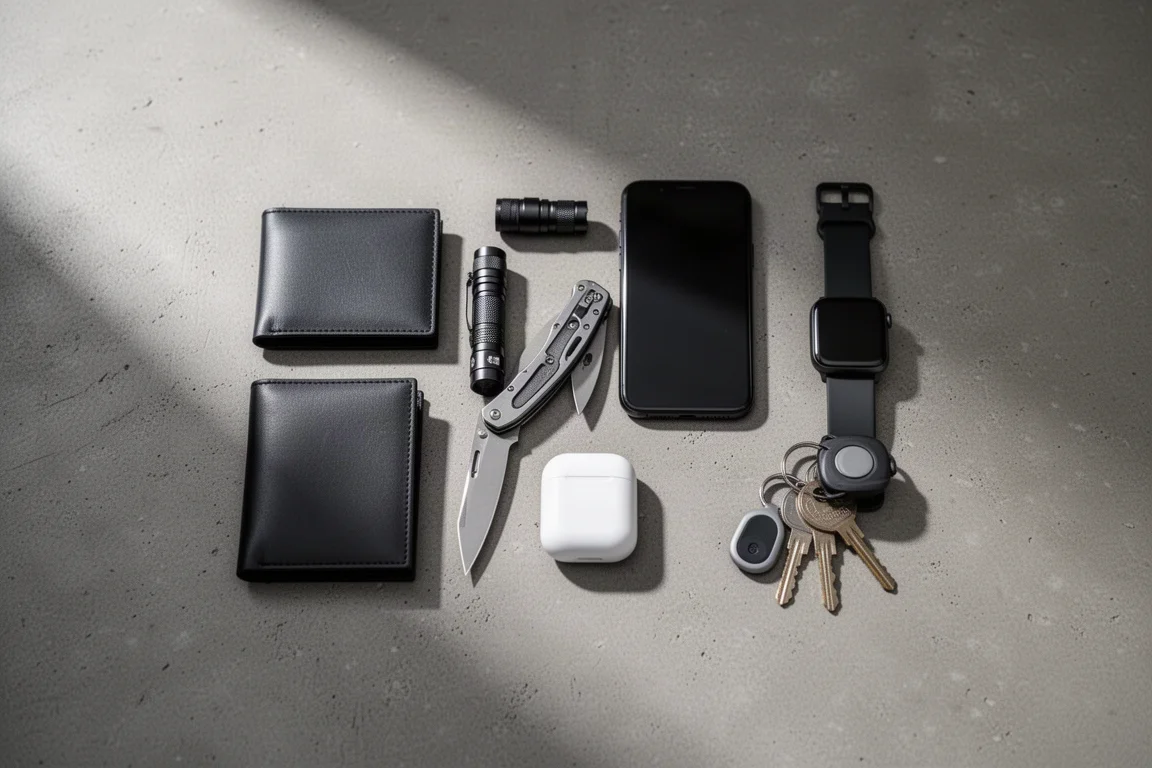
The strongest setups are also the simplest. A wallet, keys, and a phone cover most days, and everything else is a deliberate addition rather than an accumulation.
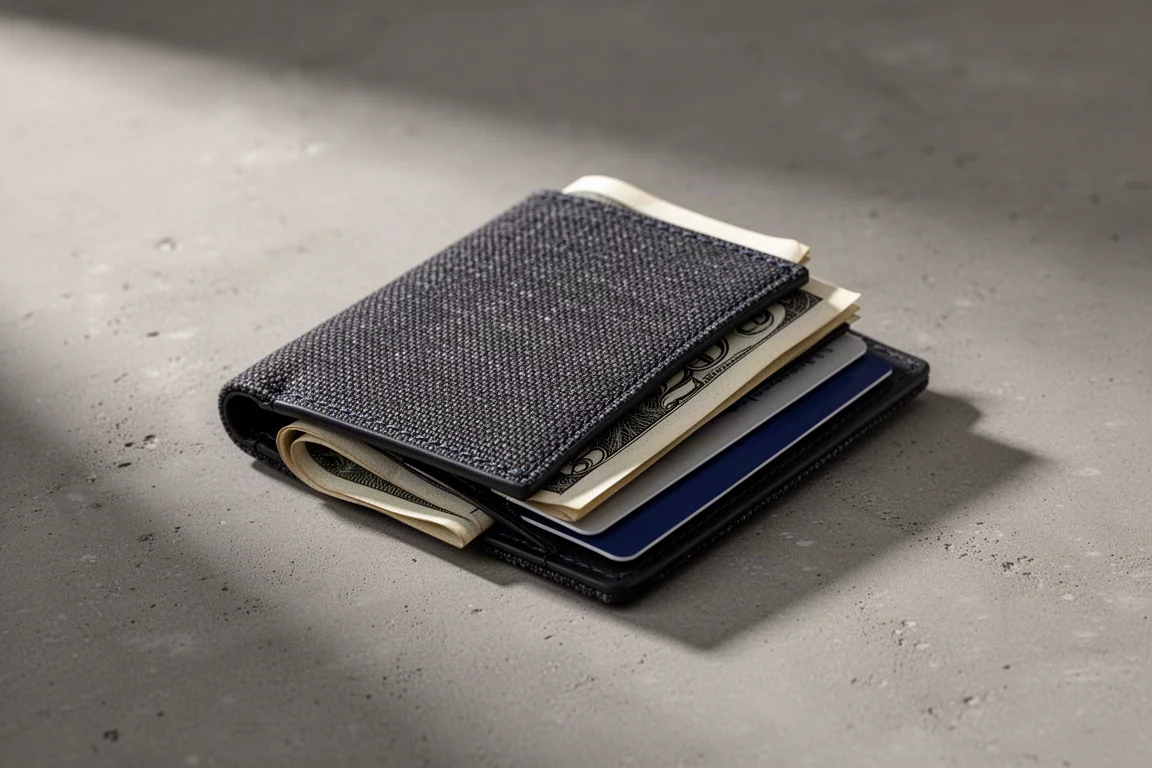
Big Skinny Wallet: Thin Enough for a Front Pocket
The wallet in this setup is a minimalist bifold from Big Skinny, chosen after a long search for something that would not bulge in a front pocket. It opens like a conventional bifold and holds full-size banknotes without folding them, which keeps the profile flat and the contents easy to reach. For anyone who has carried a thick wallet in a back pocket for years, the difference is noticeable within a day.
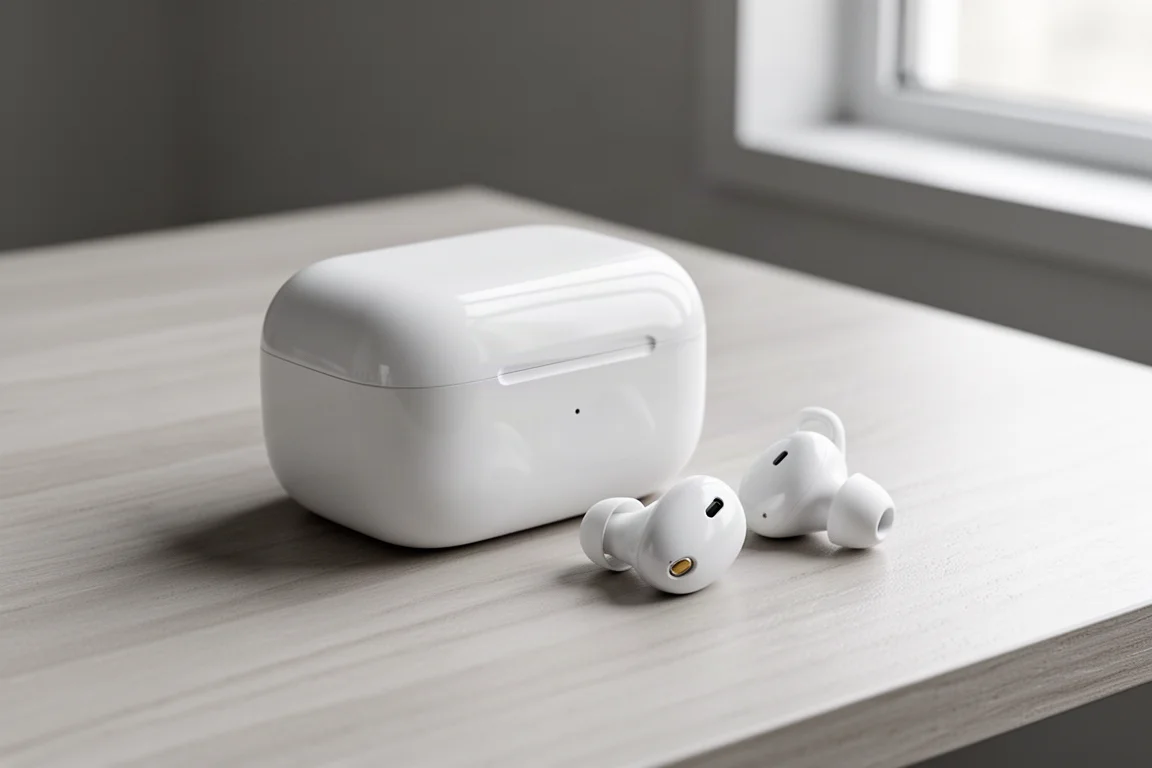
AirPods Pro: Audio That Stays in a Pocket
Wireless earbuds have become a default carry item for many people, and the AirPods Pro are compact enough to live in a pocket alongside everything else. The appeal is straightforward: music, calls, and short listening sessions without a cable to untangle. They do need charging, so the case is worth topping up regularly if the earbuds are going to be relied on through a full day away from a desk.
Olight S1R Baton II: A 1,000 Lumen Pocket Light
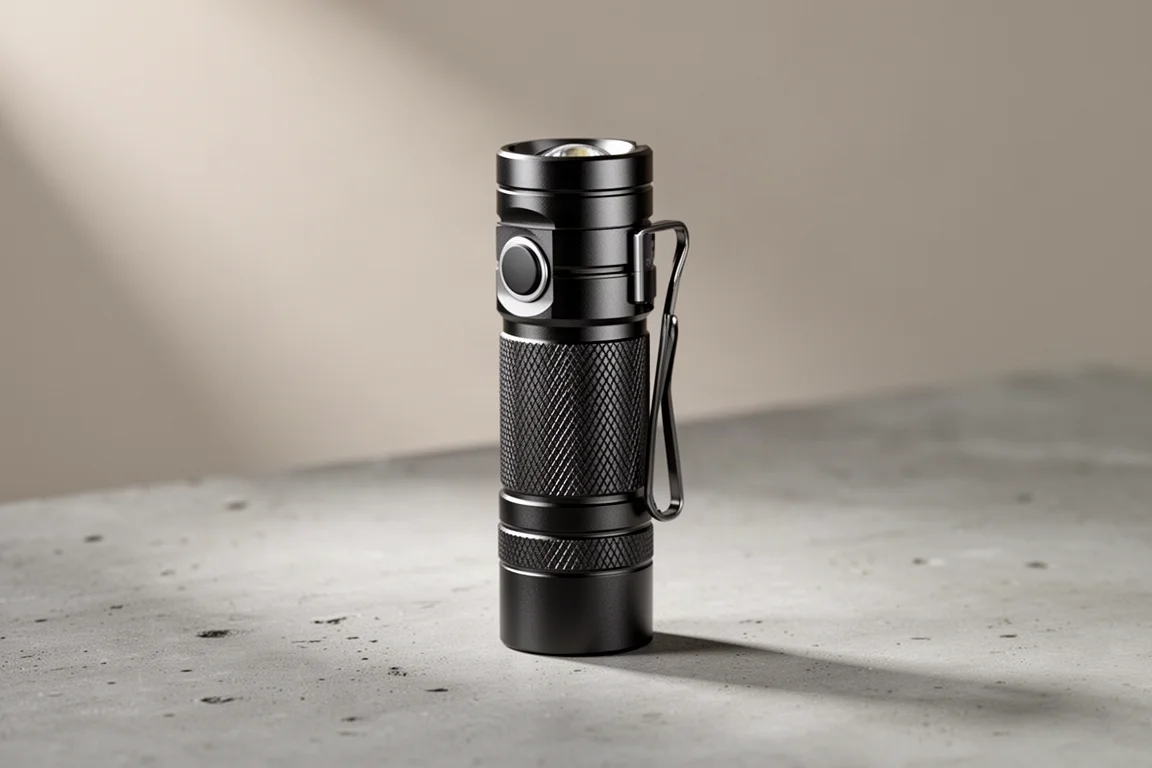
A pocket flashlight is one of the easiest upgrades to a daily carry, because a phone light is awkward to aim, drains battery, and rarely throws far enough. The Olight S1R Baton II puts out 1,000 lumens from a body small enough to sit in a watch pocket, and it gets used almost every day.
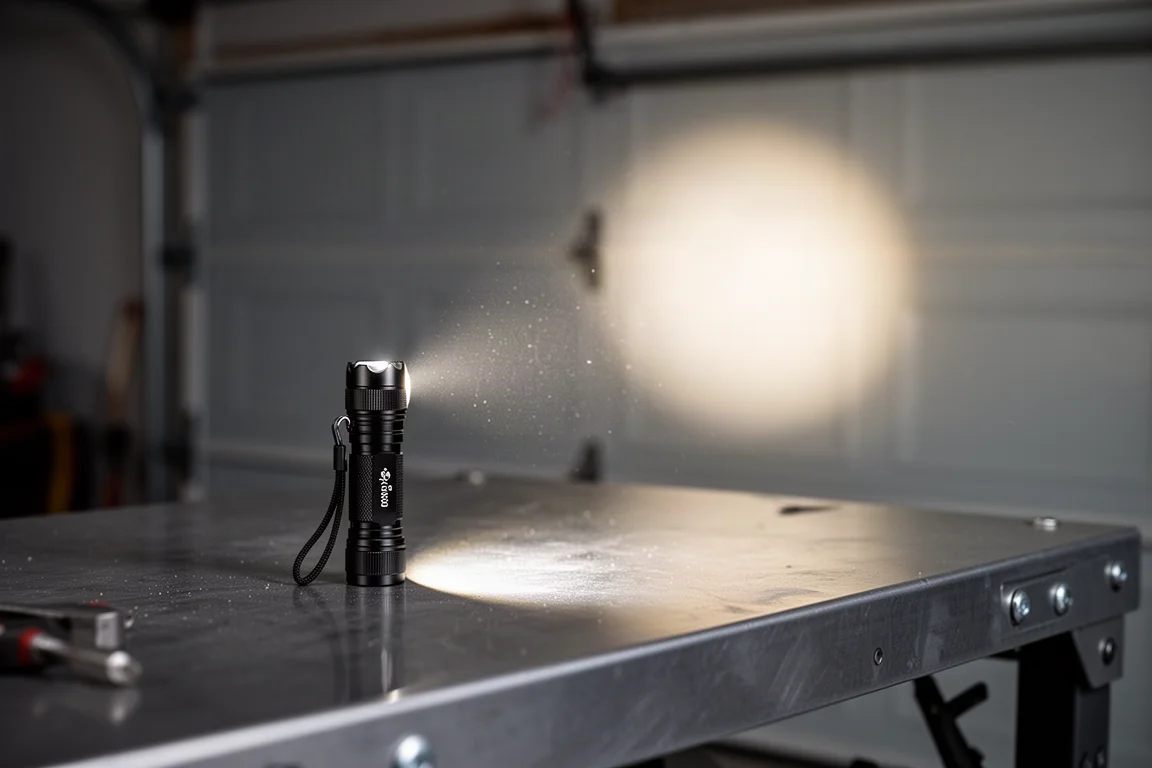
The magnetic body is the detail that sets it apart. It sticks to a fridge door, a car hood, or a metal table, which frees both hands while you work. A newer generation of the same light offers roughly 200 additional lumens, so buyers chasing maximum output should check the current version, while the Baton II remains a capable and very pocketable choice.
iPhone 12 Pro: The Phone That Gets Its Own Pocket
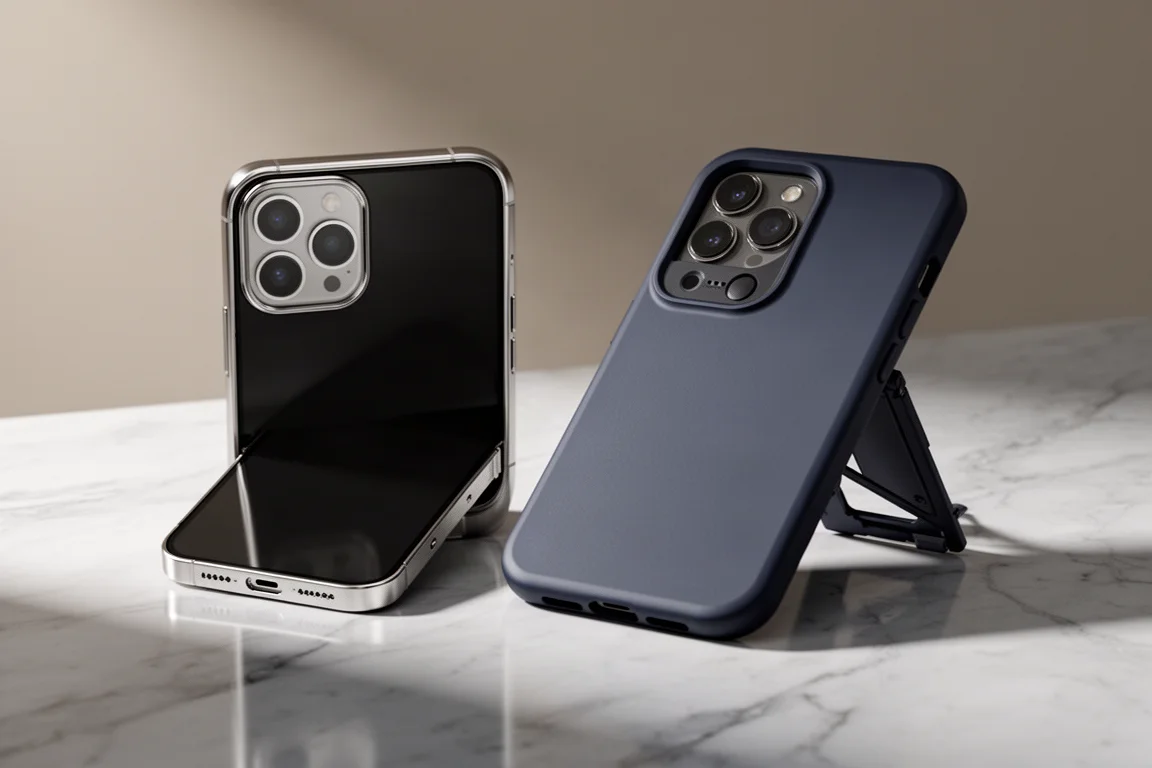
The phone is the one item worth isolating, and the iPhone 12 Pro lives in a front pocket on its own so that nothing else can scratch it. A case with a built-in kickstand is the detail that makes it work day to day, holding the screen steady for video calls, streaming, and music in portrait or landscape without propping it against something. A newer model exists for anyone shopping now, and the 12 Pro still covers messaging, media, and calls comfortably.
Benchmade 940: A Slim One-Hand Folder
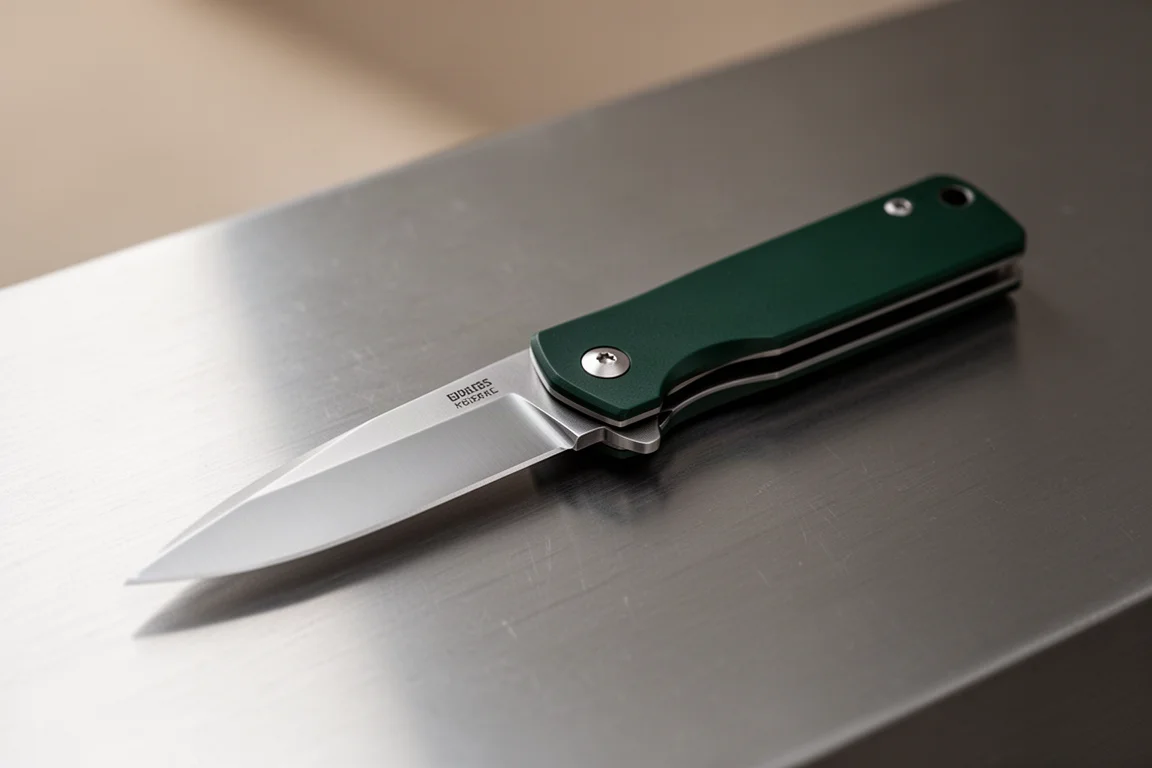
A folding knife earns its place when it can be opened and closed with one hand, and the Benchmade 940 does exactly that with the Axis lock system. The blade is S30V steel, and the slim handle profile sits so low in a pocket that it is easy to forget it is there.
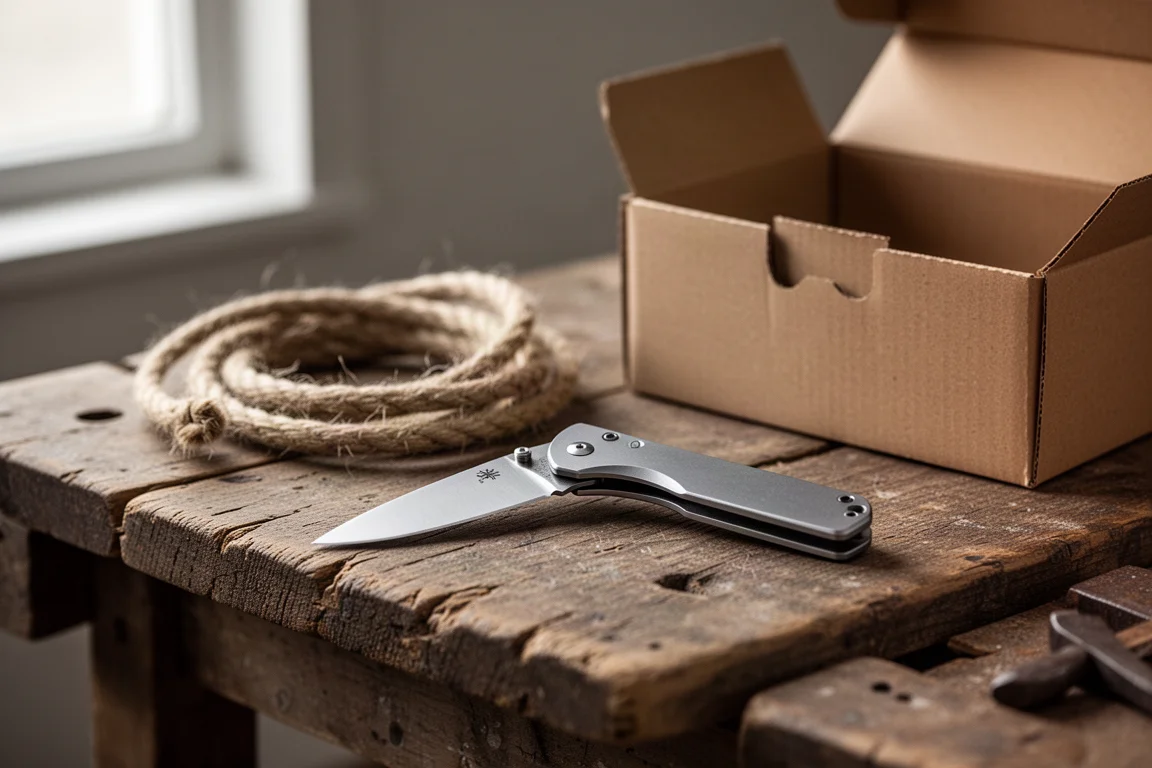
One caveat worth knowing before you buy: S30V can discolor after contact with harsh chemicals, and a blade tip used on pool treatments can show staining that is difficult to reverse. Keep it for everyday cutting tasks and reach for a dedicated tool whenever chemicals are involved.
Apple Watch Series 5 Cellular: Wrist Carry That Sticks
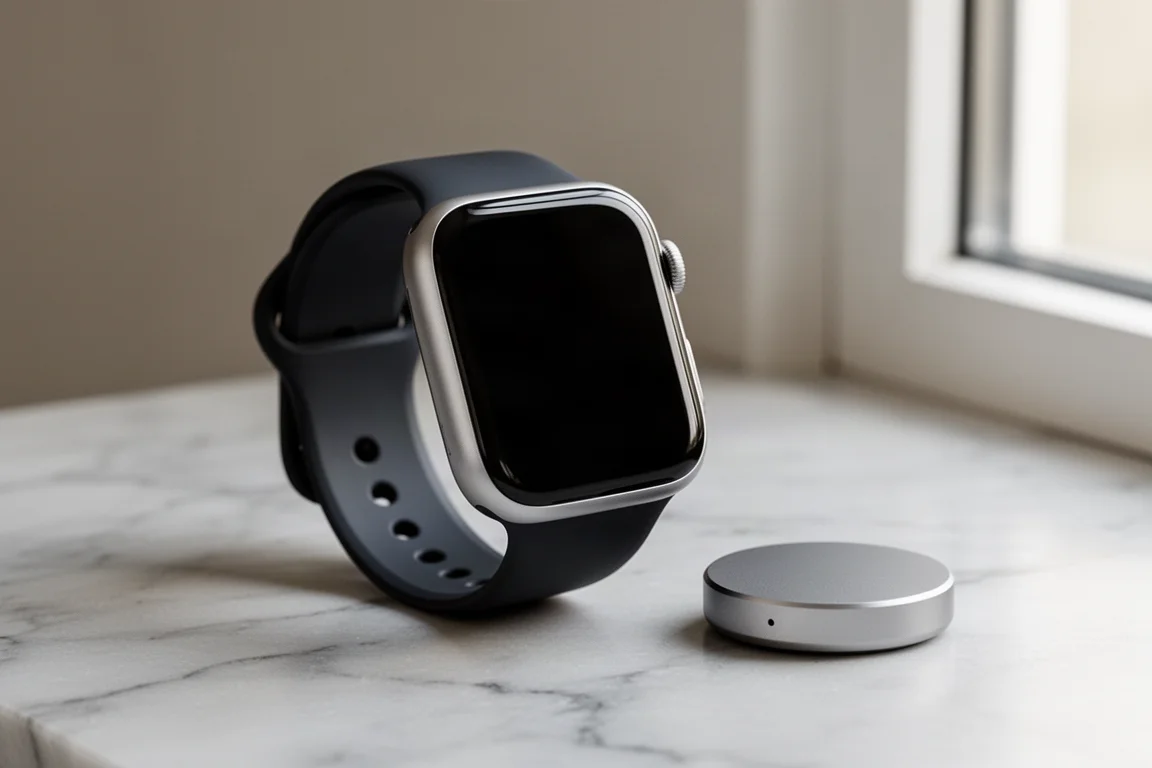
The Apple Watch Series 5 in its cellular version has been worn daily for long enough that going back to a traditional watch is not a consideration. It stays on the wrist through work and travel, and the cellular option keeps it useful as a standalone device. A newer series is available for anyone buying today, and older watches tend to move down the family rather than into a drawer.
Apple AirTag: Tracking Keys and Luggage
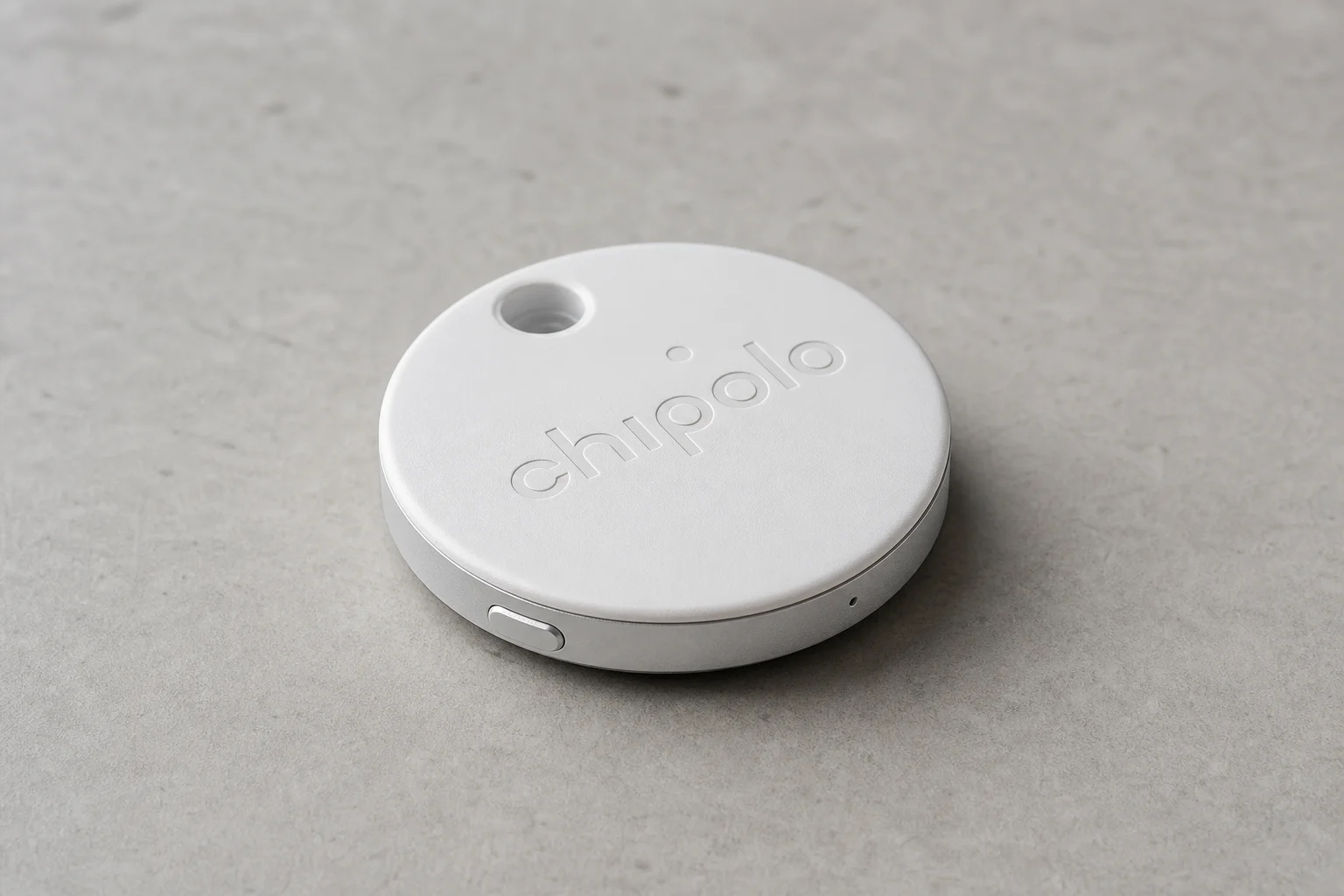
Keys usually hang from a belt loop rather than sitting in a pocket, which keeps them from bunching up or pressing into a seat. This setup pairs a truck key with an Apple AirTag and a lightweight fabric clip instead of a bulky carabiner, long enough to hook onto a belt loop and let the keys drop into a back pocket when needed.
The tracker proved its worth when luggage went missing on a flight from Maui to Wisconsin: its location could be reported precisely, which is exactly the scenario these small trackers are bought for.
Buying Advice: Build the Setup Around Your Actual Day
Start with the four items almost everyone already carries: wallet, phone, keys, and watch. Then add one tool at a time and give it a week, because gear that is genuinely useful gets used and gear that is not will make itself obvious. A compact light is usually the best first addition, a slim folding knife comes next for anyone who opens packages or cuts cord regularly, and a tracker belongs on anything that would be expensive or painful to lose.
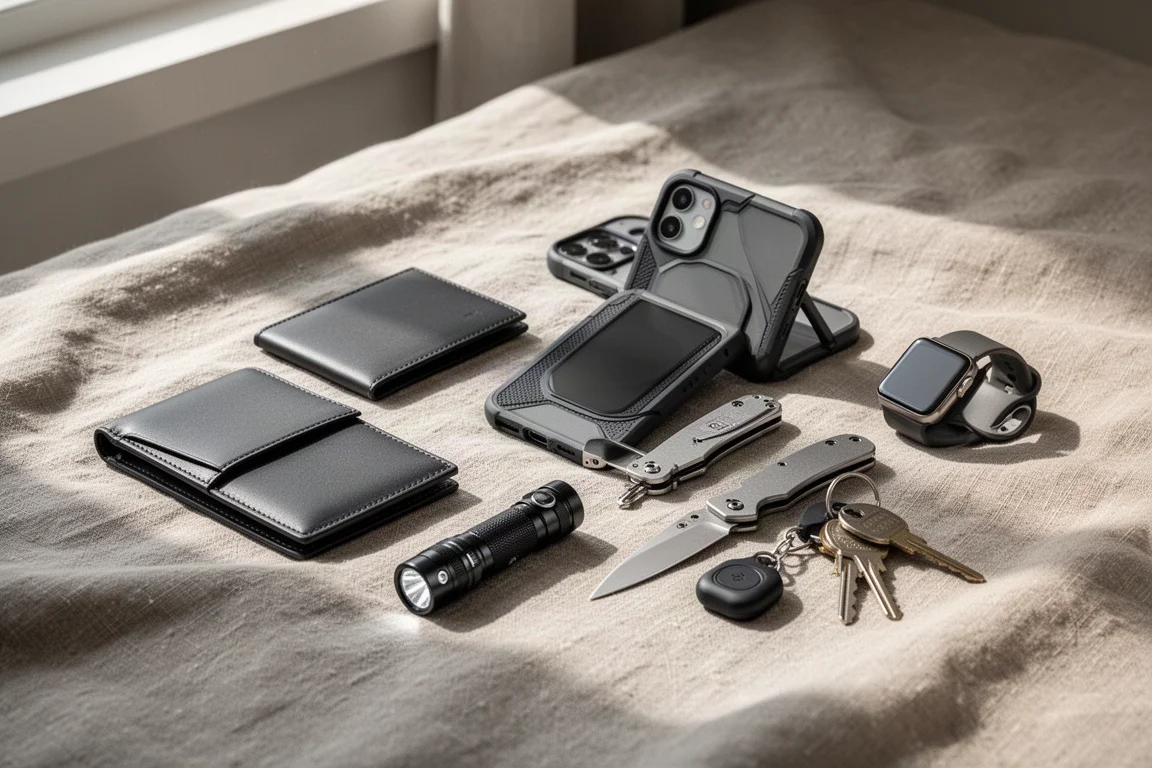
Fit matters more than specifications. A wallet that stays thin in a front pocket, a knife that disappears into a seam, and a light that lives in a watch pocket will all be carried far more often than heavier alternatives with better numbers on paper. Keep the total bulk low and the setup will stay with you.
Conclusion
A good everyday carry is personal, and it changes slowly. The seven items here share the same quality: each one solves a small, recurring problem without adding weight or fuss. Start with the essentials, add tools as real needs appear, and let the rest go.
Further reading
Related Reviews

Everyday Carry
Everyday Gear That Deserved a Second Look
A roundup of solid everyday carry items: watches, pens, a pencil, a knife, and a smart ring that each earned a place on the table.

Everyday Carry
KORE Tactical Bifold Wallet Review: A Durable Everyday Carry Option
A close look at the KORE Tactical Bifold Wallet, a reinforced nylon wallet with magnetic closure and room for cards, cash, and IDs.

Everyday Carry
Krabby Wallet Review: A Slim, Simple Carry That Has Stood the Test of Time
A closer look at the Krabby Wallet, a slim canvas and elastic design with a loyal following and a simple, functional approach to everyday carry.