Everyday Carry
Everyday Carry Essentials: A Core Kit and Two Job-Specific Setups
One foundational EDC kit that branches into two work-specific add-on sets, from keychain flashlights to workshop-proof pens and on-the-go tech storage.
Introduction
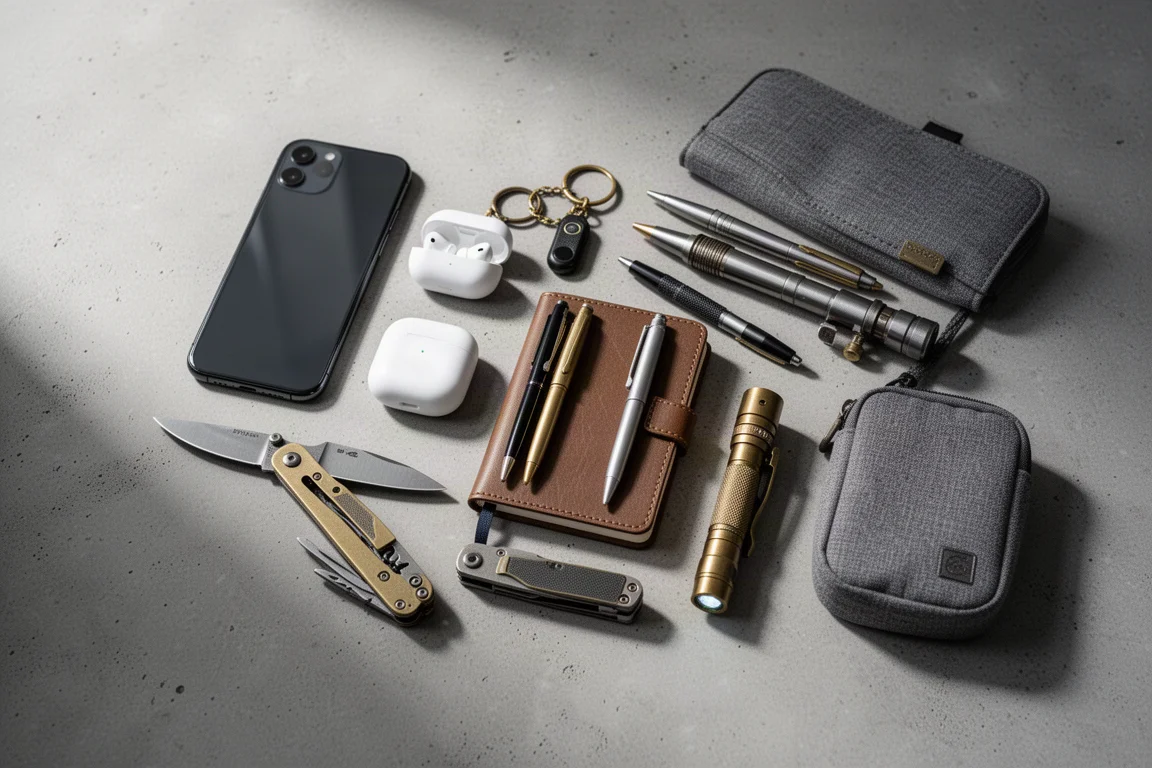
A good everyday carry kit is not one static pile of gear. For anyone who splits their week between very different work environments, it makes more sense to build a small foundational kit and then branch out with job-specific add-ons. This setup does exactly that: a core EDC that works anywhere, plus two fork-in-the-road kits for workshop work and video or client-facing days.
The core kit covers the items that earn their pocket space every single day, while the add-ons are chosen for the specific demands of a metal workshop or on-location client shoots. Here is how it all fits together.
The Core Everyday Carry Kit
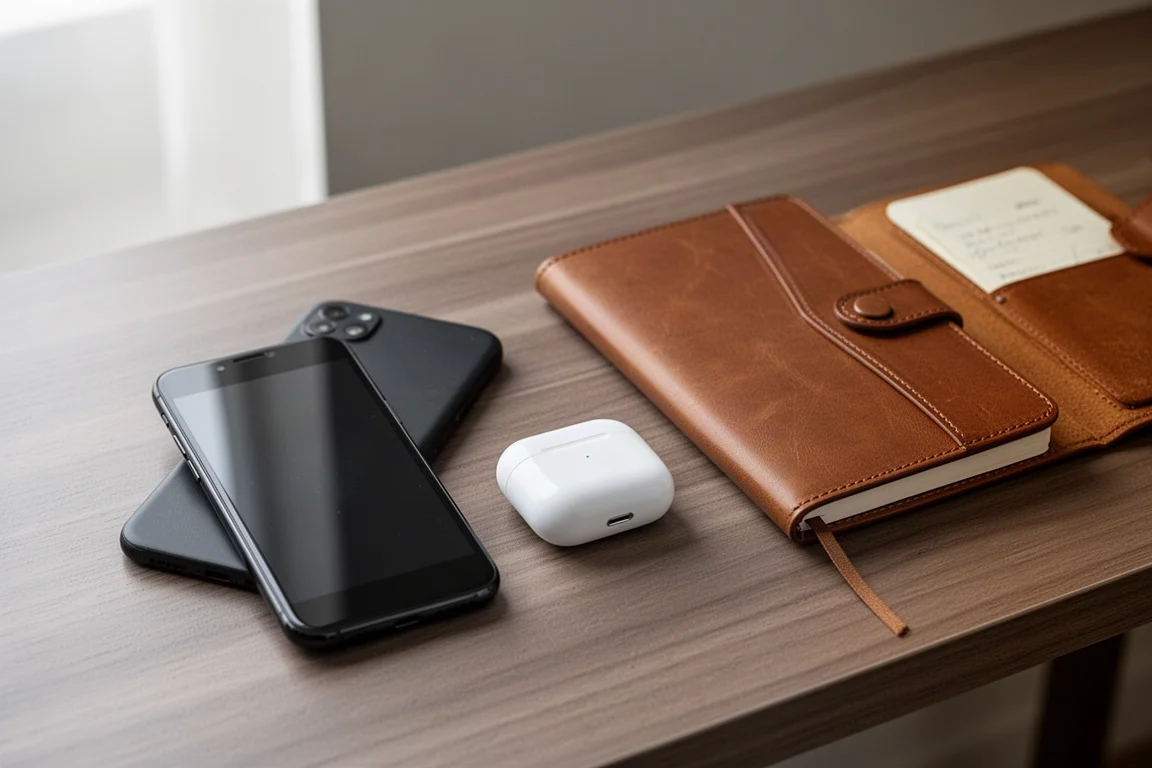
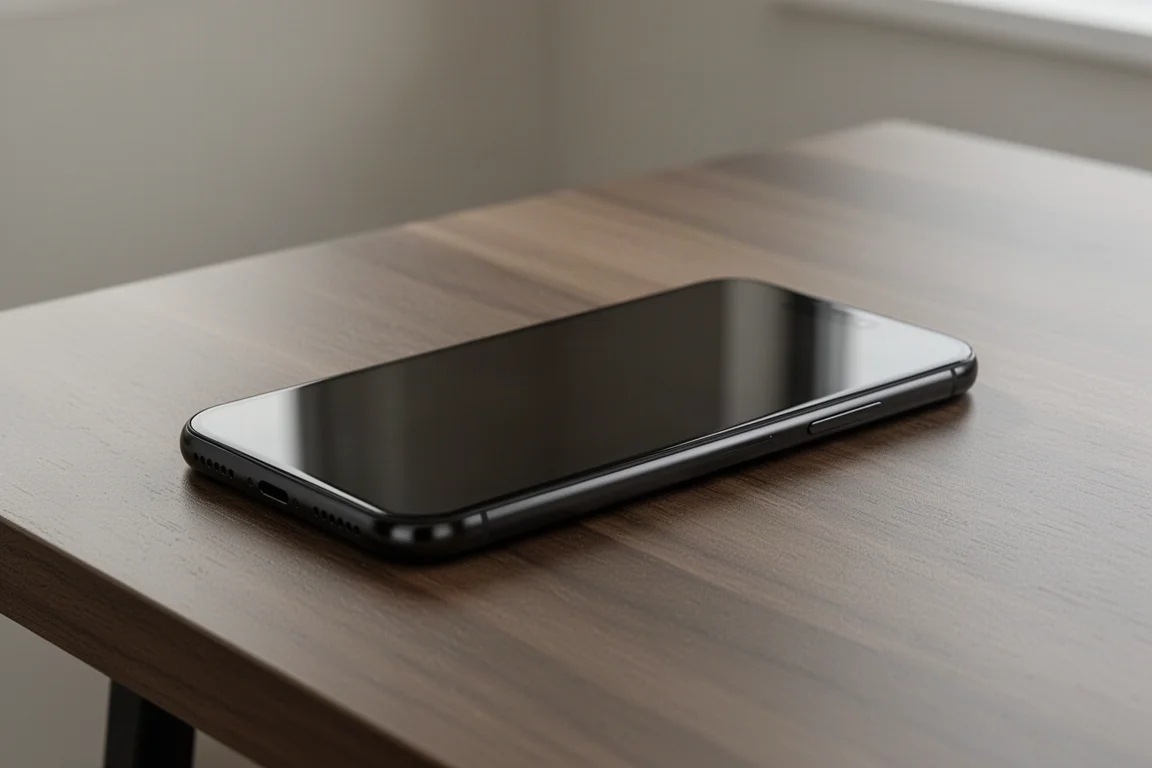
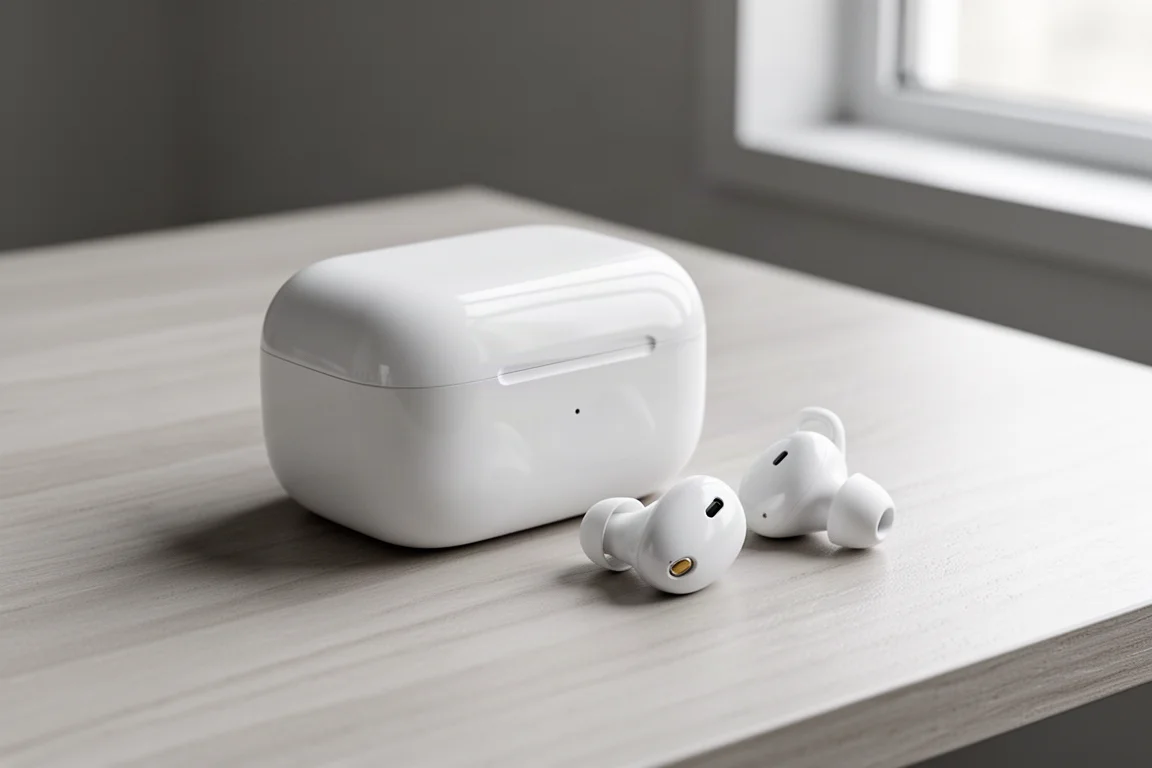
Everything starts with the phone. The iPhone XR here is four or five years old, and the battery is still going strong. For someone who spends long stretches on sales calls, wireless earbuds are a necessity rather than a luxury, and the AirPods Pro fill that role.
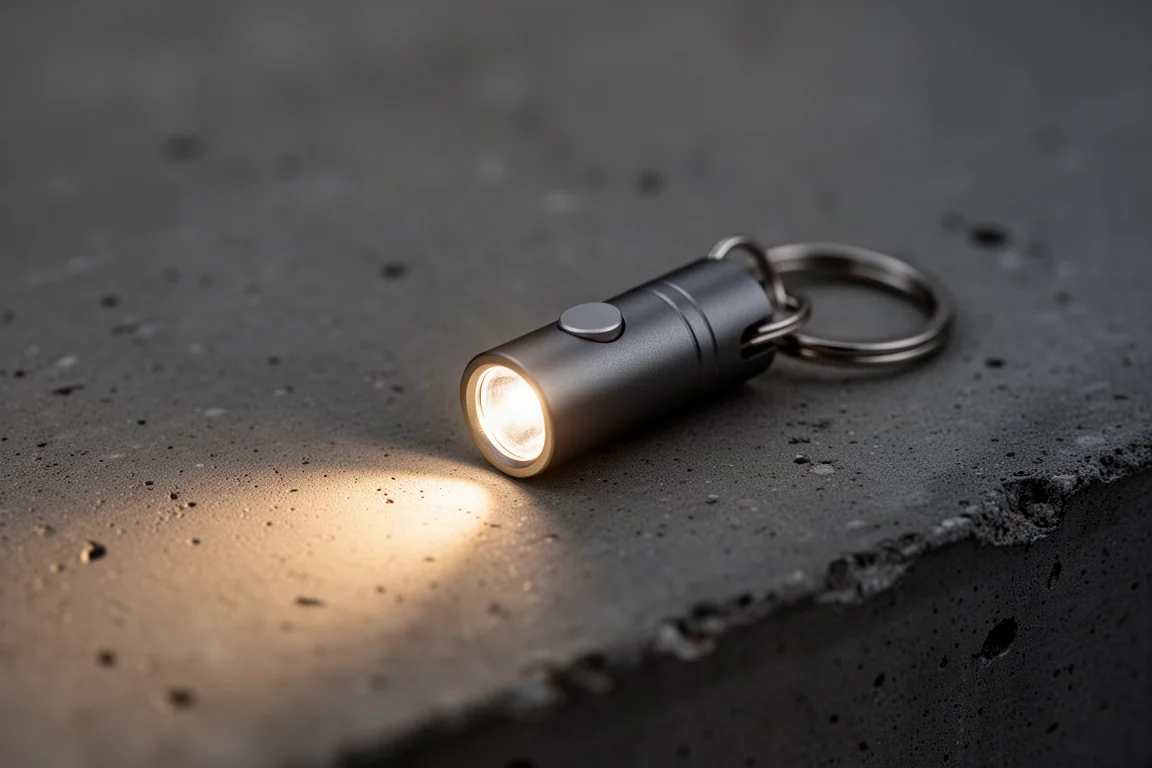
Keys are anchored to a small copper keychain piece, and the car keys carry the Nitecore TUP-1000, a compact keyring torch that minimizes pocket bulk while still packing serious output.
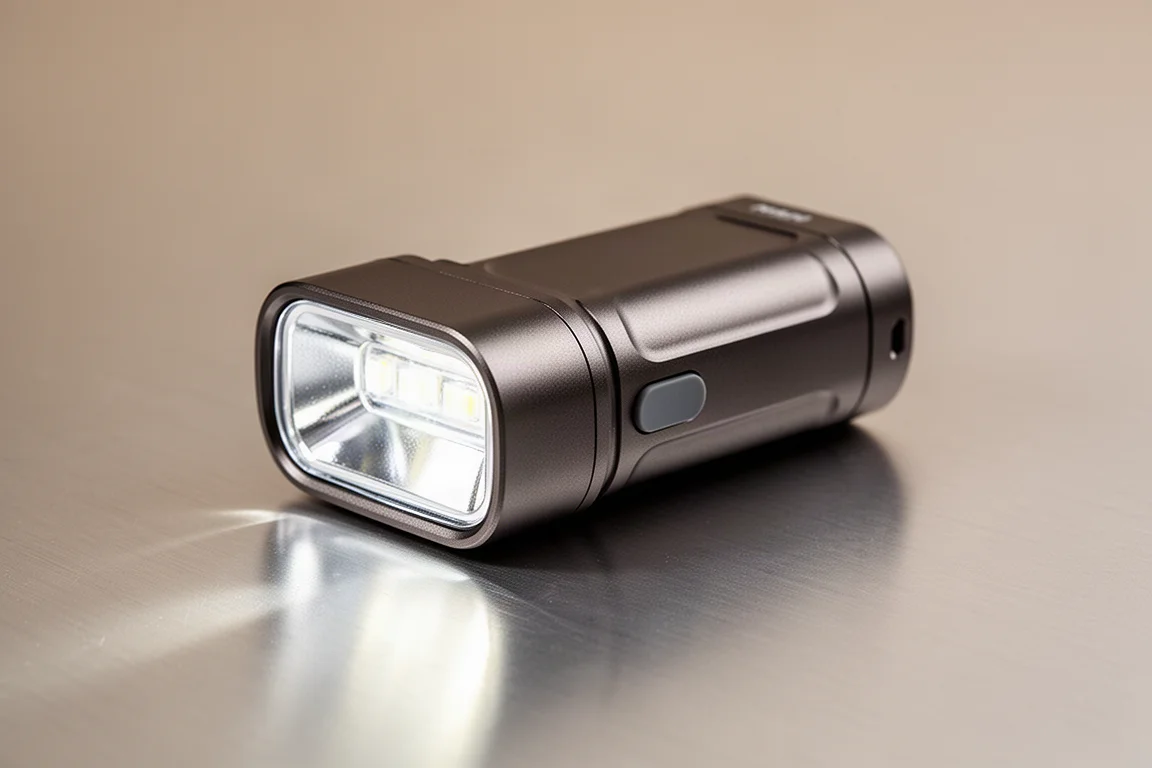
Why the Nitecore TUP-1000 Earns Its Keyring Spot
There is a deliberate reason this torch made the cut over a slightly larger alternative. It is more compact, which matters when it lives on your car keys, and its output range is genuinely versatile. A Moonlight mode of one lumen handles close-up tasks without blinding anyone, while 15, 65, and 200 lumen settings cover most daily needs. A turbo boost pushes it to 1,000 lumens when things get serious.
The one real trade-off is charging: it uses micro USB instead of USB-C. That is an understandable annoyance in 2026, but the compact size and output range still justify the choice.
Notebook and Pens
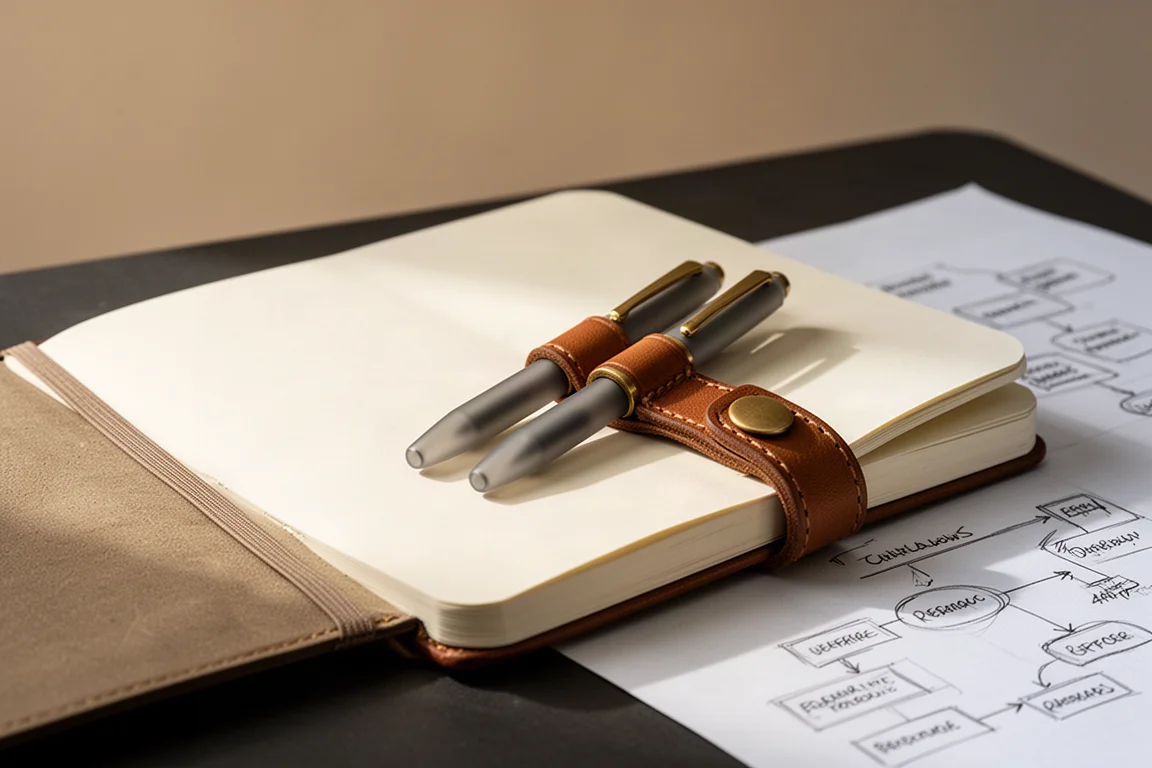
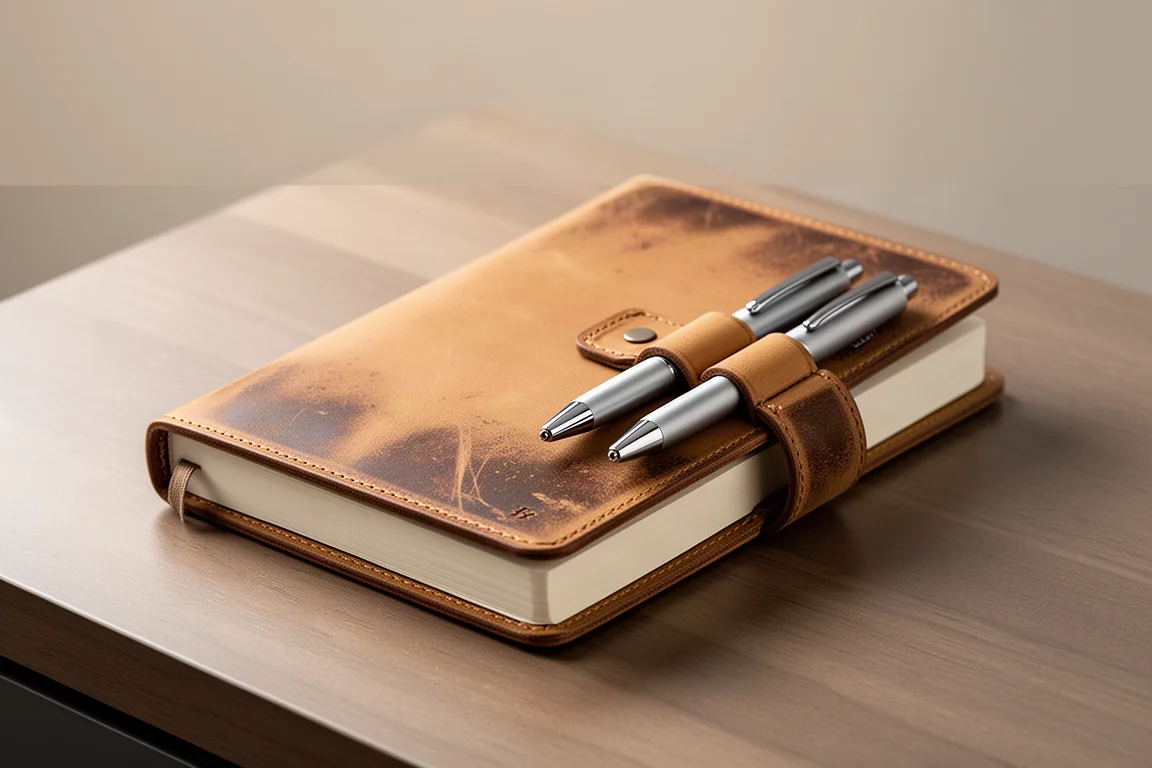
The notebook is arguably used more than the phone. A Traveler’s Company notebook in the regular size rides along everywhere, serving both jobs and even downtime, catching ideas the moment they appear.
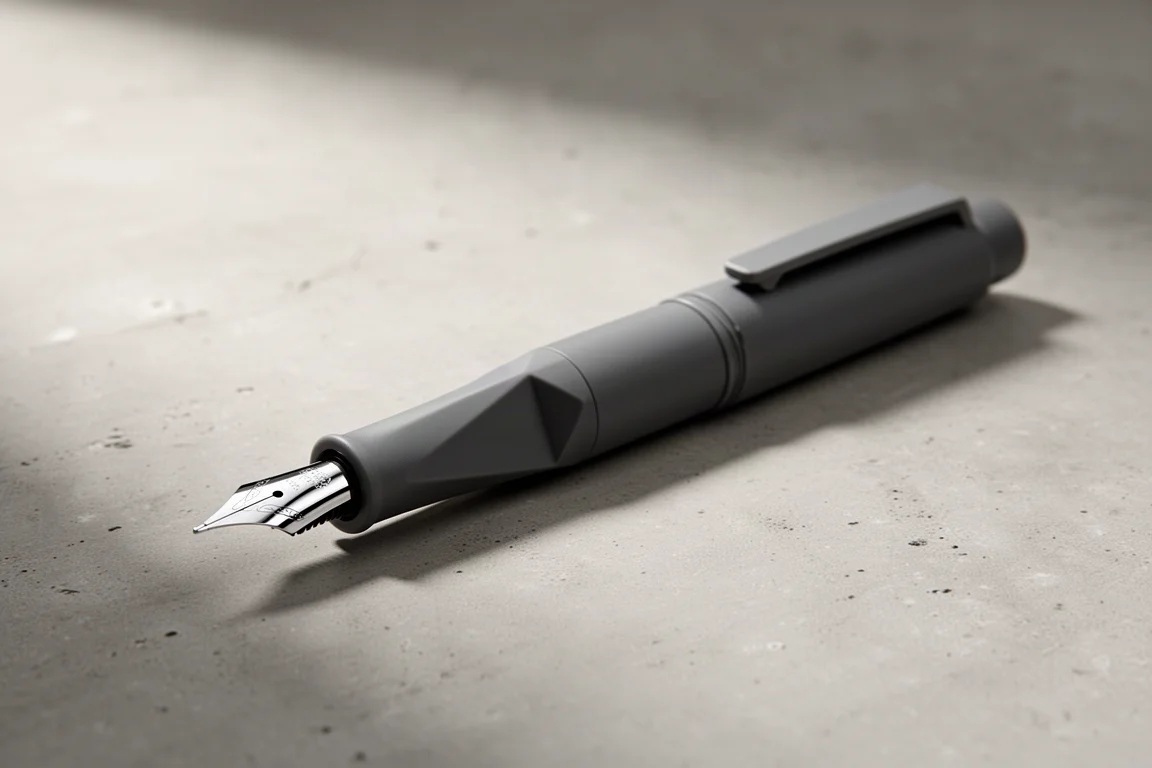
For writing, the Lamy Safari remains the go-to. Drawing process and workflow diagrams during client meetings, the two colors help drive points home, emphasize information, and categorize notes clearly. The leather and brass double-loop pen clip is handcrafted by a small workshop in Japan called The Superior Labor.
The Blade: Benchmade Bailout
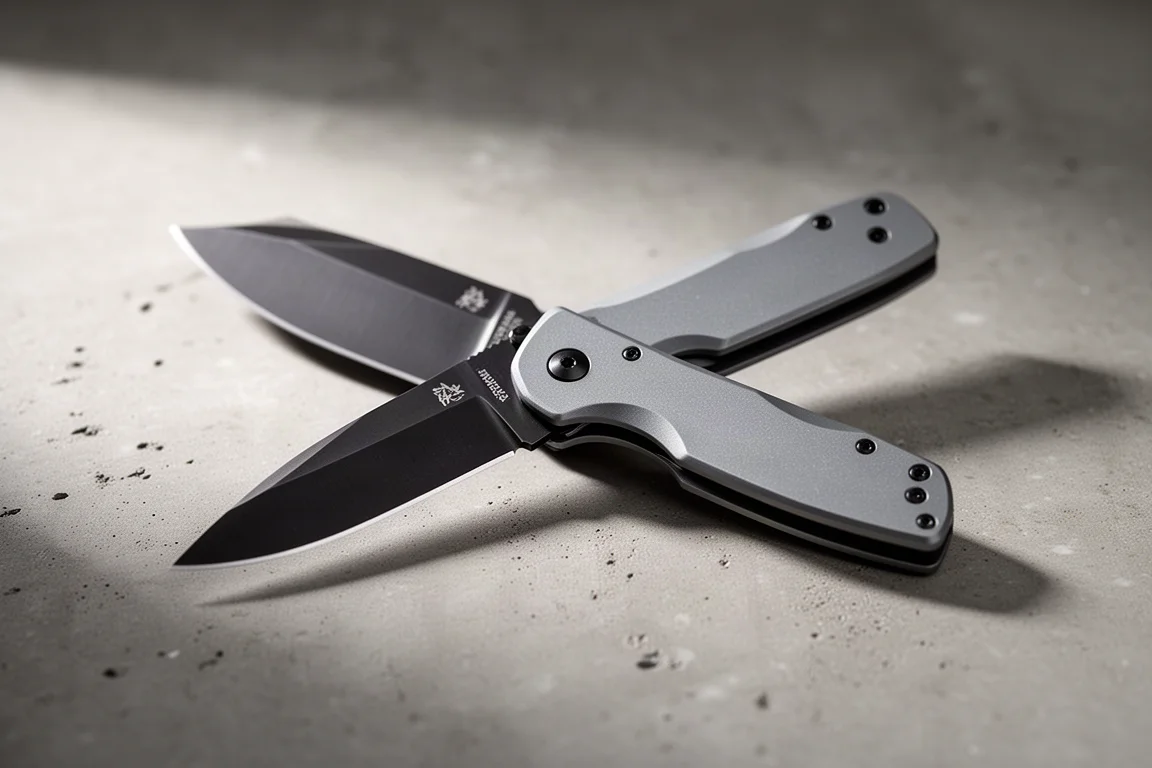
Rounding out the core kit is the Benchmade Bailout with an M4 steel blade, which has been the primary EDC knife for the past two years. It has cut a ton of gaffer tape on set during client video projects and handled boatloads of random tasks at the workshop. It is the kind of knife that simply disappears into the routine because it never asks for attention, it just works.
Workshop Add-Ons
The first fork in the road is the metal workshop, where machining, welding, and grinding create sparks, shavings, and mess. A Carhartt apron keeps things presentable for client-facing meetings that happen mid-day, and its pockets hold three purpose-built items.
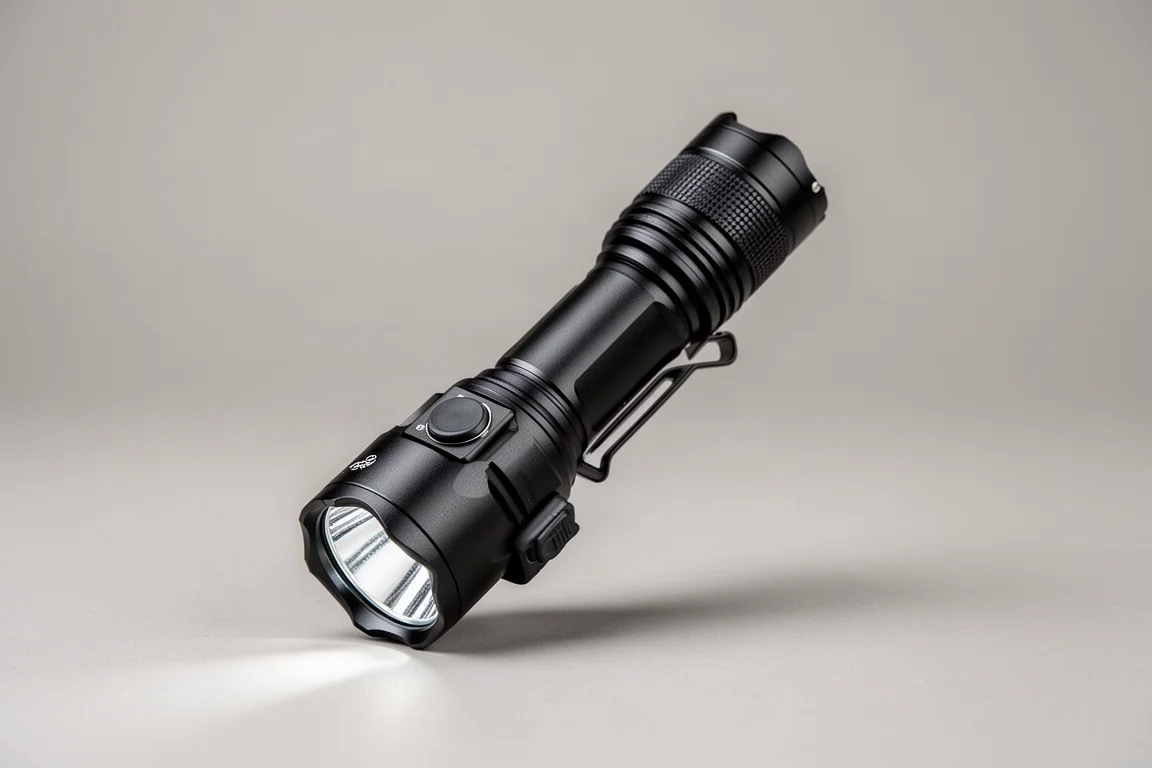
First is the Olight Warrior Mini 2. The form factor is the sweet spot: not so big that it is cumbersome, not so small that you cannot get a confident grip. A tail switch lets you fire it on and off in a hammer grip while digging through crates or pointing out work, and it is built like a tank, which is a requirement in an environment where you cannot baby your gear.
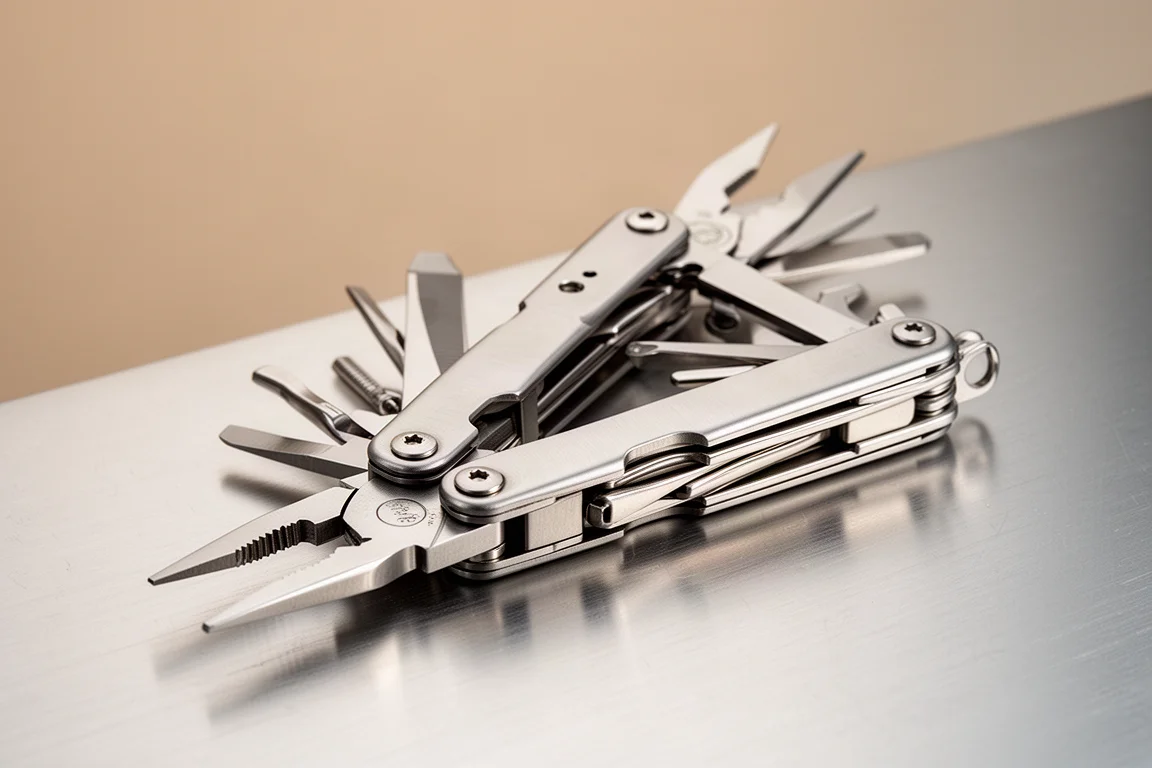
Next is the Leatherman Charge Plus TTI. Honestly, it does not get used as often as you might expect, since the workshop already has full-size versions of every tool. But it lives in the apron pocket because a couple of times a day it saves a walk across the shop floor to a tool cart, which is exactly what a pocket multi-tool is for.
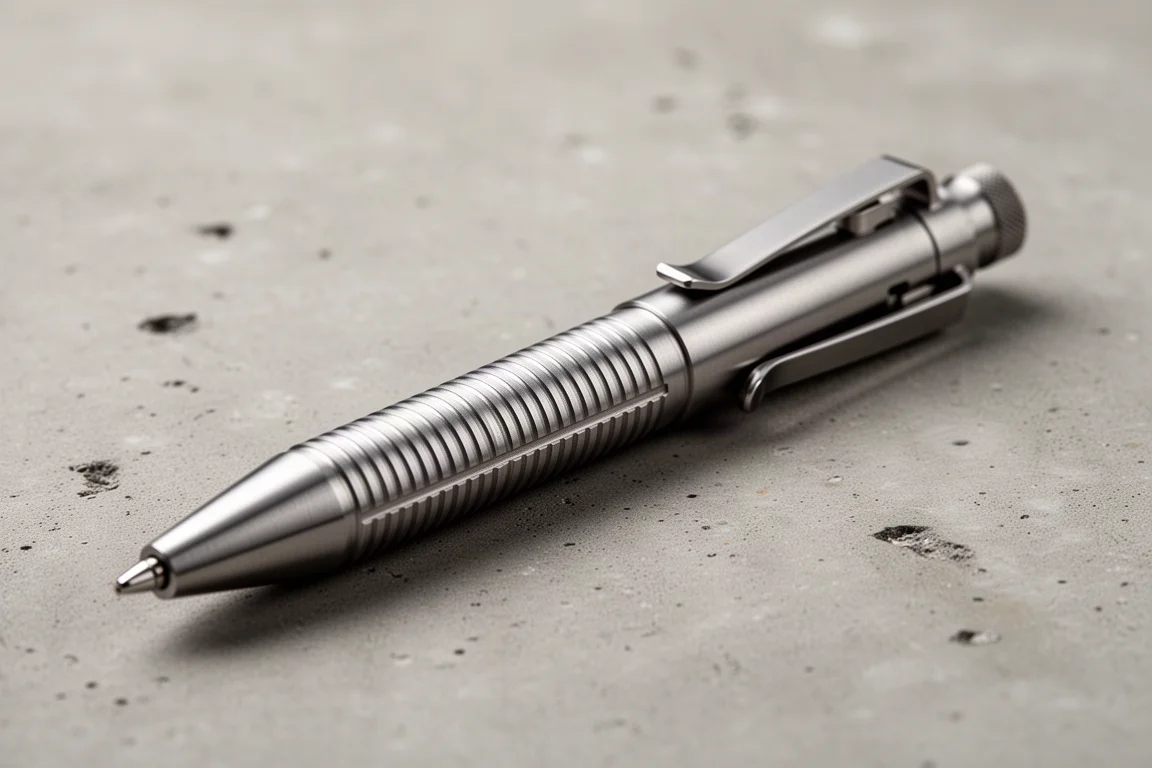
The final workshop add-on is the titanium bolt action pen from Tactile Turn. In the shop, the same principle applies as with the flashlight: gear needs to be essentially unbreakable. This pen is a true forever item, built to shrug off the abuse of daily workshop tasks while still handling sales process sketches and business planning notes.
Video and Client-Facing Add-Ons
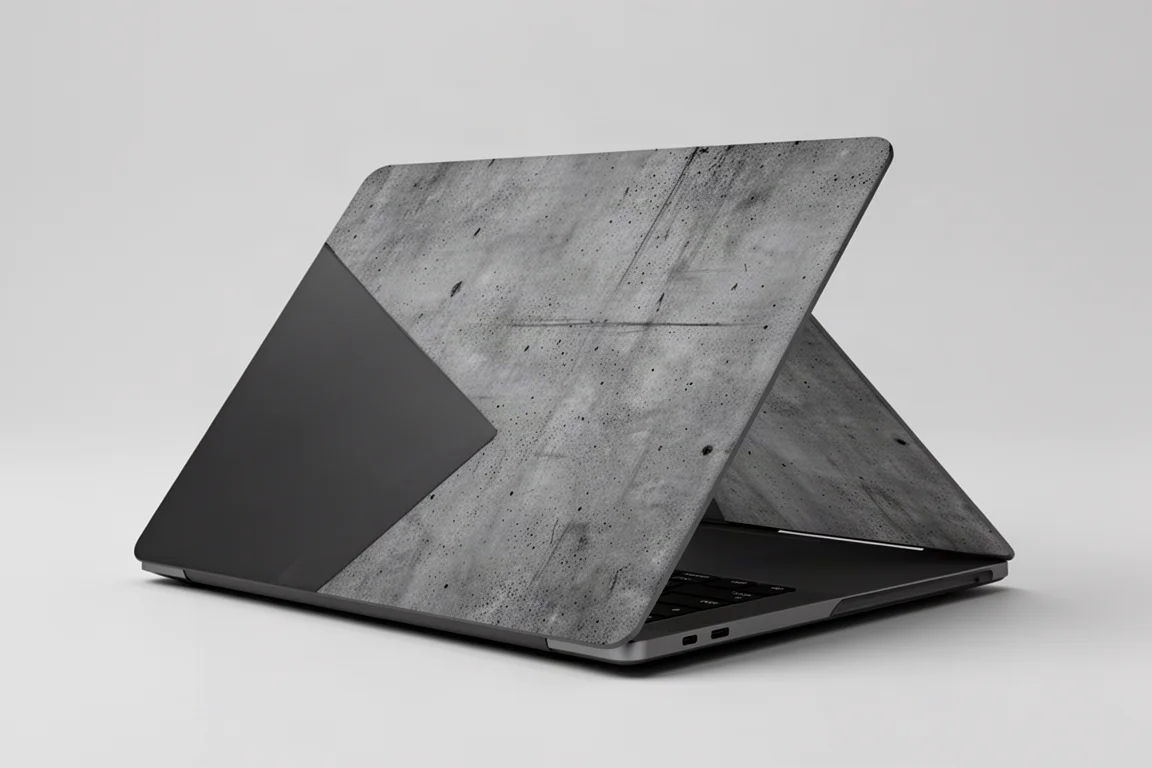
The second fork in the road covers video production and sales work, and it starts with the computer: a 2021 16-inch MacBook Pro with the M1 Pro chip. Because the habit is to resell computers when upgrading, a textured protective skin covers as much of the body as possible, so peeling it off before resale leaves the original surfaces in brand-new condition.
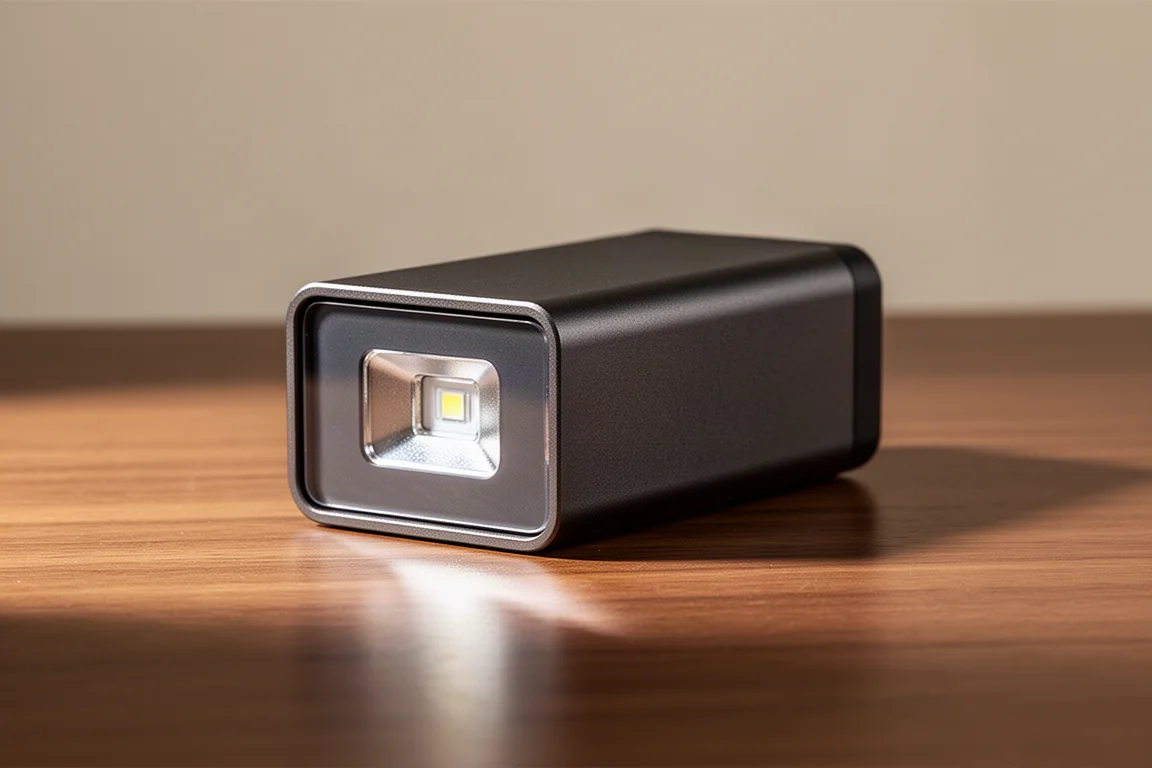
Next is the Olight Arcfeld, a relatively new addition. The car-key torch could technically handle these tasks, but the Arcfeld has a switchable green laser that has become genuinely useful on set, quickly pointing things out to the team, and in office presentations, highlighting points clearly when a slide deck is projected onto the wall.
Dry erase markers come next, and they are surprisingly powerful tools for prospect discovery meetings. The goal is to uncover a potential client’s biggest and most urgent challenges, and taking over their boardroom windows to break everything down visually ensures there is no loss in interpretation. Everyone examines the problem together.
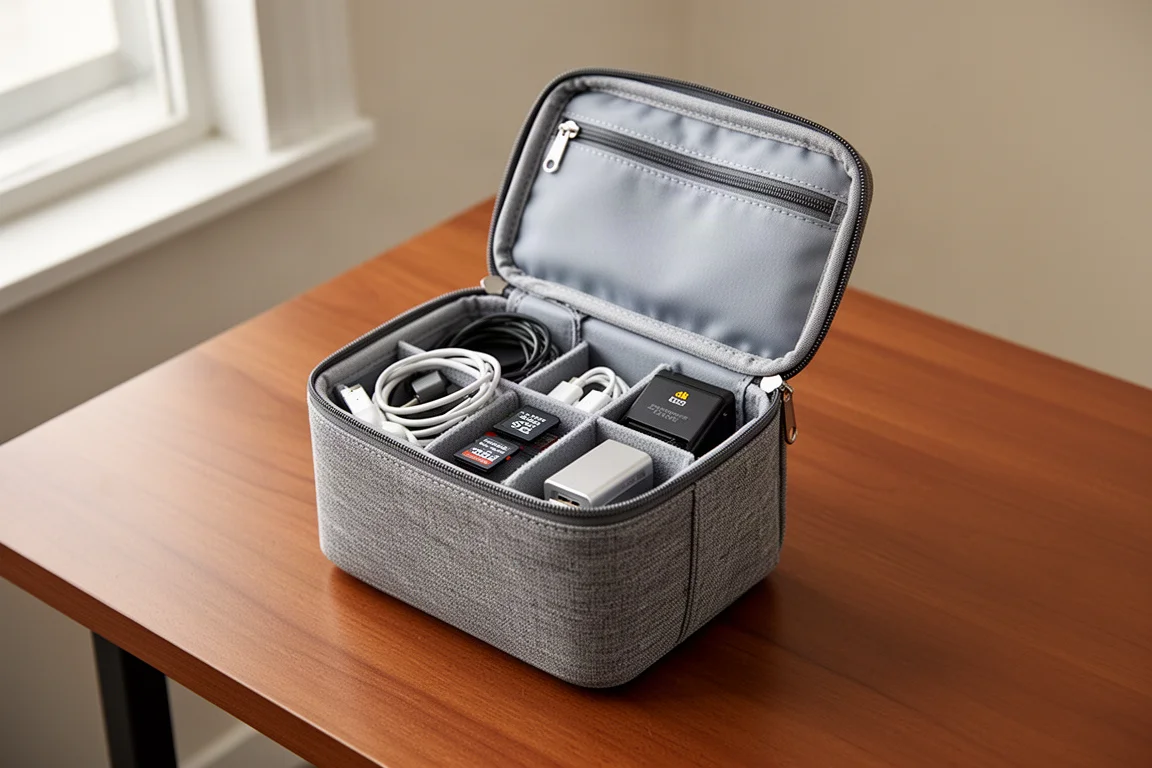
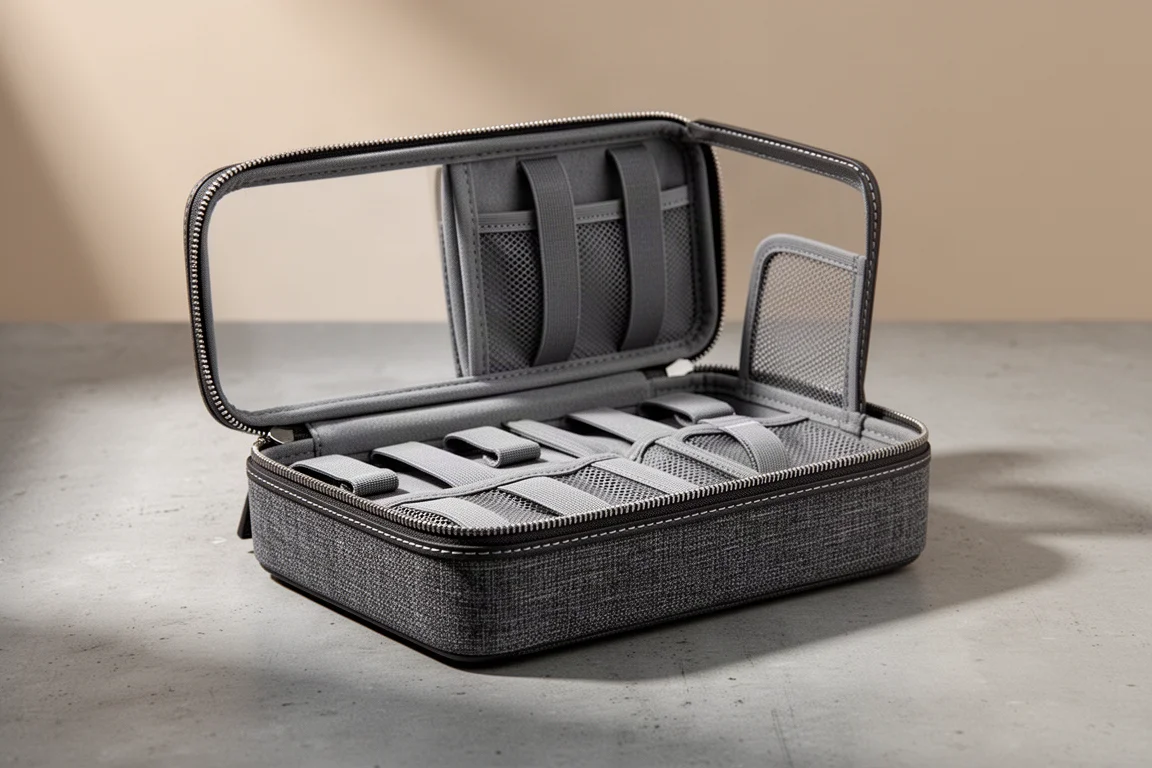
The last addition is the Orbitkey Nest, an organizer caddy with core storage, customizable dividers, and a surprising amount of small-item storage under the lid. The lid also doubles as a small tray and wireless charger when plugged in over USB-C. It typically holds supporting tech accessories: extra memory cards, external hard drives, cables, and a card reader.
Buying Advice: Building Your Own Two-Track Kit
The real lesson from this setup is the structure, not the specific items. Start with a core kit of things you use regardless of the day: phone, earbuds, notebook, pen, light, and a blade. Then be honest about what each of your regular environments actually demands and add only what solves a real problem there.
For messy, physical environments, prioritize durability and grip, like a tank-built flashlight and an indestructible pen. For desk and client work, prioritize communication tools: a laser pointer, markers, and a way to keep accessories organized. Gear chosen this way tends to stay in the kit instead of getting rotated out within a month.
Conclusion
Between a durable core kit and two purposeful add-on sets, this carry setup shows that intentionality beats accumulation. Every item has a defined job, whether it survives a machine shop or smooths a client presentation, and that is what keeps a loadout lean, reliable, and genuinely useful.
Further reading
Related Reviews

Everyday Carry
Everyday Gear That Deserved a Second Look
A roundup of solid everyday carry items: watches, pens, a pencil, a knife, and a smart ring that each earned a place on the table.

Everyday Carry
KORE Tactical Bifold Wallet Review: A Durable Everyday Carry Option
A close look at the KORE Tactical Bifold Wallet, a reinforced nylon wallet with magnetic closure and room for cards, cash, and IDs.

Everyday Carry
Krabby Wallet Review: A Slim, Simple Carry That Has Stood the Test of Time
A closer look at the Krabby Wallet, a slim canvas and elastic design with a loyal following and a simple, functional approach to everyday carry.