Everyday Carry
Everyday Carry 2026: The Gear That Actually Stays in My Pockets
A practical EDC roundup covering wallets, keychain tools, multitools, flashlights, fixed blades, folding knives, and watches, with honest notes on what earns pocket time.
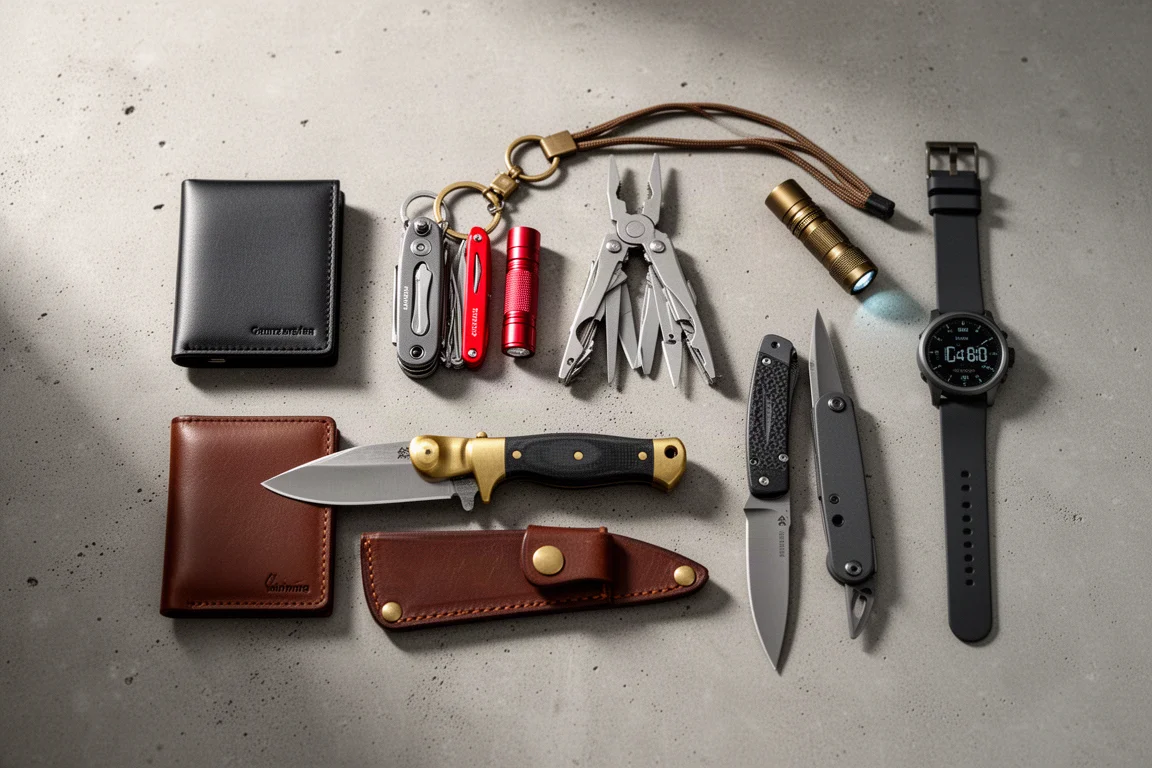
Introduction
Everyday carry is personal, and after a couple of years of testing, swapping, and paring down, a clear pattern has emerged: the items that survive are the ones that solve a real, repeatable problem without adding weight or fuss. This update covers the essentials that leave the house every single day, plus the extras that earn their spot because helping someone with a stuck screw or a stubborn package happens more often than you would think.
Some of these picks are stock, some are modified, and one is not even released yet. All of them have been carried long enough to form an honest opinion.
Essentials: Wallet, Notebook, and Pen
Keys and wallet are the two items that still resist consolidation. Some people integrate both into their phone, but for anyone who still prefers paper notes, a dedicated wallet and a real notebook remain hard to beat.
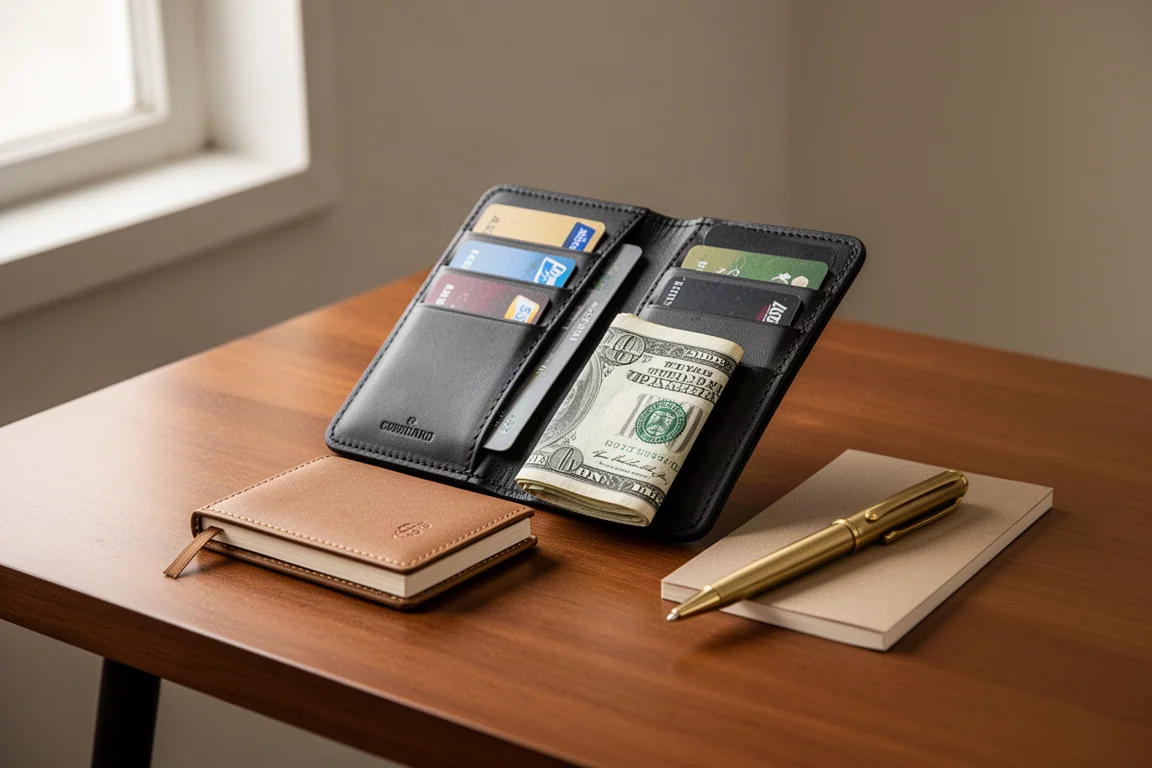
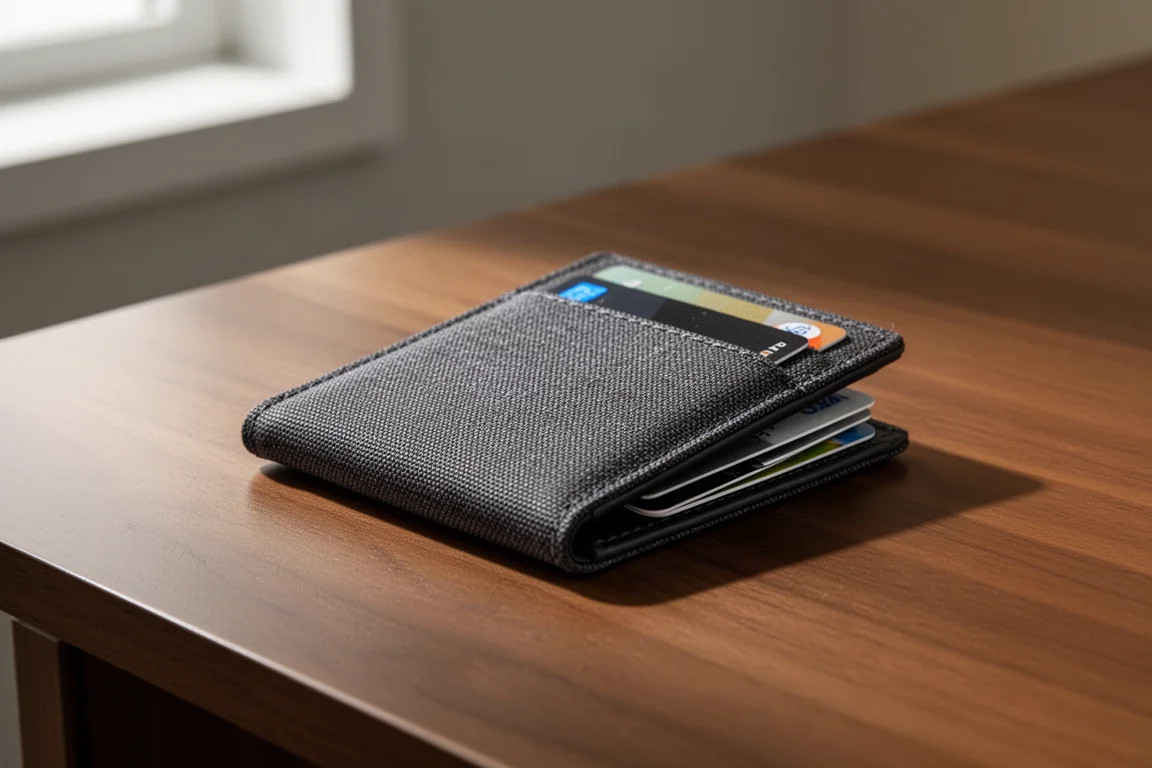
The Locki Sidekick is a personal wallet design that has been carried for months to verify durability, and it has held up well. It offers a cash slot, plenty of card capacity, and a secondary slot that works well for business cards. It also pairs with a small 3D-printed utility knife blade designed specifically for the wallet.
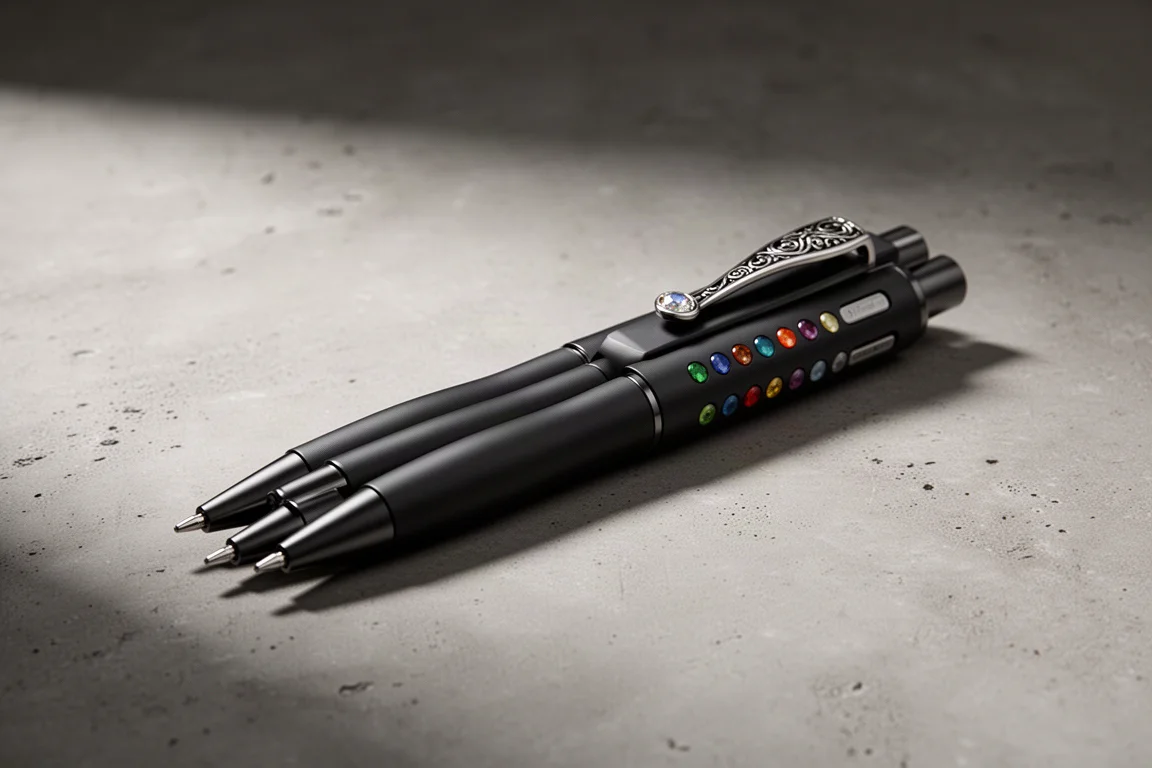
For notes, a small A7 plain notebook made in Japan delivers the nicest writing paper experience, and the pen of choice is the Skillcraft Aviator B3 with the black coating removed to expose brass that has patinated beautifully over time. It combines a black pencil and red ink, with an eraser on the back, and having multiple colors matters for everyday note taking.
Keys: Keyport Pivot 2.0 and a Victorinox Manager
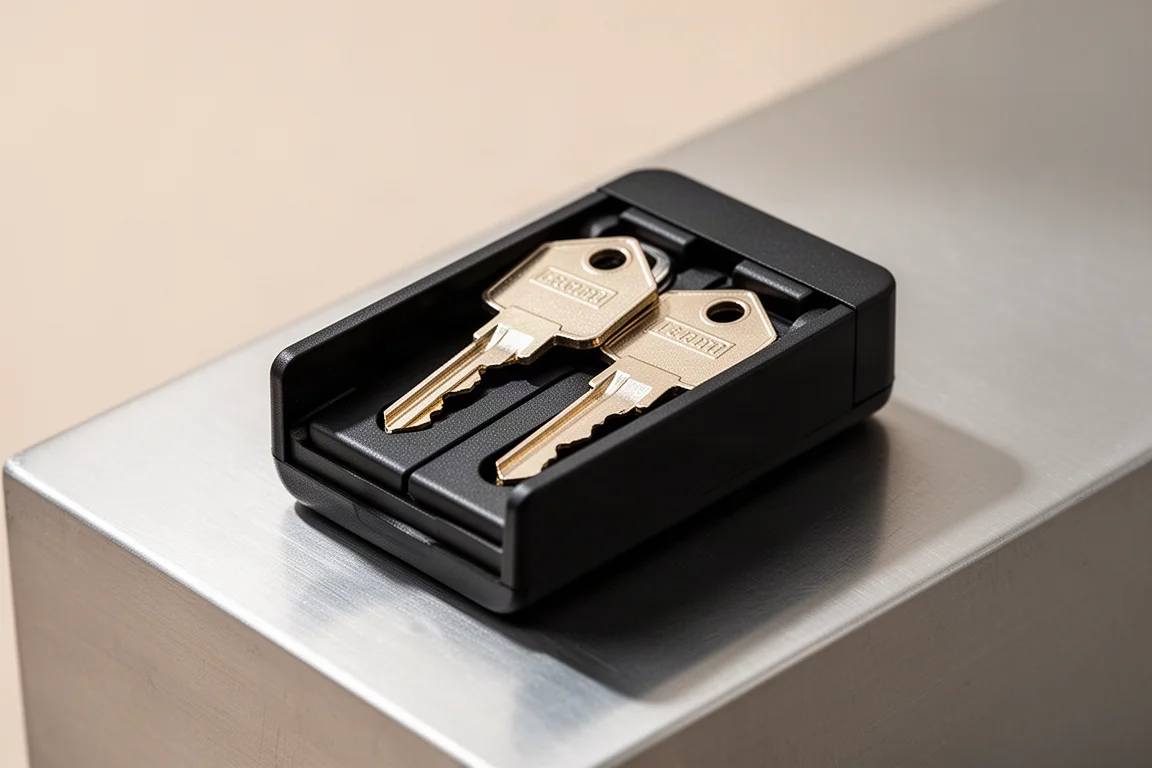
On the key side, the Keyport Pivot 2.0 has stayed in rotation since it was picked up and has never disappointed. Keys stay secure and never deploy unintentionally, and a small tritium fob makes the whole set easy to find in a bag or in the dark.
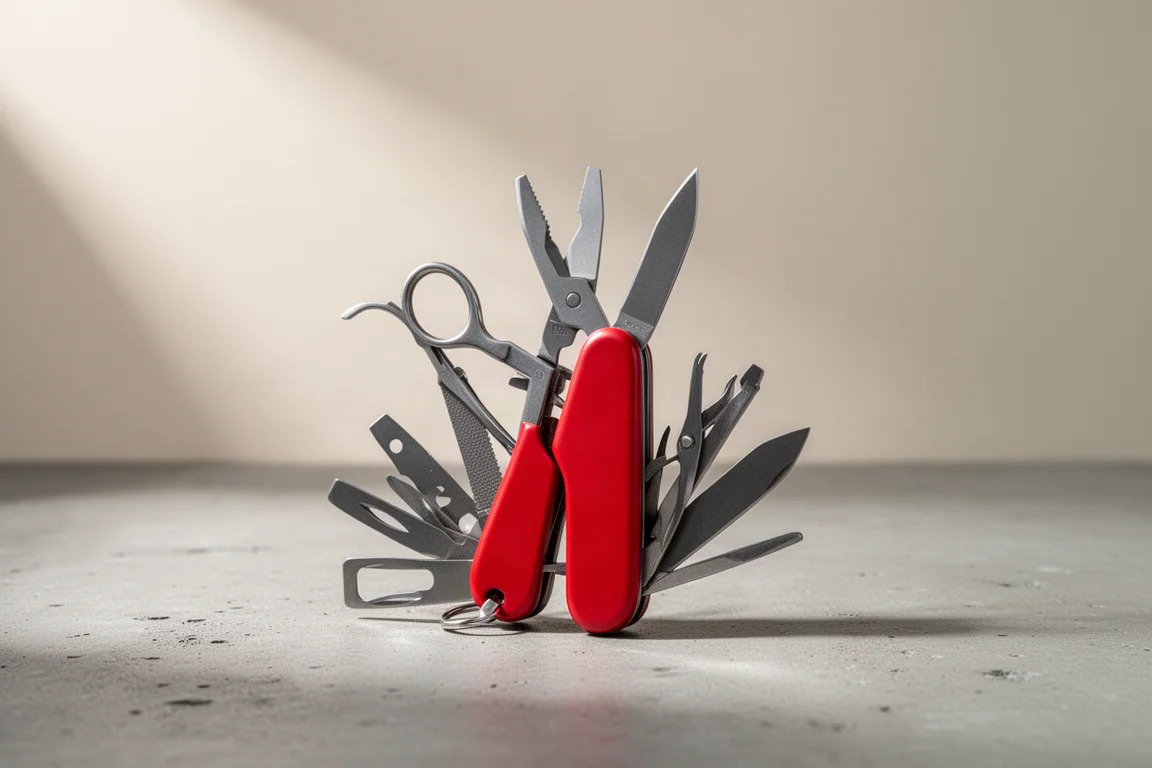
Riding along on the keychain is the Victorinox Manager, essentially a Rambler with a pressurized pen in place of the toothpick. With a small blade, scissors, a Phillips head, and a flathead, this platform is arguably the only multitool most people actually need on a keychain. The standard Rambler may make more sense for some, but the backup pen is worth it here.
Multitools: The Most Carried Item
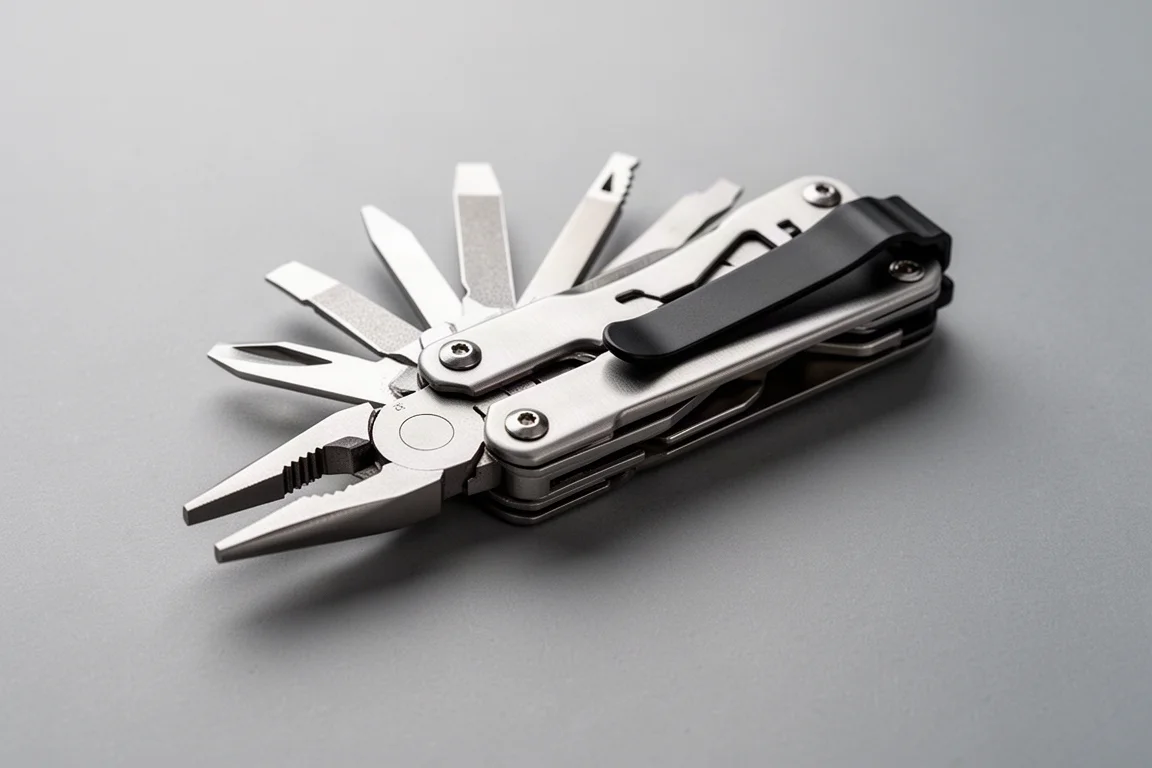
By far the most carried additional item is a plier-based multitool with a pocket clip and a one-handed blade. The Leatherman Arc, in a modified form, takes most of that duty. To be clear, the stock version was not recommended previously: getting it to a preferred state means replacing the cutters, optionally adding scales, and swapping the bit driver for a full bit driver that also accepts 4mm bits. It requires modification and some knowledge, so it cannot be genuinely recommended in stock form, even though the modified version gets carried constantly.
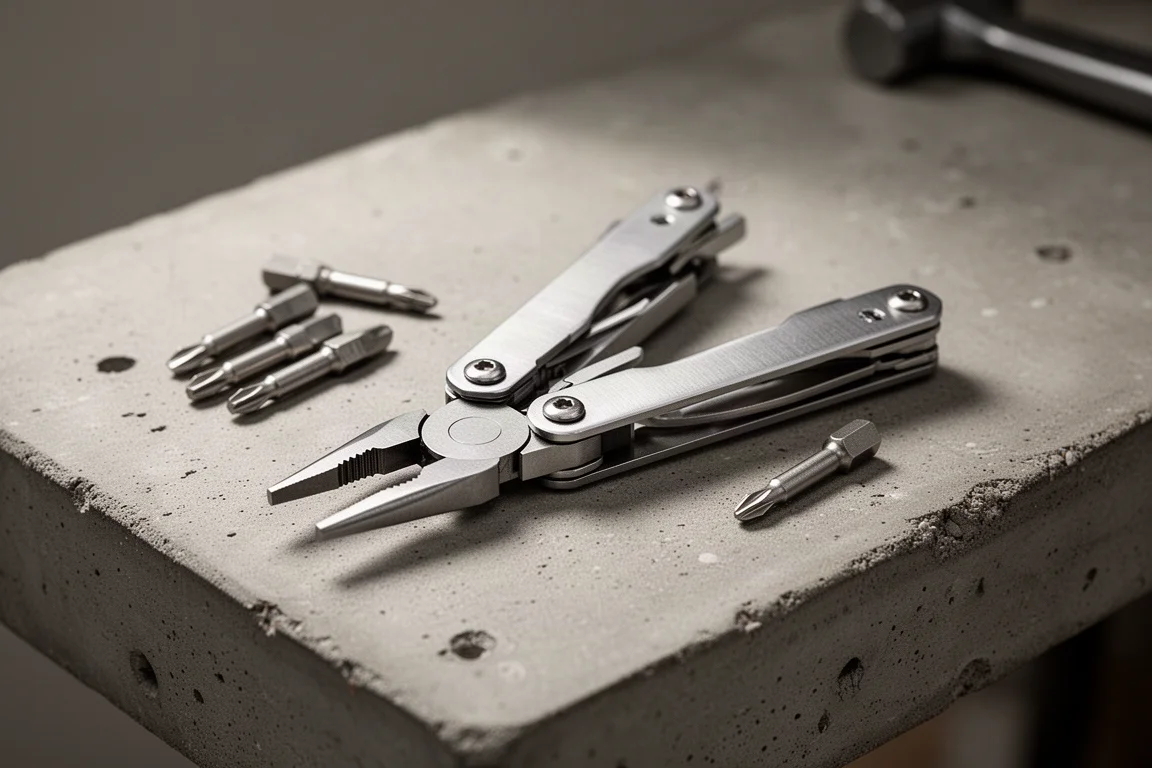
The honest argument here is that a plier-based multitool replaces a folding knife entirely. There is nothing a folding knife of similar size can do that this tool cannot, and a folding knife is essentially a lighter, less capable multitool. Yes, it means carrying a heavier tool, and most people will not want an 8.6-ounce carry, but for anyone who wants to be genuinely capable in the moment, it is hard to beat.
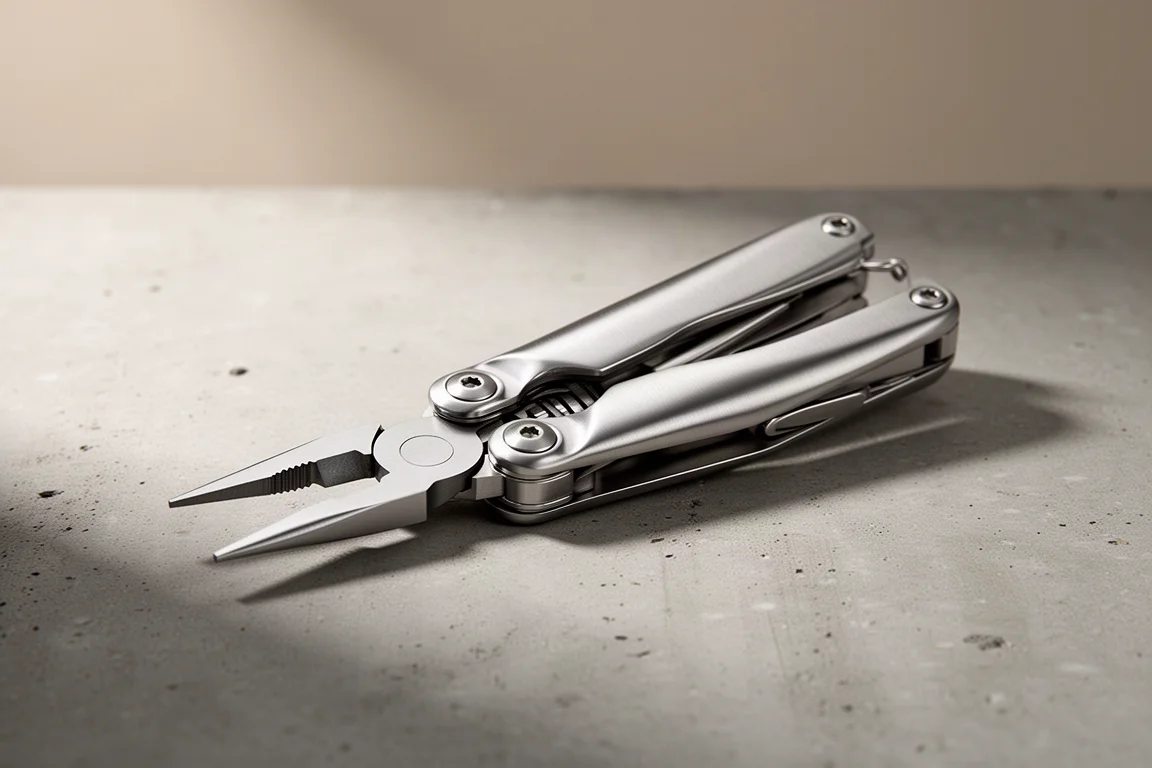
The other most carried multitool is the stock Swisstool MX Clip. Between the modified Arc and this unmodified Swiss option, these two have dominated pocket time over the last year, and there is no sign of that changing.
Flashlights: Neck Carry and Pocket Power
Flashlight habits have shifted. Rather than pocketing a light every day, it has become more useful to stage lights in locations or bags where they can be grabbed before dark. The exception is a small AAA light worn around the neck, which solves a specific problem: walking around the house at night without stepping on sharp toys.
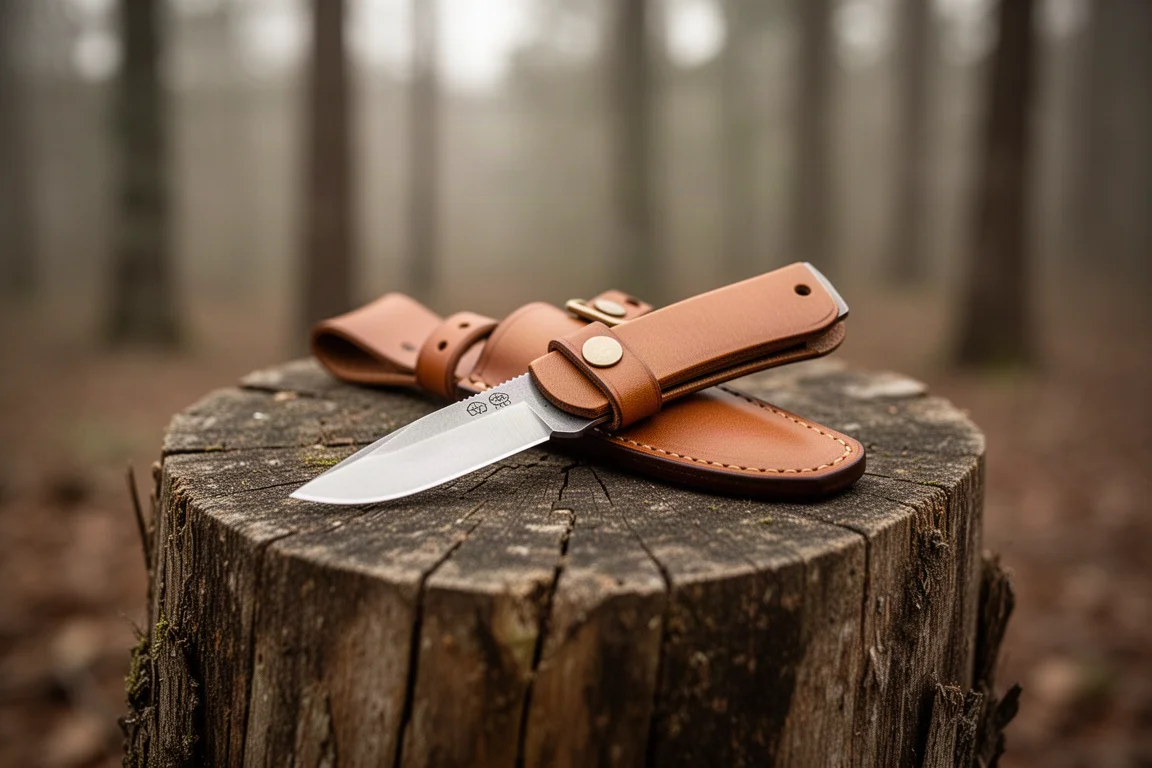
The Fenix E01 is that neck light. It is a standard AAA light with a perfect user interface, fully waterproof, and it simply works whenever it is needed, hands free, without ever being taken off.
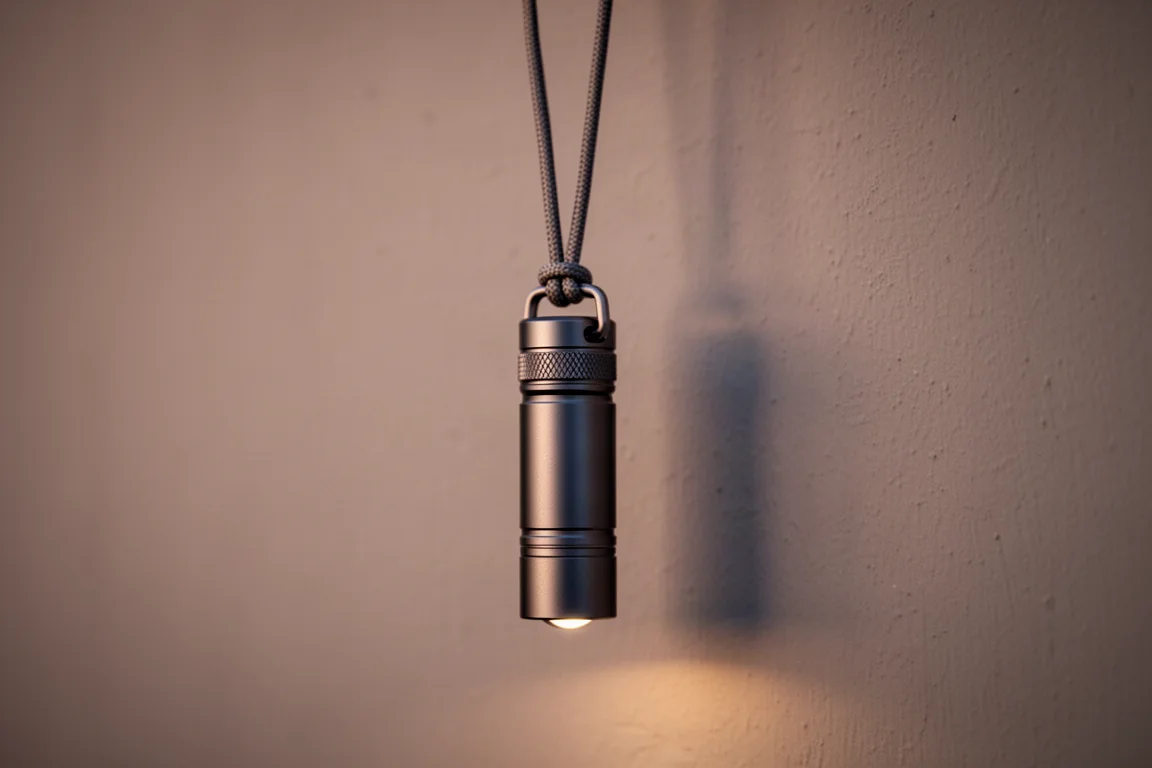
For brighter, purpose-specific lights, several have been in testing. The Acebeam H16 stands out as close to perfect in nearly every way. It is a right-angle light that runs on either a 14500 or a AA battery, and even on a 14500 it reaches more than 20,000 candela, more than enough power for almost anything. Smaller AA-powered lights have been the recent preference, and other tested options in this space include the Nextorch TA21, the Weltool T1 Pro, the Wuben T1A, and the Demco AK-1 Daily Custom.
Fixed Blades: A Changed Opinion
Fixed-blade carry changed dramatically from 2023 to 2024. Early in the period, larger options like the AK-1 from Daily Custom, the Aramid 4 from Demco, the Lulu from Arisen Tool paired with a Discreet Carry Concepts clip, and the TRC Knives Raider all saw time. The Raider is excellent, but it imprints a bit too much for everyday taste.
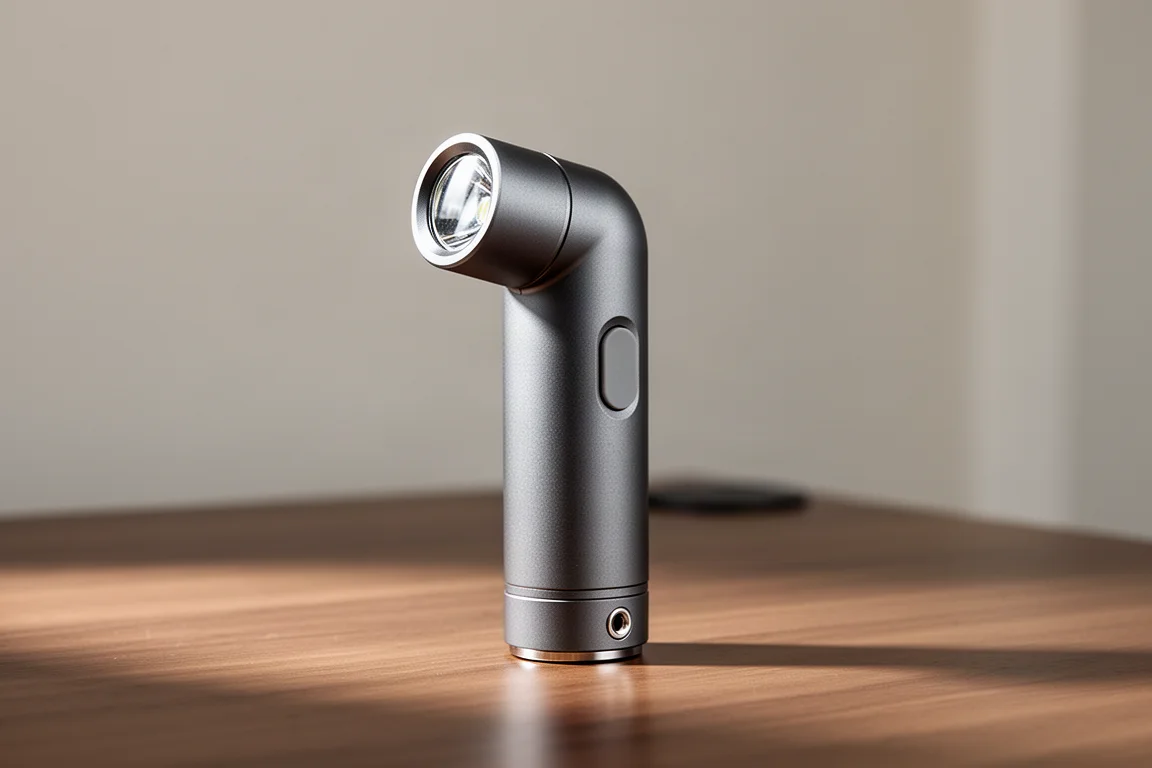
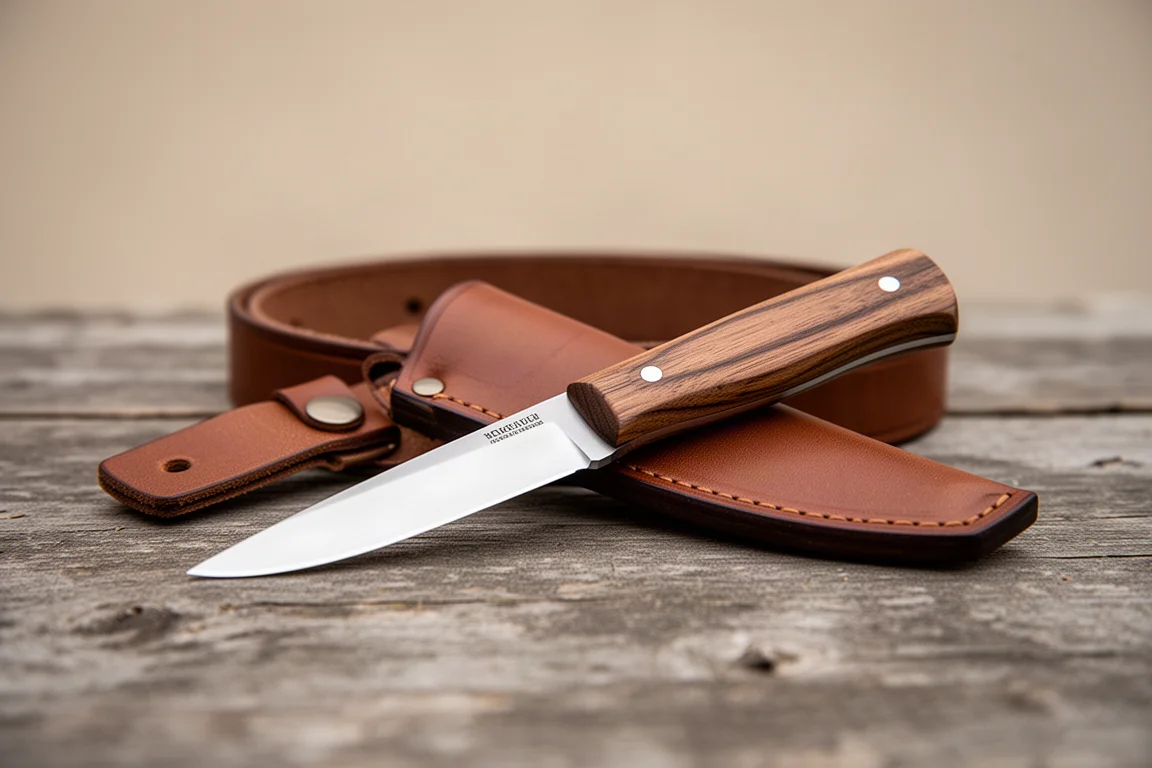
The turning point came with a Canadian-style belt knife from LTWK Knife and Tools. Forcing it into every task, as if all the other knives in the house disappeared, revealed real versatility. The blade angle relative to the handle provides excellent clearance against flat surfaces, a slight curvature allows rock cuts, and it performed surprisingly well at food prep. The 90-degree spine handles outdoor tasks, it works decently in a reverse grip, and the steel choice holds up. The leather sheath is a highlight: it carries low-profile on the belt, draws no second glances, and the design allows comfortable positioning.
What changed the thinking is the idea that any knife carried like this should be used regularly, not saved for an emergency scenario, so muscle memory actually develops. A fixed blade is not comparable to any folding knife; it simply does more, with no little grooves for food to get caught in during prep.
Folding Knives: Five That Still Get Carried
Folding knives still appear in two situations: as a replacement for everything else on a given day, or as a tool being tested before a full review. Of the five that get real pocket time, four are functional tools and one is pure enjoyment.
The enjoyment pick is a magnetic automatic with manual operation, a rare combination found only in that knife. It is carried purely for the mechanism and the design, not for cutting performance.
For hard use on a budget, the Cold Steel Air Lite is hard to argue with. It is slim, extremely tough, has a 90-degree spine, and excellent jimping. It has been beaten through a 2x8 with a rubber mallet without any lock issues, and there is arguably nothing under $60 that beats it as a functional tool.
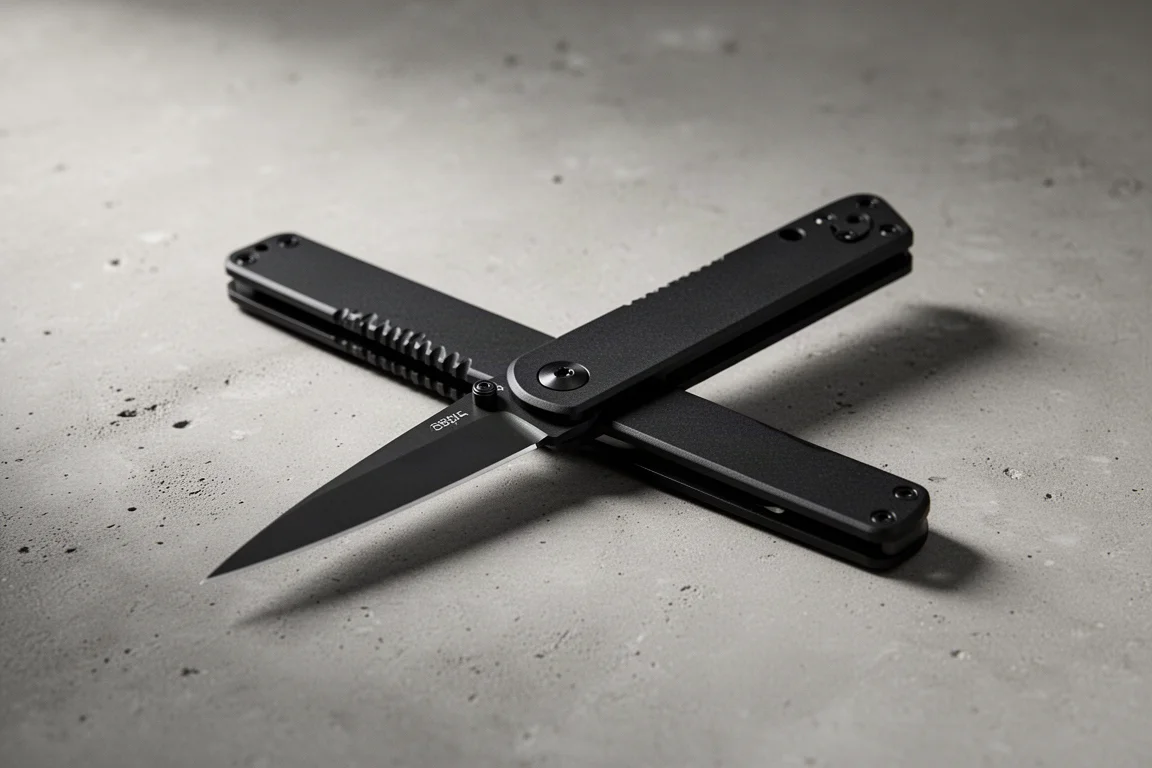
For harsh or wet environments, the Spyderco Para 3 Salt is the standout. Salt-series knives use phosphor bronze washers instead of bearings, so sand and corrosion are far less of a concern. It can be used hard, used for food prep, rinsed off, and not worried about. The Para 3 has a significant handle with great texture and is about perfect for a sub-3-inch blade, and it gets carried far more often than the Para 2 Salt.
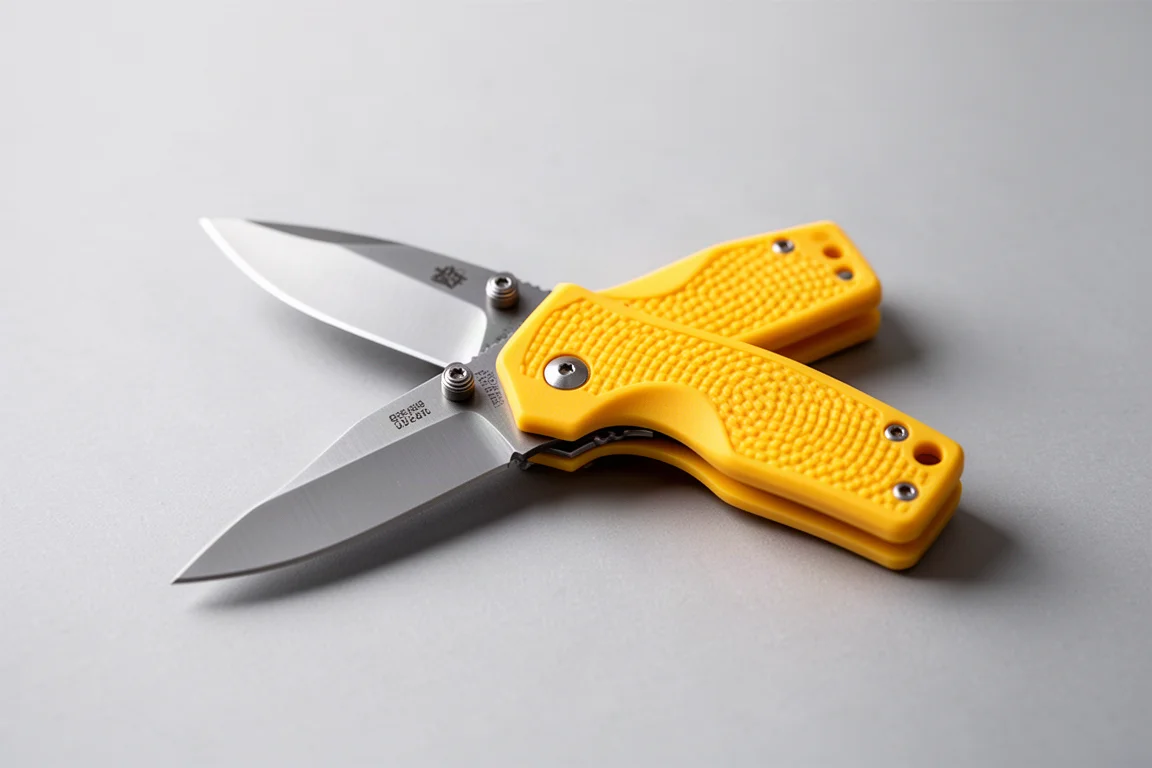
Rounding out the rotation, the Demco knife in CPM 3V is very tough and serves as an enjoyable fidget as much as a tool. It is not the cheapest, and the Air Lite arguably beats it on blade length and grind, but it remains a good sub-3-inch option when blade laws are a concern.
Watches: Solar Quartz Over Everything
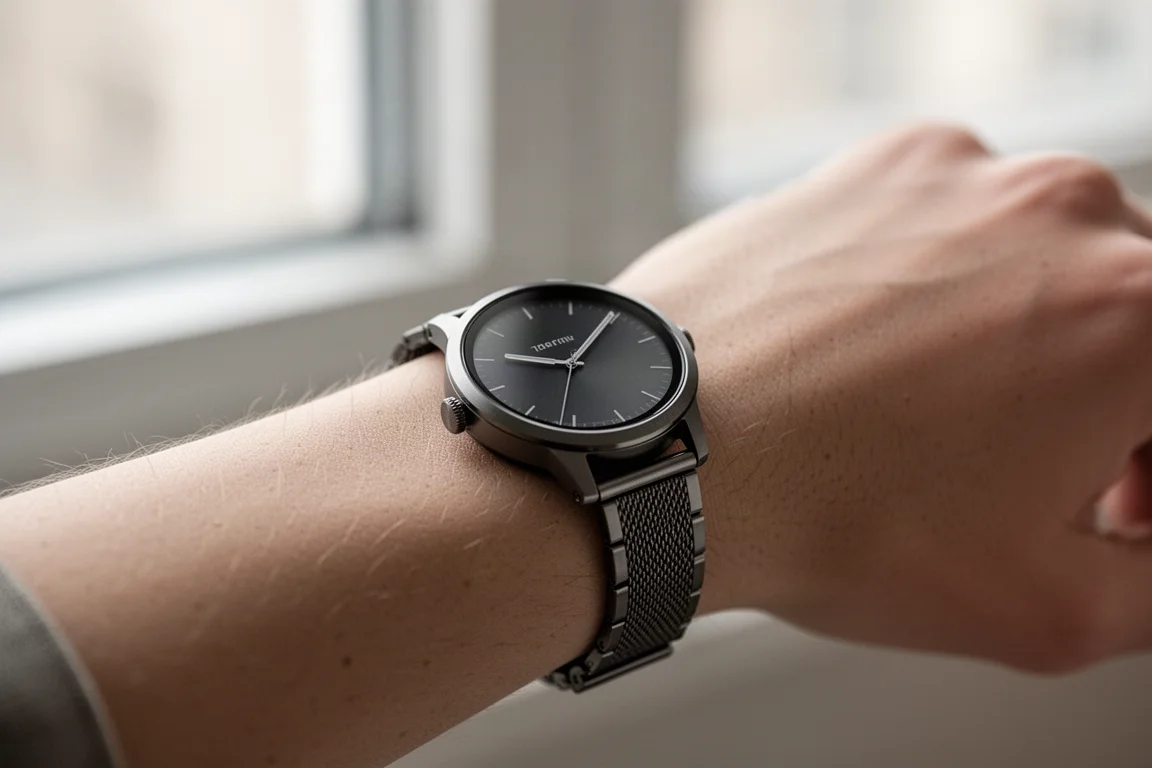
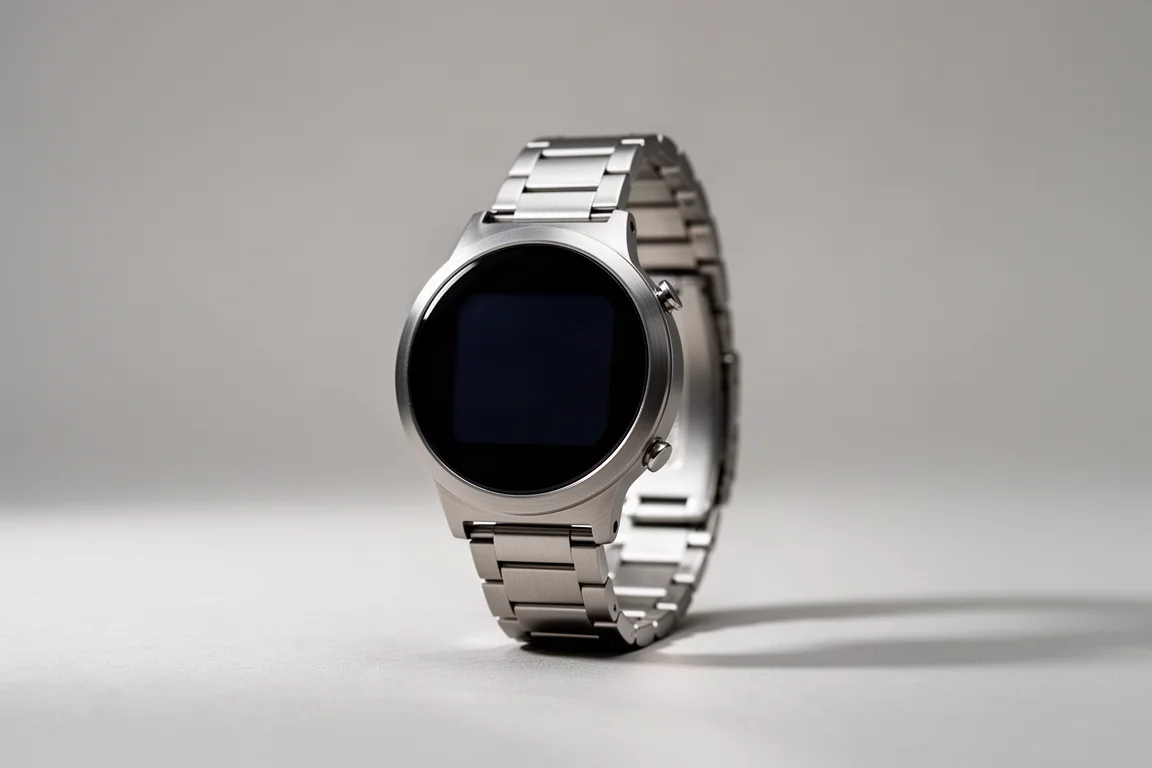
On the wrist, the preference is solar quartz. Mechanical movements are lovely as jewelry, but as timekeeping devices they fall well behind quartz, and matching quartz accuracy mechanically requires serious money. Solar quartz watches with radio or Bluetooth time sync stay accurate within milliseconds no matter when you check them.
The current favorite is a titanium Casio Lineage with a sapphire crystal and Multiband 6. It is slimmer and lighter than a G-Shock square, which is remarkable in itself, and it is actually the less expensive of the two. A G-Shock square variant with Bluetooth and solar power is also a strong pick at around $250 and is arguably the most wearable G-Shock for smaller wrists, with a huge power reserve and features like phone finding, without any smartwatch charging obligations.
Buying Advice
Start with what you will actually use daily. A keychain multitool like the Victorinox Manager covers more situations than most people expect, and a plier-based multitool with a pocket clip can honestly replace a folding knife if you accept the weight. Add a small, reliable light such as the Fenix E01 where you will actually find it before dark, and only then consider specialty pieces like salt-series knives or a right-angle flashlight.
If you prefer a fixed blade, choose one with a good sheath and commit to using it regularly. And for watches, solar quartz delivers accuracy that mechanical movements cannot match at any reasonable price.
Conclusion
The through-line in this carry is simple: fewer, more capable items that get used constantly. A wallet that carries well, a keychain multitool, a serious plier-based multitool, one dependable light, and a knife or two matched to the day. None of this is about having the most gear; it is about being genuinely ready when a small problem appears, and enjoying the tools that get you there.
Further reading
Related Reviews

Everyday Carry
Everyday Gear That Deserved a Second Look
A roundup of solid everyday carry items: watches, pens, a pencil, a knife, and a smart ring that each earned a place on the table.

Everyday Carry
KORE Tactical Bifold Wallet Review: A Durable Everyday Carry Option
A close look at the KORE Tactical Bifold Wallet, a reinforced nylon wallet with magnetic closure and room for cards, cash, and IDs.

Everyday Carry
Krabby Wallet Review: A Slim, Simple Carry That Has Stood the Test of Time
A closer look at the Krabby Wallet, a slim canvas and elastic design with a loyal following and a simple, functional approach to everyday carry.