Home Security
Eufy Security Camera System Review: Third-Generation Cameras and HomeBase 3
A comprehensive look at Eufy's latest security cameras, including the HomeBase 3, wired doorbell, pan-and-tilt camera, and motion-detecting light. Setup, image quality, and real-world performance tested.
Introduction
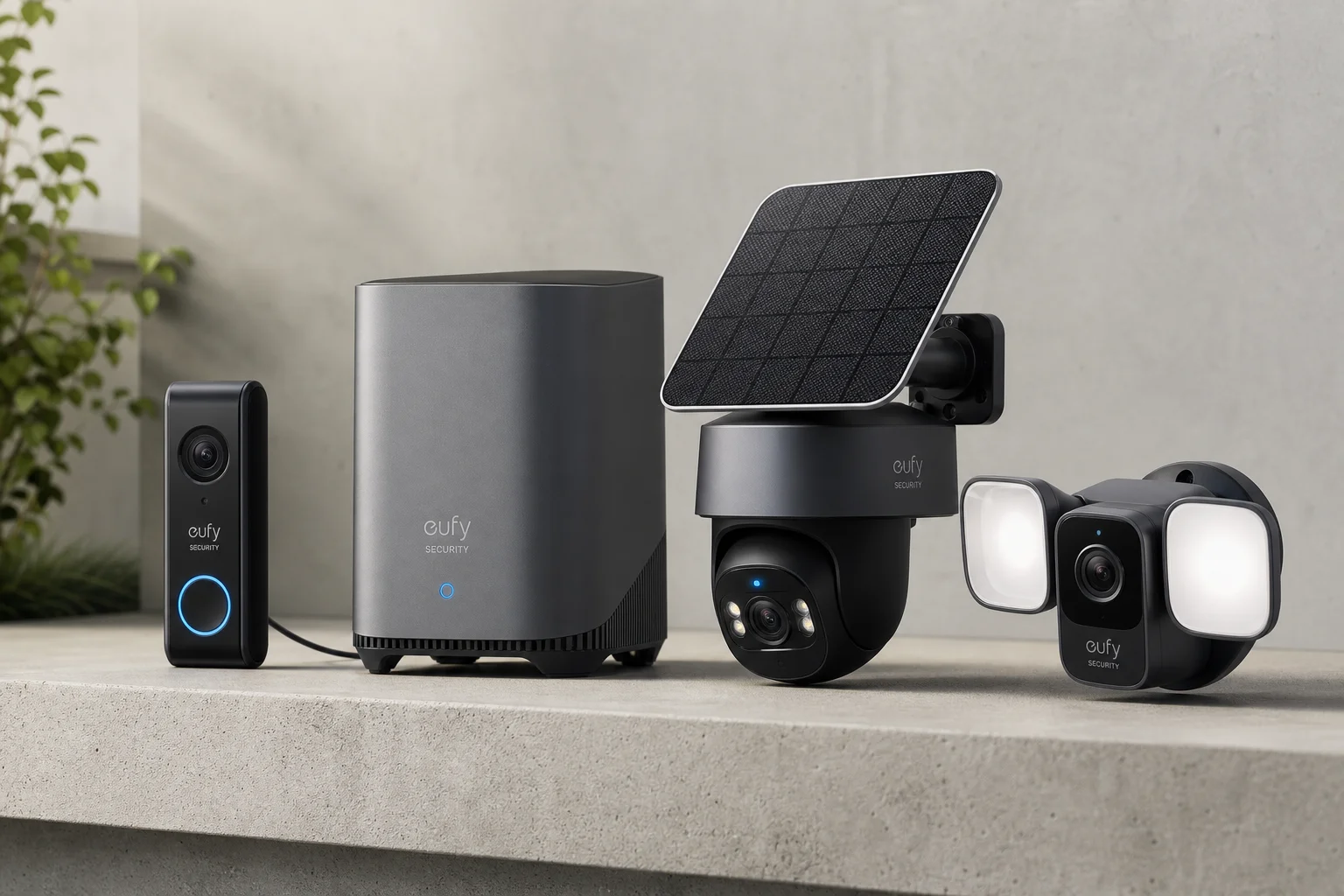
Home security cameras have become essential for protecting property and monitoring activity around the house. Eufy’s third-generation security camera system offers a comprehensive solution with multiple camera types, a powerful hub, and advanced features. This review covers the HomeBase 3, wired doorbell, pan-and-tilt camera, motion-detecting floodlight, and how they compare to earlier Eufy models.
System Overview and Backward Compatibility
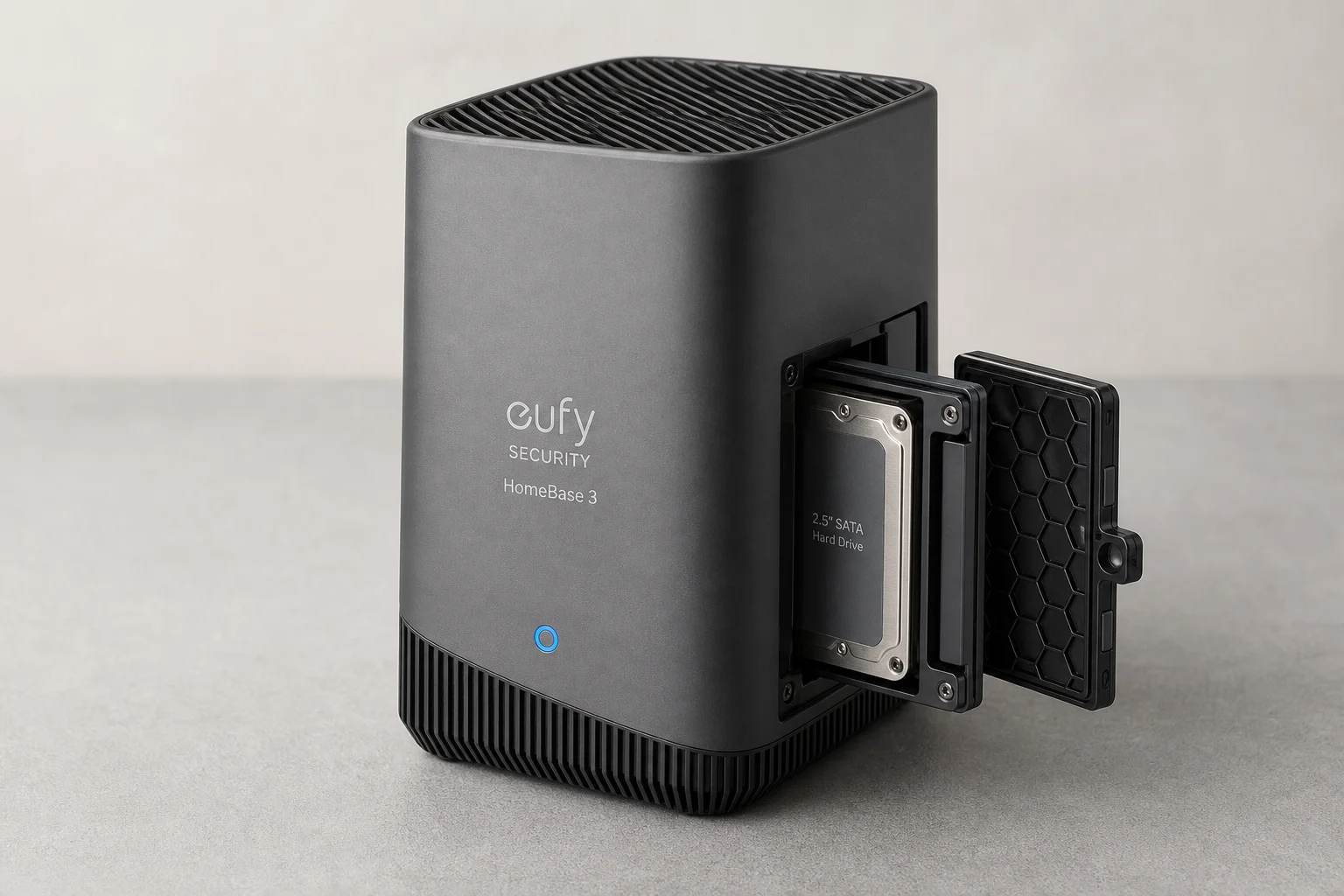
The Eufy HomeBase 3, also called the S380 HomeBase, is the central hub for the new third-generation camera system. A key advantage is backward compatibility: all second-generation Eufy cameras, including the Cam 2, will work with the new HomeBase 3. This means existing users can upgrade the hub without replacing their entire camera setup.
The HomeBase 3 handles all subject recognition and AI processing, which is more efficient than processing on individual cameras. The system’s range is impressive, with cameras maintaining strong connections over 100 feet away and through multiple walls.
Doorbell Camera Installation and Features
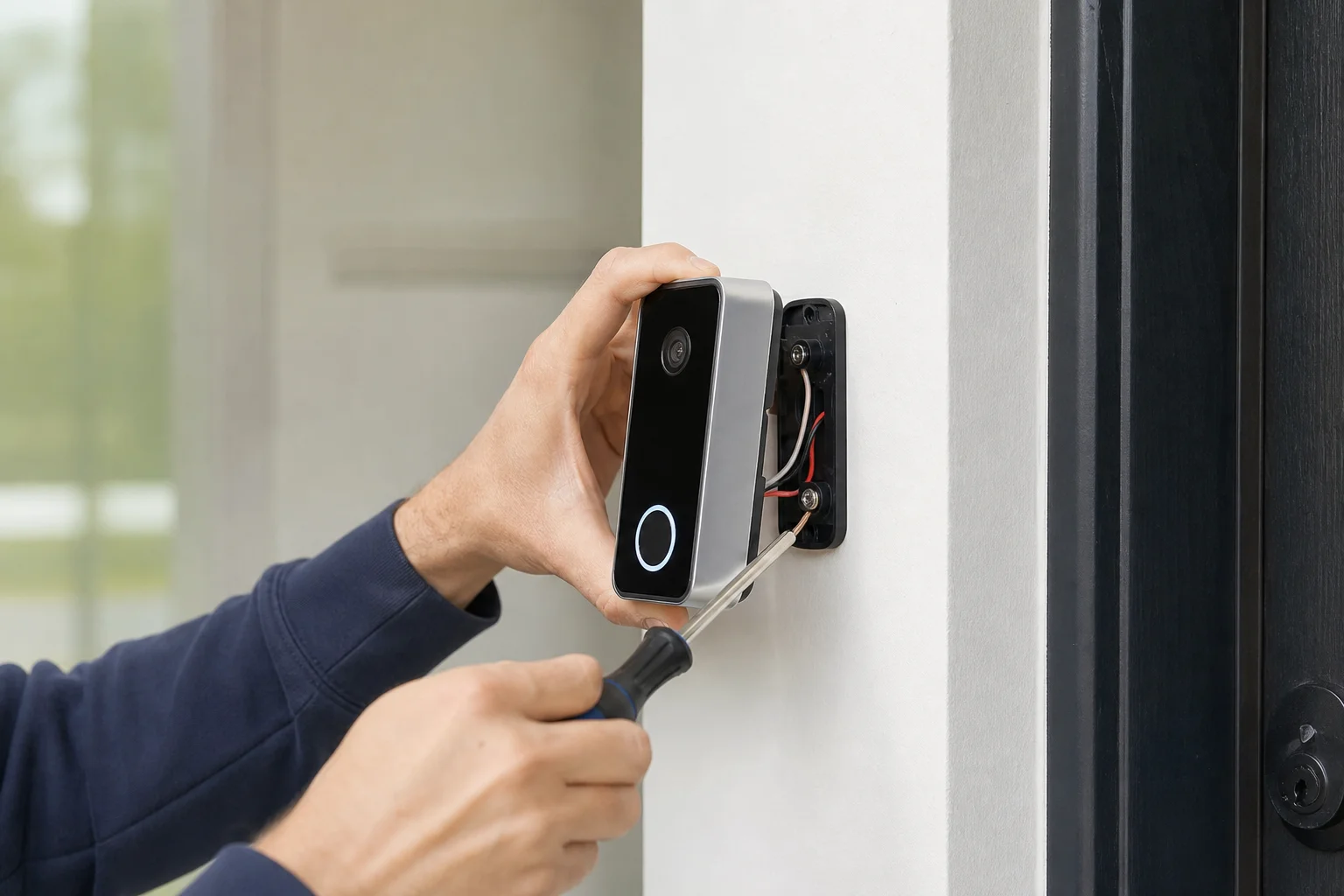
The wired doorbell camera installation is straightforward for anyone comfortable with basic electrical work. The package includes a USB-C cable, jumper wires, installation screws, and a backup battery that appears pre-installed. Eufy has moved away from plastic packaging in favor of paper, a thoughtful environmental choice.
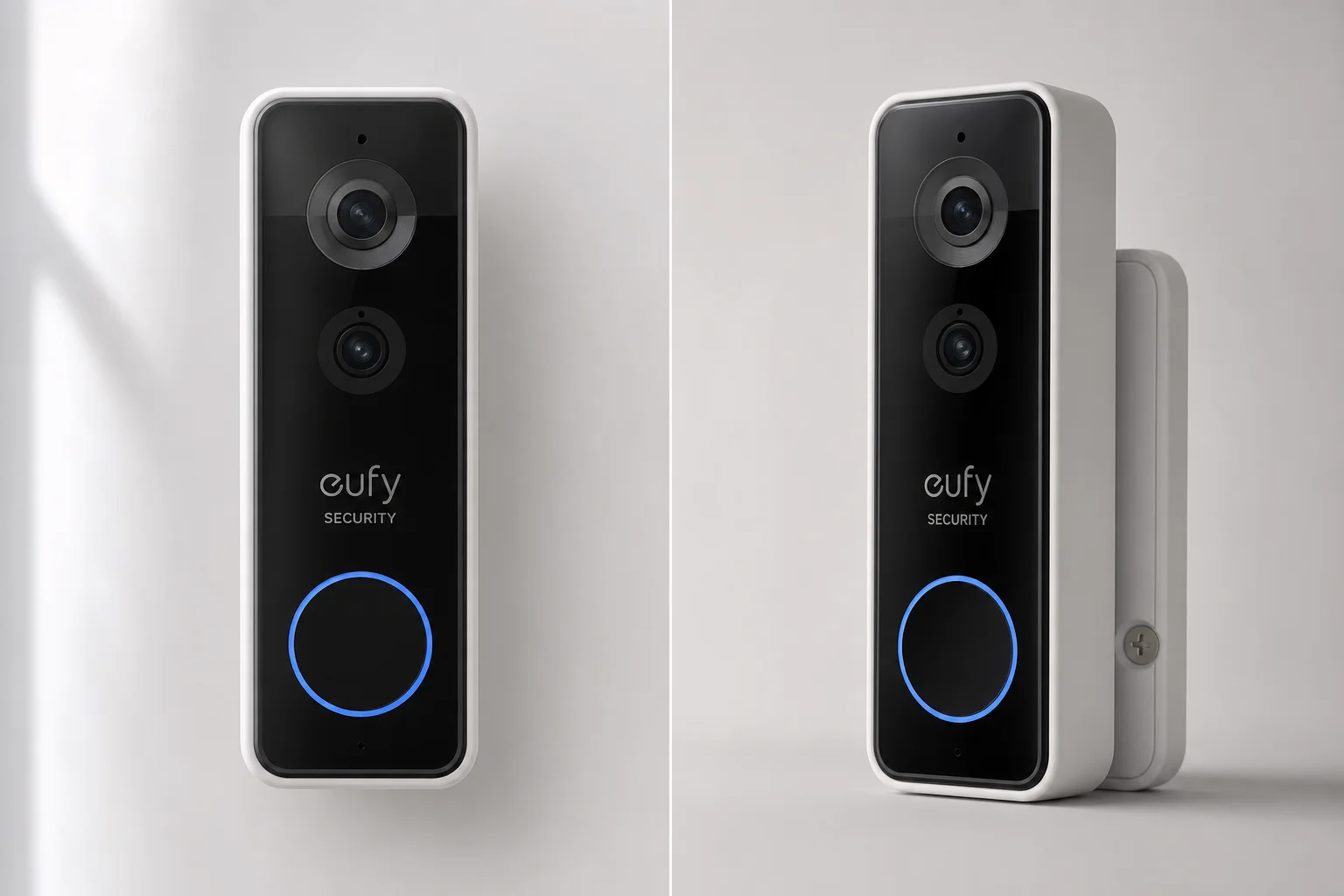
The doorbell offers 2K resolution with a secondary lens pointed downward to capture packages. While 2K may seem modest compared to other cameras in the system, it is sufficient for doorbell use since visitors typically stand close to the camera. The backup battery ensures the doorbell remains functional if house power is interrupted.
For homes without existing wired doorbells, a battery-powered version is available. Installing a battery doorbell on a back door provides camera coverage to areas that would otherwise lack surveillance, even if no one will actually ring that doorbell.
Pan-and-Tilt and Floodlight Camera Performance
The S340 pan-and-tilt camera includes a solar panel, wall mount, and a rain hood. Installation takes approximately 15 to 20 minutes with all components at hand. The camera features dual lenses: a telephoto and a wide-angle lens, each capturing in 3K resolution. The solar panel provides continuous charging, reducing battery concerns.
The E340 wired motion-detecting floodlight camera is essentially the S340 with integrated motion-activated lights. It also records in 3K and connects directly to AC power, meaning it records continuously rather than only when motion is detected. Both cameras can pan and tilt through a full 360 degrees when mounted on an unobstructed pole, though their native field of view is approximately 100 degrees without panning.
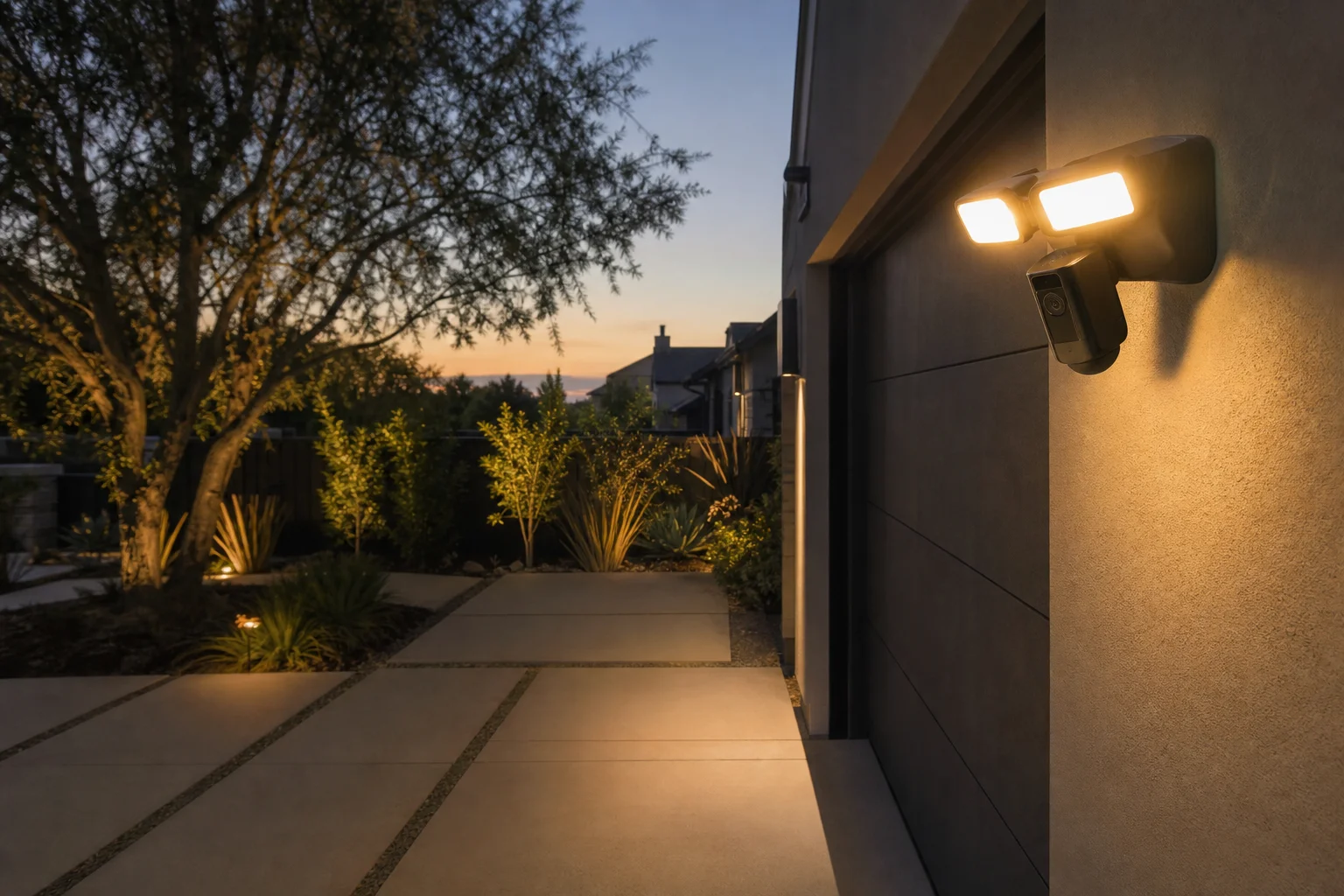
Eufy’s installation accessories are notably thoughtful. Instead of traditional wire caps, the system uses small connectors that screw together. For ladder work, Eufy includes a hook to hold the camera while wiring, a feature rarely seen in security camera installations. This design detail significantly reduces the frustration of managing both wires and hardware while working at height.
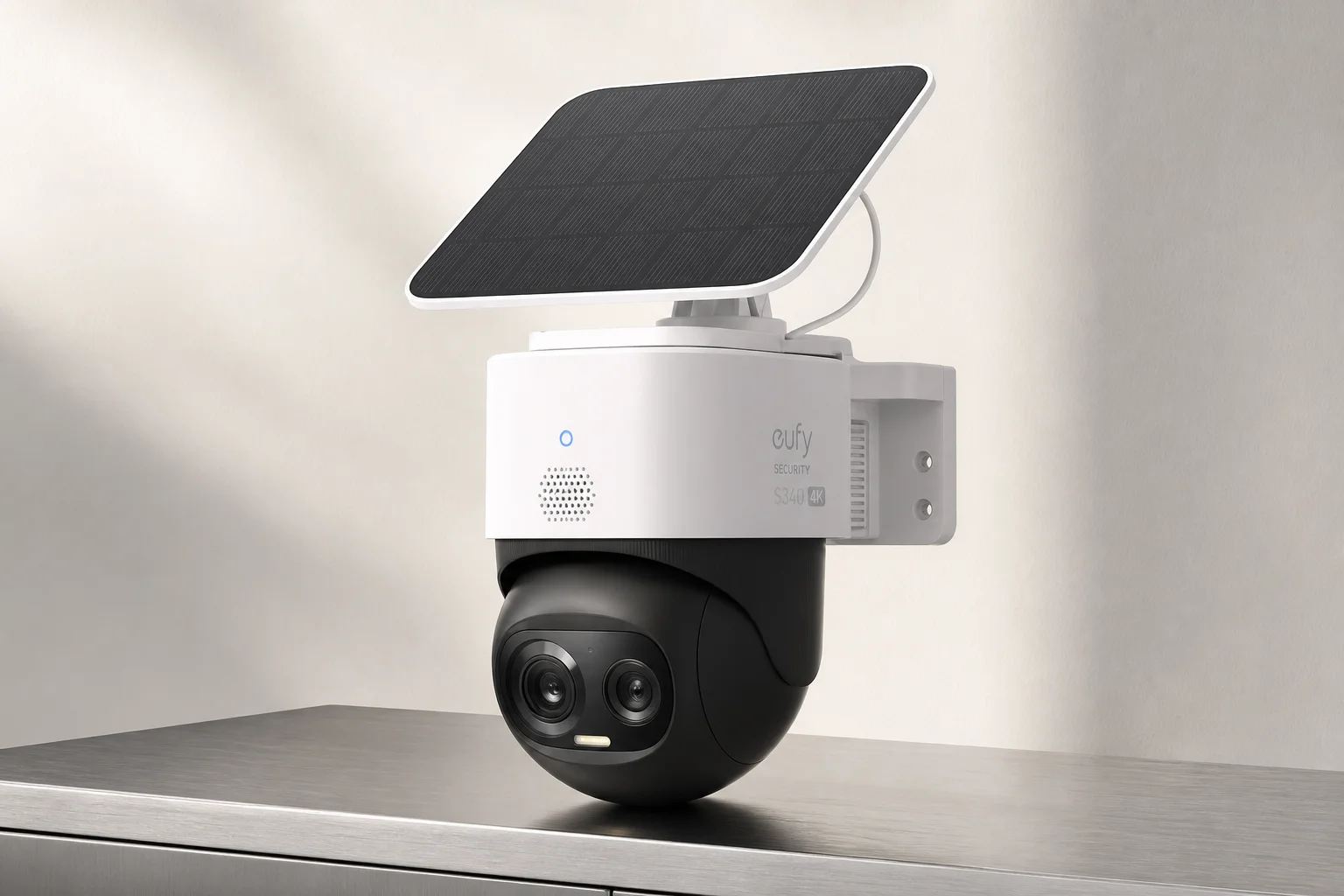
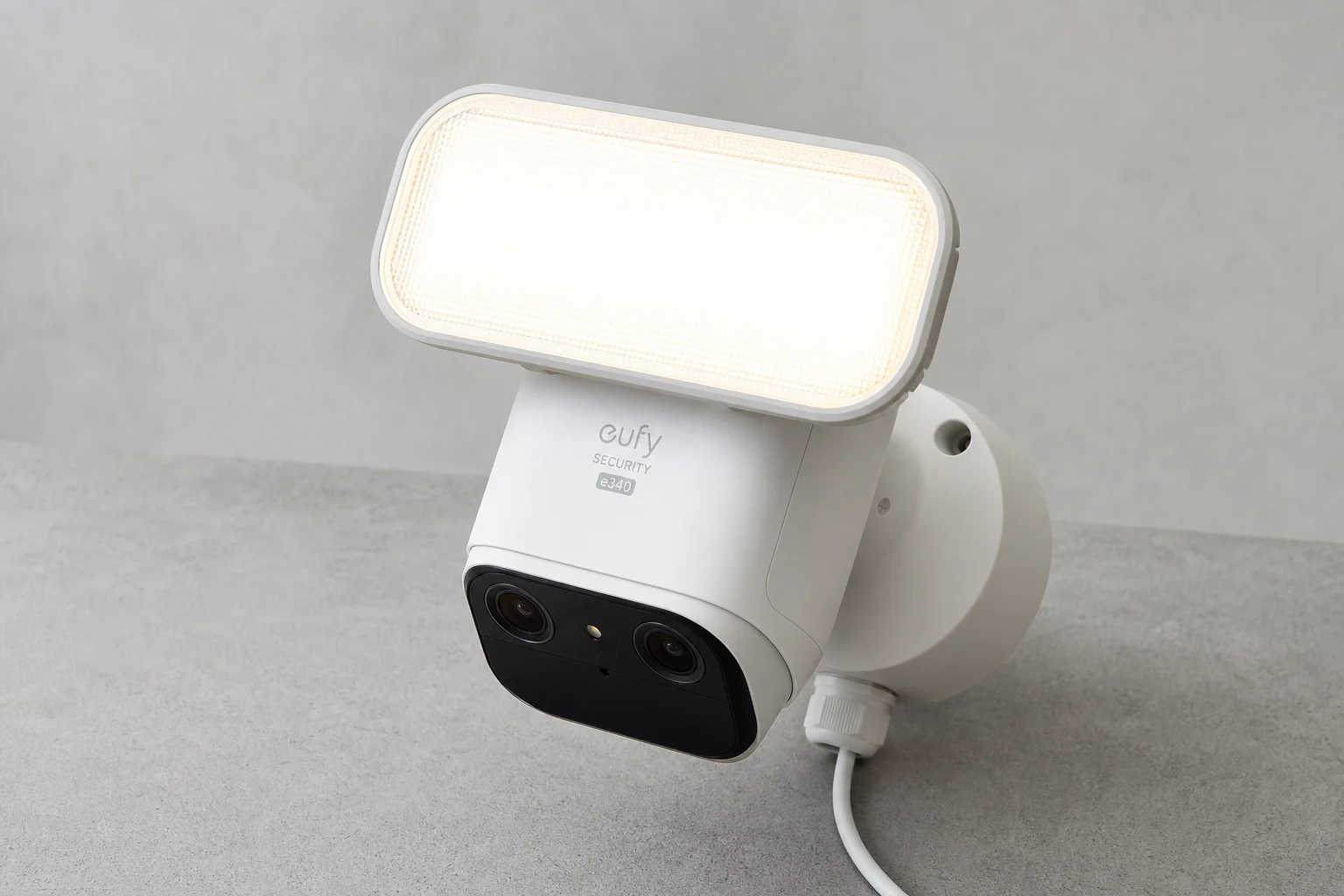
Image Quality and Resolution Comparison
The older Eufy Cam 2 records in 2K but broadcasts at 1080p when used with HomeKit. The new Eufy Cam 3 records in ultra 4K, a substantial improvement. The S340 and E340 both capture in 3K from their dual lenses, providing excellent detail for post-capture zooming and identification.
Video quality across all devices is excellent. Higher resolutions allow for detailed zooming after recording, which is valuable when reviewing footage for specific details. For longer driveways, multiple cameras positioned at different distances (end of driveway, middle, and near the garage) ensure adequate coverage and detail.
Recording and Storage Capabilities
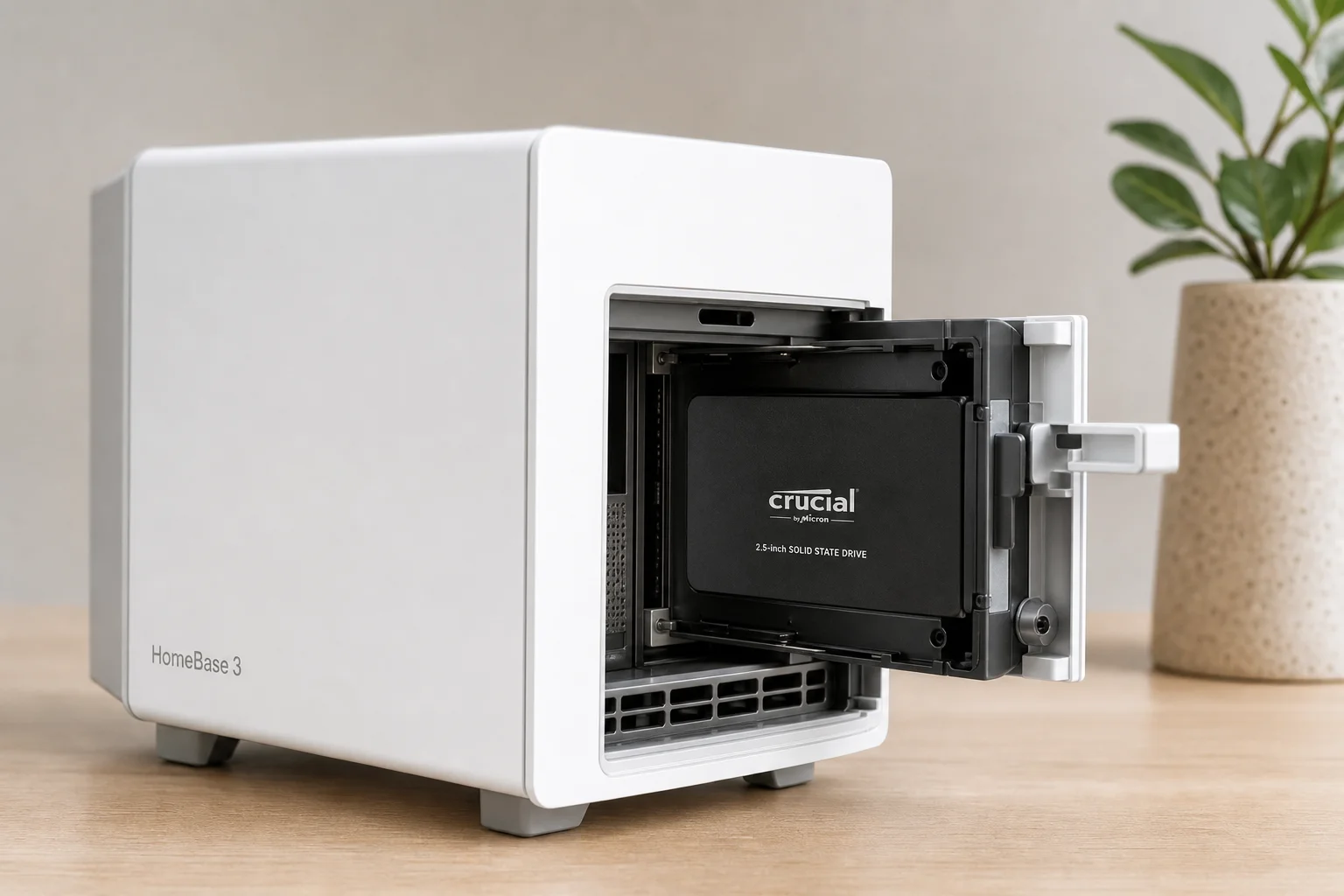
A significant upgrade in the HomeBase 3 is the built-in 2.5-inch drive slot for local storage. This slot accommodates SSDs up to 16 terabytes, allowing for extensive video recording without relying on cloud services. A 1TB SSD can store substantial amounts of driveway and doorway footage.
The wired floodlight camera records continuously because it draws power from AC mains. Battery-powered cameras, by contrast, only activate when motion is detected to conserve battery life. This means battery cameras may miss the first few seconds of activity. The continuous recording of wired cameras eliminates this limitation.
AI Recognition and Alert Customization
The HomeBase 3 provides improved AI-based tracking compared to earlier generations. The system recognizes faces, vehicles, and pets with better accuracy. Users can fine-tune alert triggers: for example, receive notifications only when the mail carrier arrives, not every time a dog crosses the yard. Vehicle detection can also be disabled if driveway traffic is not a concern.
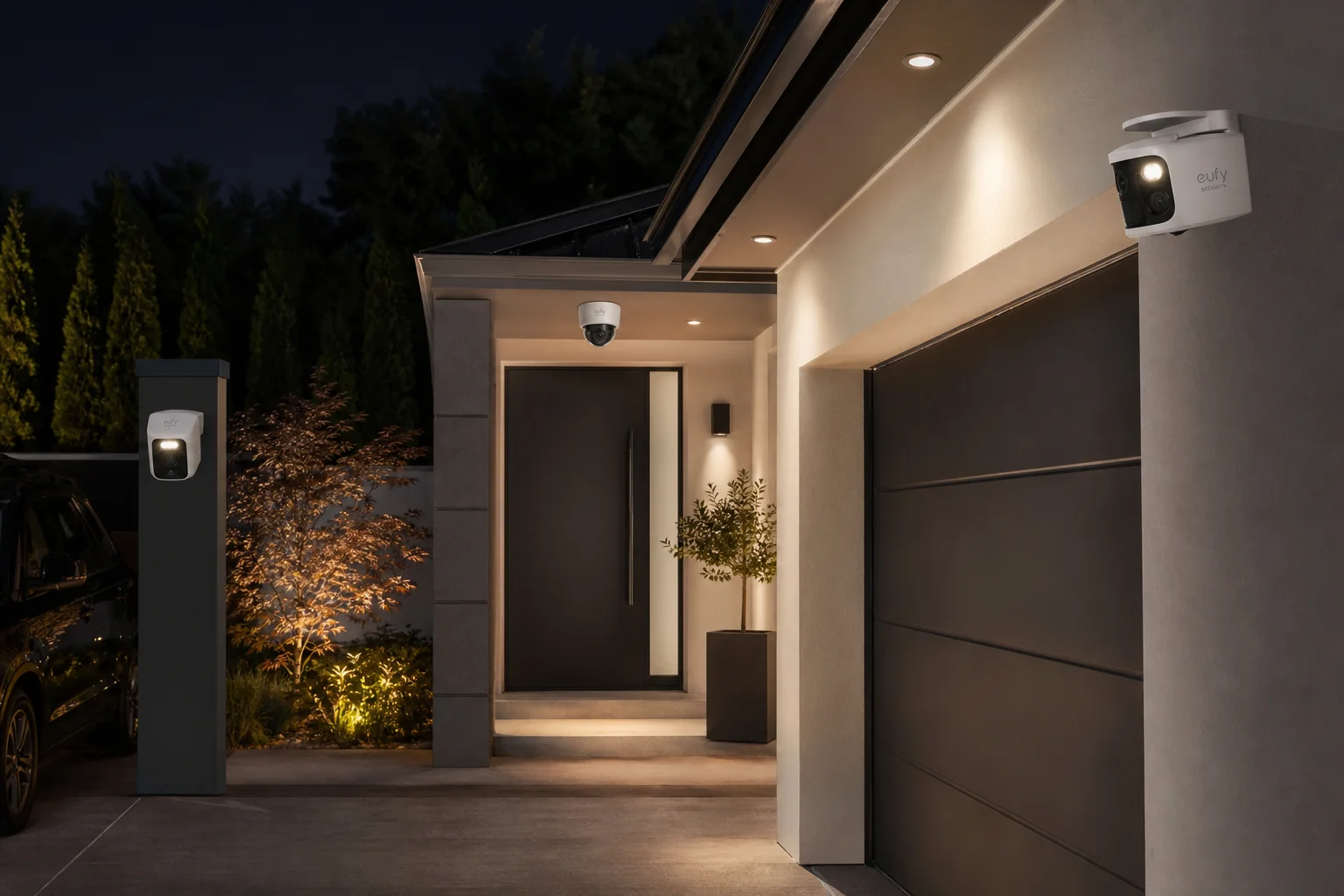
This level of customization reduces alert fatigue and ensures notifications are relevant to the user’s actual security priorities.
Subscription and Pricing
Eufy’s pricing is competitive, with most cameras under $200. The company offers bundles that provide additional savings, such as the wired doorbell plus HomeBase 3 bundle at approximately $1,788, roughly $100 less than purchasing separately.
A major advantage is the lack of mandatory subscription fees. Unlike some competitors, Eufy does not charge monthly fees to use the cameras. An optional subscription exists for cloud storage features, but local storage via the HomeBase 3 drive slot eliminates the need for cloud services.
HomeKit Support Considerations
The third-generation Eufy cameras do not support HomeKit or HomeKit Secure Video. The previous generation cameras offered HomeKit compatibility, but performance was poor enough that many users disabled it. Eufy’s native app is robust and feature-rich, reducing the practical impact of missing HomeKit support for most users. However, this is a notable limitation for users deeply invested in the Apple ecosystem.
Conclusion
The Eufy security camera system is durable, easy to install, and packed with practical features. The lack of subscription fees, excellent image quality, and thoughtful installation design make it a strong option for home security. The main drawback is the absence of HomeKit support, and battery-powered cameras may miss the first few seconds of motion events. For users seeking a reliable, feature-rich home security system without ongoing subscription costs, Eufy’s third-generation cameras and HomeBase 3 are difficult to beat.
Further reading
Related Reviews
Home Security
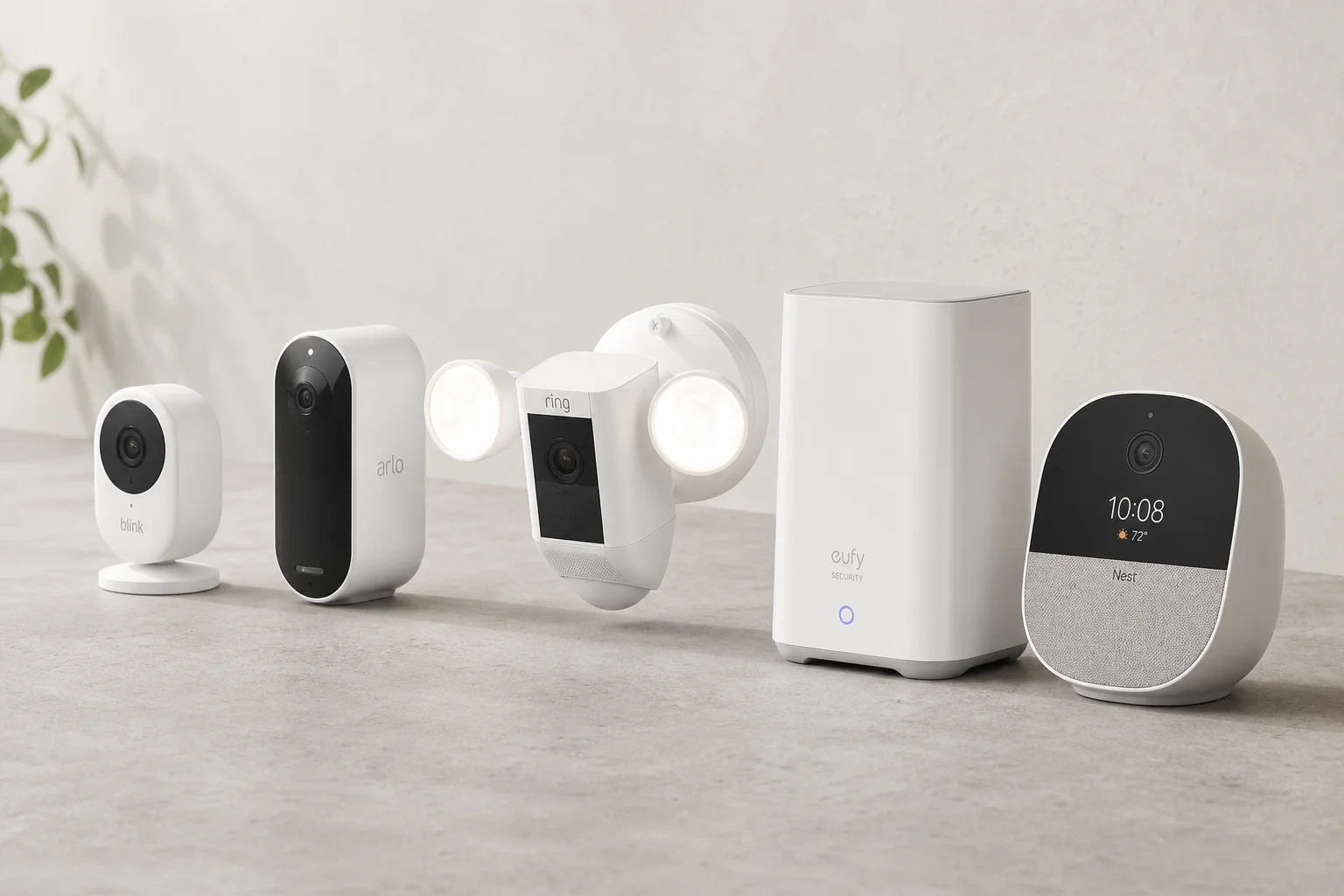
Best Home Security Cameras 2026: Five Options From Budget to Premium
Five home security cameras tested across budget, mid-range, and premium categories. Find the right balance of features, cost, and privacy for your home.
Home Security
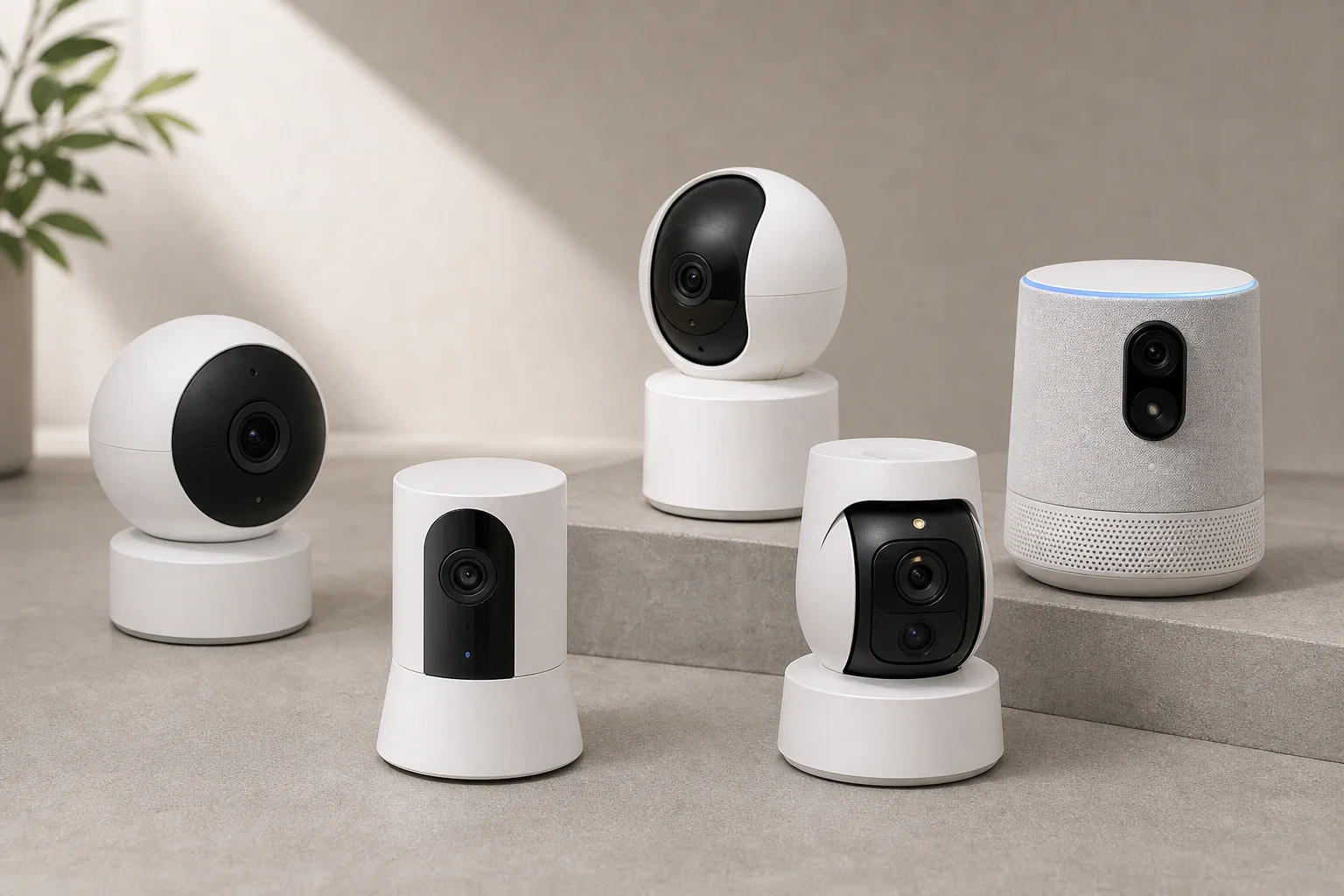
Best Indoor Security Cameras Without Subscription 2025: Five Strong Picks
Five indoor security cameras that deliver clear footage, smart alerts, and local storage without monthly fees or hidden costs.
Home Security
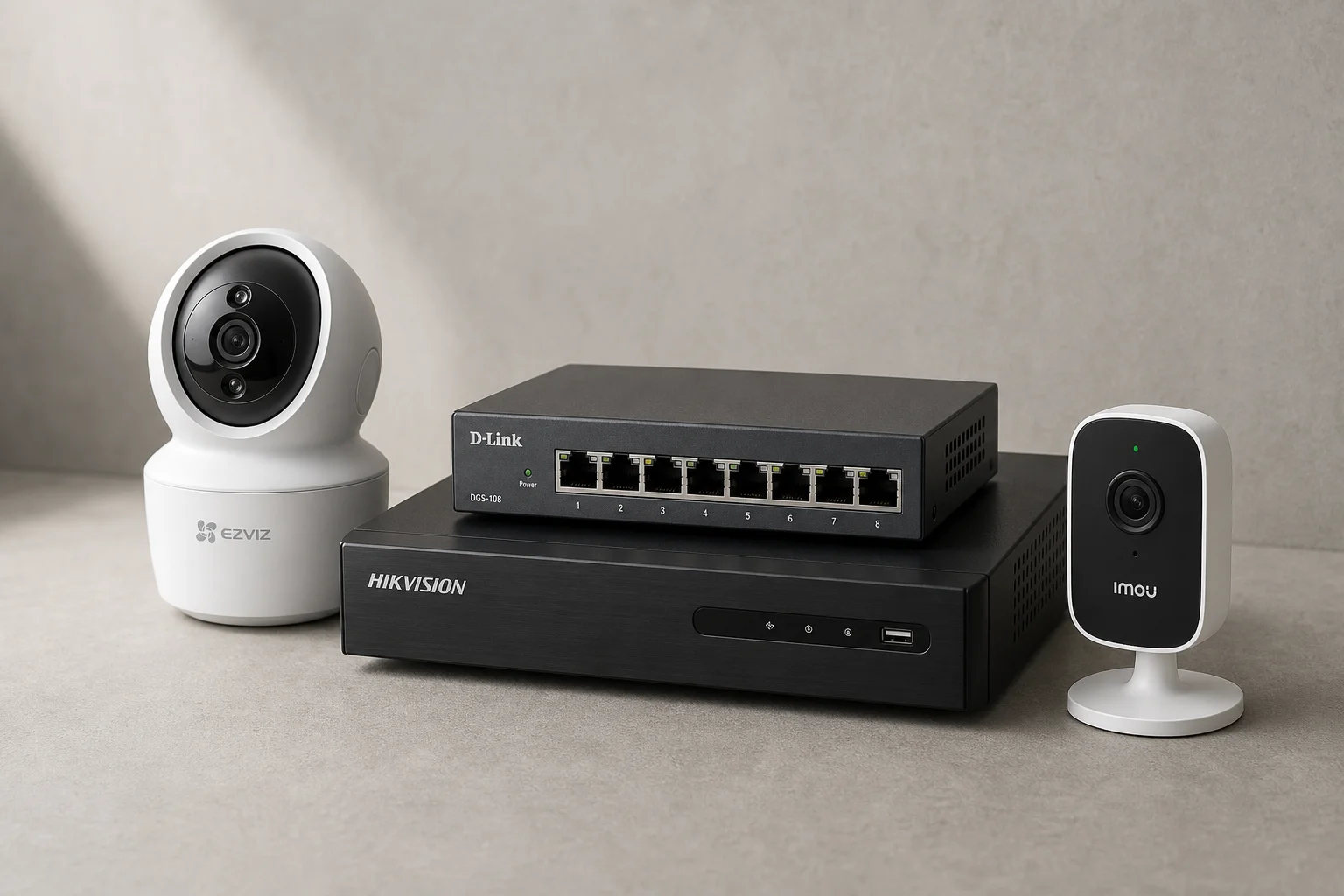
Best IP Cameras and NVR Setup: Four Practical Security Solutions for Home Monitoring
A practical guide to four IP camera systems with real-world installation experience, covering dual-lens cameras, wireless NVRs, network switches, and budget-friendly options for home security.