Hand Tools
Estwing vs Milwaukee Duct Knife: Two Heavy-Duty Blades Compared
A close look at two duct knives with serrated and plain double edges, comparing heft, balance, grip, and steel choice for insulation and ductwork cutting.
Introduction
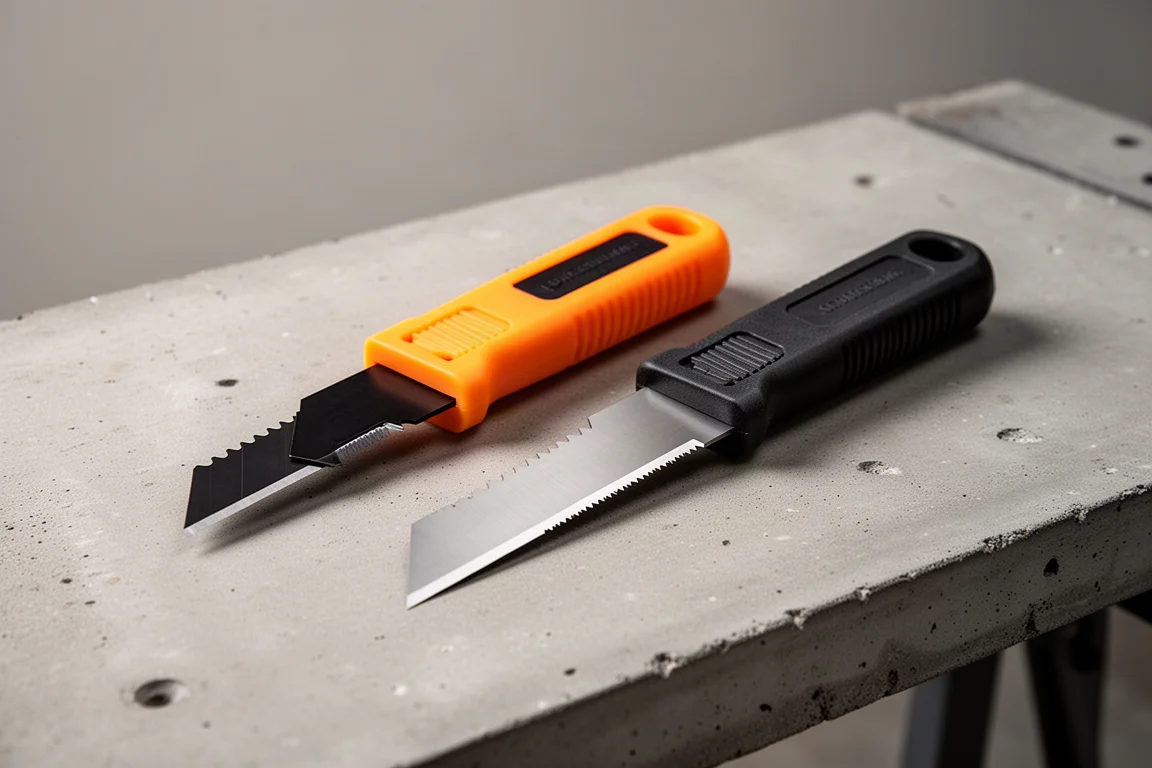
Duct knives are one of those tools that look simple until you actually need one. A long, stout blade in a solid handle, double-edged, built to slice through insulation and ductwork without folding or flexing. Two versions stand out in this space: the Estwing Duct Knife and the Milwaukee Duct Knife. Estwing is a long-established manufacturer best known for striking tools like hammers, hatchets, and axes, and its knife line is a newer expansion of that catalog, advertised as designed and engineered in the United States and manufactured in China. Milwaukee has been in the knife space for longer, and its duct knife is a more established offering.
What a Duct Knife Is Actually For
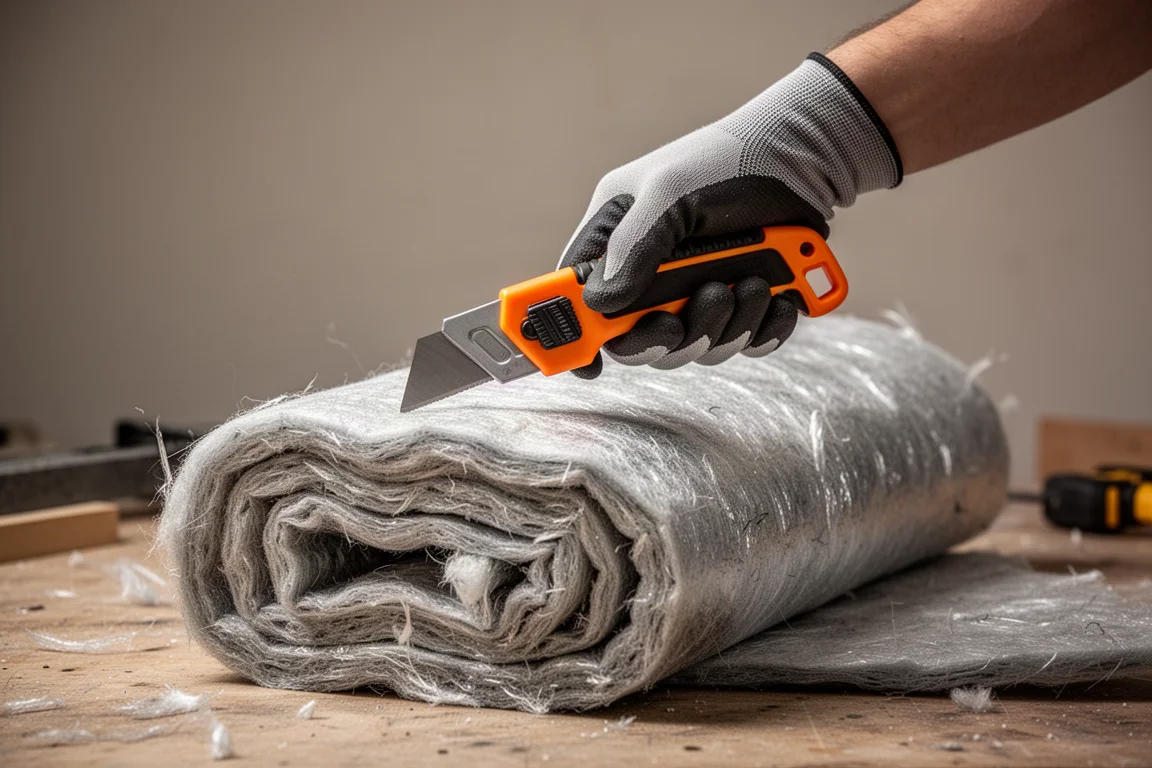
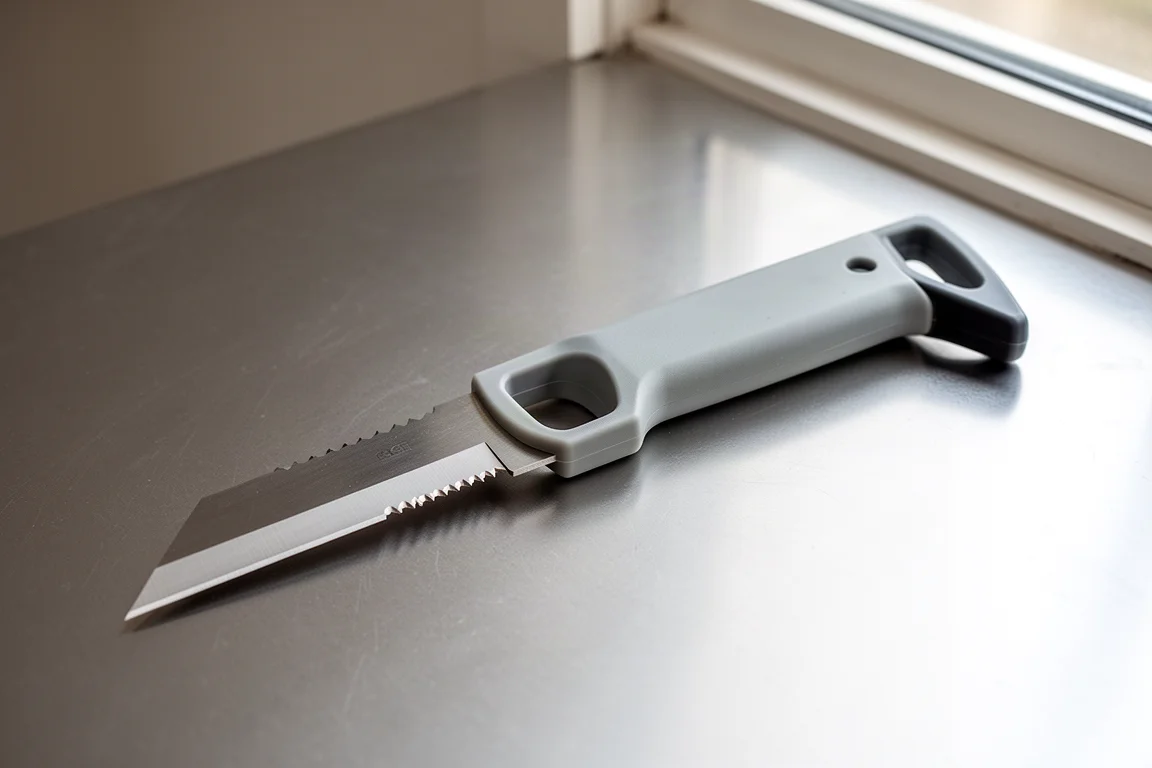
Both knives share the same core design: a double-sided blade with a serrated edge on one side and a standard sharpened edge running all the way to a sharp tip. That layout makes the blade effective in a lot of situations, though the style clearly borrows some cues from old-school fighting knives. In practice, this is a working tool for cutting through insulation, slicing through duct board, and any task where you need a long sharp blade in a solid handle.
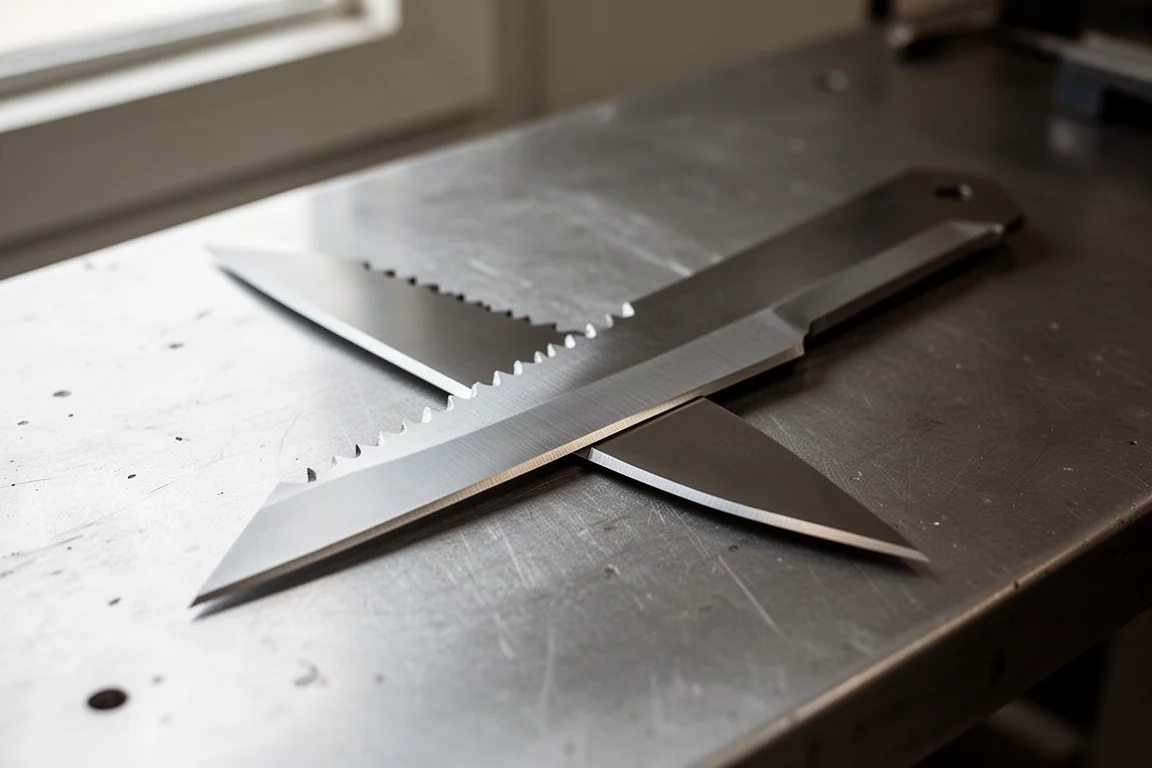
One thing worth knowing before buying: because the blade is sharp on both sides and has a very sharp point in the center, these are not beginner knives. They are not the kind of blade you hand to kids for whittling. There is more puncture risk built into the design, so treat it as a serious work knife rather than a casual utility blade.
The Estwing Duct Knife
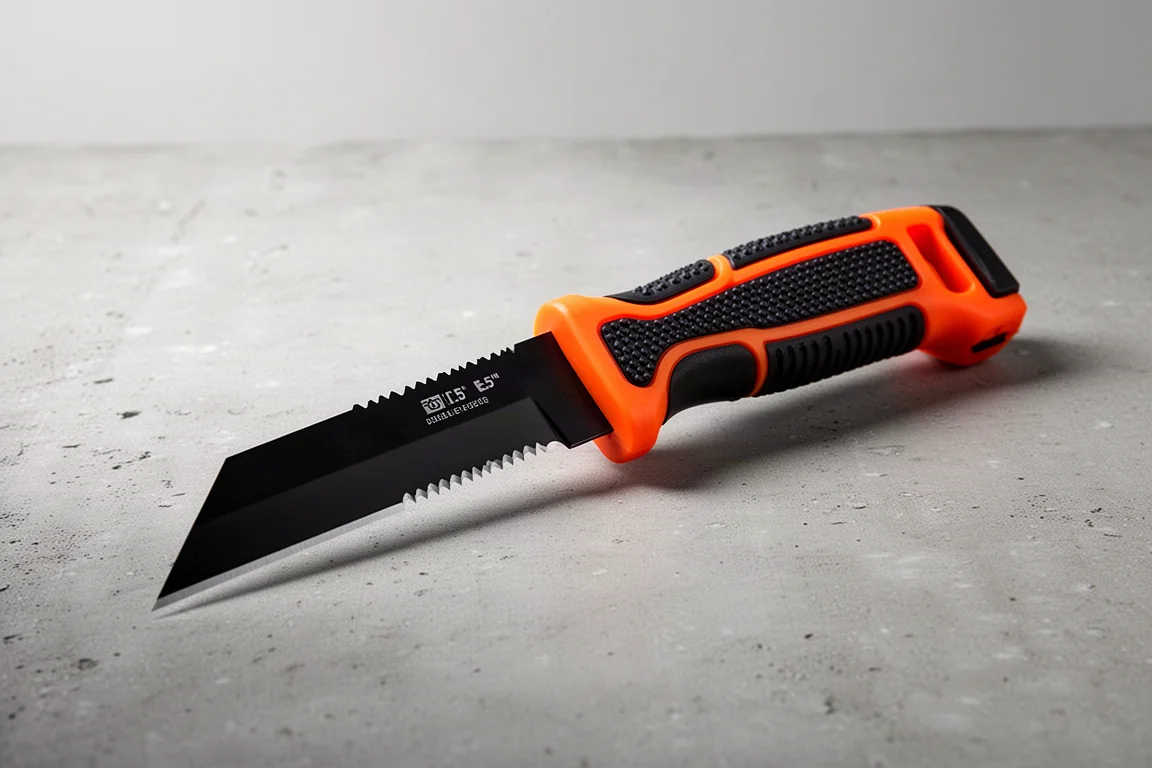
The Estwing Duct Knife carries a 5.5-inch double-edged blade and reflects the company’s move into hand tools with brighter colors, more attention to detail, and updated manufacturing. It uses their shock-reducing hammer and axe handle material in a hard plastic grip, and the finish quality is generally solid for the price. Around $20, sometimes a little more depending on where you get it, it lands in affordable territory.
A notable feature is the removable tail cap: pop it off and you can mount the knife on a stick or pole for extended reach. The balance point sits noticeably far back toward the hand, which changes how the knife feels in use compared with competitors.
Grip, Balance, and Heft
Handle comfort is where these two diverge. The Estwing has a very good grip and an extra mass of steel in the blade, which gives it more heft and makes it feel like it will power through cutting tasks a little better in the hand. The Milwaukee, by contrast, uses a lightweight handle, which shifts its balance point closer to the blade.
There is one practical catch with the Estwing: nothing looks user-serviceable. There is no obvious way to get inside the handle to clean it out or deal with rust if moisture gets in. Over long-term hard use, that is something to keep in mind.
Blade Steel and Edge Details
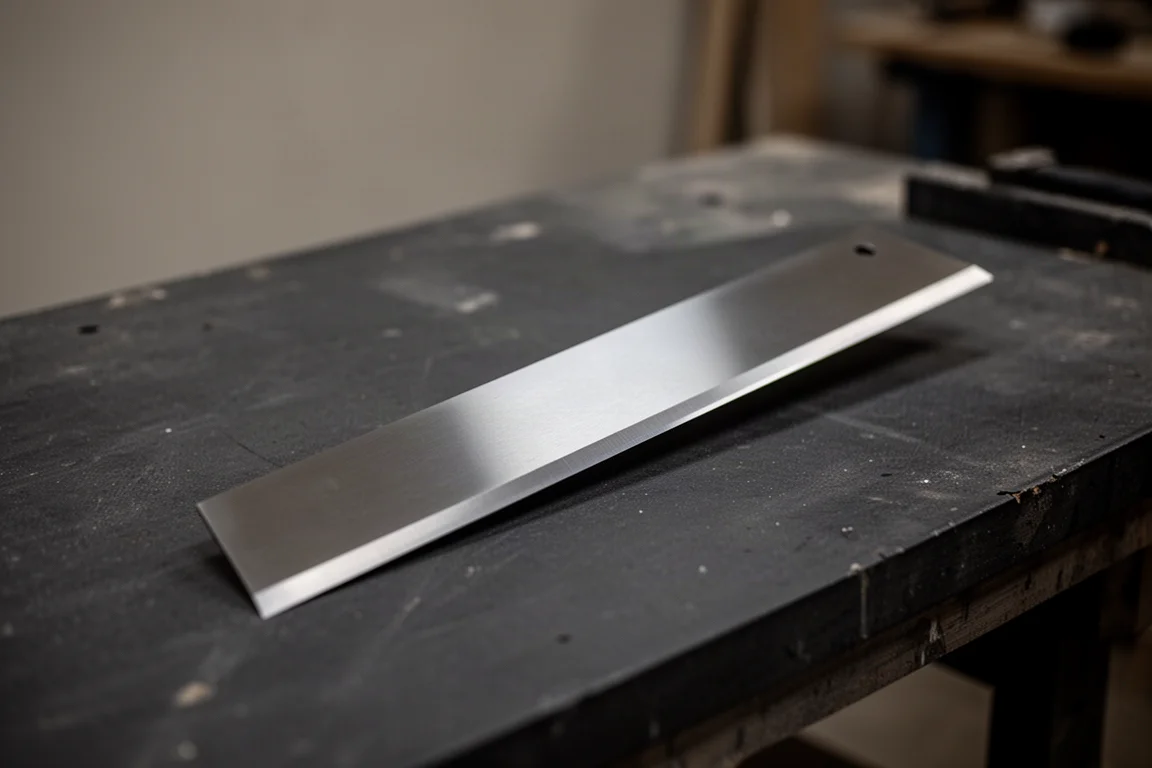
Estwing states the blade uses AUS-8 steel, a common and well-regarded knife steel also used by makers like Spyderco. The Milwaukee knife does not state its steel type, though the blade looks very similar in performance. The Milwaukee’s blade has a satin finish and a larger guard, and it is noticeably heavier overall with a striking tail cap on the butt.
The Milwaukee also includes a small bonus detail: a bottle opener built into the design. The Estwing counters with a sharpened top swedge on the spine, which adds cutting capability but also means you cannot safely baton the knife with a piece of wood, since the splitting surface runs along the top as well as the bottom.
The Milwaukee Duct Knife
Milwaukee has been making knives for a while, and its older duct knife design is very similar to the Estwing: serrated edge on one side, plain edge on the other, running to a sharp tip. It has a big handle that makes a real difference if you have larger hands, and it is a very solid knife with a thick blade. It does not bend at all, to the point where it could stand in for a bayonet in a pinch.
Buying Advice
Both knives do the same fundamental job well, so the choice comes down to feel and priorities. Between the two, the Estwing has more heft and probably handles cutting tasks slightly better in hand, and its removable tail cap adds flexibility for pole-mounted use. The Milwaukee brings a larger guard, a satin blade finish, a striking tail cap, and a handle that suits bigger hands better.

Whichever you pick, remember the limitations: the double edge rules out batoning, the sharp center point demands careful handling, and neither blade flexes like a fillet knife. For ductwork, insulation, and general heavy utility cutting, either one is a capable, stout tool that earns its place in the bag.
Conclusion
The Estwing Duct Knife brings a 5.5-inch double-edged blade, AUS-8 steel, a comfortable grip, and a removable tail cap at a budget-friendly price. The Milwaukee Duct Knife answers with more heft, a larger guard, and a bigger handle for larger hands. Both are legitimate working knives for insulation and duct cutting, and either one will handle far more tasks around the shop than the name suggests.
Further reading
Related Reviews
Hand Tools
Best Diagonal Cutters 2026: 16 Pliers Tested for Cutting Power and Durability
We put 16 diagonal cutters through nail, screw, drill bit, and hex key tests to find the best value picks for your toolbox.
Hand Tools
Best Hex L Key Sets 2026: Nine Sets Tested for Real-World Torque
Nine hex L key sets from budget to premium, tested for torque, fit, and durability. See which sets deliver real performance and which ones to skip.
Hand Tools
Best Locking Pliers 2026: Top Picks Tested for Grip and Durability
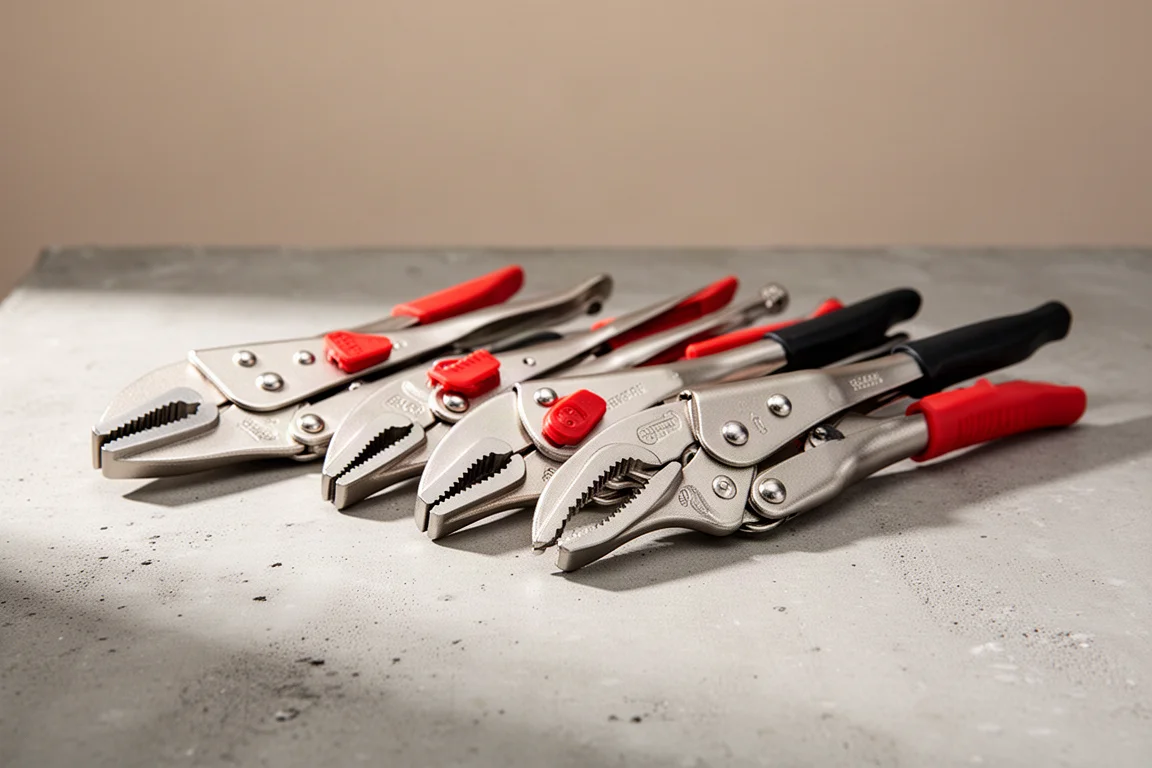
We tested 18 brands of 10-inch locking pliers for grip strength, jaw bite, build quality, and ease of release to find the best options for tough jobs.