Hand Tools
Estwing Drilling Hammer vs Milwaukee Lineman Hammer: Two Heavy Hitters Compared
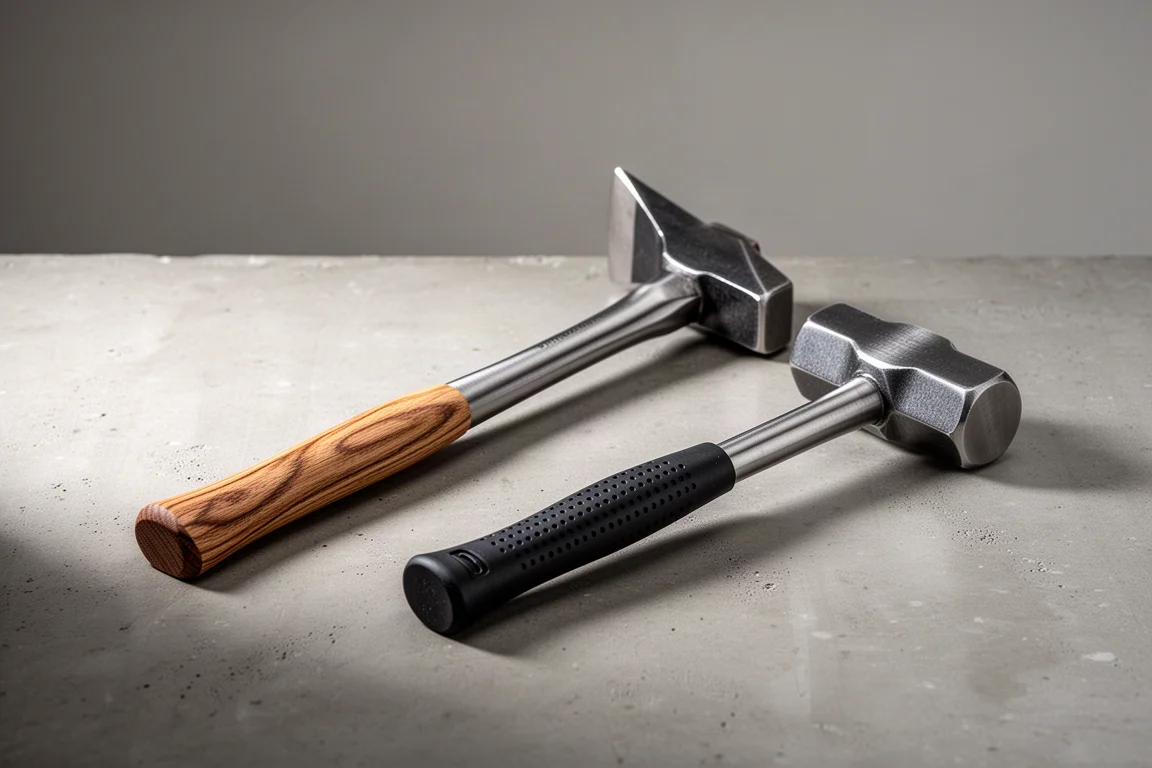
A long-handle drilling hammer with distressed-flag styling goes up against a compact lineman hammer that has become a camping and overlanding favorite.
Introduction
Heavy striking hammers occupy a small but useful niche: driving ground rods, tapping engineeering stakes, and general bashing duty around camp or on the trail. Two names keep coming up. The Milwaukee Lineman Hammer has earned a reputation as a do-it-all overlanding and camping hammer, while the Estwing Drilling Hammer arrives as a longer-handled alternative marketed as a drilling hammer, engineers hammer, and lineman hammer all at once. After hands-on time with both, here is how they stack up.
Estwing Drilling Hammer: What You Get
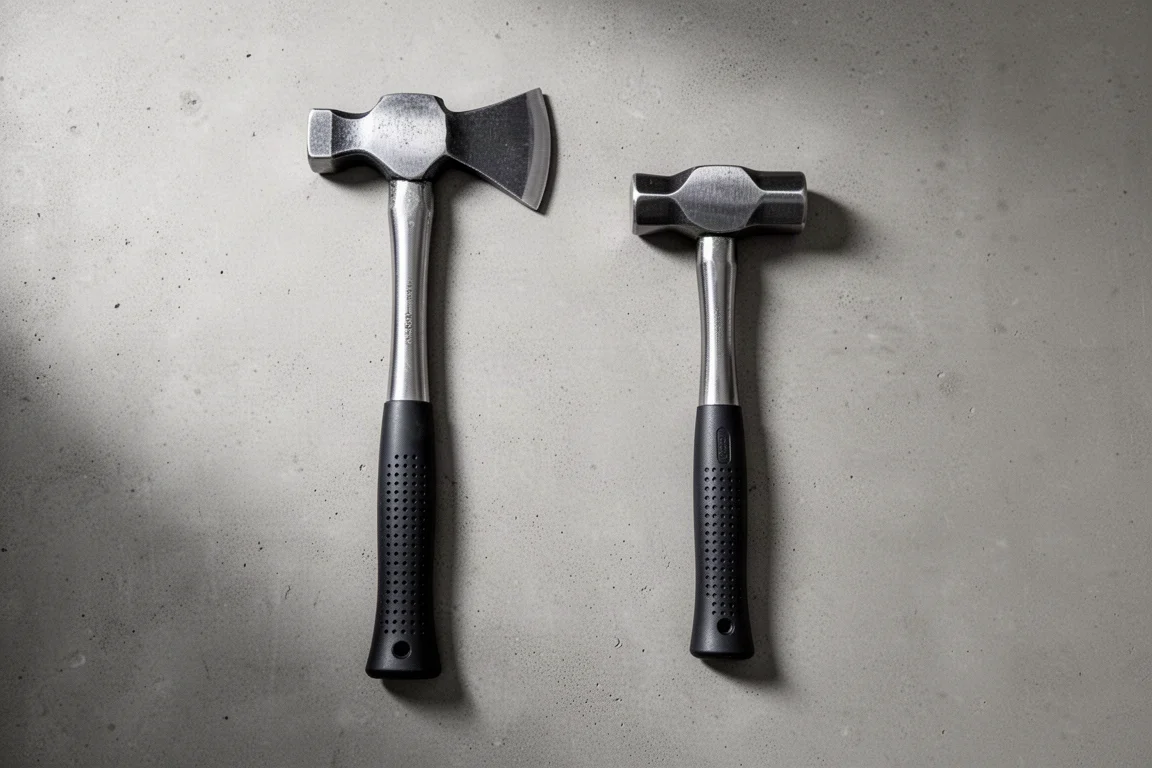
The Estwing is a 4-pound class hammer with a longer axe-and-hatchet-style handle profile, which immediately separates it from compact drilling hammers. It is branded as a drilling hammer, engineers hammer, and lineman hammer, reflecting how flexible this category has become. Presentation is genuinely good: the striking faces are largely well finished, the handle profile feels solid, and the distressed-flag graphic on the packaging leans into its made-in-USA positioning.
Quality Control Concerns Out of the Box
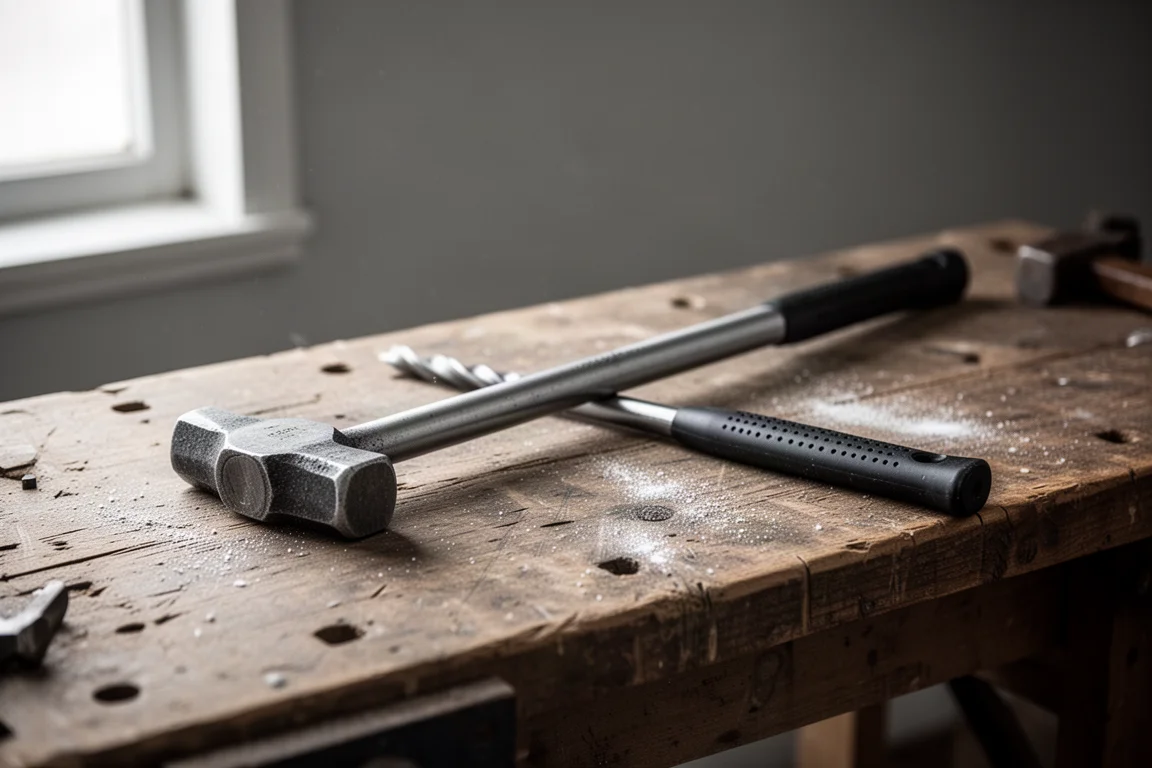
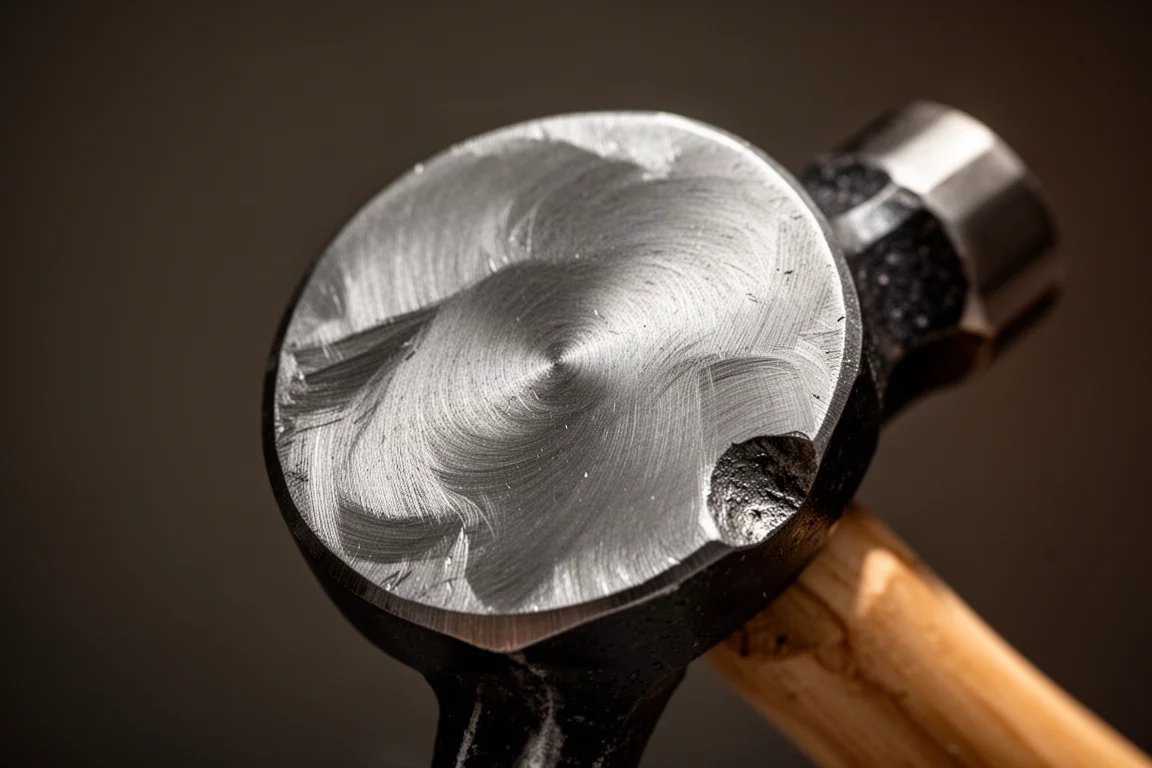
Here is where things get uncomfortable. Straight out of the package, one striking face showed a definite mark and rough grinding that was not as polished as expected. Turn the hammer over and the second face is worse: beyond rust spotting, there is what looks like burned, ground material, with areas where the grinder clearly got away from whoever was finishing it. The concern is not just cosmetic. Any grinding that aggressive raises an honest question about how heat treating and tempering were affected.
There is also a distinct bump or depression near the head that could have caused the blank to catch during machine polishing, and several decently sized dings in the finish on a brand-new tool. Both problem spots sit on the same side as the hang tag, which is the kind of thing quality control should catch. The verdict: it is fundamentally a good hammer design, but this particular example raises real doubts about consistency.
Milwaukee Lineman Hammer: The Compact Favorite
The Milwaukee Lineman Hammer takes the opposite approach: a short, dense, genuinely heavy hammer that prioritizes compactness over reach. It has become a go-to overlanding and camping hammer precisely because it is small in the hand but carries serious striking weight in the head. That trade-off, a big striking mass paired with a short handle rather than a long handle with less head weight, is exactly what makes it so livable for camp chores and odd jobs.
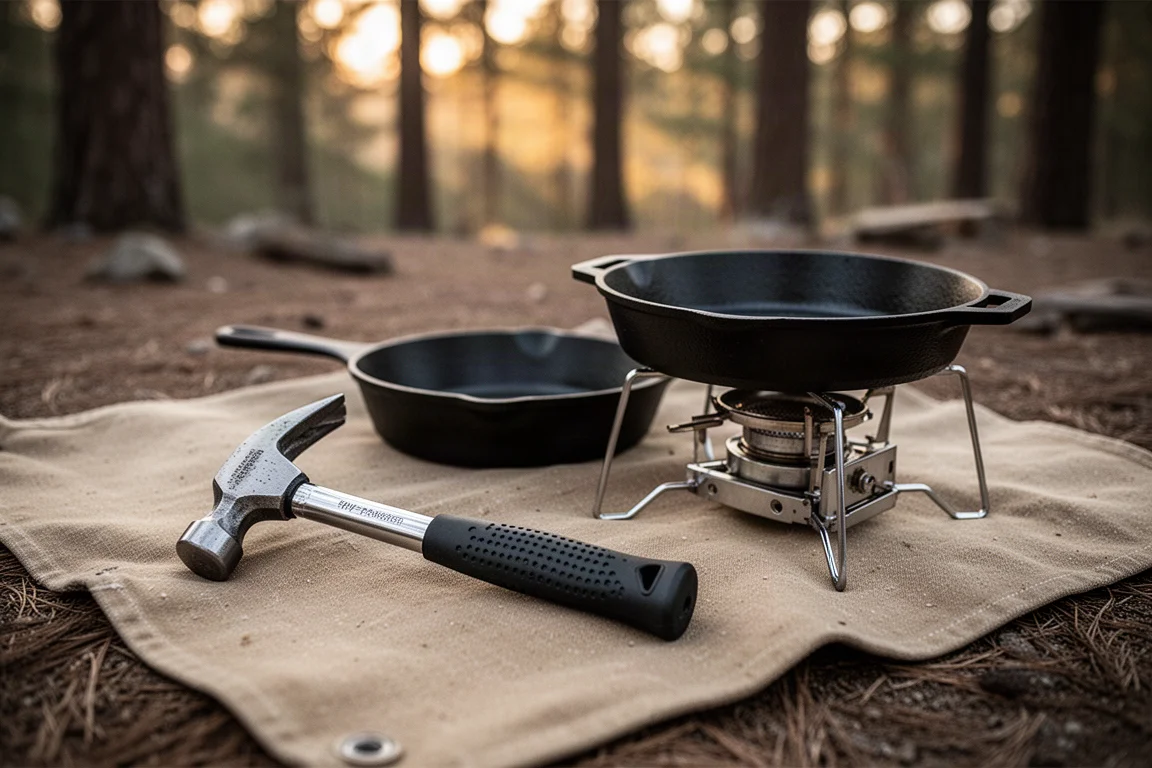
It is the hammer that gets grabbed repeatedly, sometimes lives outside, and simply keeps working. That everyday usefulness is what a longer, lighter-headed hammer has to compete against.
Choosing Between Them
The size difference is dramatic. The Estwing is roughly three times the head weight of a typical 16-ounce hammer at around 4 pounds, yet its long handle makes it feel far larger in use. The Milwaukee counters with a shorter handle and a heavier, more concentrated head. For overhead swinging and driving work where reach helps, the Estwing has the advantage. for camp, overlanding, and tight spaces, the Milwaukee’s compactness wins, and it has the track record to back it up.
Quality control tips the scales too. The Milwaukee example reviewed here has held up well, while the Estwing arrived with factory defects on its striking faces. Estwing has a long history of solid hammers, so this may be a bad unit rather than a bad product, but it is worth inspecting any Estwing carefully on arrival and being ready to exchange it.
Conclusion
The Milwaukee Lineman Hammer remains the safer pick for a do-it-all camp and overlanding hammer: compact, heavy where it counts, and proven in daily use. The Estwing Drilling Hammer is appealing on paper, with a longer handle and good presentation, but the quality control issues seen here mean you should check the striking faces carefully before committing. Buy the Estwing if you want reach and are willing to vet your unit; stick with the Milwaukee if you want the known quantity.
Product link
View more details for Estwing Drilling Hammer
This product is mentioned in the review. Check the specifications, options, and compatibility before buying.
View more details for Estwing Drilling HammerFurther reading
Related Reviews
Hand Tools
Best Diagonal Cutters 2026: 16 Pliers Tested for Cutting Power and Durability
We put 16 diagonal cutters through nail, screw, drill bit, and hex key tests to find the best value picks for your toolbox.
Hand Tools
Best Hex L Key Sets 2026: Nine Sets Tested for Real-World Torque
Nine hex L key sets from budget to premium, tested for torque, fit, and durability. See which sets deliver real performance and which ones to skip.
Hand Tools
Best Locking Pliers 2026: Top Picks Tested for Grip and Durability
We tested 18 brands of 10-inch locking pliers for grip strength, jaw bite, build quality, and ease of release to find the best options for tough jobs.