Everyday Carry
5 Essential Pilot Items Worth Carrying Every Day
Five small items a working flight instructor never leaves behind, from a pocket flashlight to backup sunglasses that saved a solo flight.
Introduction
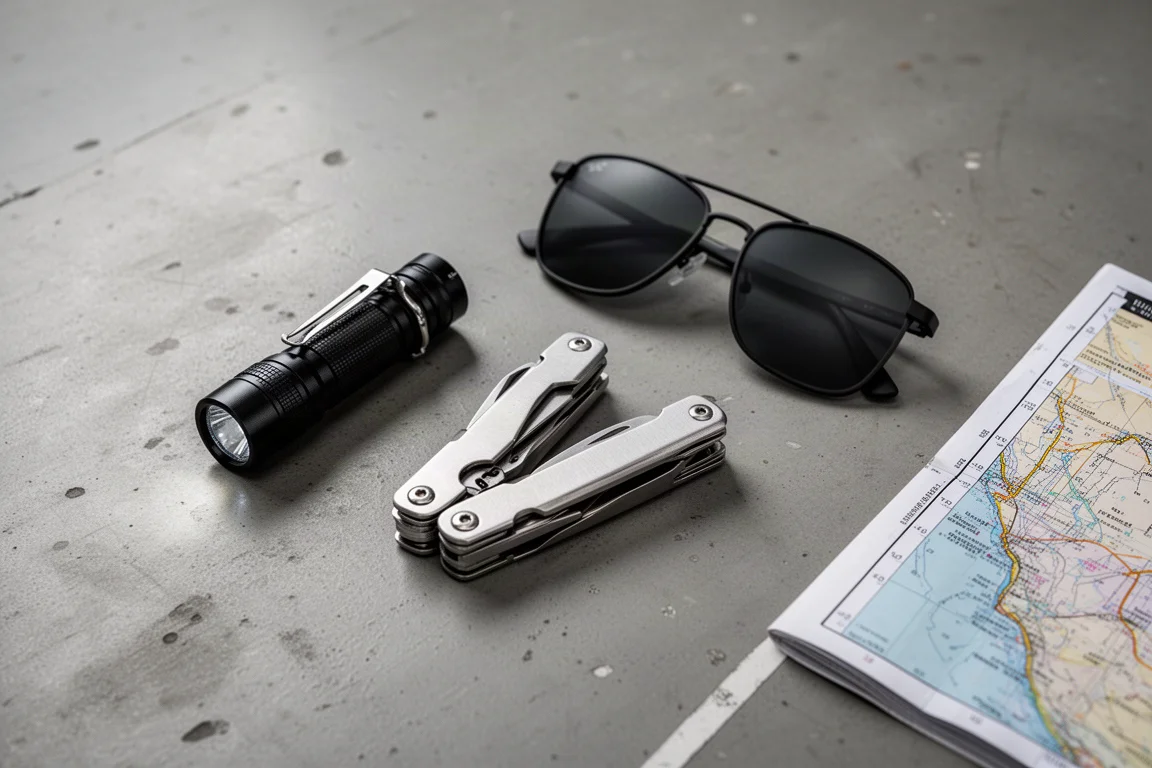
Some lessons in aviation come from books. Most come from the hard way. After years of flying and instructing, a short list of small, pocketable items has proven itself useful on an almost daily basis, both in the cockpit and out of it. The theme that ties this list together is consolidation: tools that pack real capability into a small package and earn their place in a pocket every single day.
Here are five essentials, four of which are specific products you can buy, plus one habit that costs nothing but can save a trip.
1. Streamlight MicroStream USB: The Flashlight Every Pilot Should Carry
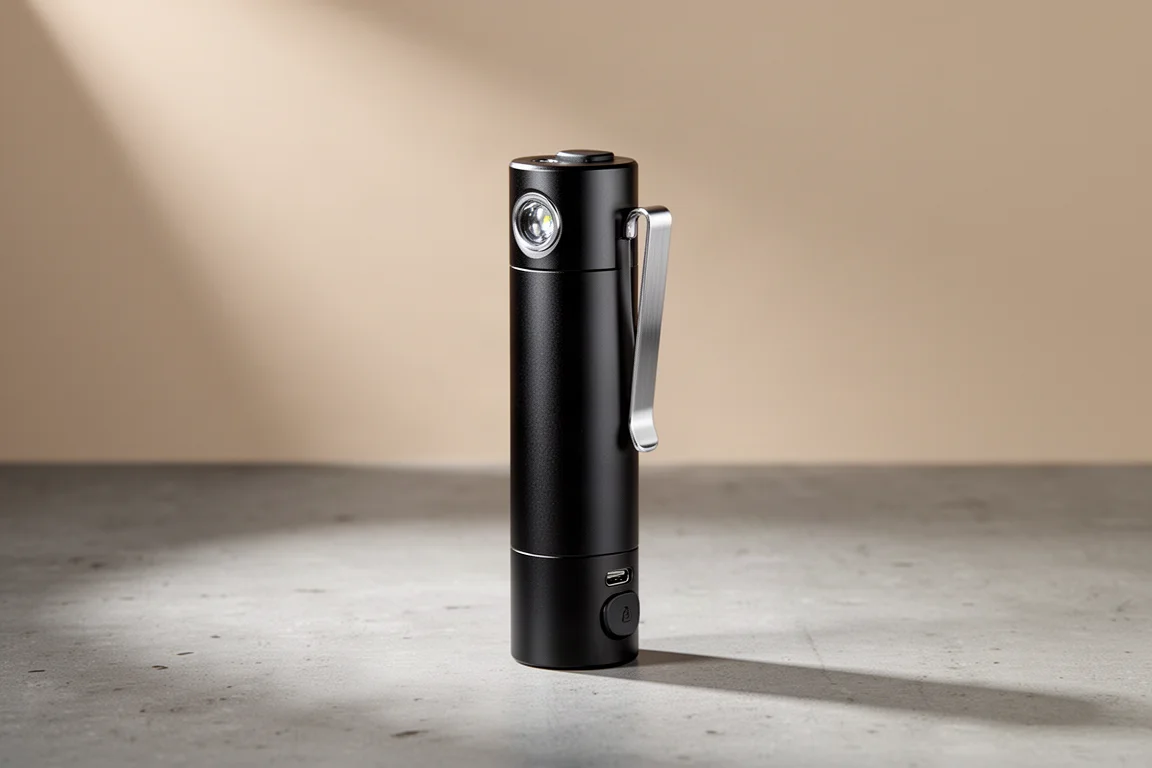
The story behind this one is simple. During an avionics upgrade project, a seasoned instructor and test pilot asked whether a flashlight was part of the daily carry. The answer was no, beyond the phone’s built-in light. His response: every pilot should have a flashlight. A gift of the Streamlight MicroStream USB followed, and it has become the most used tool in the rotation.
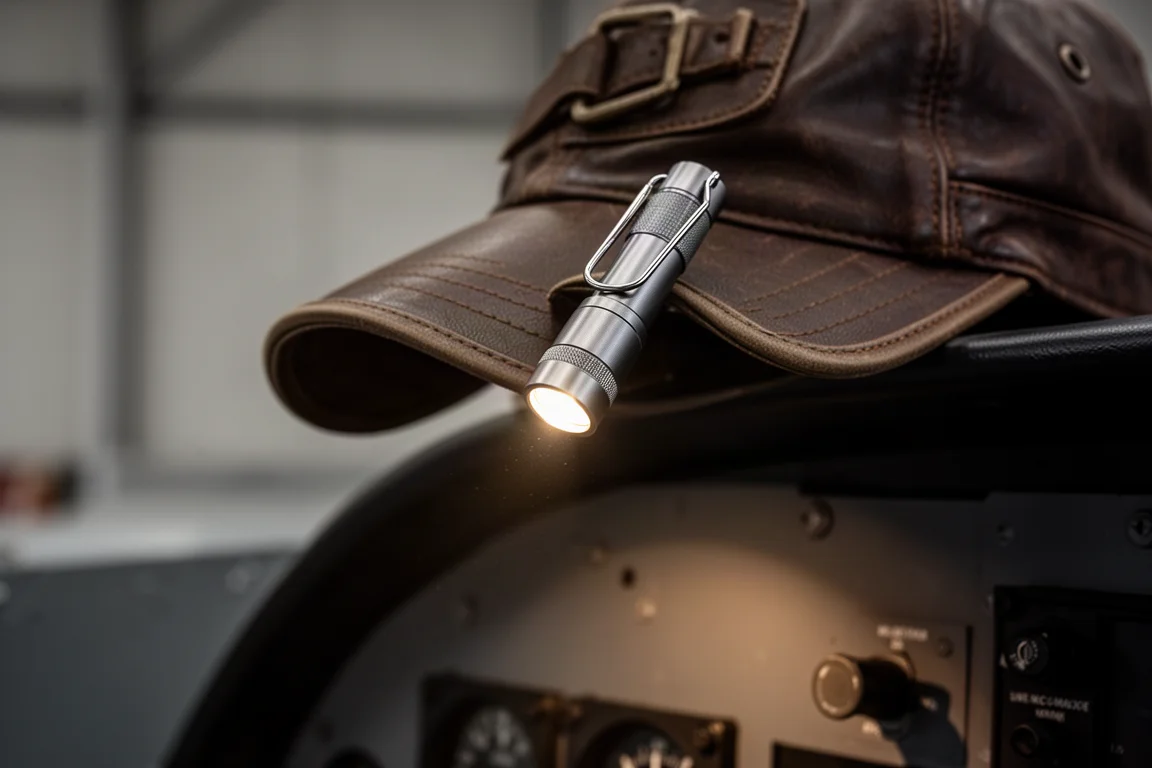
It is genuinely small, slides into a pocket with a clip, and offers two brightness levels. It charges through micro USB, and if the battery ever stops holding a charge, the back unscrews so the cell can be replaced. Under heavy use it needs a top-up every couple of days, which is fine given how often it comes out for pre-flight inspections, night fueling, and getting the airplane ready after dark. The clip has one more trick: reversed onto the bill of a cap, it becomes a headlamp, which is exactly what you want when your hands are full on a dark ramp.
2. Leatherman FREE P2: A Multi-Tool That Doubles as an Egress Tool
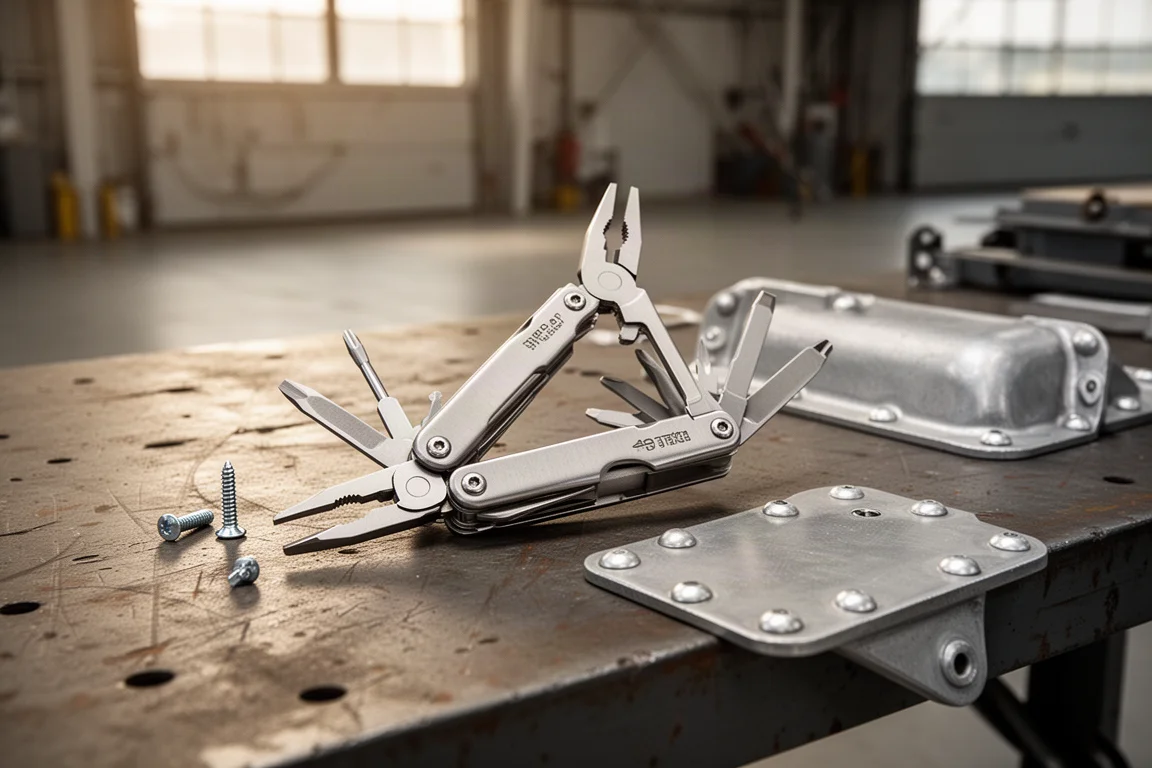
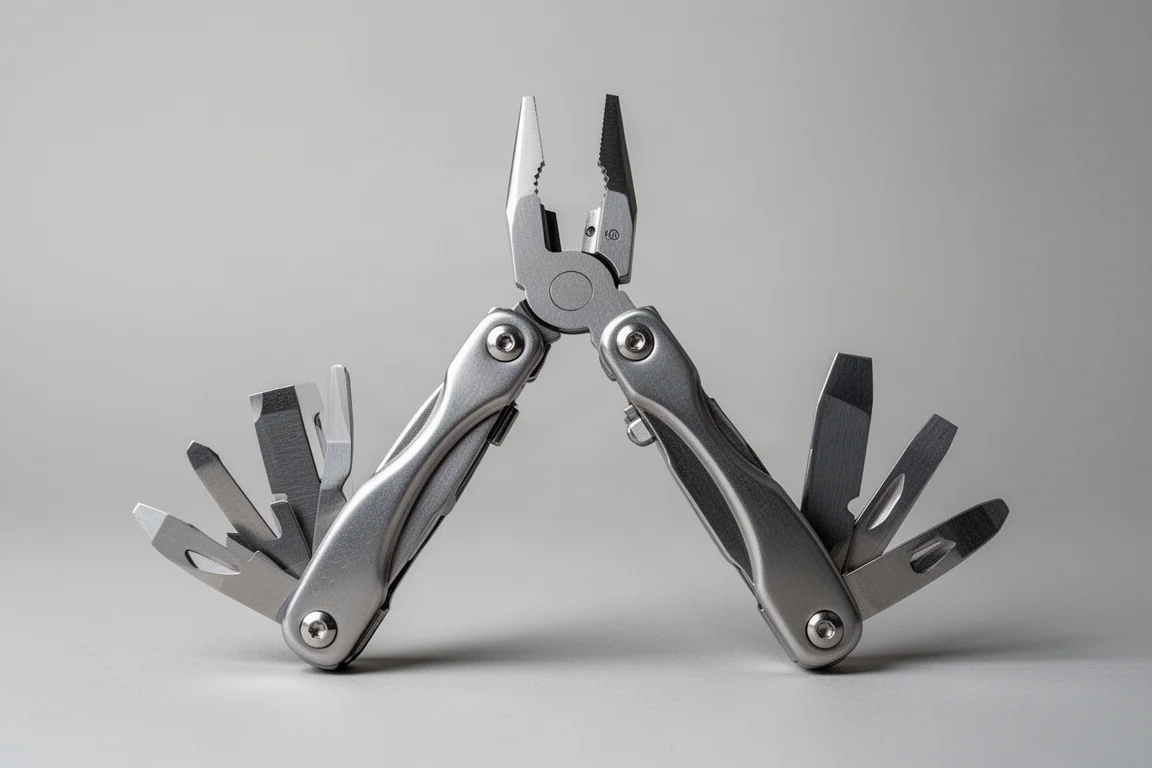
This one is carried with two jobs in mind. First, it is a toolbox in your pocket. The Leatherman FREE P2 packs what amounts to 19 tools, including a quality knife, a Phillips screwdriver, multiple flat-head sizes, several types of cutters, a bottle opener, a small ruler, and a metal file. A Phillips screwdriver alone is remarkably versatile: tightening a backed-out screw on an inspection panel, or chasing down a rattling cowling fastener on pre-flight instead of digging around for a screwdriver on the ramp.
Second, and less obviously, it is treated as an egress tool. The concern is being trapped after an accident: a buckled airframe, a jammed seat belt, a window that needs to be broken. Being able to cut a seat belt and get free matters, whether the vehicle is an airplane or a car. It rides on a pocket clip rather than in a sheath, it is tried and true, and the warranty is solid.
3. A Backup Flight Bag in Your Pocket
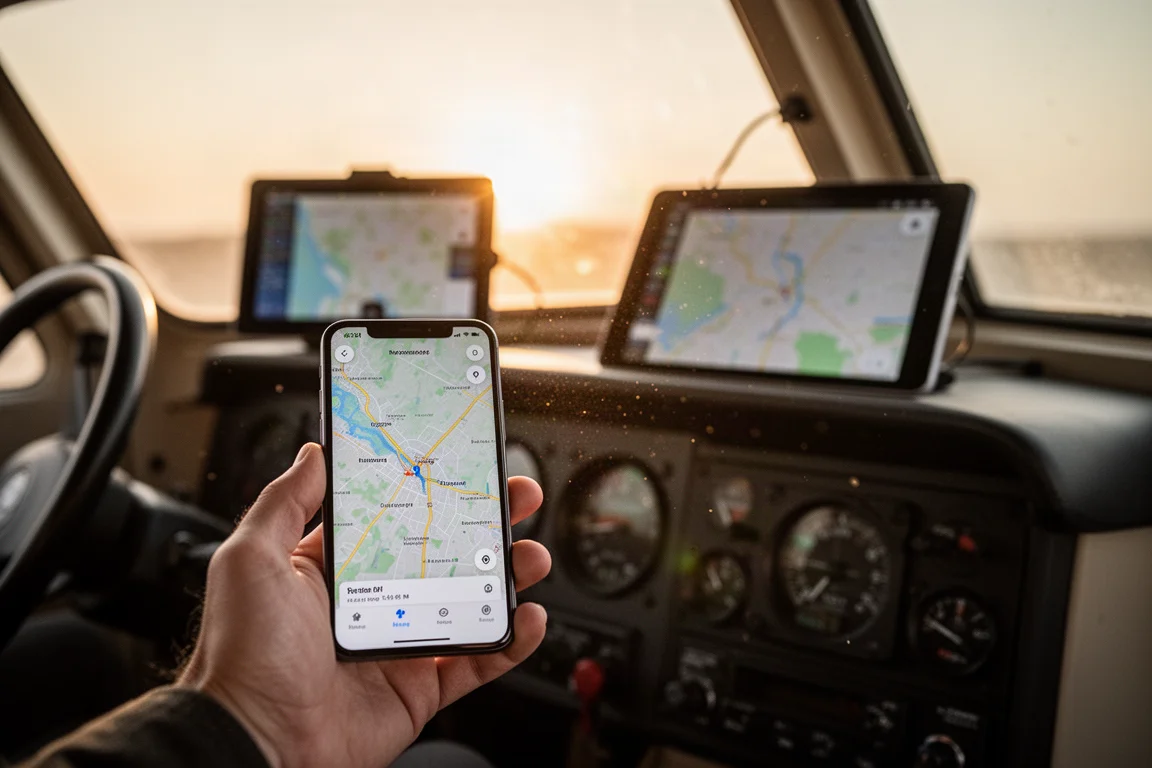
This one is not a product you buy, it is a setup you maintain. Most pilots fly with a tablet or panel-mounted avionics carrying charts and procedures. The problem is that tablets overheat, batteries fail, and screens turn themselves off at the worst moment. The fix costs nothing: install the electronic flight bag app on your phone as well, and keep it current.
With a phone connected to the cellular network, you can carry a full backup of charts, terminal procedures, maps, obstacle and terrain data, access weather, and even file and brief right from the device. The entire aircraft checklist lives there too. Redundancy this portable is easy to skip and painful to wish for. Do not get caught up a creek without a paddle.
4. Flying Eyes Osprey: Everyday Non-Prescription Sun Protection
Eye protection in the cockpit is non-negotiable. On the extreme end, debris in the windscreen is a real hazard. On the mundane end, opening stale air vents can blast dirt straight into your face, which happened the day a mud dauber’s nest came out of the vents in a shower of clumps. Then there is UV: at altitude, sunlight passes through far less atmosphere than at ground level, and it is noticeably harder on your eyes.
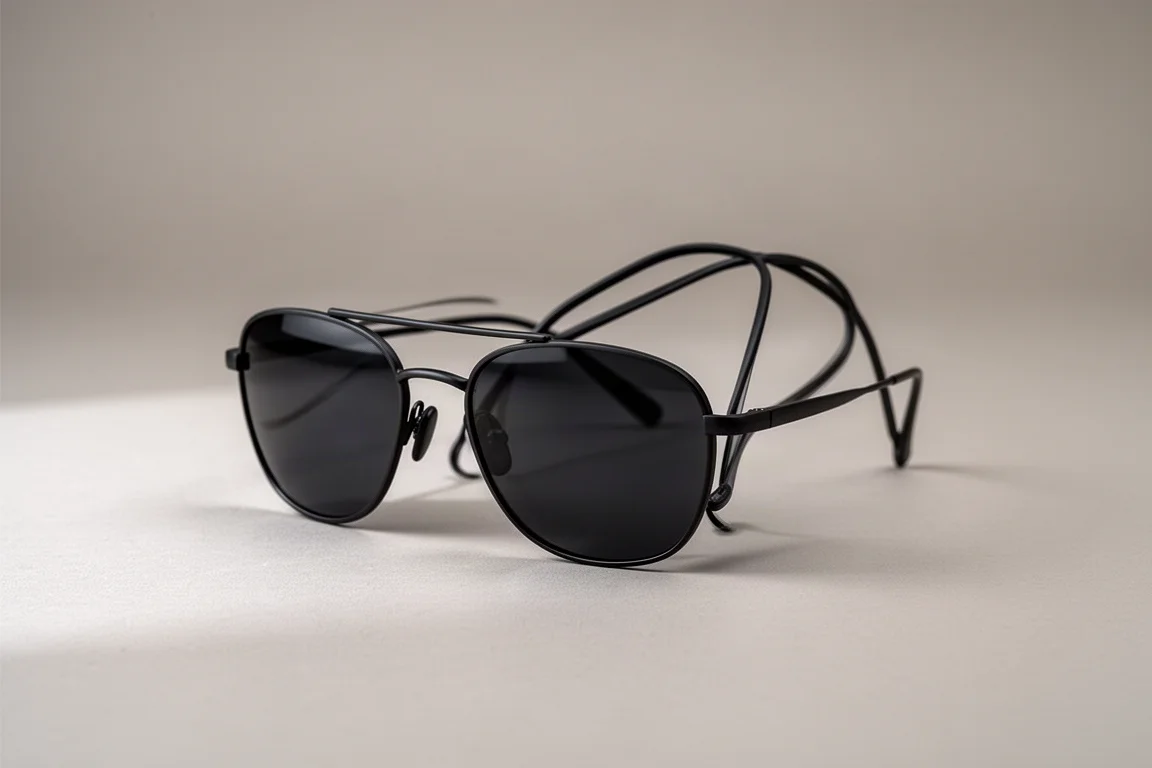
The Flying Eyes Osprey are the go-to non-prescription sunglasses for days spent flying in contact lenses. They are designed with a low profile that works comfortably under a headset, and they handle the daily wear of hangar-to-cockpit life without fuss.
5. Flying Eyes Otis: Prescription Glasses With Magnetic Clip-Ons
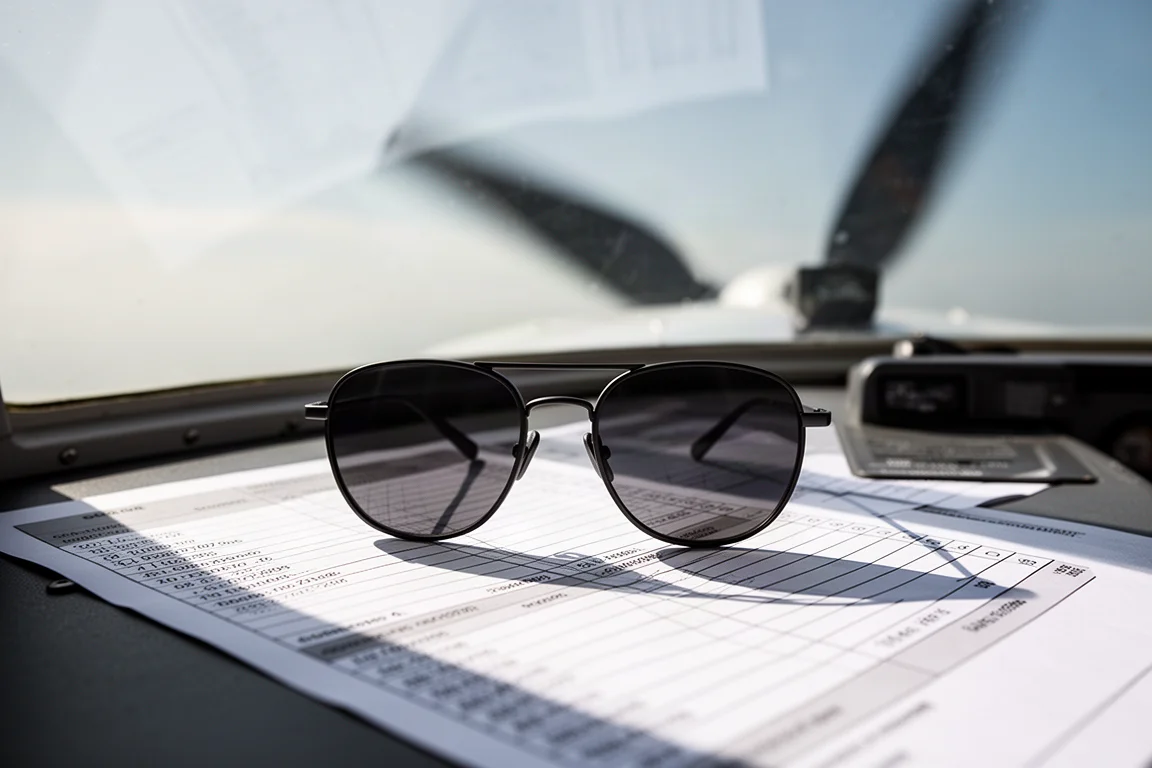
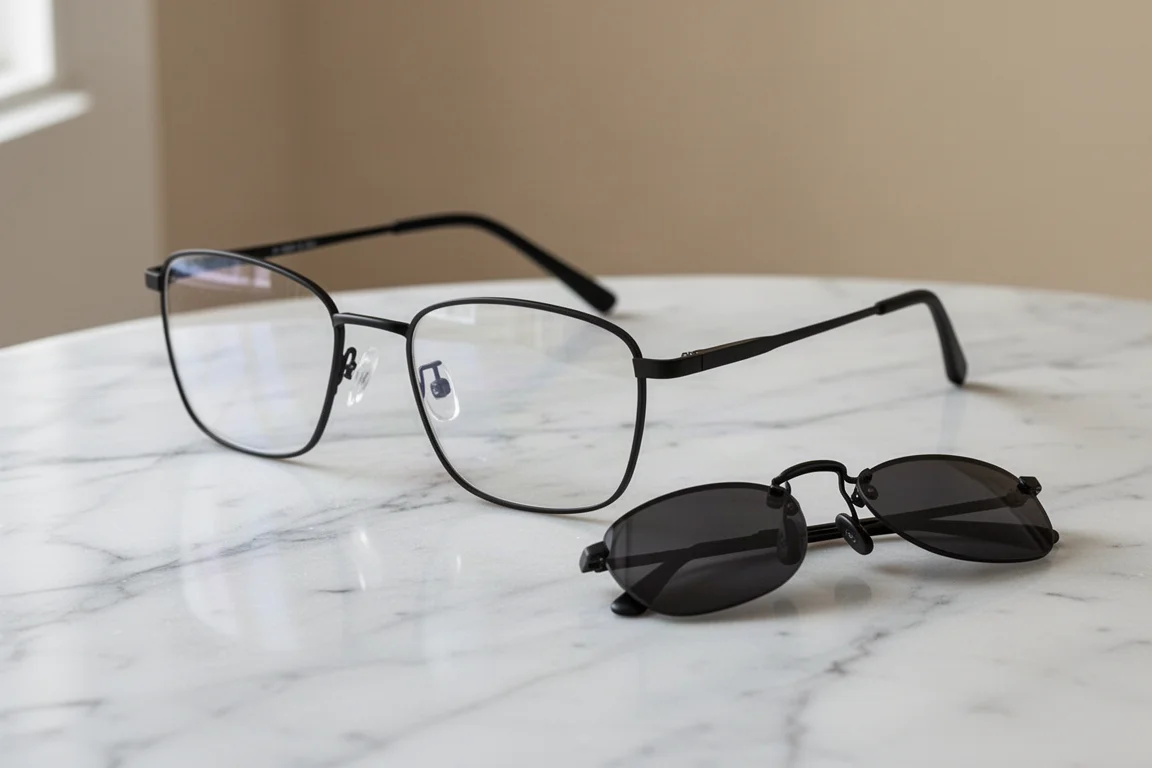
When contacts come out, the Flying Eyes Otis step in. These are prescription ophthalmic frames that convert to sunglasses using magnetic clip-ons, which means one pair covers both the bright daytime cockpit and the dim night flight when shades come off.
There is a story behind why prescription glasses are always on hand when contacts are in. During the taxi for a first solo in a Cessna 152, something got into one eye, and when the contact lens came out, it bounced off a shirt and landed on the floor. One good eye and one blurry eye later, air traffic control approved a quick u-turn on the taxiway back to the ramp. Since that day, a set of prescription glasses has traveled along on every contact-lens flight. These frames are thin and light, stay comfortable under a headset, and the magnetic clip-on system means you are not juggling two separate pairs.
One More Habit: Carry Multiple Payment Methods
Not a gadget, but a lesson learned twice. When traveling by car, airline, or private aircraft, carry more than one way to pay. A cross-country trip once ended in a small New Mexico airport after hours with a fraud-flagged card and a fifty-minute wait for a call center to lift the block. The recommendation that came out of it: two different cards connected to separate accounts, plus at least a couple hundred dollars in cash. Fuel is the thing you least want to be unable to buy. Hope for the best, prepare for the worst.
Conclusion
None of these items are complicated, and that is the point. A pocket flashlight that doubles as a headlamp, a multi-tool that can also get you out of a jammed seat belt, a full set of charts riding in your phone, and eye protection that works with or without contacts all fit into a couple of pockets. They earn their carry by being used constantly, not just carried. Start with the flashlight if you buy nothing else. It is the item that surprises people most, and the one that gets used every single day.
Further reading
Related Reviews

Everyday Carry
Everyday Gear That Deserved a Second Look
A roundup of solid everyday carry items: watches, pens, a pencil, a knife, and a smart ring that each earned a place on the table.

Everyday Carry
KORE Tactical Bifold Wallet Review: A Durable Everyday Carry Option
A close look at the KORE Tactical Bifold Wallet, a reinforced nylon wallet with magnetic closure and room for cards, cash, and IDs.

Everyday Carry
Krabby Wallet Review: A Slim, Simple Carry That Has Stood the Test of Time
A closer look at the Krabby Wallet, a slim canvas and elastic design with a loyal following and a simple, functional approach to everyday carry.