Mountain Bike Gear
Essential Mountain Bike Kit: 10 Rider Essentials We Would Not Ride Without
From a humble multi-tool to a digital pressure gauge, these are the trail-tested essentials that keep every ride running smoothly.
Introduction
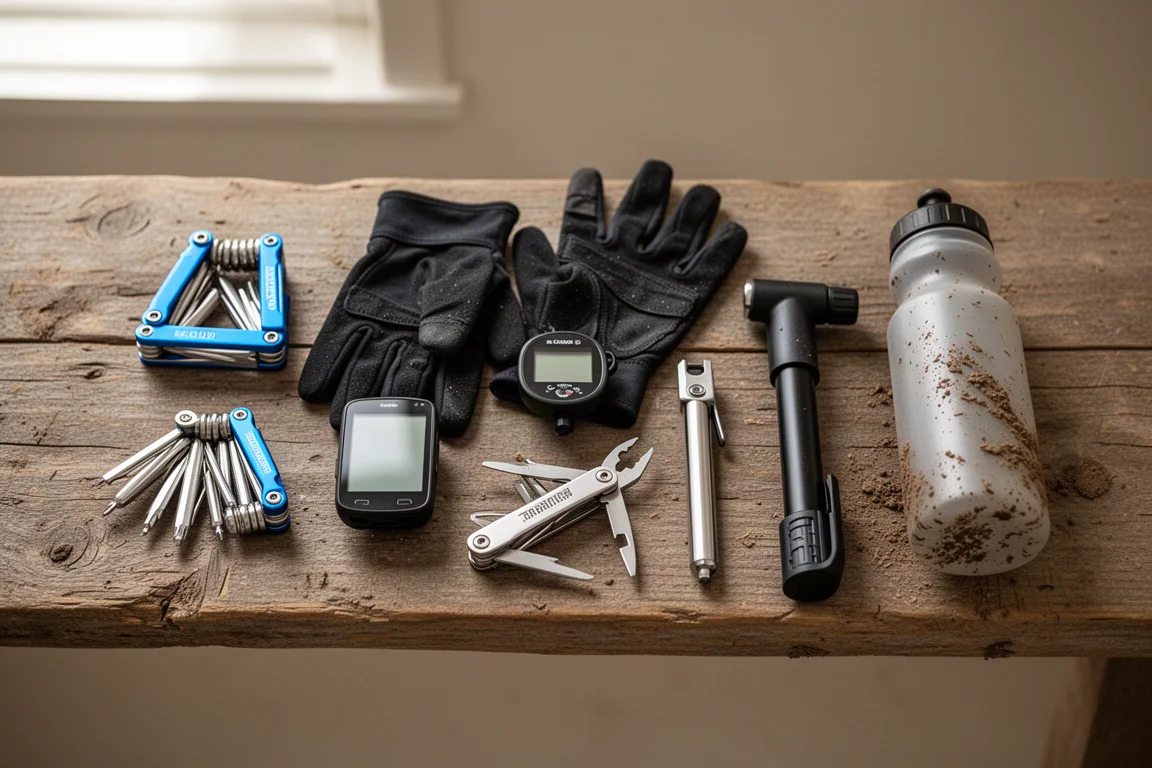
Every mountain biker has a handful of kit they refuse to leave home without. These are the tools, accessories, and small comforts that turn a good ride into a great one, or at least keep you moving when things go sideways. From a pocket-sized multi-tool that has seen decades of service to a digital gauge that takes the guesswork out of tire pressure, these ten essentials have earned their place in our packs. Each one has been tested over years of riding, racing, and trailside repairs, and each solves a real problem without adding unnecessary bulk.
Park AWS-10 Multi-Tool
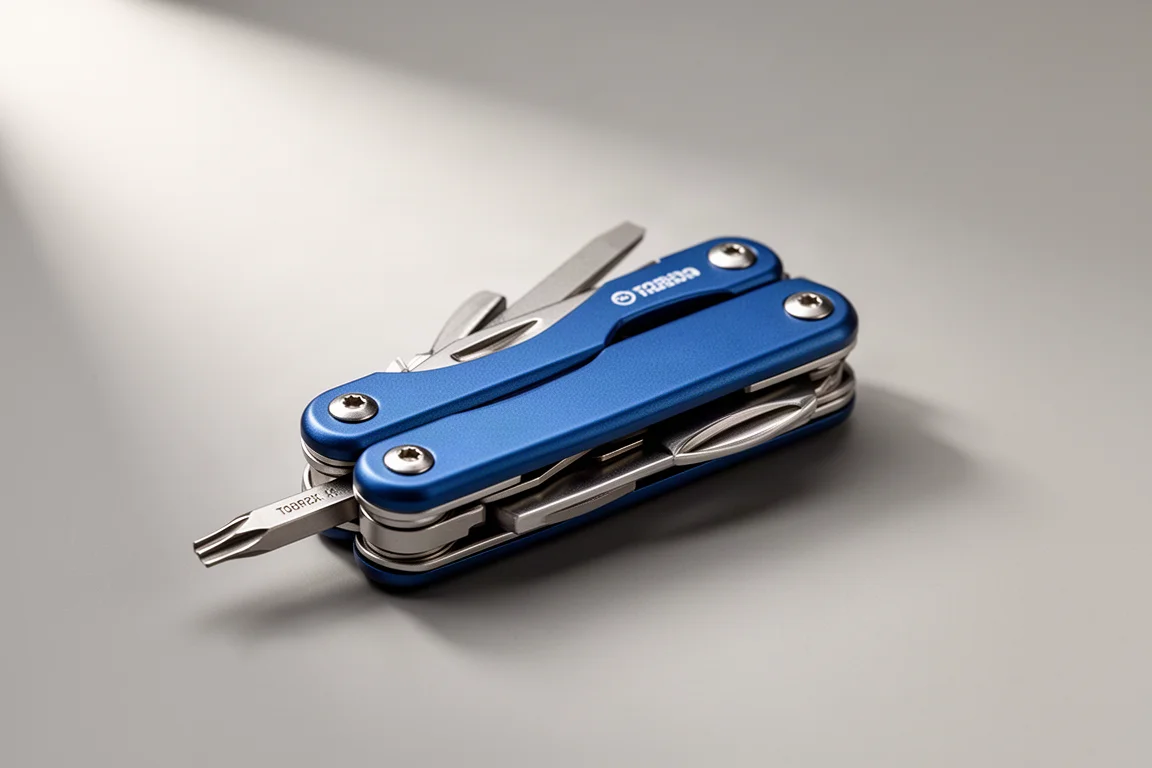
The Park AWS-10 is a compact, blue multi-tool that has lived in a back pocket for over two decades. It is small, ergonomic, and incredibly robust. The tool includes Allen keys from 2 mm up to 6 mm, including the often-missing 2.5 mm size that is important for lock-on grip collars and set screws. It provides enough torque for almost every trailside job, and even full-time bike shop or race mechanics can use it for years with almost no wear. The main trade-off is the absence of an 8 mm Allen key, but if you need a key that large, you likely need more leverage than this tool can offer anyway. At around £13 or $11, it is a budget-friendly essential that delivers professional-grade reliability.
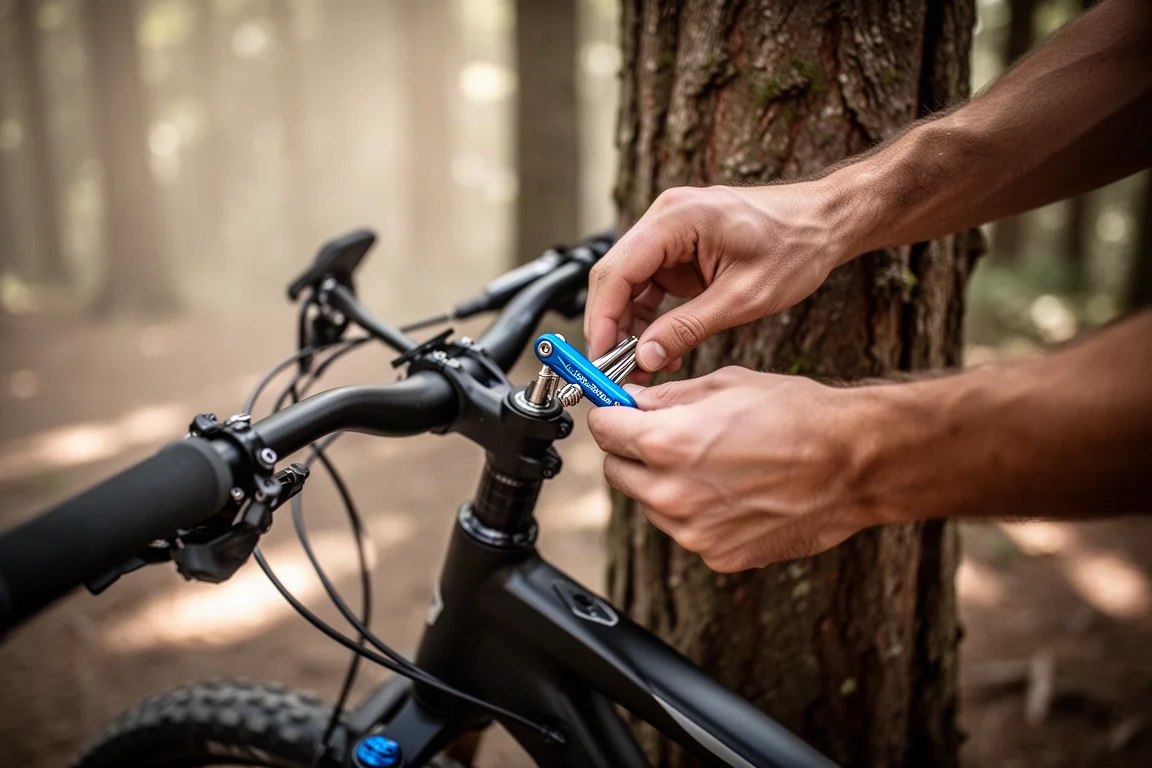
The AWS-10’s design has remained essentially unchanged for good reason. The forged aluminium body and hardened steel keys resist corrosion and wear, and the tool’s compact size means it disappears into a pocket until you need it.
Park AWS-11 Multi-Tool
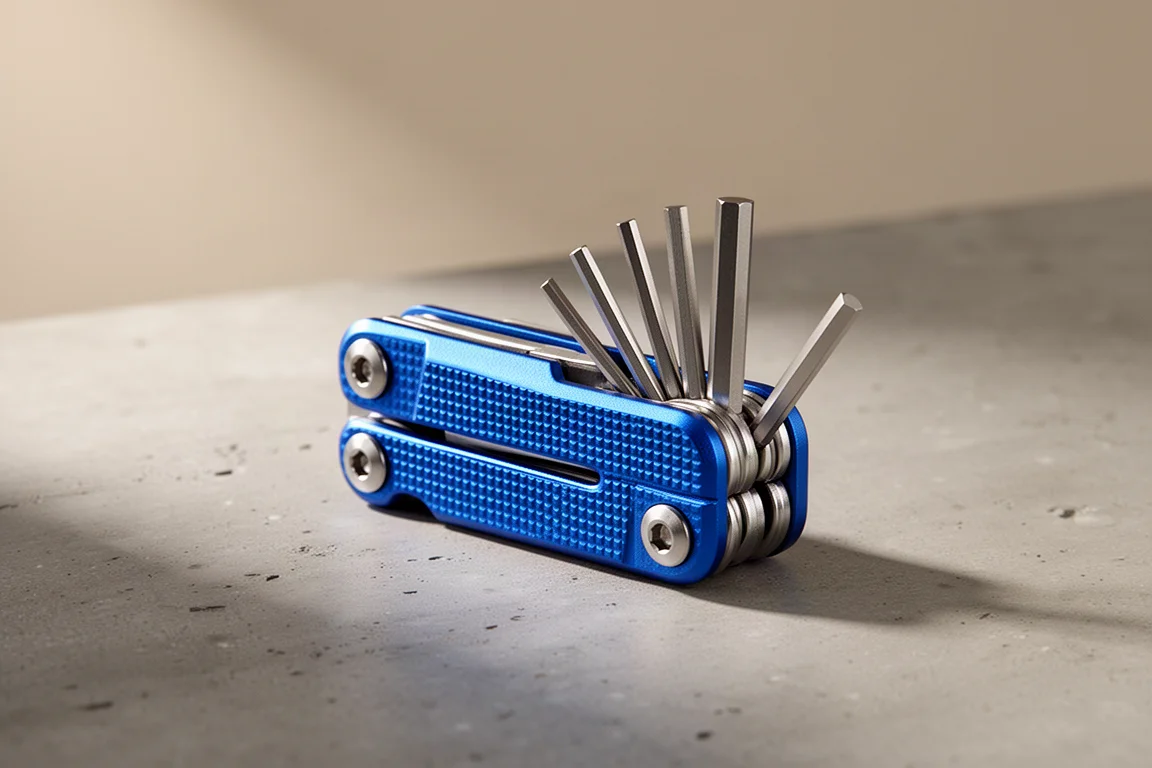
For riders who need larger Allen keys, the Park AWS-11 adds 8 mm and 10 mm sizes. However, it drops the 2 mm and 2.5 mm keys in the process and weighs a substantial 246 grams compared to the AWS-10’s pocket-friendly 103 grams. It is a trade-off between larger fasteners and lighter weight.
Park AWS-9.2 Multi-Tool
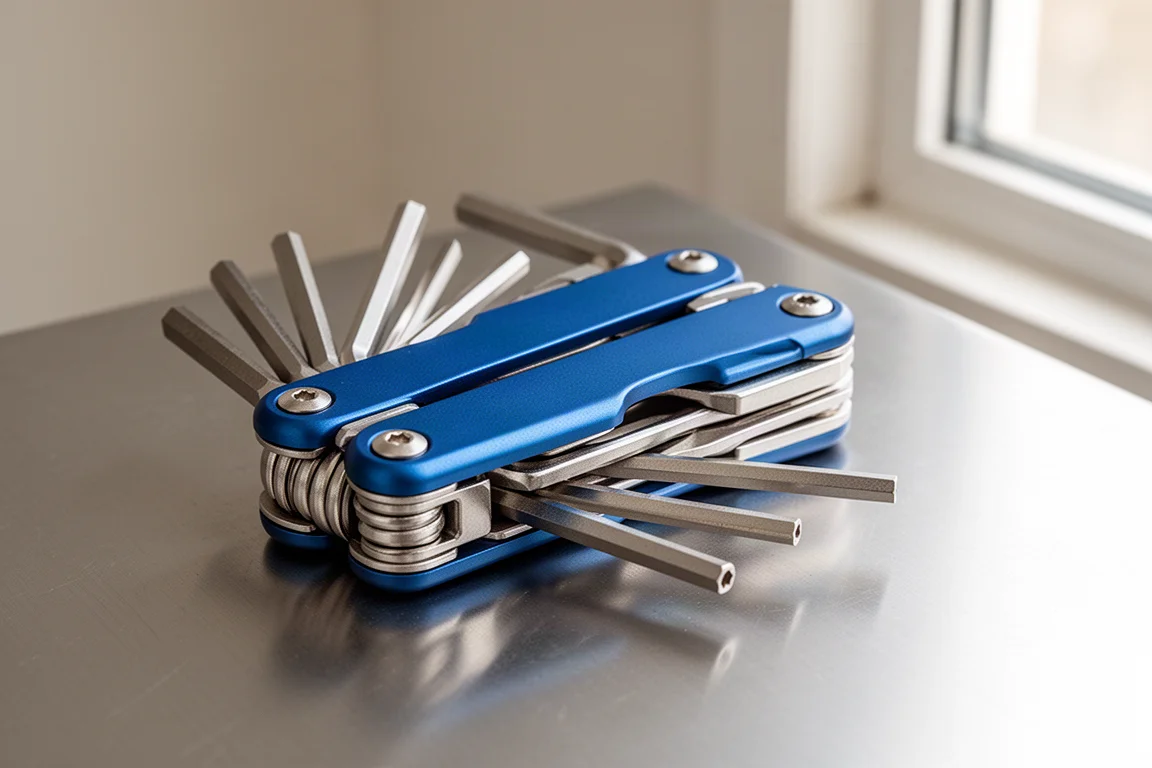
If you need a T25 Torx key, the Park AWS-9.2 includes one along with a flathead screwdriver. The downside is that it foregoes the 2 mm, 2.5 mm, and 3 mm Allen keys, which are frequently needed for small adjustments. It is a specialist choice for riders whose bikes require Torx fittings.
100% Brisk Cold Weather Gloves
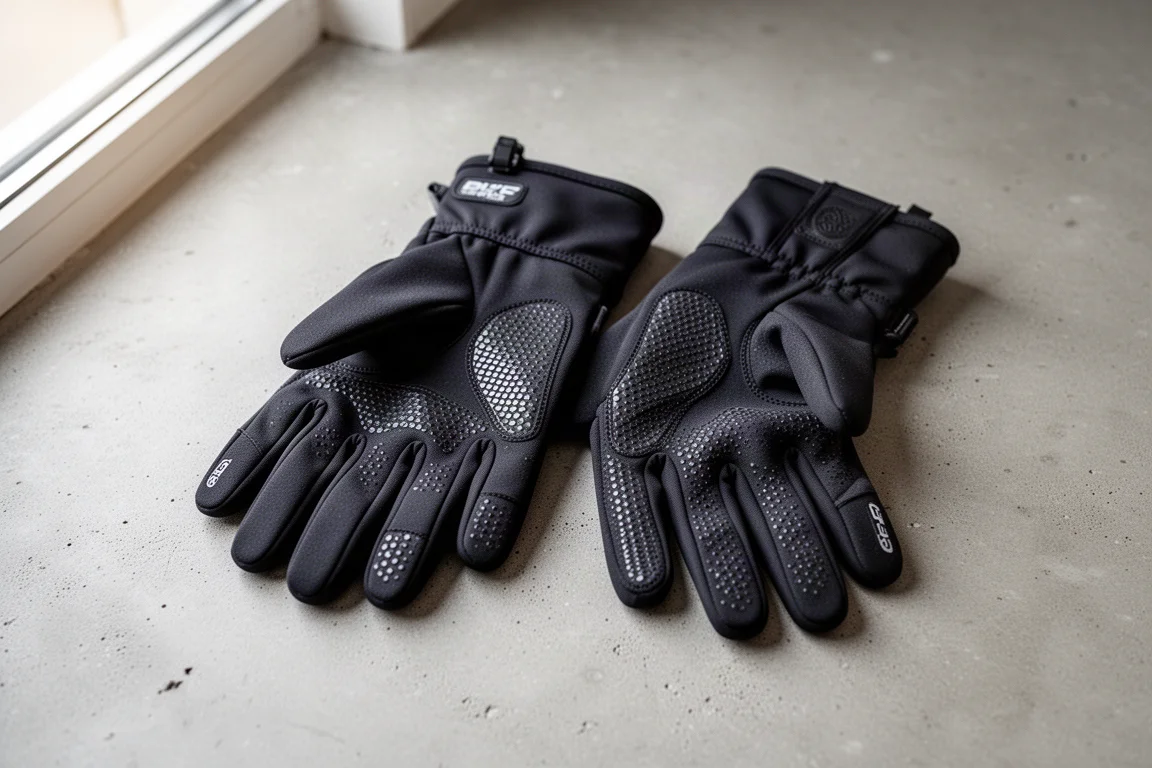
Cold hands can ruin a ride, and the 100% Brisk gloves strike a fine balance between dexterity and warmth. The top of the glove uses an insulated softshell that keeps the cold at bay, while the palm is made from a lightweight leather alternative with a silicone print for grip. Priced at £31.99 or $34.50, they are not the cheapest option, but they last. After over a year of use, they are still going strong. They work with a phone screen nine times out of ten, though occasionally you may need to remove a glove for touchscreen use. For riders in cold climates, they are a worthwhile investment.
Garmin Edge 530
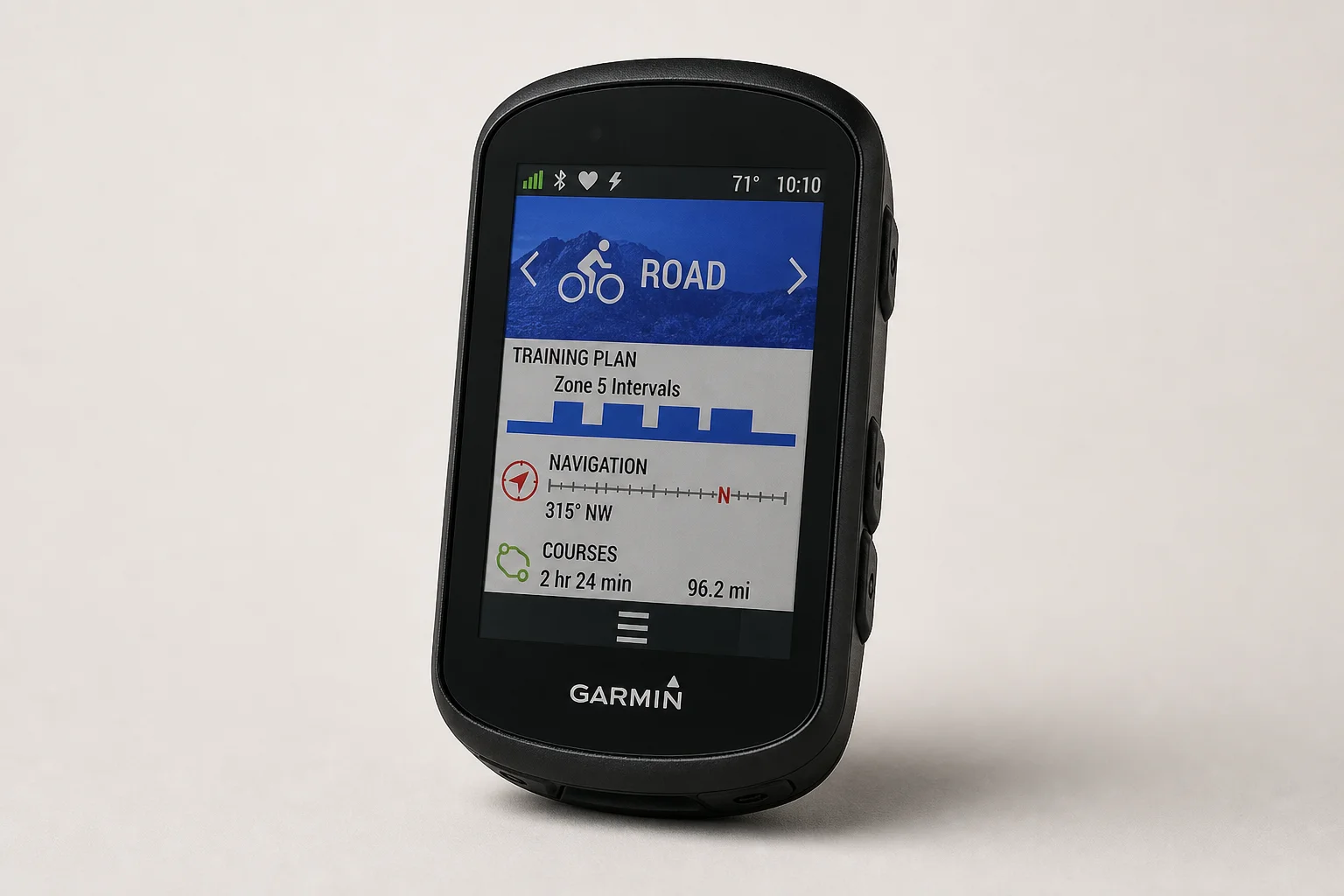
The Garmin Edge 530 is a GPS cycling computer that has become indispensable for training and route finding. It pairs with a heart rate monitor to track training sessions, and all data can be downloaded for analysis. It is ideal for following pre-planned routes, and its size hits a sweet spot for visibility without being bulky. It does have flaws: the lack of a touchscreen makes toggling through screens a laborious job, and the interface is not the most intuitive. But for riders getting into cross country racing or long-distance exploratory mountain biking, the performance metrics and navigation features make it a powerful tool. It costs around £259.99.
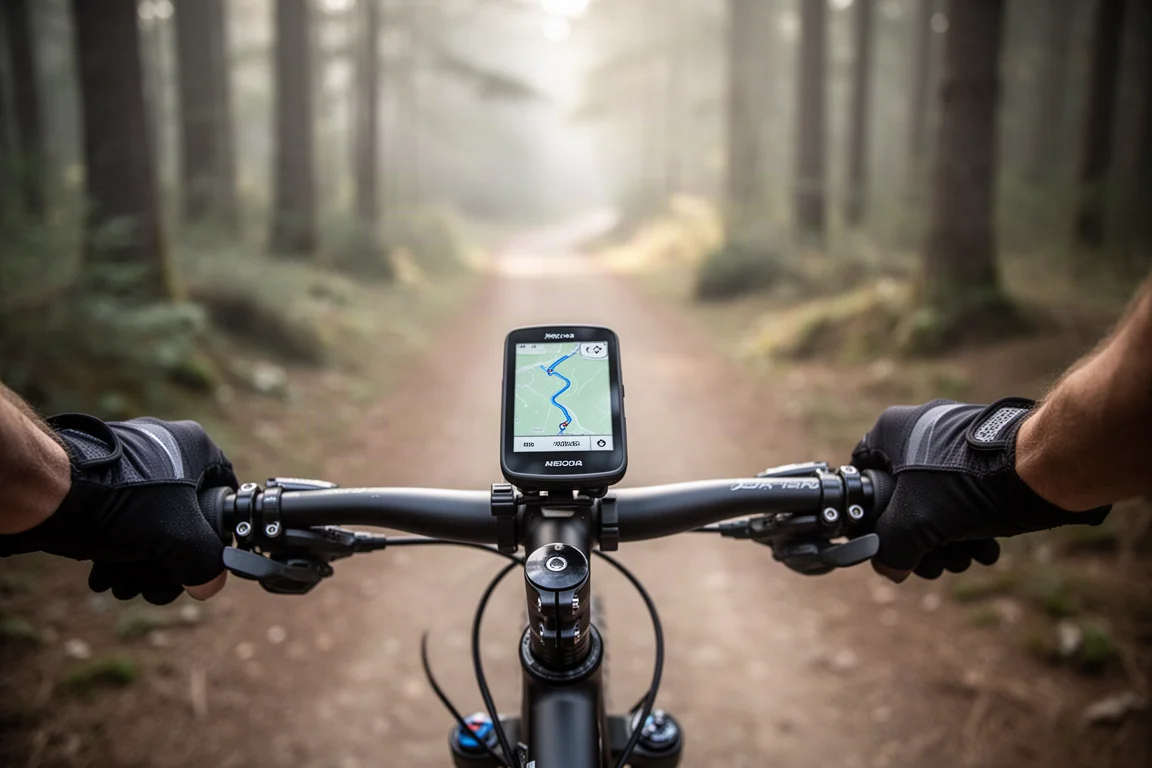
The Edge 530’s battery life and robust GPS tracking make it a dependable companion for long days out. It may not have the slickest interface, but the data it provides is comprehensive and reliable.
Leatherman Fuse
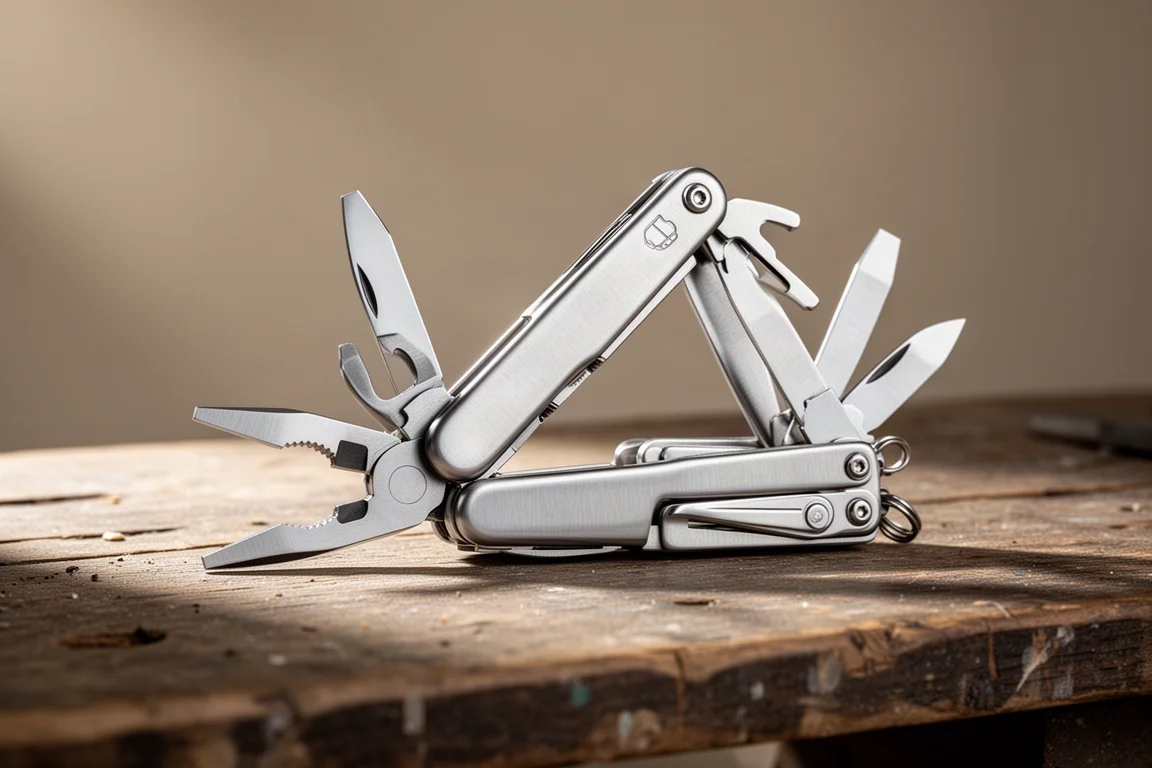
A Leatherman might seem like an odd choice for a bike ride, but the Fuse has proven its worth over nearly 15 years in a backpack. The pliers are brilliant for prying out gunky valve cores, pushing freehub parts back together, fixing bent spokes, disc rotors, and rim dings. They have also worked on mangled brake pad springs, and even pulled and cut hydraulic hoses. The knife remains sharp and is perfect for slicing a trailside baguette. It is not the fanciest or most feature-packed Leatherman, and this particular model is now an antique, but it is slim, light, and easy to carry. Leatherman’s current range likely offers something similar and just as useful.
OneUp EDC Tool V2
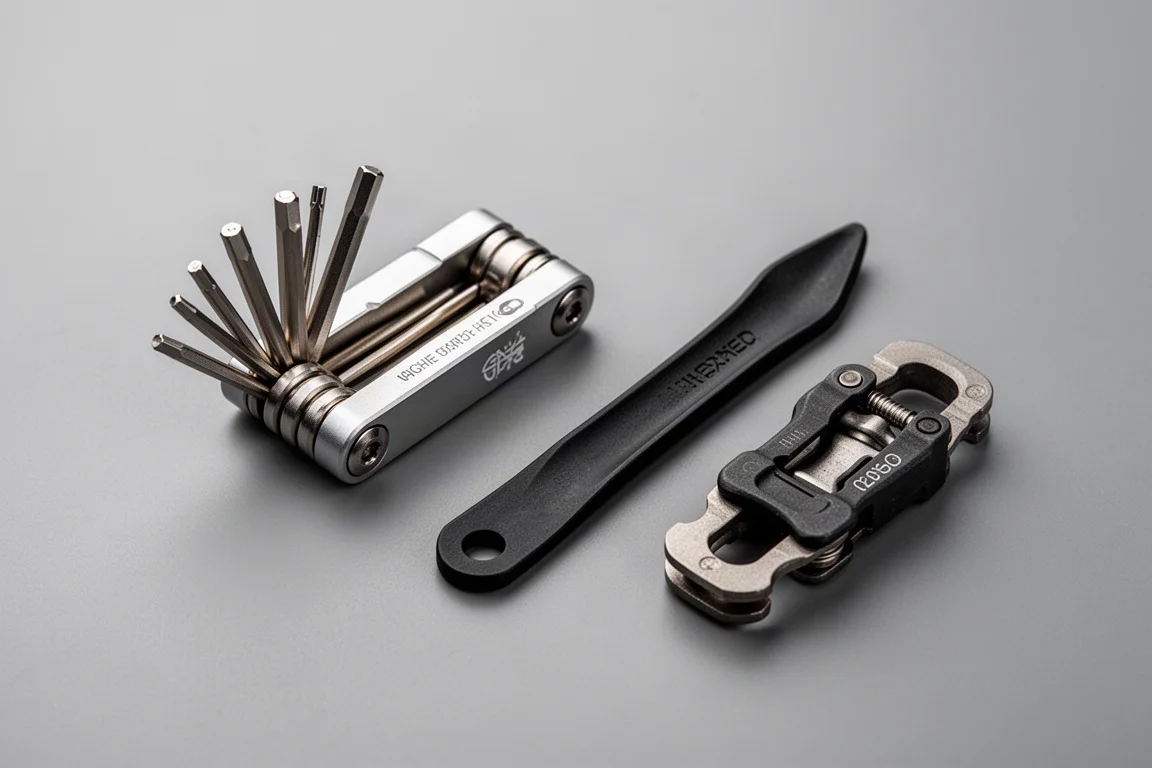
The OneUp EDC Tool V2 is a versatile multi-tool system. The core tool has seven Allen keys, a Torx T25, and a screwdriver, which covers most adjustments. It is available in an EDC light form that pops into the bike’s steer tube, or in a full EDC form that clips together with a tire lever, chain tool, quick link storage, and spoke key. The V2 version can be used in OneUp’s threadless carrier, and there is still room for a storage capsule at the bottom, or you can thread the steer tube and replace the capsule with a CO2 canister. The V2 is easier to remove than the original and has an improved chain tool and spoke keys. The only flaw is that it does not include a CO2 inflator head.
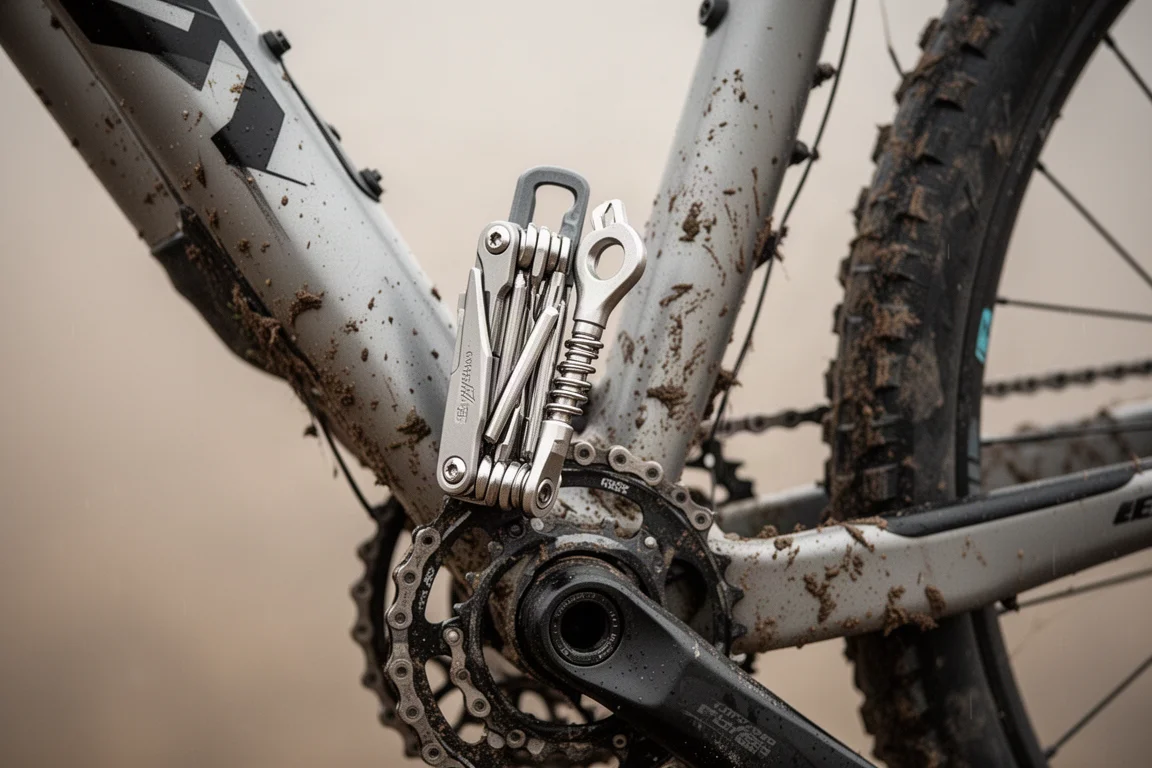
The EDC system’s modular design means you can configure it to suit your bike and riding style. Whether you go for the light version or the full kit, it keeps your tools organized and accessible.
OneUp EDC Pump
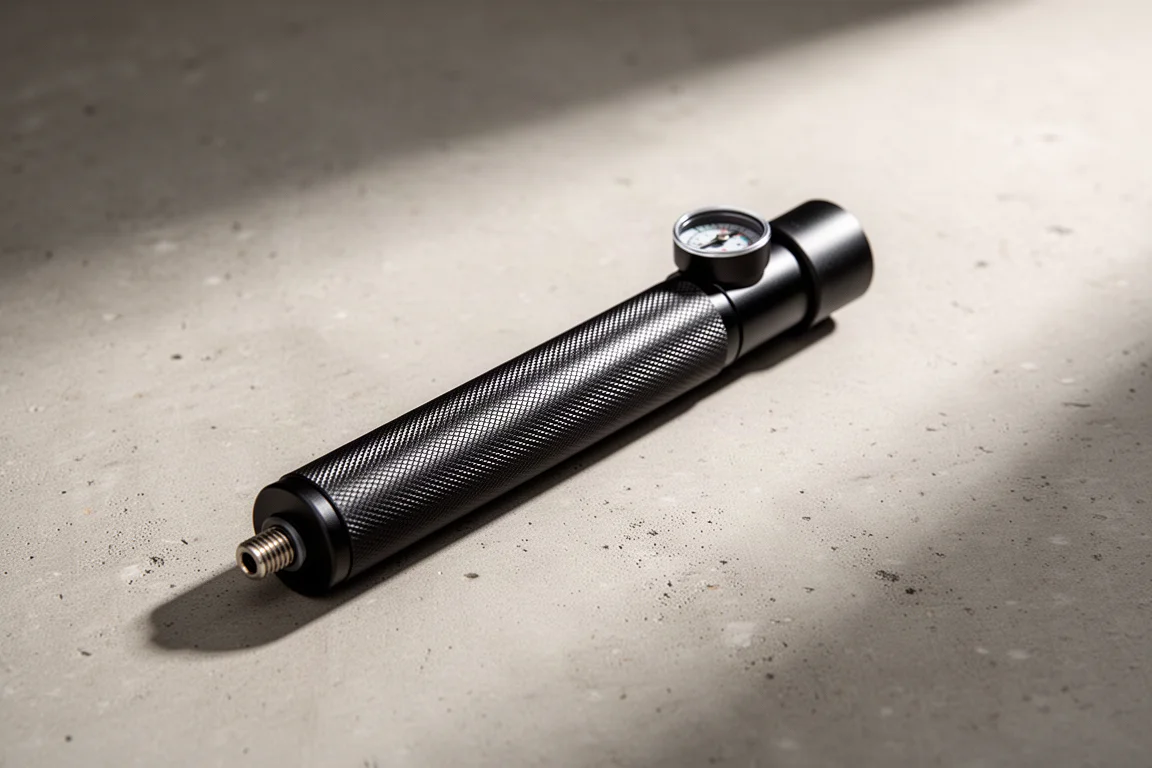
To complement the EDC tool, the OneUp EDC Pump solves the inflation gap. It works as a regular pump for small pressure changes, but you can also pull out the pump valve, screw it onto a CO2 canister, and use it as an inflator. This is especially useful for reseating a tubeless tire or when you need to inflate quickly. Combining the pump with the EDC tool gives you a complete trailside repair and inflation system.
Lifeline Digital Tire Pressure Gauge
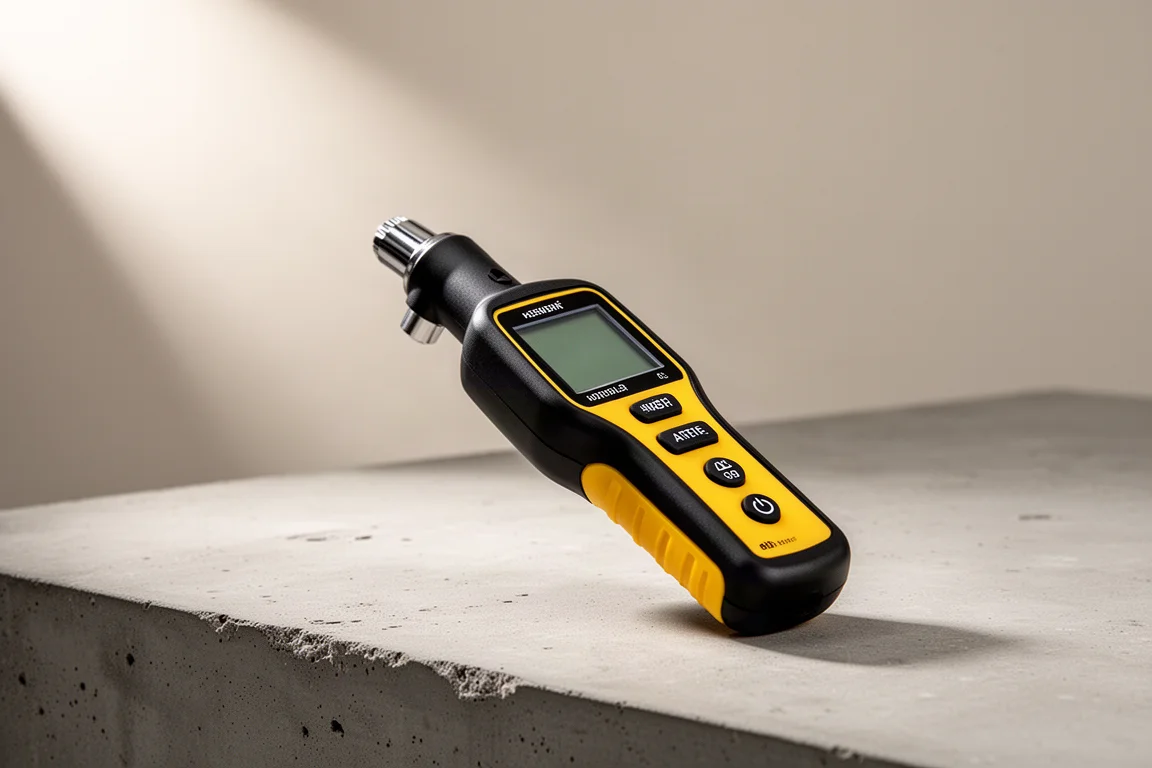
A decent tire pressure gauge is an essential piece of kit. Correct pressure gives you the best grip, control, and comfort, and protects against punctures. Too high or too low can be dangerous and lead to inconsistent handling. The Lifeline digital gauge is reassuringly robust for its £13 price tag, and its size makes it easy to grip and use. The twisting head adds versatility and makes it easier to read. A light function illuminates the screen and activates a small LED to help you see valves in the dark. It would be improved by a bigger display, but the gauge is leak-free and the pressure release button is easy to use. You can choose between PSI, bar, kilopascals, or kilograms per centimeter squared. It measures up to 160 PSI with an accuracy of 0.1 PSI, and it fits both Schrader and Presta valves. It is a bit bulky for a pocket, but it earns its place in a pack.
CamelBak Podium Dirt Series Bottles
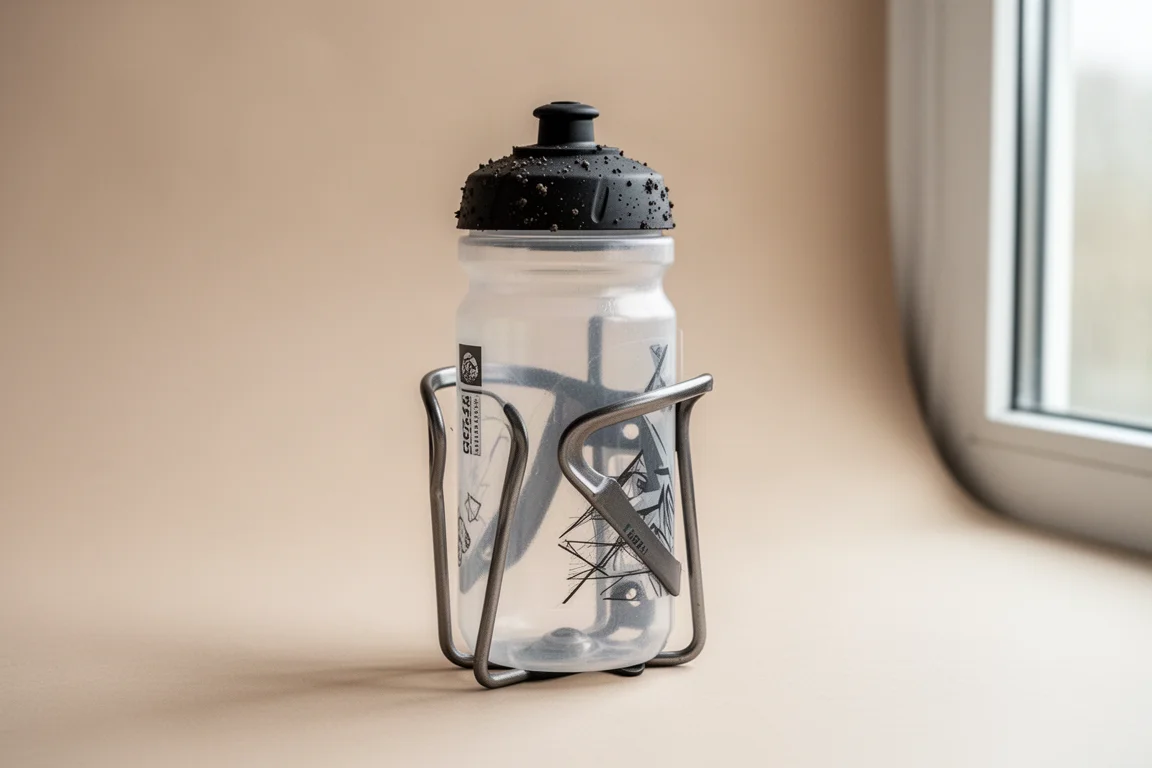
Keeping your hydration clean on muddy rides is a challenge, and the CamelBak Podium Dirt Series bottles address it with a simple dirt-proof rubber cap that can be fixed on and off while the bottle is in the cage. CamelBak bottles are not the cheapest, but their shape, squeezability, and lockable valves are among the best. The addition of the mud cap, which is also available separately, makes them a winner for regular riders through countryside where filth is a given. I have two, one insulated and one not, and they are my go-to bottles.
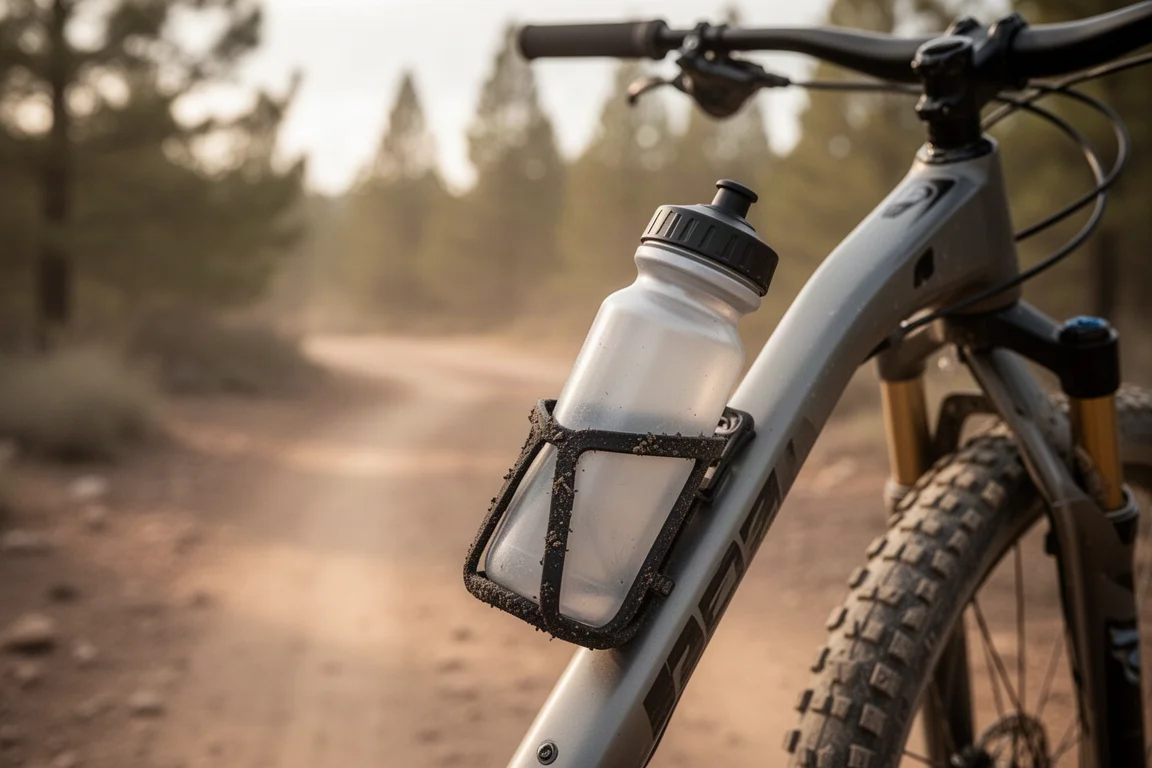
The mud cap is a small addition that makes a big difference on wet, gritty rides. It keeps the drinking valve clean and ready, so you can hydrate without worrying about what you might be ingesting.
Buying Advice
When choosing your own trail essentials, focus on the problems you actually encounter. A reliable multi-tool like the Park AWS-10 or OneUp EDC system covers most mechanicals. Cold weather gloves and a GPS computer improve comfort and training. A Leatherman adds backup for unusual fixes. A digital gauge ensures your tire pressure is dialed, and a dirt-proof bottle keeps your hydration clean. You do not need every item on this list, but each one has earned its place through years of real-world use. Start with the tools that match your riding style and terrain, and build from there.
Conclusion
These ten essentials have proven themselves over countless rides. They are not the flashiest or most expensive gear, but they are the items that keep you moving, comfortable, and prepared. Whether you are racing cross country, exploring long-distance routes, or just hitting local trails, a well-chosen kit makes every ride better. Consider which of these essentials would make the biggest difference to your own riding, and let your trail time guide the rest.
Further reading
Related Reviews
Mountain Bike Gear
Best Budget MTB Upgrades: 11 Affordable Mountain Bike Products Worth Buying
Eleven low-cost mountain bike upgrades that sharpen comfort, grip, traction, and trailside repairs without stretching the budget.
Mountain Bike Gear
Best Mountain Bike Gear and Accessories 2026: Six Practical Picks
A cross-country race bike, a car-ready transport sleeve, affordable trail sunglasses and three small 3D printed upgrades for SRAM AXS controls.
Mountain Bike Gear
Best Mountain Bike Gloves 2026: Five Practical Options for Trail Riders
Five mountain bike gloves with different protection levels, ventilation, and grip features to match various riding styles and conditions.