Hiking Gear
Essential Day Hiking Gear: Five Items Worth Carrying on Longer Trails
A practical look at five day hiking essentials, including a lightweight rain shell, two insulation options, and first aid kits at two levels of completeness.
Introduction
A long day hike rewards preparation more than any single piece of gear. The items that matter most are the ones that keep you warm, dry, and capable of handling a change in the weather or a slower return to the trailhead than you planned.
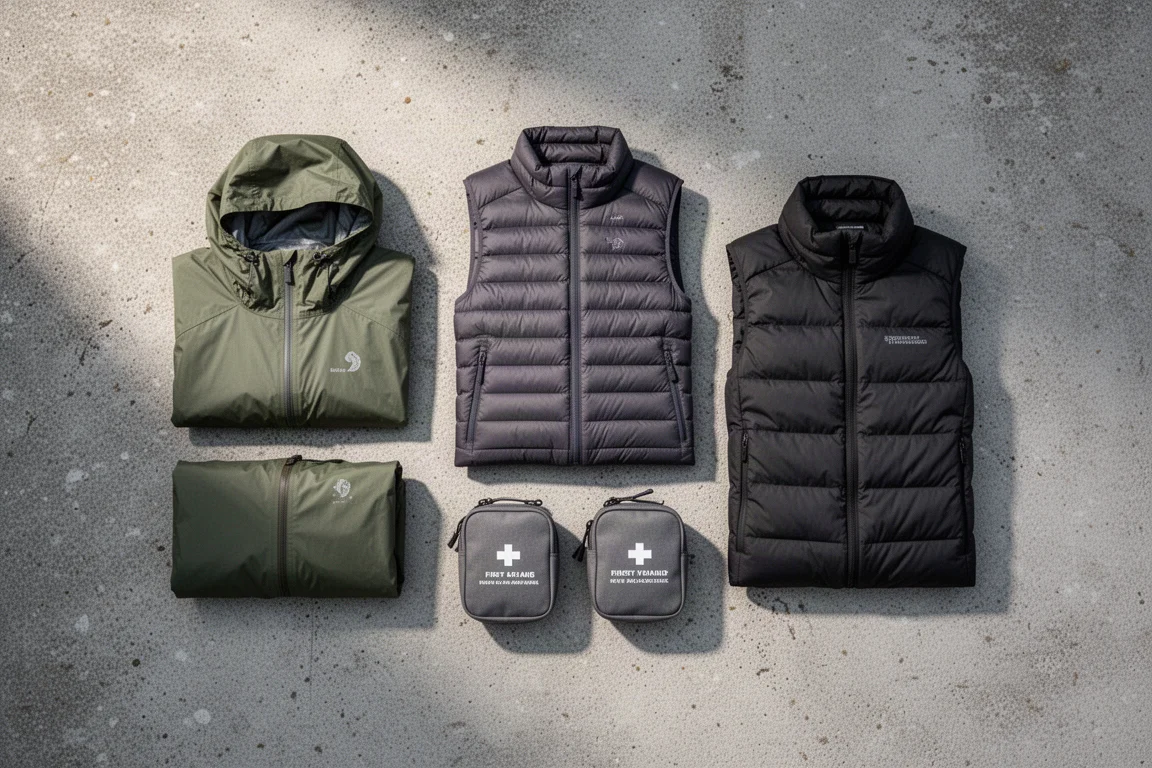
The five products below cover the practical core of a day hiking kit: a light rain shell for wind and rain, a down vest for core warmth, a synthetic layer for cold and wet conditions, and two first aid kits at different levels of completeness. Each one solves a specific problem without adding much weight to your pack.
What to Look For in Day Hiking Essentials
Start with the pack itself. Capacity should match the trip: a smaller pack can be enough when the forecast is stable and the route is short, while longer days and shoulder-season conditions call for something in the 24 to 30 litre range so there is room for layers, water, and food.
Then think about the small items that are easy to leave behind and hard to improvise: a headlamp, a basic knife, a lighter, hand wipes, sunscreen, insect repellent, a compact emergency bivvy, and a way to filter water if the route allows it. A satellite communicator is not essential, but it can be genuinely useful for letting someone know you are running behind.
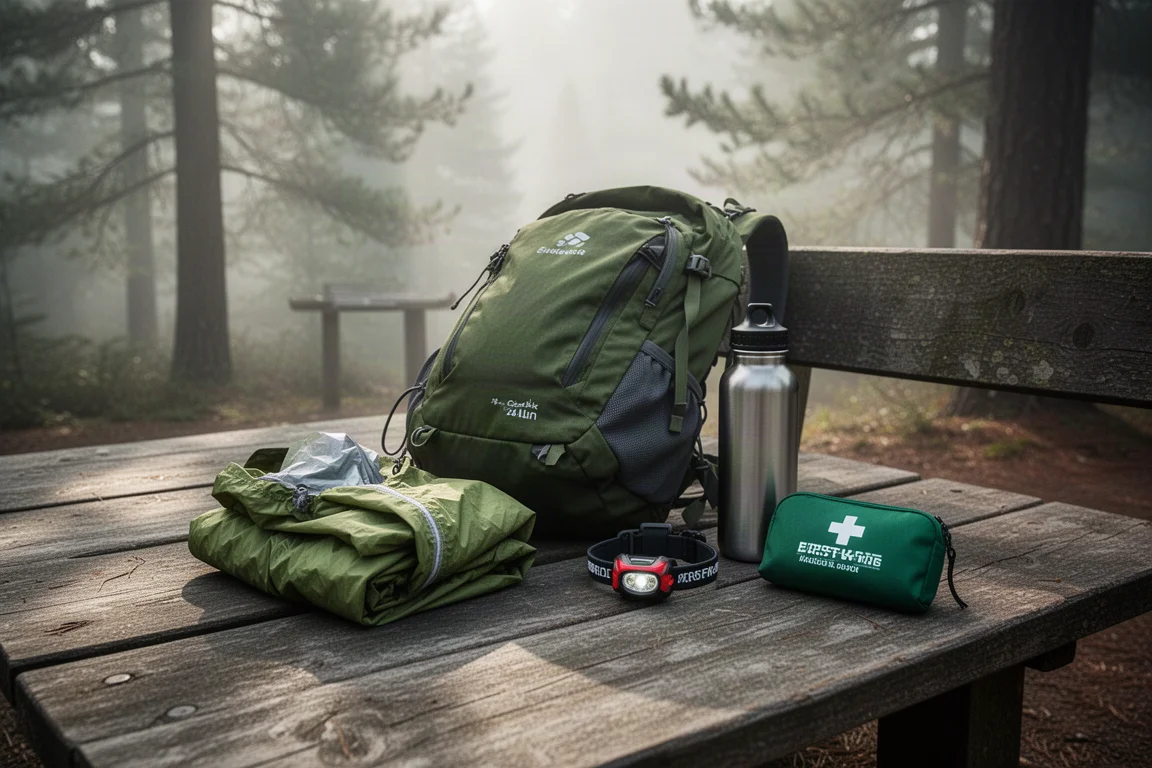
Layering is the other half of the equation. A light shell handles wind and rain on exposed ridges without overheating you, a down vest adds warmth across the core when a full puffy is too much, and a synthetic layer keeps insulating when conditions turn wet and cold. Weather on a day hike can shift quickly, so a system you can adjust in stages is more useful than a single heavy layer.
Rain Protection: Outdoor Research Helium Rain Jacket
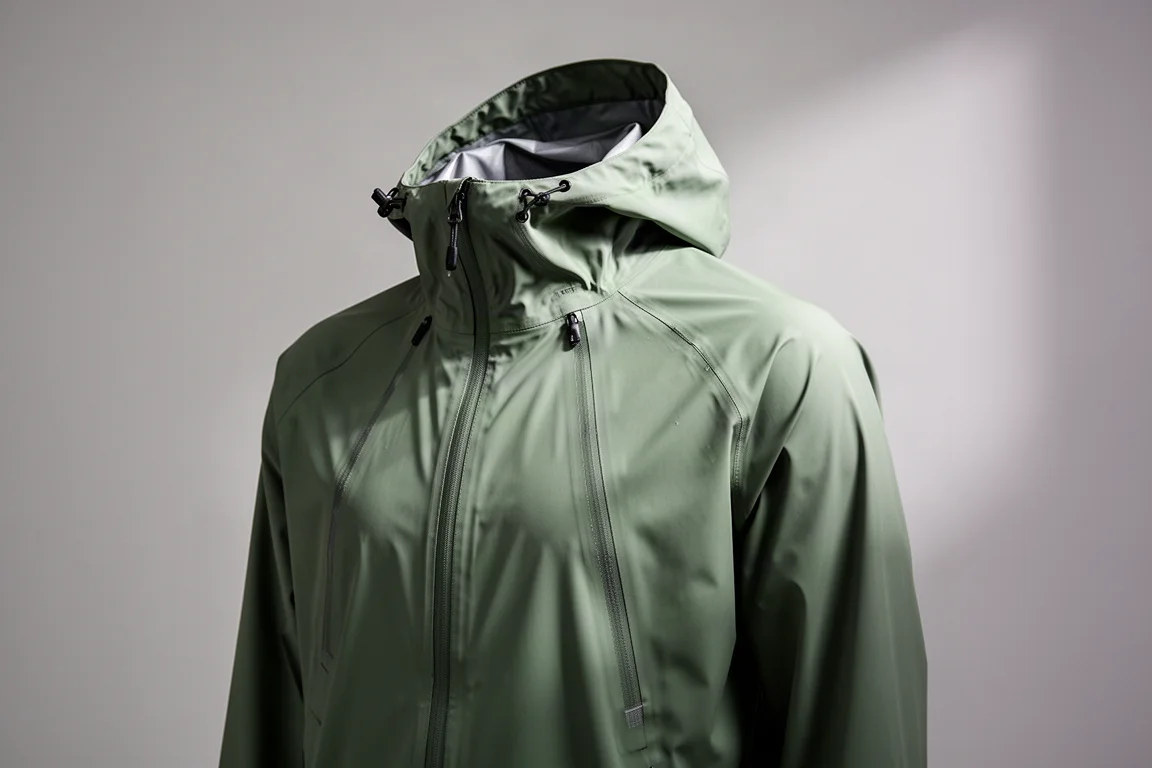
The Helium rain jacket from Outdoor Research is the lightest item in this group and the one that covers the widest range of conditions. It is built as a minimal shell that blocks wind and rain while staying thin enough to wear on the move without turning into a sauna.
That makes it the right choice for exposed terrain. On a high ridge or above the tree line, you can pull it on over a base layer and get protection from wind without the bulk of a heavier insulated jacket. It packs down small enough to live at the bottom of a daypack until you need it.
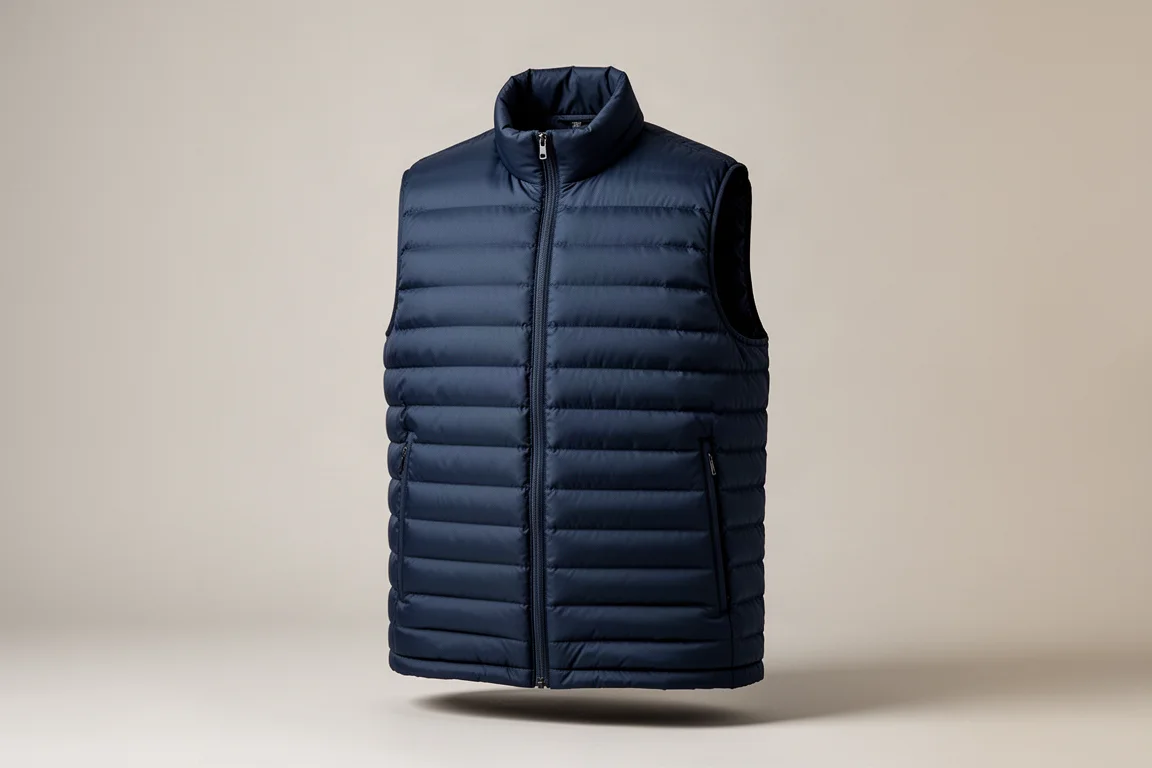
Core Warmth: Arc’teryx Cerium LT Vest
The Cerium LT is a down vest, and the argument for a vest over a full jacket is simple: it keeps your core warm without adding insulation where you generate the most heat. Wearing it over a long-sleeve base layer or under a shell gives you a useful warmth boost on cold starts and shaded descents.
It is also remarkably light. Depending on the size, the vest comes in under eight ounces, so it is easy to justify carrying even when you are not sure you will need it. For hikers who run warm or who only want insulation across the torso, a vest like this is often a better fit than a full puffy.
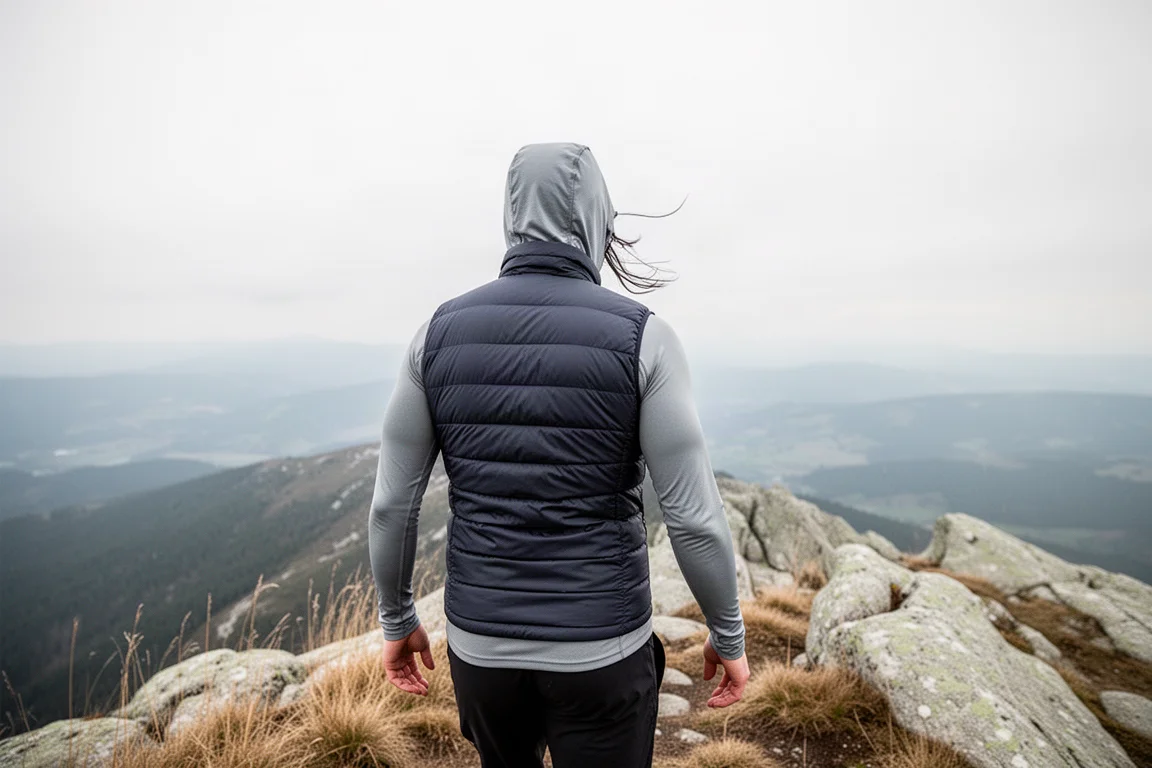
That said, a vest leaves your arms exposed, so it works best as part of a system rather than as your only warm layer. Pair it with a shell for wind and a synthetic layer for wet conditions, and you have coverage across most of what a long day hike can throw at you.
Wet-Weather Insulation: Arc’teryx Atom
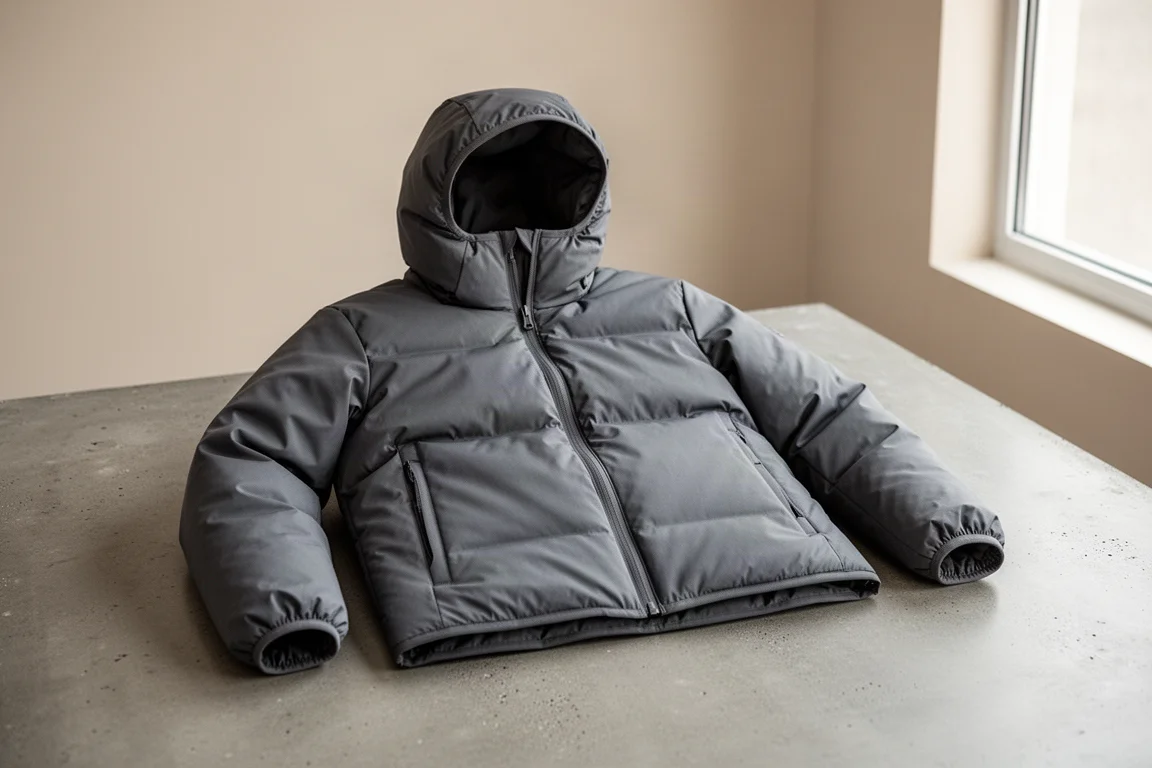
Down loses much of its value when it gets wet, which is where a synthetic layer like the Arc’teryx Atom earns its place. It keeps insulating in damp conditions and is comfortable enough to hike in, making it a strong active layer for genuinely cold days.
The Atom is the piece to reach for when a day starts clear and turns into a cold downpour within a couple of hours. Worn under a rain shell, it holds warmth against your body instead of letting the cold settle in, and it does not need the careful handling that down insulation does.
Minimum First Aid: Adventure Medical Kits .3 Med Kit
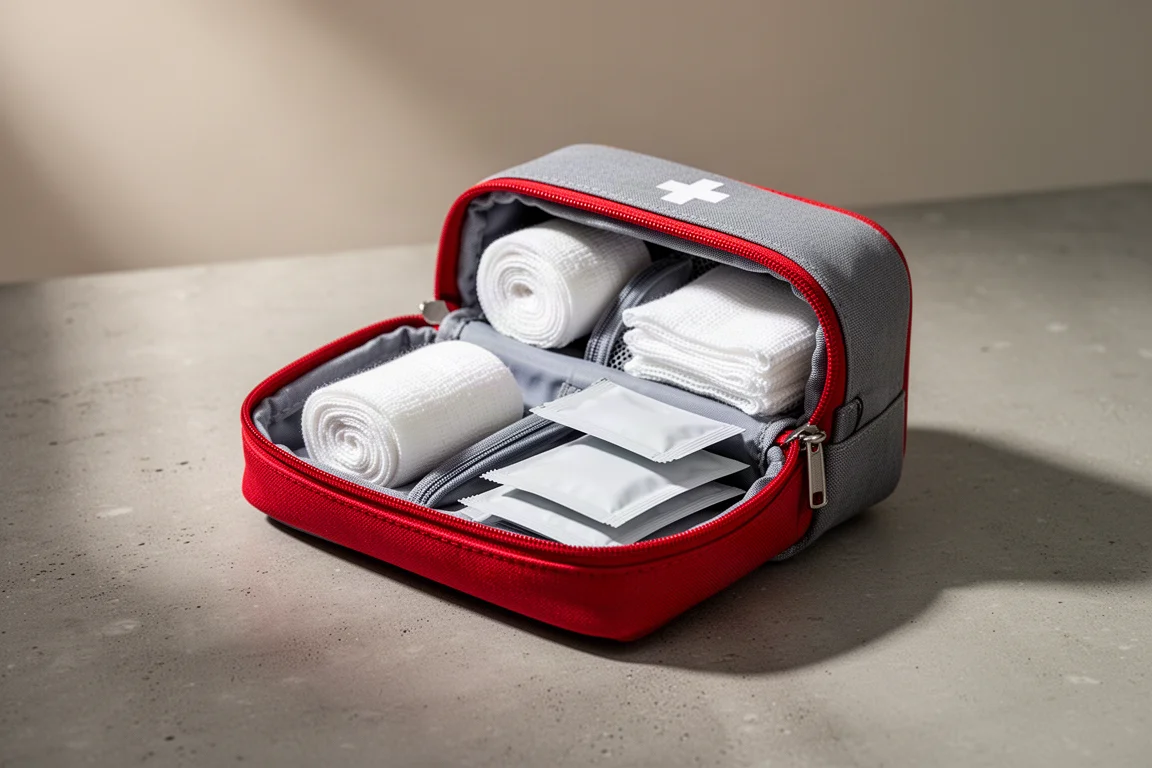
For most day hikes, the sensible minimum is a small kit with the basic supplies you would actually use: blister care, bandages, and a few essentials for minor cuts and scrapes. The .3 med kit from Adventure Medical Kits is exactly that, and at under ten dollars it is one of the easiest pieces of safety gear to justify.
It takes up almost no room in a pack, which means there is no real reason to leave it behind. If you carry nothing else in the way of first aid, carry something like this. Hikers who bring a dog may also want to add a few pet-specific supplies, since paw injuries on rough ground can cut a trip short.
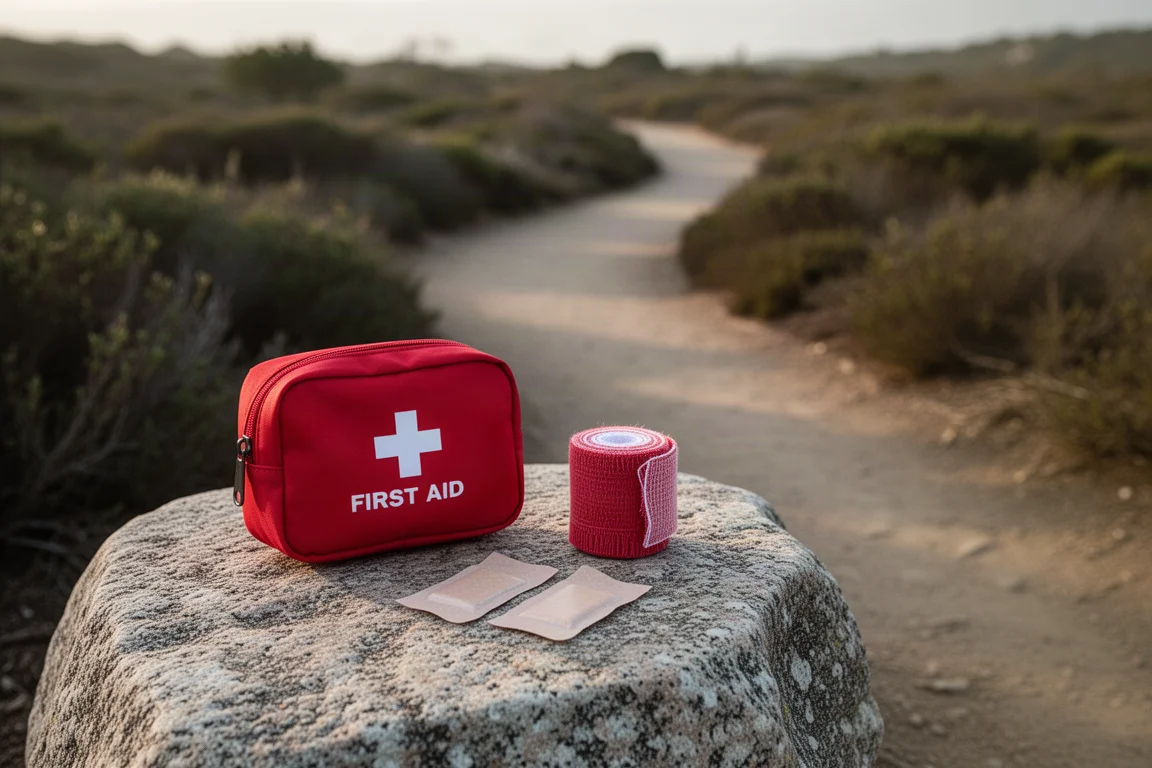
The value of a kit this small is that it removes the excuse. It weighs next to nothing, it fits in a side pocket, and it turns a minor problem on the trail into something you can deal with in a few minutes rather than something that ends your day early.
Expanded First Aid: MyMedic Hiker Kit
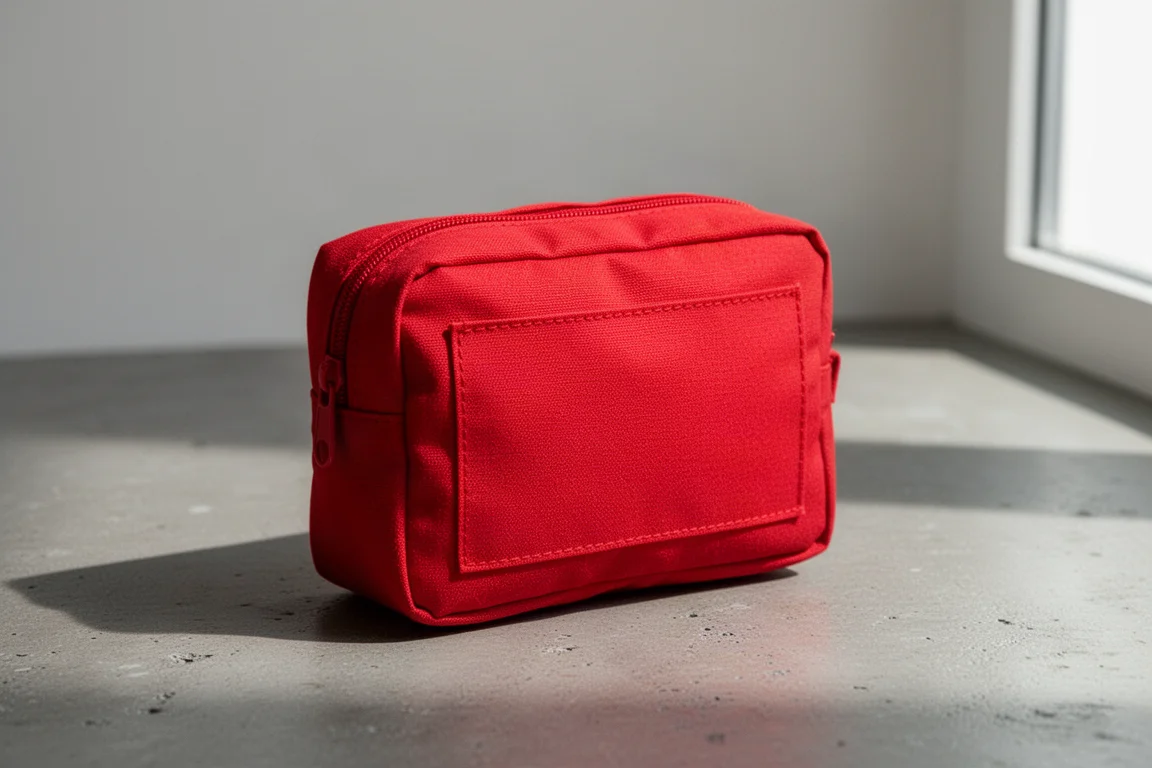
The MyMedic Hiker Kit sits at the other end of the scale. It carries a much fuller selection of supplies, in many cases more than a straightforward day hike would require, which makes it a reasonable choice for longer outings, group trips, or hikers who would rather have more on hand than less.
Because it is more complete, it is also larger and heavier than a minimal kit. That trade-off is worth it if you regularly spend full days on remote trails, but for short local hikes a smaller kit will usually be enough.
Overall Buying Advice
These five items are not meant to be bought all at once. The most useful way to think about them is as layers of coverage: a shell for weather, an insulation layer matched to the conditions you expect, and a first aid kit sized to the trip.
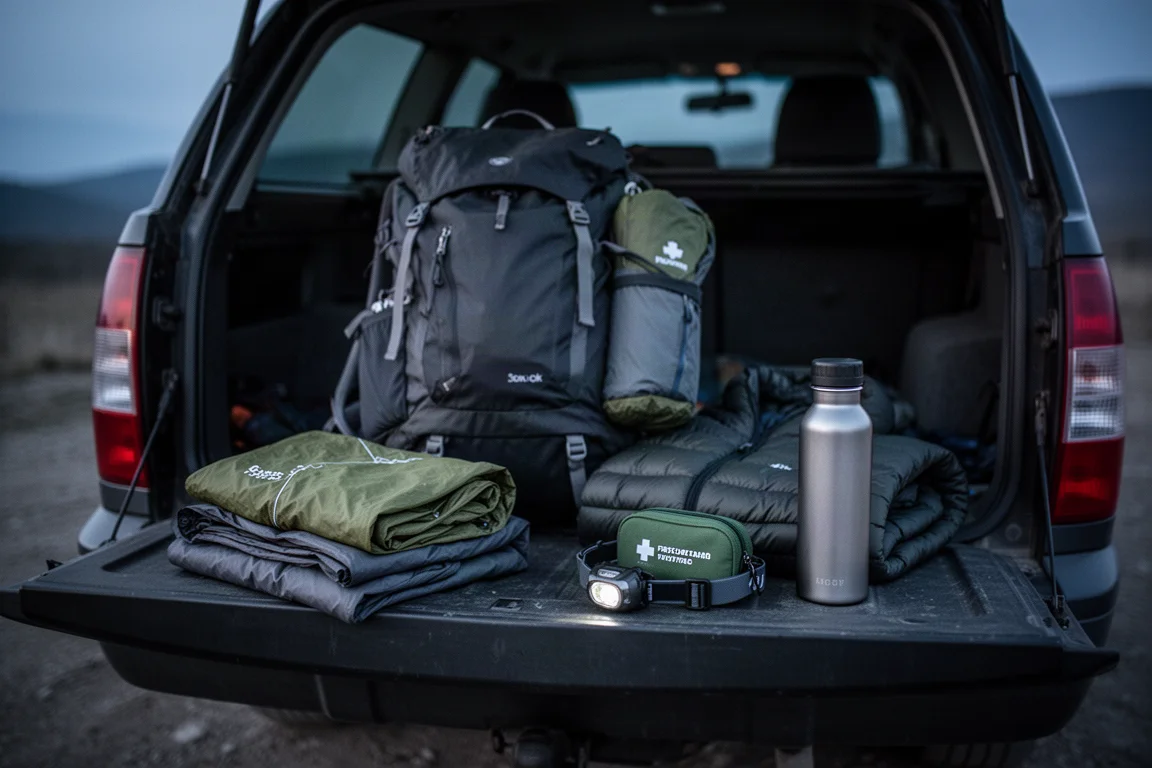
If you are building a kit from scratch, start with the rain shell and a minimal first aid kit, since those cover the widest range of problems for the least weight and cost. Add insulation once you know what temperatures and conditions you actually hike in, and step up to a fuller kit if your trips get longer or more remote.
Conclusion
Day hiking gear is less about having every possible item and more about covering the situations that are genuinely likely: wind on an exposed ridge, a cold turn in the weather, a minor injury, or a return to the trailhead that takes longer than planned. A light shell, a warm core layer, a wet-weather synthetic, and a first aid kit at the level that suits your trips will handle most of it, and they will fit in a pack you are happy to carry all day.
Further reading
Related Reviews
Hiking Gear
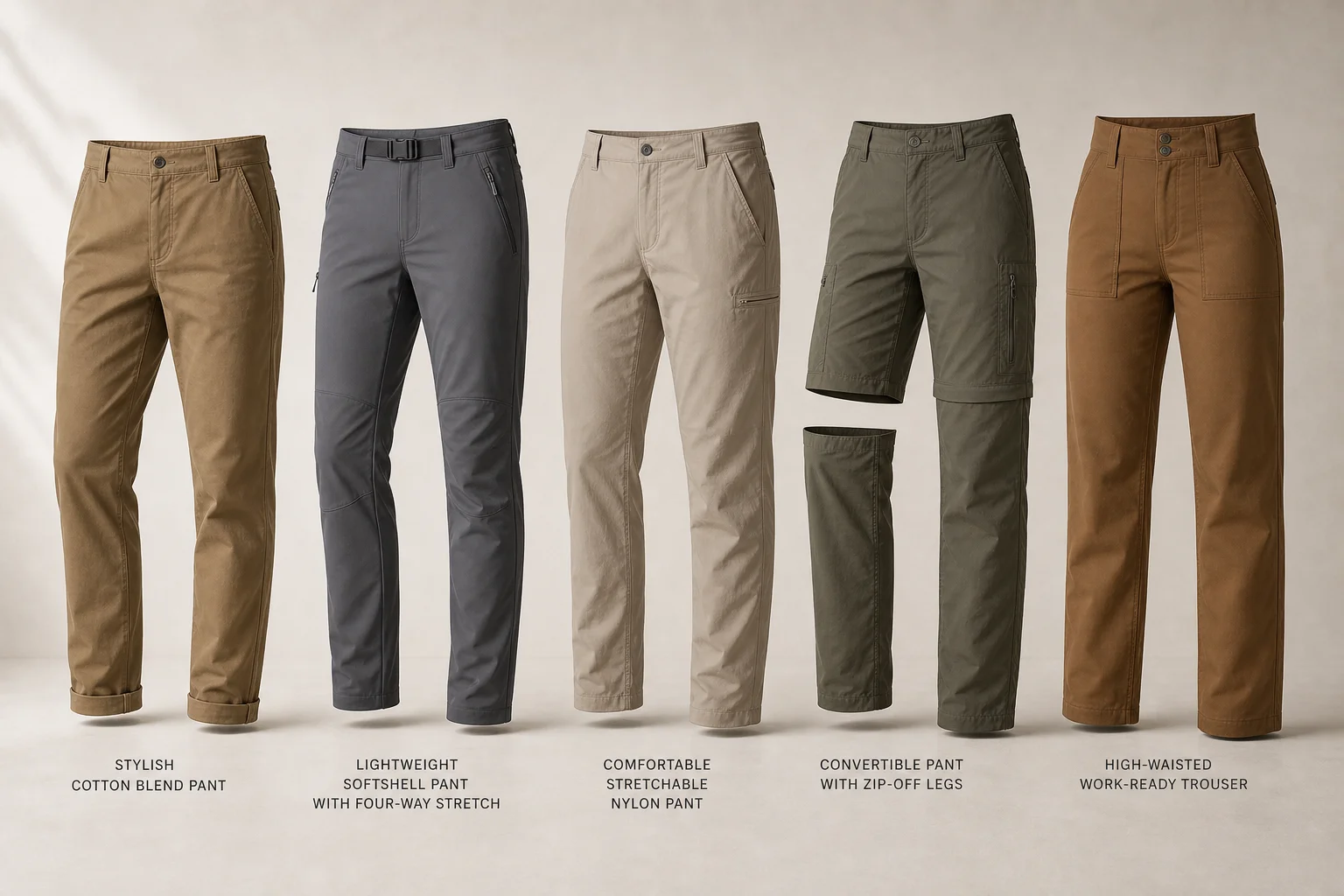
Best Hiking Pants on Amazon: Five Practical Options for Different Needs
A practical review of five hiking pants with clear strengths and trade-offs, from lightweight convertible styles to durable work-ready trousers.
Hiking Gear
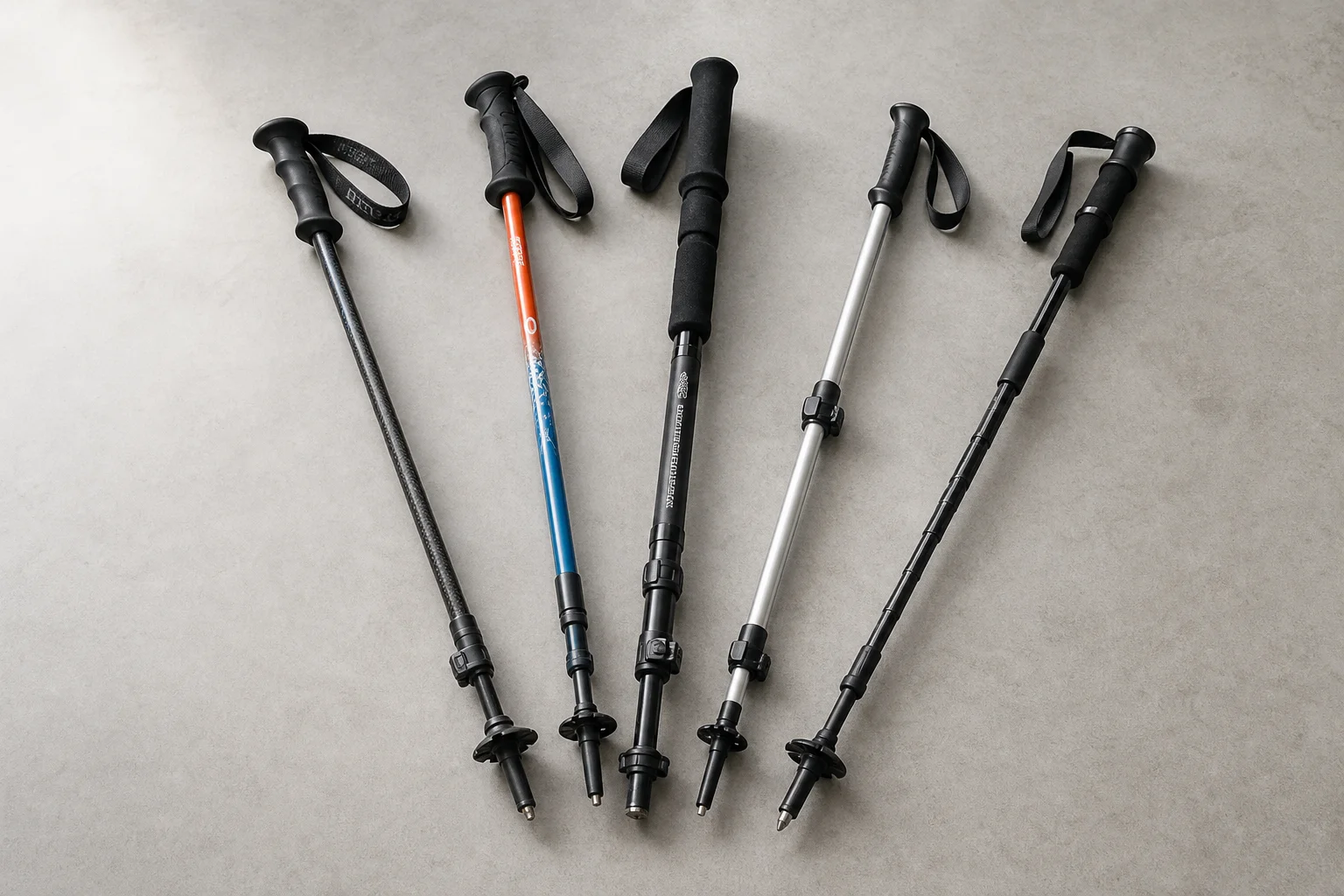
Best Hiking Poles 2026: Five Options for Different Trail Needs
A practical review of five hiking poles, from lightweight carbon designs to versatile all-terrain options, with clear strengths and trade-offs for each.
Hiking Gear
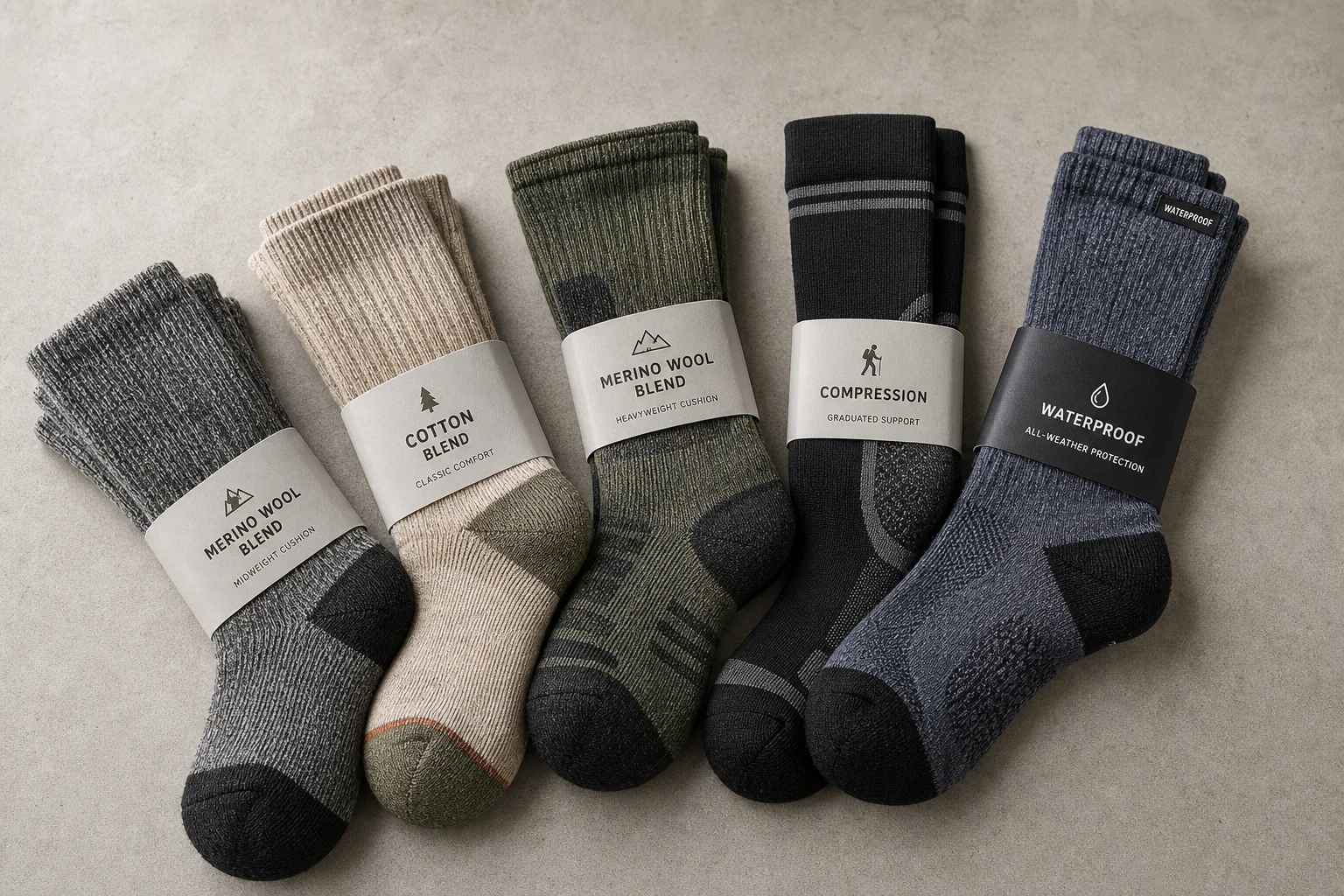
Best Hiking Socks 2026: Five Top Choices for Different Trail Needs
A practical roundup of five hiking socks, from lightweight merino options to heavy-duty compression styles, with clear guidance on which suits your outdoor activity.